Bastion 1
Set within Kotor's historic Gymnasium building, Bastion 1 occupies one of the Old Town's most architecturally significant addresses. The restaurant sits inside a walled medieval city that has shaped Montenegrin coastal culture for centuries, placing it in a dining scene where provenance and setting carry as much weight as the plate. For the Bay of Kotor, that combination is increasingly rare.
Pearl is the En Primeur Club membership app — saves, bookings, and concierge access live there. Same editors, same standards.
- Address
- Gymnasium building, 517, Kotor, Montenegro
- Phone
- +382 32 322 116
- Website
- bastion123.com
- Directions
- Get directions
 Saves & bookings on Pearl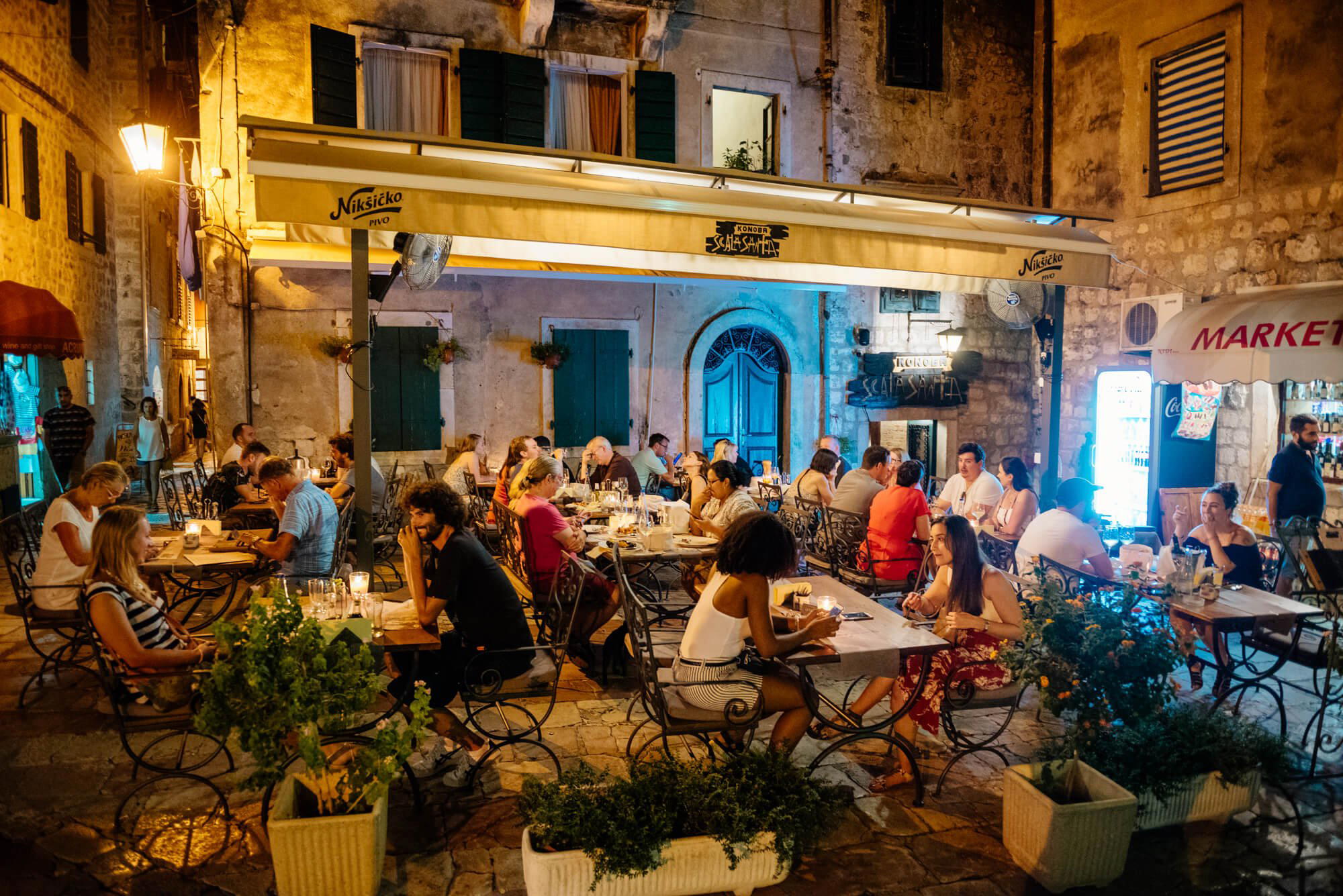
Stone Walls, Adriatic Provenance
Kotor's Old Town operates on a different logic from most Adriatic dining destinations. The city is enclosed within 4.5 kilometres of Venetian-era defensive walls, a UNESCO World Heritage Site, and every restaurant inside those walls is already making an argument about place. The question is whether the food matches the architecture. At Bastion 1, housed in the Gymnasium building at 517, that tension between historic envelope and culinary ambition is the central dynamic worth examining.
The Gymnasium building is not incidental to the experience. Gymnasium structures in the Balkans were built as civic institutions, their stone facades carrying the weight of Habsburg and Venetian administrative history. Eating inside one in Kotor means dining in a space that predates the tourism economy by several centuries, which sets a different register than a converted warehouse or a terrace bolted onto a medieval lane. The physical environment does half the work before a dish arrives.
What the Bay of Kotor Puts on the Plate
Montenegro's coastal cuisine is anchored in the same Adriatic logic that governs kitchens from Dubrovnik to Bari: seafood from waters that are still, by European standards, relatively clean and lightly industrialised, combined with produce from the karst hinterland behind the coast. The Bay of Kotor specifically, a drowned river canyon rather than a true fjord, produces shellfish, particularly oysters and mussels, that carry a distinctive mineral quality shaped by the freshwater springs that feed into the bay from the surrounding limestone mountains.
That sourcing context matters because it defines what a restaurant in this location can, at its most ambitious, put forward. Venues operating within Kotor's Old Town have direct access to one of the Adriatic's more interesting micro-environments. The shellfish from the bay's inner reaches, around Ljuta and the Škaljari area, have been harvested for centuries using methods that have not changed substantially. For a kitchen with the right relationships, that is a significant raw material advantage over restaurants importing standardised product from further afield.
The broader Montenegrin coastal kitchen also pulls from a distinct inland tradition: lamb from Njeguši in the Lovćen foothills, prosciutto from the same village (the original Njegušski pršut, which carries a protected designation of origin within Montenegro), and hard cheese aged in the mountain air. These are ingredients with genuine geographic specificity, not interchangeable cured meats or generic dairy. Any kitchen in Kotor that takes its sourcing seriously is working with materials that restaurants in larger, more trafficked cities would pay considerably more to access. For comparison, the way Atelier Moessmer Norbert Niederkofler in Brunico has built its identity around Alpine regional sourcing gives a useful frame for understanding why hyper-local provenance, when treated with discipline, becomes an editorial statement rather than a marketing footnote.
Kotor's Restaurant Tier and Where Bastion 1 Sits
The Old Town's dining scene has split over the past decade into two reasonably distinct tiers. The first is high-volume tourist-facing restaurants that work the summer season hard and rely on foot traffic from cruise ship arrivals, Kotor is among the more frequently visited cruise ports in the eastern Adriatic, with passenger numbers that can exceed a thousand per day during peak months. The second is a smaller group of venues that pitch to a longer-stay, higher-spend traveller who is staying in the Bay for several nights and looking for something that reflects the place rather than simply feeds them efficiently.
Bastion 1, positioned inside the Gymnasium building in the heart of the Old Town, occupies the second tier by geography and address alone. The challenge for any restaurant in that bracket is holding the line on quality through a season that runs hot from June through September and then quiets considerably. For context on how regional restaurants at different price points handle that seasonal pressure, Konoba Perast in Perast offers a useful comparison, a smaller village setting, a tighter seasonal window, and a similar reliance on Bay-sourced seafood as the editorial core of the menu.
The comparable set for the restaurant within Montenegro's coastal corridor includes Sabia in Kumbor, which operates from a different position on the Bay, and Porto in Podgorica, which anchors the capital's more formal dining tier. Neither is a direct equivalent, but both indicate the range of ambition currently operating within the country's restaurant economy. Our full Kotor restaurants guide maps this scene in more detail, including venues across the Old Town and the broader bay.
Planning a Visit
Kotor's Old Town is pedestrianised, and the Gymnasium building address at 517 is reachable on foot from the main Vrata od Mora (Sea Gate) entrance in under five minutes. Arriving by car requires using one of the car parks outside the walls and walking in. Summer evenings in the Old Town fill quickly, particularly on nights when cruise ships are in port; visiting midweek or outside the June-to-August peak reduces competition for tables significantly. Reservations are recommended.
For travellers using Kotor as a base to explore the wider Adriatic restaurant scene, Dalmatinska Konoba Cesarica and Duomo Crna Gora in Becici represent different points on the coastal dining spectrum worth considering. Those looking further afield for reference points in similar regional-sourcing traditions might find Dal Pescatore in Runate or Quattro Passi in Marina del Cantone instructive as examples of how Italian coastal kitchens have formalised the same Adriatic-provenance argument over multiple generations.
Side-by-Side Snapshot
Comparable venues nearby, for context on price, style, and recognition.
| Venue | Cuisine | Price | Notes |
|---|---|---|---|
| Bastion 1This venue — the venue you are viewing | Seafood and Mediterranean | $$ | Not listed |
| Dalmatinska Konoba Cesarica | Dalmatian Seafood Konoba | $$ | Stari grad |
| Kod Iva | Seafood & Mediterranean | $$ | Budva |
| Kavkaz Restarant | Georgian & Caucasian | $$ | Enovici |
| Restobar Štrudla | Montenegrin-European Fusion | $$ | Center of the town |
| Lee Fast | Korean Street Food | $$ | Jula |
Continue exploring
More in Kotor
Restaurants in Kotor
Browse all →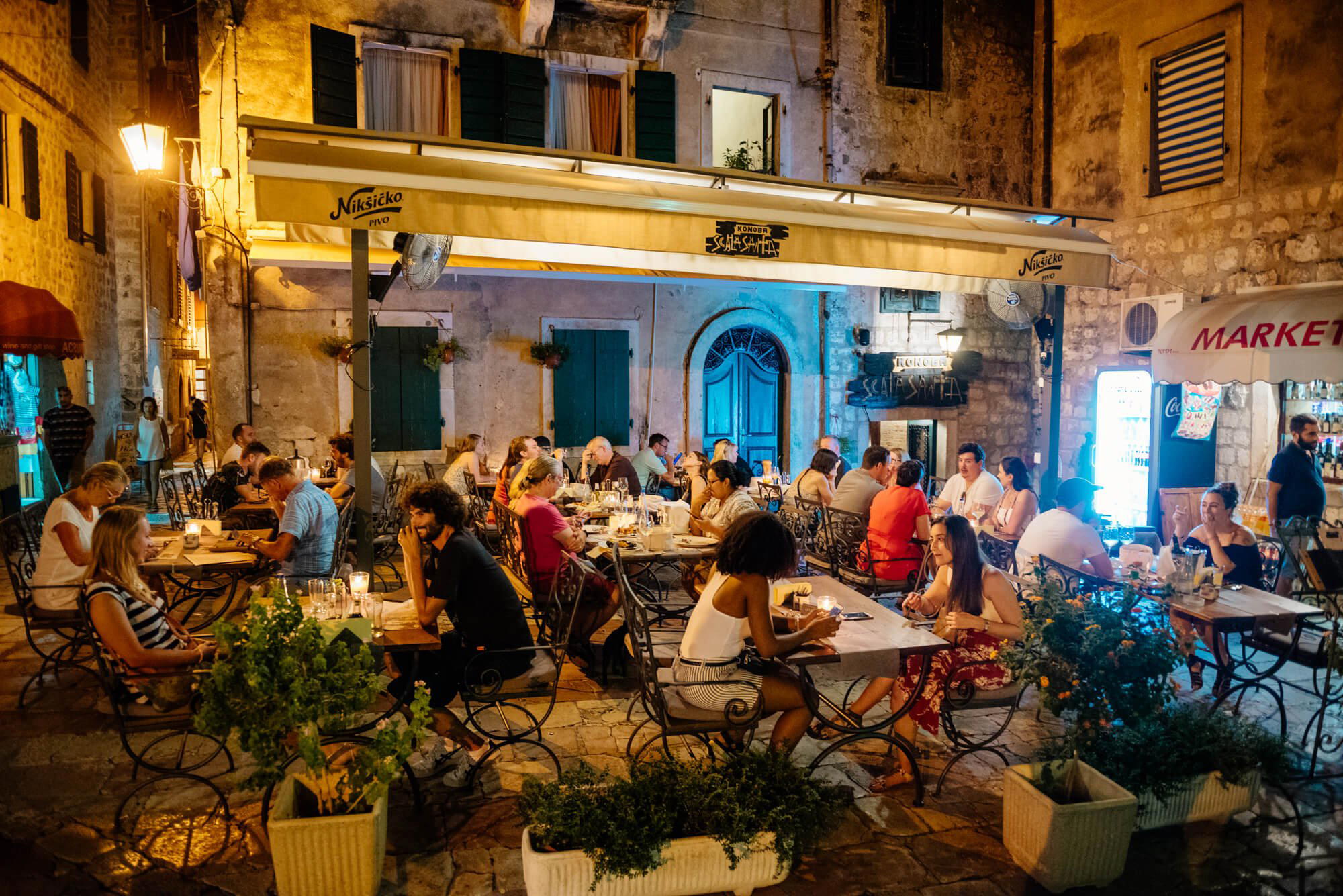
Bars in Kotor
Browse all →
Hotels in Kotor
Browse all →
Wineries in Kotor
Browse all →
At a Glance
- Classic
- Rustic
- Family
- Group Dining
- Business Dinner
- Terrace
- Historic Building
- Local Sourcing
- Street Scene
Current opening hours
- Monday
- 8 AM–11 PM
- Tuesday
- 8 AM–11 PM
- Wednesday
- 8 AM–11 PM
- Thursday
- 8 AM–11 PM
- Friday
- 8 AM–11 PM
- Saturday
- 8 AM–11 PM
- Sunday
- 8 AM–11 PM
Hours can change for holidays and private events. Last verified .
Charming terrace dining in a historic setting with classic, slightly dated decor and warm service.