Porto
Porto sits on Bulevar Stanka Dragojevića in central Podgorica, occupying a segment of the city's dining scene that draws on the Adriatic and Balkan pantry rather than imported formulas. It belongs to a cluster of Podgorica addresses worth considering alongside the city's broader restaurant options.
Pearl is the En Primeur Club membership app — saves, bookings, and concierge access live there. Same editors, same standards.
- Address
- 40 Bulevar Stanka Dragojevića, Podgorica 81000, Montenegro
- Phone
- +382 63 223 303
- Directions
- Get directions
 Saves & bookings on Pearl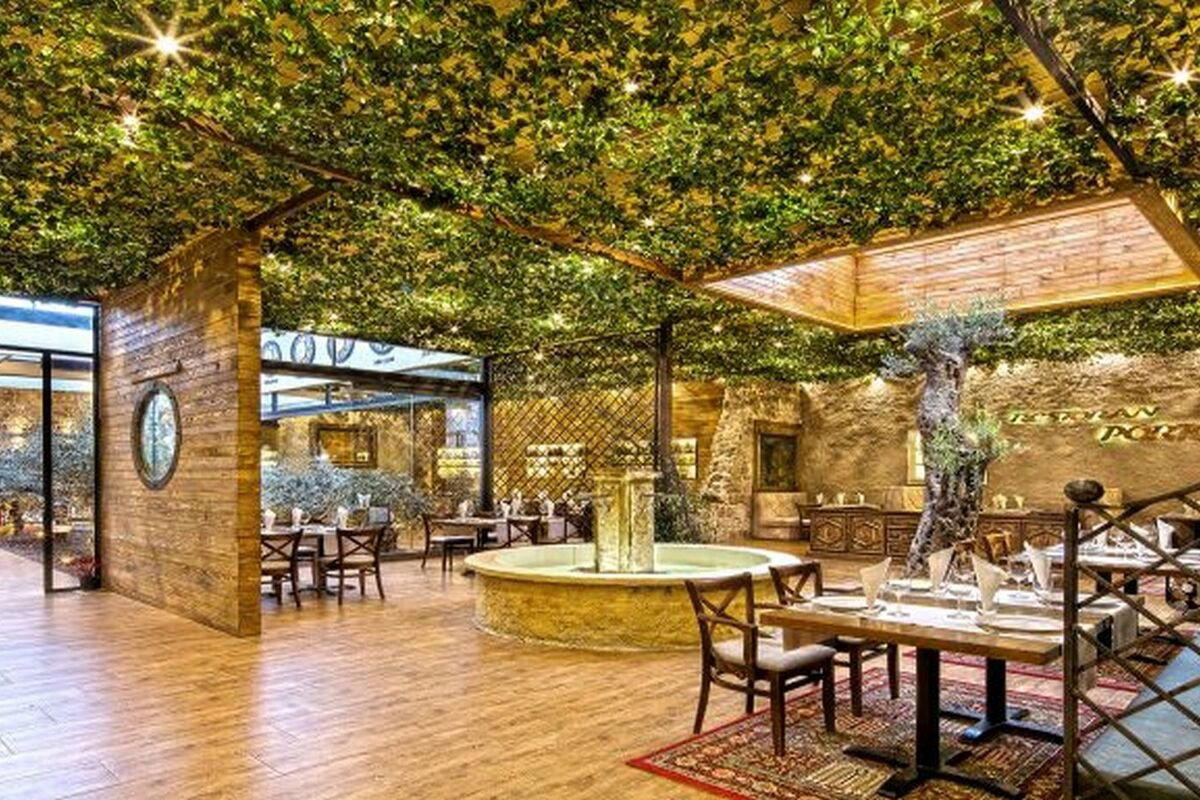
Where Podgorica's Dining Scene Finds Its Footing
Podgorica is not a city that announces itself through its restaurants. The Montenegrin capital sits inland, away from the Adriatic coast that supplies most of the country's culinary reputation, and its dining scene has developed in a quieter register than the coastal towns of Kotor, Perast, or Budva. What that means in practice is that the restaurants doing interesting work here tend to draw on a different set of supply lines: the Zeta plain's agricultural output, lamb and dairy from the highlands toward Kolašin, and river fish from the Morača and Zeta, rather than the bream and sea bass that define menus further west. Porto, at 40 Bulevar Stanka Dragojevića, operates in this inland-facing context, on one of the city's main arterial roads where foot traffic is local rather than tourist-driven.
The address itself signals something about positioning. Bulevar Stanka Dragojevića runs through a residential and commercial zone that Podgorica residents use daily, and restaurants that survive here do so on repeat local custom rather than seasonal visitor flow. That dynamic tends to select for value consistency and kitchen reliability over spectacle. It is a different pressure from the one facing waterfront restaurants in Kotor or Perast, where the summer season concentrates demand and the off-season thins it considerably.
The Sourcing Logic Behind Montenegrin Inland Cooking
Montenegro's food geography divides more sharply than its small size might suggest. The coastal strip runs on olive oil, seafood, and Italian-inflected technique, a culinary inheritance from centuries of Venetian presence. The interior operates on different terms: rendered fats, slow-cooked meats, smoked and dried proteins, and dairy traditions that have more in common with Serbia and Bosnia than with Dalmatia. Podgorica sits at the hinge point between these two registers, close enough to the coast to access Adriatic fish at reasonable price, but surrounded by mountain-influenced producers who supply the lamb, kajmak, and cured meats that define the inland table.
Restaurants in this city that source well tend to anchor their menus to that dual geography, offering grilled fish alongside roasted meats, using domestic cheese and cream in ways that coastal menus rarely do. High-performing addresses in Podgorica, including Kokotov rep and Restobar Štrudla, have built their identities partly around this sourcing duality. Masala Art and Zheng He Centar occupy a different corner of the city's offer, demonstrating that Podgorica now supports a range of kitchen traditions beyond the Balkan standard. Porto's name and boulevard location suggest a lean toward fish and coastal reference points, though the specifics of its current menu and sourcing relationships require direct verification.
Reading a Restaurant Without a Public Record
In tourist-heavy cities, restaurants without websites or curated review profiles are often simply undiscovered or underdeveloped. In a city like Podgorica, where hospitality infrastructure has grown more slowly and where the primary audience is domestic, the absence of a polished online footprint can reflect a different operating logic: a kitchen that has built its audience through word of mouth and neighborhood loyalty rather than SEO and booking platform visibility.
That limits what can be responsibly stated about the format, the price tier, or the specific dishes. What can be said is that the address on Bulevar Stanka Dragojevića places it in a functioning commercial district, and that the name points toward a maritime or port-city culinary reference that is plausible given Montenegro's coastal identity. For context on what the broader Montenegro dining scene looks like at the coastal end of the spectrum, venues such as Bastion 1 in Kotor, Konoba Perast in Perast, and Sabia in Kumbor provide useful calibration.
Podgorica in Its Regional Context
Podgorica does not attract the same international culinary attention as Kotor's old town or the Budva riviera, but that gap is narrowing. The city's restaurant scene has diversified over the past decade, adding formats that range from traditional konoba-style cooking to Indian, Chinese, and European bistro approaches. Diners making decisions about where to eat during a stay in the capital now face a more differentiated set of options than existed even five years ago.
That diversification matters for understanding where Porto sits. A city with only a handful of serious restaurants can sustain a venue on novelty alone; a city with genuine range requires each address to hold a defensible position, whether through sourcing, price-to-quality ratio, format, or neighborhood function. The coastal Montenegro venues worth benchmarking against include Dalmatinska Konoba Cesarica in Kotor, Duomo Crna Gora in Bečići, and Kavkaz Restaurant in Enovici, each of which operates with a distinct identity. In Budva, Kod Iva represents the konoba tradition at a high-traffic coastal address. And for Indian cooking in the capital specifically, Masala Art draws a consistent local following.
For international reference points that illustrate what serious sourcing discipline looks like at the high end, Le Bernardin in New York City represents the apex of seafood sourcing in a metropolitan context, while Atelier Moessmer Norbert Niederkofler in Brunico demonstrates how Alpine regional sourcing can define an entire kitchen philosophy. Closer in format and scale, Lazy Bear in San Francisco and Atomix in New York City show how sourcing narrative and tasting format can intersect at a sophisticated level. Emeril's in New Orleans offers a different model, where regional ingredient identity anchors a high-volume, high-recognition restaurant over multiple decades. None of these translate directly to what Porto is doing in Podgorica, but they illustrate the spectrum across which sourcing choices define a restaurant's identity and comparable set.
Planning a Visit
Porto is open daily from 10 AM to 11:30 PM, and reservations are recommended. The dress code is smart casual, and the price tier is moderate.
Comparable Spots, Quickly
Comparable venues nearby, for context on price, style, and recognition.
| Venue | Cuisine | Price | Notes |
|---|---|---|---|
| PortoThis venue — the venue you are viewing | Mediterranean Seafood | $$$ | Not listed |
| Kokotov rep | Cocktail Bar | $$ | Bulevar Stanka Dragojevića |
| Zheng He Centar | Authentic Chinese with Sushi | $$ | Centar |
| Masala Art | Authentic North Indian Cuisine | $$$ | Heart of Podgorica |
| Masala Art | Authentic North Indian | $$ | Podgorica center |
| Restobar Štrudla | Montenegrin-European Fusion | $$ | Center of the town |
Continue exploring
More in Podgorica
Restaurants in Podgorica
Browse all →
Bars in Podgorica
Browse all →
Hotels in Podgorica
Browse all →
Wineries in Podgorica
Browse all →
At a Glance
- Romantic
- Elegant
- Sophisticated
- Scenic
- Date Night
- Business Dinner
- Group Dining
- Celebration
- Special Occasion
- Waterfront
- Garden
- Terrace
- Extensive Wine List
- Sommelier Led
- Local Sourcing
- Sustainable Seafood
- Garden
Current opening hours
- Monday
- 10 AM–11:30 PM
- Tuesday
- 10 AM–11:30 PM
- Wednesday
- 10 AM–11:30 PM
- Thursday
- 10 AM–11:30 PM
- Friday
- 10 AM–11:30 PM
- Saturday
- 10 AM–11:30 PM
- Sunday
- 10 AM–11:30 PM
Hours can change for holidays and private events. Last verified .
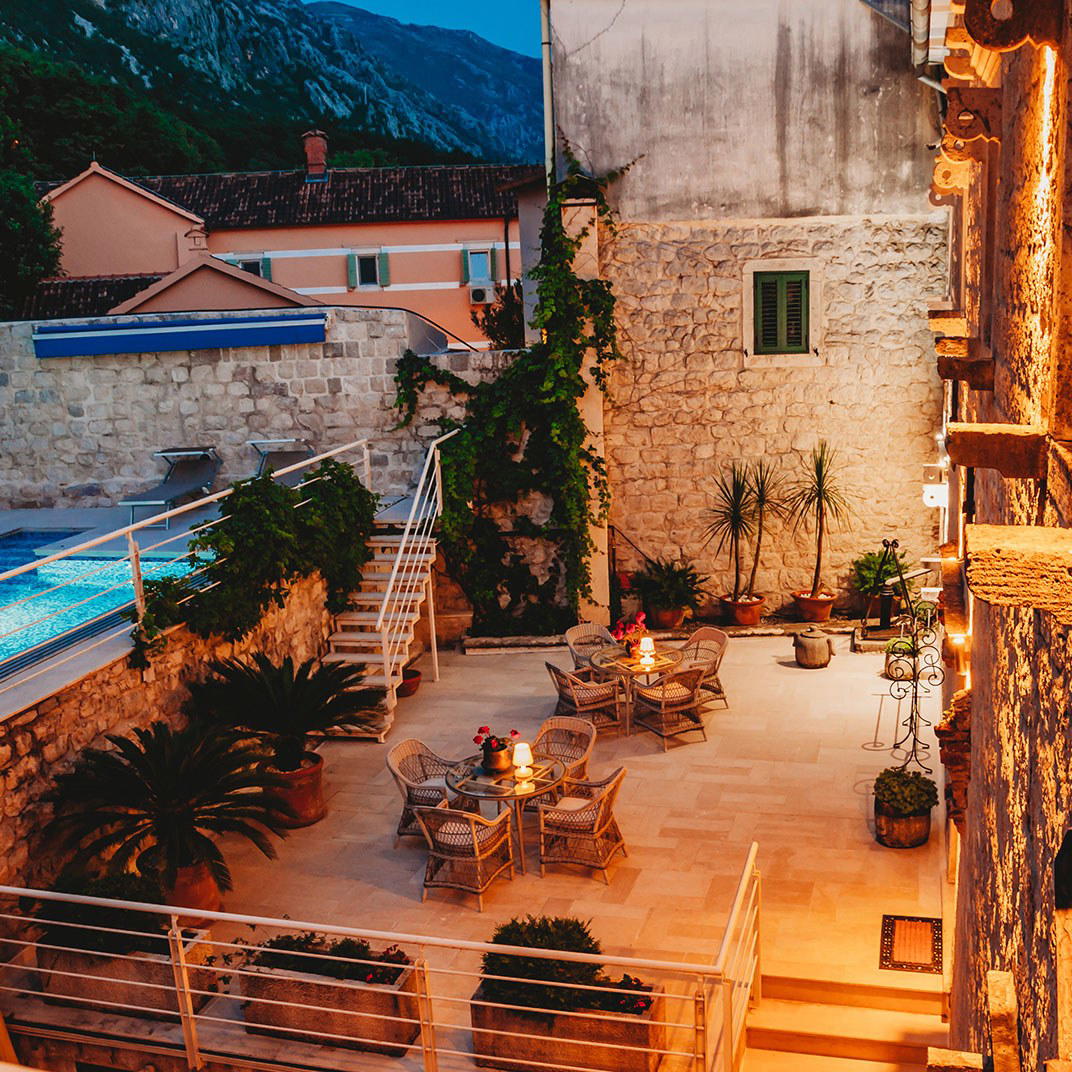
Bright and spacious with abundant natural greenery, olive and palm trees creating an intimate Mediterranean atmosphere with natural materials throughout.