Dalmatinska Konoba Cesarica
A Dalmatian-style konoba in the heart of Kotor's Old Town, Cesarica places Adriatic tradition at the centre of its offer — stone walls, regional sourcing, and the kind of fish-forward cooking that defines the eastern coast of the former Yugoslav littoral. For visitors working through Montenegro's dining scene, it sits in the unpretentious, locality-first tier that the Bay of Kotor does better than almost anywhere else in the region.
 Discover on Pearl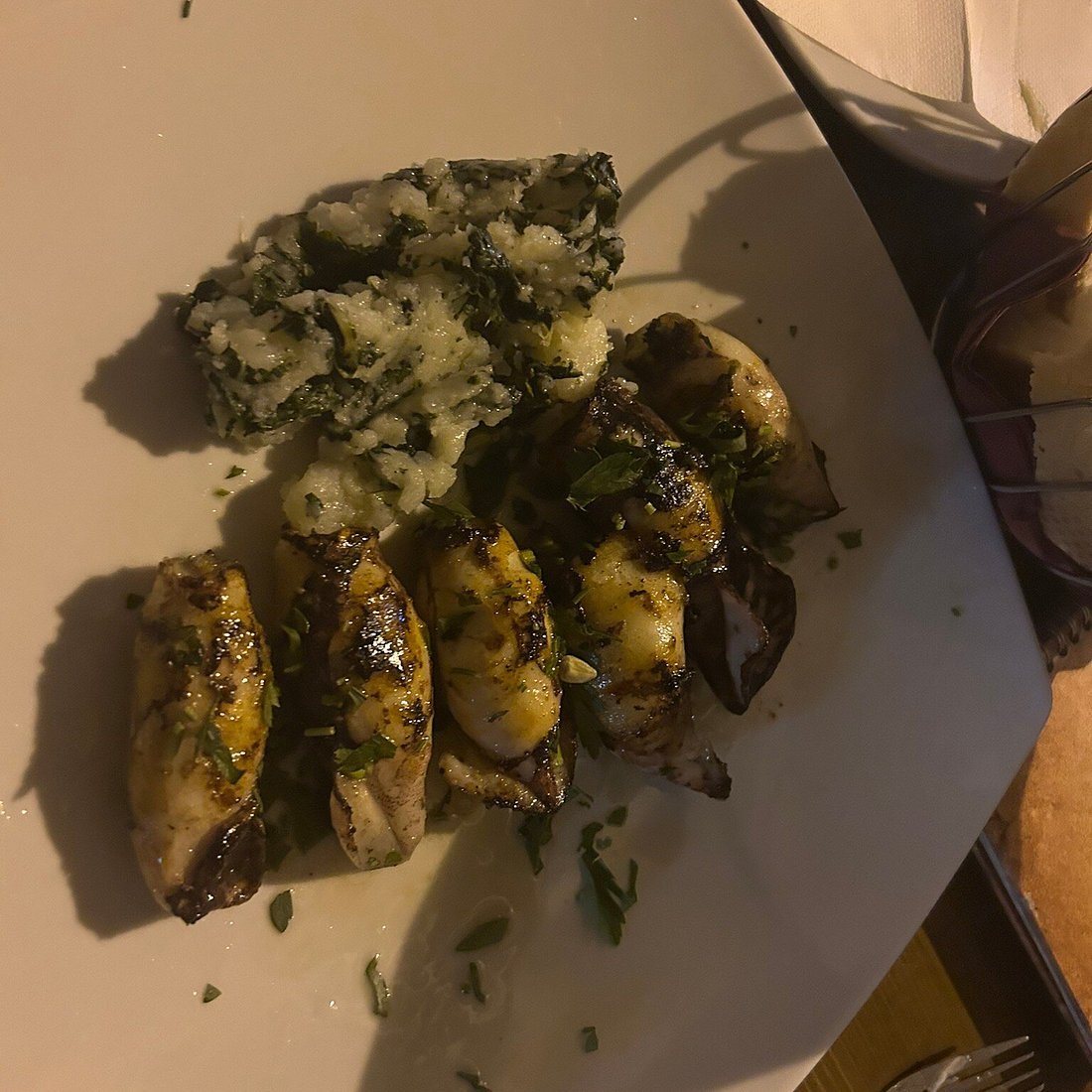
Stone, Salt Air, and the Adriatic Sourcing Tradition
Kotor's Old Town operates as a kind of pressure cooker for Adriatic dining culture. The medieval walls hold in the heat, the smell of the sea is rarely more than a few streets away, and the density of konobas — the informal, family-run taverns that define coastal eating from Split to Bar — is high enough that quality sorting happens fast. Tourists who eat badly once tend not to return to the same place twice, and in an Old Town where foot traffic is concentrated and seasonal, reputation travels quickly. Dalmatinska Konoba Cesarica sits inside that ecosystem, drawing on the Dalmatian konoba format that prizes ingredient provenance and simplicity of preparation over technical complexity.
The Dalmatian model , as distinct from, say, the more elaborate fish restaurants that have emerged along the Montenegrin Riviera , is built on a clear premise: the ingredient is the point. Cooking intervenes as little as possible. Grilled fish arrives with olive oil and herbs rather than sauces. Shellfish comes from known local beds. The wine list, in a well-run konoba, leans on regional producers rather than imported labels. This philosophy has deep roots along the eastern Adriatic coast, and it travels across the border into Montenegro with a particular coherence in the Bay of Kotor, where the enclosed geography creates its own micro-sourcing ecosystem.
The shortlist, unlocked.
Hard-to-book tables, cellar releases, and concierge-planned trips.
Get Exclusive Access →What Dalmatian Means on This Side of the Border
The name is worth pausing on. Calling a konoba "Dalmatinska" in Montenegro is a positioning signal. Dalmatia , the Croatian coastal region stretching from Zadar to Dubrovnik , has long been the reference point for quality Adriatic seafood cooking in this part of Europe. A konoba that aligns itself with that tradition is making a claim about the kind of food it intends to serve: ingredient-led, coast-rooted, without the drift toward international comfort food that affects some tourist-facing restaurants in heavily visited old towns.
Montenegro's own coastal cooking shares most of its DNA with the Dalmatian model , both descend from the same Venetian and Ottoman-influenced littoral tradition , but the branding distinction matters in a town like Kotor, where visitors arrive with varying levels of familiarity with the region's culinary geography. For diners who already know the difference between a konoba and a pizzeria, or between farmed sea bass and locally caught brancin, the Dalmatinska designation functions as a shortcut to the right kind of table. For diners who are newer to the region, it is an invitation to learn what Adriatic sourcing actually looks like on the plate.
Across the Bay of Kotor, the sourcing question is answered differently by different establishments. Konoba Perast in Perast operates along the same locality-first lines, with the specific advantage of its position on the bay's inner edge. Bastion 1 in Kotor sits in a more formal register, with a setting that commands a different kind of attention. Cesarica operates in the more approachable tier , the konoba as daily dining institution rather than occasion restaurant , which in many ways is the more demanding format to execute well, since there is nowhere to hide behind ceremony or elaborate plating.
The Eastern Adriatic Sourcing Context
The Bay of Kotor is one of the more geographically distinctive bodies of water in the Mediterranean basin , a drowned river canyon that creates a series of nested inlets with water conditions that differ significantly from the open Adriatic. That geography supports particular fish populations and, historically, has sustained small-scale fishing operations that feed directly into the konoba supply chain. The leading establishments in the bay work with those local fishers directly, which means the menu shifts with the catch rather than with a printed seasonal rotation.
This model of direct procurement is what separates the functioning konoba from the tourist restaurant operating under konoba aesthetics. Stone walls and checked tablecloths do not constitute a sourcing philosophy. The real marker is whether the fish on the plate was landed nearby and recently , a distinction that becomes legible to any attentive diner within the first course. Elsewhere in Montenegro, restaurants like Sabia in Kumbor and Porto in Podgorica approach Adriatic ingredients from different angles and price points, but the konoba format in the Old Town represents the most direct expression of coast-to-table practice in the region.
For context on what refined sourcing discipline looks like at the global level, it is instructive to compare the konoba's localist instinct with the rigorously place-specific cooking at Atelier Moessmer Norbert Niederkofler in Brunico or the hyper-regional philosophy behind Reale in Castel di Sangro , establishments where the sourcing argument is made at Michelin level. The konoba operates at a different scale and price register entirely, but the underlying commitment to place-specific ingredients is the same cultural reflex, expressed through a different culinary tradition.
Planning Your Visit
Kotor's Old Town is compact enough that most konobas are within a short walk of the main square and the Sea Gate entrance. The summer season runs roughly from June through September, when visitor numbers are at their peak and tables at better-regarded spots can fill by early evening. Arriving at lunch rather than dinner tends to yield a more relaxed pace and, in establishments that work with daily catches, often the freshest selection. The shoulder months of May and October offer the Old Town in a more navigable state, with the heat reduced and the crowds thinned. For a wider view of where Cesarica fits in Kotor's dining picture, our full Kotor restaurants guide maps the scene across price tiers and formats.
Montenegro's broader dining geography extends well beyond the bay, from Duomo Crna Gora in Becici on the open Riviera coast to Kavkaz Restaurant in Enovici and the Budva-area option at Kod Iva. For a global frame of reference on coastal Mediterranean cooking executed at the highest technical level, Quattro Passi in Marina del Cantone and Dal Pescatore in Runate represent the Italian benchmark. The konoba sits at the opposite end of the formality spectrum, which is precisely its value.
Frequently Asked Questions
- Is Dalmatinska Konoba Cesarica suitable for children?
- The konoba format is generally well-suited to family dining in this part of the world. Montenegro's coastal restaurants tend to operate with a relaxed approach to children, and the direct fish and seafood preparation typical of the Dalmatian tradition means there are usually grilled options that younger diners will accept without difficulty. Kotor's Old Town is walkable and compact, which makes it easy to arrive, eat, and move on without the logistical complications of more formal dining settings. That said, specific facilities or high-chair availability at Cesarica are not confirmed in available data.
- What is the vibe at Dalmatinska Konoba Cesarica?
- The konoba format across the Bay of Kotor tends toward the informal and unhurried. Stone interiors, modest table settings, and menus that reflect the day's supply rather than a fixed international selection are the defining characteristics of this dining tier. Kotor's Old Town adds a particular atmospheric layer , medieval architecture, narrow streets, proximity to the walls , that gives even a simple lunch a sense of place that more polished settings in the region cannot quite replicate. Reservation options and booking methods are not confirmed in current data, so arriving in person during off-peak hours is the lower-risk approach.
- What should I order at Dalmatinska Konoba Cesarica?
- The Dalmatian konoba tradition centres on grilled fish, shellfish, and simply prepared seafood , the cuisine type most consistent with the sourcing model the name signals. In the Bay of Kotor context, locally caught species prepared with olive oil, garlic, and Adriatic herbs represent the format at its most direct. Specific signature dishes are not confirmed in available data, but the guiding principle across well-run konobas in this tradition is to follow the daily catch rather than the printed menu. Asking what arrived that morning is the right question.
- How does Dalmatinska Konoba Cesarica compare to other Adriatic seafood options in the Bay of Kotor?
- Cesarica occupies the approachable, locality-first tier of Kotor's dining scene, positioning it alongside establishments like Konoba Perast in Perast rather than the more formal fish restaurants along the Montenegrin Riviera. The Dalmatinska designation suggests an alignment with Croatian Adriatic sourcing and cooking conventions, which in practical terms means less emphasis on technique and more on the quality of the raw ingredient. For diners who have eaten along the coast from Dubrovnik south, the format will be immediately recognisable; for those newer to the region, it is the most direct introduction to how the eastern Adriatic actually eats. Awards and formal critical recognition are not on record for this venue.
Fast Comparison
These are the closest comparables we have in our database for quick context.
| Venue | Cuisine | Price | Awards | Notes |
|---|---|---|---|---|
| Dalmatinska Konoba Cesarica | This venue | |||
| Sabia | ||||
| La Veranda | ||||
| Bastion 1 | ||||
| Konoba Perast | ||||
| Porto |
Need a table?
Our members enjoy priority alerts and concierge-led booking support for the world's most difficult tables.
Get Exclusive AccessThe shortlist, unlocked.
Hard-to-book tables, cellar releases, and concierge-planned trips.
Get Exclusive Access →