Restobar Štrudla
Our verdict
On Bokeška in central Podgorica, Restobar Štrudla occupies the relaxed middle ground between a neighbourhood bar and a sit-down restaurant that the city does well. The name nods to the strudel tradition shared across former Yugoslav and broader Balkan cooking, situating the place in a culinary lineage older than any single country. For visitors working through Podgorica's dining options, it offers a locally rooted alternative to the capital's more international addresses.
- Address
- 8-24 Bokeška, Podgorica, Montenegro
- Phone
- +382 67 034 555
- Directions
- Get directions
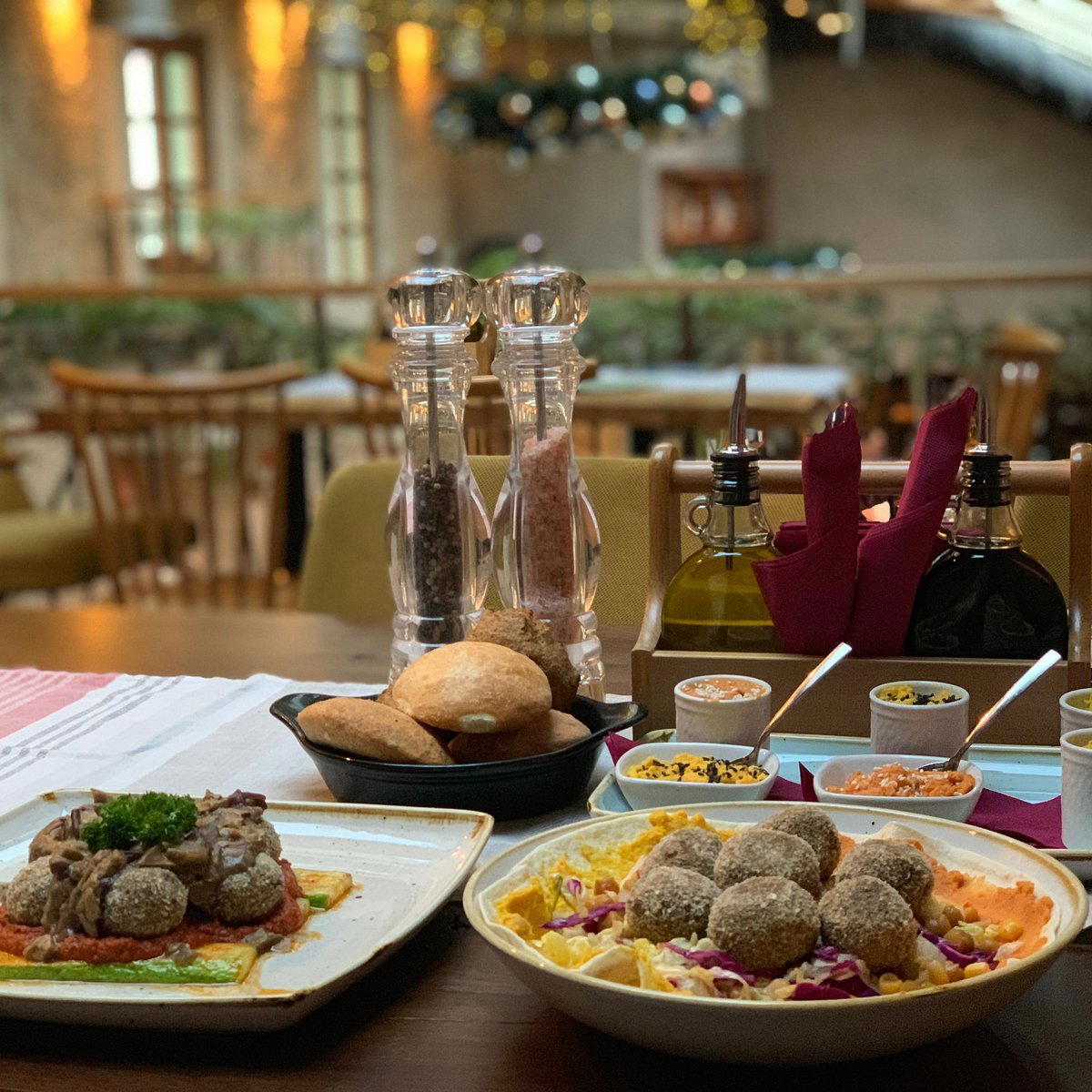
The menu
What to order
- Strudel
- Vegan burger
Where Bokeška Settles Into Its Own Rhythm
There is a particular quality to Bokeška in the older residential grain of Podgorica: streets wide enough to slow a walk, buildings that predate the postwar rebuilding of the city centre, and a foot traffic that is mostly local rather than tourist. Restobar Štrudla sits on this stretch at addresses 8-24, in the kind of position that rewards the walker who has moved off the main commercial arteries. The format itself, a restobar rather than a pure restaurant or pure bar, reflects something genuine about how Podgoricans actually socialise: the line between eating and drinking is rarely drawn hard, and venues that honour that fluidity tend to feel more inhabited than those that force a binary.
The Strudel as Cultural Shorthand
The name is doing more work than it might first appear. Strudel, as a preparation, entered Balkan cooking through centuries of Austro-Hungarian and Ottoman culinary overlap, and it persists today in forms that bear little resemblance to the Viennese pastry most international visitors would recognise. Across Montenegro, Bosnia, Serbia, and North Macedonia, the filled pastry tradition shows up in savoury börek variants and sweet filled doughs alike, each region insisting on its own grammar of fat, filling, and layering technique. A venue anchoring its identity in that name is situating itself inside a very specific cultural register: it is not reaching for international signifiers, and it is not performatively rustic either. It is claiming a vernacular tradition that connects the table to a shared, if complicated, regional history.
That tradition matters in Podgorica precisely because the capital has fewer strong culinary anchors than coastal Montenegro. The Bay of Kotor towns, with their Venetian seafood traditions, and the Adriatic littoral, with its fish-and-olive-oil simplicity, project a clearer culinary identity than the inland capital, which has always been more of a meeting point for influences than a source of a single defined cuisine. For a restaurant here to root itself in the filled-pastry tradition is, in that context, a considered positioning. Visitors wanting to explore the wider coastal tradition can follow threads to Konoba Perast in Perast or Bastion 1 in Kotor, where the Adriatic register is more pronounced. Štrudla occupies different ground: continental, Balkan, and interior.
Restobar culture in Podgorica is worth understanding before placing Štrudla inside it. The city's dining scene has been evolving away from the traditional kafana model, where food is secondary to coffee and conversation, toward venues that take both the drinking and the eating seriously without becoming full-format restaurants with tasting menus and formal service. Several addresses in the capital now occupy this middle register. Kokotov rep is one point of comparison, and Porto another, each operating with a different emphasis but sharing the same understanding that the city's dining public is not always in a mood for a structured meal. For a more internationally framed experience, Masala Art and Zheng He Centar represent the capital's ongoing absorption of international cuisines, which makes a venue with a regional name and a Balkan identity read as a deliberate counterpoint. Our full Podgorica restaurants guide maps the full range of options across price points and formats.
Atmosphere and What to Expect
The restobar format generally means a space that transitions through the day rather than opening for a fixed meal service: coffee and pastry in the morning, lunch plates during working hours, drinks and lighter food into the evening. On Bokeška, the immediate neighbourhood supports that pattern, with residents who use local venues as an extension of the living room rather than as occasional special occasions. This is a different cadence from the tourist-facing dining of Budva or the coastal strip, and visitors who arrive expecting the latter will need to recalibrate. What the format offers instead is a room that has been lived in, where the pressure of first impressions is lower and the experience is closer to a sustained local habit than a one-time performance.
Internationally, restobars and all-day neighbourhood venues have been gaining ground in cities from Lisbon to Melbourne, partly as a reaction to the formality of fine-dining structures. In that context, Štrudla belongs to a broader pattern even while operating at a purely local scale. The same tension between casual format and serious food intent that makes venues like Lazy Bear in San Francisco or Atomix in New York City interesting at the high end exists in a compressed, everyday form in places like Štrudla, where the stakes are lower but the underlying question of what a restaurant is for is the same.
Montenegro's Wider Dining Geography
For visitors using Podgorica as a base rather than a destination, or passing through between the coast and the north, the capital's dining options function as a useful calibration of what Montenegrin food looks like when it is not performing for tourists. The coastal restaurants, from Sabia in Kumbor to Duomo Crna Gora in Becici, are producing food shaped partly by what international visitors expect from an Adriatic destination. Inland, the register shifts. The Kavkaz Restaurant in Enovici is another example of how Montenegro's interior absorbs regional influences beyond the strictly local. In Budva, Kod Iva and Dalmatinska Konoba Cesarica in Kotor each work within the Dalmatian-coastal frame. Štrudla, sitting in Podgorica on a residential street with a name drawn from the pastry tradition of the interior Balkans, is in a different conversation entirely.
Planning Your Visit
Bokeška is accessible on foot from the central walking areas of Podgorica and does not require a taxi from the main hotel cluster. Podgorica rewards visitors who treat it as a working capital rather than a tourist destination, and Štrudla, with its Bokeška address and its rooted name, is leading approached in that spirit. For those who want to extend their time in Montenegro's dining scene more broadly, the EP Club Podgorica guide covers the full range alongside regional pointers. For reference on how destination-defining restaurants operate at the opposite end of the formality scale, Le Bernardin in New York City, Emeril's in New Orleans, and Atelier Moessmer Norbert Niederkofler in Brunico illustrate how seriously a distinct culinary tradition can be taken when resources and recognition align. The point of comparison is not unflattering to Štrudla: every culinary tradition starts somewhere local.
Frequently asked questions
Is Restobar Štrudla good for families?
Podgorica's restobar venues, including Štrudla on Bokeška, tend to operate at a pace that accommodates groups without time pressure. The all-day format means there is no fixed service window to fit around, which suits families with varying schedules. The residential character of the Bokeška address also means the street itself is calmer than venues closer to Nikšićka or the central pedestrian zone.
What is the atmosphere like at Restobar Štrudla?
Štrudla sits on Bokeška in the older residential grain of Podgorica, which sets a different tone from the city's more central addresses. A restobar format typically means the room shifts through the day from morning coffee into lunch trade and then into a drinks-led evening without hard resets between. Expect a neighbourhood cadence rather than a destination-dining formality.
How does Restobar Štrudla compare to other all-day spots in Podgorica?
Štrudla occupies the Bokeška address, which places it in a more residential pocket of Podgorica rather than the concentrated café strip near the city centre. That positioning means it draws a local catchment rather than passing tourist trade, which tends to shape the pace and pricing of the offer. Within Podgorica's evolving restobar scene, the strudel-forward identity also gives it a more specific culinary reference point than generalist café-bar competitors.
What do regulars order at Restobar Štrudla?
The venue's name signals a probable anchoring in strudel, a preparation with deep roots in Balkan cooking via centuries of Austro-Hungarian and Ottoman culinary crossover. Beyond that, the restobar format in Podgorica generally supports a range from pastry and coffee through to shareable plates and drinks in the evening. Specific menu details are best confirmed directly with the venue on Bokeška.
What's Restobar Štrudla's location?
Restobar Štrudla is located at 8-24 Bokeška, Podgorica, Montenegro, Podgorica.
Cost Snapshot
| Venue | Cuisine | Price |
|---|---|---|
| Restobar ŠtrudlaThis venue — the venue you are viewing | Montenegrin-European Fusion | Not listed |
| Porto | Mediterranean Seafood | $30–50 |
| Kokotov rep | Cocktail Bar | $20–30 |
| Masala Art | Authentic North Indian | $20–30 |
| Zheng He Centar | Authentic Chinese with Sushi | $20–30 |
Continue exploring
More in Podgorica
Restaurants in Podgorica
Browse all →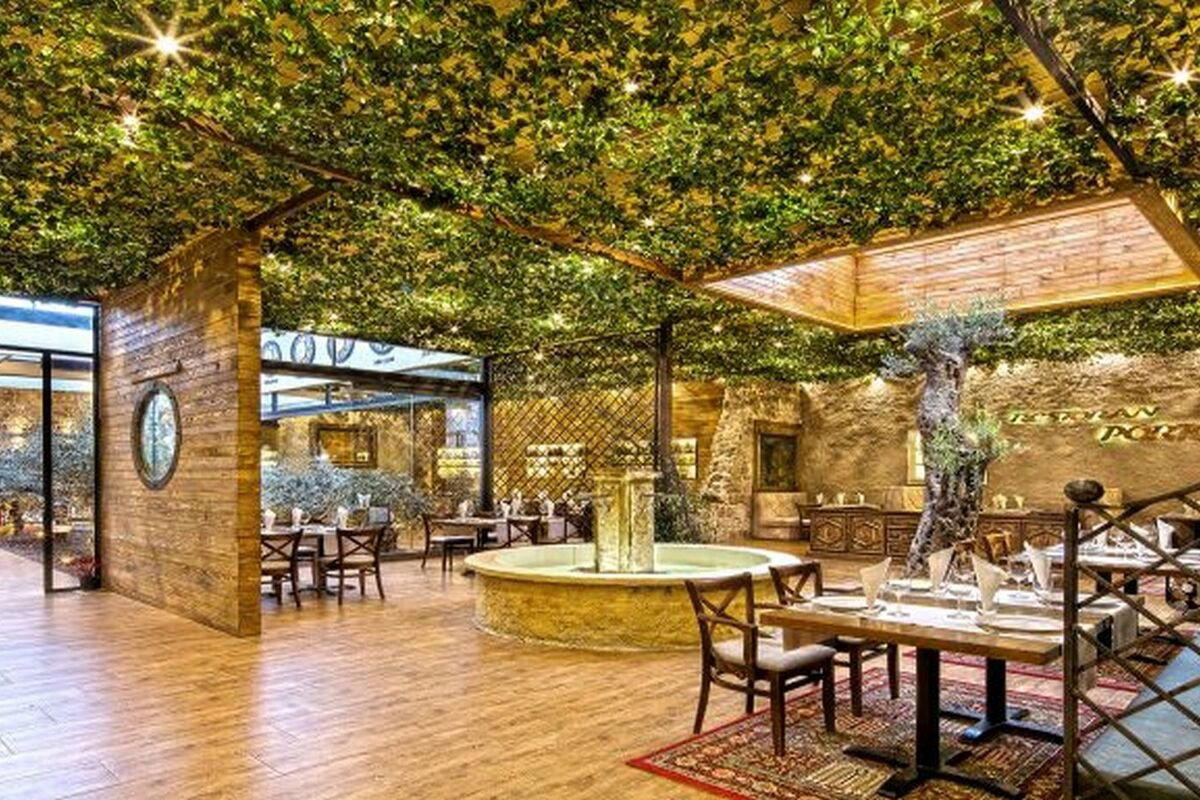
Bars in Podgorica
Browse all →
Hotels in Podgorica
Browse all →
Wineries in Podgorica
Browse all →
Restobar Štrudla
The wine
- Wine program
- Curated wine list
- Craft cocktails
Details
- Cozy
- Lively
- Trendy
- Casual Hangout
- Group Dining
- Brunch
- Terrace
- Craft Cocktails
- A La Carte
- Vegetarian Friendly
- Vegan Options
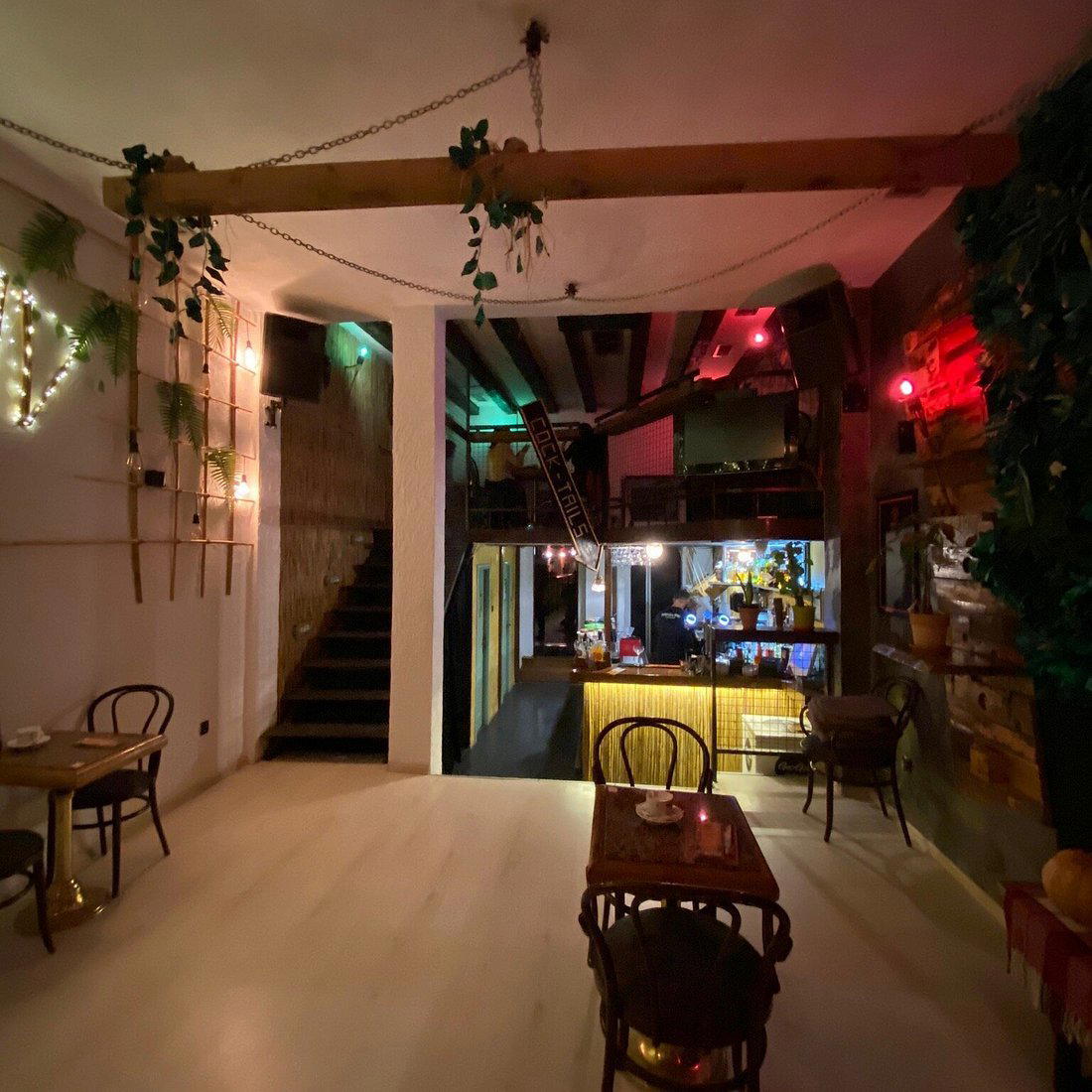
Light, cozy environment with pleasant colors, plants, eclectic decor, and a nice beergarden for outdoor seating.