
Tabelog 100 #41
Our verdict
Bashamichi Jubankan sits in Yokohama’s old port-city idiom: a kissaten with coffee, cakes, Western sweets and a broader multi-floor dining format rather than a narrow specialty counter. Its Tabelog Kissaten “Tabelog 100” selections in 2021 and 2022 give it a useful quality signal for travelers weighing value, tradition and ease in the Bashamichi-Kannai corridor.

Pearl is the En Primeur Club membership app, where members save venues, book tables and use the concierge.
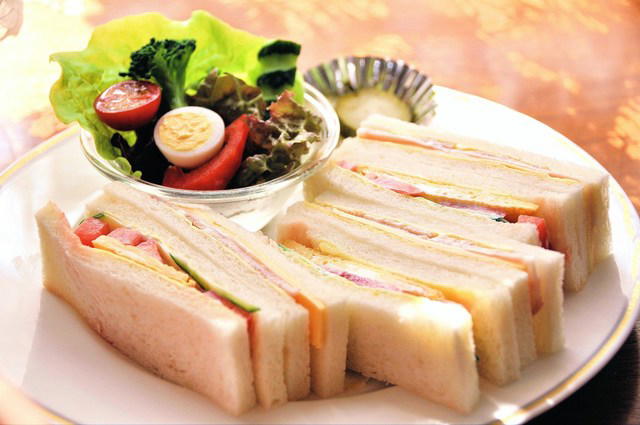
Approaching Bashamichi means entering one of Yokohama’s more historically charged dining districts, where the city’s port-era appetite for Western-style sweets, coffee rooms and formal dining still has a visible footprint. The relevant category here is not haute cuisine but kissaten culture: a Japanese coffee-shop tradition built around pause, conversation and modest spending rather than long tasting menus. Bashamichi Jubankan belongs to that lineage while expanding it into a broader house format, with a first-floor café and shop, a bar above, a French restaurant level and banquet floors higher up.
That range matters because Yokohama’s restaurant economy often splits into two different propositions. One side asks diners to commit to destination pricing, as with Sushi Tsugu, Ten Shichi or PRIMO, where the spend belongs to a more formal evening-out category. The other side offers an everyday tariff with enough local character to justify a detour between stations, museums, shopping streets and the waterfront. Bashamichi Jubankan sits firmly in the second camp, closer in value logic to Tonkatsu Aoki Yokohama bashamichi ten than to the city’s higher-priced counters, but with a different cultural register: coffee, confections and port-town nostalgia rather than a single savory specialty.
Yokohama kissaten culture, priced for a casual stop rather than a ceremony
The defining idea is a Western-influenced Japanese coffee house interpreted through Yokohama’s old foreign-trade memory. The first-floor café centers on original coffee, cakes and Western sweets, with an attached shop selling Portuguese-style baked goods called Biscuit, plus cakes and bread. Those details place it in a specific Yokohama tradition: the city has long absorbed European and Chinese foodways through port commerce, then translated them into local habits rather than museum pieces.
Recognition from Tabelog gives the venue more than sentimental value. Selection for Tabelog Kissaten “Tabelog 100” in 2021 and 2022 puts it among coffee-shop addresses singled out within a competitive national platform, a useful trust signal in a category where many rooms trade on atmosphere alone. The listed Tabelog score of 3.60 reinforces the same point without pushing it into luxury-restaurant territory. This is not a chef-led performance with a public culinary biography attached; it is a format-led stop where the category, the building and the city context carry the argument.
The value proposition is therefore unusually clear. A traveler can spend lightly, still engage with a recognized Yokohama kissaten, and avoid turning a coffee break into a full dining commitment. LA FIGLIA DEL PRESIDENTE occupies a similarly accessible lunch bracket but points toward Italian dining; Bashamichi Jubankan’s appeal is narrower and more local, especially for readers interested in the city’s coffee-house and confectionery traditions rather than another meal built around pasta, sushi or meat.
A multi-floor house rather than a single-purpose café
The building format separates this address from smaller kissaten rooms. The café and shop handle the casual rhythm; the bar and French restaurant levels suggest a more formal after-hours identity; banquet floors add the kind of institutional usefulness common to older Japanese dining houses. That does not make the café complicated. It makes the venue legible as a Yokohama institution of use: coffee break, sweet purchase, meeting place, family-friendly pause, or a more formal booking in the non-café parts of the building.
For EP Club readers, the editorial decision is less about chasing scarcity and more about matching time to intent. The coffee-shop side is the reason to come for a low-commitment stop in Bashamichi or Kannai. The broader building makes sense when mixed groups need a place with more infrastructure than a small independent café. Children are welcomed, private rooms are not part of the offer, and the venue is non-smoking, details that make it easier to place within a day of city wandering rather than reserve it for a special-occasion evening.
There is also a useful contrast with Yokohama’s current dining map. High-spend sushi, tempura and Italian rooms ask for planning, appetite and budget discipline. A kissaten such as this asks for a different kind of attention: how a city’s everyday rituals preserve older tastes. Coffee and Western sweets are not side notes in Yokohama; they are part of the port city’s social grammar. That is why the Tabelog 100 kissaten recognition carries weight here. It points to category authority rather than luxury signals.
Where it fits in a Yokohama itinerary
Bashamichi and Kannai work well for travelers who prefer layered neighborhoods over single-attraction dining. The area connects civic architecture, old commercial streets, easy rail access and a dense spread of restaurants. For a broader city read, compare this stop with yakitori at 1000 (Yakitori (Grilled chicken skewers)), long-running local Chinese cooking at Aichun, curry at Ajowan or Alpenjiro Honten, and the wider regional comfort-food logic represented by Anzen Shokudo.
Readers building a fuller trip can use Our full Yokohama restaurants guide alongside Our full Yokohama hotels guide, Our full Yokohama bars guide, Our full Yokohama wineries guide and Our full Yokohama experiences guide. Regional side trips and broader Japan comparisons can extend through -Grilled beef Sukiyaki- KAMAKURA TANUKIAN 鎌倉 たぬき庵 in Kamakura, (Shoku) Vietnam in Kawasaki. 鮪と炭火焼き うお炭 秋葉原店 in Tokyo.cafe in Osaka.know in Kumamoto and [Curry Senmon Ten] Maruyama Kyoju. in Sapporo. For overseas Japanese drinking and casual-food references, Jōdo Saké Bar in Los Angeles and Onigiri Time in Pasadena show how portable these categories become when removed from their original urban settings.
Frequently asked questions
What's the pricing like at Bashamichi Jubankan?
Pricing at Bashamichi Jubankan is listed as JPY 1,000 - JPY 1,999 JPY 1,000 - JPY 1,999.
When is Bashamichi Jubankan open?
Hours at Bashamichi Jubankan: Mon: 10 AM–10 PM; Tue: 10 AM–10 PM; Wed: 10 AM–10 PM; Thu: 10 AM–10 PM; Fri: 10 AM–10 PM; Sat: 10 AM–10 PM; Sun: 10 AM–10 PM.
What's the address for Bashamichi Jubankan?
Bashamichi Jubankan is located in Yokohama.
What's the defining dish or idea at Bashamichi Jubankan?
The defining idea is a multi-floor kissaten house in Yokohama, not a single-room café. Tabelog's 2022 Kissaten "Tabelog 100" selection points to its standing, while the ground floor focuses on coffee, cakes, and Western sweets at JPY 1,000-1,999.
Can Bashamichi Jubankan handle vegetarian requests?
Those details are not published. The café format, however, makes coffee, cakes, and baked goods the most relevant part of the experience. Check the venue's official channels for the latest details.
Can I bring kids to Bashamichi Jubankan?
Yes, the venue is marked family friendly and children are welcome. That fits a 51-seat kissaten in Yokohama with a daytime-to-night schedule, open daily from 10 AM to 10 PM.
A Credentials Check
Comparable venues to place this listing in its category.
| Venue | Cuisine | Price | Awards | Notes |
|---|---|---|---|---|
| Bashamichi JubankanThis venue (the venue you are viewing) | French / Western-style | $30–50 | Tabelog 100 #41 | Not listed |
| Boulangerie 14 Ku | French-style bakery & cafe | $10–20 | Tabelog 100 #12 | Kōhoku |
| Petale De Sakura | Local Vegetable French | $50–100 | We're Smart World 1 Radish | Izumi |
| Kasei Rou Honten | Traditional Beijing-style Chinese banquet restaurant | $30–50 | Tabelog 100 #76 | Naka |
| BAR THREE MARTINI | Classic Japanese cocktail bar | $30–50 | Tabelog 100 #69 | Naka |
| Yokohama Motomachi Mutekiro | French Fine Dining | $50–100 | Tabelog 100 #84 | Naka |
Recognition history
Dated appearances from independent guides and award organizations, with the underlying list record or original source where available.
Tabelog 100 #41 · No. 41
Tabelog · Tabelog 100 - Kissaten - 2022
Continue exploring
More in Yokohama
Restaurants in Yokohama
All restaurants in Yokohama →



Bars in Yokohama
Browse all →




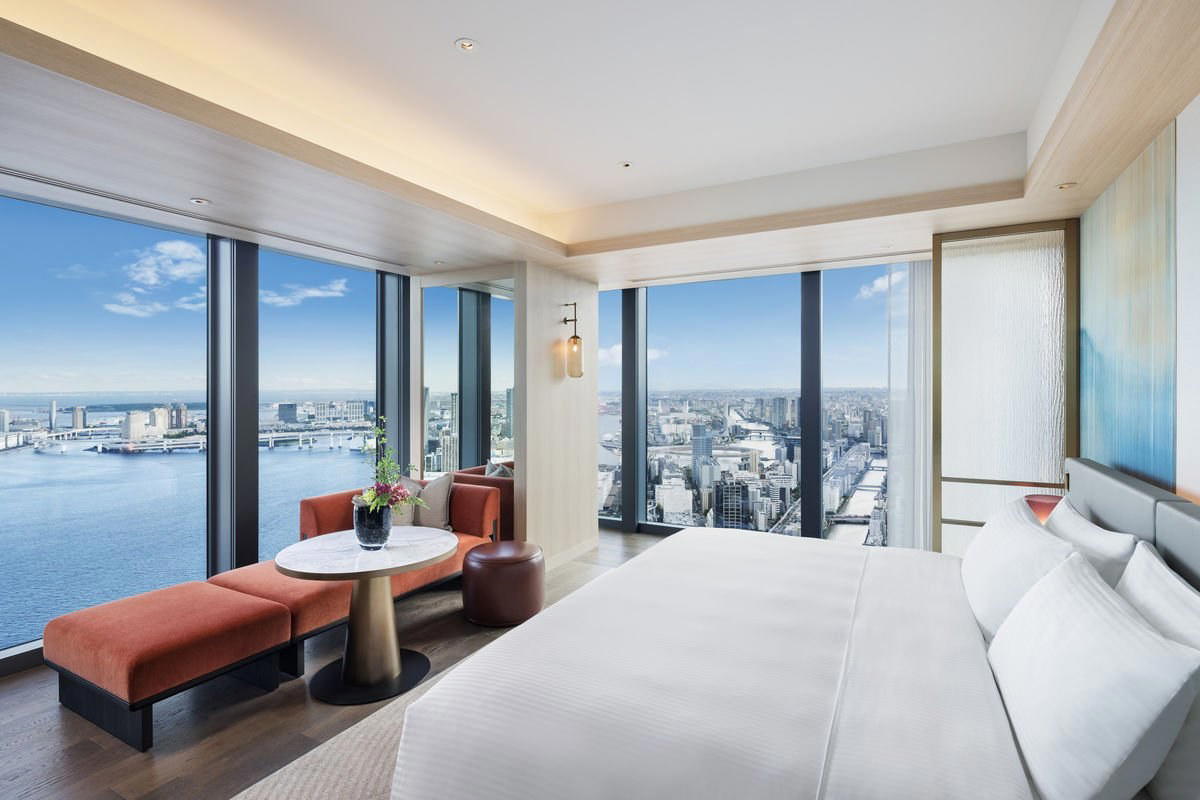
Bashamichi Jubankan
The wine
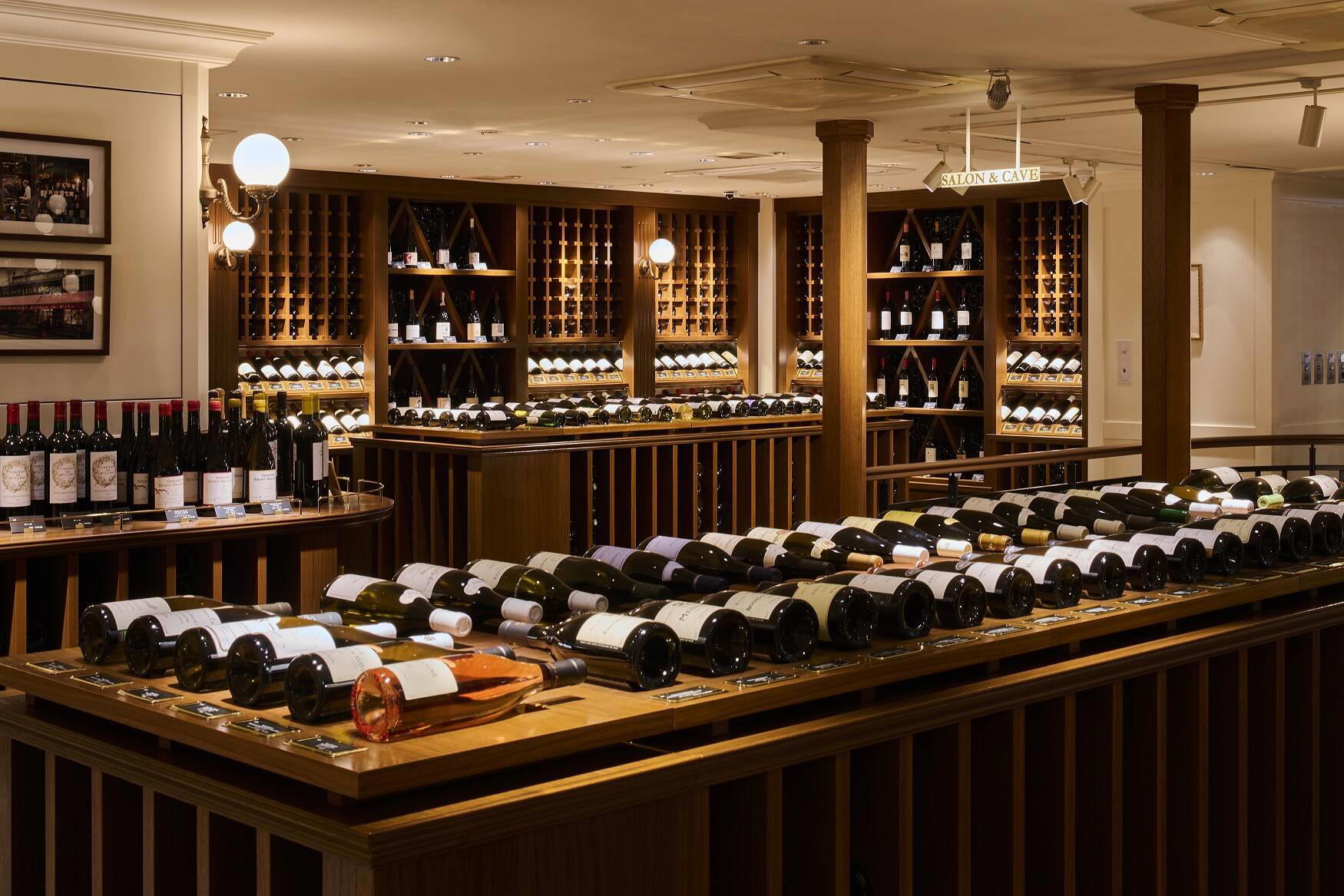
- Extensive wine list
- Craft cocktails
- Beer program
Details
- Classic
- Elegant
- Romantic
- Sophisticated
- Quiet
- Date Night
- Business Dinner
- Group Dining
- Family
- Celebration
- Special Occasion
- Historic Building
- Design Destination
- Standalone
- Private Dining
- Extensive Wine List
- Craft Cocktails
- Beer Program
- Local Sourcing
- A La Carte
- Set Menu
- Prix Fixe
- Wine
- Coffee
- Cocktails
- Vegetarian Friendly
Current opening hours
- Monday
- 10 AM–10 PM
- Tuesday
- 10 AM–10 PM
- Wednesday
- 10 AM–10 PM
- Thursday
- 10 AM–10 PM
- Friday
- 10 AM–10 PM
- Saturday
- 10 AM–10 PM
- Sunday
- 10 AM–10 PM
Hours can change for holidays and private events. Hours as of .
Classical and refined, with a retro Western-house atmosphere, stained glass, gas lamps, and antique furnishings that create a distinctive historic setting.