
Our verdict
Bar Fiesta operates from a market stall on Calle Jacinto Benavente in Marbella's old town, running a tight Tuesday-to-Saturday service that closes at 4pm. Ranked 409th in Opinionated About Dining's Casual Europe list in 2024 and 453rd in 2025, it draws. The format is tapas bar — compact, daytime-only, and rooted in the rhythms of the local market.

Pearl is the En Primeur Club membership app — saves, bookings, and concierge access live there. Same editors, same standards.
- Address
- C/ Jacinto Benavente, 1, puesto 38, 29601 Marbella, Málaga, Spain
- Phone
- +34 654 51 51 35
- Hours
- Mon ClosedTue–Sat 8 AM–4 PMSun Closed
- Website
- facebook.com
- Directions
- Get directions
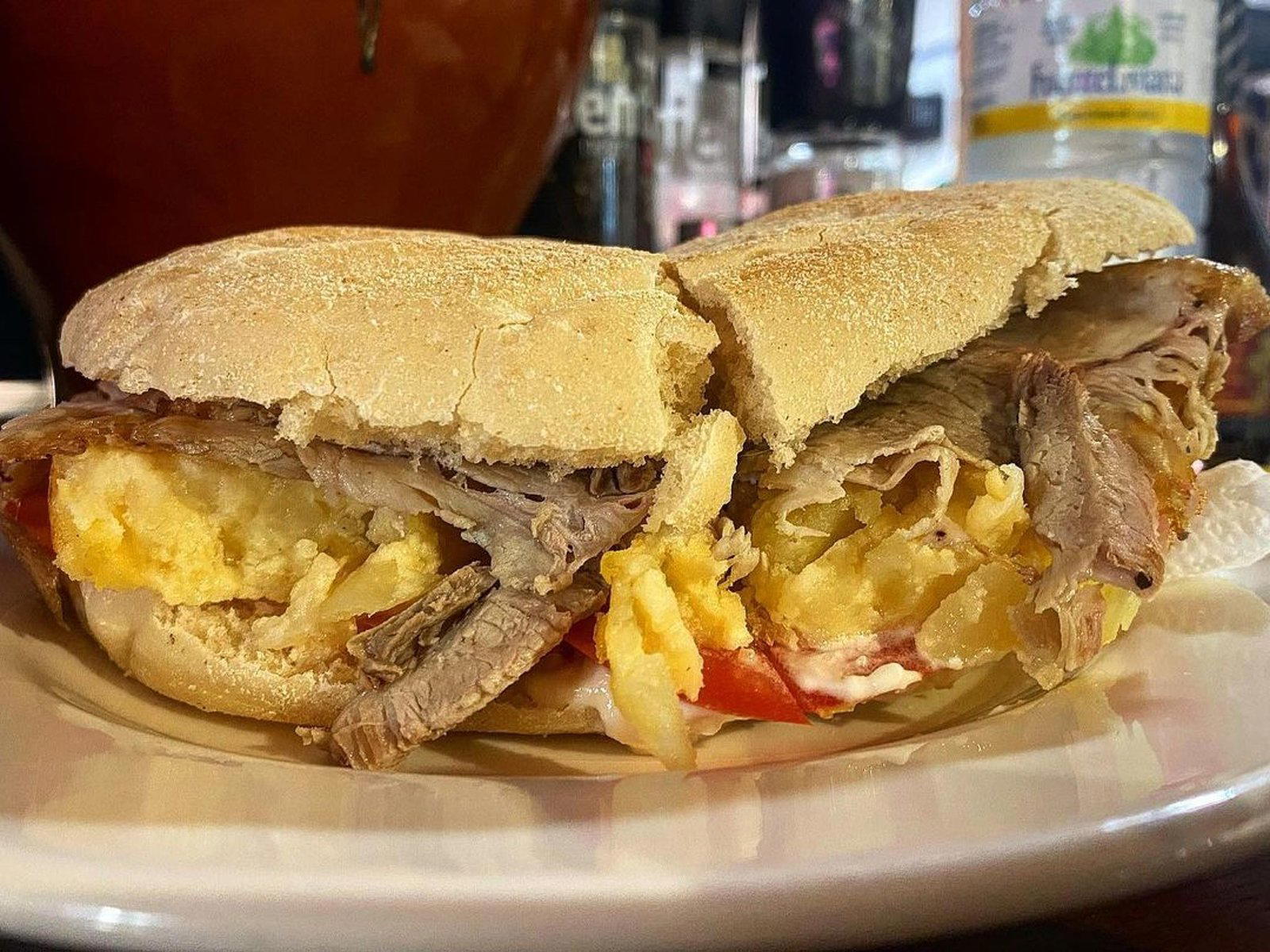
A Market-Stall Counter in Marbella's Old Town
Marbella's old town operates on a different register from the coast road. Away from the hotel strip and the marina restaurants pricing against international arrivals, the streets around the covered market on Calle Jacinto Benavente run on a schedule governed by produce, not tourism. Bars open early, kitchens close by mid-afternoon, and the clientele arrives with a specific dish in mind rather than an open itinerary. Bar Fiesta fits precisely inside that pattern: a market-adjacent tapas counter that runs Tuesday through Saturday from 8am to 4pm, closed Sunday and Monday, with no extended evening service.
That format — morning opening, hard afternoon cutoff, zero weekend-evening sittings — places Bar Fiesta in a category that has thinned out considerably across Andalusia's coastal towns as operators have chased tourist dinner trade. Holding to daytime-only service is either a constraint or a commitment. At bars that appear on Antonio Bar in San Sebastián and Bar Bergara in San Sebastián, the similar discipline of a fixed, abbreviated service window is what keeps the product consistent and the clientele local. The logic translates to Marbella: a 4pm close means the kitchen is working to a rhythm, not stretched across a fourteen-hour shift.
Where the OAD Casual Rankings Place It
Spain's casual dining tier has attracted increasing critical attention over the past five years as Opinionated About Dining expanded its Casual Europe list. Bar Fiesta ranked 409th in 2024 and 453rd in 2025, a movement down the list in absolute rank, though the list itself shifts annually based on submission volumes and new entrants.
To put the Marbella context in perspective, the town also houses Skina, a two-Michelin-star address running seasonal Andalusian tasting menus at the other end of the price range, alongside modern-cuisine operations like BACK and Messina. Bar Fiesta does not sit in that formal-dining peer group. Its comparison set is the handful of market-adjacent tapas bars that have held a regular local clientele while accumulating enough critical visibility to appear on a list built on knowledgeable, frequent submissions. Recognition on a list like OAD Casual, where reviewers tend to be well-travelled and restaurant-literate, signals something about the consistency of execution in a category where consistency is harder to maintain than in tasting-menu formats.
The Rice Question and What It Means Here
The editorial angle assigned to Bar Fiesta is rice and paella, which requires a brief detour through what Valencian tradition actually demands before applying it to an Andalusian context. Proper paella Valenciana is a narrow category: short-grain rice (historically bomba or senia), a flat carbon-steel pan wide enough to cook the rice in a shallow layer, and the socarrat, the caramelised crust that forms on the bottom during the final minutes over direct heat. That crust is the technical proof of a correctly managed paella. It requires judgment about flame, timing, and liquid ratio that cannot be replicated by covering the pan or adding stock late.
The socarrat question divides Spanish rice dishes sharply. In Valencia, a paella without it is considered undercooked. On the Andalusian coast, rice dishes more often lean toward the caldoso (brothy) or meloso (creamy) spectrum, where the goal is absorption and richness rather than a dry, crusted base. Neither tradition is a lesser version of the other, they are different objectives. At a market tapas bar in Marbella, the rice format on offer, if present, will likely reflect the southern coastal style rather than strict Valencian orthodoxy. The distinction matters because visitors arriving with a socarrat expectation may be measuring the dish against the wrong benchmark.
Seafood-forward rice dishes are common in this type of operation along the Costa del Sol, arroz con bogavante (rice with lobster), fideuà, or a simple arroz al ajillo appear regularly at counters like this. For precise dish confirmation, the bar itself, or a visit during the Tuesday-to-Saturday window, is the only reliable source.
The Setting and What to Expect
Puesto 38 on Calle Jacinto Benavente is a market stall address, which shapes expectations correctly. This is not a restaurant with a reservation system, a formal dining room, or a tasting menu structure. The bar format means seating is limited, turnover is quick, and the experience is shaped by what is available that day. Spain's market-bar tradition functions as a kind of edited lunch: the cook knows what arrived that morning and works backward to the menu, rather than designing dishes months ahead.
Arriving close to opening (8am) catches the freshest product. Arriving close to the close risks a shortened selection. The Tuesday-to-Saturday window means planning around the closure on Mondays and Sundays, an important logistical note for visitors whose Marbella itinerary is structured around a weekend arrival. If a daytime market tapas experience is the objective, Thursday and Friday mornings tend to align with peak market supply in most Andalusian towns.
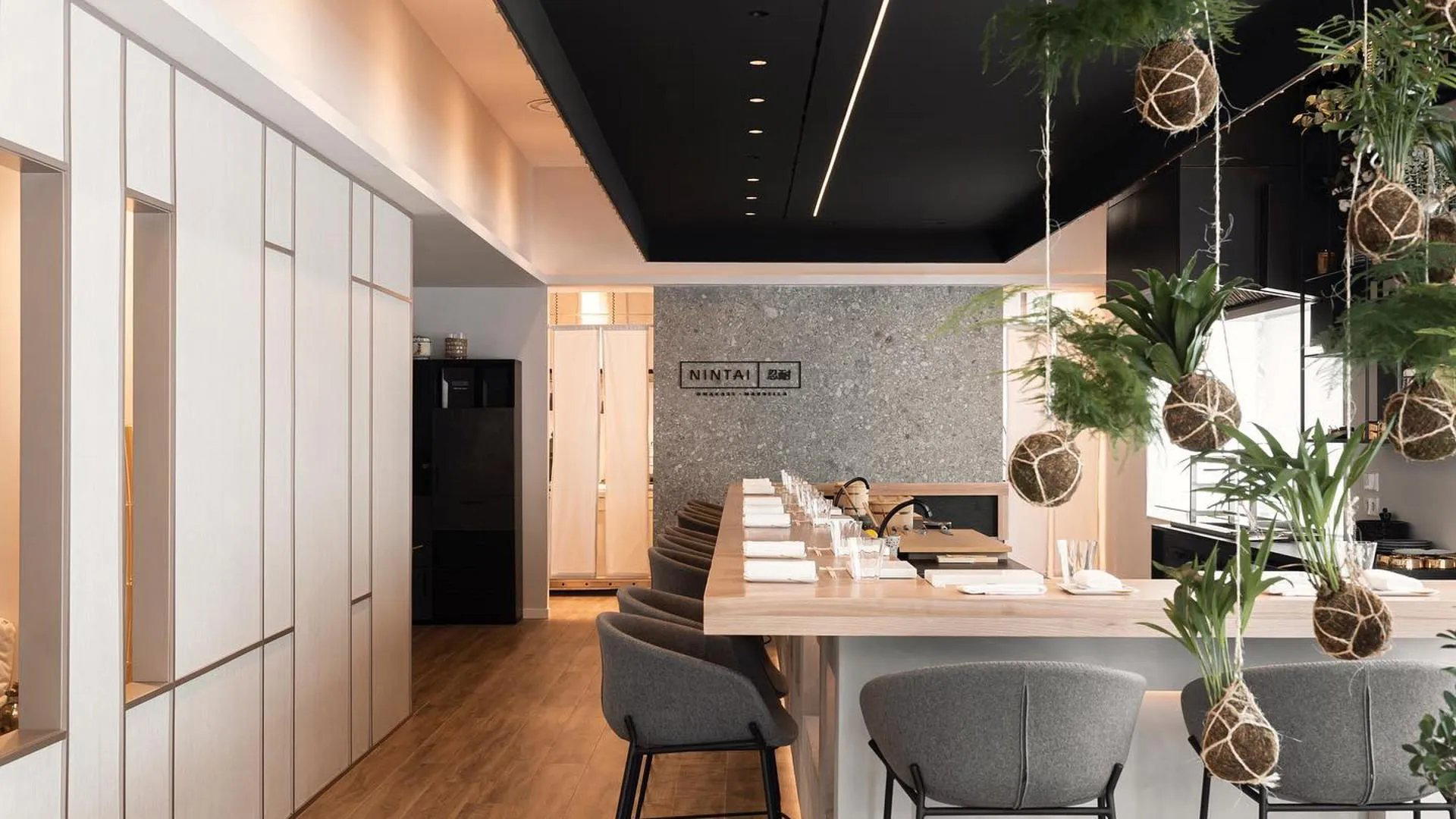
Marbella's dining range extends well beyond the old-town market corridor. Visitors wanting to build a full day around food in the city can consult our full Marbella restaurants guide alongside our Marbella bars guide and our Marbella hotels guide. For broader Andalusian context, Aponiente in El Puerto de Santa María represents the region's most ambitious fine-dining address, while Andala Marbella offers a more formal take on Andalusian cooking within the city itself. Visitors with a broader Spanish dining itinerary can also reference El Celler de Can Roca in Girona, Arzak in San Sebastián, Azurmendi in Larrabetzu, Cocina Hermanos Torres in Barcelona, and DiverXO in Madrid for the higher end of Spain's dining range. For Marbella's wine and experience side, our Marbella wineries guide and our Marbella experiences guide cover those categories in detail. Those specifically interested in Marbella's Japanese and creative dining options will find Nintai worth examining alongside the broader restaurant list.
Planning Your Visit
Bar Fiesta operates Tuesday through Saturday, 8am to 4pm, at C/ Jacinto Benavente, 1, puesto 38, in Marbella's old town. Given the stall format and limited seating typical of this category, arriving early on a weekday gives the leading chance of a full selection. Price range is not documented; market tapas bars in this tier across Andalusia typically run at cash-friendly levels well below the €€€ threshold of the city's restaurant tier.
Frequently asked questions
Is Bar Fiesta suitable for children?
A daytime market-bar running 8am to 4pm Tuesday through Saturday is a reasonable choice with children. The format is informal and street-facing, which suits shorter attention spans better than an evening restaurant. The old town setting on Calle Jacinto Benavente is pedestrian-friendly during the day.
What kind of setting is Bar Fiesta?
Bar Fiesta operates from puesto 38 on Calle Jacinto Benavente — a market-stall counter in Marbella's covered old town market, not a seated restaurant. Expect a stand-or-perch format with counter service, typical of Andalusian market bars. Opinionated About Dining has ranked it among Europe's top casual addresses in both 2024 and 2025.
What distinctions does Bar Fiesta have?
Bar Fiesta has received recognition including: Opinionated About Dining Casual in Europe Ranked #453 (2025); Opinionated About Dining Casual in Europe Ranked #409 (2024).
What's the signature dish at Bar Fiesta?
Bar Fiesta is listed as a tapas bar with an editorial focus on rice and paella, which aligns with its Andalusian market-counter format. Given the operating hours — 8am to 4pm — the menu is oriented toward morning and midday eating rather than evening service.
What time does Bar Fiesta open and close?
Hours at Bar Fiesta: Hours: Monday Closed Tuesday 8 am–4 pm Wednesday 8 am–4 pm Thursday 8 am–4 pm Friday 8 am–4 pm Saturday 8 am–4 pm Sunday Closed.
The Short List
A quick peer list to put this venue’s basics in context.
| Venue | Cuisine | Price | Awards | Notes |
|---|---|---|---|---|
| Bar FiestaThis venue — the venue you are viewing | Contemporary Mexican | Not listed | Not listed | Not listed |
| Skina | Modern Andalusian Fine Dining | Not listed | 2 Michelin Stars · La Liste Top Restaurants | Seasonal Andalusian, Modern Cuisine |
| Areia | Mediterranean-French-Spanish Fine Dining | $50–100 | Michelin Plate · Guía Repsol 1 Sol | Farm to table |
| La Milla Marbella | Modern Mediterranean Seafood | Not listed | Michelin Plate · Macarfi 8.5 Food Rating | Spanish, Seafood |
| Leña Marbella | Modern Grill by Dani García | $50–100 | Michelin Plate · Guía Repsol 1 Sol | Asador |
| TA-KUMI | Modern Japanese Omakase & Fusion | $50–100 | Michelin Plate · Macarfi 8.2 Food Rating | Japanese |
Recognition history
Dated appearances from independent guides and award organizations, with the underlying list record or original source where available.
Opinionated About Dining Casual in Europe Recommended
Opinionated About Dining
Full recognition history (3 entries)
Opinionated About Dining Casual in Europe Ranked #453
Opinionated About Dining
Opinionated About Dining Casual in Europe Ranked #409
Opinionated About Dining
Continue exploring
More in Marbella
Restaurants in Marbella
Browse all →
Bars in Marbella
Browse all →

Hotels in Marbella
Browse all →

Details
- Cozy
- Lively
- Date Night
- Celebration
- Craft Cocktails
- Small Plates
Current opening hours
- Monday
- Closed
- Tuesday
- 8 AM–4 PM
- Wednesday
- 8 AM–4 PM
- Thursday
- 8 AM–4 PM
- Friday
- 8 AM–4 PM
- Saturday
- 8 AM–4 PM
- Sunday
- Closed
Hours can change for holidays and private events. Last verified .
Low-lit with amber light, polished stone, intimate and celebratory atmosphere with a low hum of conversation.