North China
On Uxbridge Road in Acton, North China sits within a stretch of West London that has long supported Chinese communities from the mainland north, a regional anchor in a city where Cantonese cooking has historically dominated the Chinese restaurant scene. The kitchen draws from northern Chinese culinary traditions, where wheat-based staples, roasted meats, and braised preparations take precedence over rice and stir-fry defaults.
Pearl is the En Primeur Club membership app — saves, bookings, and concierge access live there. Same editors, same standards.
- Address
- 305 Uxbridge Rd, London W3 9QU, United Kingdom
- Phone
- +44 20 8992 9183
- Website
- northchina.co.uk
- Directions
- Get directions
 Saves & bookings on Pearl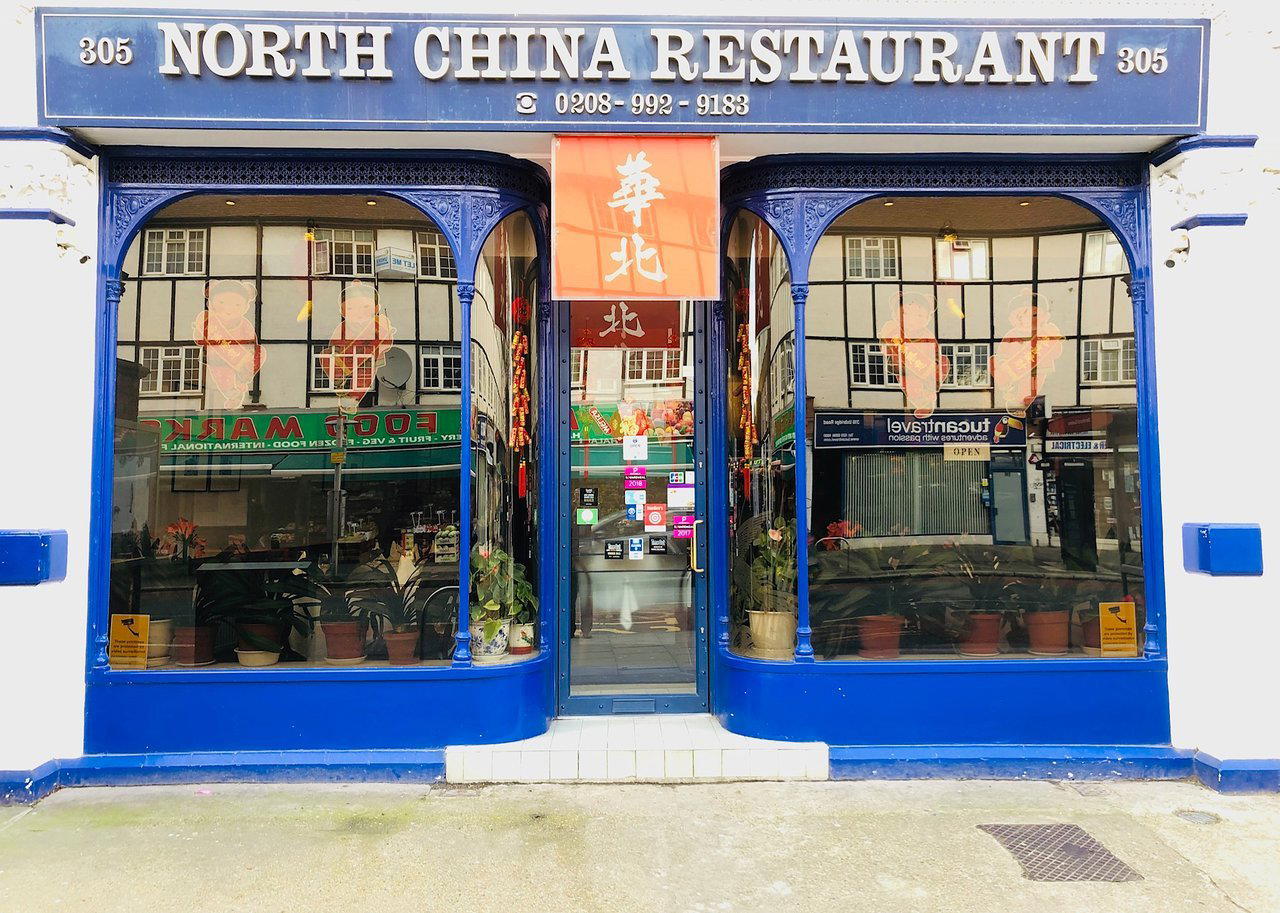
Northern Chinese Cooking in a Cantonese-Dominated City
London's Chinese restaurant scene has been shaped, for most of its history, by a single regional tradition. Cantonese cooking, rooted in the cooking of Guangdong province and carried to Britain through successive waves of migration, defines what most Londoners think of as Chinese food. Dim sum trolleys, Cantonese roast duck, stir-fried greens with oyster sauce: these are the defaults. Northern Chinese cuisine, by contrast, operates as a distinct counterpoint. Where Cantonese cooking leans on freshness, lightness, and seafood, northern traditions from regions like Shandong, Hebei, and the area around Beijing place wheat at the centre, dumplings, hand-pulled noodles, flatbreads, and slow-braised preparations built for colder winters.
North China, at 305 Uxbridge Road in Acton, W3, occupies this less-common niche in the London Chinese dining scene. The address places it in a stretch of West London with its own quiet logic: Acton and the surrounding boroughs have supported Chinese communities, including those with northern mainland connections, that rarely generate the media coverage of Chinatown in the West End or the restaurant clusters of Bayswater. That relative low profile has, historically, allowed kitchens in this corridor to cook for communities rather than tourists, a structural difference that tends to show up on the plate.
Where the Food Comes From: Wheat, Not Rice
The ingredient logic of northern Chinese cooking is worth understanding before you order. Northern China's agricultural base was shaped by its climate: wheat grows where rice does not, and the kitchens of Beijing, Tianjin, and the provinces to their south and east built their repertoire around it. This means dumplings (both boiled jiaozi and pan-fried guotie), hand-stretched noodles, and steamed buns are structural rather than supplementary. They are not side dishes; they are the point.
Proteins in northern Chinese cooking tend toward slow cooking and bold seasoning. Lamb, less common in Cantonese restaurants, appears in the northern tradition as a staple, braised, grilled over charcoal, or layered into cumin-heavy preparations that carry a clear Central Asian influence from the trade and migration patterns of the Silk Road corridor. Pork also features prominently, but in preparations quite different from the Cantonese roasting tradition: red-braised pork belly (hongshao rou), a dish associated with home cooking across northern and central China, is a different animal from the char siu of a Cantonese BBQ counter.
Fermented and preserved ingredients play a larger role in northern cooking than visitors accustomed to Cantonese or Sichuan food might expect. Fermented bean pastes, preserved vegetables, and pickled cabbage appear not as condiments but as primary flavour agents, a reflection of a cuisine that historically preserved what it grew through long, cold winters rather than relying on the year-round agricultural abundance of southern China.
Acton's Position in London's Chinese Dining Map
The geography of Chinese restaurants in London has always been more layered than the single-neighbourhood narrative of Chinatown suggests. Soho's Chinatown serves a primarily Cantonese menu to a mixed-tourist-and-community audience. Bayswater has historically supported a more diverse Chinese clientele. The suburbs, Acton, Ealing, Harrow, and further east along the District line, have their own distinct character, with kitchens that often maintain a closer connection to specific regional traditions because their customer base demands it rather than tolerates it.
North China's position on Uxbridge Road places it within this suburban logic. For diners accustomed to the high-spend, high-design restaurant tier that London's premium Chinese dining has developed in recent years, including Mayfair and City addresses where the comparison set includes contemporary tasting menu restaurants, the Acton corridor represents a different proposition. This is not the world of the £££ Peking duck carved tableside in a room full of wine pairings. It is a more direct, ingredient-led offer: cook the food correctly, source the components that the tradition requires, and let the plate carry the argument.
The contrast is instructive: London's leading critical tier runs heavily toward Modern British and French-influenced formats, including venues like CORE by Clare Smyth, Restaurant Gordon Ramsay, Sketch, The Lecture Room and Library, The Ledbury, and Dinner by Heston Blumenthal. Regional Chinese cooking from outside the Cantonese mainstream occupies a separate tier, operating with different economics and a different audience relationship.
Planning Your Visit
| Venue | Cuisine | Price Range | Location |
|---|---|---|---|
| North China | Northern Chinese | ££ | Acton, W3 |
| The Ledbury | Modern European | ££££ | Notting Hill, W11 |
| Sketch (Lecture Room) | Modern French | ££££ | Mayfair, W1 |
| CORE by Clare Smyth | Modern British | ££££ | Notting Hill, W11 |
| Dinner by Heston Blumenthal | Modern British | ££££ | Knightsbridge, SW1 |
For dining across the rest of London, covers the city by neighbourhood and cuisine type. If your visit extends to hotels, bars, or experiences, see also our London hotels guide, London bars guide, and London experiences guide. For those travelling beyond London to other celebrated British tables, The Fat Duck in Bray, L'Enclume in Cartmel, Moor Hall in Aughton, Gidleigh Park in Chagford, Hand and Flowers in Marlow, and Le Manoir aux Quat' Saisons in Great Milton are the relevant addresses. International comparison points for the technically ambitious include Le Bernardin in New York City and Atomix, also in New York, and the London wineries guide rounds out the picture for those interested in the broader drinks scene.
- Peking duck
- salt and pepper squid
- homemade dumplings
- shredded beef
- sizzling prawns
- spare ribs
At-a-Glance Comparison
Comparable venues nearby, for context on price, style, and recognition.
| Venue | Cuisine | Price | Notes |
|---|---|---|---|
| North ChinaThis venue — the venue you are viewing | Traditional Northern Chinese & Peking Style | $$ | Not listed |
| Bao Fitzrovia | Modern Taiwanese Bao Buns | $$ | Fitzrovia |
| Sichuan Fry and Dumpling Shack | Sichuan Fried Chicken & Dumplings | $$ | London Fields |
| Mandarin Kitchen | Traditional Cantonese Seafood | $$ | Queensway |
| Jia | Cantonese Dim Sum | $$ | Earl's Court |
| Golden Dragon | Cantonese Dim Sum | $$ | Chinatown |
Continue exploring
More in London
Restaurants in London
Browse all →
Bars in London
Browse all →
Hotels in London
Browse all →



At a Glance
- Classic
- Lively
- Cozy
- Family
- Group Dining
- Celebration
- Special Occasion
- Standalone
- Beer Program
Current opening hours
- Monday
- Closed
- Tuesday
- 12–3 PM, 5:30–10:30 PM
- Wednesday
- 12–3 PM, 5:30–10:30 PM
- Thursday
- 12–3 PM, 5:30–10:30 PM
- Friday
- 12–3 PM, 5:30–10:30 PM
- Saturday
- 12–3 PM, 5:30–10:30 PM
- Sunday
- 12–10 PM
Hours can change for holidays and private events. Last verified .
Warm and welcoming with monochrome homeland photos on ochre walls, relaxing despite street-side location, usually busy with local diners at round banqueting tables.