Our verdict
On Pakington Street in Geelong West, Bao Place sits within a dining strip that has gradually pulled serious eating away from the CBD. The menu centres on bao and related Asian street-food formats, positioning the venue in a growing tier of regional Australian restaurants that take casual formats with genuine seriousness. It reads as a neighbourhood anchor rather than a destination detour.

Pearl is the En Primeur Club membership app — saves, bookings, and concierge access live there. Same editors, same standards.
- Address
- 197 Pakington St, Geelong West VIC 3218, Australia
- Phone
- +61435042239
- Hours
- Mon ClosedTue–Sun 11:30 AM–2:30 PM, 5:30–9 PM
- Website
- bao-place.square.site
- Directions
- Get directions
- Booking
- Book on the venue's website
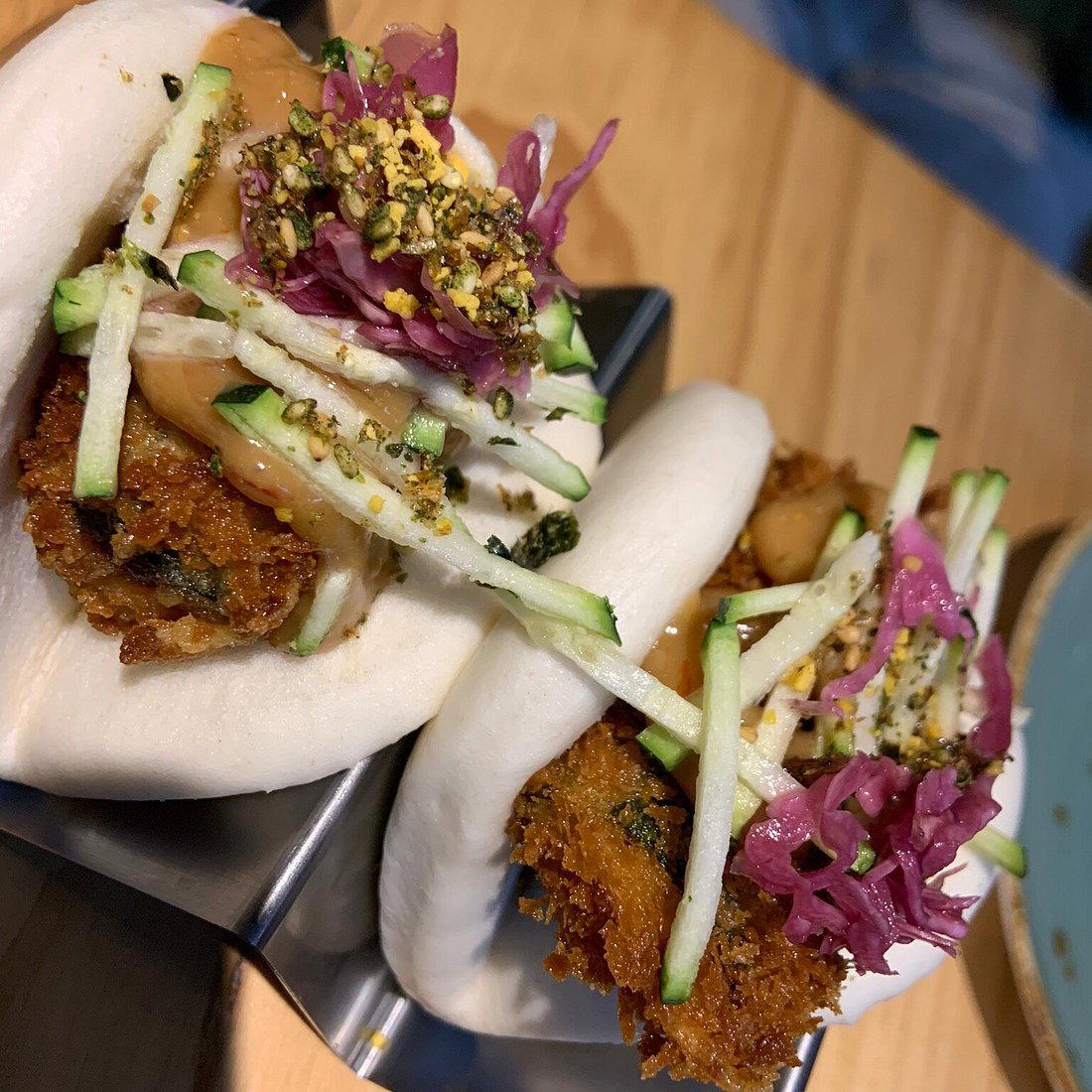
The menu
What to order
- Korean Fried Cauliflower
- Crispy Pork Belly Bao
- Chicken Prawn Pot Stickers
Pakington Street and the Case for Casual Seriousness
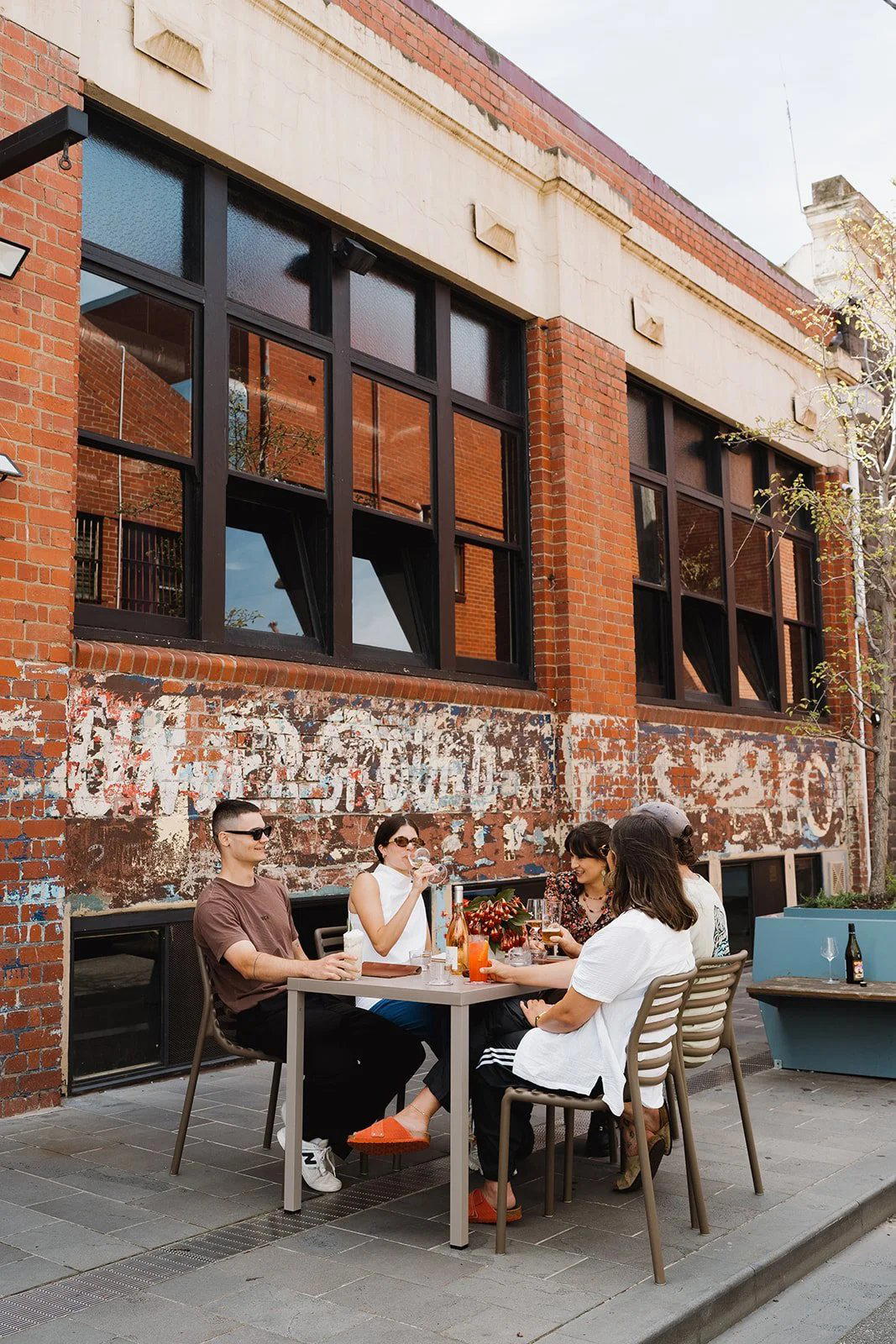
Geelong West's Pakington Street has spent the better part of a decade becoming the kind of dining address that no longer requires an apology. The strip runs through a low-rise residential neighbourhood, and its restaurants sit in shopfronts that favour stripped-back interiors over grand gestures. Arriving at 197 Pakington Street, the immediate register is neighbourhood: foot traffic from locals rather than visitors, a scale that suggests regulars over destination diners. That context matters when reading what Bao Place is doing, because the format it operates in — bao-centred, street-food-adjacent, casual in price and posture — only lands properly when it's embedded in a community rather than performing for it.
Across regional Australia, this kind of venue has quietly become a reliable indicator of a city's dining maturity. When a neighbourhood strip sustains a specialist Asian street-food format long-term, it signals something about the local appetite beyond novelty. Geelong, with its substantial university population and accelerating food culture, has developed the repeat-customer base that makes this kind of specificity viable. Bao Place on Pakington Street is part of that pattern, alongside venues like Anh Chi Em and Café Palat, which together form a cohort of Geelong restaurants taking non-European traditions seriously at accessible price points.
Where Bao Sits in the Australian Casual Dining Picture
Bao as a format has a particular trajectory in Australian cities. It arrived as a street-food curiosity, got absorbed into the pan-Asian small-plates wave of the early 2010s, and has since settled into two distinct modes: the high-concept version, where bao becomes a vehicle for premium protein and elaborate garnish, and the neighbourhood version, where the emphasis is on correct execution and honest ingredients rather than conceptual ambition. The neighbourhood version is arguably the harder act to sustain, because it depends entirely on sourcing and consistency rather than spectacle.
In that context, ingredient sourcing is where this format either earns credibility or loses it. Steamed bao dough is unforgiving, the texture of the finished bun registers every decision made about flour, fermentation time, and steam temperature. Fillings that rely on braised proteins demand proper time and seasoning. There is no architectural plating to compensate for a dough that hasn't proved correctly or a braise that's been rushed. The leading regional Australian venues operating in this space, from the produce-anchored fine dining of Brae in Birregurra down to casual street-food formats, share a common understanding that sourcing discipline is not optional at any price point.
Geelong's proximity to strong Victorian produce networks gives venues on this strip a genuine advantage. The Bellarine Peninsula and the Otway hinterland both produce ingredients that travel short distances to city kitchens. Whether a given kitchen chooses to take advantage of that proximity is a kitchen decision, but the access exists in a way that it doesn't for city restaurants paying freight costs on regional produce. For bao specifically, the most consequential sourcing decisions involve pork (for standard char siu and belly preparations), vegetables for pickled components, and the flour that determines dough quality. Venues that lock in supplier relationships at each of those points produce noticeably different results from those sourcing opportunistically.
The Neighbourhood Format and Who It Serves
Pakington Street operates differently from Geelong's CBD dining precinct. The clientele skews local and return-visit-heavy, the pace is informal, and the formats that survive there tend to be ones that reward habitual visits rather than single-occasion splurges. Bao Place's address in Geelong West places it in that habitual-visit category. It functions as the kind of venue you return to on a weeknight rather than save for a special occasion, which is a distinct and sustainable commercial position in a regional city.
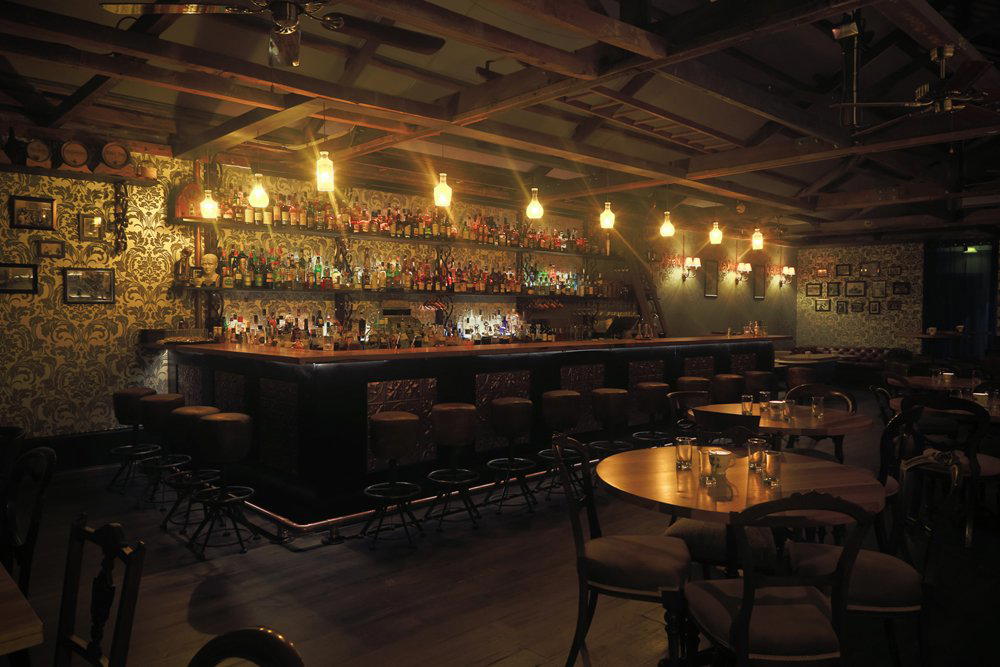
That positioning places it in a different peer conversation from Geelong's more formal end, represented by venues like Caruggi or Archive Wine Bar, and also from Geelong's other casual specialists like Daisy. Each of those venues answers a different question about how to eat well in this city. Bao Place's answer is specificity at an accessible register: a focused format executed with consistency, in a room that doesn't demand occasion-dressing.
For context on how regional Australian casual dining has developed at the serious end, the trajectory runs from destination fine dining anchors like Attica in Melbourne and Rockpool in Sydney downward through mid-tier regional specialists to neighbourhood venues exactly like this one. The entire chain depends on the bottom tier taking craft seriously, because that's where most people actually eat most of the time. Venues at the level of Pipit in Pottsville or Provenance in Beechworth demonstrate that regional Australian dining doesn't require a capital-city postcode to operate with genuine seriousness. Pakington Street is Geelong's version of that argument.
Planning Your Visit
Bao Place is located at 197 Pakington Street, Geelong West, a direct tram or short drive from Geelong's CBD. Pakington Street is walkable along its dining stretch, and the surrounding neighbourhood has enough cafe and bar options to make it worth arriving early or staying on after eating. Current hours, booking arrangements, and pricing are best confirmed directly with the venue, as specific operational details are not published centrally. For a broader view of where Bao Place sits within the city's eating options, the our full Geelong restaurants guide maps the scene across neighbourhoods and formats.
Comparable casual-format venues further afield include Ormeggio at The Spit in Mosman, Laura at Pt Leo Estate in Merricks, and Botanic in Adelaide for readers building a broader picture of how regional and suburban Australian restaurants are operating right now. For international reference on what serious casualness looks like at the highest level, Le Bernardin in New York City and Lazy Bear in San Francisco represent the formal end of the same underlying argument: that format discipline and sourcing honesty matter more than category.
Frequently asked questions
Does Bao Place work for a family meal?
Pakington Street's dining strip skews toward casual, neighbourhood formats, and Bao Place fits that rhythm. The informal pace suits mixed-age groups, and shared small-plate formats like bao tend to work well for family tables where preferences vary. For specific seating or booking arrangements, contacting the venue directly is advisable.
What should I expect atmosphere-wise at Bao Place?
Bao Place sits on Pakington Street in Geelong West, a strip that has built its reputation on relaxed, local-first dining rather than destination formality. The clientele here tends toward regulars and return visitors, which shapes a pace and energy closer to a neighbourhood canteen than a CBD dining room. Expect an unpretentious room geared toward the format rather than occasion dining.
Is Bao Place a good option for lunch on Pakington Street, Geelong West?
Bao Place at 197 Pakington Street sits within Geelong West's walkable dining precinct, which operates across both lunch and dinner for the local residential catchment. The bao format is well-suited to a midday meal — compact, shareable, and faster-paced than a full tasting menu commitment. Current hours are best confirmed directly with the venue before visiting.
What's the signature dish at Bao Place?
Bao is the defining format at this Geelong West address — the steamed bun that arrived in Australian cities as street-food curiosity before becoming a fixture in casual Asian dining. Specific fillings and current menu items are best confirmed with the venue directly, as small-plates menus of this style shift with availability and season.
How It Stacks Up
Comparable venues nearby, for context on price, style, and recognition.
| Venue | Cuisine | Price | Notes |
|---|---|---|---|
| Bao PlaceThis venue — the venue you are viewing | Modern Asian Bao & Street Food | $20–30 | Not listed |
| Café Palat | Vietnamese Fusion Cafe | $20–30 | Geelong West |
| Grace of Spice Indian Restaurant | Authentic Indian | $20–30 | Belmont |
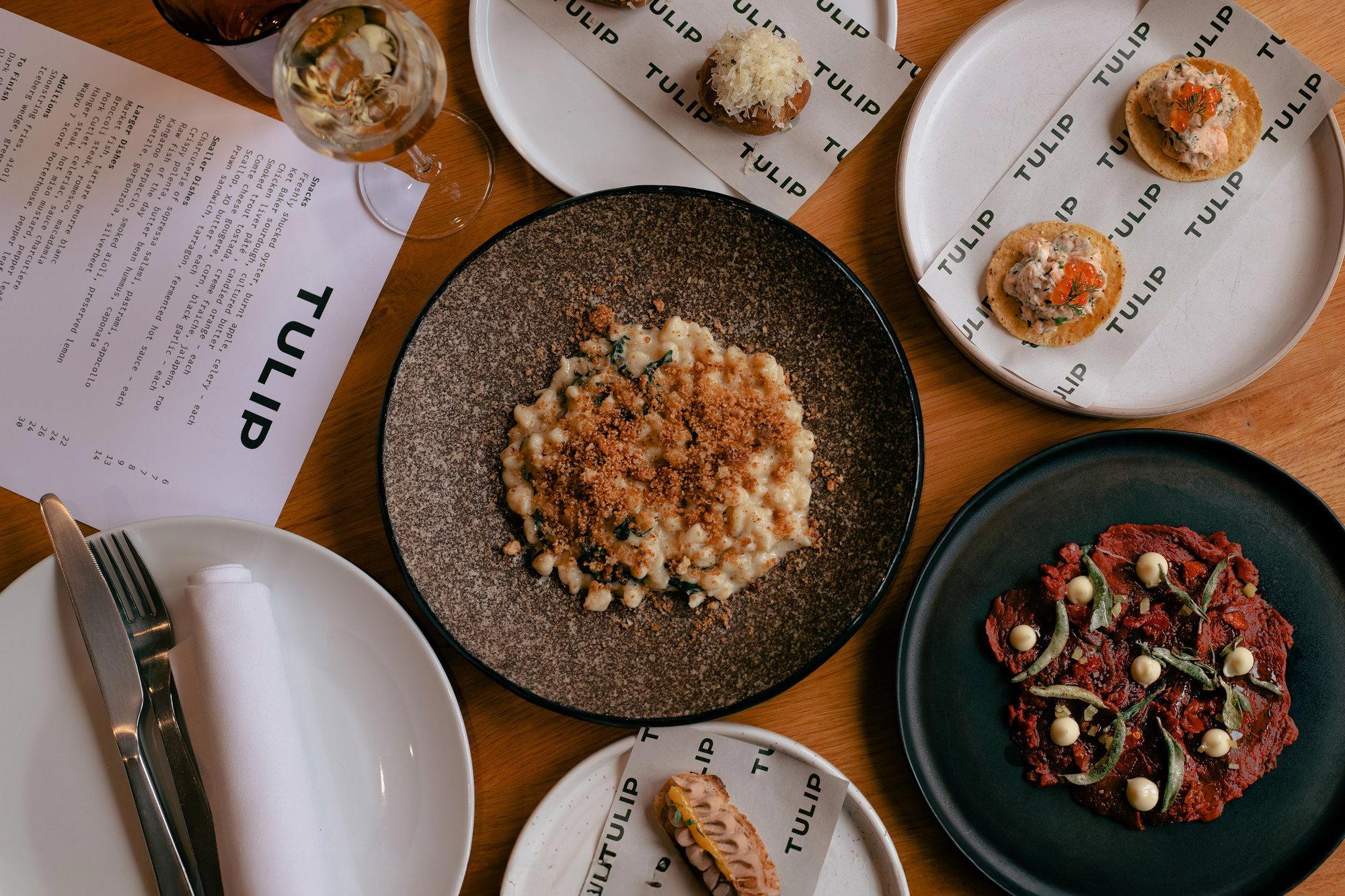
| Tulip Restaurant | Modern Australian Share Plates | $50–100 | Geelong West |
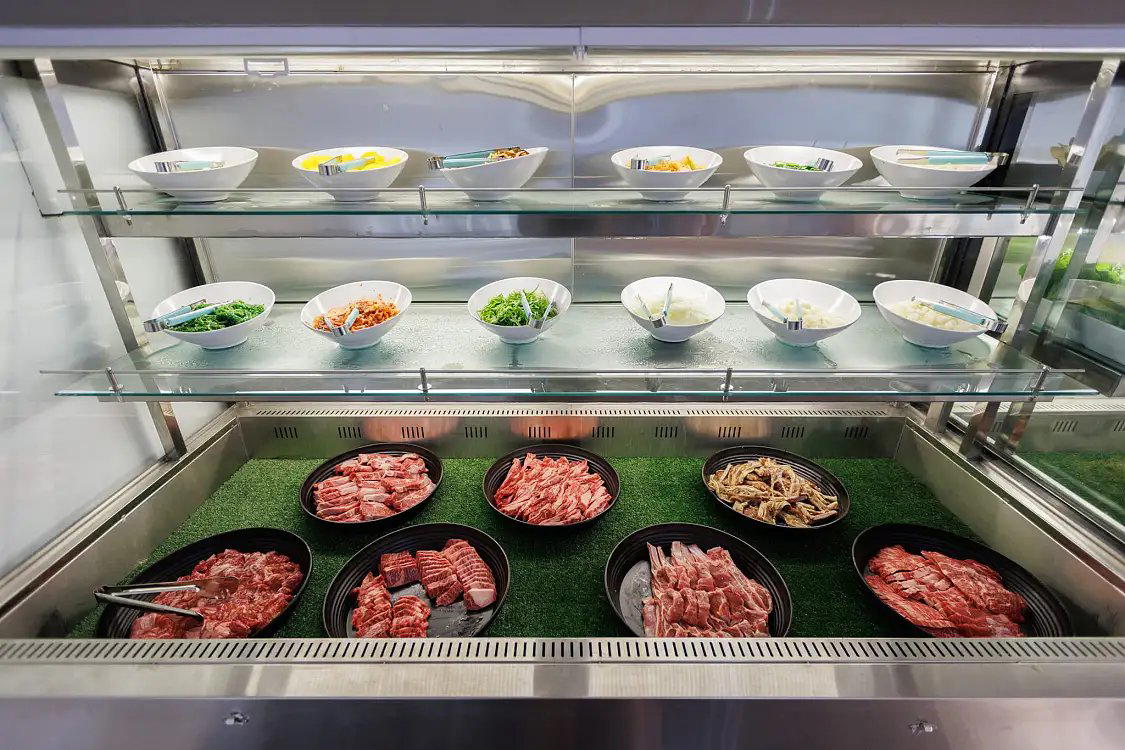
| GOGI Korean BBQ & HotPot Buffet | Korean BBQ & Hot Pot Buffet | $30–50 | Geelong |
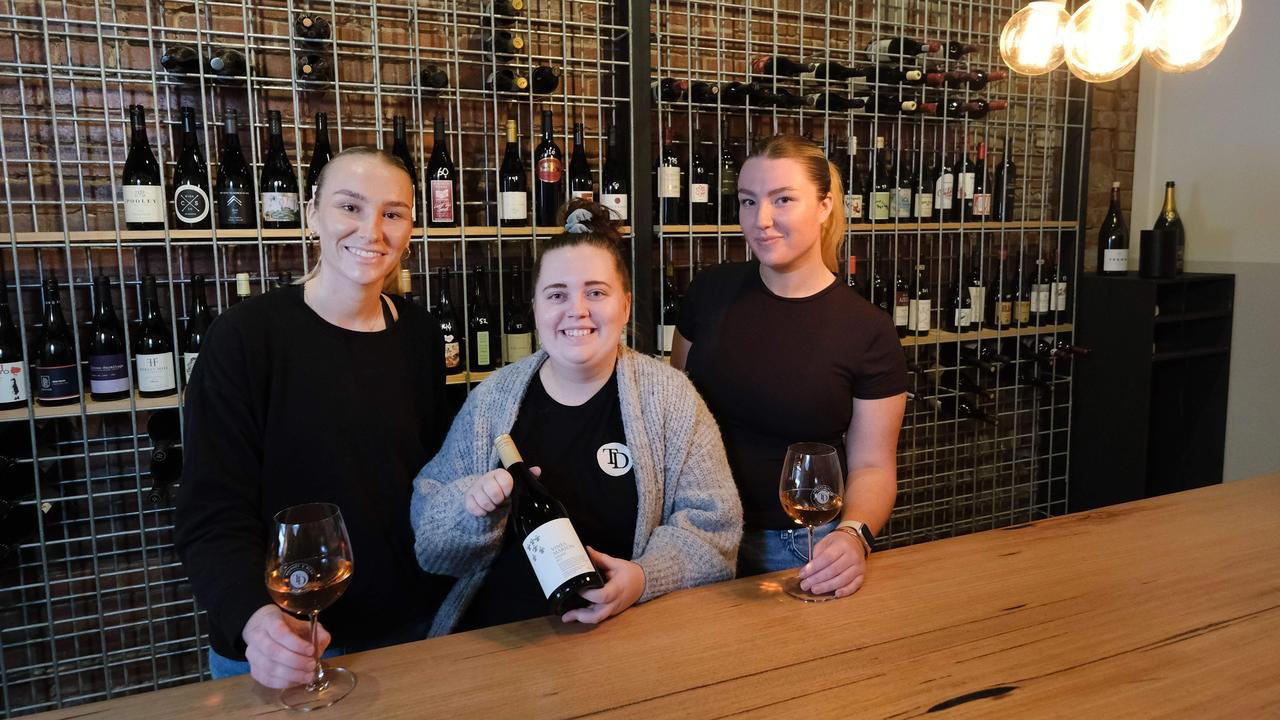
| Davidson Restaurant | Modern Australian | $20–30 | arts precinct |

Details
- Lively
- Trendy
- Modern
- Casual Hangout
- Date Night
- Open Kitchen
- Small Plates
- Vegetarian Friendly
Current opening hours
- Monday
- Closed
- Tuesday
- 11:30 AM–2:30 PM, 5:30–9 PM
- Wednesday
- 11:30 AM–2:30 PM, 5:30–9 PM
- Thursday
- 11:30 AM–2:30 PM, 5:30–9 PM
- Friday
- 11:30 AM–2:30 PM, 5:30–9 PM
- Saturday
- 11:30 AM–2:30 PM, 5:30–9 PM
- Sunday
- 11:30 AM–2:30 PM, 5:30–9 PM
Hours can change for holidays and private events. Last verified .
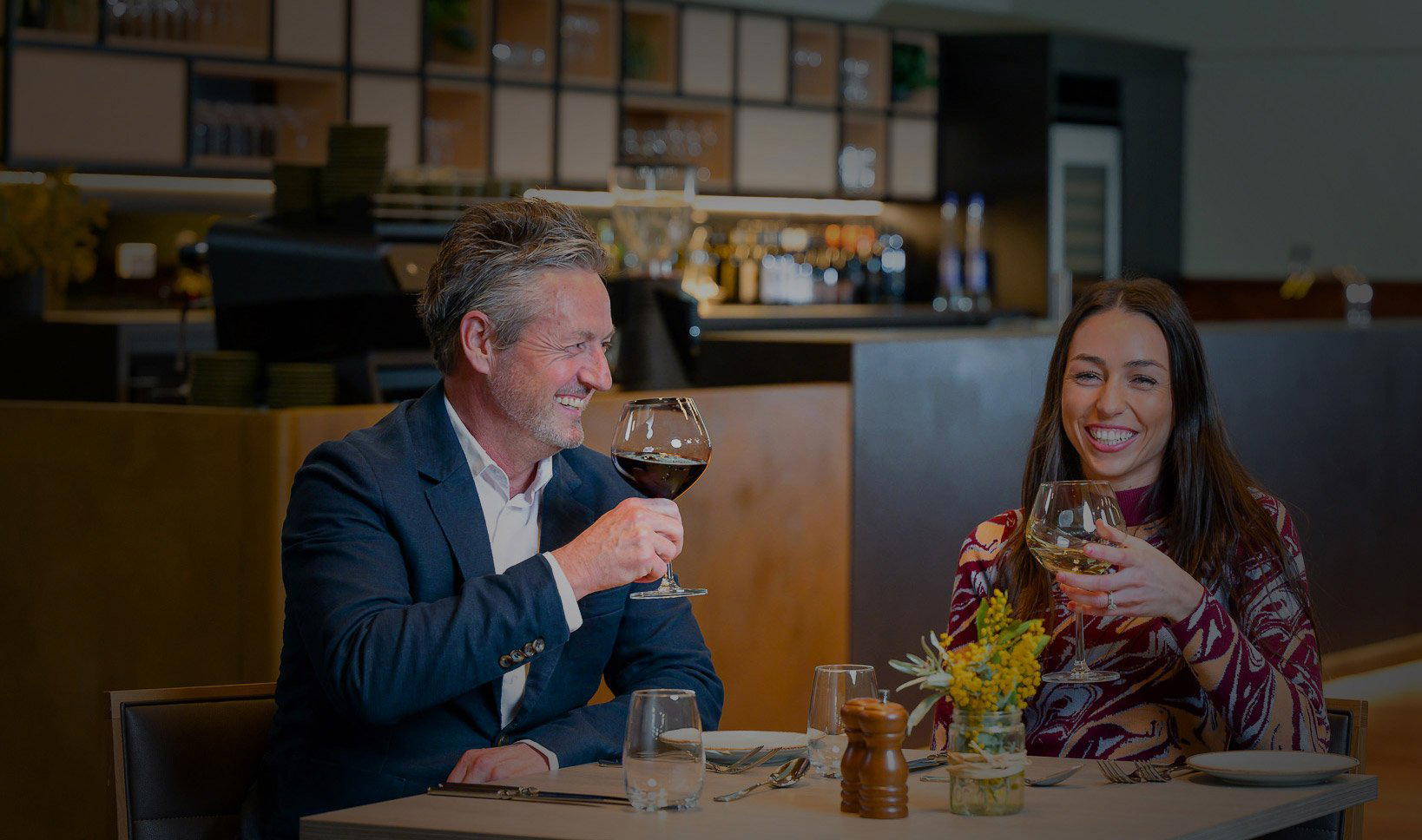
Cute, functional small space with great atmosphere, high stool bar seating, and a busy, welcoming vibe.