Our verdict
BAO BAO brings an Asian-influenced dining concept to Franz-Marc-Straße in Wolfsburg, a city whose restaurant scene is more layered than its industrial reputation suggests. Sitting in a local dining ecosystem that ranges from Michelin-decorated tasting menus to neighbourhood trattorie, it represents the more casual, globally-minded end of that spectrum. Precise details on format, pricing, and hours are best confirmed directly with the venue.

Pearl is the En Primeur Club membership app, where members save venues, book tables and use the concierge.
A Different Frequency in Wolfsburg's Dining Circuit
Wolfsburg is not a city that announces itself through its food culture, yet its restaurant scene has developed with quiet persistence over the past decade. The presence of Aqua, one of Germany's most decorated fine-dining addresses, set a ceiling that few provincial cities can match. Below that ceiling, a broader spread of restaurants has grown to serve the city's international workforce and the cultural visitors drawn by its design institutions. Into that mid-range, globally-inflected space comes BAO BAO, on Franz-Marc-Straße in the 38448 district, where the dining proposition leans towards the accessible rather than the ceremonial.
The name itself signals the concept before the door opens. Bao, the soft steamed bun that has become shorthand for a certain strand of modern Asian street food translated into restaurant format, carries associations that are deliberate: informal warmth, ingredient-forward cooking, and a format designed for sharing rather than sequenced service. How closely BAO BAO in Wolfsburg hews to those associations in execution is something the kitchen makes its own case for, but the framing places it clearly outside the tasting-menu tier occupied by Lang is her and into a register that prioritises approachability.
Where the Food Comes From, and Why That Question Matters
The ingredient-sourcing conversation that has reshaped European dining over the past fifteen years arrived in Germany with particular force in the fine-dining tier. Restaurants like Schwarzwaldstube in Baiersbronn and Waldhotel Sonnora in Dreis built reputations partly on the traceability of what arrives on the plate. That same conversation, applied to Asian-influenced cooking in a German city, raises a distinct set of questions. The fermented pastes, the specialty flours for steamed doughs, the aromatics that define East and Southeast Asian cooking are not grown in Lower Saxony. A restaurant working in this idiom has two broad options: source authentically from specialist importers and accept the cost and logistics that entails, or adapt the pantry to what is locally available and risk losing the register entirely.
Most compelling versions of this format in European cities tend to do neither purely. They find a middle path where the structural logic of the dish, the bao as vehicle, the balance of fat, acid, and texture, remains intact while the filling or accompaniment shifts to reflect what the local supply chain does well. Germany's pork and poultry quality, its pickled and fermented vegetable traditions, its bread-baking culture, all of these translate more naturally into the bao format than might first appear. Whether BAO BAO in Wolfsburg is making those connections deliberately or working from a more direct imported-concept playbook is the question worth asking when you visit.
The Wolfsburg Context: What Surrounds It
Wolfsburg's dining scene is easier to read when mapped against the city's demographic reality. A large international population, drawn by the automotive industry's global hiring, means demand for non-German cuisines is genuine and consistent rather than trend-driven. That demand has historically been served by a mix of Turkish and Italian restaurants, with Asian concepts arriving more recently as that demographic has diversified. Terra and FERDINANDS Restaurant occupy their own positions in that ecosystem, as does L'Oliva Nera in the Italian segment. BAO BAO's address on Franz-Marc-Straße places it in a part of the city where the dining offer is still consolidating, which can mean either that the audience is underserved and receptive, or that foot traffic is something the restaurant has to earn rather than inherit from a established dining strip.
For comparison, the broader German scene for Asian-inflected casual dining has developed most visibly in Berlin and Munich, where the format has had a decade to mature. CODA Dessert Dining in Berlin and JAN in Munich represent what happens when a creative food concept finds the right city density to sustain it. Wolfsburg is a smaller market, which concentrates the question of whether BAO BAO's format is calibrated to the audience it actually has rather than the audience a larger city would provide.
Planning Your Visit
BAO BAO is located at Franz-Marc-Straße 4, Wolfsburg. For visitors already in the city to see our full Wolfsburg restaurants guide or the Volkswagen Autostadt, the address is reachable by taxi or on foot from the central station depending on your starting point in the city. The format, if it follows the standard bao-and-small-plates model common across Europe, is generally suited to an early evening sitting, though confirming this directly avoids a wasted trip. For reference, Wolfsburg's higher-commitment dining, including Aqua and the tasting-menu options at Lang is her, requires advance reservation well ahead; BAO BAO, sitting in a different price register, may be more flexible, but this is not confirmed.
Germany's broader fine-dining circuit, for those building a longer itinerary, includes Victor's Fine Dining by Christian Bau in Perl, Schanz in Piesport, ES:SENZ in Grassau, Vendôme in Bergisch Gladbach, Restaurant Haerlin in Hamburg, and Bagatelle in Trier. For international comparison in the casual-to-serious Asian-influenced format, Le Bernardin in New York City and Lazy Bear in San Francisco show what the format looks like when it reaches the upper end of the market.
Frequently asked questions
Is BAO BAO okay with children?
For a definitive answer on seating arrangements or menu flexibility for younger guests, contacting the venue directly before visiting is the practical step.
What should I expect atmosphere-wise at BAO BAO?
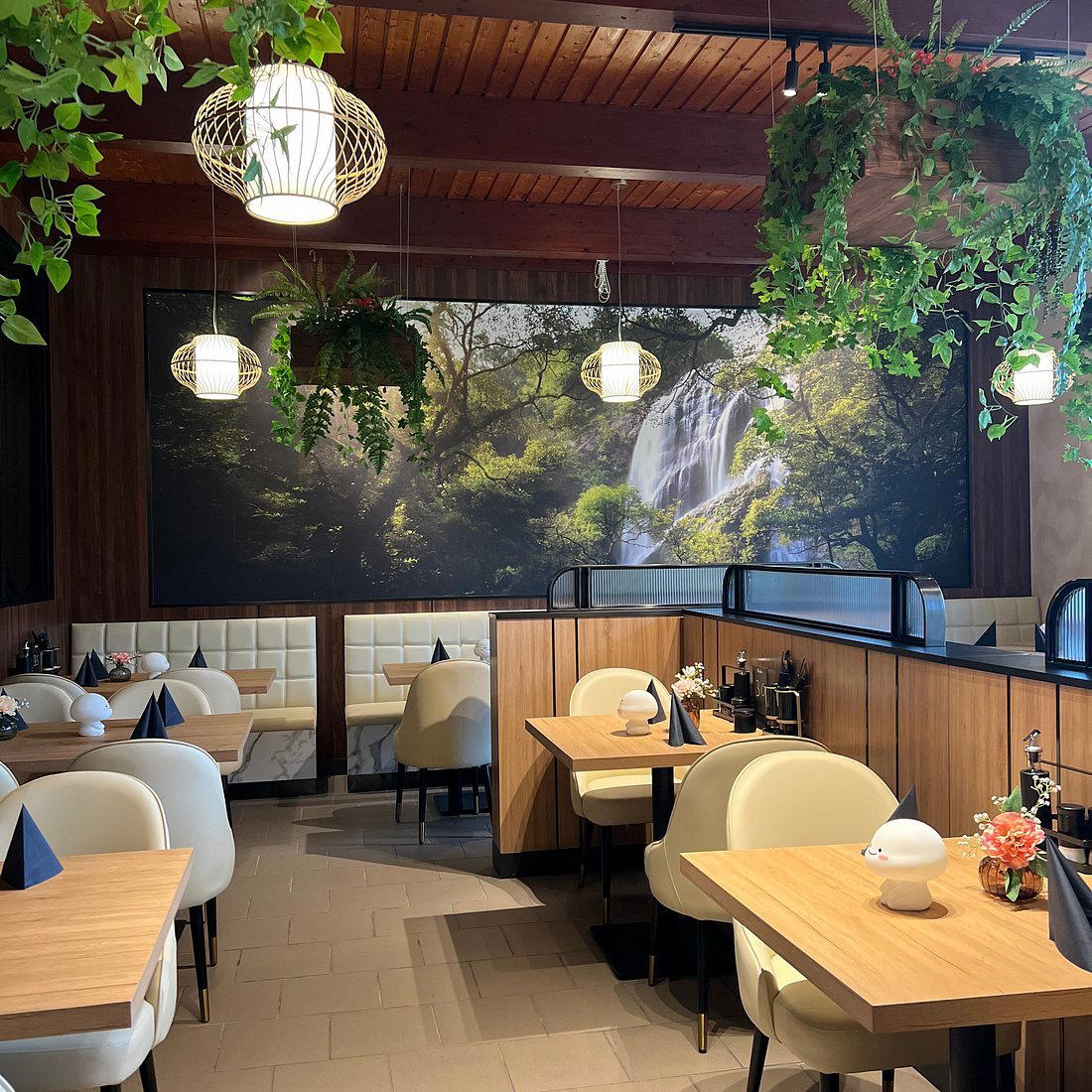
BAO BAO sits on Franz-Marc-Straße in Wolfsburg, a city whose dining scene has grown around a large, internationally mobile population tied to the automotive industry. That demographic tends to shape venues toward something relatively relaxed but considered rather than formal. Specific interior details are not yet documented in the public record.
Is BAO BAO in Wolfsburg suitable for a business dinner?
Wolfsburg's restaurant scene has long served a professional class connected to the automotive sector, and venues on Franz-Marc-Straße generally reflect that context. BAO BAO's suitability for a business dinner depends on group size and format details not yet on public record, so confirming capacity and privacy options directly with the restaurant is advised.
What do people recommend at BAO BAO?
Verified dish-level detail for BAO BAO is not currently on record.
What part of town is BAO BAO in?
BAO BAO is located at Franz-Marc-Straße 4, 38448 Wolfsburg, Germany, Wolfsburg.
Do they take walk-ins at BAO BAO?
No reservation policy has been documented for BAO BAO in Wolfsburg. Until hours and booking details are confirmed, arriving at Franz-Marc-Straße 4 during a reasonable dinner window and asking at the door is the most straightforward approach.
In Context: Similar Options
Comparable venues nearby, for context on price, style, and recognition.
| Venue | Cuisine | Price | Awards | Notes |
|---|---|---|---|---|
| BAO BAOThis venue (the venue you are viewing) | Modern Chinese-Asian Fusion | $20–30 | Not listed | Not listed |
| L'Oliva Nera | Modern Italian Seasonal Tasting | $50–100 | Not listed | Fallersleben Altstadt |
| FERDINANDS Restaurant | Modern German Fusion | $30–50 | Not listed | Stadtmitte |
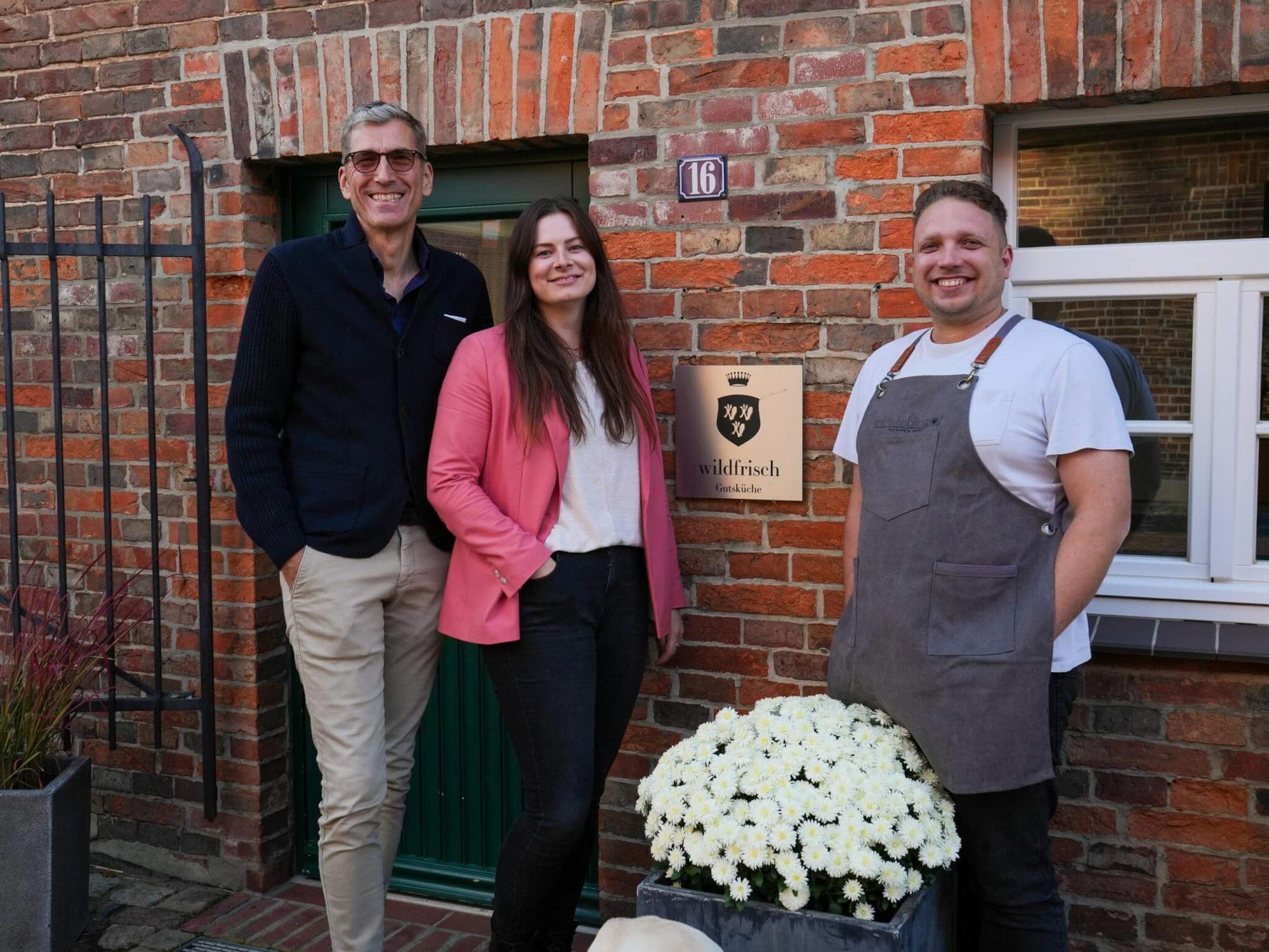
| Wildfrisch Gutsküche | Modern German Contemporary | $50–100 | Not listed | Rittergut Nordsteimke |
| Terra | Modern German Seasonal Cuisine | $50–100 | Michelin Plate | Wolfsburg City Center |
| Lang is her | Modern International Fine Dining | $100–150 | Michelin Plate | Not listed |
Continue exploring
More in Wolfsburg
Restaurants in Wolfsburg
All restaurants in Wolfsburg →
Hotels in Wolfsburg
All hotels in Wolfsburg →
Details
- Cozy
- Modern
- Casual Hangout
- Date Night
- A La Carte
- Vegan Options
Current opening hours
- Monday
- 12–3 PM, 5–10 PM
- Tuesday
- Closed
- Wednesday
- 12–3 PM, 5–10 PM
- Thursday
- 12–3 PM, 5–10 PM
- Friday
- 12–3 PM, 5–10 PM
- Saturday
- 12–3 PM, 5–10 PM
- Sunday
- 12–3 PM, 5–10 PM
Hours can change for holidays and private events. Hours as of .
Cozy and inviting with a pleasant, comfortable atmosphere and friendly service.