Bake Street
Bake Street serves halal Americana brunch and breakfast in a standalone open-kitchen setting on Evering Rd, with counter service, beer, and a quick-bite pace.
Pearl is the En Primeur Club membership app — saves, bookings, and concierge access live there. Same editors, same standards.
- Address
- 58 Evering Rd, Lower Clapton, London N16 7SR, United Kingdom
- Phone
- +442076837177
- Website
- instagram.com
- Directions
- Get directions
 Saves & bookings on Pearl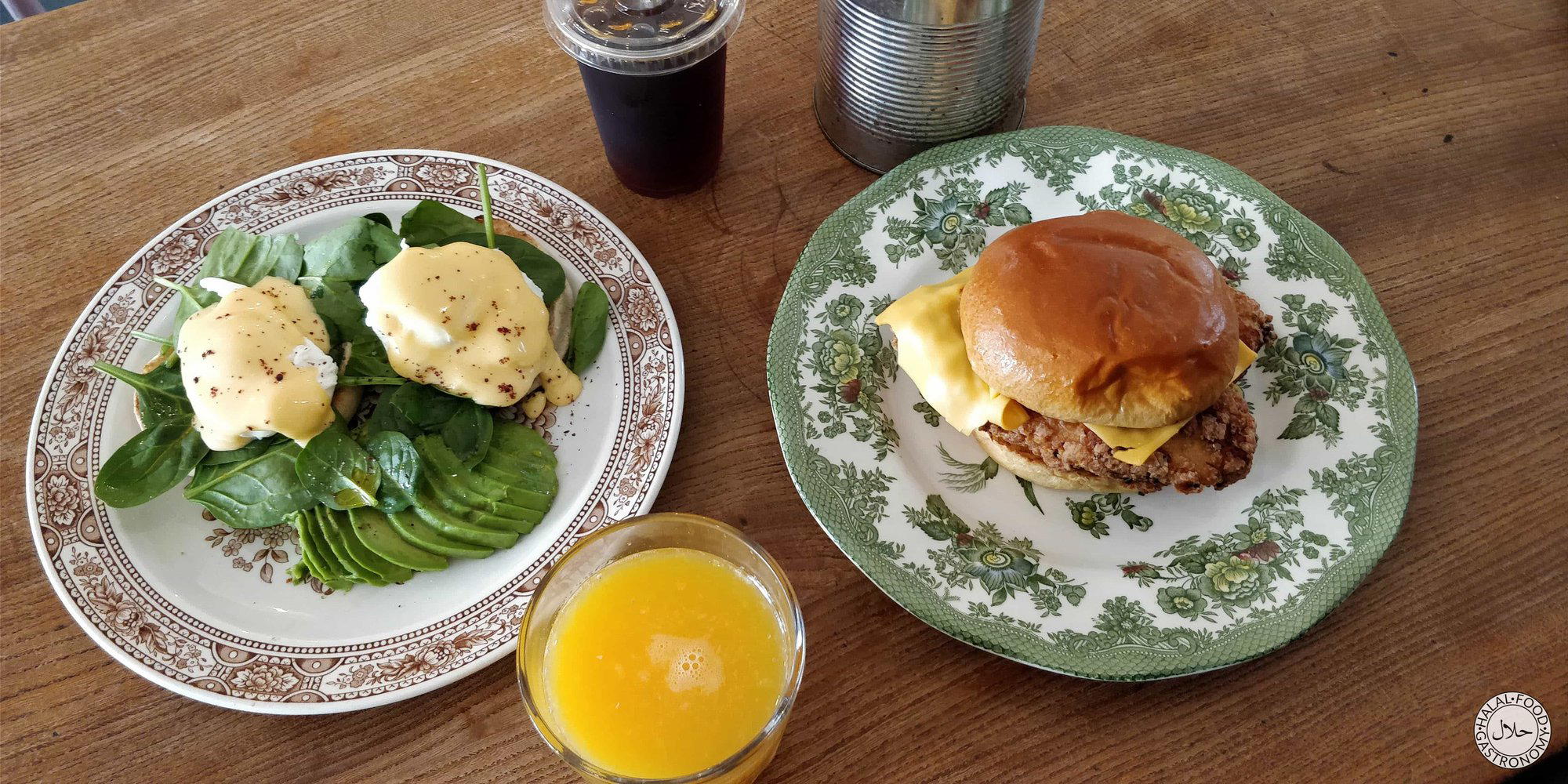
Lower Clapton's Baking Tradition in a Neighbourhood That Earns Its Attention
Evering Road sits in the stretch of Lower Clapton that has, over the past decade, drawn a particular kind of independent operation: small in scale, specific in craft, and not much interested in visibility beyond its immediate neighbourhood. The street itself is residential, the kind of north-east London block where a shop front can pass unnoticed until word circulates locally. Bake Street is a Halal Americana Brunch Cafe at 58 Evering Road, Lower Clapton, London N16 7SR, United Kingdom. There is no theatrical signage or destination-restaurant energy here. What draws people is what draws people to the better neighbourhood bakeries across London: a product that justifies the trip on its own terms.
This part of Clapton sits within a broader arc of east London bakery culture that has matured considerably since the mid-2010s. Where earlier waves prioritised sourdough as a marker of seriousness, the current cohort tends to operate across a wider repertoire, combining fermented doughs with enriched, laminated, and short-pastry formats. The local-ingredients-meet-imported-technique dynamic that defines the sharper end of contemporary British baking is visible across this tier: producers sourcing from UK heritage grain mills and British dairy operations, applying methods absorbed from French, Scandinavian, and American baking traditions. Bake Street sits within that framework, in a neighbourhood that now expects this kind of offer without treating it as notable.
The Technique-and-Provenance Framework That Defines This Tier
The intersection of imported method and British raw material has become the defining organising principle of London's serious independent bakery sector. At the higher end, this means sourcing grain from mills working with heritage wheat varieties grown in England and Scotland, combining that material with lamination and fermentation techniques refined in France, Denmark, or the American craft-bakery revival. The result is a product category that reads as distinctly British in ingredient sourcing while drawing on a global technical vocabulary.
This is not a new phenomenon in London. What has changed is the geography of where this tier operates. Through the early 2010s, it was concentrated in Bermondsey, Hackney Wick, and Dalston. Lower Clapton has since absorbed several operations of this kind, partly because of commercial rent dynamics and partly because the residential demographic in the area now sustains the spend required to support higher-ingredient-cost baking. Bake Street's address on Evering Road places it within this geographic drift, serving a catchment that extends into Stoke Newington and Stamford Hill as well as the immediate Clapton streets.
For context on how this neighbourhood-scale bakery tier sits relative to London's formal dining hierarchy: the city's three-Michelin-star operators, including CORE by Clare Smyth, Restaurant Gordon Ramsay, Sketch, The Lecture Room and Library, The Ledbury, and Dinner by Heston Blumenthal, operate in a completely different economy of scale, price point, and weekly rhythm. Independent bakeries like Bake Street function in a parallel food culture: accessible price points, daily or near-daily visits, and a relationship with regulars that formal restaurants rarely achieve. The two categories feed the same broader appetite for serious British food production, applied at opposite ends of the formality and spend spectrum.
British Baking in a National Context
London's independent bakery culture does not exist in isolation from the wider British food scene. The ingredient provenance logic visible in neighbourhood bakeries across the capital reflects broader trends in British agriculture and milling, trends that have also shaped how serious restaurants across the country source and use grain, dairy, and produce. Operations like L'Enclume in Cartmel and Moor Hall in Aughton have made provenance-driven cooking a structural commitment, not a marketing angle, and that seriousness has permeated downward through price tiers and outward through geography.
Elsewhere in Britain, the same local-product-global-technique dynamic plays out in different formats. Waterside Inn in Bray has long applied classical French method to British river and garden produce. Gidleigh Park in Chagford draws on Devon sourcing within a formal European culinary structure. Hand and Flowers in Marlow does the same in a pub format. Hide and Fox in Saltwood, Midsummer House in Cambridge, and Opheem in Birmingham apply versions of this framework within regional contexts. Even at the outlier end, Ynyshir Hall in Machynlleth and Restaurant Andrew Fairlie in Auchterarder demonstrate how far the local-meets-international premise extends across the British Isles. At neighbourhood bakery scale, the restaurant participates in the same conversation, stripped to its most immediate form: what flour, what fat, what fermentation logic, and what daily output.
Internationally, the craft-bakery model that London's independent sector mirrors most closely is probably closer to what Lazy Bear in San Francisco represents within American dining: a format built on technical seriousness and community intimacy rather than formal dining convention. The comparison is imperfect but the structural logic, small footprint, technique-forward offer, neighbourhood loyalty, holds. Le Bernardin in New York City represents the opposite pole: institutional culinary authority at maximum formality. Both ends of that spectrum inform how serious food culture thinks about craft and provenance, which ultimately shapes what a neighbourhood bakery in Lower Clapton can aspire to and be held to.
Planning a Visit
The restaurant is located at 58 Evering Rd, Lower Clapton, London N16 7SR, United Kingdom. The restaurant is walk-in friendly and open Tue to Sun, with Monday closed and service running 8 AM to 4 PM Tuesday through Friday and 9 AM to 4 PM on Saturday and Sunday.
| Venue | Format | Price Tier | Booking Approach | Location |
|---|---|---|---|---|
| The restaurant | Neighbourhood bakery | Not published | Walk-in (no booking system confirmed) | Lower Clapton, E London |
| CORE by Clare Smyth | Fine dining restaurant | ££££ | Advance reservation required | Notting Hill, W London |
| Restaurant Gordon Ramsay | Fine dining restaurant | ££££ | Advance reservation required | Chelsea, SW London |
| The Ledbury | Fine dining restaurant | ££££ | Advance reservation required | Notting Hill, W London |
City Peers
Comparable venues nearby, for context on price, style, and recognition.
| Venue | Cuisine | Price | Notes |
|---|---|---|---|
| Bake StreetThis venue — the venue you are viewing | Halal Americana Brunch Cafe | $$ | Not listed |
| Black Bear Burger | Modern American Burgers | $$ | Clerkenwell |
| London Bridge Rooftop | American Street Food Burgers | $$ | River Thames |
| Bleecker St | American Burgers | $ | Spitalfields |
| Heard | Modern Smash Burgers | $$ | Borough |
| Big Easy | American BBQ & Lobster Shack | $$ | Chelsea |
At a Glance
- Cozy
- Trendy
- Brunch
- Casual Hangout
- Solo
- Open Kitchen
- Standalone
- Beer Program
Current opening hours
- Monday
- Closed
- Tuesday
- 8 AM–4 PM
- Wednesday
- 8 AM–4 PM
- Thursday
- 8 AM–4 PM
- Friday
- 8 AM–4 PM
- Saturday
- 9 AM–4 PM
- Sunday
- 9 AM–4 PM
Hours can change for holidays and private events. Last verified .
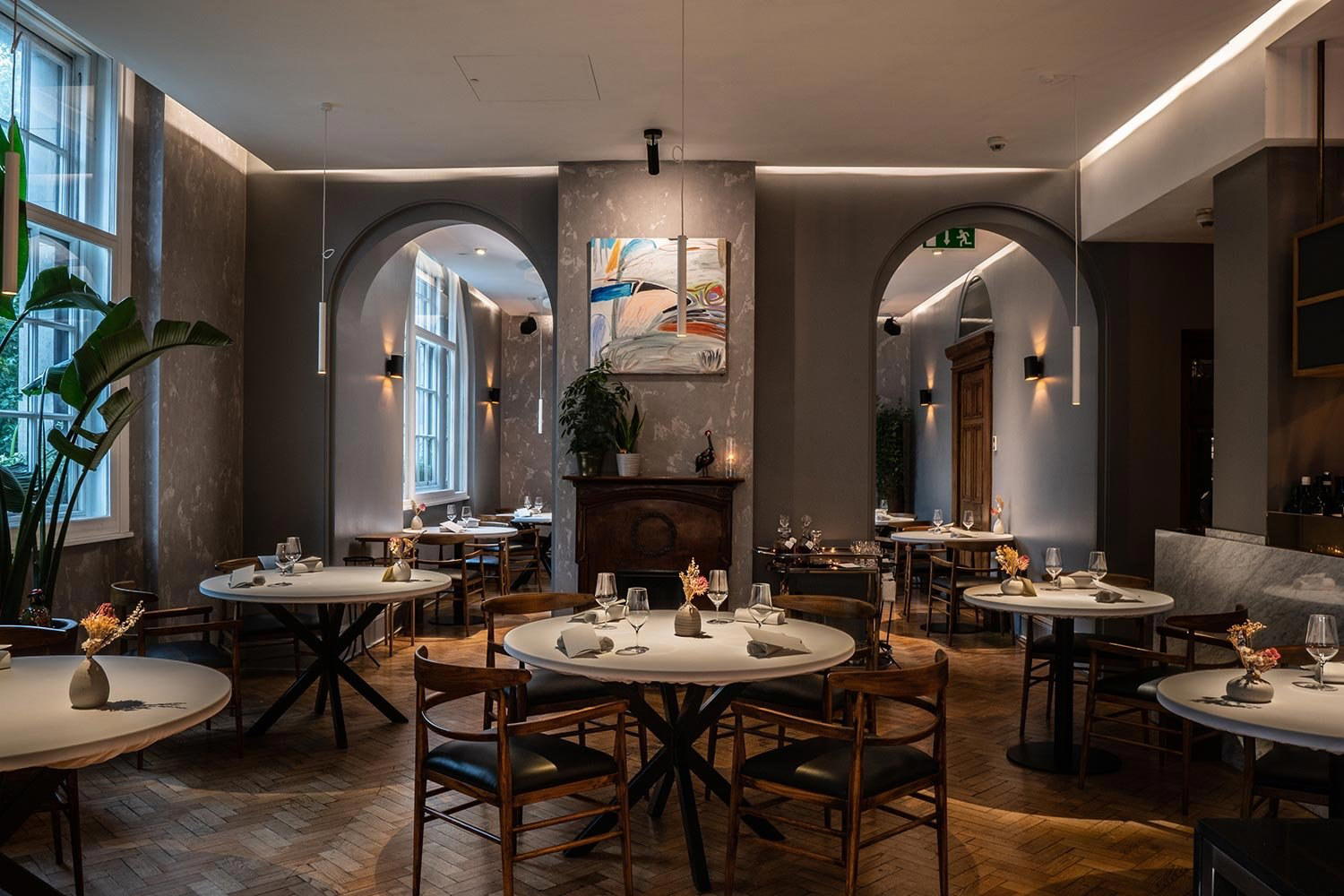
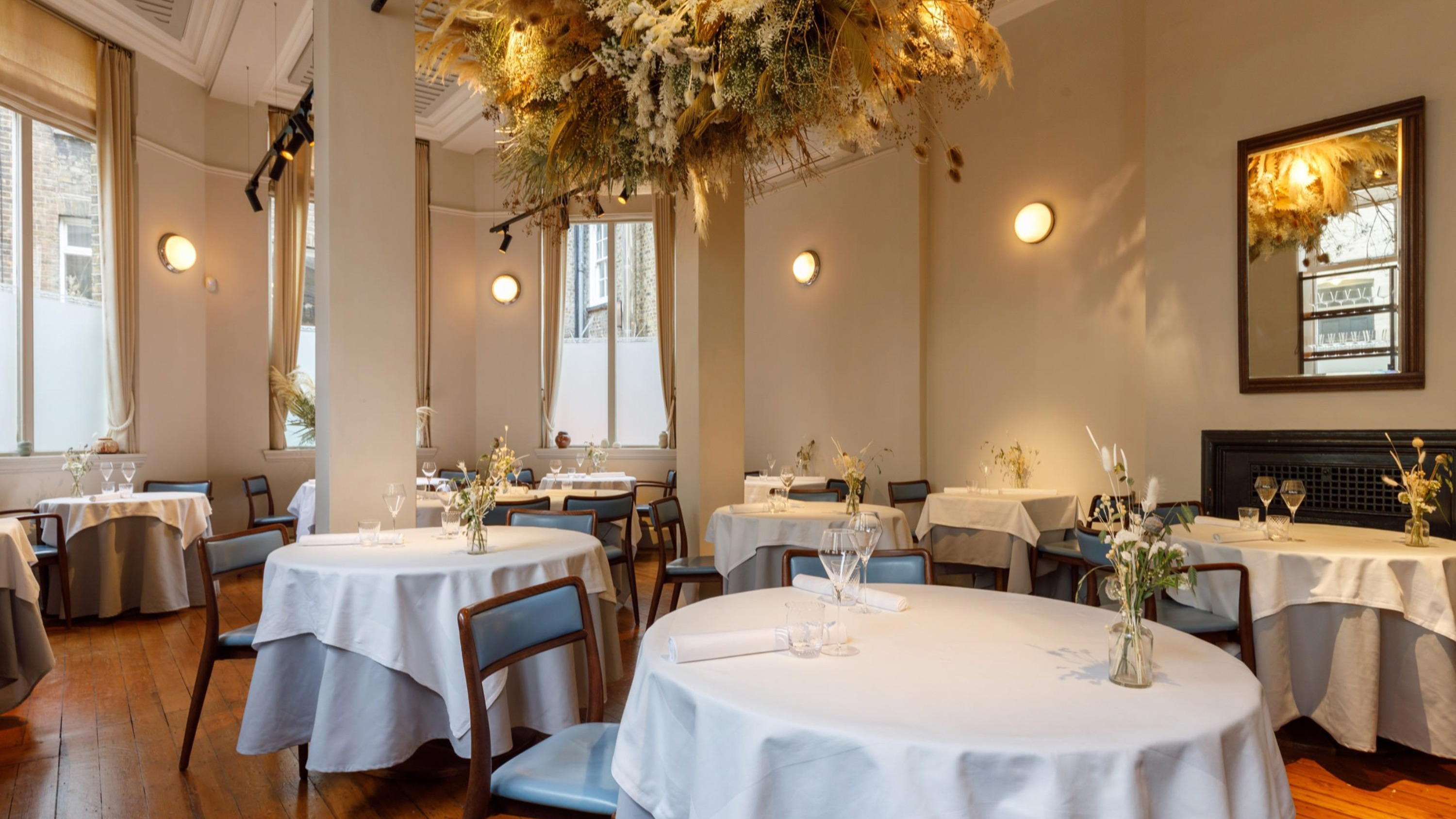
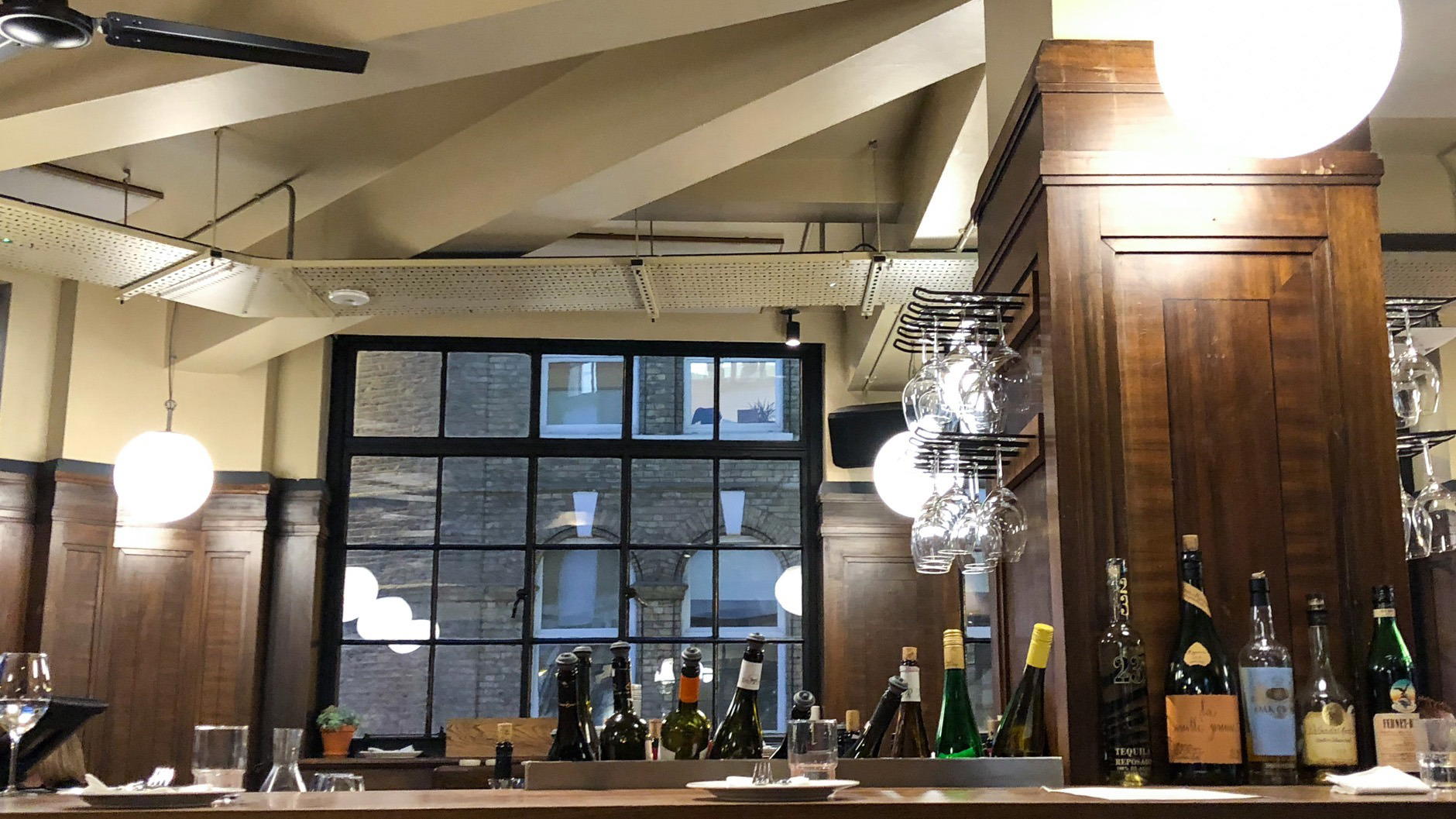
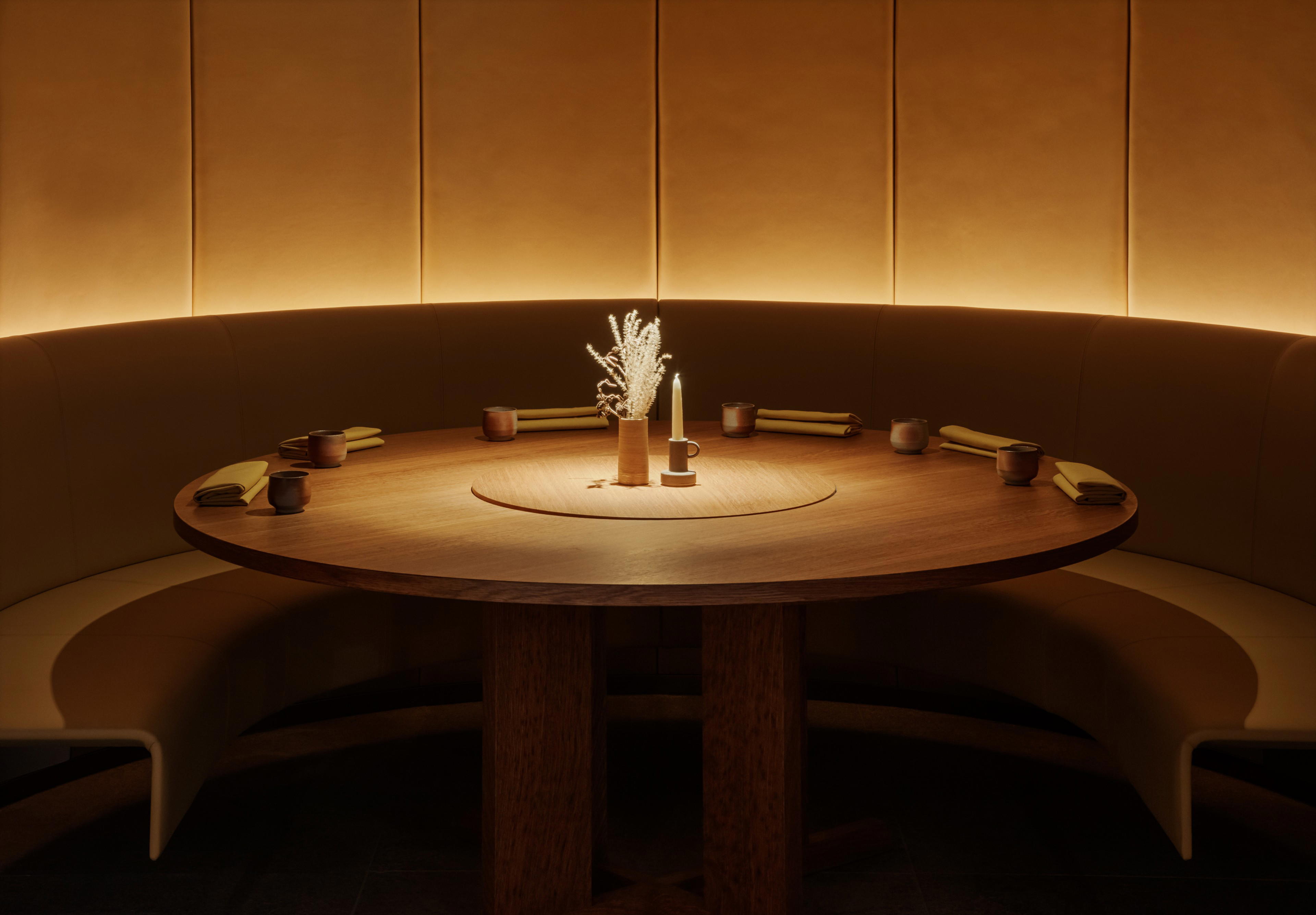
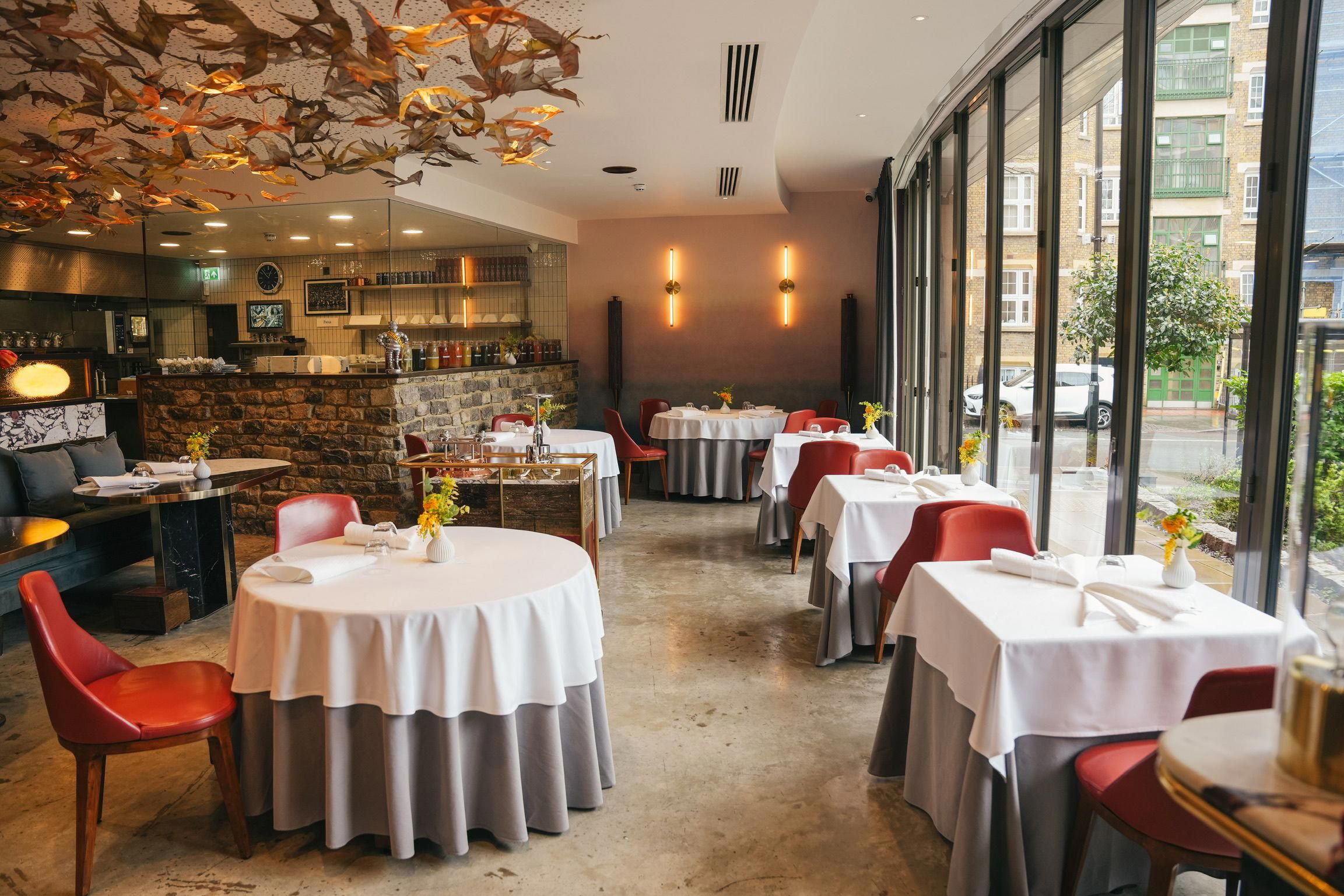
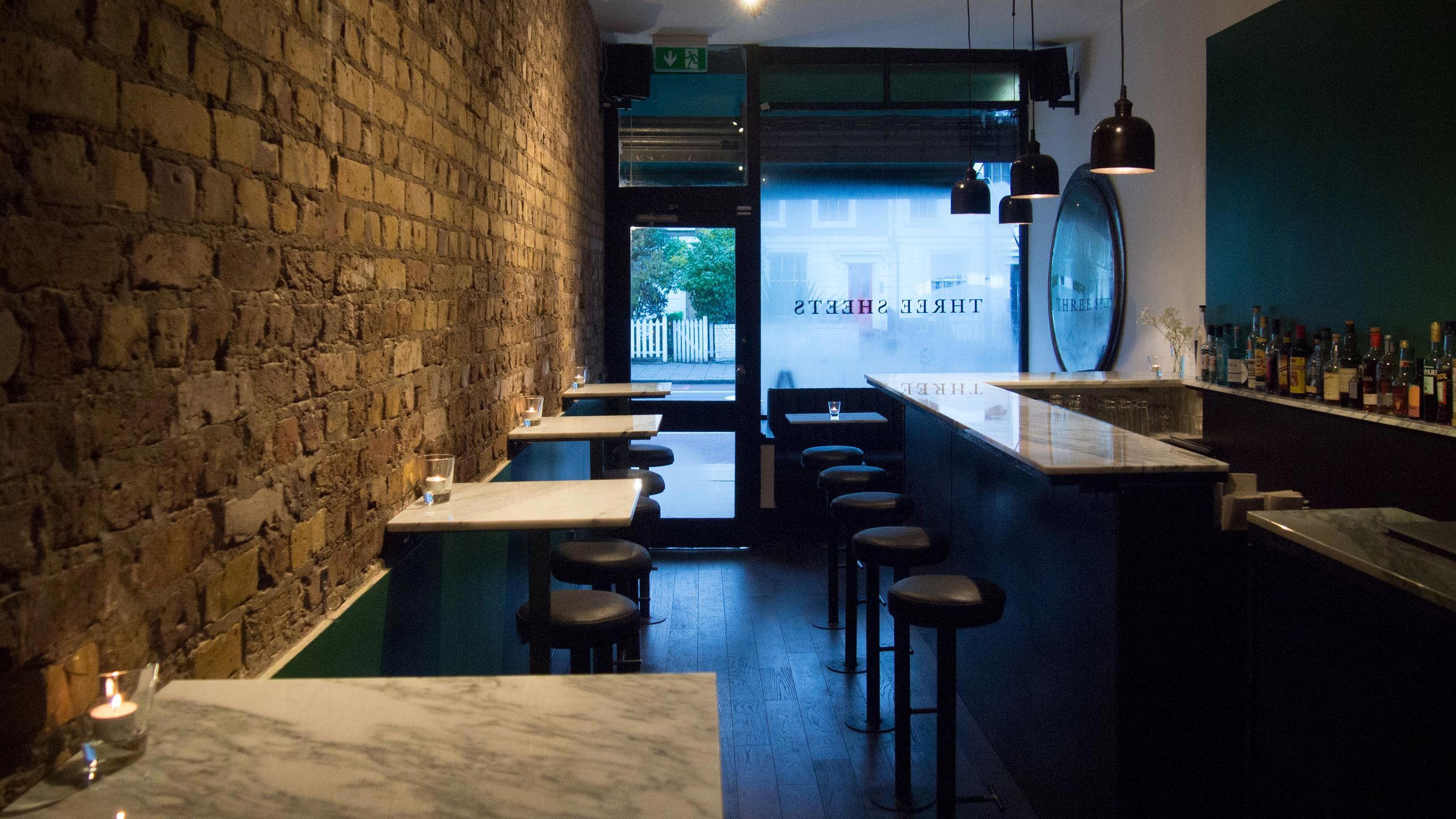
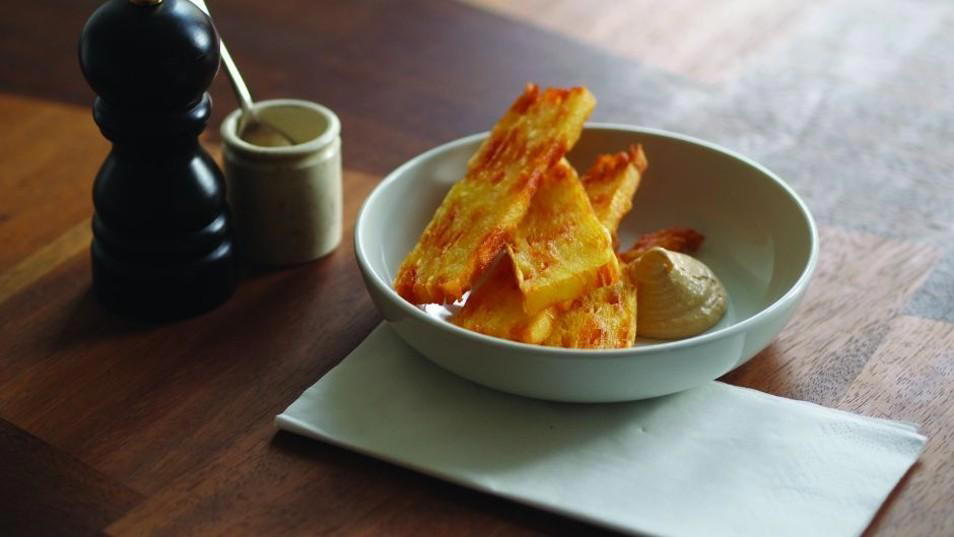
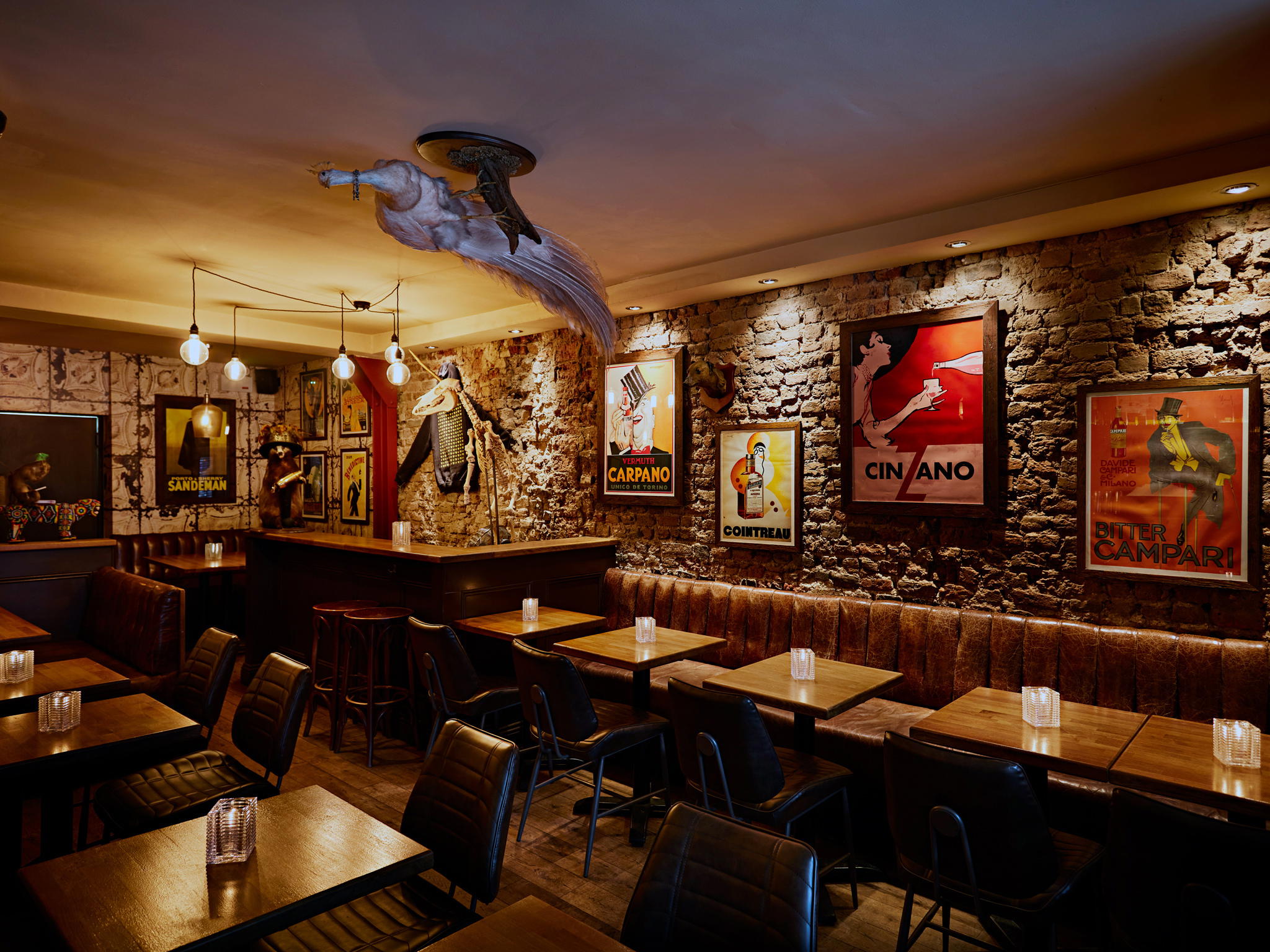
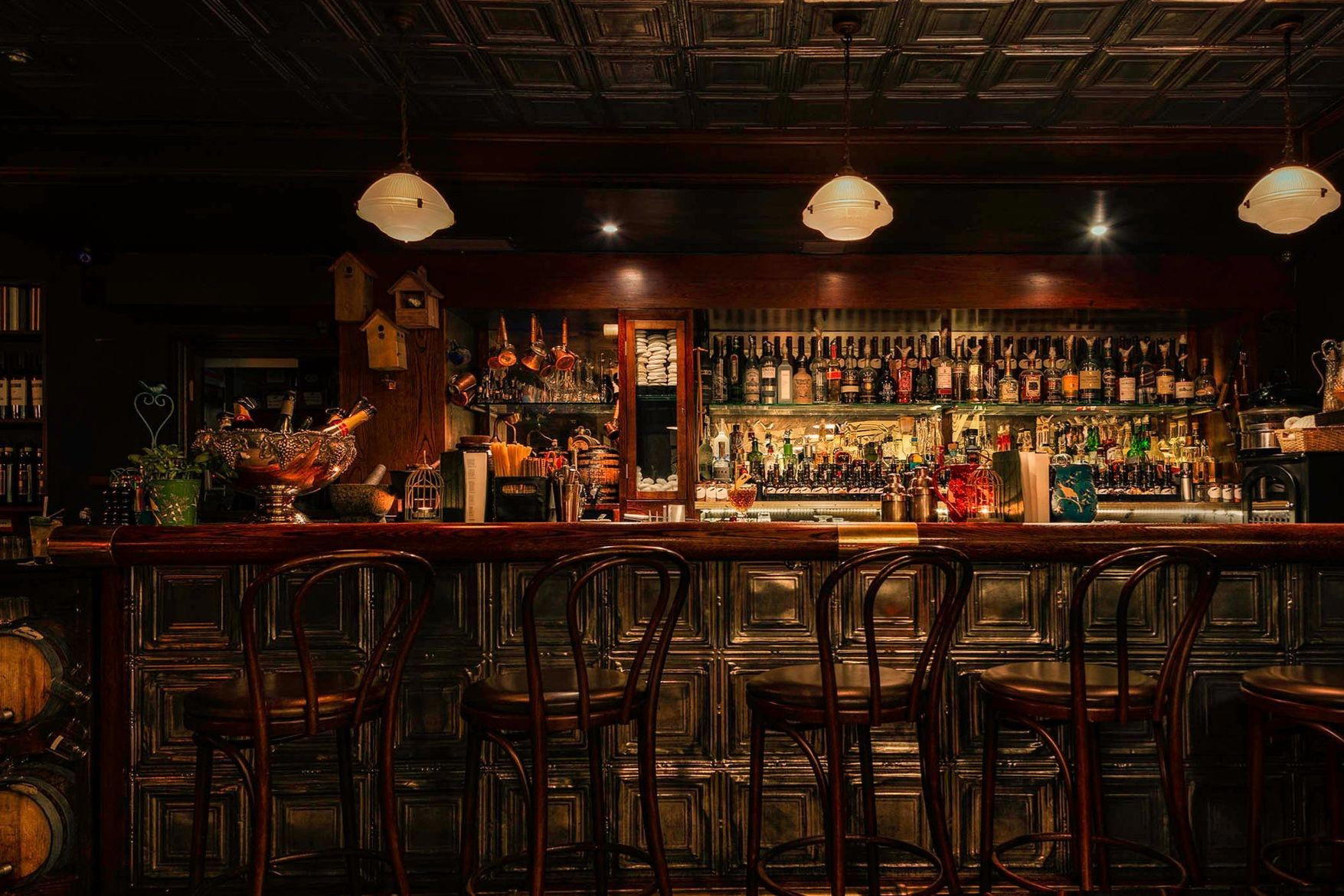
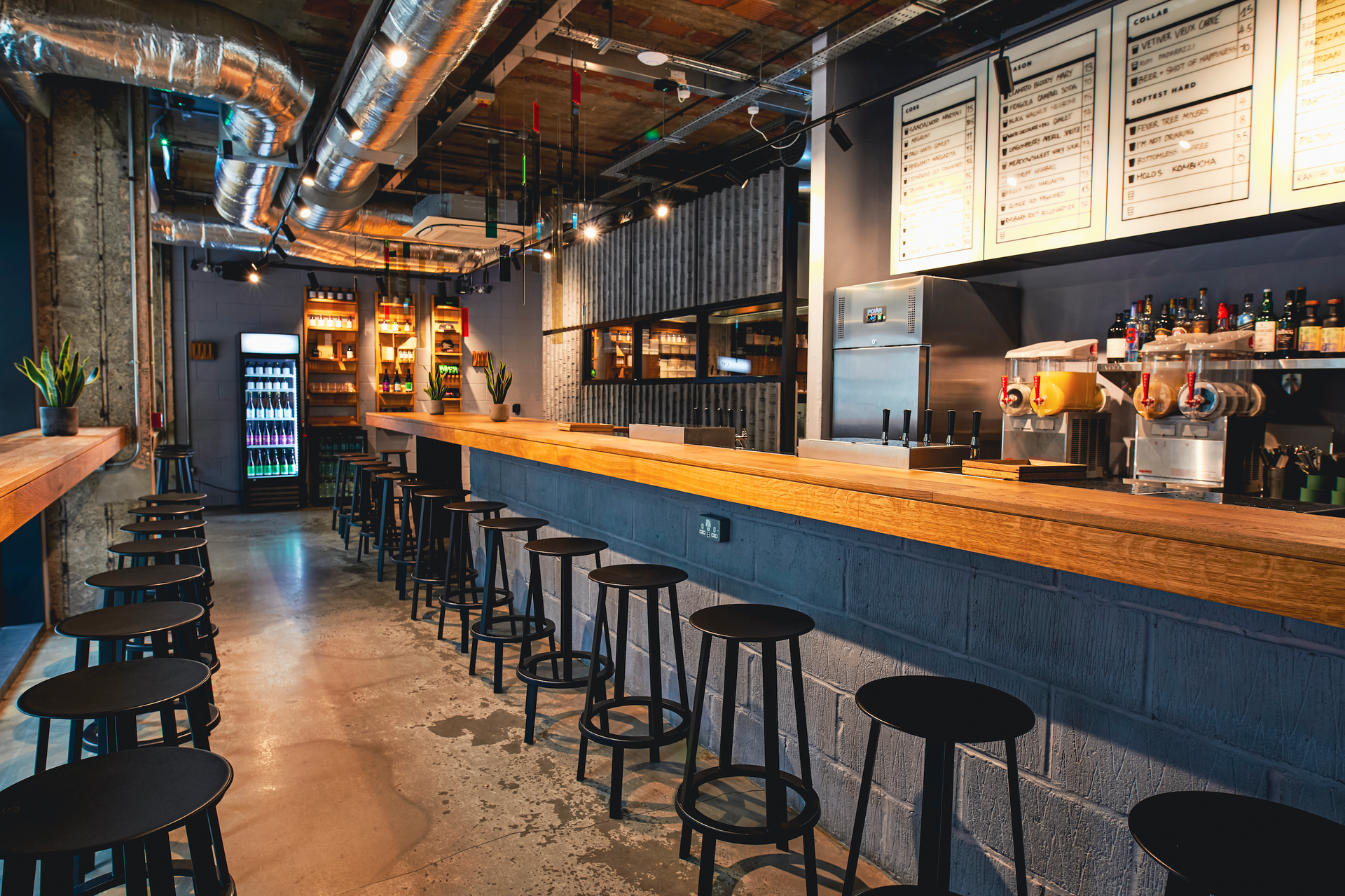
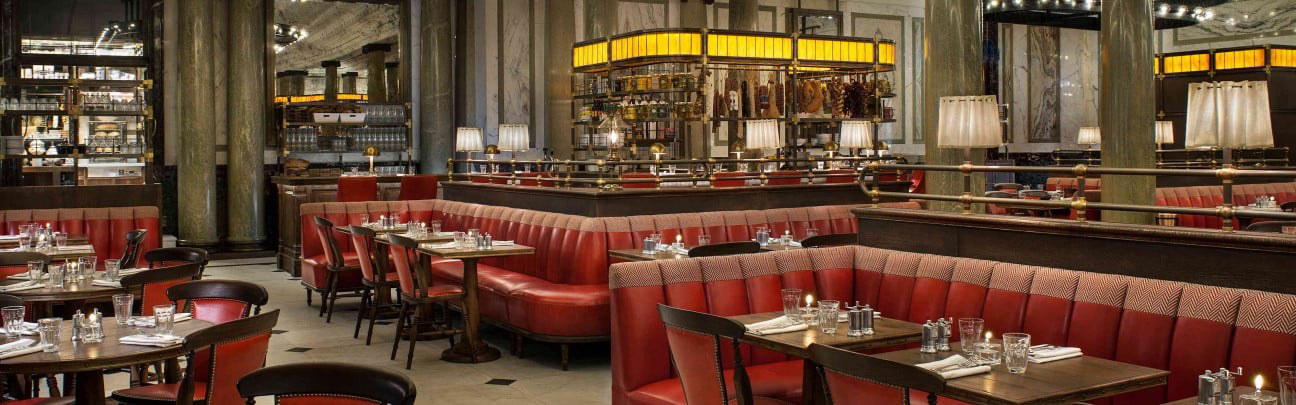
Warm, inviting neighborhood cafe with the aroma of coffee beans; stripped-back aesthetic with outdoor-only seating creating a casual, bustling atmosphere.