Google: 4.4 · 261 reviews
Baia del Silenzio
.png)
Baia del Silenzio holds a Michelin Plate (2024) and a position on one of Liguria's most photographed waterfronts, where it runs three distinct formats under one roof: a bistrot at lunch, a gourmet dinner service, and a wine bar. The kitchen focuses on Ligurian ingredients handled with contemporary technique, and in summer the terrace extends onto the beach itself. Google reviewers rate it 4.4 across 247 responses.
 Discover on Pearl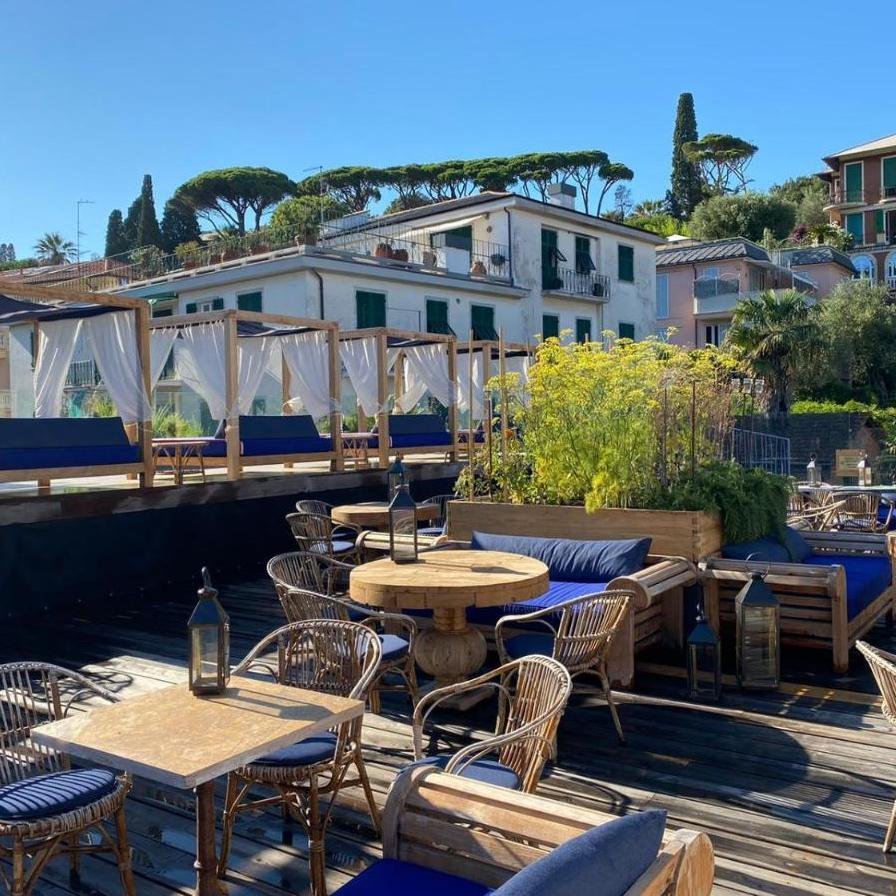
Ligurian Cooking on the Arc of the Bay
The Golfo del Tigullio has always produced a particular kind of coastal restaurant: one where geography does most of the early work and the kitchen has to earn the rest. Sestri Levante sits at the fold between the Cinque Terre's more visited stretch and the quieter shores toward Portofino, and its dining scene reflects that position. The town attracts visitors with enough experience of the Italian Riviera to want something beyond red-sauce basics, and its better restaurants have calibrated accordingly. Balin Sestri Levante, Le Cantine, and Rezzano Cucina e Vino each occupy the €€€ tier, signalling a local market that supports destination-level spending without requiring a trek to Genoa or the Cinque Terre crowd.
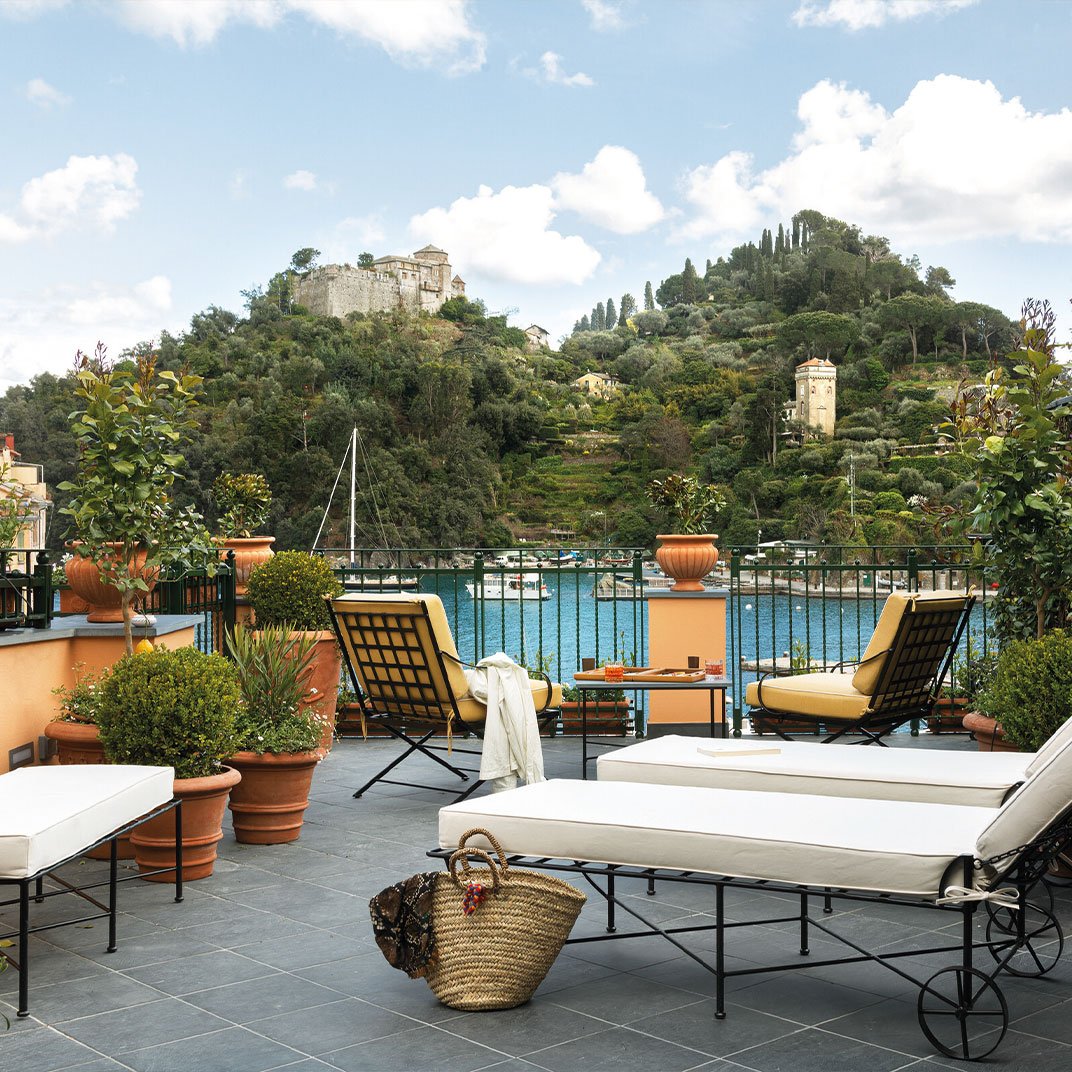
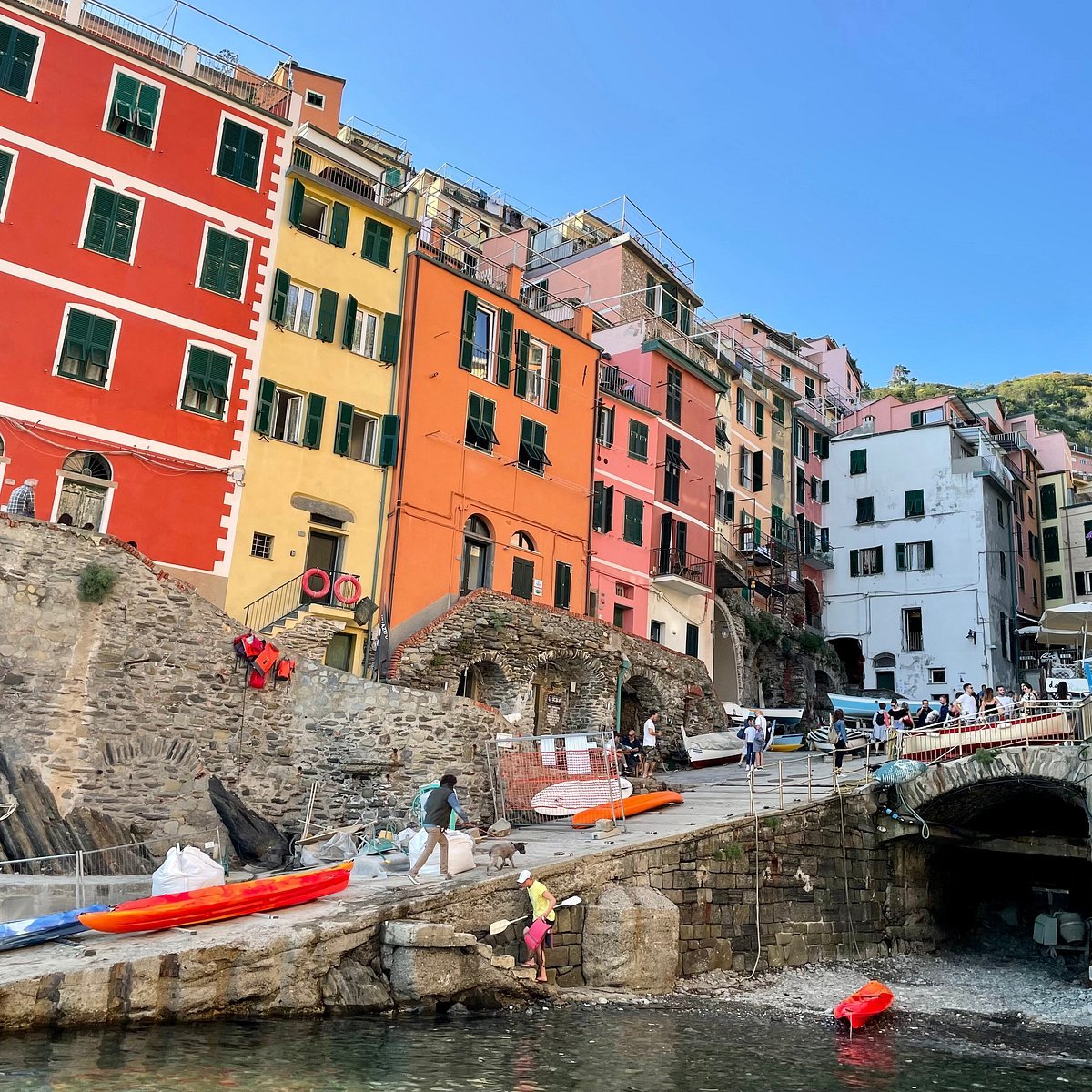
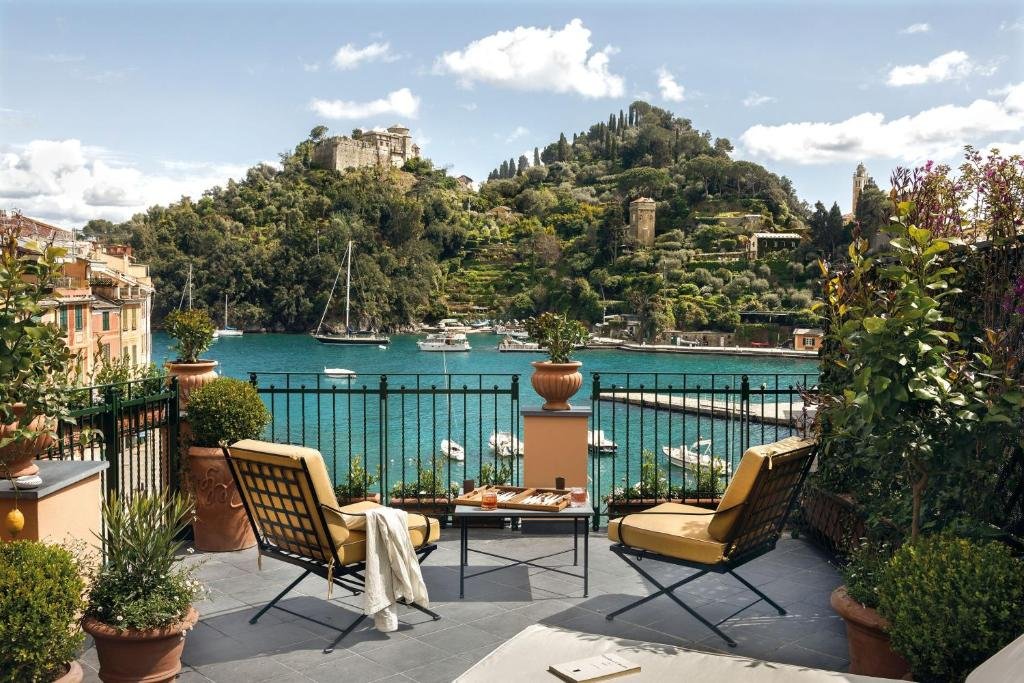
Baia del Silenzio addresses that market from its address on Via V. Cappellini, set directly inside the bay of the same name. The approach from the seafront promenade frames the restaurant against the arc of pastel-coloured buildings that curve around the small beach, a composition that has made this particular bay one of the most reproduced images on the Ligurian coast. The physical setting is not incidental to the experience. Arriving at dusk, with the water catching the last light and the terrace beginning to fill, the environment performs a function that few restaurants can buy at any price.
Three Formats, One Kitchen
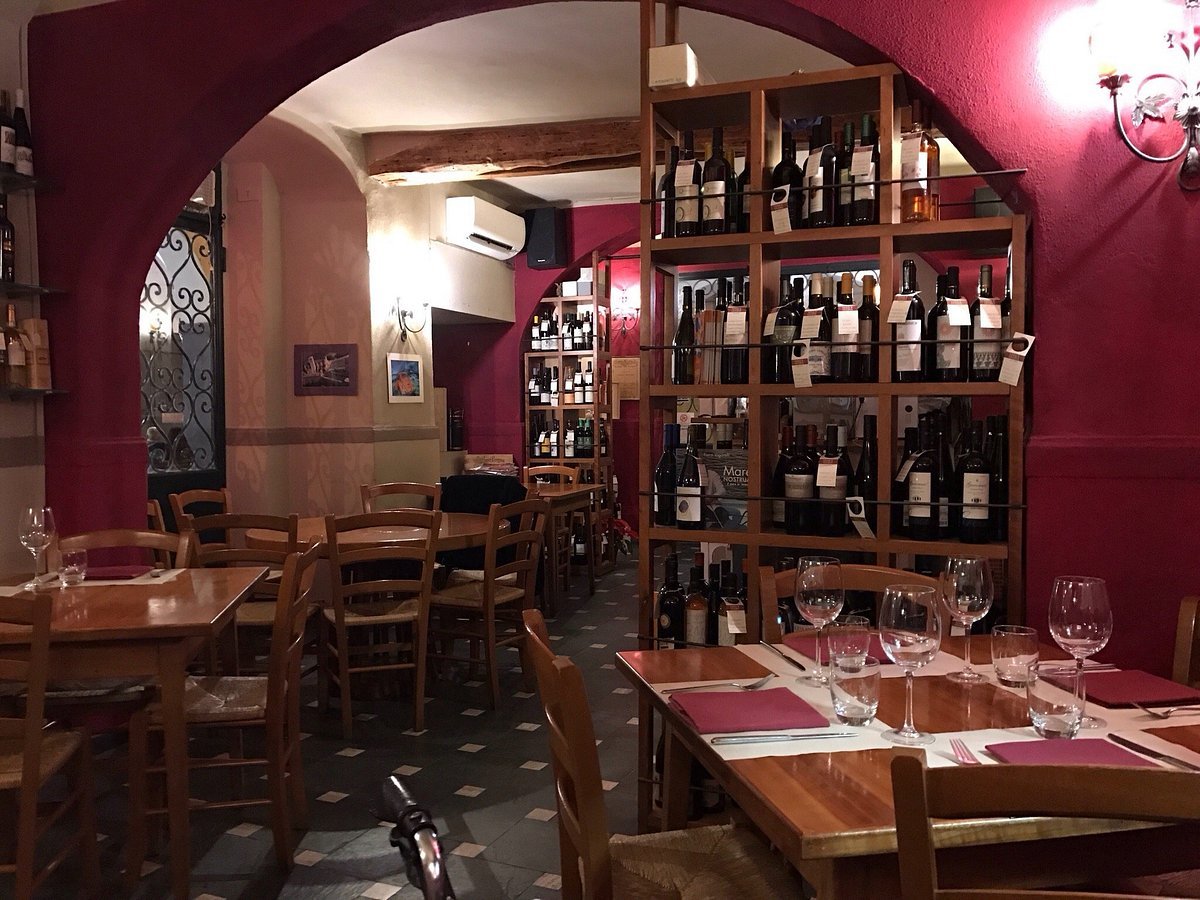
What distinguishes Baia del Silenzio within Sestri Levante's dining options is the deliberate division of its offer into three distinct formats. At lunch, the bistrot operates as the more casual register, suited to guests arriving by boat or on foot from the beach. The gourmet dinner service represents the kitchen's more considered mode, where contemporary technique is applied to Ligurian ingredients with greater structure and attention. The wine bar functions as a third pivot, allowing the restaurant to serve guests who want to sit with a glass and plates rather than a full progression.
This kind of layered format has become a recognisable approach among Italian coastal restaurants that want to capture both the midday beach trade and the evening fine-dining visitor without running two entirely separate operations. It requires discipline in the kitchen and clarity in the front-of-house communication. When it works, it extends the restaurant's reach across a fuller day and a wider range of occasions. The 2024 Michelin Plate recognition — awarded to restaurants where inspectors observe quality cooking that merits attention below the starred tier — suggests the kitchen is meeting the standard that format-splitting demands.
The Ligurian Ingredient Base
Liguria's culinary tradition occupies a specific position within the broader map of Italian regional cooking. It is not Tuscan in its preference for fire and game, nor Neapolitan in its comfort with bold tomato and the drama of the wood-fired oven. Ligurian cooking is quieter, more herbaceous, and more dependent on the sea's daily yield and the terraced hillside gardens above the coast. Pesto alla genovese, focaccia di Recco, farinata, trofie with green beans and potato: these are a tradition built on restraint and on what the narrow strip of land between the Apennines and the sea actually produces.
Contemporary kitchens working within this tradition face a particular challenge: how to apply modern technique to an ingredient base already defined by clarity and simplicity without flattening what makes those ingredients legible. The framing around Baia del Silenzio's offer, focused on enhancing local products through a contemporary twist, suggests the kitchen is working inside that tension rather than against it. This is the more defensible position. Ligurian fish, herbs from the hillside gardens, and olive oil from the inland groves do not need much transformation; they need confident handling and appropriate context.
For readers interested in how this approach plays out across the wider Italian contemporary category, Agli Amici Rovinj in Rovinj and L'Olivo in Anacapri offer useful regional comparisons at the Italian Contemporary table, each working coastal ingredient traditions through their own geographic lens.
Where It Sits in the Wider Italian Scene
The Michelin Plate is a useful marker. It places Baia del Silenzio in a tier below the starred kitchens that define Italy's highest-profile dining conversation, restaurants like Osteria Francescana in Modena, Enoteca Pinchiorri in Florence, or Le Calandre in Rubano, all operating at the multiple-star level where the cooking itself is the primary destination. It also sits in a different category from the destination-defining Northern Italian addresses such as Piazza Duomo in Alba or Atelier Moessmer Norbert Niederkofler in Brunico.
What the Plate does signal is that the cooking meets the inspector's standard for genuine quality at the contemporary level: technique is present, ingredients are good, and the kitchen is making considered decisions rather than executing a generic formula. In a coastal town like Sestri Levante, where the tourist season creates reliable demand and can soften the competitive pressure to maintain standards, that recognition carries weight. It means the kitchen is performing to an external benchmark, not just to the expectations of a captive summer audience.
For context across the Italian contemporary category more broadly, Enrico Bartolini in Milan and Quattro Passi in Marina del Cantone represent the coastal and urban poles of how Italian contemporary cooking is currently being framed at higher price points. Dal Pescatore in Runate offers a useful counterpoint as a long-established family-run operation that has held starred recognition across decades, a different model of continuity.
Planning the Visit
The restaurant operates in summer with outdoor seating on its terrace and directly on the beach, which positions the late-afternoon or early-evening reservation as the most considered choice for first-time visitors: the heat has softened, the bay reflects the last of the daylight, and the transition from beach to dinner service is legible in the physical space around you. The split between bistrot lunch and gourmet dinner means format expectations differ by time of day, and visitors planning a more structured meal should aim for the evening service. With a Google rating of 4.4 across 247 reviews, the consensus across a range of occasions is consistent, suggesting the experience holds across both formats rather than peaking only at the gourmet level.
Given the bay's visibility and the summer volume of Sestri Levante, booking ahead for the dinner service is the sensible approach. The €€€ price positioning puts Baia del Silenzio in line with the other leading Sestri Levante tables. For a fuller picture of what the town offers across categories, the EP Club Sestri Levante restaurants guide covers the range, alongside the hotels guide, bars guide, wineries guide, and experiences guide for a complete view of the destination.
Comparable Spots, Quickly
A fast peer set for context, pulled from similar venues in our database.
| Venue | Cuisine | Price | Awards | Notes |
|---|---|---|---|---|
| Baia del Silenzio | Italian Contemporary | €€€ | In a beautiful position inside the bay, the restaurant serves dishes with a cont… | This venue |
| Balin Sestri Levante | Contemporary | €€€ | Contemporary, €€€ | |
| Le Cantine | Grills | €€€ | Grills, €€€ | |
| Rezzano Cucina e Vino | Seafood | €€€ | Seafood, €€€ |
Continue exploring