Google: 2.7 · 653 reviews
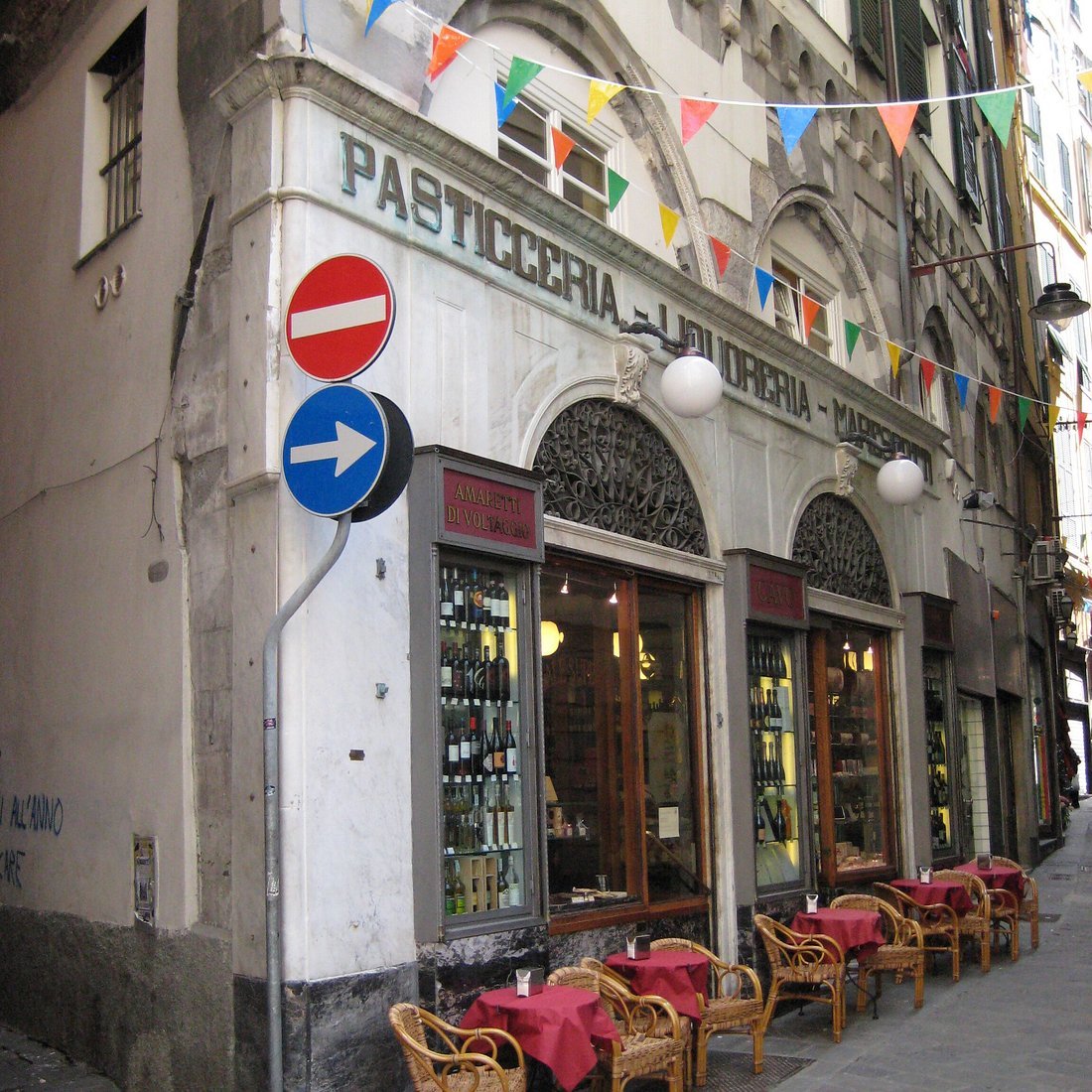
Pasticceria Gelateria Mangini occupies a storied corner of Piazza Corvetto, where Genoa's historic café tradition meets the city's enduring sweet-making craft. The address has served as a gathering point for the Corvetto neighbourhood for generations, offering pastries, gelato, and the kind of unhurried counter service that defines the Ligurian caffè experience.
 Discover on Pearl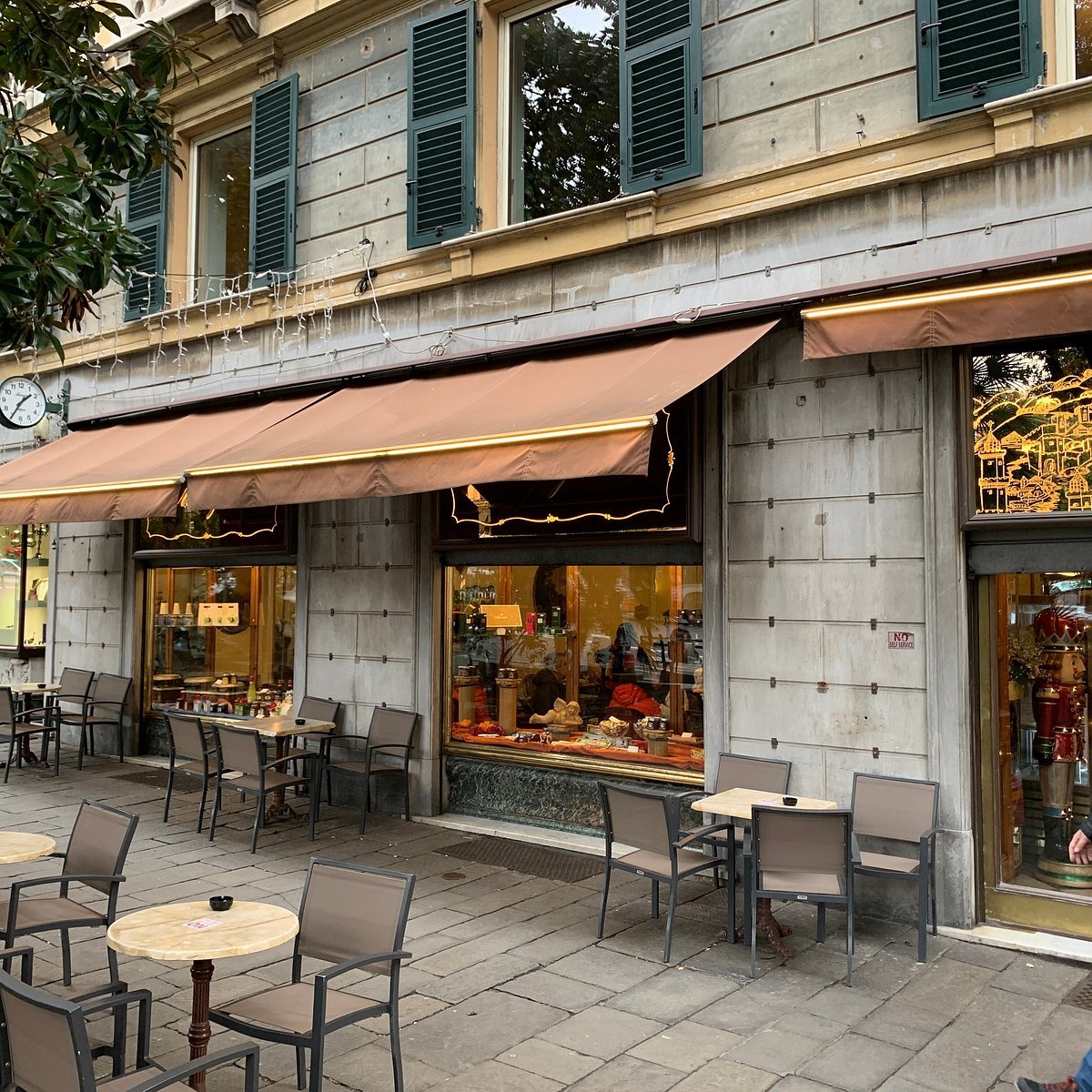
A Corner of Piazza Corvetto That Genoa Has Always Known
There is a particular quality to the light on Piazza Corvetto in the late morning: the pale stone of the surrounding palazzi catches the sun at an angle that makes even a brief coffee stop feel considered. Mangini sits at number 3, its façade part of the square's architectural fabric rather than an interruption of it. You approach through a city that has been doing this — the pasticceria as social infrastructure, the bar counter as the real living room — for centuries, and the address fits that pattern precisely.
Genoa's café culture operates differently from the theatrical espresso theatre of Naples or the design-forward aperitivo bars of Milan. The Ligurian model is quieter, more residential in character, tied to neighbourhood routine rather than tourist spectacle. Pasticcerie in this city have historically served as anchors for their piazzas, places where the same faces appear at roughly the same hours, where the pastry case is a matter of local loyalty rather than seasonal novelty. Mangini, positioned on one of the city's more architecturally distinguished squares, carries that function clearly.
The Ligurian Sweet-Making Tradition
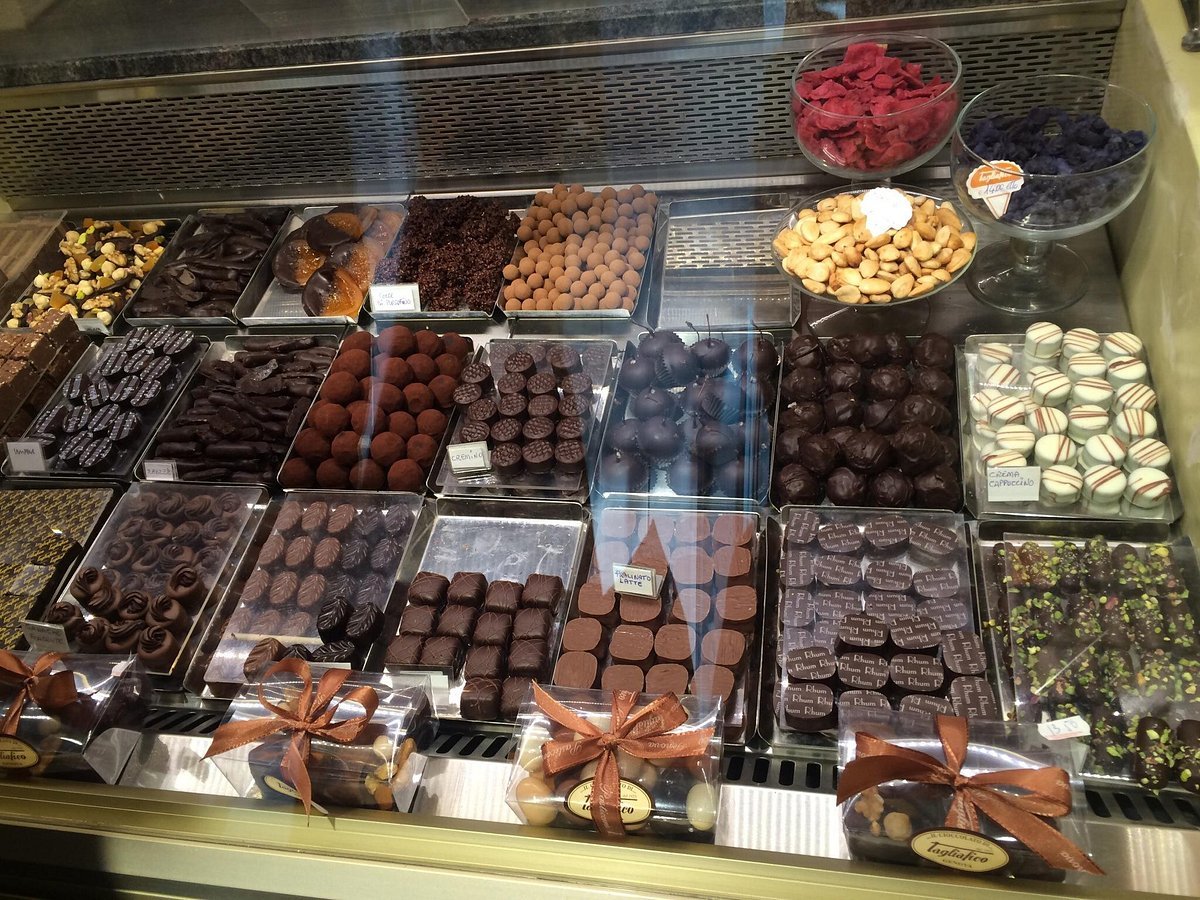
Understanding what a Genoese pasticceria-gelateria represents requires some context about Ligurian confectionery more broadly. The region has a documented history of sophisticated sugar work and pastry craft, shaped partly by its medieval trading connections , sugar arrived early here, and the techniques that followed were not provincial. Pandolce Genovese, the dense, fruit-laden celebration cake, is perhaps the most cited example of this tradition, but the broader pastry vocabulary extends to delicate almond-based confections, candied fruits, and a gelato culture that draws on fresh local produce.
Within this context, establishments like Mangini occupy a specific role: they are repositories of that craft lineage, places where the pastry case reflects accumulated knowledge rather than trend-driven reinvention. The gelato component matters here too. Italian gelato at its most serious operates on a lower fat-to-overrun ratio than international ice cream, producing a denser, more intensely flavoured result. In a city with Genoa's ingredient access , the basil, the preserved citrus, the hazelnuts from the Piedmontese border , the raw material case for quality gelato is direct.
For visitors building a picture of the city's food culture, Mangini belongs in a cluster of addresses that illustrate the non-restaurant half of Genoese eating: the standing coffee, the mid-morning brioche, the afternoon gelato. If you are working through our full Genoa restaurants guide, this is the category of address that complements the lunch and dinner picture.
Corvetto and the Surrounding Quarter
Piazza Corvetto functions as a kind of hinge between the historic centre and the residential streets climbing toward Castelletto. The square itself is formal in scale, with the monument at its centre and the surrounding streets radiating out toward the hillside funicular. It is a working square rather than a ceremonial one , buses pass through, office workers cross it on foot, and the café stops here are functional as much as leisurely.
That positioning gives Mangini a different clientele profile from addresses closer to the Porto Antico or the caruggi. This is neighbourhood commerce in a part of the city where residents use the square daily. For a visitor, that means the experience here reads as genuinely local rather than curated for an outside audience , the kind of distinction that matters when you have already covered the more visited parts of the centro storico.
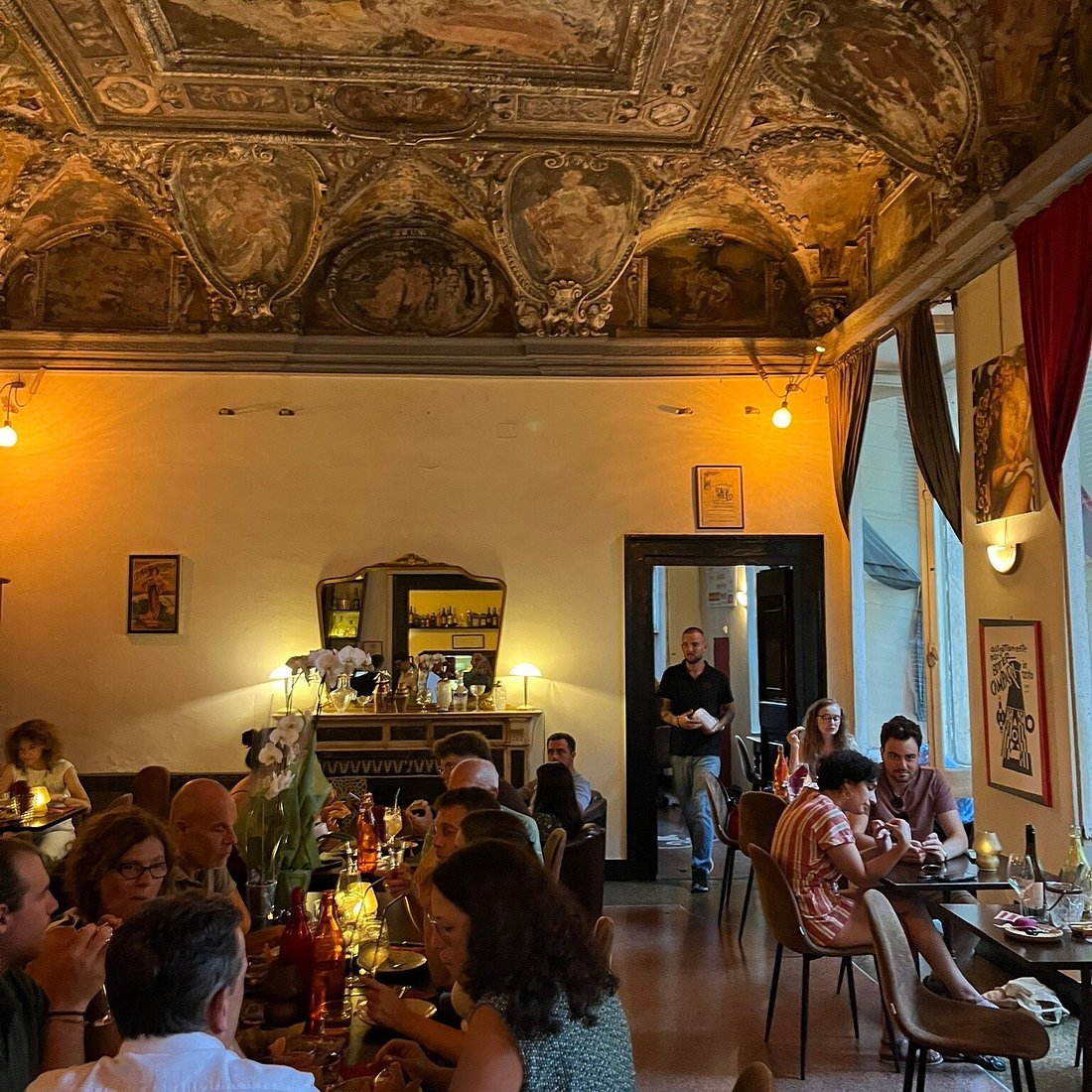
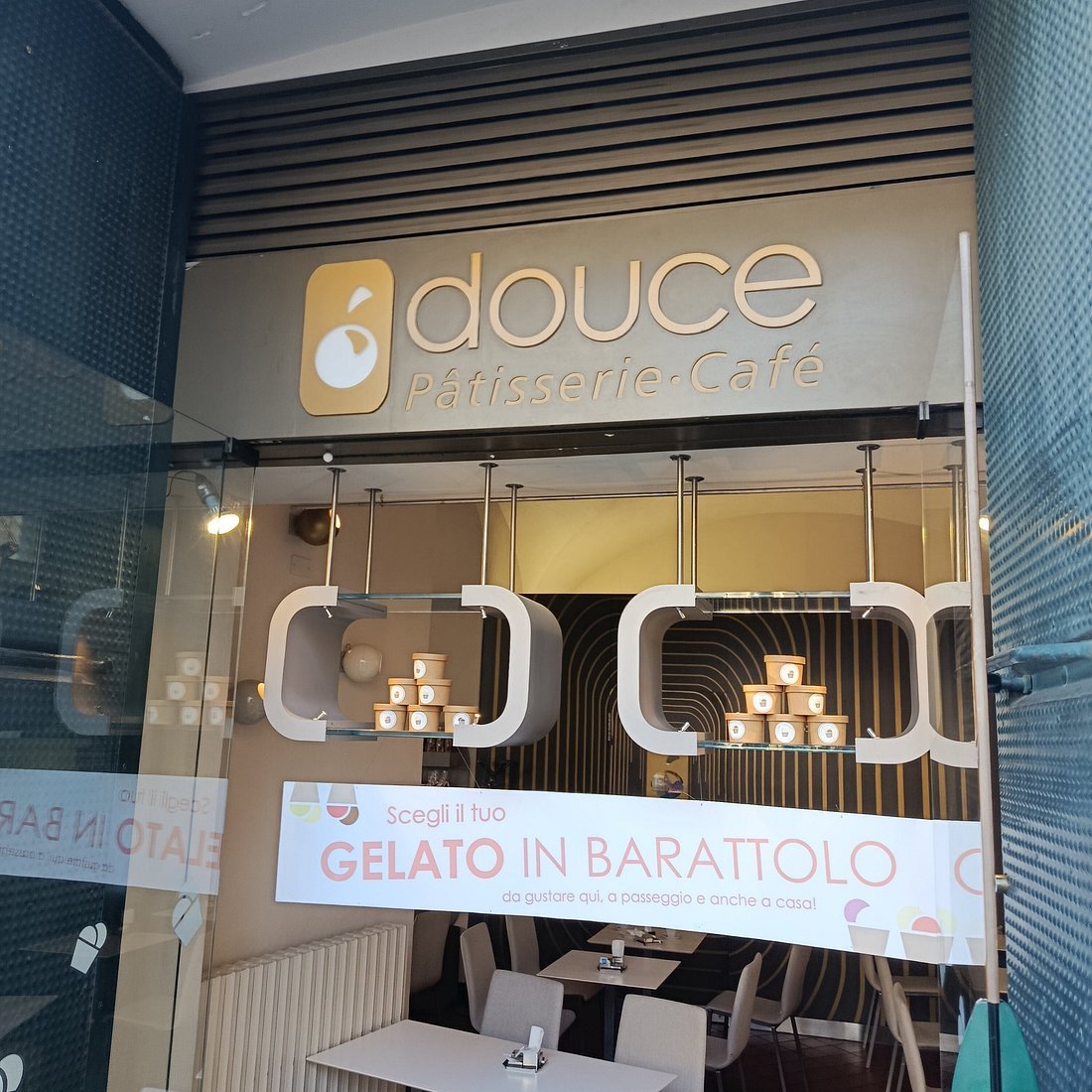
Elsewhere in Genoa's bar and café circuit, the character shifts considerably. Bagni Santa Chiara operates in a different register entirely, while Caffè degli Specchi brings a more formal historic-café atmosphere. For pastry-forward addresses, Douce Pâtisserie Café represents the French-influenced end of that spectrum, and Glo Glo Bistrot operates in a more contemporary bistrot format. Mangini's position within this grouping is as the established neighbourhood institution , a different proposition from newer or more concept-driven entries.
Italian Café Culture in Comparative Context
Italy's premium caffè and pasticceria segment has not consolidated around celebrity chef names the way restaurant culture has. The credentialling here is generational and address-based: how long has a place been part of its piazza, and has it maintained the craft. That model produces very different signals from the Michelin-award circuit. A historic Genoese pasticceria earns its standing through consistency and neighbourhood trust rather than critical attention, which makes it harder to benchmark against the kind of data that follows, say, a starred restaurant.
For comparison, the cocktail and bar culture in other Italian cities has moved toward a more internationally recognised format: 1930 in Milan and Drink Kong in Rome both carry the kind of award recognition and programme-led identity that positions them within a global peer set. Gucci Giardino in Florence and L'Antiquario in Naples similarly operate with a defined concept and an audience that extends beyond their immediate neighbourhood. Mangini's authority is of a different kind , quieter, more rooted, less oriented toward external validation.
That distinction has value for a specific kind of traveller: one who uses food stops not as destinations in themselves but as ways of reading a city. Stopping at Mangini is an act of local calibration, not a tick on a highlights list. The same logic applies to addresses like Al Covino in Venice, or, further afield, Lost & Found in Nicosia and Bar Leather Apron in Honolulu , places where the draw is situational intelligence rather than spectacle.
Planning a Visit
Piazza Corvetto is accessible on foot from the centro storico in under ten minutes, or directly via several bus routes that use the square as a stop. The address at number 3 is on the piazza itself, which makes orientation direct. As with most Ligurian pasticcerie, the mid-morning window , after the breakfast rush but before lunch , tends to offer the most unhurried experience, with the pastry case still well-stocked and the counter at a pace that allows you to make a considered choice. No booking is required or relevant for a café stop of this kind; this is walk-in commerce by definition. Specific hours, current pricing, and any seasonal variations are leading confirmed directly on arrival or through current local sources, as these details were not available at the time of writing.
Budget and Context
A quick look at comparable venues, using the data we have on file.
At a Glance
- Classic
- Elegant
- Historic
- Romantic
- Casual Hangout
- Historic Building
- Seated Bar
- Outdoor Terrace
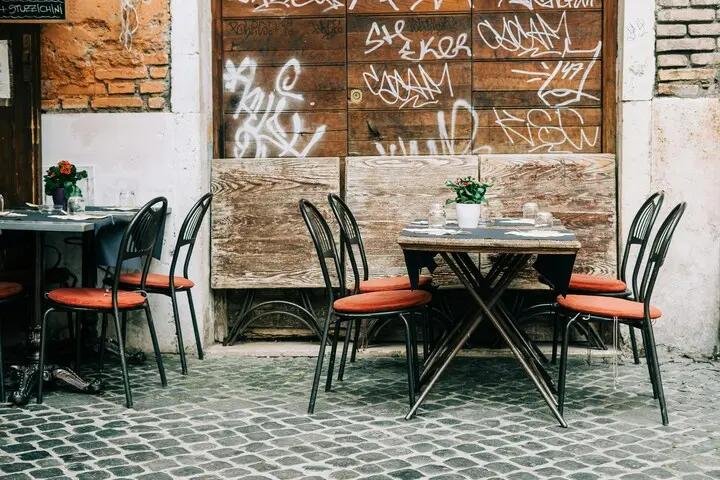
- Street Scene
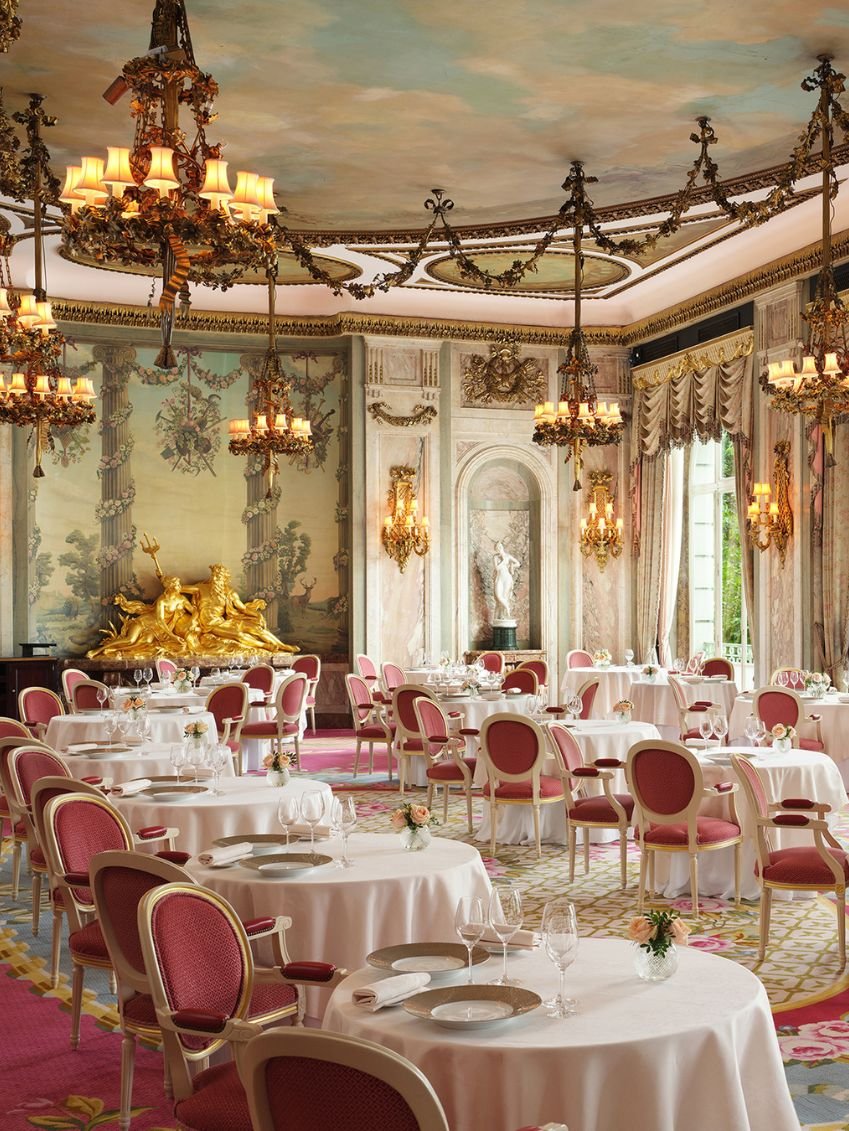
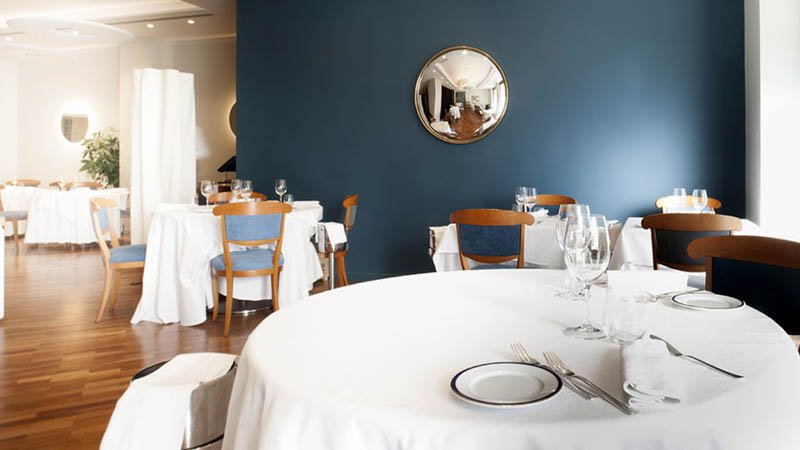
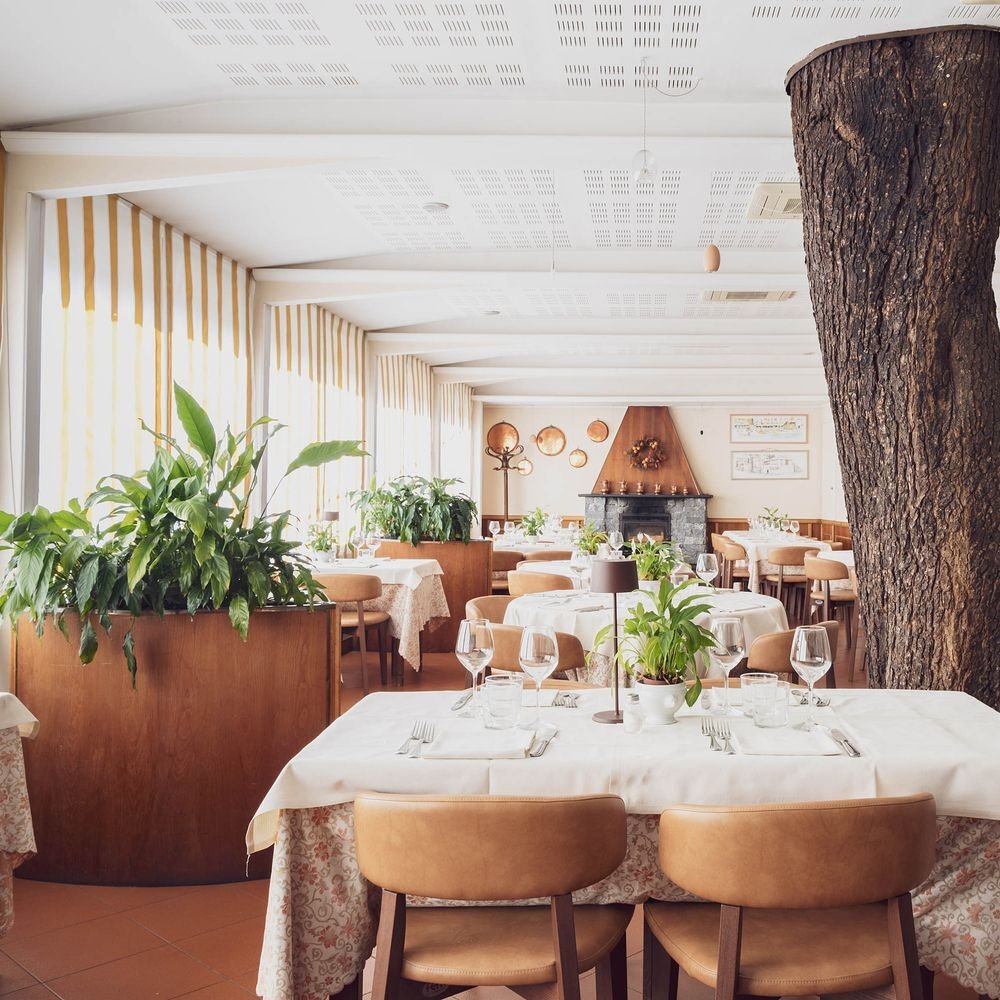
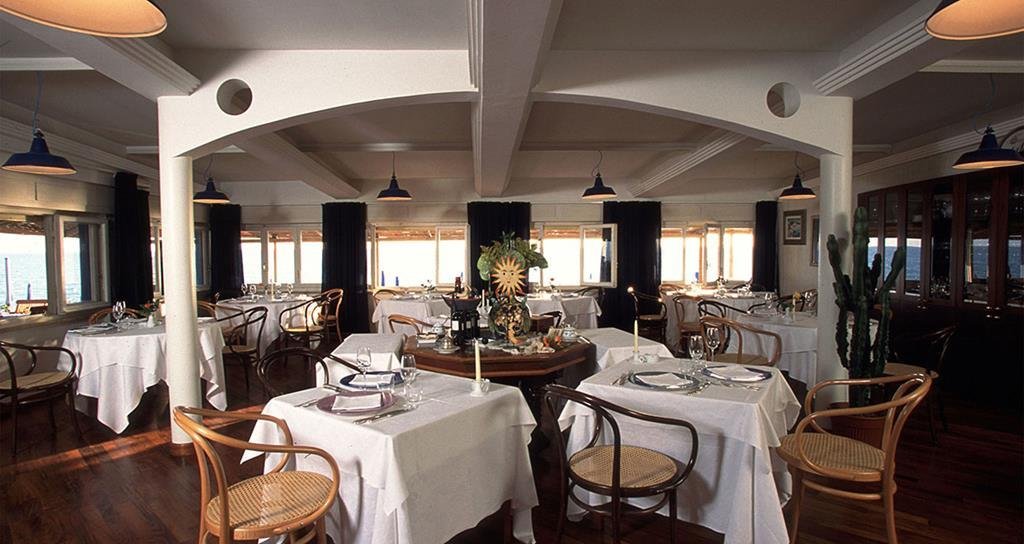
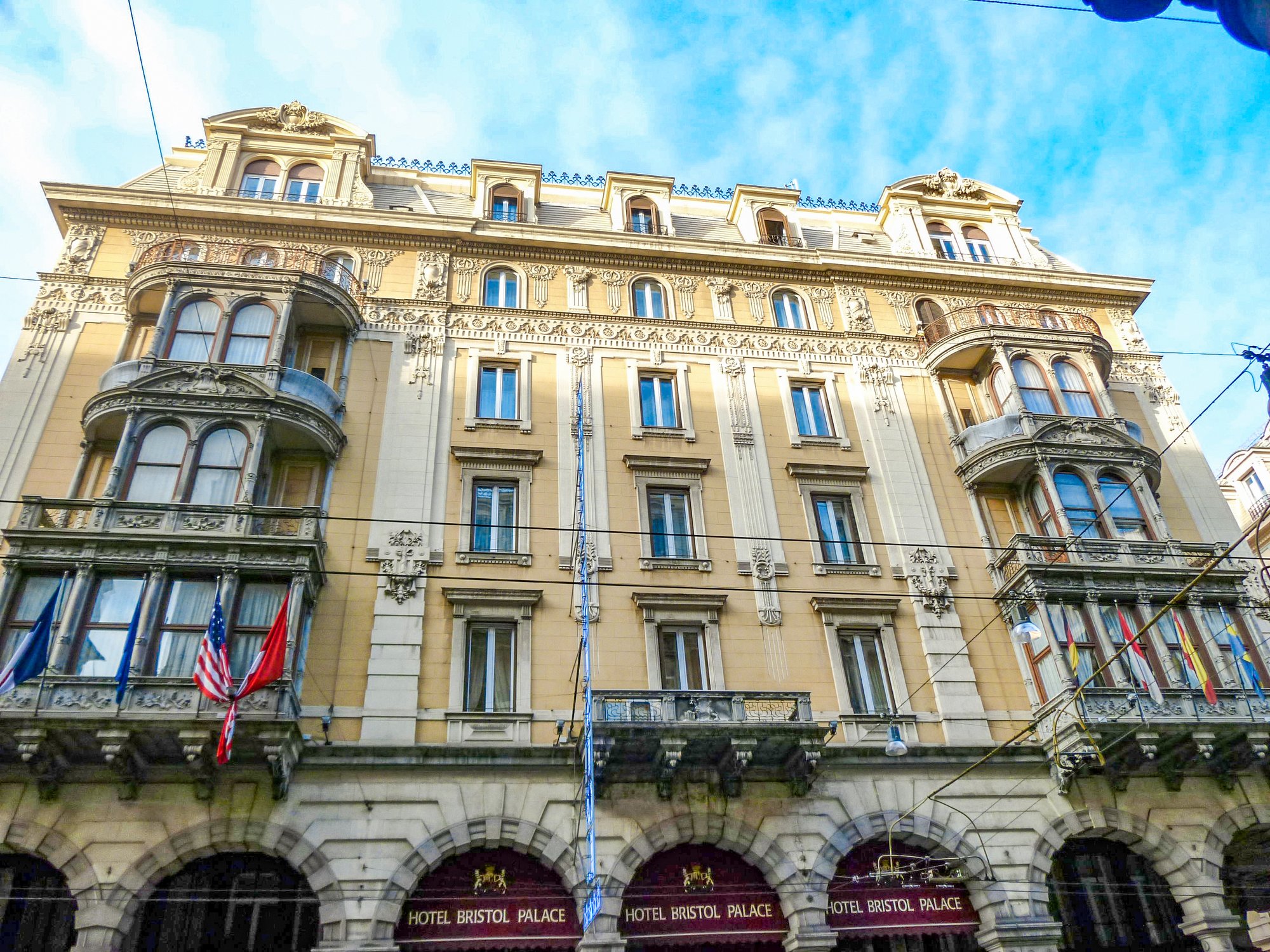
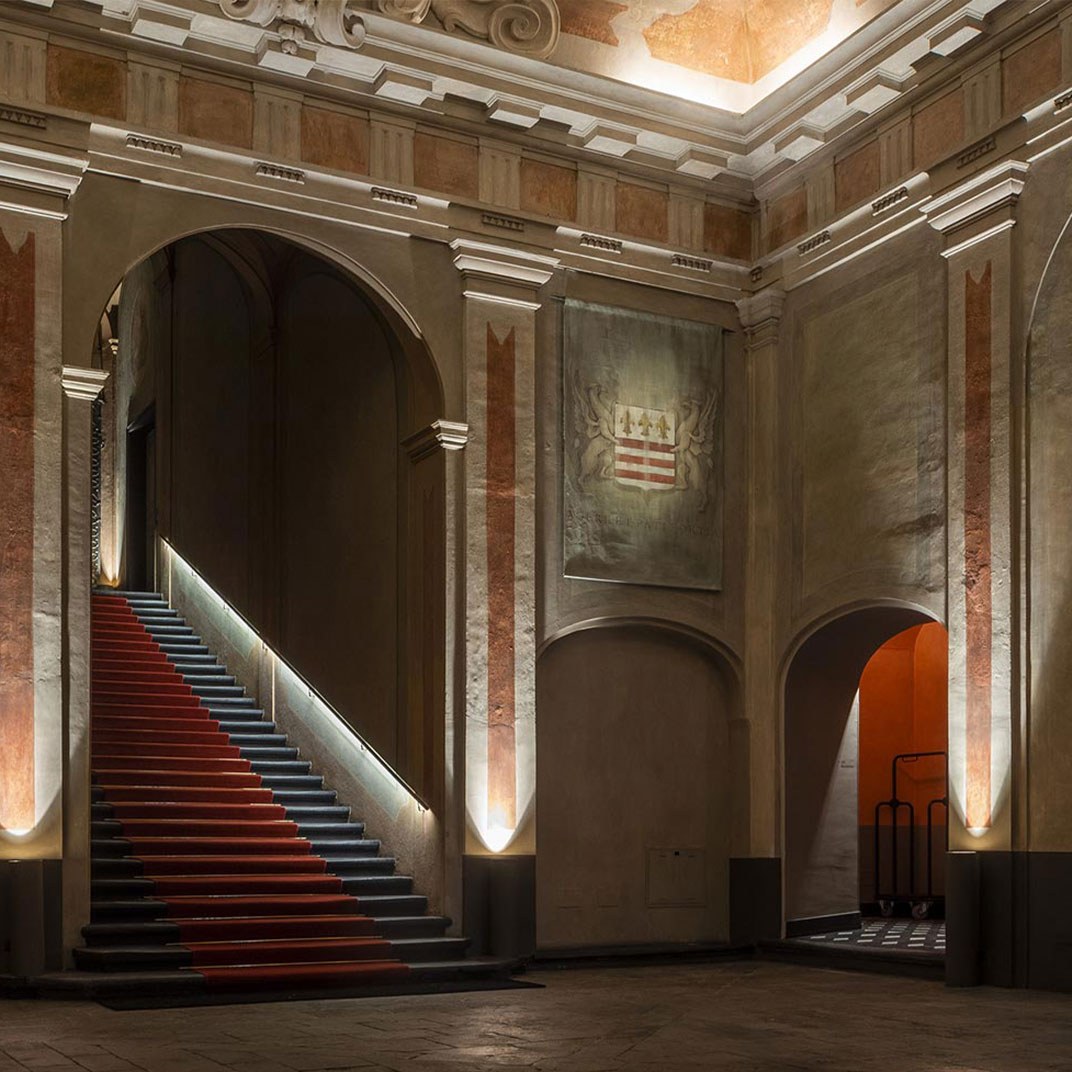
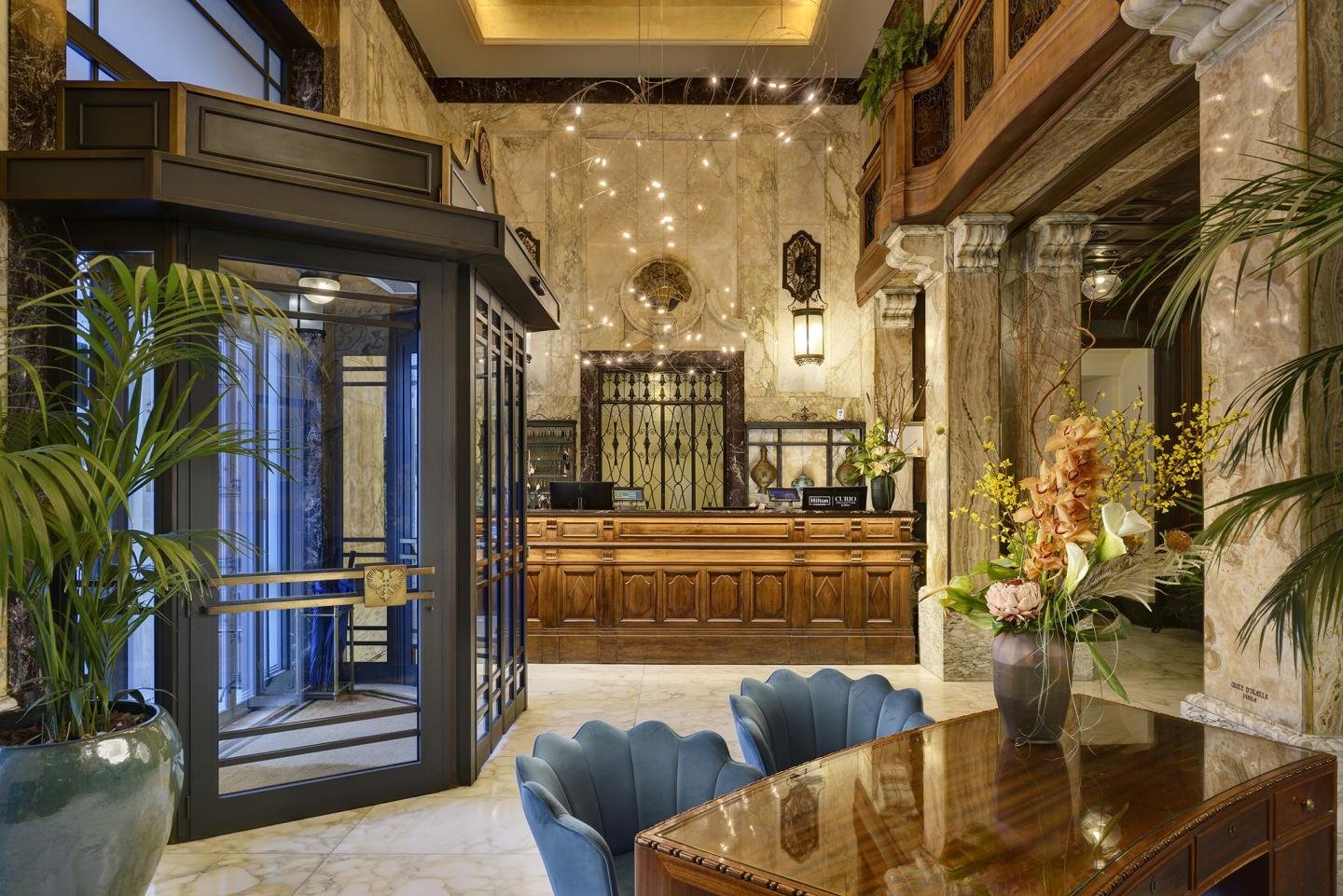
Elegant and refined historic atmosphere with charming period furnishings and a romantic vibe.