Baci Restaurant
Baci Restaurant on Morena Boulevard occupies a stretch of San Diego that has quietly accumulated serious dining options without attracting the noise of the Gaslamp Quarter. The Italian name signals intent: this is a neighborhood-anchored address where the room, the service, and the kitchen are expected to work in concert rather than compete for attention. For visitors and locals calibrating a San Diego itinerary, it sits in the mid-tier of the city's European-leaning dining options.
Pearl is the En Primeur Club membership app — saves, bookings, and concierge access live there. Same editors, same standards.
- Address
- 1955 Morena Blvd, San Diego, CA 92110
- Phone
- +16192752094
- Website
- sandiegobaci.com
- Directions
- Get directions
 Saves & bookings on Pearl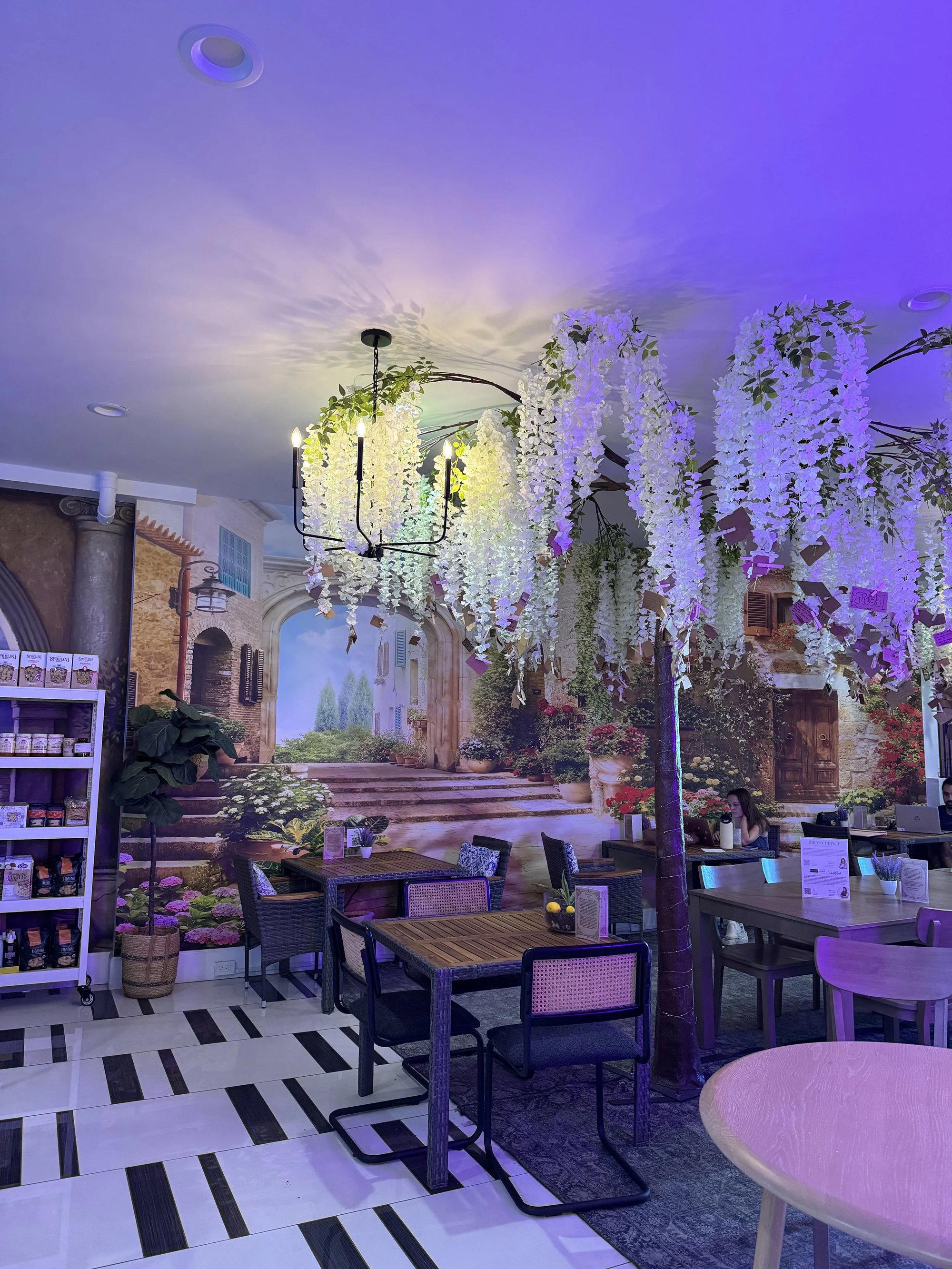
Morena Boulevard and the Case for Neighborhood Dining in San Diego
San Diego's dining conversation tends to cluster around the Gaslamp Quarter, Little Italy, and the high-profile addresses that generate national press. Morena Boulevard, running through the Bay Park and Linda Vista corridor, operates on different terms: it is a working neighborhood strip where restaurants earn repeat custom rather than first-time tourism. Baci Restaurant is a Classic Italian restaurant in San Diego, at 1955 Morena Blvd, with a $60 average spend per person. Baci Restaurant, at 1955 Morena Blvd, fits that model. The address itself is an editorial statement about what kind of dining room this is, one that competes on consistency and atmosphere rather than on spectacle or destination credentials.
Italian-named restaurants in American cities occupy a wide range of positions, from red-sauce trattorias aimed at broad familiarity to more exacting European-influenced kitchens. The name Baci, Italian for kisses, gestures toward warmth and conviviality over formality. In a city where Addison sets the ceiling for formal French and Contemporary dining at the $$$$ tier, and where Soichi occupies a rarefied position in Japanese omakase, the mid-register European dining room serves a distinct and equally important function in the city's overall character.
The Room as a Statement of Intent
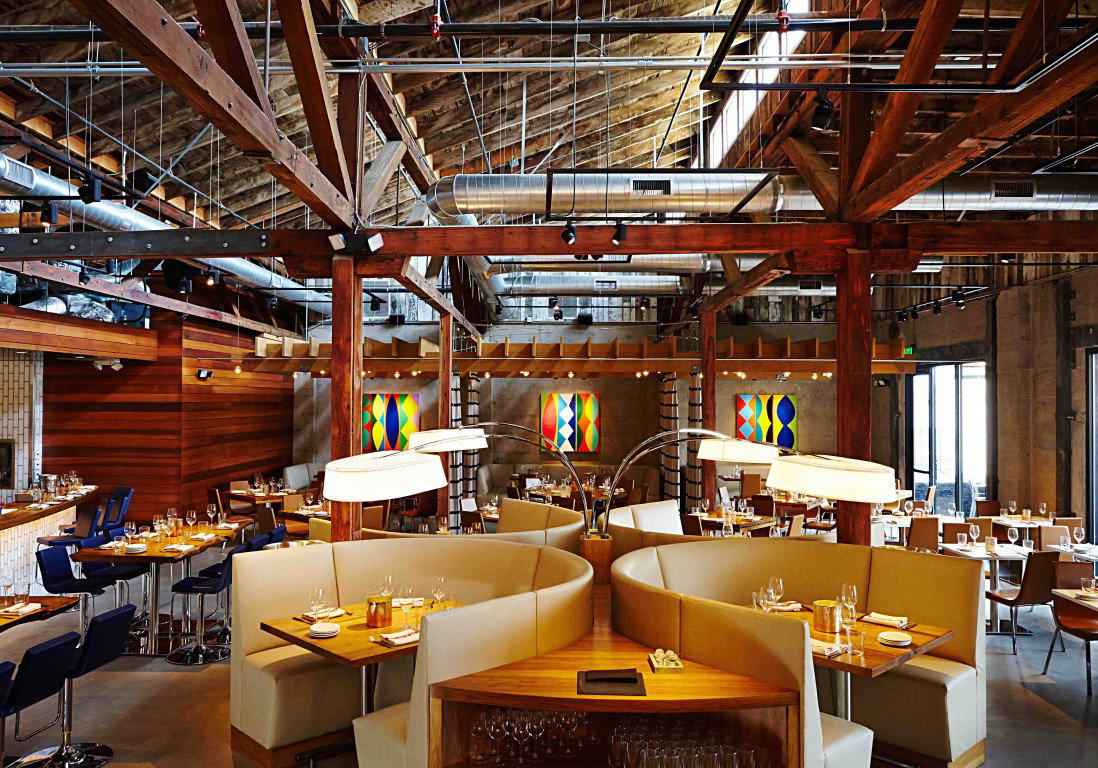
Approaching a restaurant on a commercial boulevard in a residential San Diego neighborhood, the visual cues shift away from the architecture-first design statements of downtown. What replaces them, in rooms like this, is a different register of hospitality, one where the lighting, the table spacing, and the pace of service communicate familiarity over curation. The room functions as a signal to the diner before the menu arrives: this is a place built for the duration of a meal, not the length of a social media caption.
Across the broader California dining scene, this kind of room has come under pressure from two directions simultaneously. On one side, fast-casual formats have claimed the casual end of the market. On the other, the success of destination fine-dining addresses, The French Laundry in Napa, Single Thread Farm in Healdsburg, Providence in Los Angeles, has pulled press and reservations toward the high end. The mid-tier neighborhood European restaurant, which sustains a city's actual dining culture from week to week, often receives the least editorial attention despite serving consistent demand.
Team Dynamics and the European Service Model
One of the defining features of Italian-inflected dining rooms in America is the expectation of synchronized service, a model in which the relationship between kitchen output, wine recommendation, and front-of-house pacing matters as much as any individual element. When that triangle functions well, it produces the sensation that the meal is being orchestrated rather than merely delivered. The sommelier or wine lead in a room like this carries particular weight: Italian regional wine is broad enough that a knowledgeable recommendation can reframe a dish, while a generic or inattentive one leaves the pairing to chance.
This collaborative service model distinguishes the better European-style independent restaurants from their more corporate counterparts. At addresses like Frasca Food and Wine in Boulder, the alignment between kitchen and floor has been consistently cited as central to the dining experience. In San Diego, the same principle applies at the smaller neighborhood scale: the restaurants that have sustained local loyalty over years tend to be those where the front-of-house can read a table and where the kitchen and floor communicate rather than operate in parallel silos.
For a room on Morena Boulevard, that internal coherence is the main competitive asset. Without the built-in draw of a downtown location or a high-profile chef name in public circulation, the service team becomes the primary reason a diner returns. Elsewhere in San Diego, this dynamic plays out at 1450 El Prado and 777 G St, where the hospitality model carries more weight than the address.
How Baci Fits the Wider San Diego Dining Map
San Diego's restaurant scene is more stratified than its reputation suggests. At the leading end, Addison operates at a level that places it in conversation with Le Bernardin in New York City, Smyth in Chicago, and Atomix in New York City in terms of format and ambition. At the experiential end, 94th Aero Squadron draws on themed atmosphere as its primary offering. Baci sits in a different tier entirely, the neighborhood dining room that serves the city's residents rather than its visitors, and where the measure of success is a full room on a Tuesday rather than a three-month waitlist.
That positioning is not a limitation. Particularly instructive dining in any American city happens at exactly this register. Emeril's in New Orleans, Lazy Bear in San Francisco, and Blue Hill at Stone Barns in Tarrytown each occupy specific tiers with distinct editorial identities. Baci's identity, as legible as any of those, is the convivial Italian-leaning neighborhood room, a format with deep roots in American dining culture and one that, when executed with care, requires as much discipline as any tasting menu counter. The comparison is instructive even if the price point and format differ: The Inn at Little Washington and Atelier Moessmer Norbert Niederkofler in Brunico demonstrate that European dining traditions sustained with conviction produce results that transcend their regional context.
For visitors building a San Diego itinerary, the Morena Boulevard location places Baci outside the standard tourist corridor, which is part of its value. Accessing it requires intent, it is not a restaurant you walk past and decide to try. That self-selection tends to produce a room of regulars and deliberate visitors rather than overflow from nearby attractions, a condition that generally favors better service and a more settled atmosphere.
Know Before You Go
Planning Notes
- Address: 1955 Morena Blvd, San Diego, CA 92110
- Neighborhood: Bay Park / Morena corridor, outside the downtown tourist zone
- Format: Neighborhood dining room; European-inflected service model
Accolades, Compared
Comparable venues nearby, for context on price, style, and recognition.
| Venue | Cuisine | Price | Notes |
|---|---|---|---|
| Baci RestaurantThis venue — the venue you are viewing | Classic Italian | $$$ | Not listed |
| Ristorante Illando | Tuscan Trattoria | $$$ | Downtown |
| Osteria Panevino | Authentic Sicilian Italian | $$$ | Downtown |
| Romanissimo | Authentic Roman Italian Cuisine | $$$ | Downtown |
| Alexanders on 30th | Homestyle Italian with Gourmet Flair | $$$ | North Park |
| Officine Buona Forchetta | Authentic Italian Pizza and Pasta | $$ | Peninsula |
Continue exploring
More in San Diego
Restaurants in San Diego
Browse all →
Bars in San Diego
Browse all →


At a Glance
- Elegant
- Romantic
- Classic
- Intimate
- Sophisticated
- Date Night
- Special Occasion
- Business Dinner
- Private Dining
- Extensive Wine List
Current opening hours
- Monday
- Closed
- Tuesday
- 5–9:30 PM
- Wednesday
- 5–9:30 PM
- Thursday
- 11:30 AM–2 PM, 5–9:30 PM
- Friday
- 11:30 AM–2 PM, 5–10 PM
- Saturday
- 5–10 PM
- Sunday
- Closed
Hours can change for holidays and private events. Last verified .
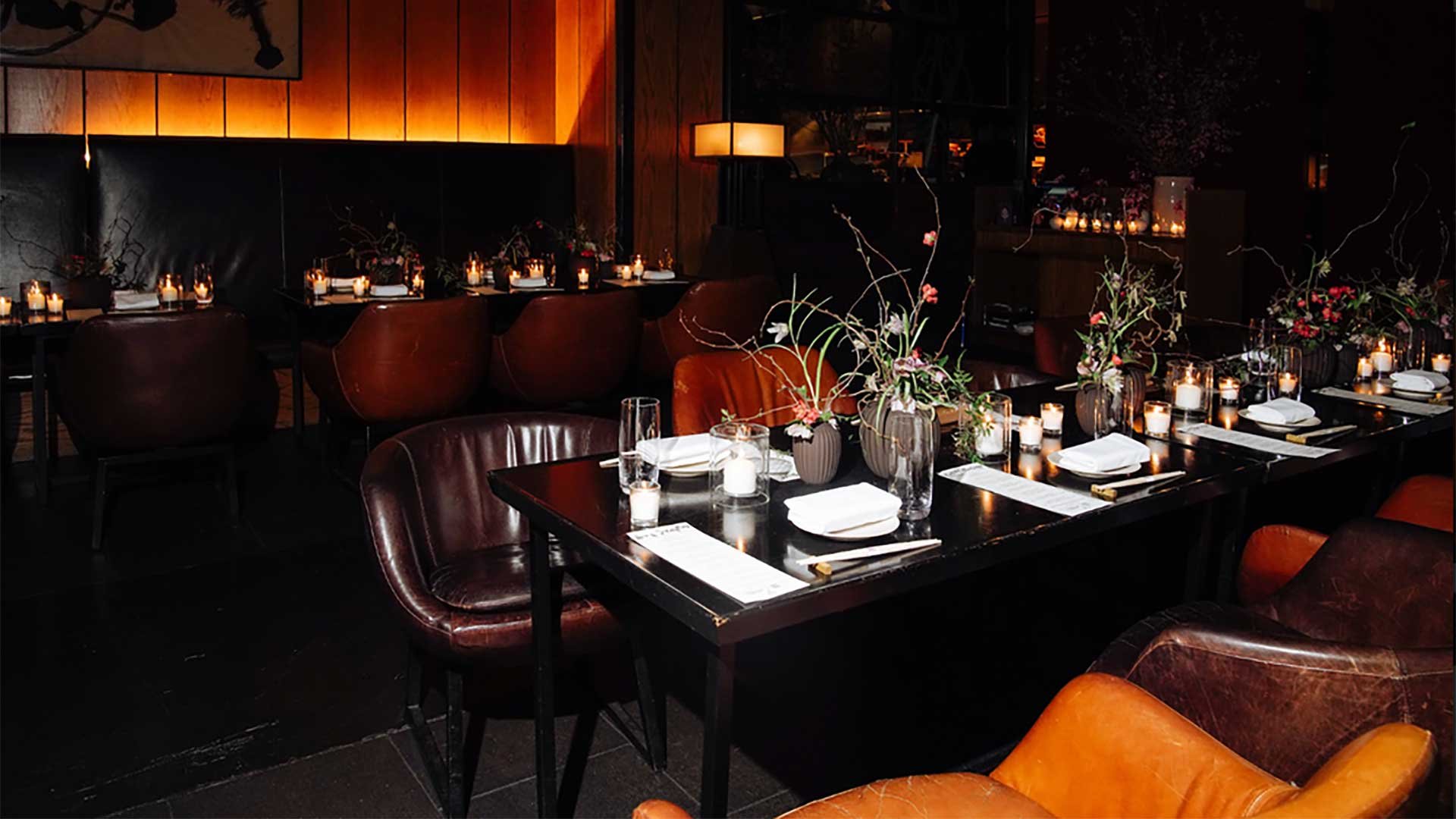
Elegant dining room with art deco accents, crisp white linens, plush booths, and romantic patio; polished service in a comfortably formal atmosphere.