Osteria Panevino
On Fifth Avenue in San Diego's Gaslamp Quarter, Osteria Panevino brings Italian trattoria tradition into a California context where sustainable sourcing and regional wine have become the baseline expectation. The address at 722 Fifth Ave places it at the centre of downtown's dining corridor, within walking distance of several of the city's most-discussed rooms. An evening here reads less as fine dining spectacle and more as considered Italian hospitality with a West Coast supply chain behind it.
 Discover on Pearl
Pearl is the En Primeur Club membership app — saves, bookings, and concierge access live there. Same editors, same standards.
- Address
- 722 Fifth Ave, San Diego, CA 92101
- Phone
- +16195957959
- Website
- osteriapanevino.com
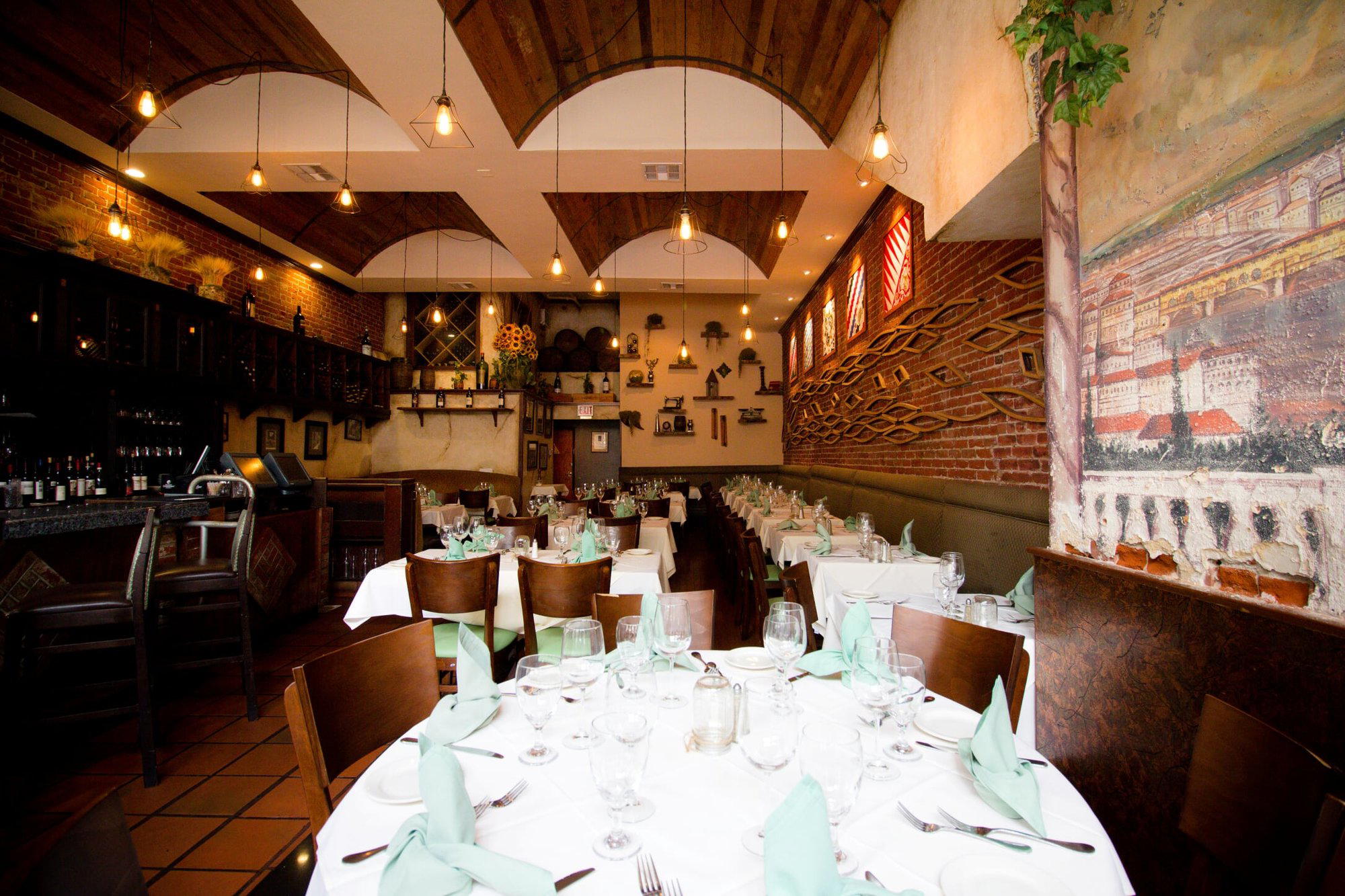
Fifth Avenue and the Italian Table in San Diego
Downtown San Diego's Fifth Avenue corridor has become one of the more instructive stretches of American urban dining to observe. Within a few blocks, the price points run from casual to serious, the cuisines cover a wide arc, and the competitive pressure is constant enough that any room still operating after a decade has earned its place through more than location. Osteria Panevino, at 722 Fifth Ave, sits inside that corridor as a representative of the Italian osteria format, a category that, in American cities, has historically struggled to hold the middle ground between red-sauce familiarity and the kind of austere modernism that Italian fine dining sometimes tips into.
The Italian osteria tradition is worth framing before anything else. In Italy, the osteria sits below the ristorante in formality but above the trattoria in ambition, a room where the wine list carries weight, the kitchen works with regional specificity, and the crowd tends to include as many regulars as tourists. American interpretations of this format rarely land the balance on the first try. The tendency is either to over-design the space into something that reads as theme-park Italy, or to under-invest in the wine program in favour of a broader menu that chases too many demographics. The osteria format, done with discipline, is defined by restraint: a shorter menu, a wine list with genuine depth, and a room that functions as much for a glass and a plate as for a full multi-course progression.
Gaslamp Quarter as Dining Context
The Gaslamp Quarter, where this address falls, has a complicated reputation among San Diego's food community. It is the city's highest-footfall entertainment district, which means rent is high, turnover is real, and the casual visitor is more likely to be choosing on the basis of what looks open than on any kind of prior research. Against that backdrop, Italian-format restaurants that hold a loyal neighbourhood clientele tend to do so because they offer something the tourist trade alone cannot sustain: consistency, a coherent identity, and the kind of wine-forward hospitality that brings people back on a Tuesday.
San Diego's dining evolution over the past decade has tracked the California model closely: farmers market supply chains, coastal seafood programs built around what's actually running, and wine lists that have shifted weight toward domestic producers and lower-intervention imports. Places like Addison, which operates at the formal end of the spectrum with French and contemporary technique, and Soichi, which applies Japanese discipline to the omakase format, represent the city's upper register. The Italian mid-tier occupies a different role: it is the format that feeds a city's dining culture at volume, on weeknights, in a way that destination-level rooms cannot.
Sustainability as Structure, Not Marketing
California's regulatory and cultural environment has pushed restaurant sourcing practices further than most American states. What reads as a selling point in other cities, local produce, reduced waste protocols, ethical protein sourcing, functions more as table stakes in the California market. Italian-format kitchens are particularly well-positioned to benefit from this shift because the osteria tradition is already built around ingredient-forward cooking: pasta that needs good flour and well-sourced eggs, vegetables that carry the menu's weight in the middle courses, proteins that arrive with provenance attached.
The sustainability conversation in American restaurants has matured past listing farm names on a menu as a program. The more substantive practices involve waste reduction in prep, composting infrastructure, relationships with suppliers that go beyond seasonal spot purchasing, and wine programs that account for the carbon footprint of what's being shipped across how many miles. Italian wine, as a category, has a geographic advantage here: producers from Piedmont, Friuli, Campania, and Sicily are increasingly arriving in American markets through importers who prioritise low-intervention farming and smaller, less industrialised production, a sourcing story that aligns naturally with a kitchen trying to operate with environmental consistency. The comparison here is instructive: operations like Blue Hill at Stone Barns in Tarrytown have built their entire identity around farm-to-table integrity at a research-driven level, while Single Thread Farm in Healdsburg has embedded biodynamic agriculture into its booking model. The osteria format operates at a different price point and a different scale, but the underlying principle, that the supply chain is part of the product, applies across the tier.
Nationally, this conversation has been central to how serious American restaurants position themselves. Lazy Bear in San Francisco has built its communal-dining format partly around sourcing transparency. Bacchanalia in Atlanta has maintained farm relationships as a foundational part of its identity for years. Even at the highest technical registers, Alinea in Chicago, Le Bernardin in New York City, The French Laundry in Napa, provenance and seasonal sourcing have become non-negotiable parts of the editorial identity. For Italian-format rooms like Osteria Panevino, the sourcing story functions as both a values signal and a practical differentiator in a market where diners are paying attention.
Italian Wine as the Through-Line
The panevino in the name, bread and wine, is a clue about where this room's priorities lie. Italian-focused wine programs in American osterie have become increasingly sophisticated over the past decade as the import market has deepened. The old model, built around Chianti Classico and Barolo with token Soave, has given way to lists that include Nerello Mascalese from Etna, Verdicchio from Marche, Timorasso from Piedmont, and natural producers from across the peninsula. A wine-forward Italian room in San Diego in the mid-2020s is competing partly with the bottle shop model, where diners can source the same producers at retail, and winning that argument only by offering curation, hospitality, and the specific pleasure of the right glass with the right plate. Italian-leaning rooms in Hong Kong and destination American rooms in New Orleans and New York City represent different points on the spectrum of how a strong wine or beverage identity anchors a room's reputation across years of operation.
Planning a Visit
Osteria Panevino is located at 722 Fifth Ave in the Gaslamp Quarter, within walking distance of the Convention Center and a short distance from the Gaslamp Quarter trolley stop. The address is on one of the district's main pedestrian-active blocks, which means foot traffic is high and drop-in visits are possible, but reservations are the more reliable approach on weekends and during convention periods, when hotel occupancy in the area drives demand across the district's better-regarded rooms. Nearby rooms on the Fifth Avenue corridor worth knowing about include 1450 El Prado and, further afield, 94th Aero Squadron and 94th Aero Squadron San Diego.
Budget Reality Check
Comparable venues nearby, for context on price, style, and recognition.
| Venue | Cuisine | Price | Awards | Notes |
|---|---|---|---|---|
| Osteria PanevinoThis venue — the venue you are viewing | Downtown, Authentic Sicilian Italian | $$$ | , | |
| Romanissimo | $$$ | , | Downtown, Authentic Roman Italian Cuisine | |
| Cardellino | Uptown, Italian Chophouse | $$$ | , | |
| Alexanders on 30th | $$$ | , | North Park, Homestyle Italian with Gourmet Flair | |
| Baci Coffee | $$ | , | Mission Valley, Authentic Italian Coffee and Pastries | |
| Rosina's Italian Restaurant | $$ | , | Black Mountain Ranch, Traditional Southern Italian Trattoria |
Continue exploring
More in San Diego
Restaurants in San Diego
Browse all →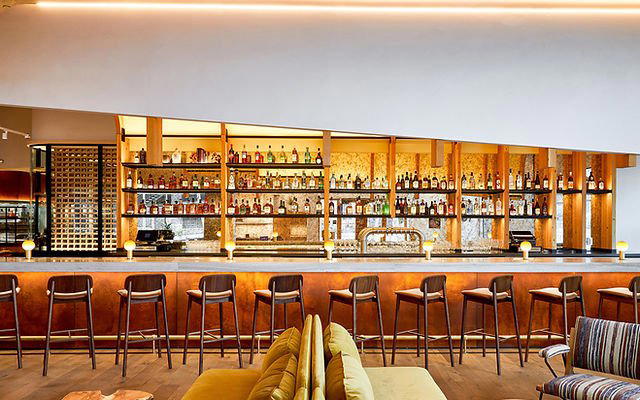
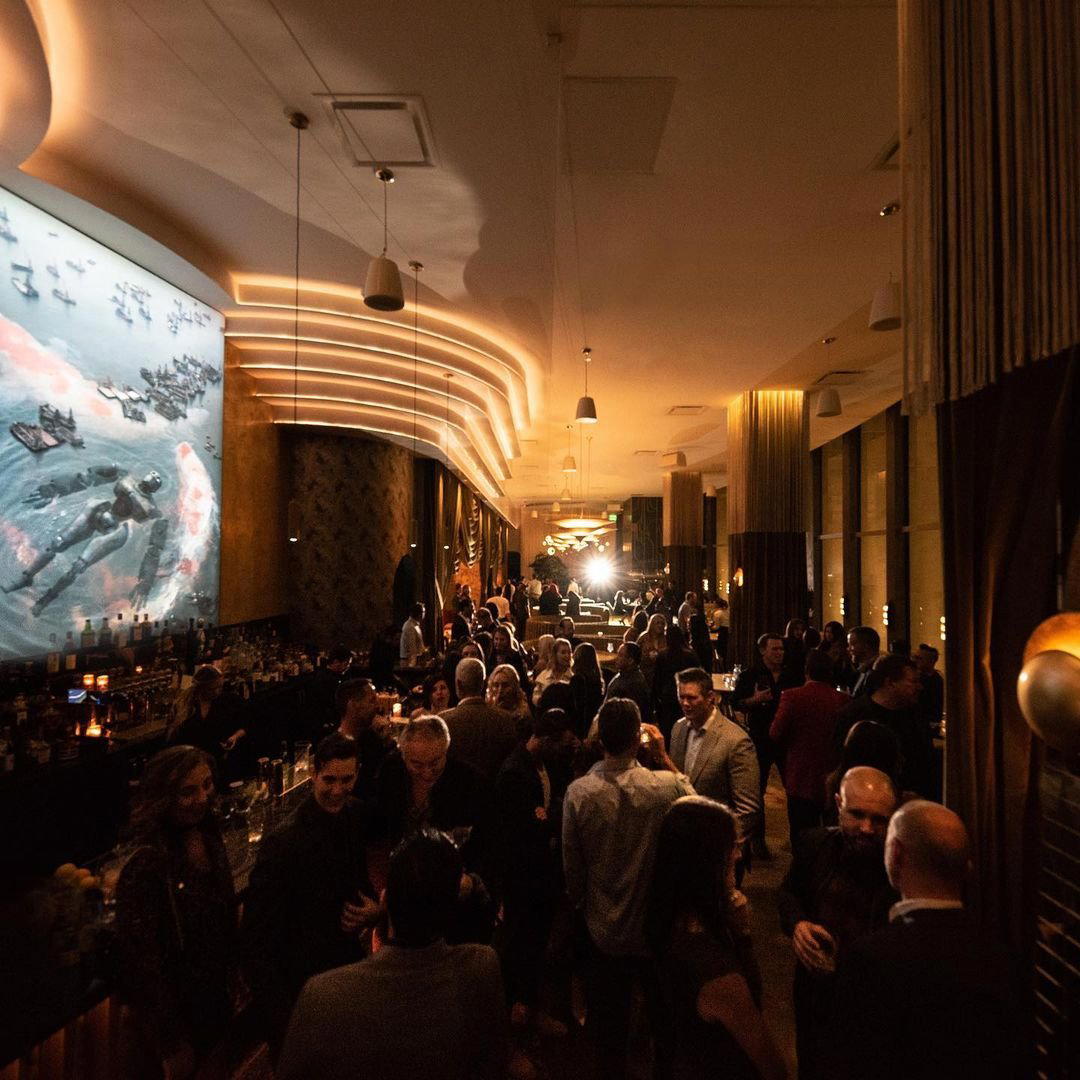
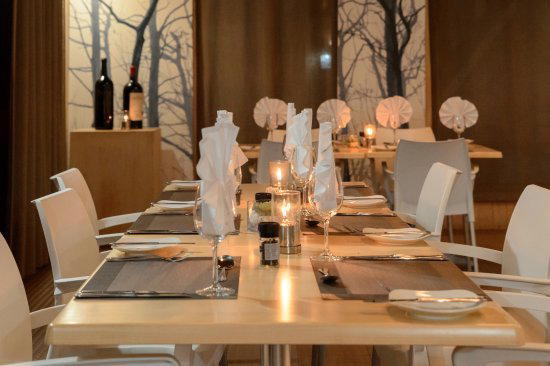
Bars in San Diego
Browse all →


At a Glance
- Rustic
- Cozy
- Elegant
- Intimate
- Classic
- Date Night
- Business Dinner
- Group Dining
- Family
- Celebration
- Private Event
- Private Dining
- Extensive Wine List
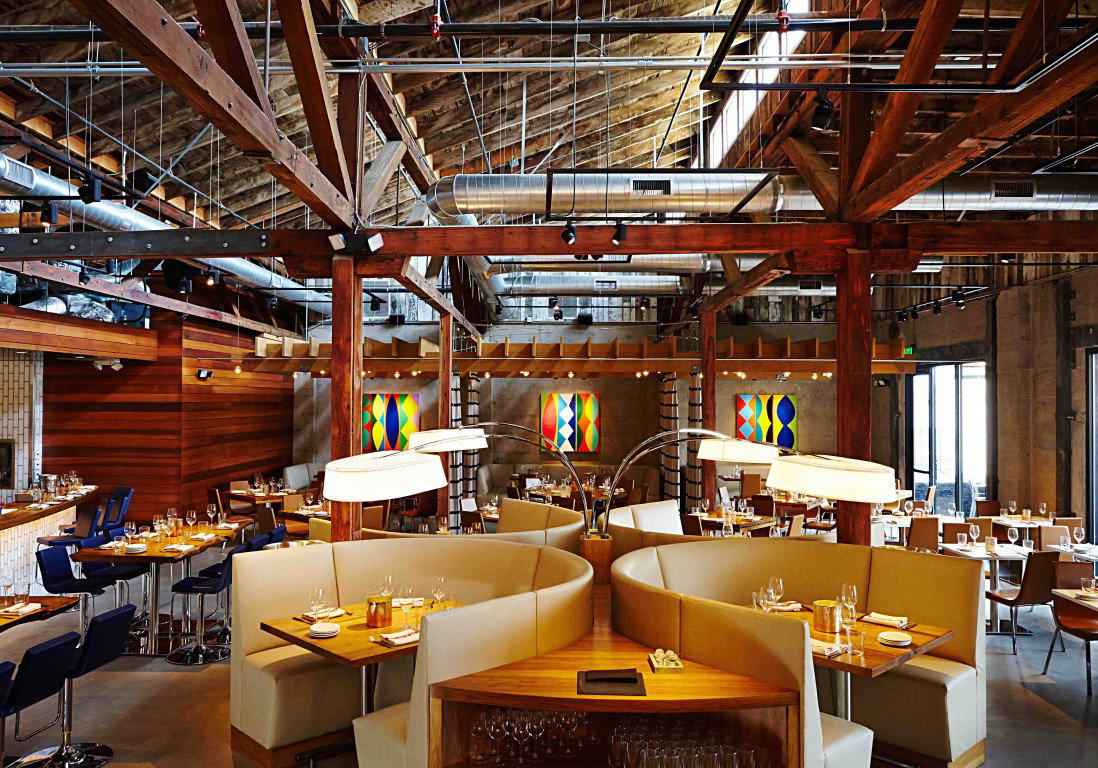
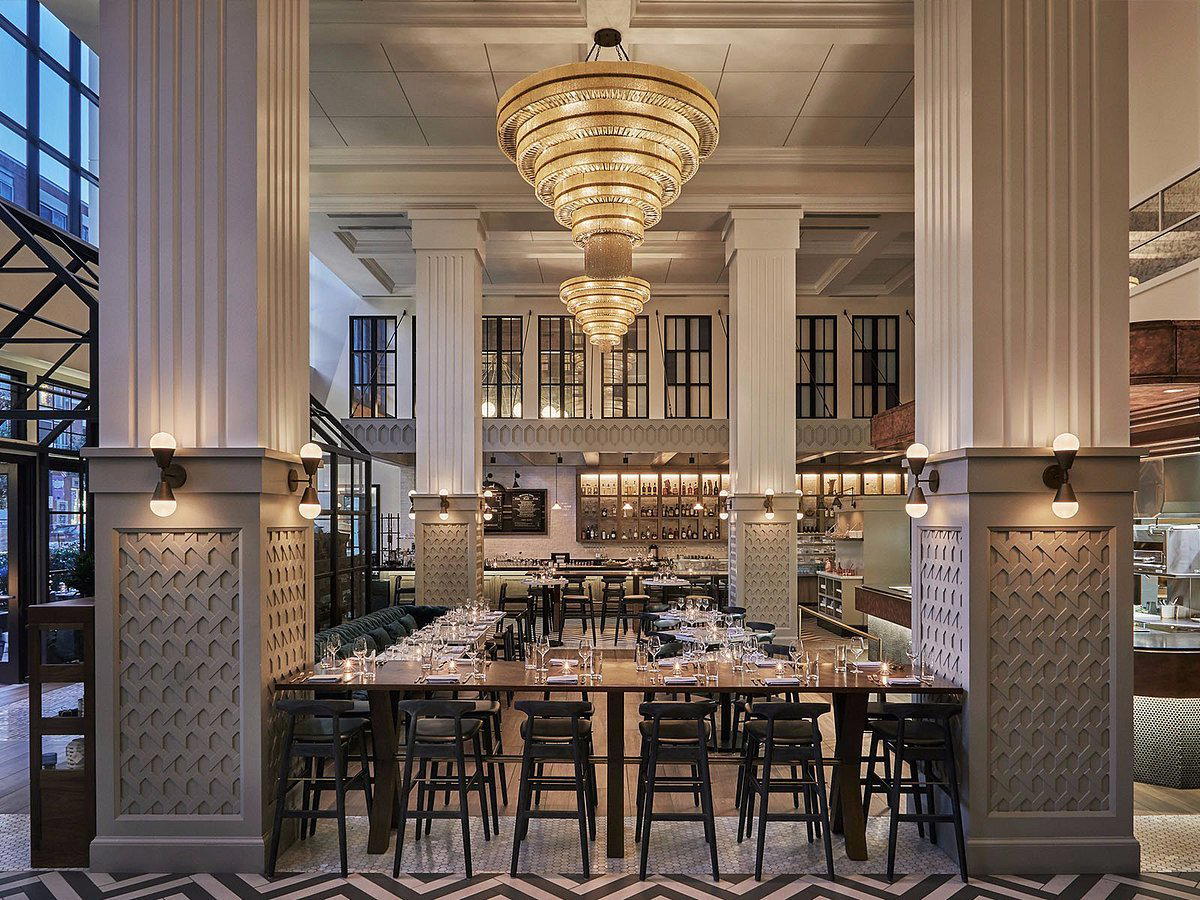
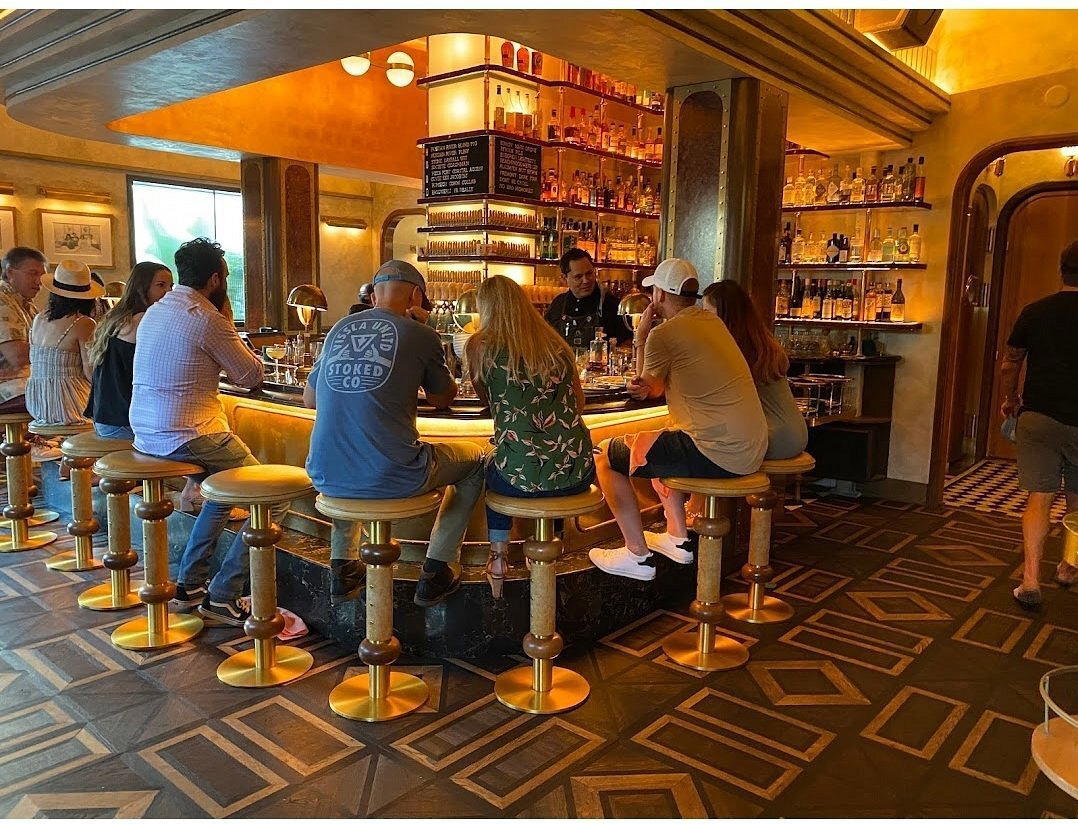
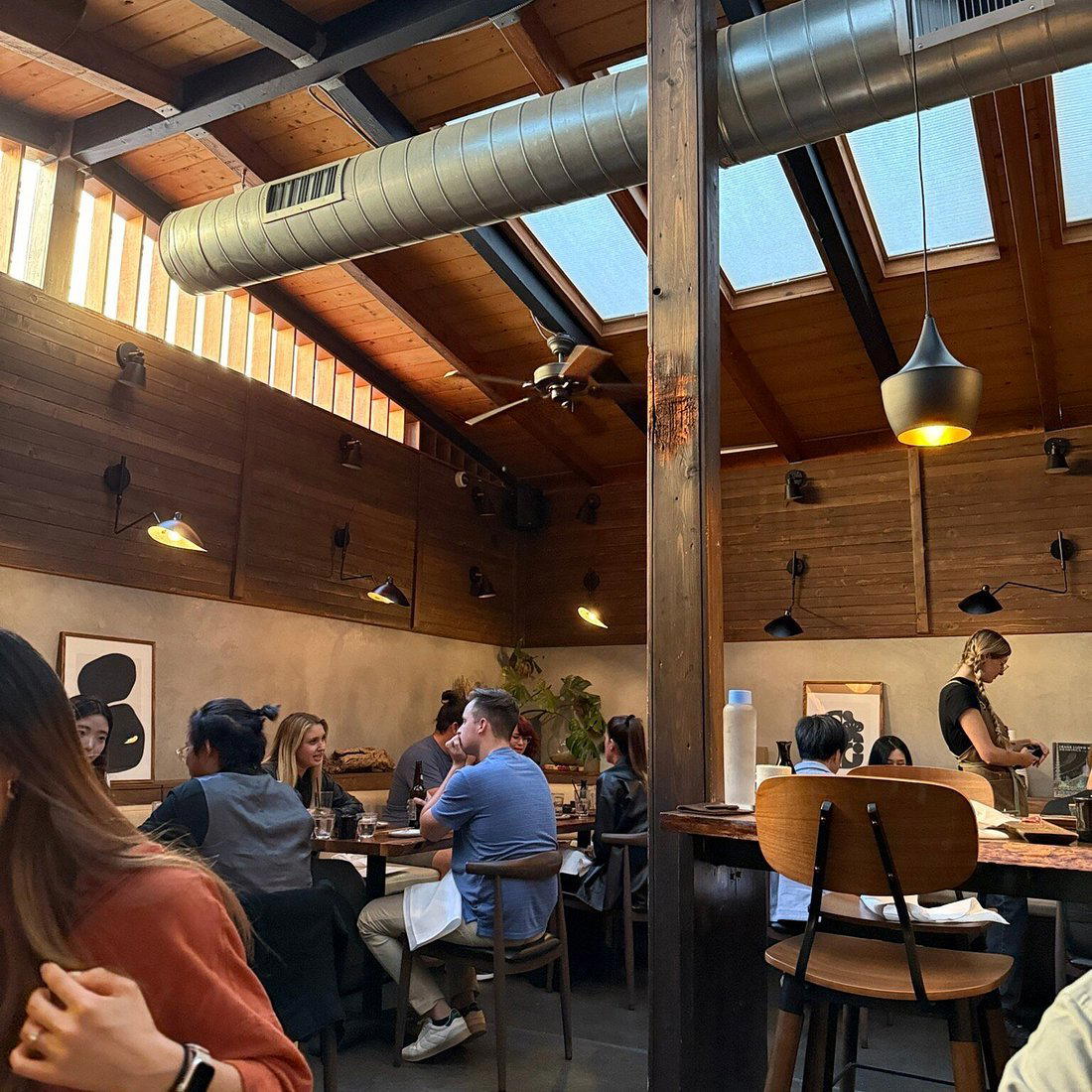
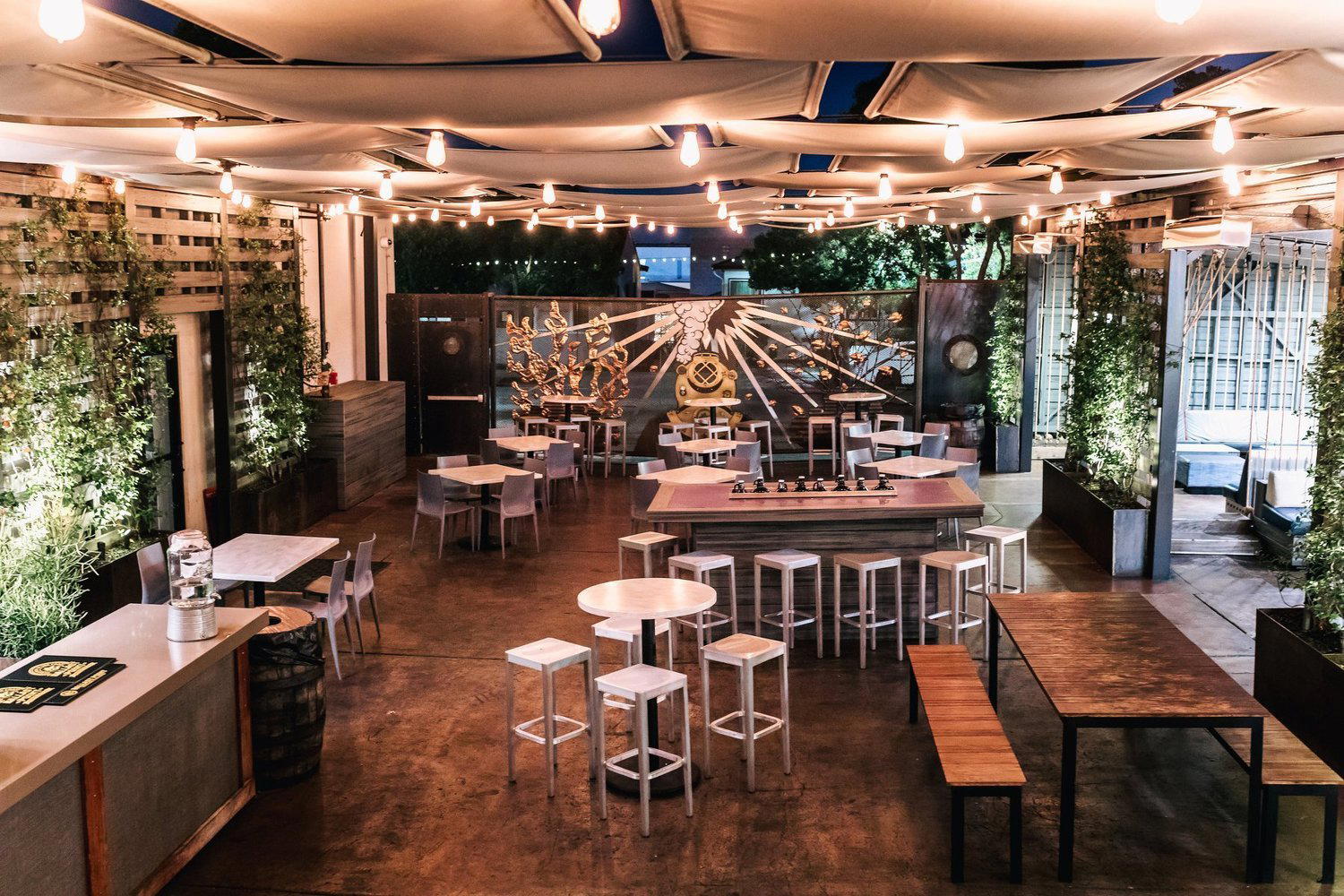
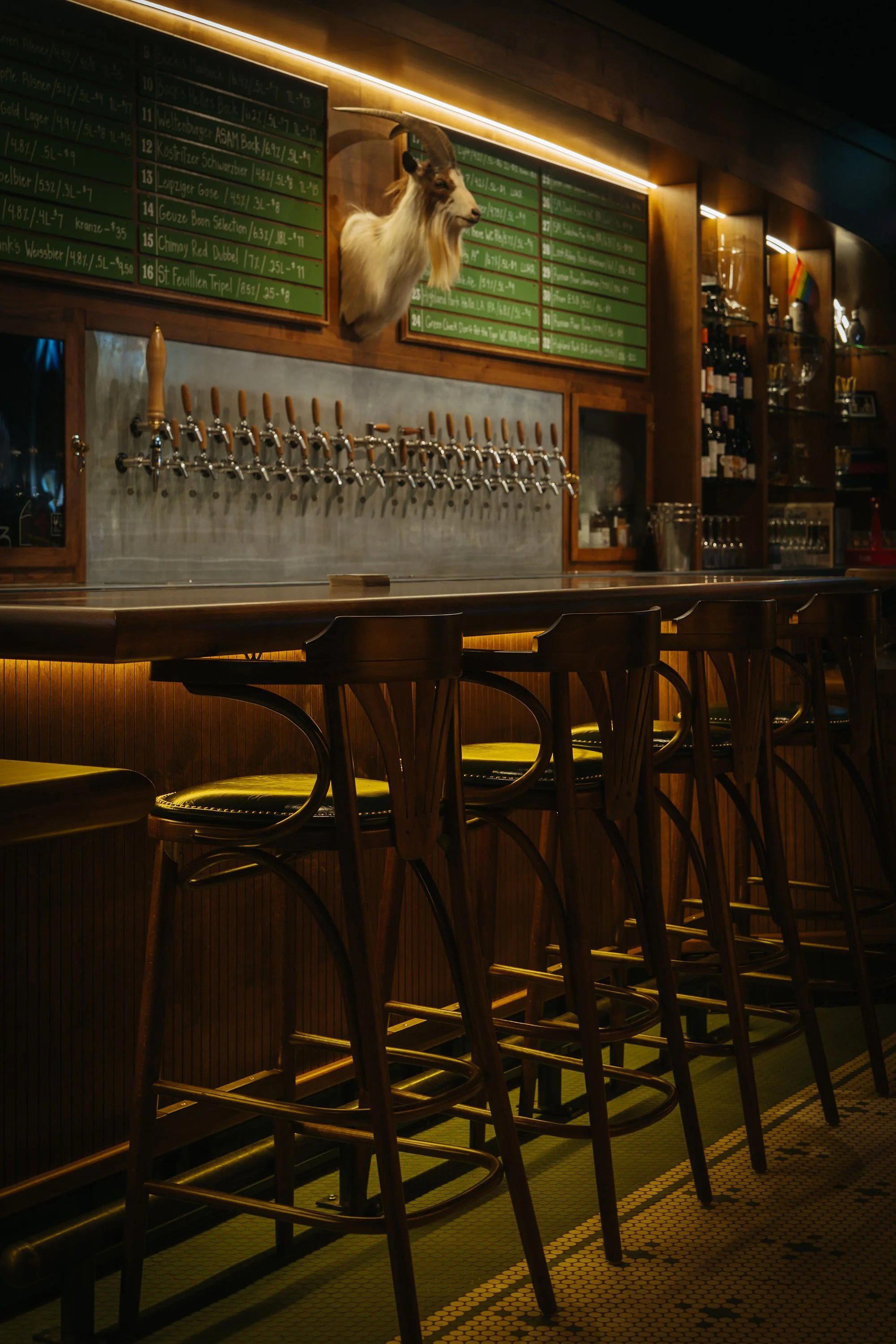
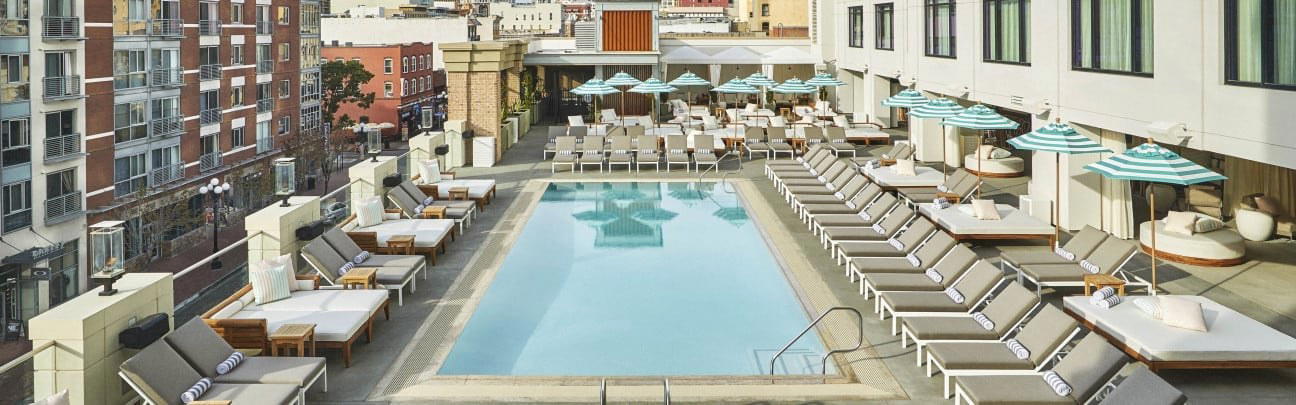
Rustic Tuscan ambiance with warm, homey interior, calm atmosphere amid the busy Gaslamp Quarter, and enchanting historic aura.