Alexanders on 30th
On a block of North Park that has quietly absorbed some of San Diego's more ambitious kitchen talent, Alexanders on 30th occupies the kind of address that rewards the neighbourhood-savvy diner. The cooking sits within a sourcing-conscious tradition that has defined California's better casual-to-serious dining tier, placing it closer in spirit to ingredient-led restaurants than to the city's downtown scene.
 Discover on Pearl
Pearl is the En Primeur Club membership app — saves, bookings, and concierge access live there. Same editors, same standards.
- Address
- 3391 30th St, San Diego, CA 92104
- Phone
- +16192812539
- Website
- alexanderson30th.com
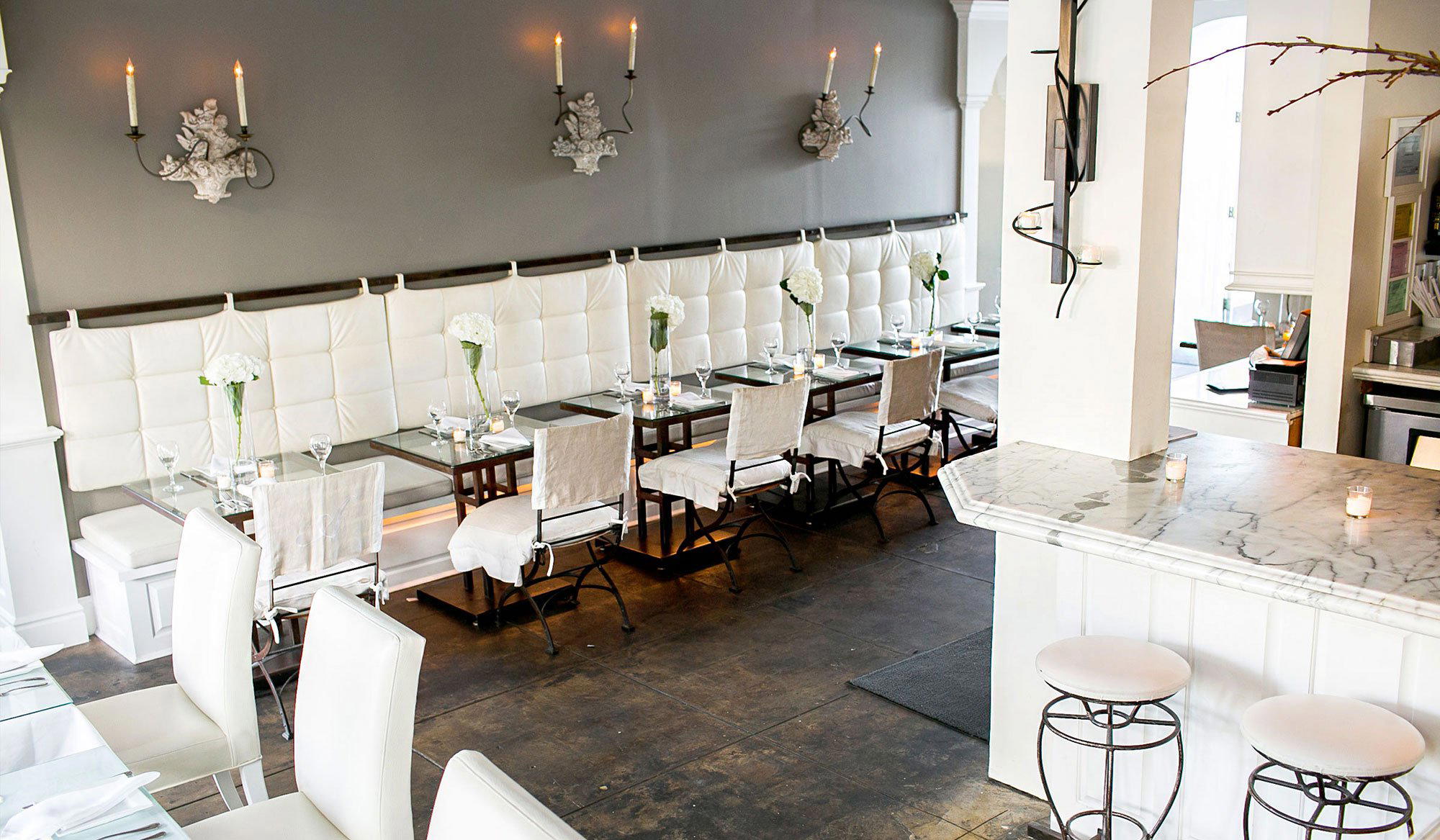
North Park's Ingredient-Led Dining Tier
San Diego's dining geography has reorganised itself over the past decade. The downtown waterfront still draws tourist volume, and the Gaslamp Quarter runs on reliably high covers, but the restaurants that attract sustained local attention have migrated inland. North Park, the grid of bungalow streets anchored by 30th Street and University Avenue, now holds a concentration of kitchens serious enough about sourcing, format, and craft to compete with any comparable neighbourhood in Los Angeles or San Francisco. Alexanders on 30th sits at address 3391 on that corridor, in a part of the city where the dining decisions being made are genuinely interesting ones.
The broader shift this neighbourhood represents is worth understanding. California's ingredient-led restaurant tradition has always had two expressions: the high-ceremony version, exemplified at the far end of the spectrum by The French Laundry in Napa or Addison in San Diego's own Fairbanks Ranch, and a more neighbourhood-calibrated version that prioritises producer relationships and daily-market responsiveness over elaborate service ritual. The second tradition is arguably the more durable one, and it is the category into which a restaurant at this address most plausibly fits.
Where the Food Comes From
Southern California holds an unusual geographic advantage for any kitchen committed to sourcing: proximity to some of the most productive agricultural land in North America. The San Diego County Farm Bureau counts more small farms within county lines than almost any other county in California, and the weekly farmers markets that run from Little Italy to Ocean Beach give chefs a direct supply relationship with growers that bypasses the distribution intermediaries that flatten the sourcing story at restaurants working at larger scale.
This matters because ingredient provenance is increasingly the sharpest point of difference between restaurants operating in the same price tier. At Blue Hill at Stone Barns in Tarrytown, the farm-to-table argument is made through vertical integration: the restaurant controls the land. At Single Thread Farm in Healdsburg, the sourcing story is built into the name and the omakase format. In neighbourhood restaurants without that institutional scale, the sourcing commitment has to show up differently: in menu flexibility, in seasonal rotation, in the willingness to work with whatever the week's market yields rather than a fixed supplier list. North Park restaurants that have earned local credibility tend to operate this way.
San Diego's coastal access adds a parallel sourcing dimension. Baja California fishing grounds sit within a few hours of the city, and the cross-border ingredient exchange that defines the region's leading cooking is more visible here than in any other American city. Chefs working in North Park can draw on Pacific species, Baja produce, and the agricultural output of the San Diego hinterland simultaneously, a combination that gives the city's ingredient-led kitchens a genuinely distinctive raw material base compared with their counterparts in, say, Chicago or Boulder.
Reading the North Park Competitive Set
To place Alexanders on 30th accurately, it helps to understand what the surrounding options look like. San Diego's serious restaurant tier now spans a wide range of formats and price points. At the formal end, Addison operates as the city's only Michelin three-star, a French Contemporary tasting menu at the $$$$ level that competes with national peers like Le Bernardin in New York City or The Inn at Little Washington. At the other end of the formality scale, neighbourhood restaurants in North Park and South Park operate closer to the $$ and $$$ tiers, where the competition is for repeat local custom rather than destination dining spend.
Restaurants like Trust, which operates in the New American tradition at the $$$ tier, and Callie, which takes a Californian-Mediterranean approach, occupy adjacent rungs. Soichi, the Japanese omakase counter operating at $$$$, demonstrates that the city's neighbourhood dining can push into the most serious pricing brackets when the format warrants it. Alexanders on 30th at its 30th Street address is positioned within this ecosystem, on a block that has seen consistent culinary investment and where the surrounding food culture provides context rather than competition in the traditional sense.
The Sourcing Argument in Practice
The restaurants that have made the ingredient-sourcing argument most convincingly in the United States tend to share a few operational signals. They change menus frequently enough that returning within a month produces a genuinely different meal. They describe producers on the menu or verbally rather than as a marketing afterthought. And they make choices that sacrifice menu stability for ingredient quality: if the local tomato harvest is poor, the dish that depended on it disappears rather than being constructed from inferior product.
This is the tradition that Lazy Bear in San Francisco, Providence in Los Angeles, and at the international level, Atelier Moessmer Norbert Niederkofler in Brunico have each advanced in their own registers. The most interesting neighbourhood restaurants in American cities are now applying the same sourcing rigour at lower price points and higher table-turn volumes, which is a technically harder problem to solve. Atomix in New York City and Emeril's in New Orleans represent different ways the same sourcing commitment expresses itself across format and cuisine type.
Alexanders on 30th operates within this broader conversation about what sourcing-conscious cooking looks like when it is not wrapped in a tasting menu format or a high-ticket price point. The 30th Street address situates it in a neighbourhood where that argument is already understood by the local dining public, which changes the dynamic of how a restaurant communicates its identity.
Know Before You Go
- Address: 3391 30th St, San Diego, CA 92104
- Neighbourhood: North Park, San Diego
- Nearest cross street: 30th Street and University Avenue corridor
- Reservations: Recommended
Just the Basics
Comparable venues nearby, for context on price, style, and recognition.
| Venue | Cuisine | Price | Notes |
|---|---|---|---|
| Alexanders on 30thThis venue — the venue you are viewing | $$$ | ||
| Monzu Fresh Pasta | Downtown, Authentic Italian Fresh Pasta | $$$ | |
| Baci Coffee | $$ | Mission Valley, Authentic Italian Coffee and Pastries | |
| Ristorante Illando | Downtown, Tuscan Trattoria | $$$ | |
| Pomodoro Ristorante Italiano | Peninsula, Authentic Italian Trattoria | $$ | |
| Vittorio's Italian Trattoria | $$ | Torrey Highlands, Casual Italian Trattoria |
Continue exploring
More in San Diego
Restaurants in San Diego
Browse all →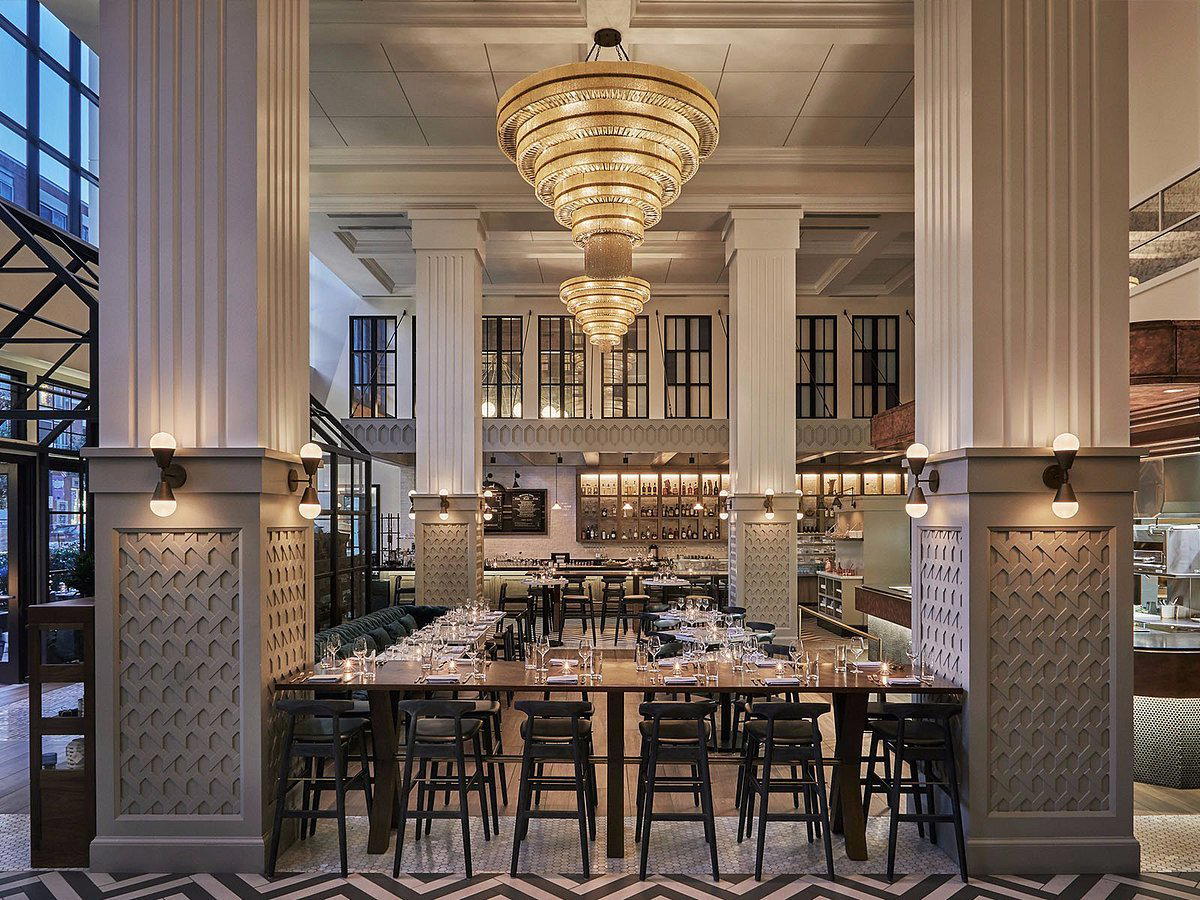
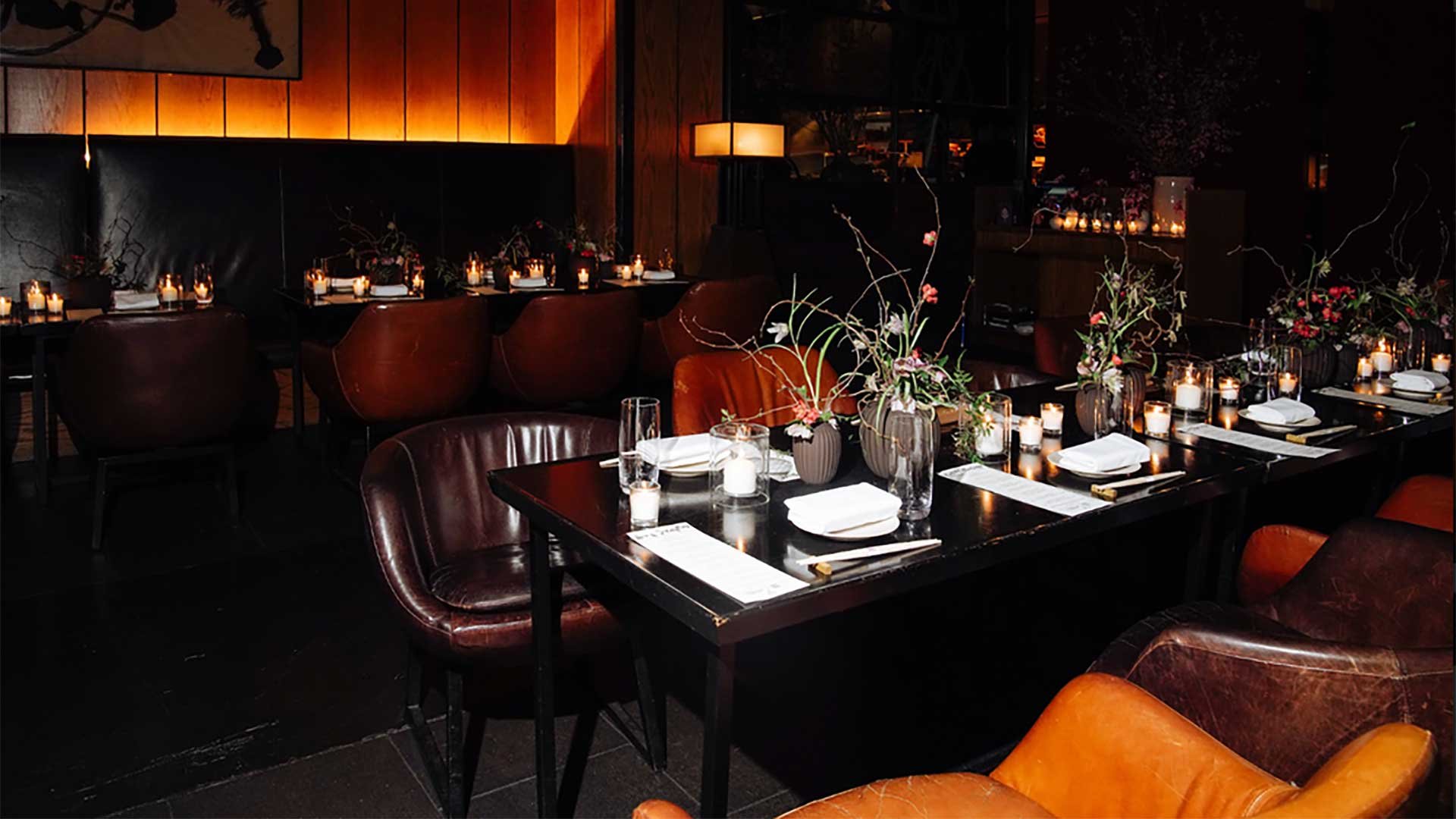
Bars in San Diego
Browse all →
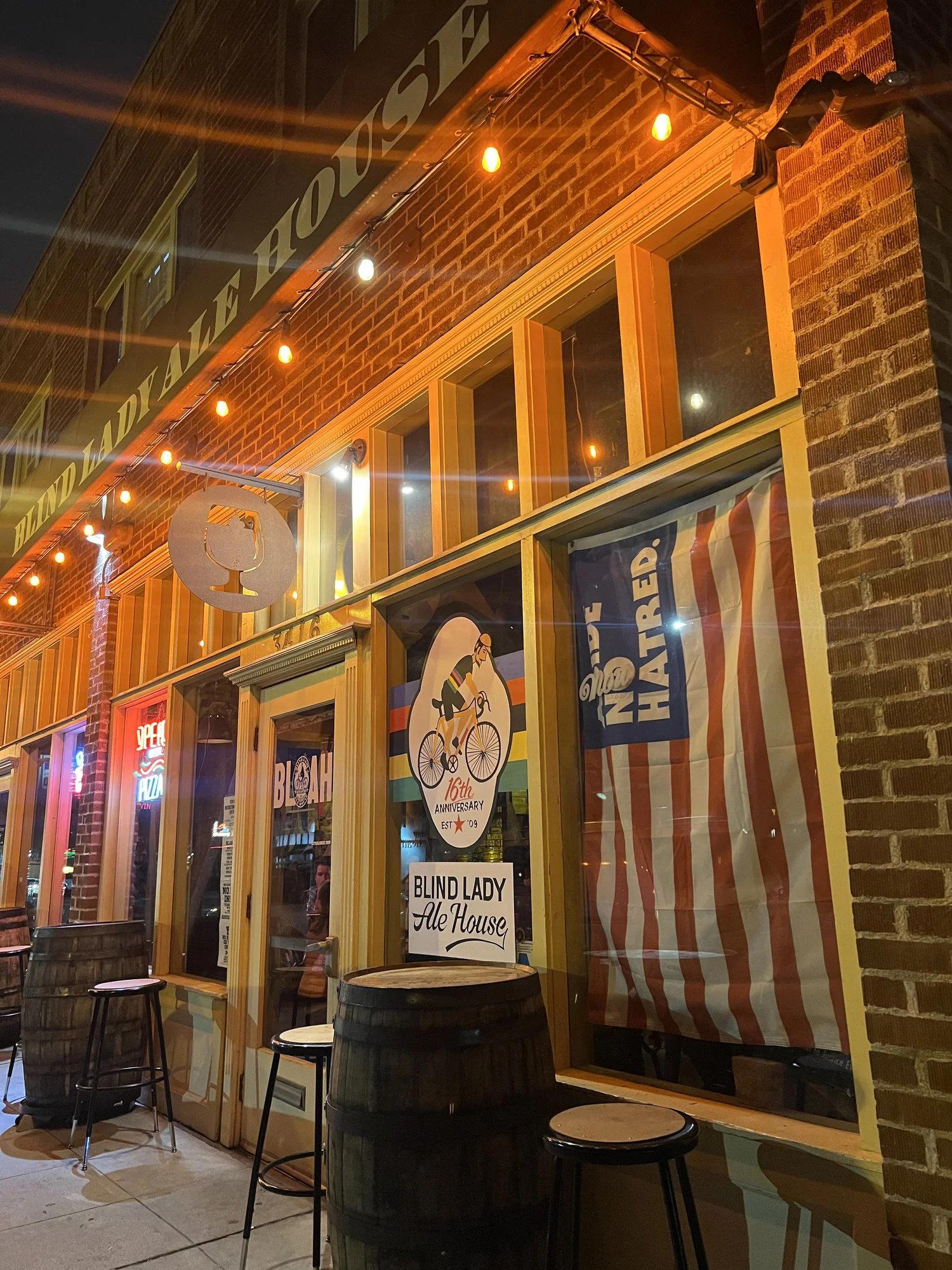
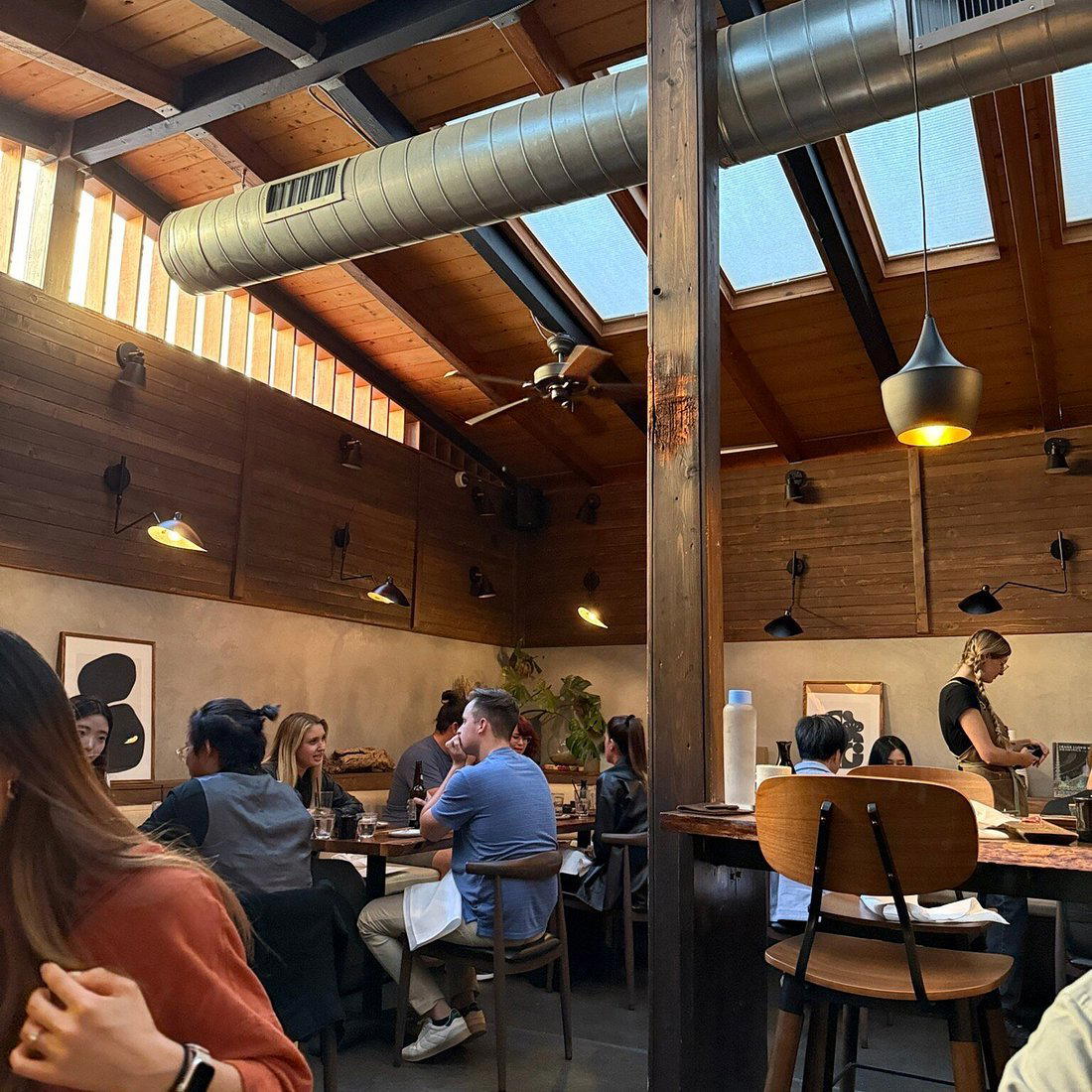




At a Glance
- Romantic
- Elegant
- Intimate
- Cozy
- Date Night
- Special Occasion
- Celebration
- Terrace
- Extensive Wine List
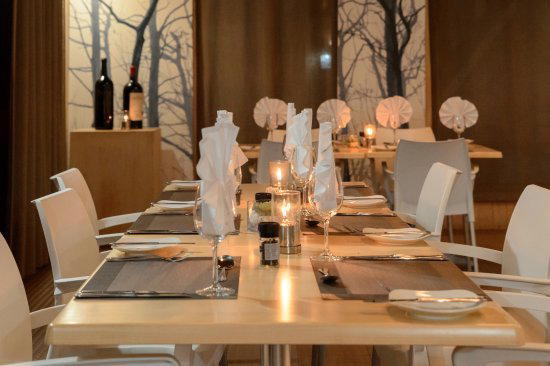
Modern elegance with magical environment, perfect for romantic dates and special occasions; quietest seating recommended for intimate dinners.