On a quiet stretch of Rue Ramey in the 18th arrondissement, L'Atelier Ramey represents the kind of address that Paris's Montmartre neighbourhood quietly sustains: a focused, neighbourhood-scale restaurant where the wine program carries as much weight as the kitchen. The cellar curation and intimate setting place it in a comparable set defined by depth over spectacle.
Pearl is the En Primeur Club membership app — saves, bookings, and concierge access live there. Same editors, same standards.
- Address
- 23 Rue Ramey, 75018 Paris, France
- Phone
- +33142510478
- Website
- atelier-ramey.com
- Directions
- Get directions
 Saves & bookings on Pearl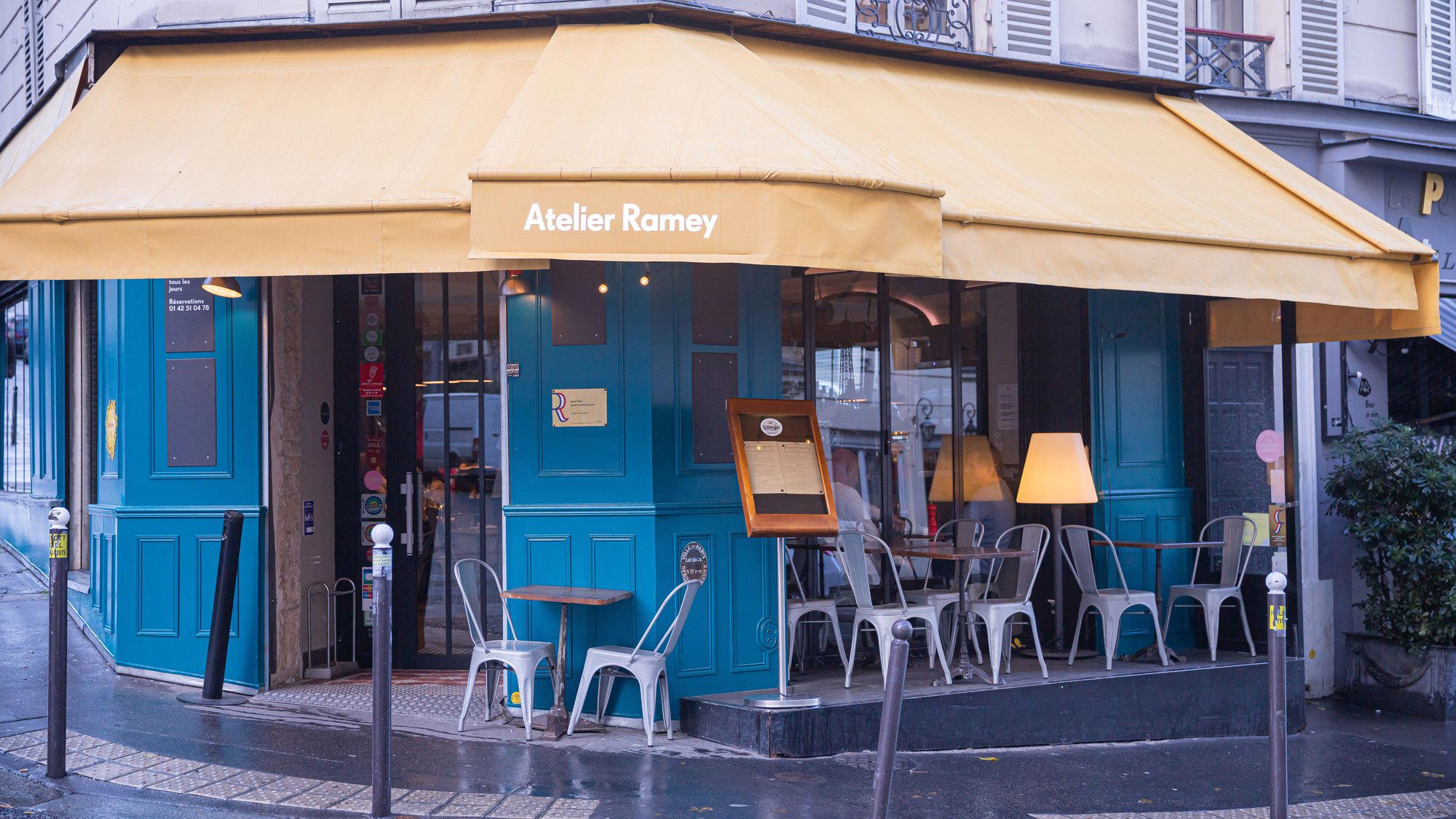
Montmartre's Quieter Register
The 18th arrondissement has spent the past decade recalibrating its dining identity. The tourist-facing brasseries along the slopes below Sacré-Cœur remain, but a parallel current has been running through the residential streets further east, around Rue Ramey and its neighbouring blocks. Here, the operating logic is different: smaller rooms, wine lists assembled with genuine intent, and a kitchen register that matches the neighbourhood's own unpretentious seriousness. L'Atelier Ramey at 23 Rue Ramey sits inside that current, occupying the kind of address that Paris generates when a neighbourhood finds its own dining confidence without needing external validation to do so.
That neighbourhood confidence matters as a frame of reference. L'Atelier Ramey is a restaurant in Paris's 18th arrondissement, with. The addresses that tend to define Parisian fine dining in the global imagination, places like L'Ambroisie on the Place des Vosges or Le Cinq at the Four Seasons George V, operate at a scale and price point that is consciously palatial. The 18th, by contrast, has historically hosted a different relationship between a room and its guests. L'Atelier Ramey inherits that tradition: an atelier, literally a workshop, implies making things carefully rather than performing them grandly.
The Setting on Rue Ramey
Rue Ramey runs through a section of the 18th that retains the grain of an older Paris: market traders, local cafés, buildings that haven't been renovated into anonymity. Approaching the address, the visual register is understated. This is not the kind of street where a restaurant announces itself through elaborate signage or a uniformed door presence. The room itself, consistent with the atelier framing in the name, reads as a working space rather than a stage set. That physical environment filters the guest list in its own way, drawing those who have sought the address out rather than those who have simply arrived.
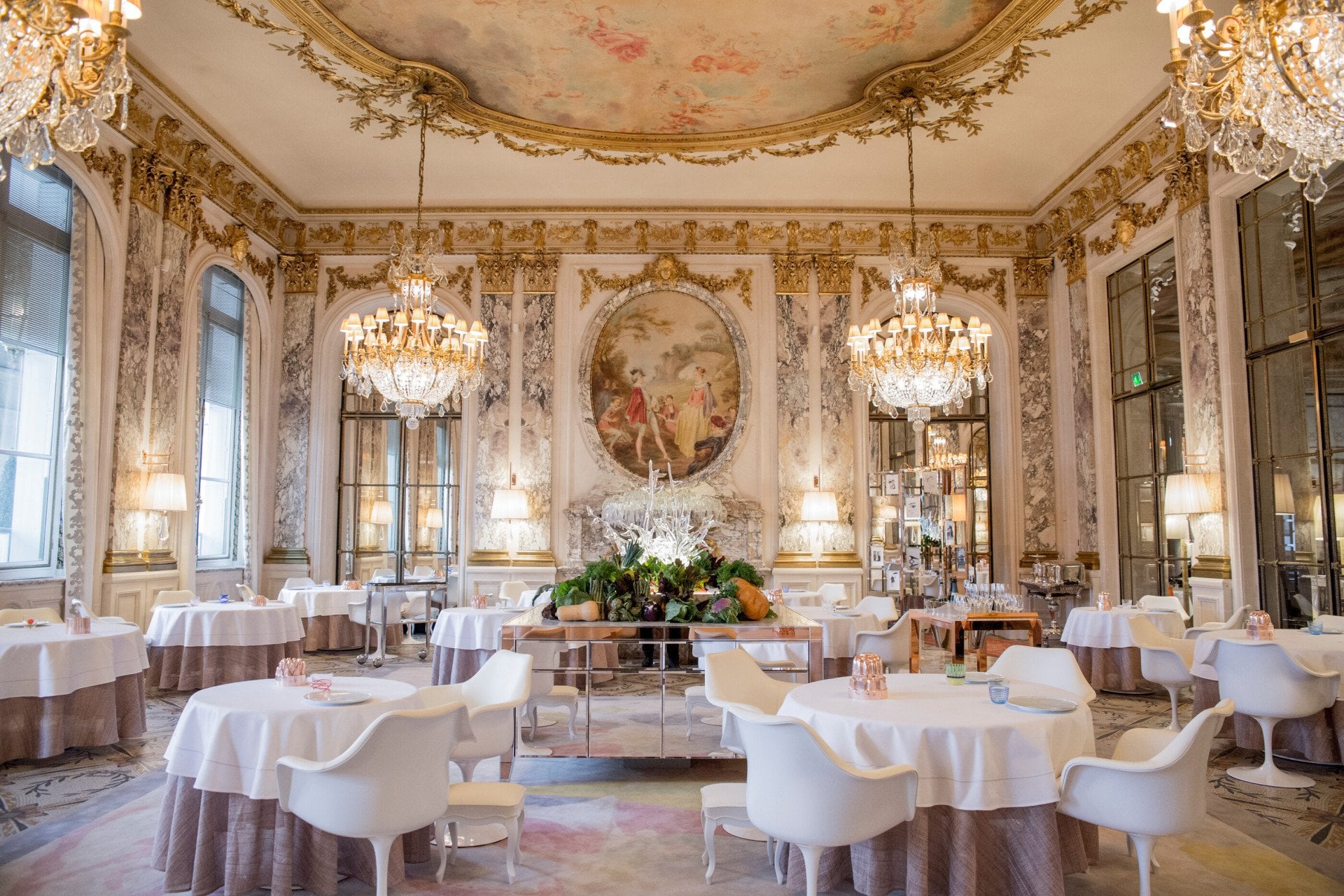
For comparison, the high-design restaurant rooms that characterise the grandes tables, the gilded dining room at Alléno Paris au Pavillon Ledoyen or the technically precise environment at Kei, are built to signal arrival. The restaurant's setting signals something else: that you already know where you are and why you came.
Through the Cellar: How the Wine Program Defines the Address
Paris has a particular tier of restaurant where the wine list does more structural work than the menu. These are not wine bars in the casual sense, nor are they the grand hotel dining rooms where a cellar of 1,200 references functions primarily as a display of financial commitment. They occupy a middle position: rooms where a genuinely considered selection, often weighted toward growers and regions that require knowledge to source, becomes the organizing principle around which the food is built.
The addresses that sustain this model across France tend to share certain characteristics. The cellar depth runs toward producers rather than brands. The selection reflects a point of view rather than a checklist of appellations. And the person presenting the wine, whether formally titled sommelier or not, can explain not just what the wine is but why it is there. This approach appears across the spectrum of serious French dining, from the cellar intelligence at Arpège to the way regional specificity shapes the lists at destinations like Flocons de Sel in Megève or Auberge de l'Ill in Illhaeusern.
At the neighbourhood scale, this curation philosophy requires a different kind of discipline. A room in the 18th cannot rely on the institutional authority of a Michelin-starred address in the 7th or the 8th. The wine list has to justify itself on its own terms, every service. That constraint, when a kitchen and cellar both accept it, tends to produce something more direct and less mediated than the grand dining room experience.
Placing L'Atelier Ramey in the Paris Dining Map
Paris's restaurant map has fragmented productively in recent years. The concentration of formal haute cuisine in the central arrondissements, the 1st, 6th, 7th, and 8th, has been matched by the emergence of serious cooking in areas that previously served primarily as residential overflow. The 18th is part of that shift. It now contains addresses that would have seemed misplaced in the neighbourhood a generation ago, not because the food or wine has become less serious, but because the neighbourhood itself has developed the audience to sustain it.
Within that shift, the wine-led neighbourhood restaurant occupies a specific niche. It sits above the natural wine bar in terms of ambition and structure, but below the grand tasting menu address in terms of ceremony and price. Internationally, the format has analogues in what Le Bernardin in New York represents at the summit of its own tier, or what Atomix does within its more compressed and technically exacting model. But the Parisian neighbourhood version of this format is its own thing: less theatrical, more quietly assumed.
For readers building a wider picture of serious French dining beyond Paris, the regional references are worth noting. The cellar depth and regional identity that define addresses like Bras in Laguiole, Troisgros in Ouches, or Mirazur in Menton represent one end of the spectrum. The neighbourhood atelier model sits at a different point on that same axis, with commitment to craft rather than scale as the operating principle.
Planning a Visit
Rue Ramey is accessible from the Château Rouge or Marx Dormoy metro stations, placing it in the eastern 18th rather than the more tourist-dense Abbesses side of Montmartre. Given the neighbourhood scale of the address, booking ahead is advisable rather than optional: rooms at this size fill through regulars and word-of-mouth before they surface to walk-in traffic. The wine-led format suggests that arriving with some openness to the cellar selection, rather than a fixed preference, will return more from the experience.
Recognition, Side-by-Side
Comparable venues nearby, for context on price, style, and recognition.
| Venue | Cuisine | Price | Notes |
|---|---|---|---|
| L'Atelier RameyThis venue — the venue you are viewing | French Bistronomique Gastropub | $$$ | Not listed |
| Le Moulin de la Galette | Traditional French Bistro | $$$ | Montmartre |
| Oh Vin Dieu | Traditional French Bistro | $$$ | 8th Arr. |
| Le Layon | Modern French Fusion | $$$ | 14th Arrondissement |
| A Casaluna | Modern Corsican | $$$ | Palais-Royal |
| La Petite Régalade | Aveyronnais Bistro | $$$ | 2nd arrondissement |
Continue exploring
More in Paris
Restaurants in Paris
Browse all →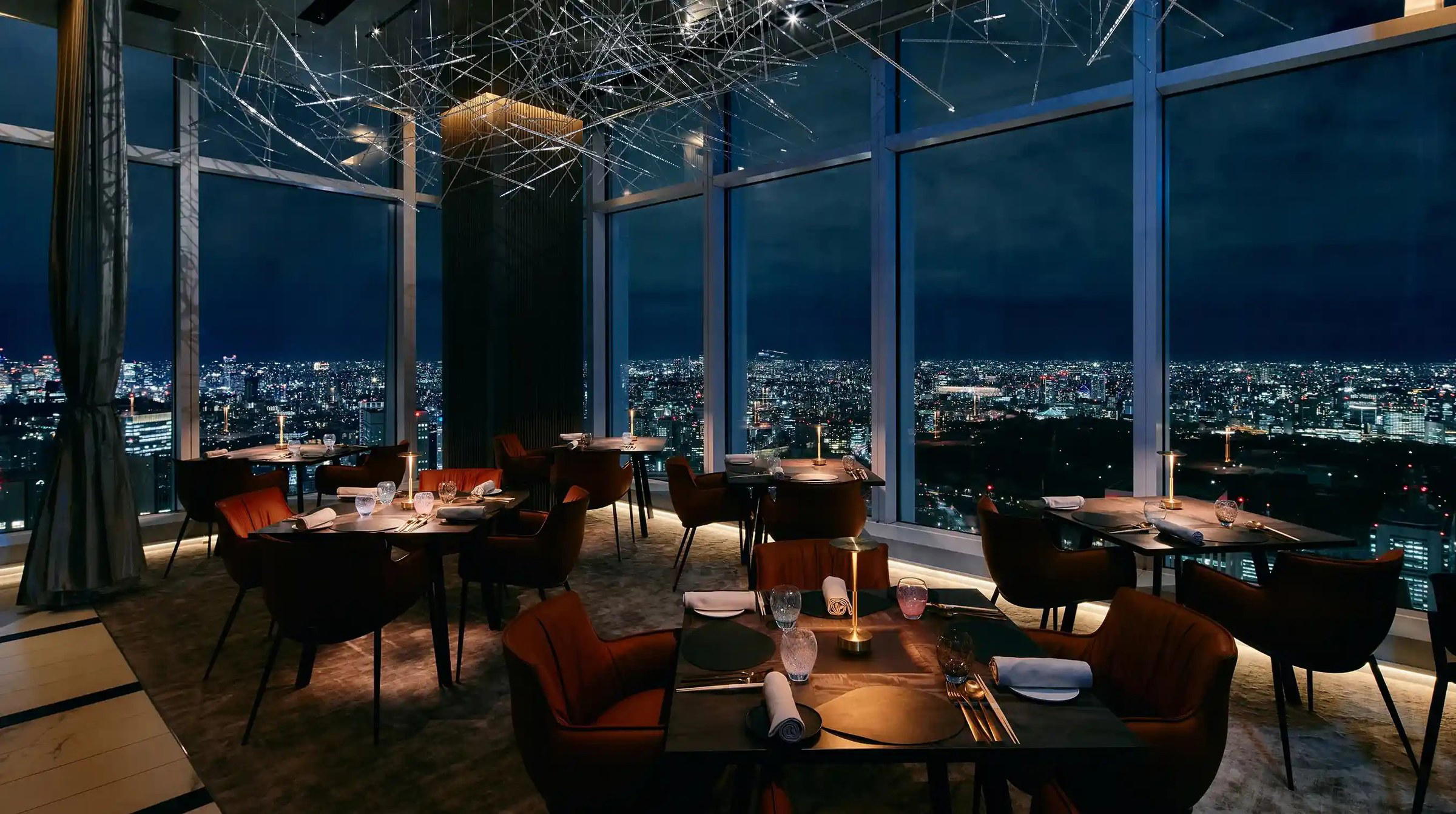
Hotels in Paris
Browse all →
Wineries in Paris
Browse all →
At a Glance
- Cozy
- Trendy
- Industrial
- Intimate
- Date Night
- Casual Hangout
- Open Kitchen
- Extensive Wine List
- Local Sourcing
Current opening hours
- Monday
- 12–2 PM, 7–10 PM
- Tuesday
- 12–2 PM, 7–10 PM
- Wednesday
- 12–2 PM, 7–10 PM
- Thursday
- 12–2 PM, 7–10 PM
- Friday
- 12–2 PM, 7–10 PM
- Saturday
- 12–2 PM, 7–10 PM
- Sunday
- 12–2 PM, 7–10 PM
Hours can change for holidays and private events. Last verified .
Warm, convivial atmosphere in a post-industrial bistro setting with exposed bricks, Tolix chairs, and an open kitchen.