Google: 4.3 · 441 reviews
Baan Pu Karn
.png)
A Michelin Bib Gourmand recipient in both 2024 and 2025, Baan Pu Karn operates out of the chef-owner's home in Ayutthaya's Ban Mai district, serving Thai dishes built on local ingredients and fresh seafood that rarely surfaces elsewhere in the province. The yellow curry soup with lotus roots draws repeat visitors. Arrive early — no bookings are accepted and tables fill fast.
 Discover on Pearl
Pearl is the En Primeur Club membership app — saves, bookings, and concierge access live there. Same editors, same standards.
A House, a Kitchen, and a Reason to Leave Bangkok Early
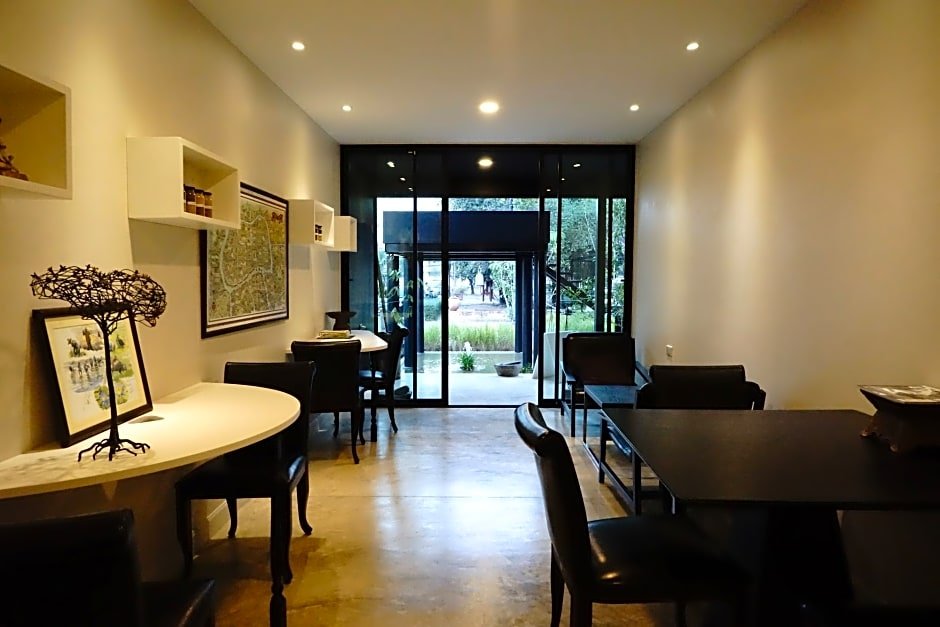
The approach to Baan Pu Karn tells you something about what you are walking into. This is not a restaurant that inhabits a converted shophouse or a heritage-restored riverside sala. It occupies a private home on Route 347 in Ban Mai, a residential stretch north of Ayutthaya's main island that most visitors to the ancient capital pass without slowing down. The setting is domestic and deliberate: a chef-owner's kitchen opened to the public, the kind of arrangement that has produced some of the most instructive eating in provincial Thailand. That informality is not incidental — it is structurally why the food exists at all in this form.
Ayutthaya sits about 80 kilometres north of Bangkok and draws millions of visitors annually for its UNESCO-listed temple ruins. The dining scene, by contrast, tends toward tourist-facing Thai standards and river-view restaurants positioned more for atmosphere than for cooking. A Michelin Bib Gourmand recognition, awarded consecutively in 2024 and 2025, signals that something outside that pattern is operating here. Bib Gourmand criteria require good cooking at accessible prices — the designation is reserved for places where the kitchen, not the address, earns the designation.
Central Plains Cooking, Not Northeastern Heat
The editorial angle here requires a clarification worth making. The bold, fermented, and often fiery register of Isaan cooking , the som tum with its anchovy-salt backbone, the larb cut through with dried chilli and toasted rice powder, the grilled meats charred over charcoal , represents one pole of Thai regional identity. Baan Pu Karn sits at a different pole. This is Central Plains cuisine, the tradition that developed along the Chao Phraya basin, in the kingdoms of Sukhothai and Ayutthaya, and that eventually shaped what the world came to recognise as "Thai food." Understanding that lineage clarifies what the kitchen is working with.
Central Thai cooking is gentler in its heat than the northeast, but no less complex. The flavour architecture relies on herbal aromatics , lemongrass, galangal, kaffir lime leaf , and on the layered umami of shellfish paste and fresh seafood. Where Isaan cuisine achieves depth through fermentation and char, Central Thai cooking builds it through slow-simmered broths, coconut milk integration, and the careful balance of sweet, sour, salty, and bitter. Ayutthaya, as a former royal capital and major trading port, historically had access to Gulf of Thailand seafood alongside river catch, and that dual larder shaped its cooking in ways that distinguish it from landlocked Central Thai cities.
Baan Pu Karn operates squarely within that tradition. The kitchen draws on local ingredients and, notably, fresh seafood that the Michelin inspectors themselves noted is difficult to source consistently in this province. That logistical specificity matters: getting high-quality crab and shrimp into an inland city's kitchen requires either direct supplier relationships or a chef with enough reputation to command priority. The herbal aromas and natural umami of the shrimp and crab dishes described in the award citation point to cooking that respects the ingredient rather than masking it. Compared to restaurants like Sorn in Bangkok or Nahm , Thai in Bangkok, which operate at multi-course tasting-menu scale with corresponding price points, Baan Pu Karn delivers Central Thai sourcing discipline at a fraction of the cost.
The Yellow Curry Soup with Lotus Roots
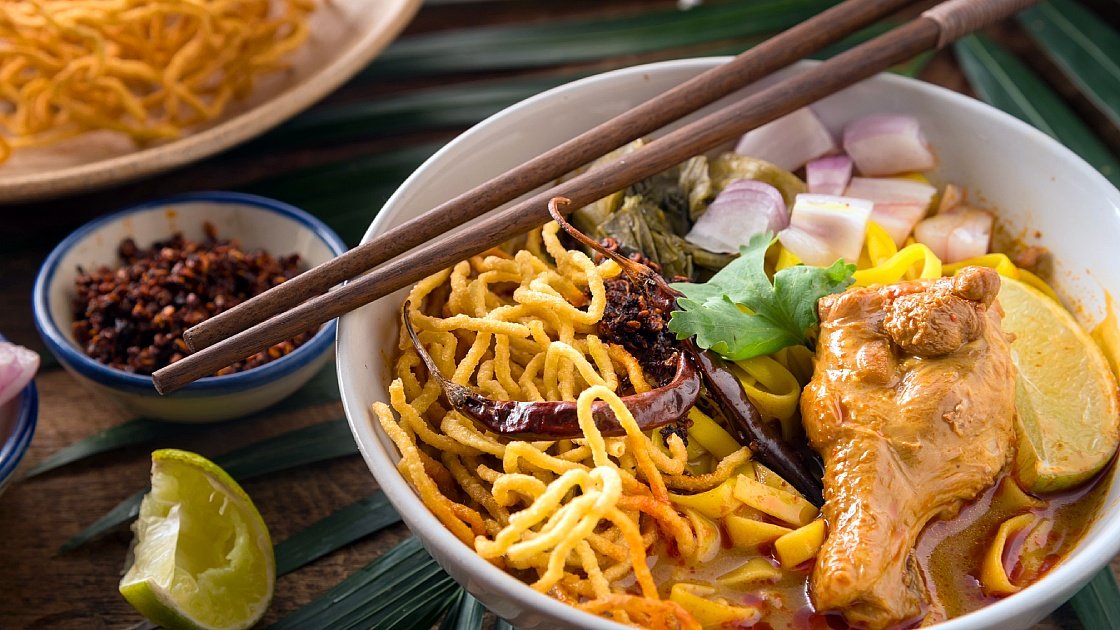
Of all the dishes that have circulated through word-of-mouth and inspector notes, the yellow curry soup with lotus roots is the one that draws the most consistent attention. Yellow curry in Thai cooking occupies a middle register between the coconut-heavy richness of Massaman and the sharper, more herb-forward character of green curry. The lotus root addition is distinctly regional: lotus plants grow across the waterways and ponds surrounding Ayutthaya, and their appearance on the menu is both a statement of local provenance and a textural counterpoint to the soup base. That kind of ingredient decision , using what the landscape provides rather than importing standardised components , is precisely what distinguishes serious provincial kitchens from those simply executing a national template.
Across Thailand, the restaurants earning the most sustained critical attention outside Bangkok share this orientation toward hyper-local sourcing. Aeeen in Chiang Mai applies it to Northern Thai ingredients; PRU in Phuket takes it into fine-dining territory with a farm-to-table framework. Baan Pu Karn achieves it within a single-price-tier, walk-in format, which arguably makes the sourcing commitment harder to sustain, not easier.
Where Baan Pu Karn Sits Among Ayutthaya's Dining Options
The Ayutthaya dining scene spans a range of formats and price points. Baan Ta Ko Rai operates at the ฿฿ tier, positioning slightly higher in price. Baan Pomphet, Baan Mai Rim Nahm, and Baan Ton Sai each represent different angles on Thai dining in the city. Ayutthayarom rounds out a shortlist worth building a day-trip around. Within that peer set, Baan Pu Karn holds the clearest Michelin endorsement and the lowest price tier , a combination that makes it the most obvious first stop rather than an afterthought.
The comparison also extends nationally. Provincial Thai restaurants earning Bib Gourmand recognition include places like AKKEE in Pak Kret and operators working in styles from Vietnamese to contemporary Thai. What connects them is the inspectors' finding of consistent, well-executed cooking priced below the fine-dining threshold. Samrub Samrub Thai in Bangkok represents what happens when that same sourcing rigour meets a more formal tasting format. Baan Pu Karn is the opposite end of that spectrum: no ceremony, no reservations, lower price point, the same underlying seriousness about ingredient.
Planning Your Visit
Arriving early is not optional advice , it is the operating condition. Baan Pu Karn does not take bookings, operates out of a private home with limited covers, and draws a local following that fills seats before the tourist wave arrives. Day-trippers from Bangkok, who typically reach Ayutthaya by mid-morning via the one-hour train from Hua Lamphong or Krung Thep Aphiwat, should plan to eat first rather than temple-first. The ฿ price tier means even a multi-dish lunch stays within a modest budget. For those building a fuller picture of the city, the full Phra Nakhon Si Ayutthaya restaurants guide maps the broader scene, while the hotels guide covers overnight options for those treating Ayutthaya as more than a day trip. The bars guide, wineries guide, and experiences guide complete the picture for visitors staying longer than an afternoon.
- stir-fried river prawns with garlic and pepper
- crab curry with coconut and turmeric
- steamed fresh crab with lime-chili dressing
- pla tod samunprai (herb-fried whole fish)
- tom yum with shrimp and crab
- yellow curry soup with lotus roots
Reputation First
A short peer set to help you calibrate price, style, and recognition.
| Venue | Awards | Cuisine | Notes |
|---|---|---|---|
| Baan Pu Karn | Bib Gourmand | Thai | This venue |
| Baan Ta Ko Rai | Thai | Thai, ฿฿ | |
| Pa Lek Boat Noodles | Noodles | Noodles, ฿ | |
| Angeum | Vietnamese | Vietnamese, ฿฿ | |
| Gu Cherng | Chinese | Chinese, ฿฿฿ | |
| Here Klae Pork Satay | Street Food | Street Food, ฿ |
Continue exploring
More in Phra Nakhon Si Ayutthaya
At a Glance
- Scenic
- Rustic
- Intimate
- Cozy
- Family
- Group Dining
- Casual Hangout
- Waterfront
- Terrace
- Standalone
- Local Sourcing
- Sustainable Seafood
- Waterfront
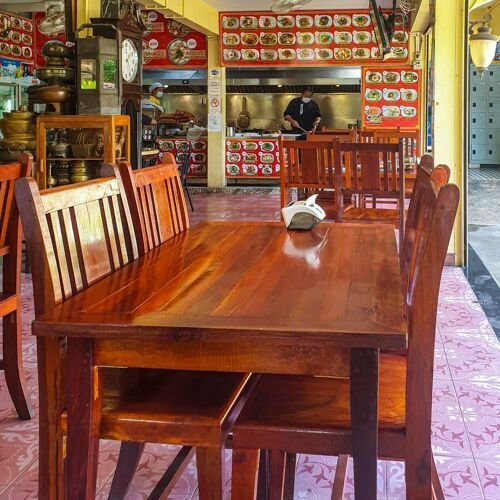
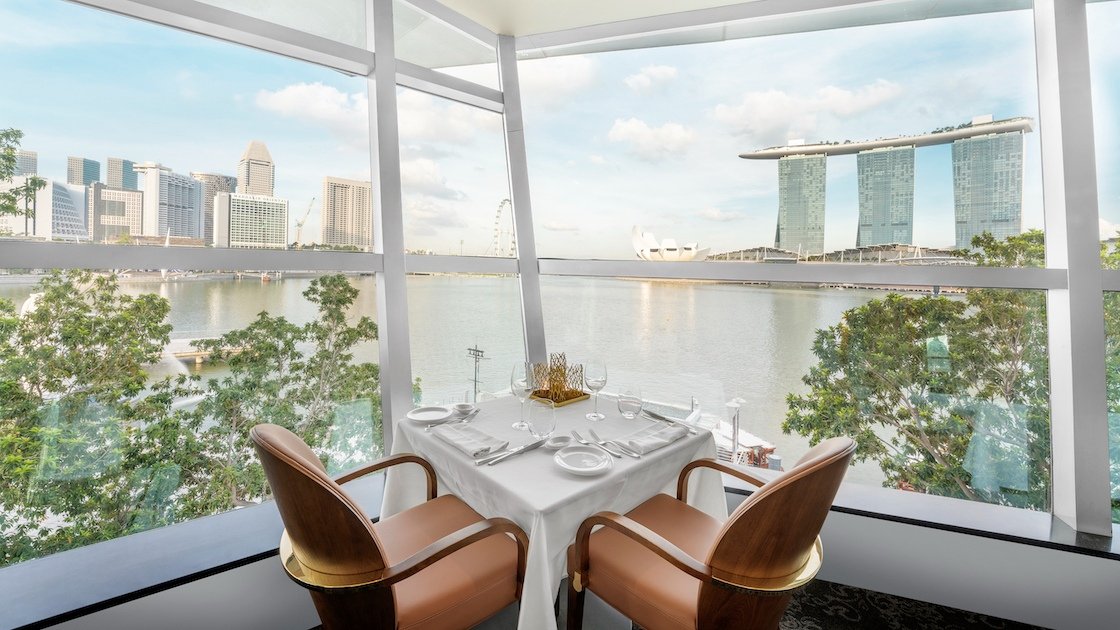
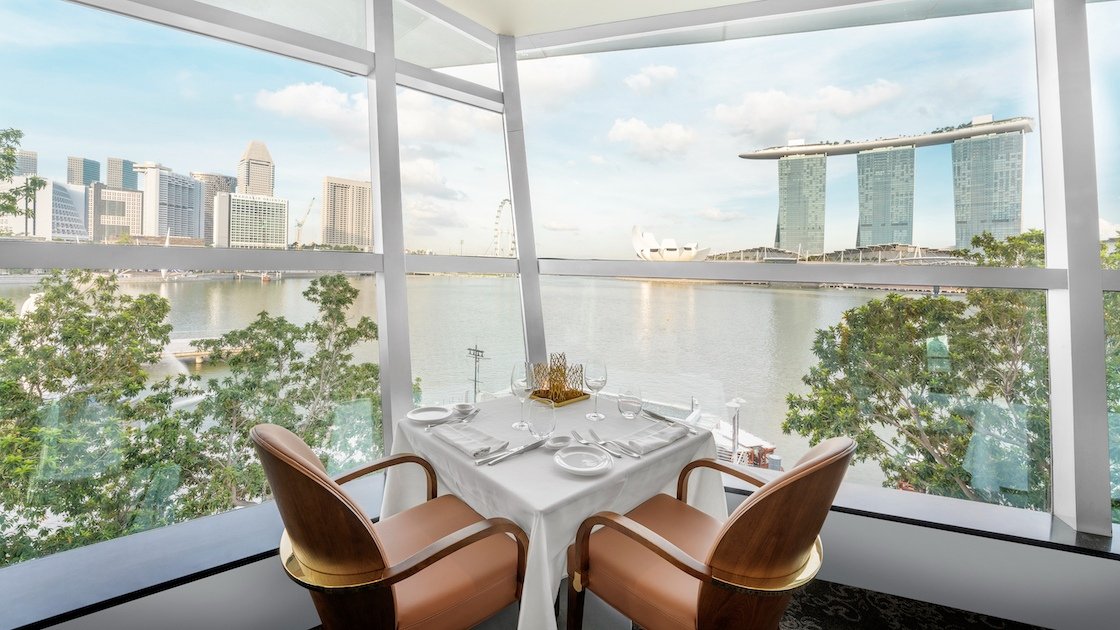
Warm and inviting riverside setting with a lived-in house atmosphere; outdoor terrace captures river breezes with afternoon light, while evenings bring a calm, close-knit mood ideal for relaxed, unhurried meals.
- stir-fried river prawns with garlic and pepper
- crab curry with coconut and turmeric
- steamed fresh crab with lime-chili dressing
- pla tod samunprai (herb-fried whole fish)
- tom yum with shrimp and crab
- yellow curry soup with lotus roots