Our verdict
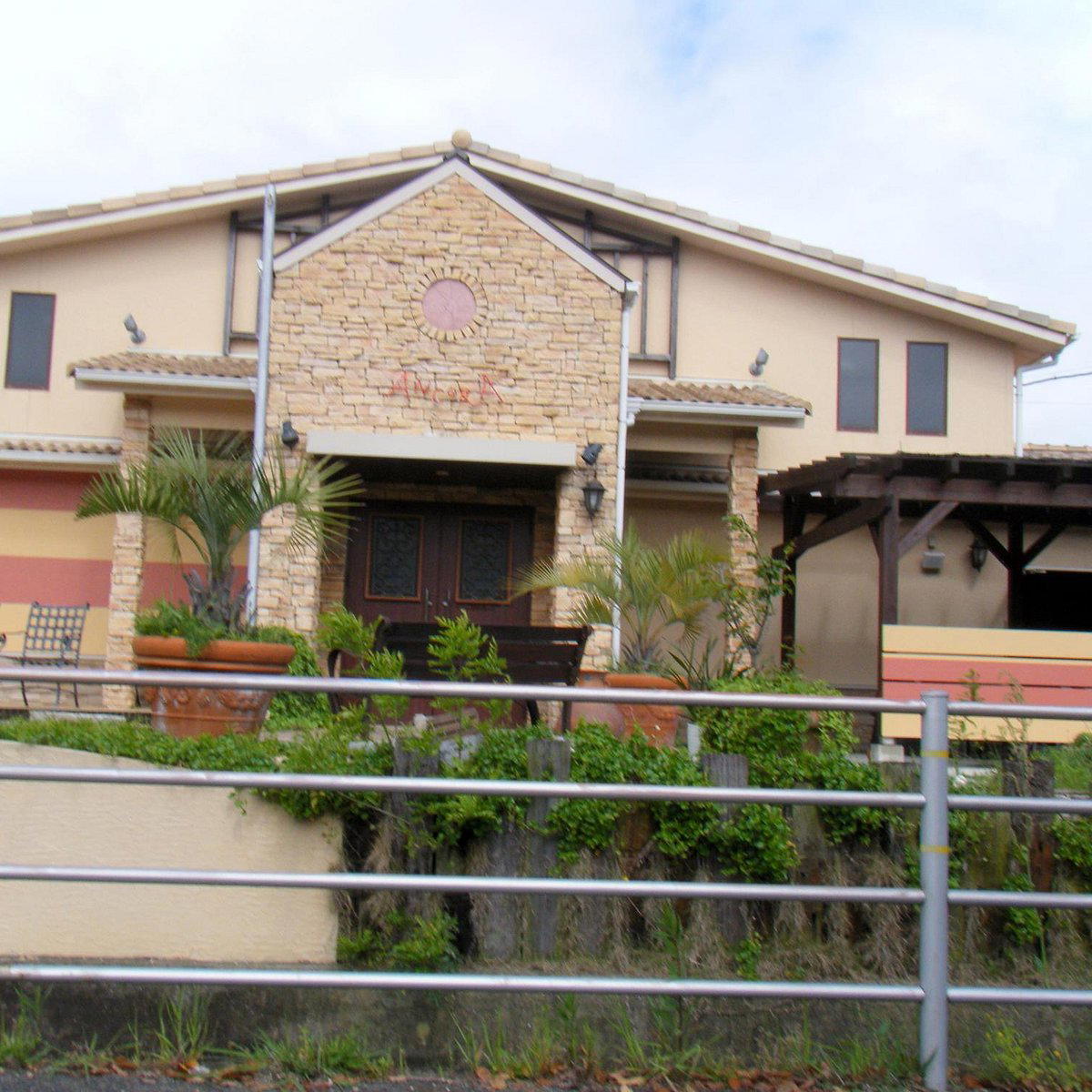
アンコーラ sits in Ube, Yamaguchi Prefecture, a city where serious dining operates without the visibility of Japan's major culinary centres. The restaurant's address in the Kusae district places it away from obvious tourist circuits, making it a reference point for understanding how ingredient-driven cooking takes root in provincial Japan. Visitors to Ube's quieter restaurant scene will find it a useful anchor for the city's dining character.

Pearl is the En Primeur Club membership app, where members save venues, book tables and use the concierge.
Dining in Ube: Provincial Japan's Quiet Seriousness
Japan's most discussed restaurants cluster in Tokyo, Osaka, and Kyoto, where Michelin inspectors make regular rounds and reservation systems run at capacity months in advance. Places like Harutaka in Tokyo or Gion Sasaki in Kyoto operate inside that well-mapped tier, where peer comparisons and award cycles shape expectations on both sides of the pass. Ube, a mid-sized industrial city in western Yamaguchi Prefecture, sits entirely outside that circuit. That distance from the credentialing machinery of Japan's restaurant industry is precisely what makes the city worth examining on its own terms.
Yamaguchi Prefecture has a coastal identity that runs deeper than tourism brochures suggest. The Seto Inland Sea to the south and the Sea of Japan to the north provide producers and kitchens with two distinct marine ecosystems within reasonable reach. The agricultural interior adds a further dimension: Yamaguchi's rice, vegetables, and livestock travel less distance to local restaurants than the equivalent supply chain serving a Tokyo counter. In prefectures like this one, ingredient provenance is less a marketing stance and more a structural reality of how cooking gets done.
アンコーラ: A Fixed Point in the Kusae District
アンコーラ occupies an address at 4 Chome-7-15 Kusae, a residential and light-commercial pocket of Ube that registers as an unlikely setting for a destination restaurant by metropolitan standards. In Japan's regional cities, this pattern repeats with some regularity: serious kitchens take root in neighbourhoods where rents allow for a longer runway, and where the local clientele, drawn from professional and academic communities, sustains consistent covers without the boom-and-bust volatility of tourist-dependent trade. Ube's industrial base and its university population create exactly that kind of steady demand.
The Kusae address places アンコーラ at a remove from Ube's main commercial spine, which means arriving requires intent. That quality, common to many of Japan's more considered regional restaurants, functions as an informal filter. The room, the pacing, and the meal itself are oriented toward people who sought the place out rather than those who wandered past. For context on how this dynamic plays out elsewhere in Japan's non-capital cities, akordu in Nara and Goh in Fukuoka both operate on similar logic: provincial address, deliberate audience, and a dining room that functions at a pace the kitchen sets rather than the street.
Ingredient Logic in Western Yamaguchi
The editorial case for ingredient-sourcing as a frame for understanding アンコーラ connects to something broader about how Japanese regional cooking has evolved over the past two decades. Tokyo's high-end counters, including the French-inflected innovation of HAJIME in Osaka and the kaiseki rigour of RyuGin, have long drawn from a national and international supply network. The implicit argument of provincial kitchens is different: the supply chain is shorter, the producers are known by name, and the seasonal calendar is local rather than averaged across prefectures.
Yamaguchi's seafood, in particular, carries a reputation that extends beyond the prefecture. Fugu (tiger puffer fish) from the Shimonoseki end of the prefecture is among the most cited examples, but the coastal access along Ube's section of the Seto Inland Sea provides its own range: smaller fish, shellfish, and seasonal catches that a kitchen in central Tokyo would need to source at a premium and with additional transit time. For a restaurant in Ube, those same ingredients arrive fresh and at a cost structure that allows a kitchen to work with them as staples rather than as occasional centrepieces.
This supply dynamic shapes the character of regional Japanese dining in ways that don't always translate to Michelin star counts but register clearly in the eating. Comparable examples from other parts of Japan illustrate the pattern: 一本木 有川鮮魚店 in Nanao on the Noto Peninsula, and 湖畔荘 in Takashima near Lake Biwa, both operate with a directness of sourcing that metropolitan kitchens can approximate but rarely replicate structurally.
Where アンコーラ Sits in Ube's Scene
Ube's restaurant community is smaller and less externally documented than those of Hiroshima or Yamaguchi City, which means comparisons have to be built from local reference points. エヌ トロワ provides another data point in the city's dining character, and taken together, these kitchens suggest a scene that is quieter than its coastal geography might warrant but more deliberate than casual visitors typically expect. For anyone working through our full Ube restaurants guide, アンコーラ belongs in the first tier of addresses worth planning around.
Japan's wider regional dining map shows this kind of concentration in unexpected prefectures with some regularity. 鳥羽屋 in Nishikawa Machi, Birdland in Sakai, and Bistro Ange in Toyohashi each represent a version of the same argument: that serious cooking concentrates in provincial cities when the right conditions, producer access, stable clientele, and a kitchen with a clear point of view, align. The international comparisons are harder to draw directly, but the sourcing philosophy that runs through restaurants like Le Bernardin in New York City and the ingredient precision at Atomix in New York City both speak to the same underlying discipline: what arrives in the kitchen determines what's possible on the plate.
Planning a Visit
Ube is accessible by train from Hiroshima in roughly two hours, or from Shimonoseki via the San-yo Main Line. The Kusae address is a short taxi or ride from Ube-Shinkawa Station. Visitors arriving from further afield, particularly those routing through Yamaguchi City or combining the trip with a visit to Cafe Naoshima Konichiwa in Naoshima across the Seto Inland Sea, should factor in travel times between prefectures, which are longer than a glance at a map suggests. Seasonality matters here as it does across all of coastal western Japan: the Seto Inland Sea's fish calendar shifts meaningfully between winter and summer, and Yamaguchi's fugu season runs from October through March, which frames the most ingredient-rich period for a visit.
Frequently asked questions
Is アンコーラ suitable for children?
No specific children's menu or family policy is documented for アンコーラ. The Kusae address places it in a residential and light-commercial pocket of Ube, which suggests a neighbourhood-scale setting rather than a large family restaurant. check the venue's official channels to confirm suitability before visiting with young children.
What is the atmosphere like at アンコーラ?
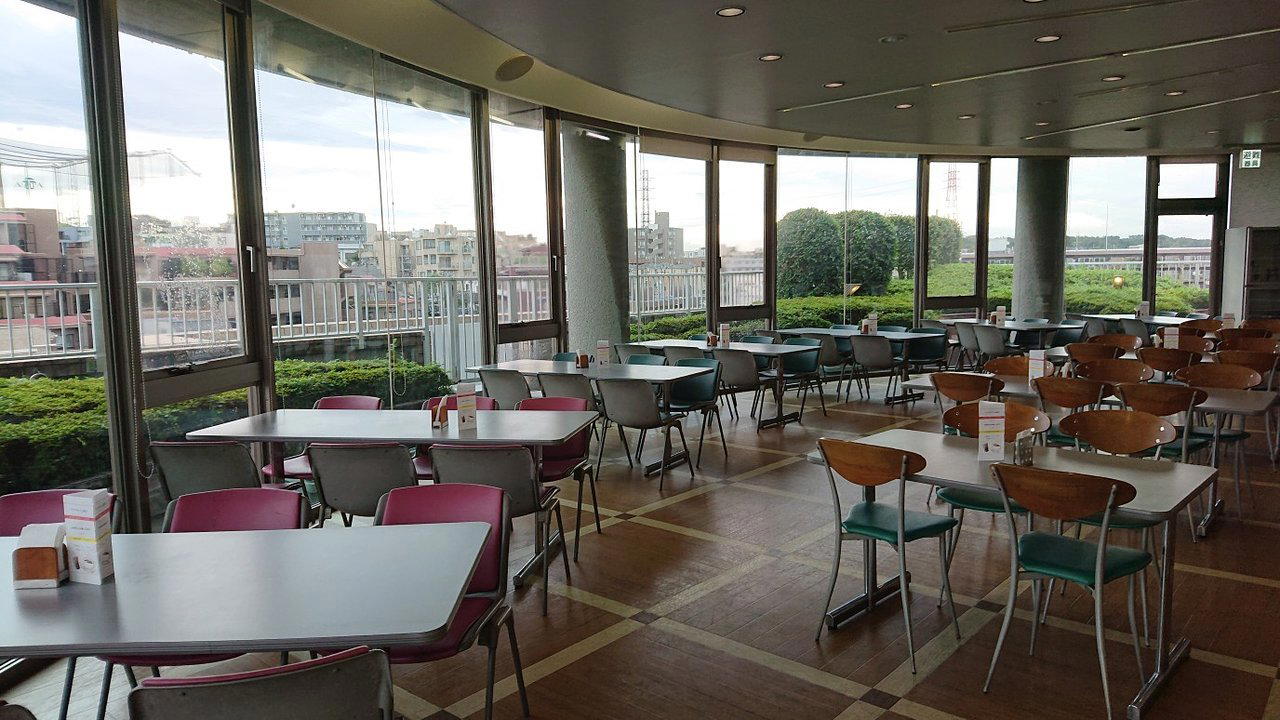
アンコーラ occupies a residential address at 4 Chome-7-15 Kusae in Ube, a city that sits outside Japan's main restaurant-documentation circuits. That context points toward the kind of understated, locally rooted dining room that characterises serious provincial Japanese cooking: low-key on presentation, focused on the plate.
Is アンコーラ worth a trip from Hiroshima or Shimonoseki?
Ube is roughly two hours from Hiroshima by train, and accessible from Shimonoseki via the San-yo Main Line, making アンコーラ a viable destination for travellers already moving through western Yamaguchi. The Kusae district is a short taxi or bus ride from central Ube. Whether the detour is warranted depends on your interest in provincial Japanese dining away from the documented Michelin circuits.
What's the address for アンコーラ?
アンコーラ is located at 4 Chome-7-15 Kusae, Ube, Yamaguchi 755-0004, Japan, Ube.
How far ahead should I plan for アンコーラ?
No booking lead-time data is published for アンコーラ. Ube sits outside the heavily trafficked restaurant reservation systems of Tokyo or Osaka, and smaller provincial venues in Japan can fill quickly among local regulars with little online visibility. Reaching out to the restaurant well in advance of your visit to Yamaguchi is the prudent approach.
Comparable Spots, Quickly
Comparable venues nearby, for context on price, style, and recognition.
| Venue | Cuisine | Price | Awards | Notes |
|---|---|---|---|---|
| アンコーラThis venue (the venue you are viewing) | Italian Pizza and Pasta | $10–20 | Not listed | Not listed |
| Tori Manma | Chicken-focused Japanese Izakaya & Yakitori | $30–50 | Tabelog 100 #56 | Ube |
| COCO'S | Japanese Family Restaurant | $10–20 | Not listed | 文京町 |
| エヌ トロワ | Modern French with Local Ingredients | $50–100 | Not listed | 西岐波 |
| Yakitori Nishimura | Yakitori & Wine (Kyoto Takasaka Chicken) | $50–100 | Tabelog 100 #6 | Ube |
| maison owl | Architectural French fine dining with wine-paired seasonal tasting menus | $300–500 | Tabelog 100 #25 | Nakaube |
Details
- Casual Hangout
- A La Carte
Current opening hours
- Monday
- 11 AM–2:30 PM, 5–8:30 PM
- Tuesday
- Closed
- Wednesday
- 11 AM–2:30 PM, 5–8:30 PM
- Thursday
- 11 AM–2:30 PM, 5–8:30 PM
- Friday
- 11 AM–2:30 PM, 5–8:30 PM
- Saturday
- 11 AM–2:30 PM, 5–8:30 PM
- Sunday
- 11 AM–2:30 PM, 5–8:30 PM
Hours can change for holidays and private events. Hours as of .
Casual dining atmosphere suitable for lunch and dinner.