Azafrán



Michelin Bib Gourmand · Guía Repsol 1 Sol · Macarfi 7.7 Food Rating
Our verdict
Azafrán brings contemporary regional cooking to Villarrobledo with a focus on La Mancha's most prized ingredient: saffron. Chef Teresa Gutiérrez leads an all-female team through a menu that moves between à la carte and two tasting formats, anchored in local produce, seasonal game, and artisanal Manchego cheese. A 2025 Michelin Bib Gourmand recognises the kitchen's consistent quality at the €€ price tier.

Pearl is the En Primeur Club membership app — saves, bookings, and concierge access live there. Same editors, same standards.
- Address
- Av. de los Reyes Católicos, 71, 02600 Villarrobledo, Albacete, Spain
- Phone
- +34 633 15 00 90
- Hours
- Mon ClosedTue–Thu 12–4 PMFri–Sat 12–4 PM, 9 PM–12 AMSun 12–4 PM
- Website
- azafranvillarrobledo.com
- Directions
- Get directions
- Booking
- Book on TheFork
The menu
What to order
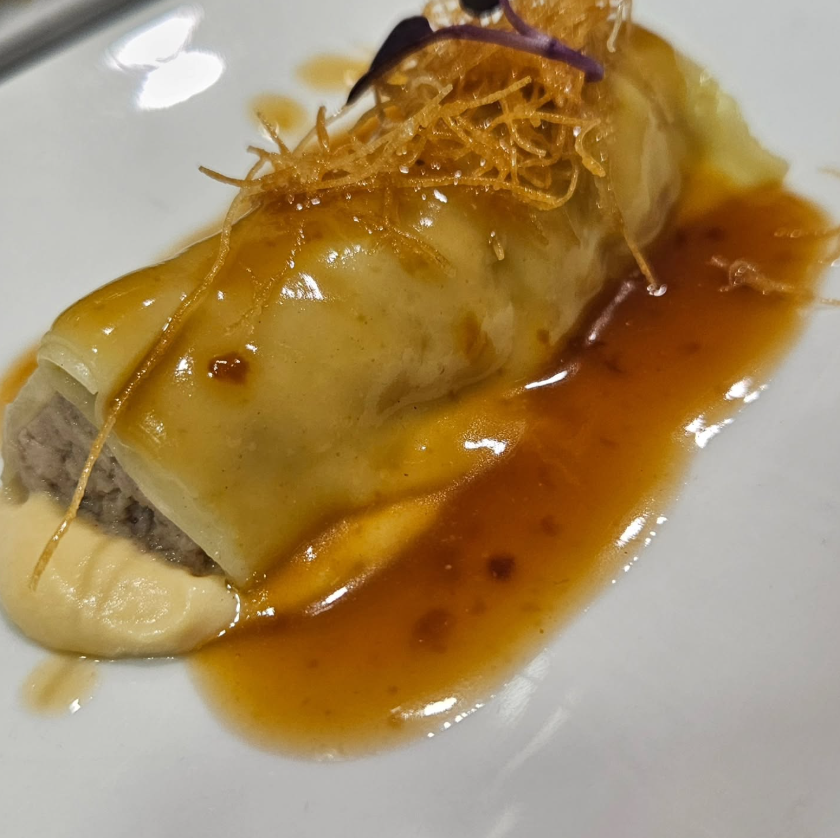
- Belly pork
- Saffron custard dessert
- Patatas pobres
Saffron Country, on a Plate
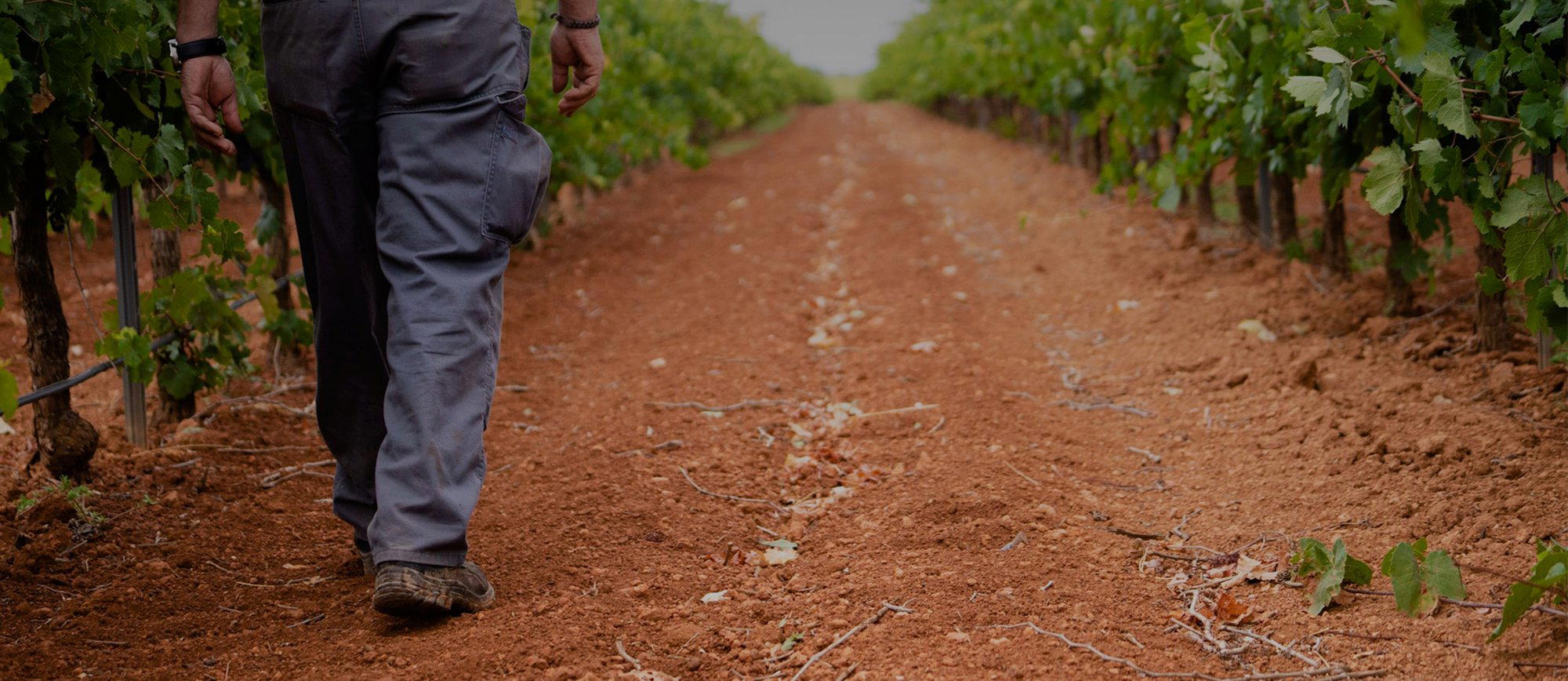
Villarrobledo sits in the agricultural heartland of Castilla-La Mancha, a province whose identity is inseparable from a handful of ingredients: saffron, Manchego cheese, game birds, and the wines of the surrounding plains. This is not a city where dining trends arrive early. What it has instead is a tradition of cooking that draws directly from the land around it, and Azafrán, on Avenida de los Reyes Católicos, is among the clearest expressions of that tradition in the region. The restaurant takes its name from the spice that defines La Mancha's agricultural reputation, and saffron runs through the menu as both flavour and philosophy — a statement about where the food comes from before it says anything else about how it is cooked.
The Ingredient That Defines the Region
La Mancha saffron holds Protected Designation of Origin status, and the threads harvested around this part of Spain carry a different profile from Iranian or Moroccan equivalents: deeper colour, more pronounced floral bitterness, and a shorter harvest window that makes the ingredient inherently seasonal. Chef Teresa Gutiérrez works as an ambassador for La Mancha saffron beyond the restaurant itself, a role that positions Azafrán within a broader regional identity project rather than treating the spice as a simple garnish. That external engagement matters as a trust signal: it reflects a kitchen where ingredient provenance is an active commitment, not a menu footnote.
The same sourcing logic applies across the menu. Manchego cheeses appear in their artisanal form, meaning cheeses made from raw or pasteurised sheep's milk by small producers operating within the denomination, rather than the industrial versions that dominate export markets. Game features in season, which in Castilla-La Mancha means partridge, rabbit, and deer through the autumn and winter months, sourced from the hunting grounds that cover much of this province. This is not a restaurant importing produce from elsewhere to execute a cosmopolitan menu. The ingredient list is, with some deliberateness, local first.
Contemporary Technique in a Regional Frame
Spain's most-discussed restaurant kitchens — DiverXO in Madrid, El Celler de Can Roca in Girona, Arzak in San Sebastián, Azurmendi in Larrabetzu, Mugaritz in Errenteria, operate at the €€€€ tier with three Michelin stars and international reservations lists. That upper bracket of Spanish fine dining is well-documented. What receives less attention is the middle register: kitchens that apply contemporary technique to specific regional traditions without the budget or ambition to play at that leading level, and that deliver a more honest relationship between their menu and their geography as a result. Azafrán sits in that middle register. The Michelin Bib Gourmand, awarded in 2025, identifies it as a kitchen where quality exceeds what the price point would suggest, Michelin's consistent shorthand for this tier, applied across their guide as a marker of value relative to peers rather than a consolation for falling short of star criteria.
For context, other recognised regional cuisine restaurants at this level include Fahr in Künten-Sulz and Gannerhof in Innervillgraten, both Bib Gourmand holders working within strong local ingredient traditions in their respective regions. The pattern is similar: a single-region focus, a kitchen that works with what the surrounding land produces, and a price point that makes the food accessible rather than aspirational. Azafrán fits that pattern in the La Mancha context.
The kitchen's contemporary technique is applied to strengthen regional flavours rather than to distance the menu from them. Strong flavours are characteristic of Manchego cooking, saffron, game, cured meats, aged cheeses, and the challenge with contemporary approaches is usually one of calibration: enough technique to refine, not so much that the ingredient origin becomes academic.
The Menu Structure
The format at Azafrán covers three options: an à la carte focused on contemporary regional dishes, a shorter menu, and a more extensive tasting menu for those who want the full sequence. The tasting option allows the kitchen to build a narrative around seasonal availability, which matters most when game is in play and when saffron-forward dishes can be spaced across courses. The dessert programme, which appears with some consistency in visitor commentary, reflects the kitchen's overall sensibility: regional in reference, contemporary in execution. The all-female team structure, which includes both the kitchen and front-of-house, is unusual in the Spanish restaurant context where brigade kitchens remain male-dominated at the senior level, and it shapes the restaurant's public identity in ways that have attracted press attention beyond standard food coverage.
Planning a Visit
Villarrobledo is accessible by road from Madrid (roughly two hours south on the A-3 towards Valencia, then south on local roads) and sits between Albacete and the wine towns of La Mancha. For those building a wider trip, [our full Villarrobledo restaurants guide]() covers the broader dining picture, while [our Villarrobledo hotels guide](), [bars guide](), [wineries guide](), and experiences guide map the town's wider offer. Azafrán is at the €€ price tier, making it one of the more accessible Bib Gourmand holders in the region. The restaurant is on Avenida de los Reyes Católicos, 71. Booking in advance is advisable given the Michelin recognition and the relatively limited seating typical of this restaurant format. Game dishes are seasonal, so autumn and winter visits will access the full breadth of the menu; spring and summer menus lean more heavily on the saffron and cheese anchors.
Comparable Experiences in Spain
Those building a broader Spanish itinerary around recognised regional kitchens might cross-reference Atrio in Cáceres, Ricard Camarena in València, Quique Dacosta in Dénia, Aponiente in El Puerto de Santa María, Cocina Hermanos Torres in Barcelona, and Martin Berasategui in Lasarte-Oria for the higher end of the Spanish spectrum. Azafrán operates at a different scale and price point, but the sourcing rigour and regional commitment place it in a serious conversation about what contemporary Spanish regional cooking can look like outside the major cities.
Frequently asked questions
How much does it cost to eat at Azafrán?
Pricing at Azafrán is listed as €€.
A Quick Peer Check
| Venue | Cuisine | Price | Awards |
|---|---|---|---|
| AzafránThis venue — the venue you are viewing | Modern Manchega Spanish | $30–50 | Michelin Bib Gourmand · Guía Repsol 1 Sol |
| Aponiente | Progressive - Seafood, Creative | Not listed | Michelin 3 Star |
| Arzak | Modern Basque, Creative | Not listed | Michelin 3 Star |
| DiverXO | Progressive - Asian, Creative | Not listed | Michelin 3 Star |
| El Celler de Can Roca | Progressive Spanish, Creative | Not listed | Michelin 3 Star |
| Quique Dacosta | Creative | Not listed | Michelin 3 Star |
Recognition history
Dated appearances from independent guides and award organizations, with the underlying list record or original source where available.
Michelin Bib Gourmand
Michelin
Guía Repsol 1 Sol
Guía Repsol
Macarfi 7.7 Food Rating
Macarfi
Full recognition history (4 entries)
Michelin Bib Gourmand
Michelin
Continue exploring
More in Villarrobledo
Restaurants in Villarrobledo
Browse all →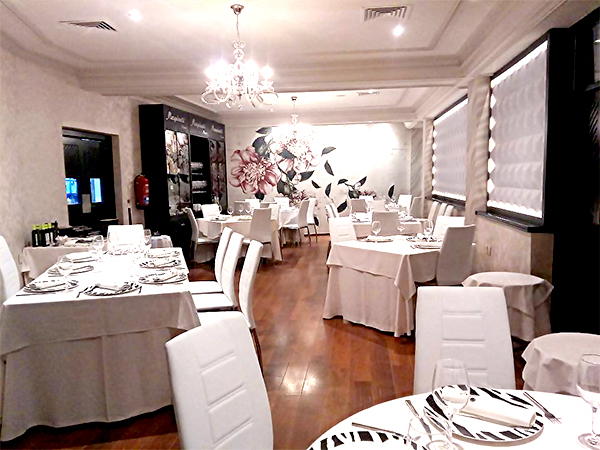
Details
- Cozy
- Intimate
- Elegant
- Modern
- Date Night
- Family
- Special Occasion
- Private Dining
- Extensive Wine List
- Local Sourcing
- A La Carte
- Tasting Menu
- Small Plates
- Wine
- Vegetarian Friendly
- Vegan Options
- Gluten Free Options
Current opening hours
- Monday
- Closed
- Tuesday
- 12–4 PM
- Wednesday
- 12–4 PM
- Thursday
- 12–4 PM
- Friday
- 12–4 PM, 9 PM–12 AM
- Saturday
- 12–4 PM, 9 PM–12 AM
- Sunday
- 12–4 PM
Hours can change for holidays and private events. Last verified .
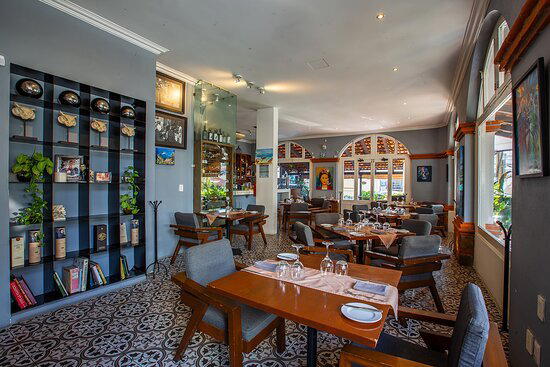
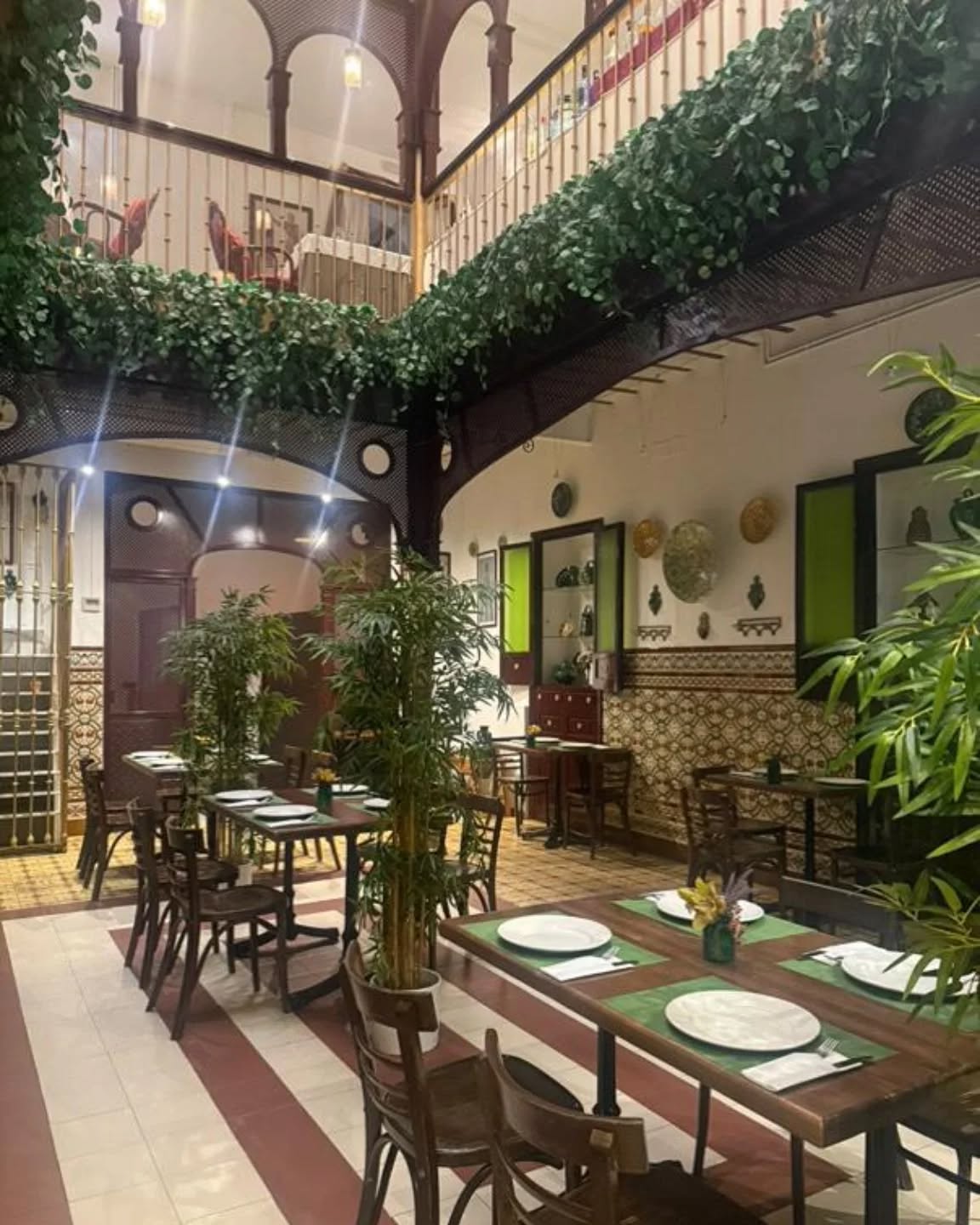
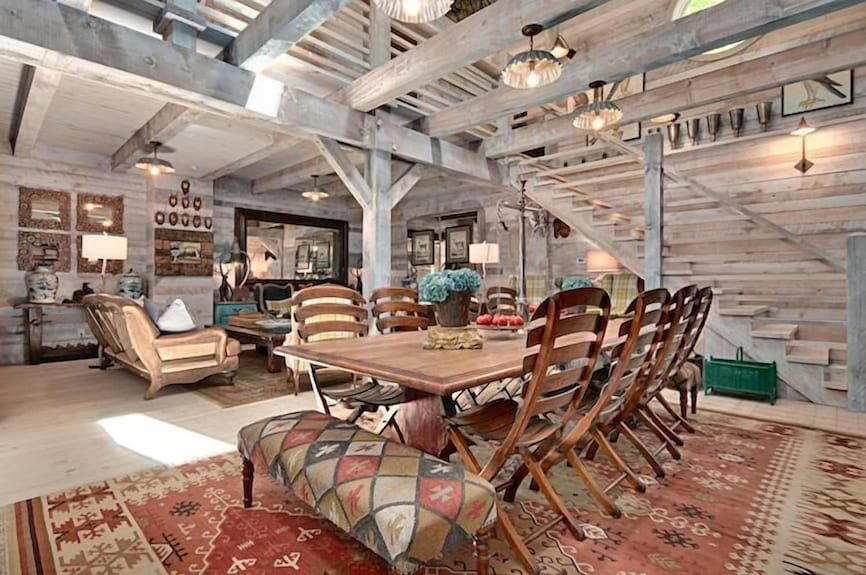
Relaxed and cozy atmosphere divided into intimate compartments with a modern look and calm vibe.