Granero


A sibling-run institution in the heart of La Mancha wine country, Granero has held a Michelin Bib Gourmand for consecutive years while maintaining over fifty years of family operation. The format spans a bar serving the set menu and raciones, a sit-down à la carte room, and a terrace, with a wine cellar overseen by a dedicated sommelier focused on local appellations. For the price tier, the tasting menu with wine pairing is the sharpest value proposition in Quintanar de la Orden.
Pearl is the En Primeur Club membership app — saves, bookings, and concierge access live there. Same editors, same standards.
- Address
- C. San Fernando, 90, 45800 Quintanar de la Orden, Toledo, Spain
- Phone
- +34 925 18 02 38
- Website
- granerorestaurante.com
- Directions
- Get directions
 Saves & bookings on Pearl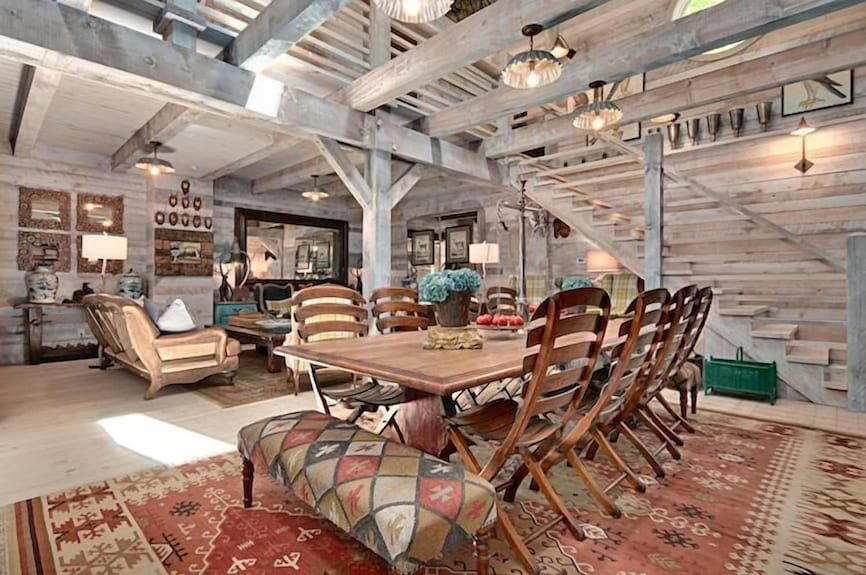
Where La Mancha's Larder Meets the Counter
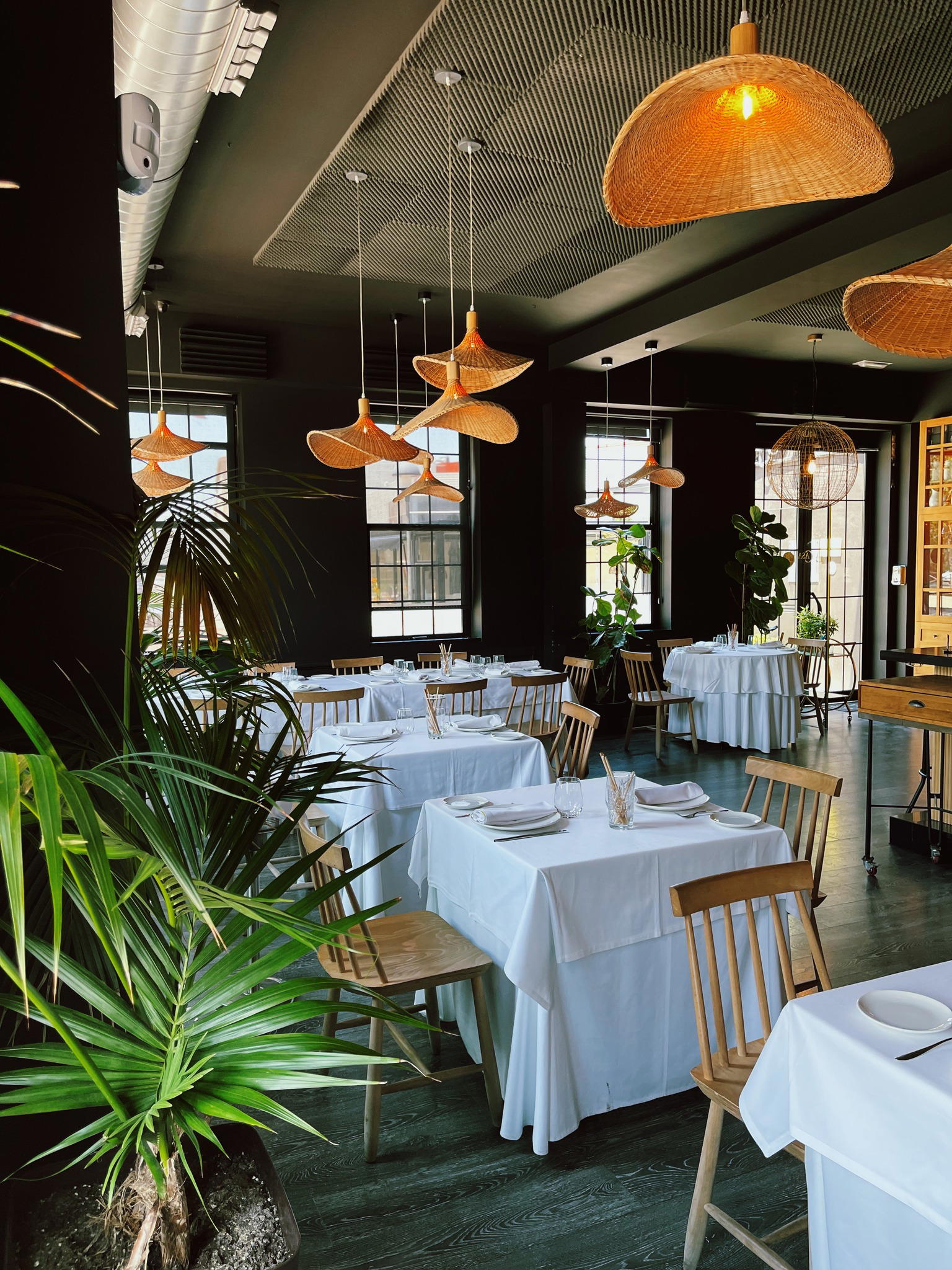
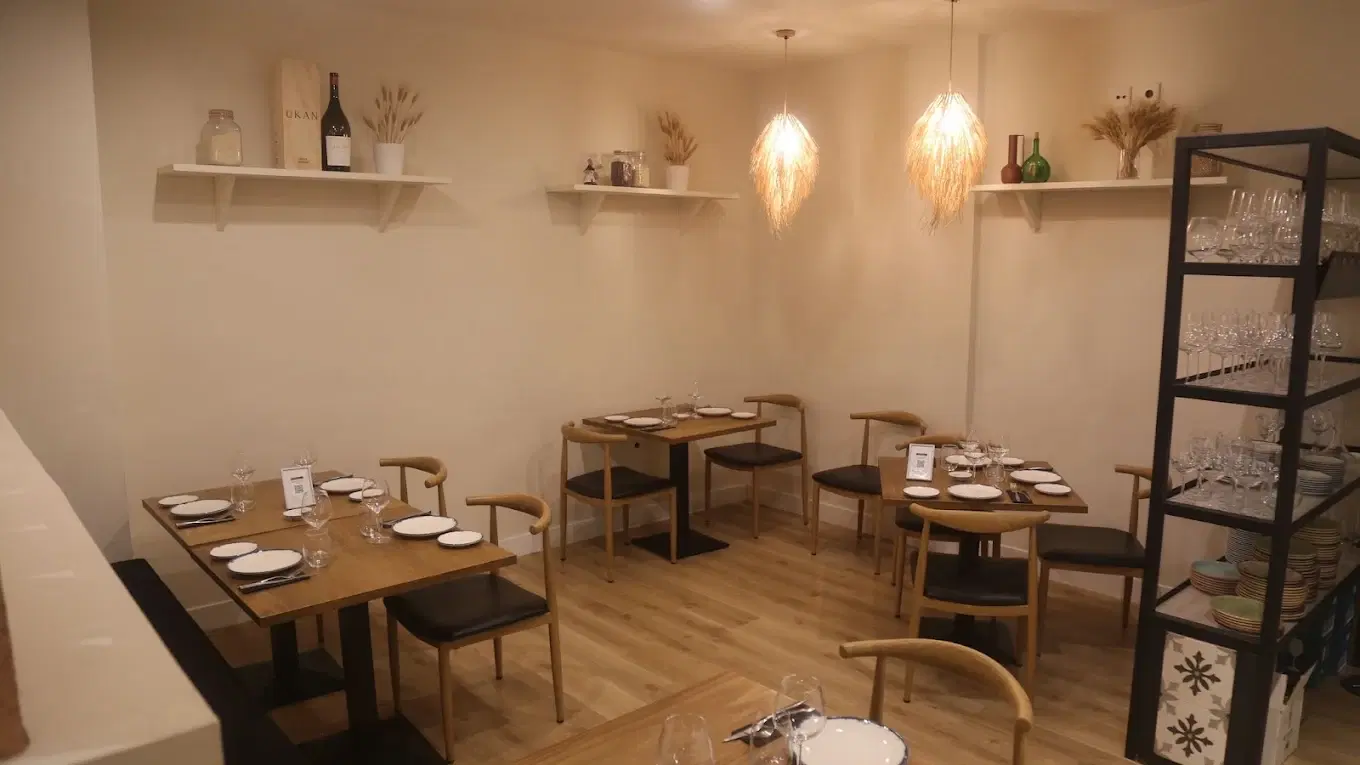
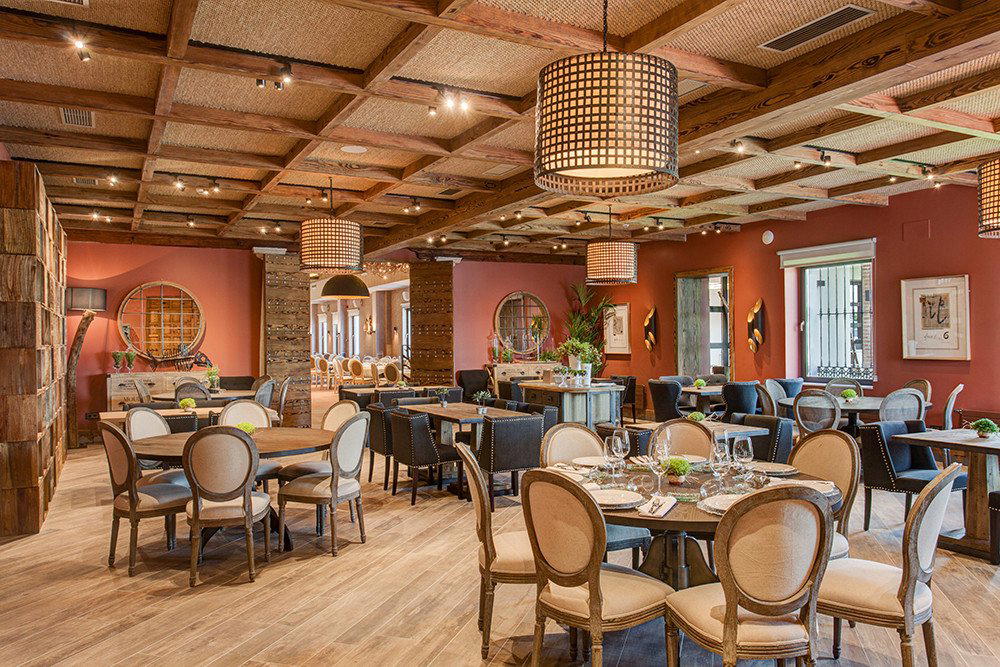
Granero is a Modern Spanish Steakhouse in Quintanar de la Orden, Toledo, with a Michelin Bib Gourmand for 2024 and 2025 and an average price of about $30 per person. Step through the entrance of C. San Fernando, 90 in Quintanar de la Orden and the first thing you encounter is the bar: a working counter where locals order the set menu alongside plates of raciones, the room carrying the low hum of a place people return to out of habit rather than occasion. The à la carte dining room sits beyond, followed by a patio-terrace that opens up the experience further on warmer days. The architecture of the space tells you something important before a single dish arrives: Granero was not designed around a concept, it evolved around a community.
That evolution spans more than half a century. Few restaurants anywhere in Castilla-La Mancha can claim a comparable run of family continuity, and that longevity matters not as a sentimental point but as a practical one. It means sourcing relationships, supplier trust, and a working knowledge of the region's seasonal rhythms that no recently opened operation can replicate. In a province where the land itself, the saffron fields outside Consuegra, the vineyards of the Manchuela and La Mancha DO, the game-rich plains, defines what ends up on a plate, those relationships are the kitchen's primary asset.
The Ingredient Logic Behind a Bib Gourmand
Michelin's Bib Gourmand, held here in both 2024 and 2025, signals a specific value argument: cooking of genuine quality at a price that doesn't require justification. At the €€ price tier, Granero sits well below the cost structure of Spain's Michelin-starred operations, restaurants like DiverXO in Madrid, Arzak in San Sebastián, or El Celler de Can Roca in Girona, all three-star houses operating at €€€€, but the Bib recognition places it in an entirely different conversation from the regional average. The award is explicitly about ingredient honesty and cooking discipline relative to price, which makes it a useful proxy for how a kitchen sources its produce.
La Mancha's ingredient profile is more specific than its flat, often underestimated terrain suggests. Lamb from the Manchegan plateau is leaner and more mineral in flavour than Atlantic-coast equivalents. Queso Manchego, with its protected designation of origin, appears in kitchens here as a working ingredient rather than a garnish. Saffron, cultivated in nearby municipalities, is used in quantities that would be cost-prohibitive in a city restaurant operating at higher overhead. The case for cooking traditionally in this region is partly an ingredient case: the local larder rewards fidelity to place.
Granero's menu operates on two registers simultaneously. The traditional side draws directly on that Manchegan pantry. The fusion-inflected contemporary dishes represent a second layer, a kitchen that has spent decades reading the landscape, then chosen selectively where to modernise. That combination appears on the à la carte alongside a tasting menu with an optional wine pairing, a format that, at this price level, represents among the more direct ways to engage with both the kitchen's range and the cellar's depth.
The Cellar and the Appellation Case
Sommelier Adán Israel manages a cellar with a stated emphasis on local area wines, a focus that maps directly onto one of Spain's more underappreciated appellations. The La Mancha DO is the largest wine-producing region in Spain by volume, but its quality tier, particularly among smaller producers working with Tempranillo, Airén, and Cencibel, has shifted considerably in the past two decades. A sommelier actively promoting local wines in a region of this scale is making a curatorial argument: that the value in the glass mirrors the value on the plate.
For visitors travelling from outside the province, the wine pairing attached to the tasting menu functions as a short education in an appellation that rarely receives the attention given to Rioja, Ribera del Duero, or the Basque-country producers behind restaurants like Azurmendi in Larrabetzu or Mugaritz in Errenteria. The comparison isn't about parity of prestige but about how a focused regional cellar can reframe an area's identity, a pattern visible also at Atrio in Cáceres and Auga in Gijón, both operating in cities where regional wine advocacy has become part of the restaurant's editorial identity. Spain's traditional-format restaurants with serious cellars, see also Auberge Grand'Maison in Mûr-de-Bretagne for a comparable French example, tend to be where this kind of local-first wine positioning reads most clearly.
Format, Flexibility, and the La Mancha Visit
The multi-format structure, bar with raciones, set menu, full à la carte, and tasting menu, makes Granero function differently depending on what a visit demands. A lunch stop between Toledo and the Levante coast can be handled at the bar; a deliberate evening meal warrants the dining room and the tasting menu. That range is rarer than it sounds at this level of recognition. Many Bib Gourmand establishments in rural Spain operate a single fixed format; the flexibility here reflects both the sibling operation's institutional knowledge and the practical reality of serving a local community alongside destination visitors.
Quintanar de la Orden sits in the province of Toledo, a town whose position in the agricultural heartland of La Mancha means it attracts little of the tourist infrastructure concentrated in the provincial capital. The restaurant at C. San Fernando, 90 has,000 reviews, a number that, for a restaurant in a town of this size, suggests a local following of significant depth rather than a passing tourist spike. Booking ahead is advisable, particularly for the dining room and terrace on weekends.
For those building a wider Spain itinerary around serious regional cooking, the contrast with high-technique coastal operations like Aponiente in El Puerto de Santa María, Quique Dacosta in Dénia, Ricard Camarena in València, Martin Berasategui in Lasarte-Oria, and Cocina Hermanos Torres in Barcelona is instructive: Granero's position is defined by depth of place rather than technical ambition, and the Bib Gourmand argues that, at this price point in this region, that trade-off lands well.
Comparison Snapshot
Comparable venues nearby, for context on price, style, and recognition.
| Venue | Cuisine | Price | Awards | Notes |
|---|---|---|---|---|
| GraneroThis venue — the venue you are viewing | Modern Spanish Steakhouse | $$ | Bib Gourmand | Not listed |
| Varra | Modern Spanish Tapas | $$ | Bib Gourmand | Recoletos |
| Las Tortillas de Gabino | Traditional Spanish Tortillas | $$ | Bib Gourmand | Almagro |
| Azafrán | Modern Manchega Spanish | $$ | Bib Gourmand | Niño Jesús |
| El Rinconcico | Modern Spanish with Peruvian Influences | $$ | Bib Gourmand | Bo. Sta. Lucía |
| Mesón Octavio | Traditional La Mancha | $$ | Bib Gourmand | Ciudad Real |
Recognition history
Dated appearances from independent guides and award organizations, with the underlying list record or original source where available.
Macarfi 7.2 Food Rating
Macarfi
Michelin Bib Gourmand
Michelin
Michelin Bib Gourmand
Michelin
Michelin Bib Gourmand
Michelin
Continue exploring
More in Quintanar de la Orden
Restaurants in Quintanar de la Orden
Browse all →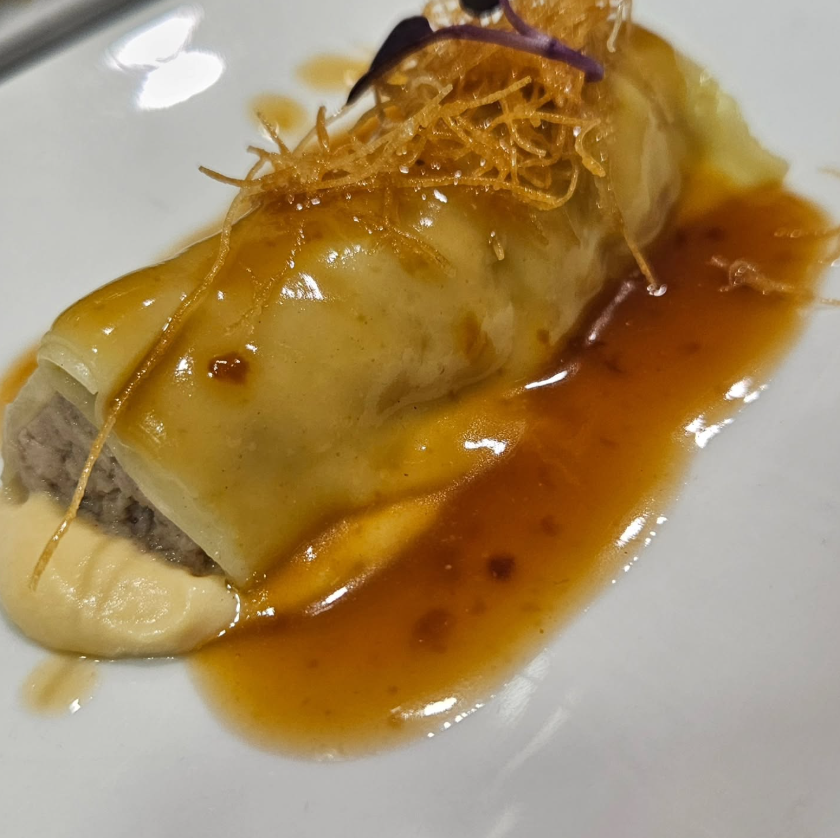
At a Glance
- Rustic
- Cozy
- Elegant
- Business Dinner
- Special Occasion
- Family
- Open Kitchen
- Extensive Wine List
- Sommelier Led
- Local Sourcing
Current opening hours
- Monday
- 10 AM–11 PM
- Tuesday
- 10 AM–5 PM
- Wednesday
- Closed
- Thursday
- 10 AM–11 PM
- Friday
- 10 AM–11 PM
- Saturday
- 12–11 PM
- Sunday
- 12–11 PM
Hours can change for holidays and private events. Last verified .
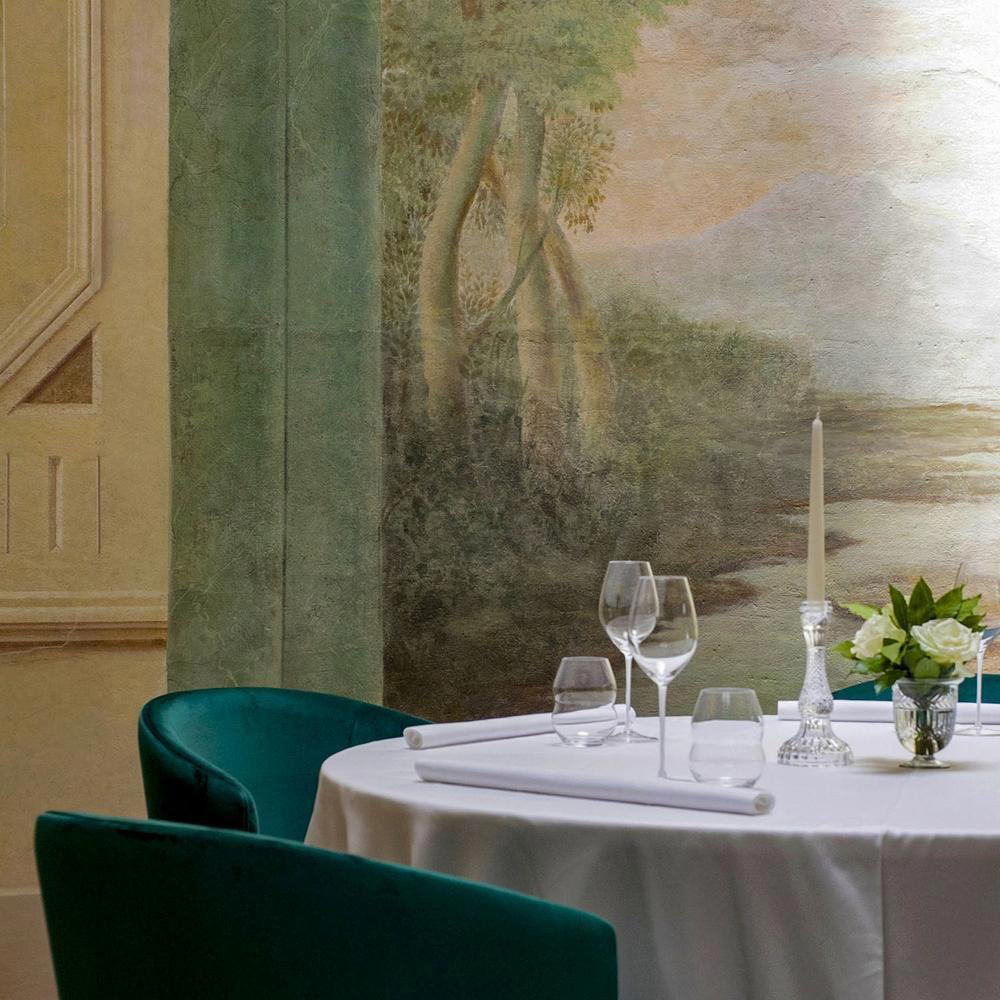
Warm and elegant atmosphere in the dining room with professional service, contrasting the casual bar entrance.