On Rue des Couteliers in central Toulouse, Brasserie & Brunch des Consuls occupies the accessible middle tier of a city that takes its table culture seriously. The format sits between neighbourhood bistro and weekend brunch destination, drawing on the ingredient traditions of the Occitanie region without the formality of the city's higher-end addresses. A practical, well-located option for those who want regional character without a set-menu commitment.
Pearl is the En Primeur Club membership app — saves, bookings, and concierge access live there. Same editors, same standards.
- Address
- 46 Rue des Couteliers, 31000 Toulouse, France
- Phone
- +33567161999
- Website
- hotel-lacourdesconsuls.com
- Directions
- Get directions
 Saves & bookings on Pearl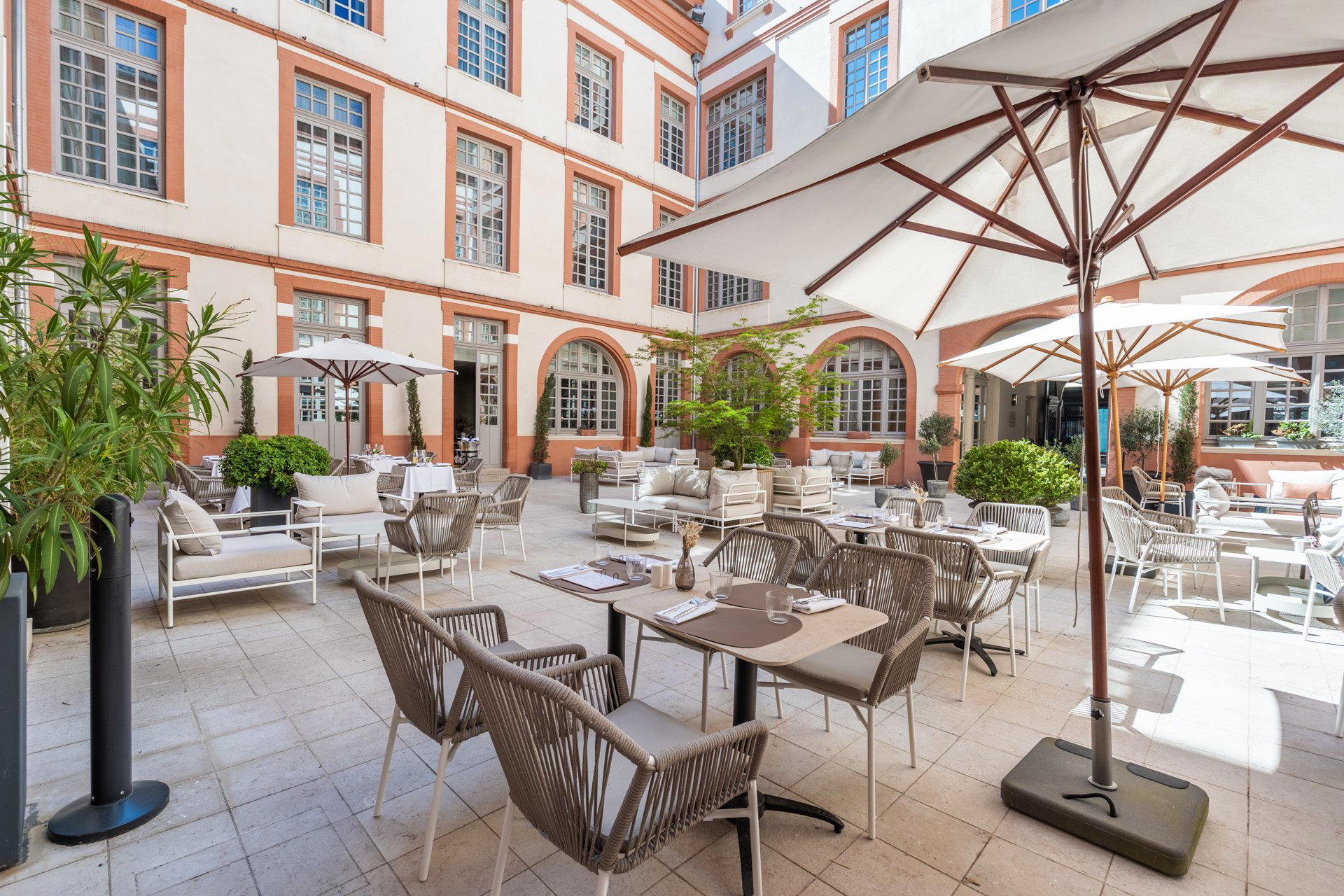
Where Toulouse Sits Down for the Middle of the Day
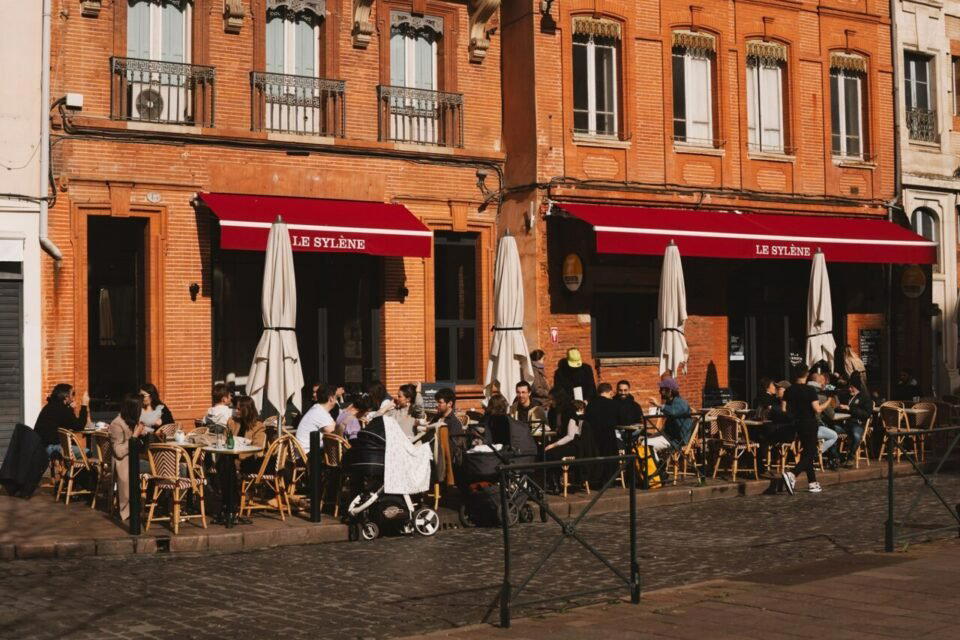
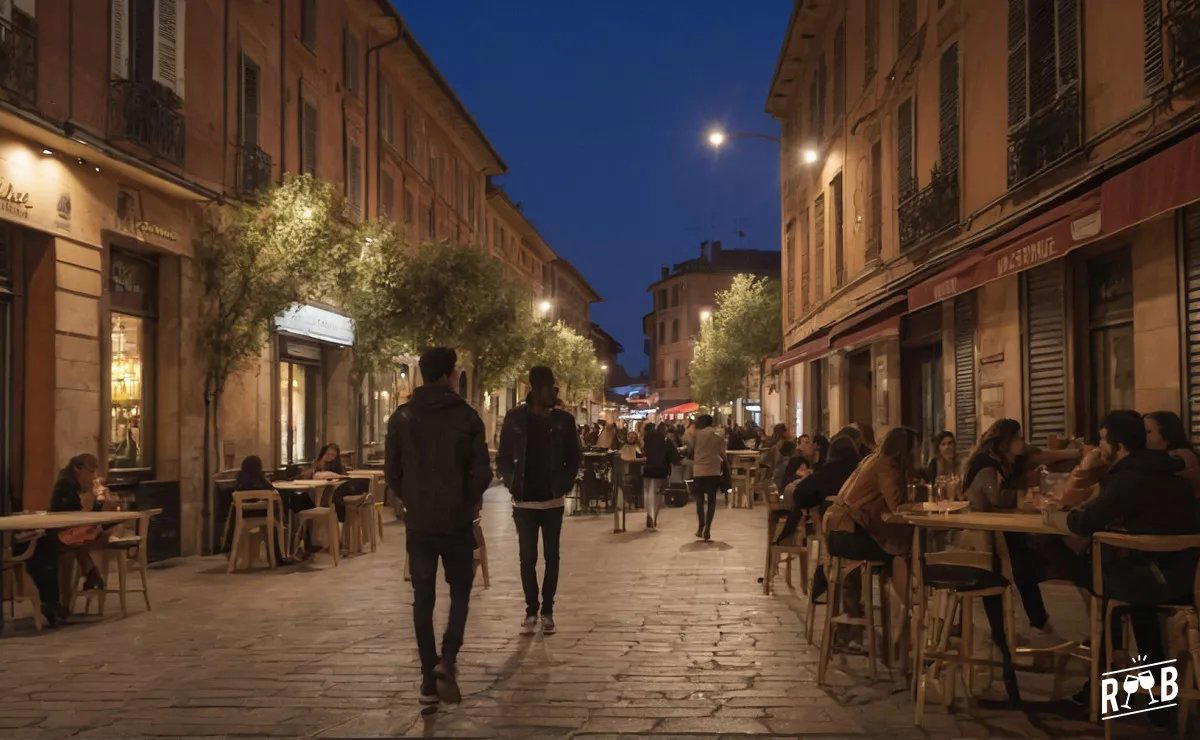
Rue des Couteliers runs through one of the older commercial quarters of central Toulouse, a street whose name traces back to the cutlers and craftsmen who once occupied its ground-floor workshops. That working-market DNA has not entirely left. The area still functions as a transitional zone between the tourist-facing place du Capitole and the quieter residential streets that push south toward the Garonne, and its restaurants tend to reflect that in-between character: less destination dining, more daily rhythm. Brasserie & Brunch des Consuls sits on that street at number 46, in a format that reads as deliberate positioning rather than default.
The brasserie-plus-brunch combination is not incidental. In French cities of this size, the brasserie format has historically served a different function than either the bistro or the gastronomic restaurant — it is the format of civic life, of newspaper-reading at zinc counters and three-course lunches between morning appointments. Toulouse has maintained that tradition more faithfully than Paris, where the brasserie has in many cases tipped into tourist spectacle. Here, the format retains a degree of local utility.
The Ingredient Logic of Occitanie
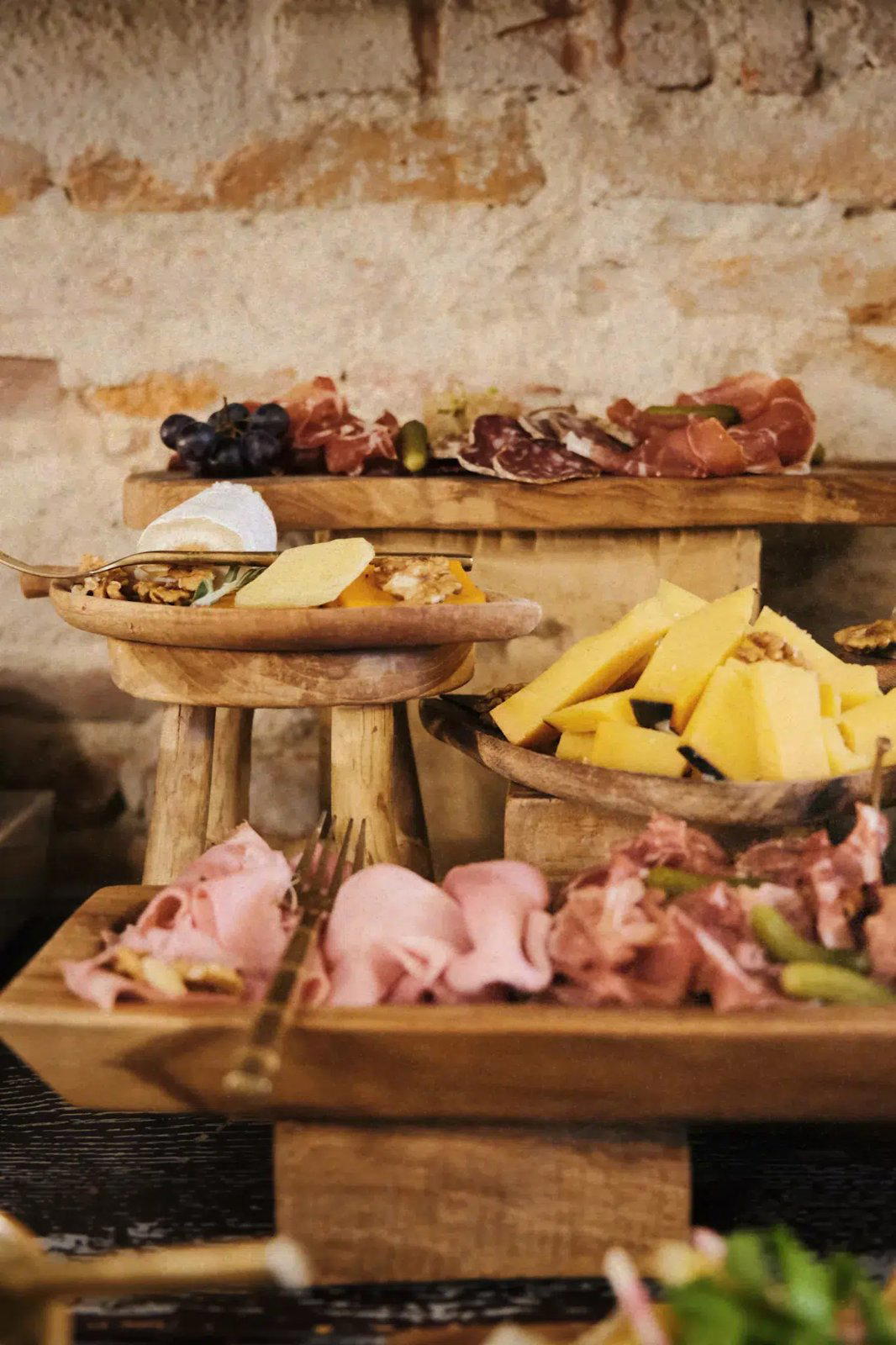
The deeper editorial argument for a venue like this sits in what the surrounding region produces. Occitanie, the administrative territory that takes in Toulouse and extends to the Mediterranean coast, is one of France's most agricultural regions by both surface area and variety. The area around Toulouse specifically contributes: Toulouse sausage, with its protected designation and pork-forward richness; duck and foie gras from the Gers, which lies immediately to the west; cheeses from the Aveyron, including Roquefort and the lesser-known but equally serious Laguiole, produced near the village that also hosts Bras in Laguiole, one of France's most closely watched high-altitude restaurants; and market vegetables from the Lauragais plain, a corridor of farmland east of the city that supplies much of the region's seasonal produce.
For a brasserie operating in this geography, the sourcing argument is not an aspirational marketing position — it is a baseline expectation. Diners in Toulouse are accustomed to knowing where their duck comes from. That regional familiarity creates a kind of informal accountability that shapes what venues in this price tier serve and how they present it. The comparison with Toulouse's higher-end addresses is instructive: Michel Sarran and Py-r both operate at the €€€€ tier with tasting menus that interpret the same regional ingredients through a more technical lens. Acte 2 Yannick Delpech and Agapes occupy the modern cuisine middle ground. Brasserie & Brunch des Consuls sits below that in formality and price, which is not a criticism, it reflects a different purpose.
Brunch as a Format, Not an Afterthought
The weekend brunch format has expanded across French cities over the past decade, partly driven by a younger urban demographic that imports eating habits from London and North American cities, and partly because it fills the mid-morning gap that traditional French service schedules leave open. In Toulouse specifically, the growth of the brunch circuit has been notable around the Saint-Aubin and Carmes neighbourhoods, with Rue des Couteliers adjacent to that energy.
What distinguishes the venues that do this format seriously from those that do not is whether the brunch menu draws on the same ingredient logic as the main kitchen or whether it defaults to generic continental assembly, packaged pastries, supermarket eggs, fruit that has spent a week in cold storage. In a city with the market access Toulouse has (the Victor Hugo covered market, considered among the most complete in southern France, operates year-round and sits within walking distance of this address), there is no logistical argument for the latter approach. The Saturday and Sunday morning markets also extend that access seasonally, with early summer bringing stone fruit from the Tarn valley and autumn opening the mushroom and walnut season from the Périgord to the north.
Brunch at this address, by its name and positioning, implies engagement with both the brasserie tradition and that weekend morning culture. Whether it executes the ingredient argument as well as the geography allows is the question worth asking on arrival, and the answer will likely determine whether it belongs in the same conversation as the more editorially validated mid-range addresses in our full Toulouse restaurants guide.
Toulouse in the Context of French Dining
Toulouse occupies a specific position in the hierarchy of French dining cities. It is not a capital with the institutional weight of Paris, where Alléno Paris au Pavillon Ledoyen operates at the summit of the French canon, nor does it have the alpine terroir arguments that underpin Flocons de Sel in Megève or the Mediterranean access that defines Mirazur in Menton. What it has is a dense and loyal food culture built around a specific set of regional products, and a population that dines out frequently and with genuine expectation.
That context matters when assessing what a brasserie on Rue des Couteliers is doing. The bar set by the city's own traditions, cassoulet slow-cooked for the better part of a day, confits rendered from ducks raised on maize within forty kilometres of the kitchen, is not a low bar. It is a historically specific one. Venues that meet it, even without Michelin validation or the critical attention given to destination tables like Troisgros in Ouches or Auberge de l'Ill in Illhaeusern, are doing something worth documenting. The modern cuisine tier in Toulouse, represented by addresses like SEPT, has earned editorial attention by engaging seriously with those regional materials. The question for a brasserie at this address is whether it earns the same respect at a lower price point and a more relaxed format.
Planning Your Visit
The address at 46 Rue des Couteliers places the venue within easy walking distance of the place du Capitole and the Saint-Georges district. Toulouse is compact enough in its historic centre that most visitor accommodation puts this within fifteen minutes on foot. Weekend brunch formats in French cities typically run from around ten or eleven in the morning through early afternoon, and those windows fill quickly at addresses that have established weekend regulars. Arriving without a reservation on a Saturday or Sunday carries meaningful risk during spring and autumn, when the city's market season is in full operation and local dining culture is at its most active. Those two seasons, roughly April through June and September through November, represent the strongest alignment between what the regional markets offer and what a kitchen drawing on Occitanie ingredients can do at its most coherent.
How Brasserie & Brunch des Consuls Toulouse compares with similar nearby venues.
| Venue | Cuisine | Price |
|---|---|---|
| Le Cénacle | Modern Cuisine | €€€€ |
| Py-r | Creative | €€€€ |
Continue exploring
More in Toulouse
Restaurants in Toulouse
Browse all →
Bars in Toulouse
Browse all →
Hotels in Toulouse
Browse all →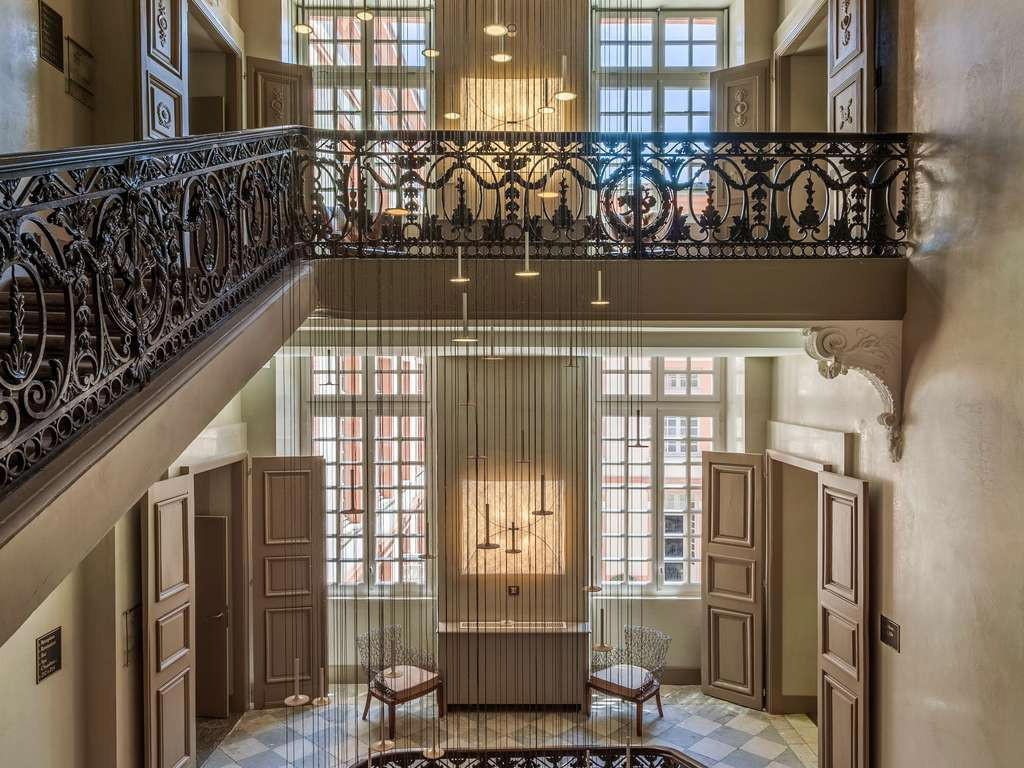
Wineries in Toulouse
Browse all →

At a Glance
- Cozy
- Elegant
- Classic
- Intimate
- Brunch
- Casual Hangout
- Terrace
- Historic Building
- Hotel Restaurant
Current opening hours
- Monday
- 12–10 PM
- Tuesday
- 12–10 PM
- Wednesday
- 12–10 PM
- Thursday
- 12–10 PM
- Friday
- 12–10 PM
- Saturday
- 12–10 PM
- Sunday
- 3–10 PM
Hours can change for holidays and private events. Last verified .
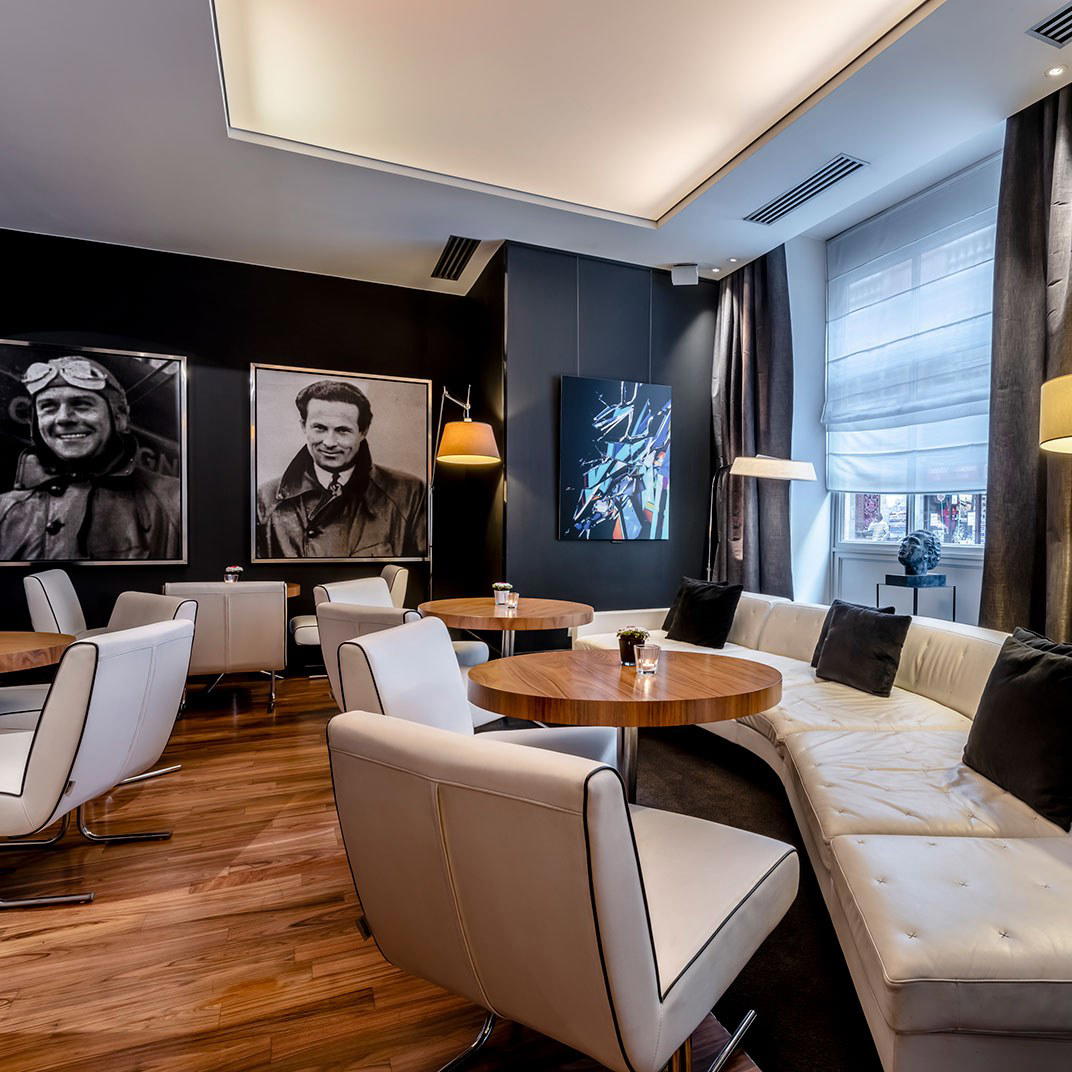
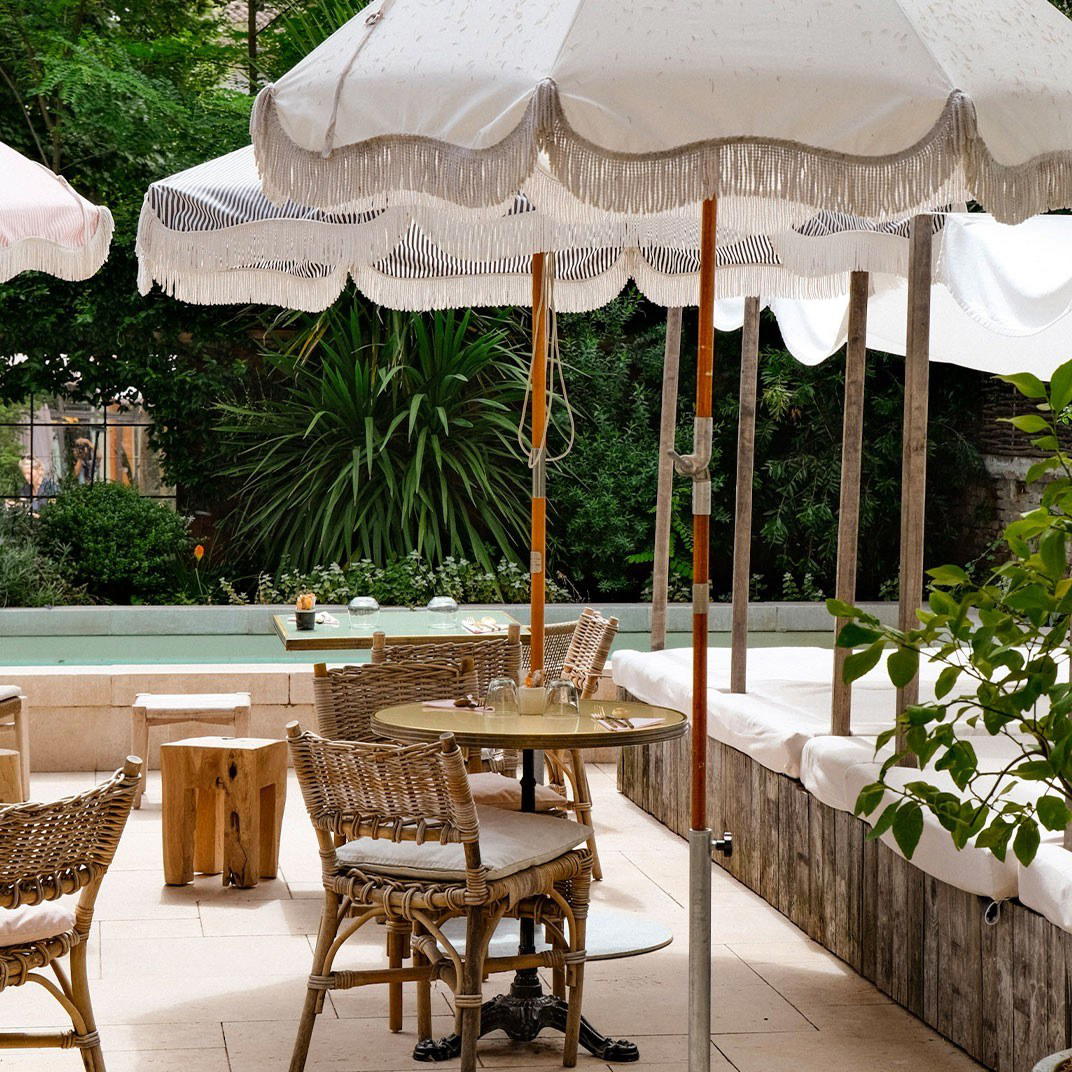
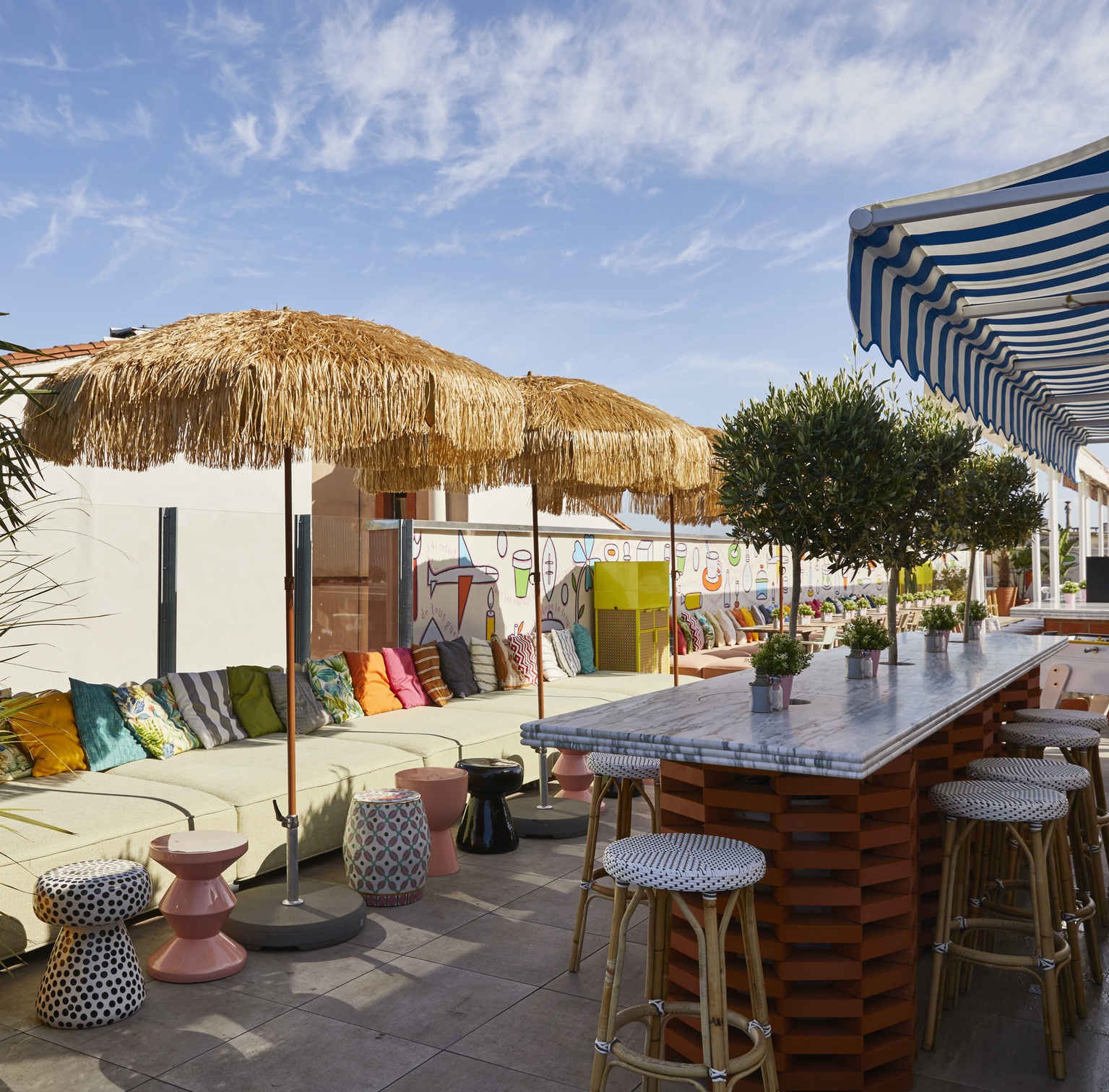
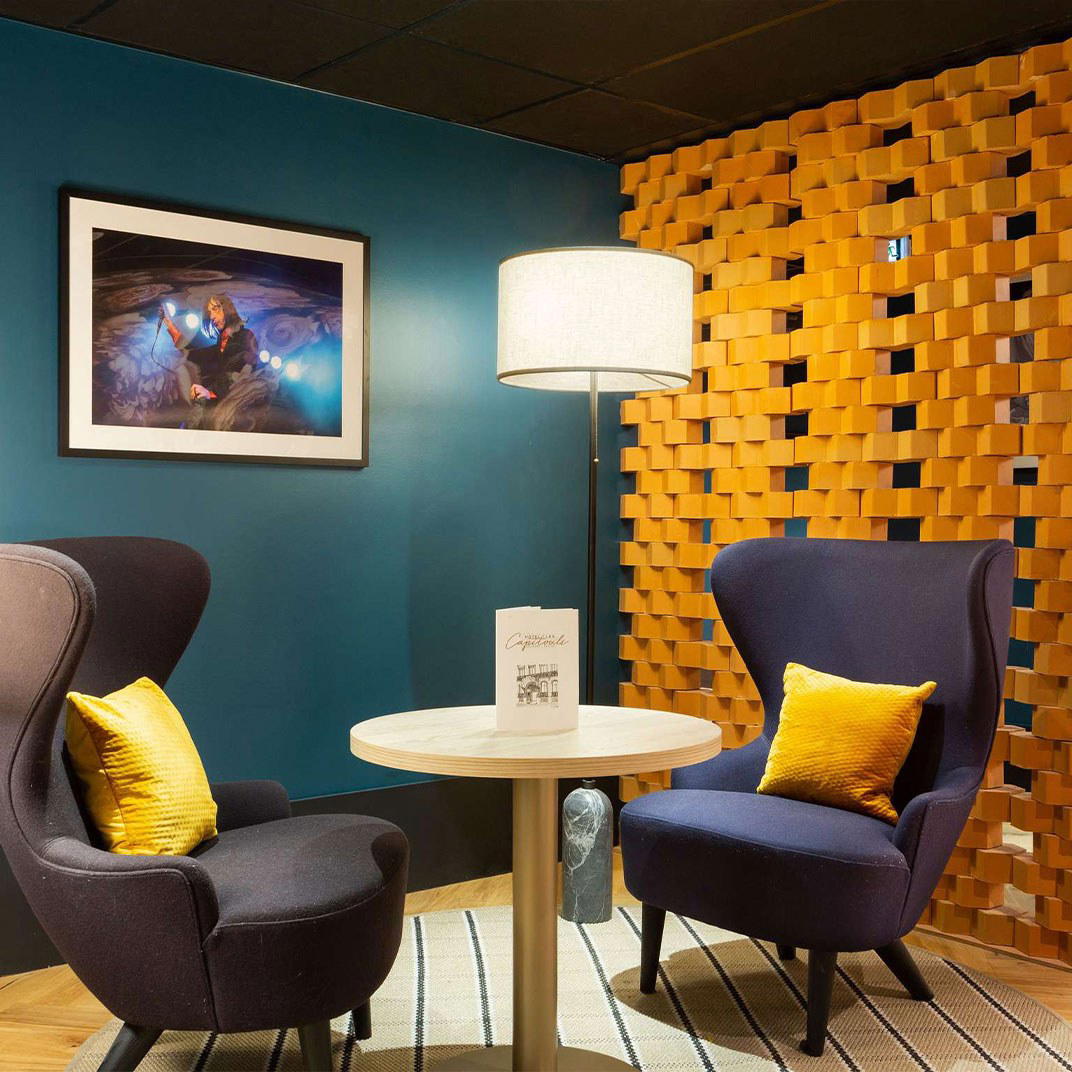
Warm, inviting clublike setting with comfortable chesterfield sofas, green leather, historic elegance, hushed intimate atmosphere, and refined courtyard terrace.
Know Before You Go
- Getting there
- 46 Rue des Couteliers, 31000 Toulouse, France