Auberge Le Bouc Bleu


Michelin Plate · Star Wine List
Our verdict
In the wine village of Beblenheim, Auberge Le Bouc Bleu brings together a market-driven kitchen and a sommelier with deep Alsatian roots. The cooking is generous and bold, anchored in seasonal sourcing, and the wine list reflects the region's vinous depth at a price point that makes this one of the more compelling tables in the Haut-Rhin. Michelin has awarded the Plate in both 2024 and 2025.

Pearl is the En Primeur Club membership app, where members save venues, book tables and use the concierge.
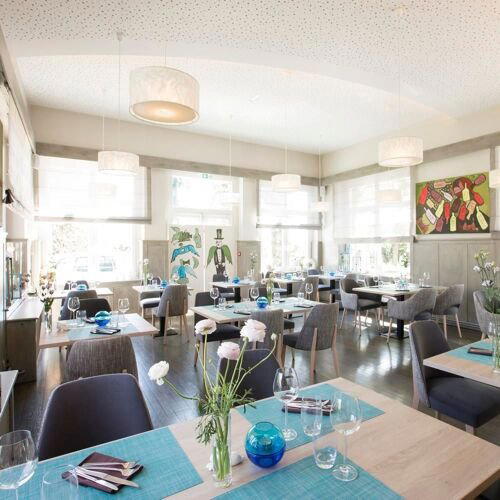
A Village Auberge in the Heart of Alsace Wine Country
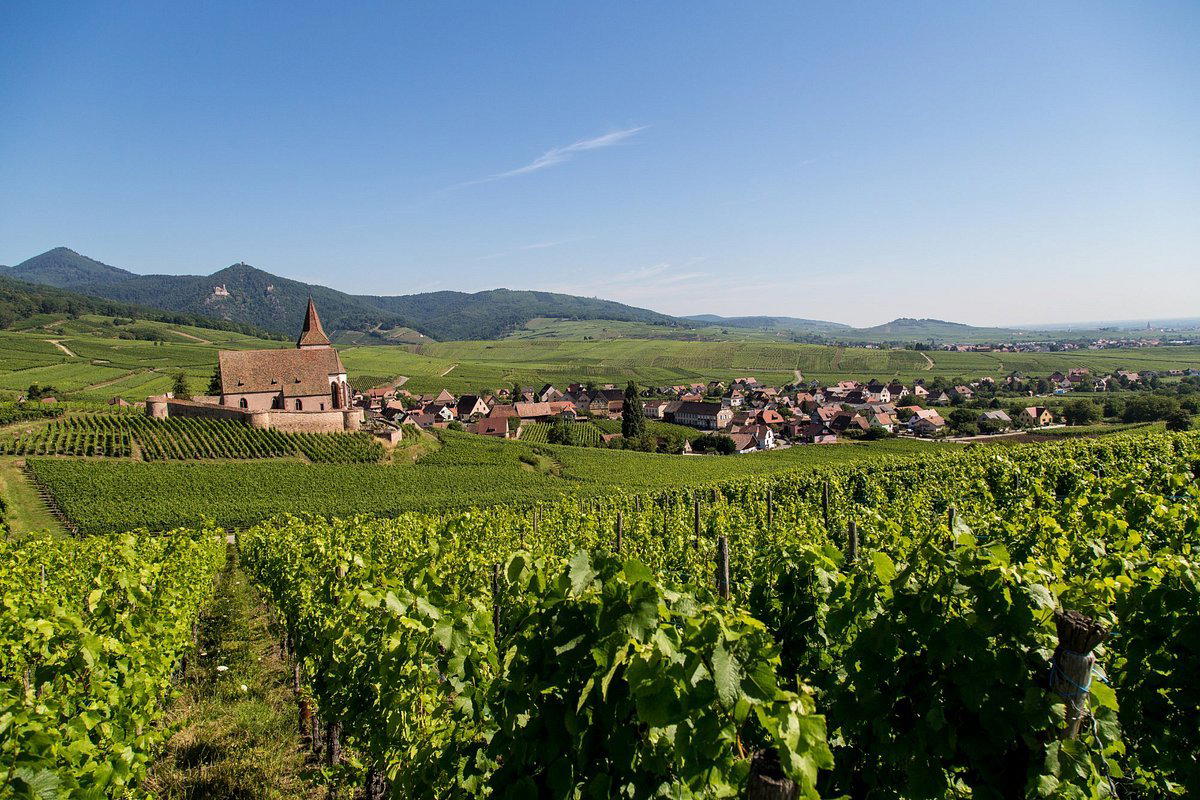
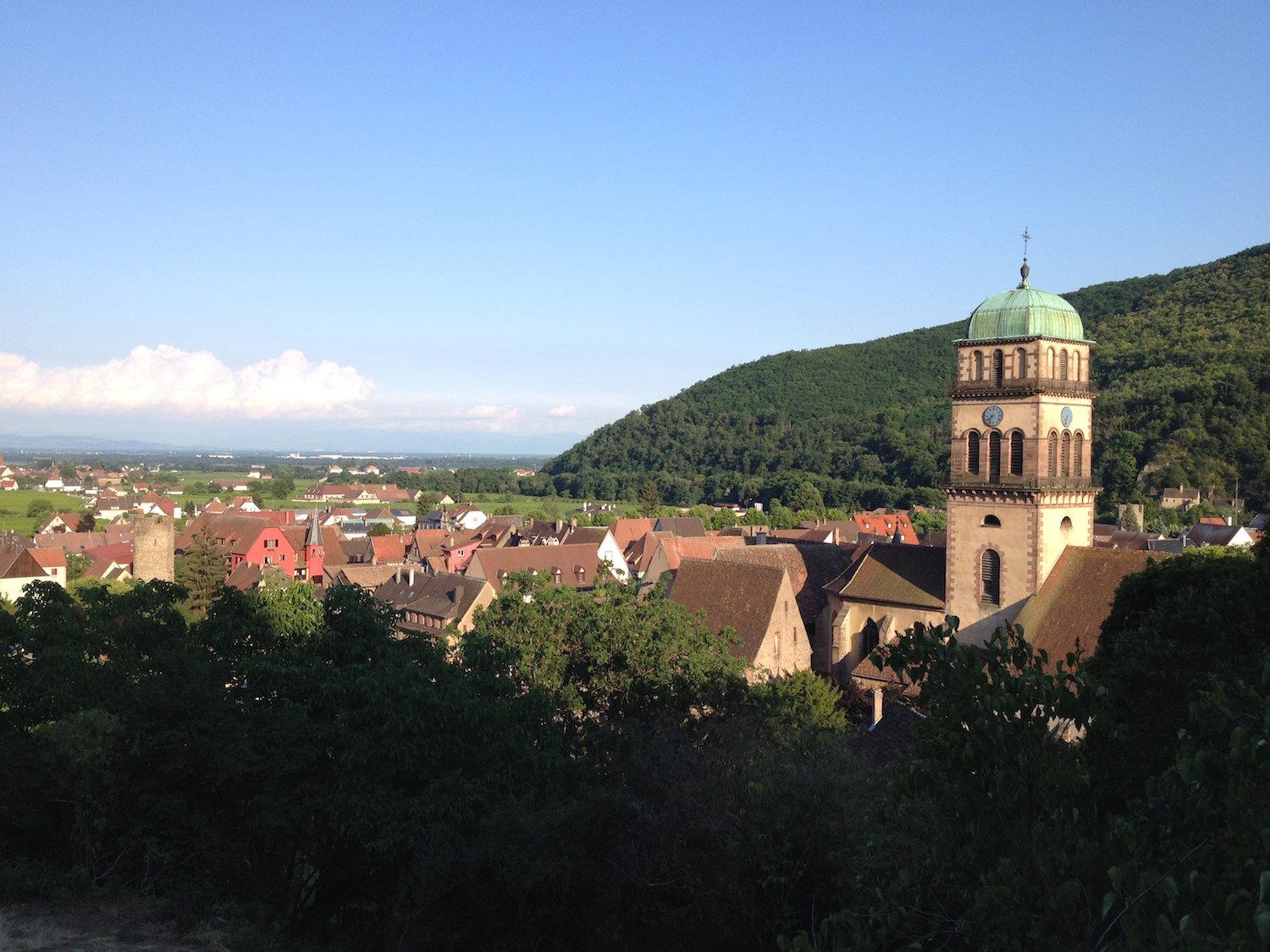
Beblenheim sits on the Alsace Wine Route, a compact village pressed between the Vosges foothills and a ribbon of grand cru vineyards. The village draws visitors who come for Alsatian Riesling and Gewurztraminer, not for marquee restaurant culture, which is precisely what makes Auberge Le Bouc Bleu worth understanding on its own terms. In a region where the most talked-about fine dining rooms tend to cluster around Colmar or further north toward Strasbourg, see Au Crocodile in Strasbourg or Auberge de l'Ill in Illhaeusern, Le Bouc Bleu represents a different kind of proposition: serious cooking planted firmly in village scale, at a price range (€€) that keeps it accessible without softening its ambitions.
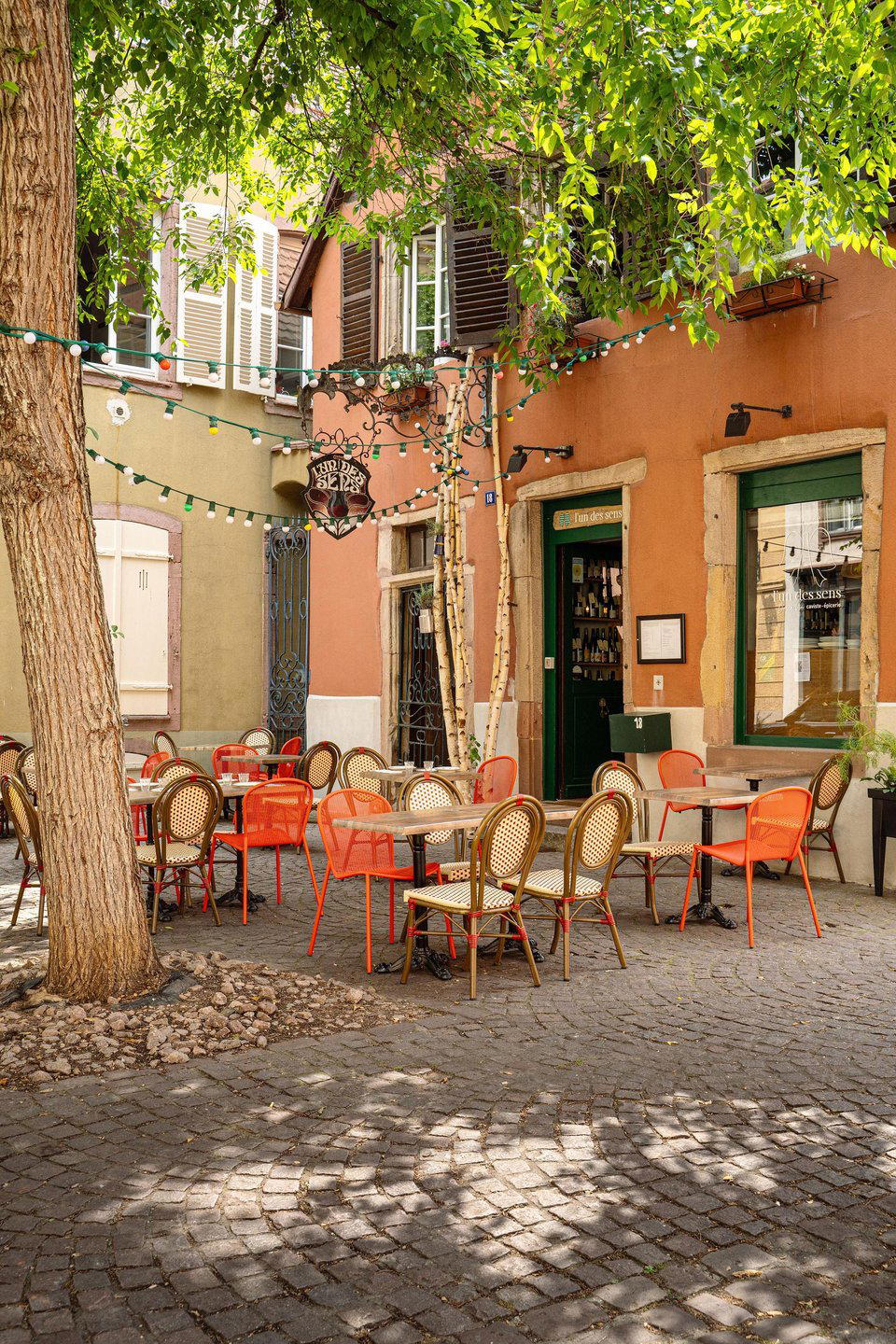
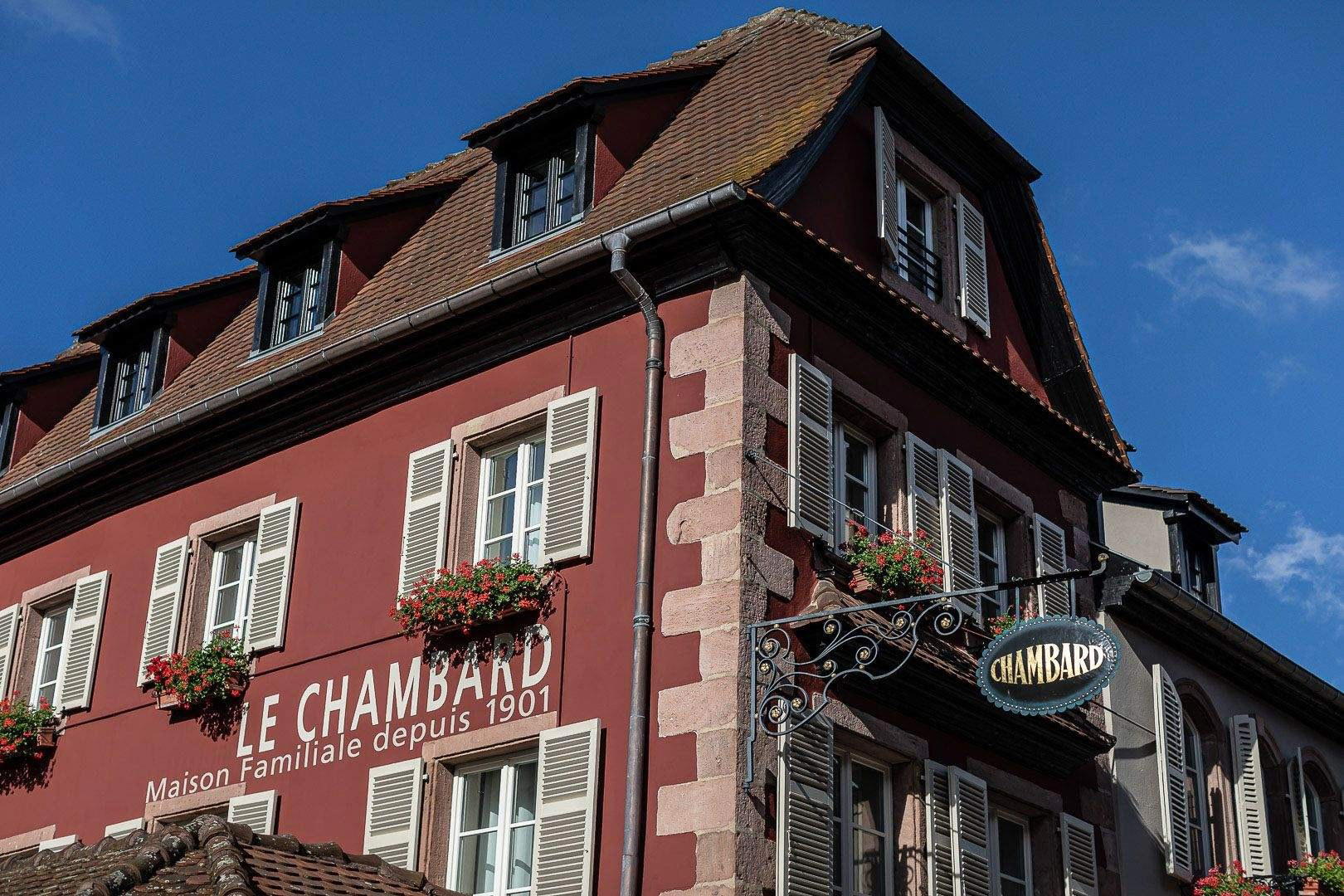
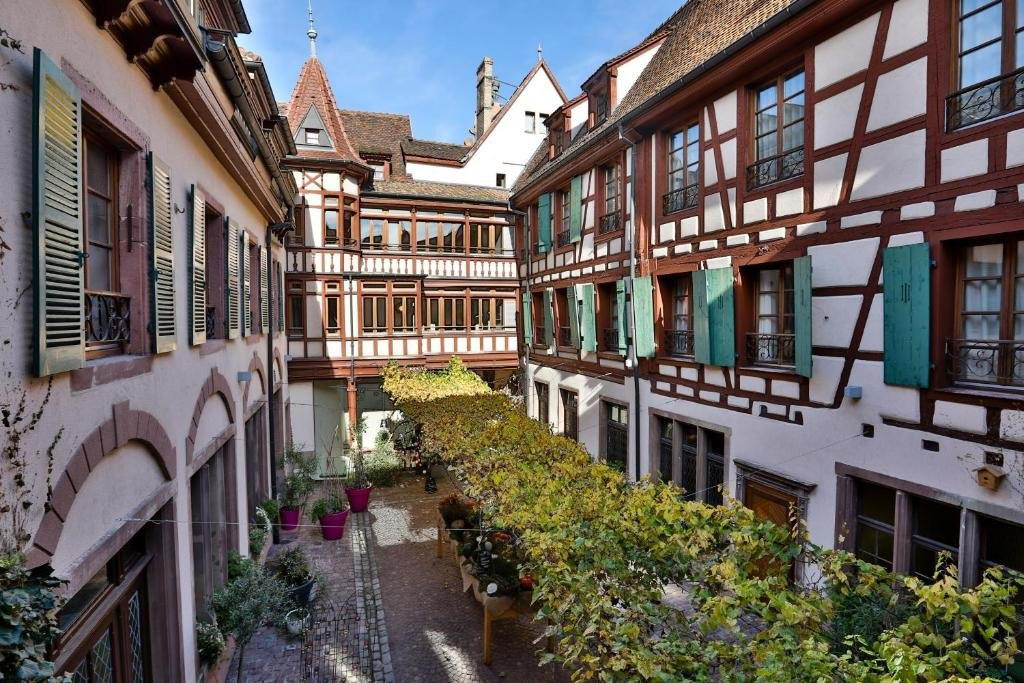
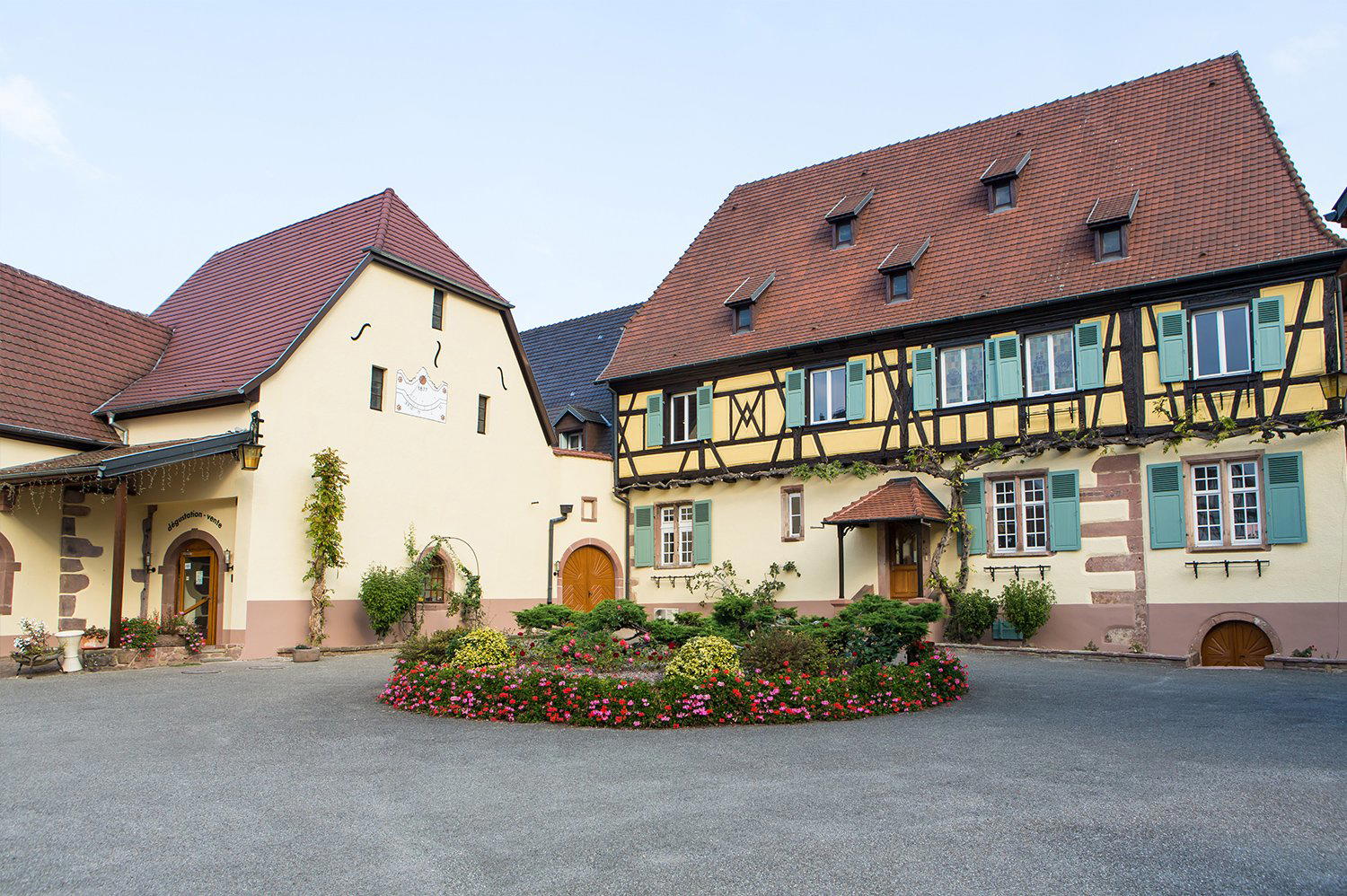
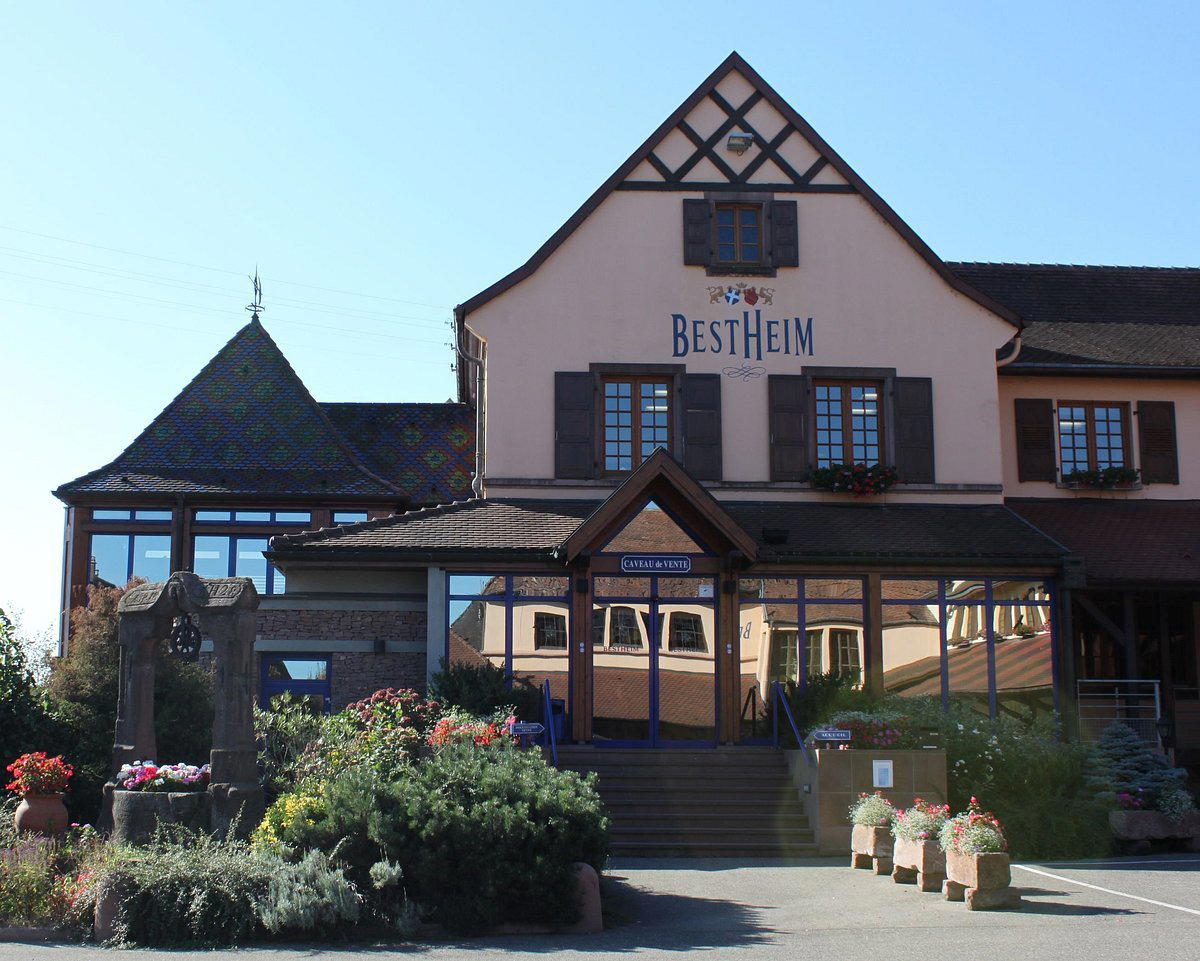
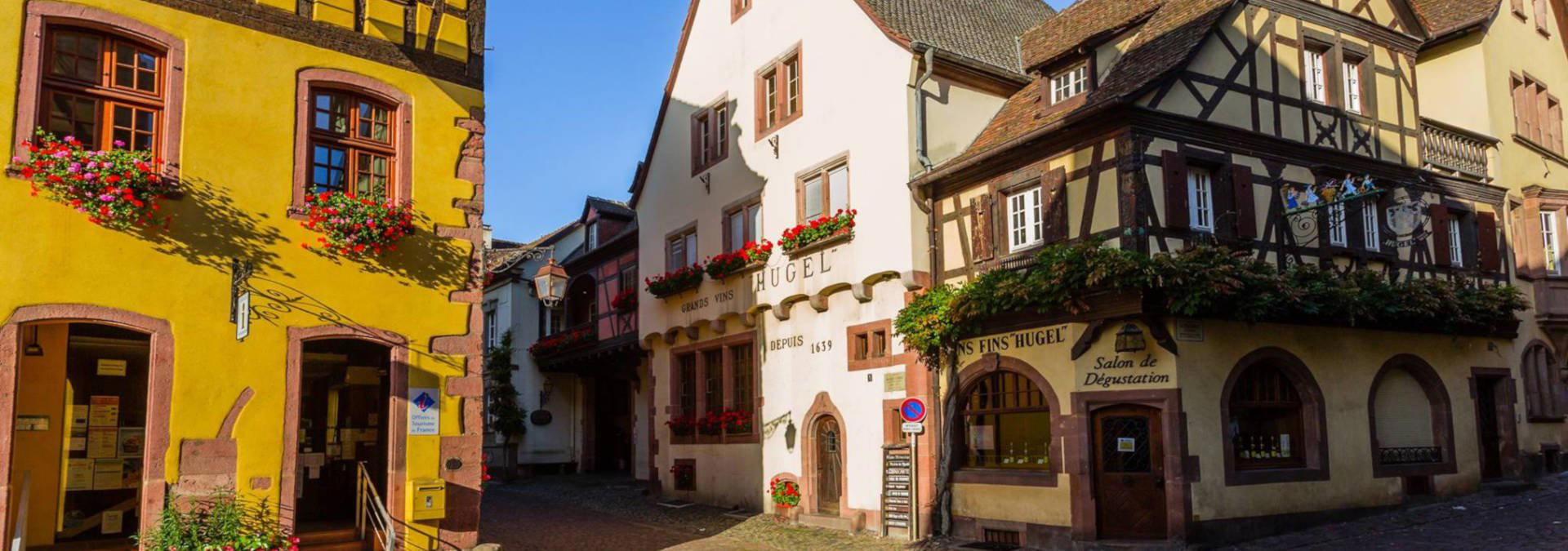
The address on Rue du 5 Décembre places it at the centre of Beblenheim, the kind of village-square setting common to Alsatian auberges, half-timbered facades, narrow streets, and a rhythm of life organised around the wine harvest. Approaching on foot, the scale signals immediately that this is not a destination restaurant in the conventional sense of formal pilgrimage. What it offers instead is the kind of embedded village table that Alsace has historically produced better than almost any other French region: rooted, seasonal, and shaped by what growers and producers nearby can supply.
Market-Driven Cooking with Regional Conviction
Across France's most respected kitchens, from Mirazur in Menton to Bras in Laguiole, proximity to source has become a defining marker of seriousness. The argument is not romantic: produce that travels shorter distances arrives in better condition, and chefs who build relationships with local suppliers gain access to varieties and preparations unavailable through wholesale channels. At Le Bouc Bleu, this sourcing logic sits at the centre of the kitchen's identity. The head chef, Romain Hertrich, works with what the market provides, producing cooking described in the awards record as generous and bold, language that points toward confident seasoning and portion honesty rather than minimalist restraint.
Alsatian market-driven cuisine has a distinct seasonal grammar. Spring brings white asparagus from the Rhine plain, a regional obsession that Alsatian chefs approach with the same seriousness that Burgundians bring to their first morels. Autumn shifts toward game, choucroute-adjacent preparations, and the fermented and cured traditions that define the region's larder. A kitchen committed to following that calendar produces menus that change genuinely with the season, not ones that gesture toward seasonality while anchoring on year-round staples. Hertrich's approach, as framed in the awards data, reflects that kind of market responsiveness, a format that France's broader fine dining tier, from Flocons de Sel in Megève to Troisgros in Ouches, treats as foundational.
Two Romains: Kitchen and Cellar in Conversation
The awards description for Le Bouc Bleu is specific about its structure: the kitchen is led by Romain Hertrich; the cellar is led by Romain Lambert, the sommelier, described as the son of a winemaker. That combination matters more in Alsace than in most French wine regions. Alsace produces one of France's most complex white wine portfolios, Riesling, Gewurztraminer, Pinot Gris, and Muscat across a mosaic of terroirs, with grand cru designations that carry real meaning when a sommelier has grown up among them. Lambert's background gives the wine program a grounding that goes beyond list curation. It connects the cellar to the producers whose grapes grew a few kilometres away, and it positions the food-and-wine pairing conversation on native ground.
In the broader French restaurant tier, the relationship between kitchen and sommelier defines the experience more than any single element. At rooms like Assiette Champenoise in Reims or AM par Alexandre Mazzia in Marseille, wine programs are built to mirror and extend the kitchen's language. At Le Bouc Bleu, the mirror is specifically Alsatian, the cellar's depth in local producers and vintages functions as an extension of the same regional sourcing logic that drives the kitchen.
Michelin Recognition and the Village Table Tier
Michelin awarded Le Bouc Bleu a Plate in both 2024 and 2025. The Plate designation, introduced in 2016, signals quality cooking without rising to Bib Gourmand or star level, it identifies kitchens that Michelin considers worth noting. In the context of a small Alsatian village restaurant operating at €€ pricing, consistent Plate recognition across two consecutive years points to a kitchen that maintains standards rather than peaking for review cycles.
The broader Alsace dining tier produces multiple levels of ambition. At the regional apex, rooms like Auberge de l'Ill in Illhaeusern operate at a different altitude and price point. Le Bouc Bleu occupies a distinct position: village-rooted, accessibly priced, and built around a sourcing model that reflects the same values as more decorated French kitchens, just expressed at a scale that fits Beblenheim rather than a destination restaurant market. For context on how that French fine dining spectrum operates, compare with Paul Bocuse in Collonges-au-Mont-d'Or or Alléno Paris au Pavillon Ledoyen, different tier entirely, but part of the same French culinary tradition that values ingredients, technique, and regional identity.
Planning a Visit
Le Bouc Bleu is located at 2 Rue du 5 Décembre in Beblenheim, within the village centre. Beblenheim sits on the D1B wine route, accessible by car from Colmar in approximately fifteen minutes. The price range (€€) places it at the approachable end of Alsatian dining, expect a meal in line with what a quality village auberge commands in the Haut-Rhin, rather than the higher tariffs of starred regional destinations. Given the market-driven format, visiting in a pronounced season, late spring for the asparagus period, or autumn for game and harvest-adjacent preparations, will likely produce the most regionally coherent menu. Booking in advance is advisable, particularly on weekends, as a small village room with a recognised reputation fills quickly during the wine route's busiest months.
For broader planning in the area, see our full Beblenheim restaurants guide, our full Beblenheim hotels guide, our full Beblenheim bars guide, our full Beblenheim wineries guide, and our full Beblenheim experiences guide. For international reference points in the modern cuisine category, the formats at Frantzén in Stockholm and FZN by Björn Frantzén in Dubai illustrate how market-driven sourcing translates across very different culinary contexts. Closer to home, Auberge du Vieux Puits in Fontjoncouse offers a useful comparison: a village auberge format taken to starred ambition, showing what the format can sustain at its most committed.
Frequently asked questions
What price level is Auberge Le Bouc Bleu?
Pricing at Auberge Le Bouc Bleu is listed as €€.
Where is Auberge Le Bouc Bleu in Beblenheim?
Auberge Le Bouc Bleu is located at 2 Rue du 5 Décembre, 68980 Beblenheim, France, Beblenheim.
Comparison Snapshot
| Venue | Cuisine | Price | Awards | Notes |
|---|---|---|---|---|
| Auberge Le Bouc BleuThis venue (the venue you are viewing) | Modern French Fine Dining | $50–100 | Michelin Plate · Star Wine List | Not listed |
| Alléno Paris au Pavillon Ledoyen | Modern French Fine Dining | $150–200 | 3 Michelin Stars · World's 50 Best #79 | Creative |
| Kei | Contemporary French, Modern Cuisine | Not listed | Michelin 3 Star | Not listed |
| L'Ambroisie | Classic French Haute Cuisine | $300–500 | 2 Michelin Stars · World's 50 Best #23 | French, Classic Cuisine |
| Le Cinq - Four Seasons Hôtel George V | Modern French Fine Dining | $300–500 | 3 Michelin Stars · World's 50 Best #24 | French, Modern Cuisine |
| Plénitude | Modern French Sauce-Led Fine Dining | $300–500 | 3 Michelin Stars · World's 50 Best #14 | Contemporary French |
Recognition history
Dated appearances from independent guides and award organizations, with the underlying list record or original source where available.
Michelin Plate
Michelin
Star Wine List
Star Wine List
Full recognition history (4 entries)
Michelin Plate
Michelin
Michelin Plate
Michelin
Continue exploring
More in Beblenheim
Restaurants in Beblenheim
All restaurants in Beblenheim →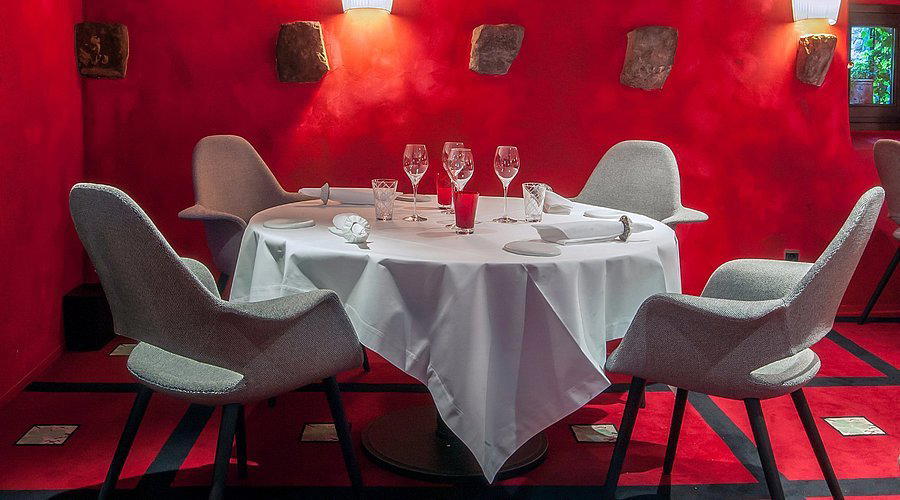
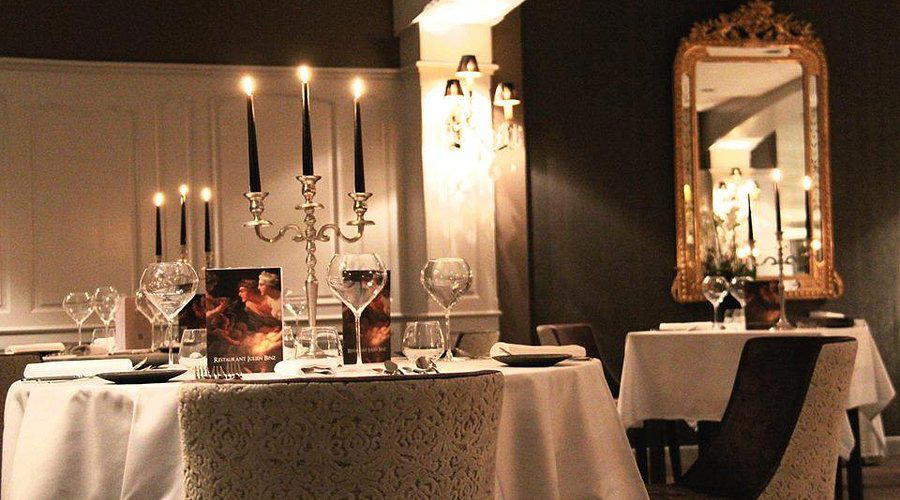
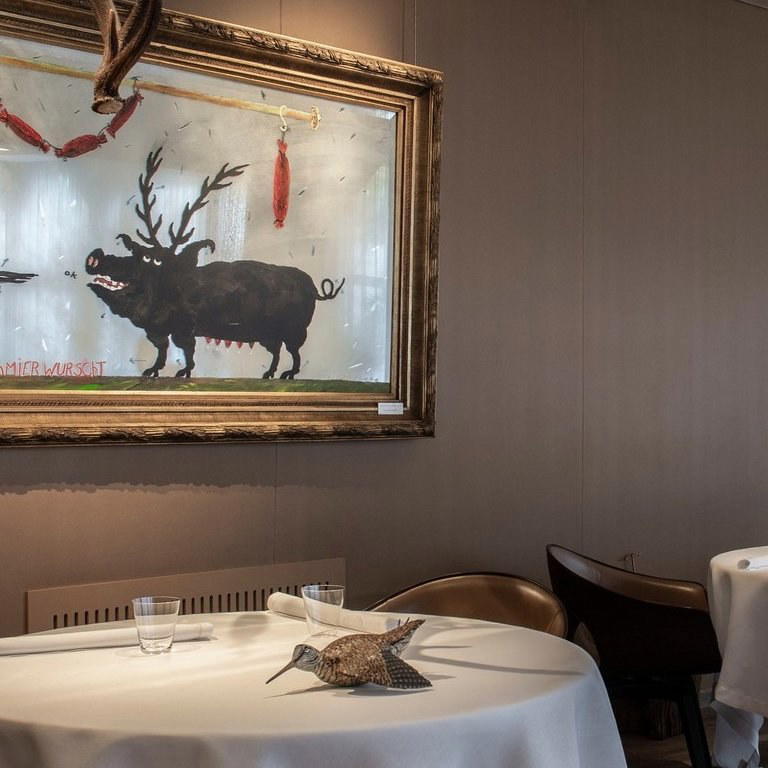
Bars in Beblenheim
Browse all →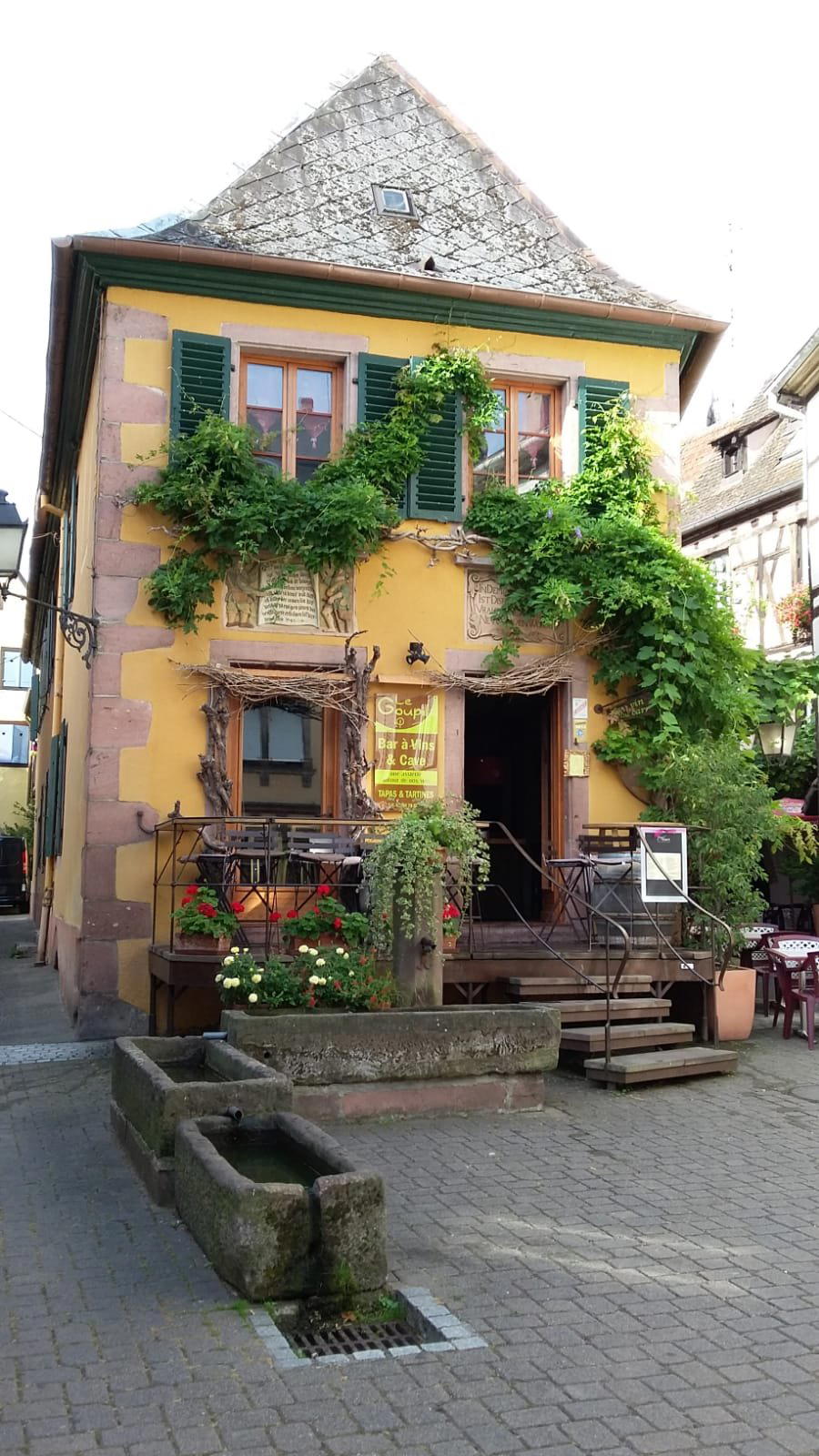
Details
- Cozy
- Intimate
- Elegant
- Rustic
- Sophisticated
- Date Night
- Special Occasion
- Terrace
- Extensive Wine List
- Sommelier Led
- Local Sourcing
- Organic
- Prix Fixe
- Tasting Menu
- Vegetarian Friendly
- Allergy Accommodating
Current opening hours
- Monday
- 12–1:45 PM, 7–8:30 PM
- Tuesday
- 12–1:45 PM, 7–8:30 PM
- Wednesday
- Closed
- Thursday
- 12–1:45 PM
- Friday
- 12–1:45 PM, 7–8:30 PM
- Saturday
- 12–1:45 PM, 7–8:30 PM
- Sunday
- 12–1:45 PM
Hours can change for holidays and private events. Hours as of .
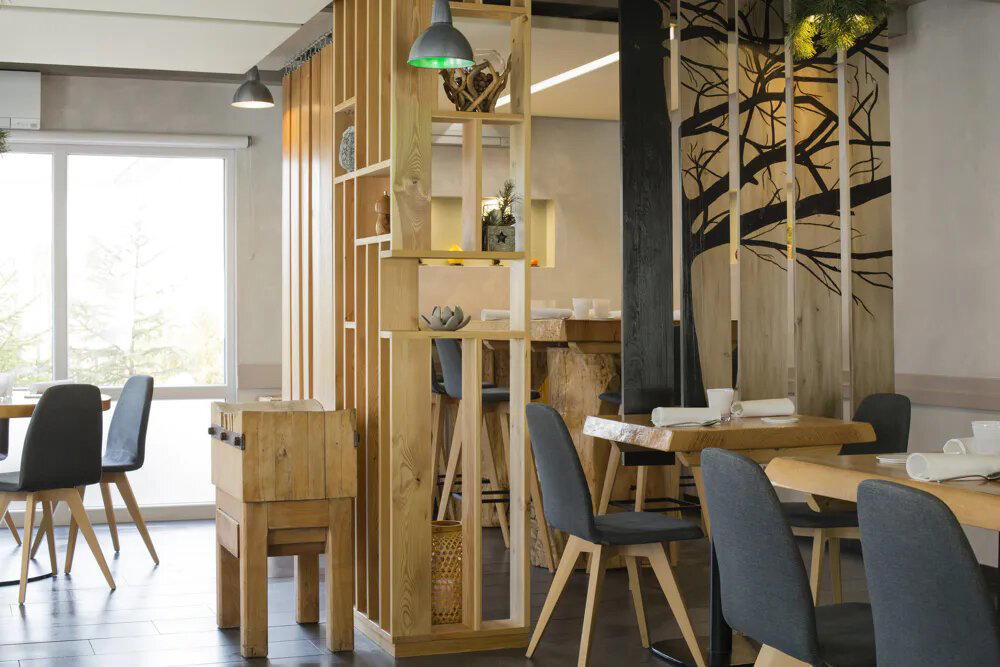
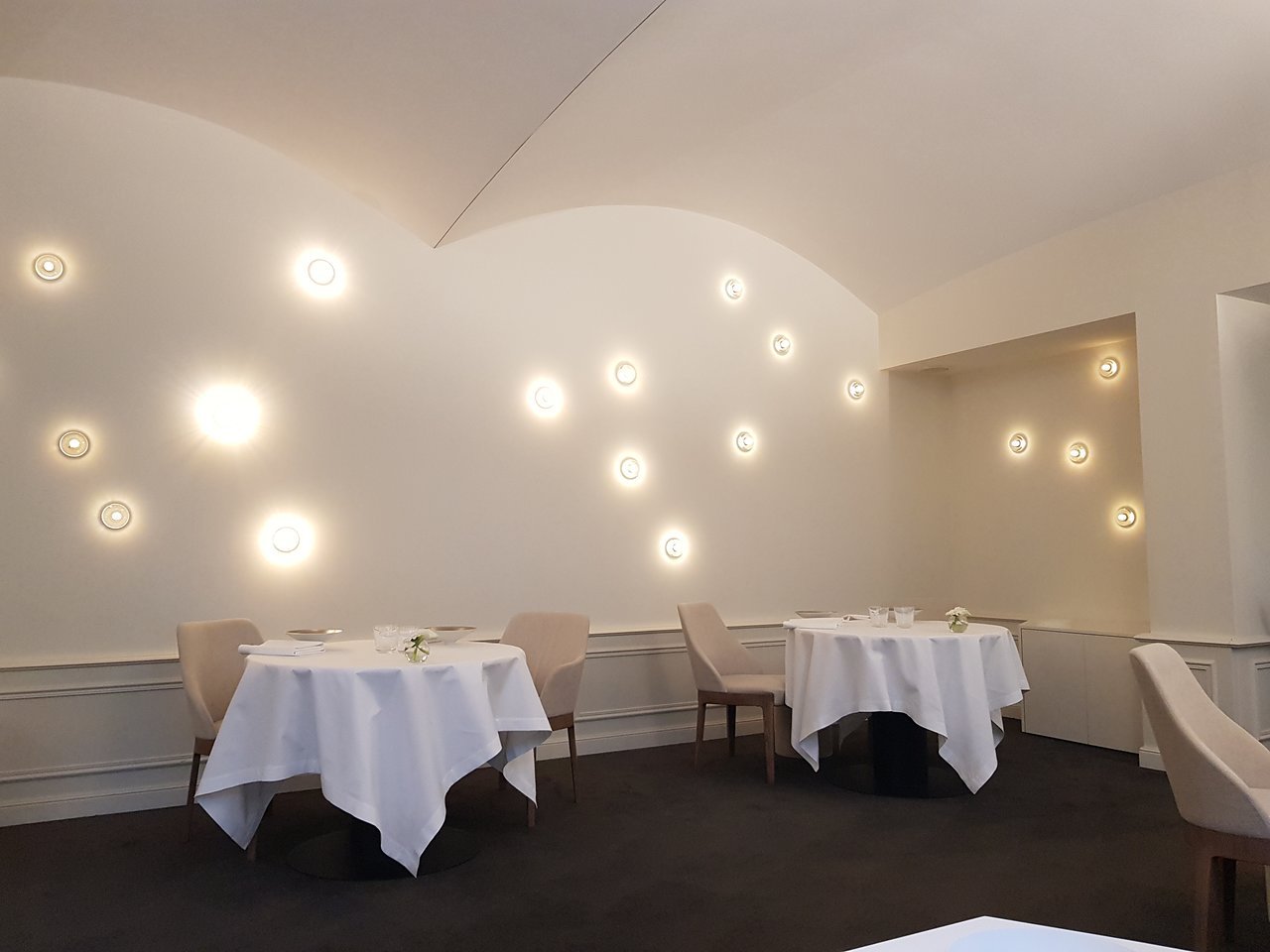
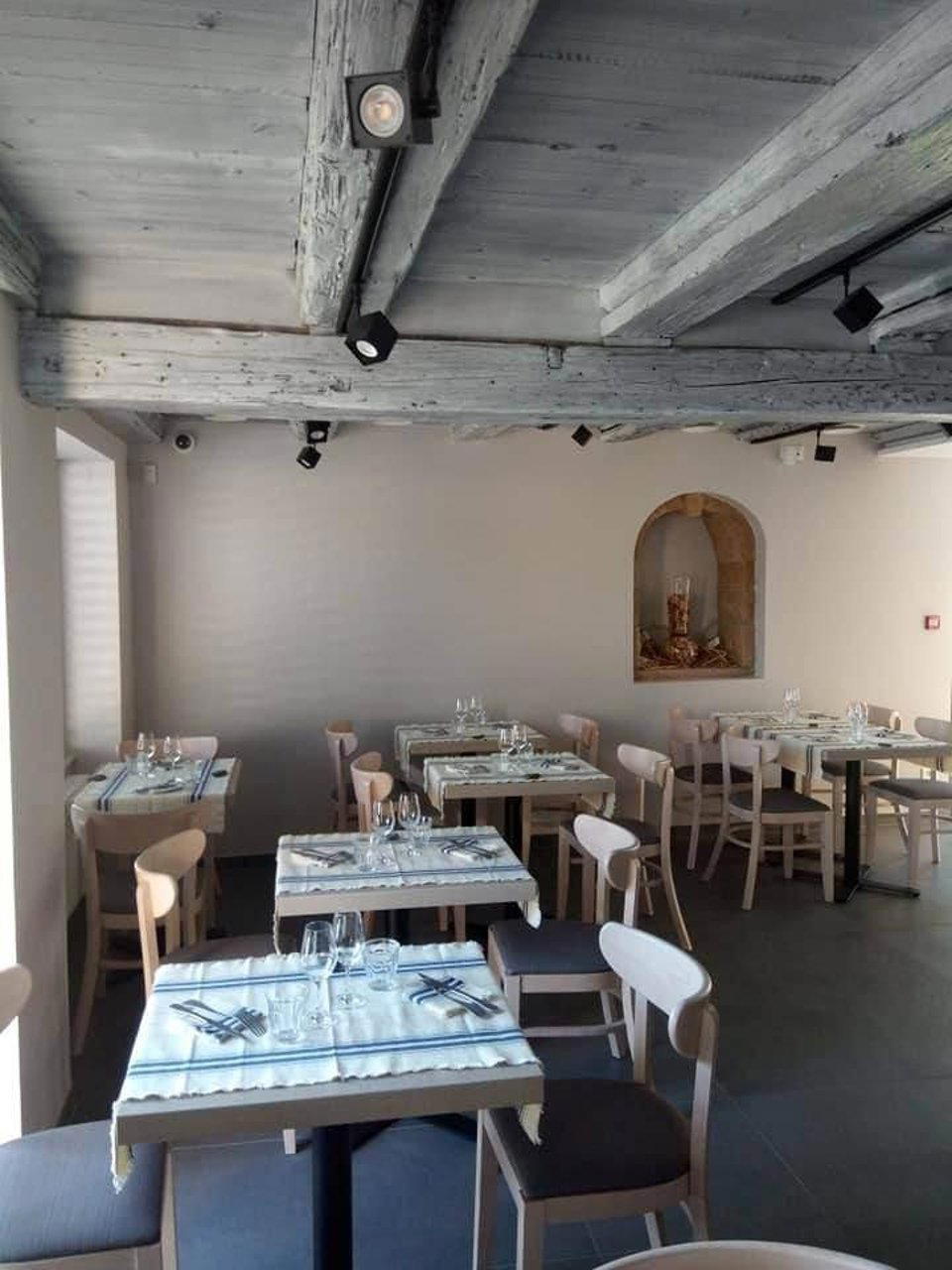
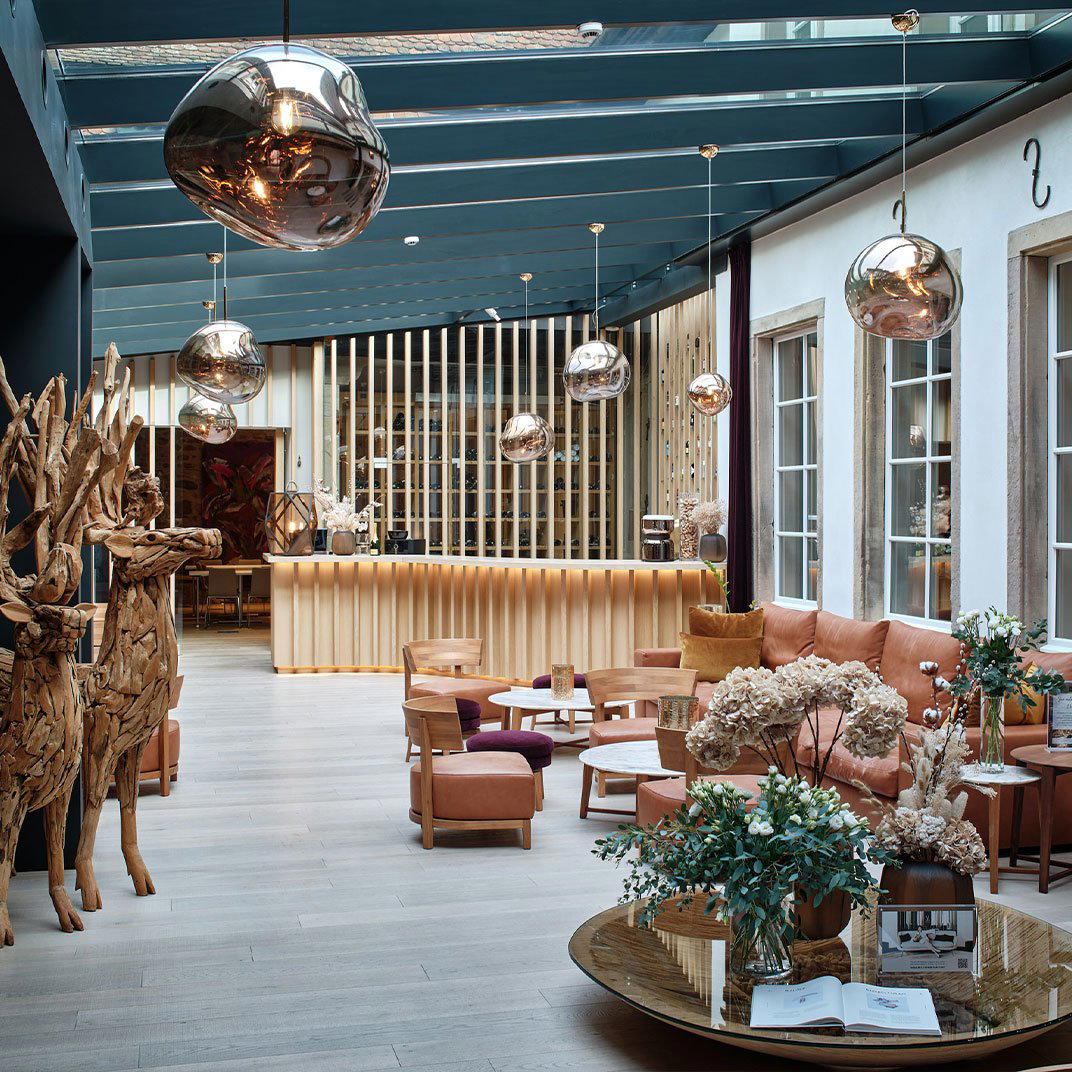
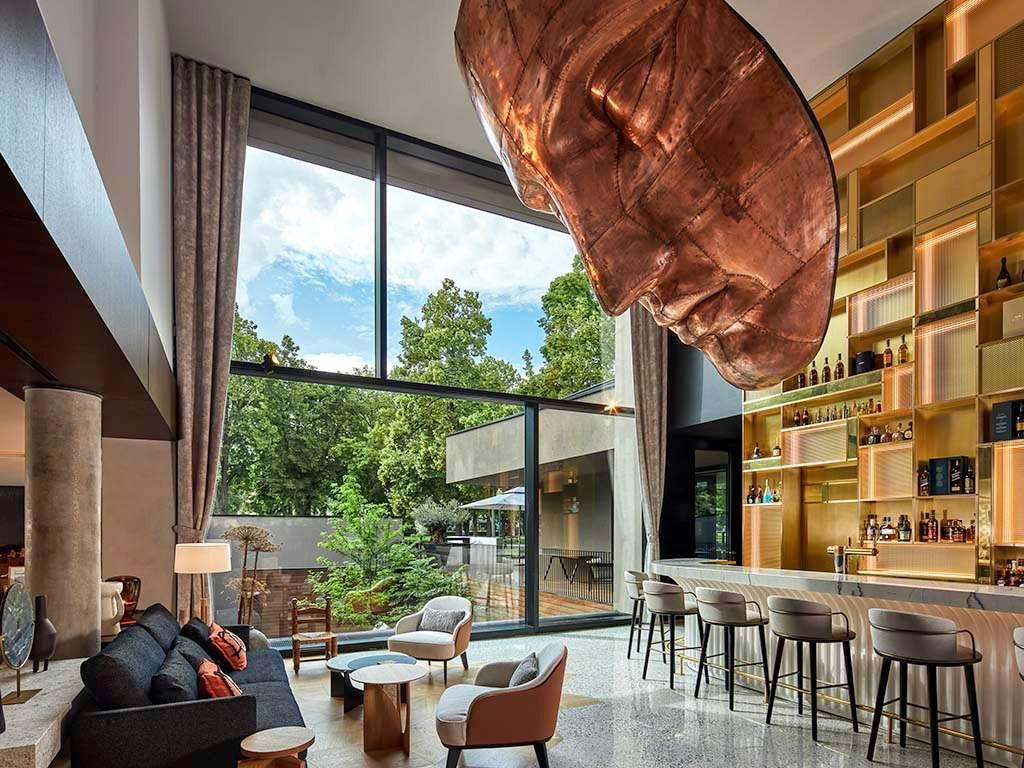
Cozy and sophisticated intimate space in a traditional half-timbered setting with modern decor, praised for its warm, welcoming atmosphere.