Our verdict
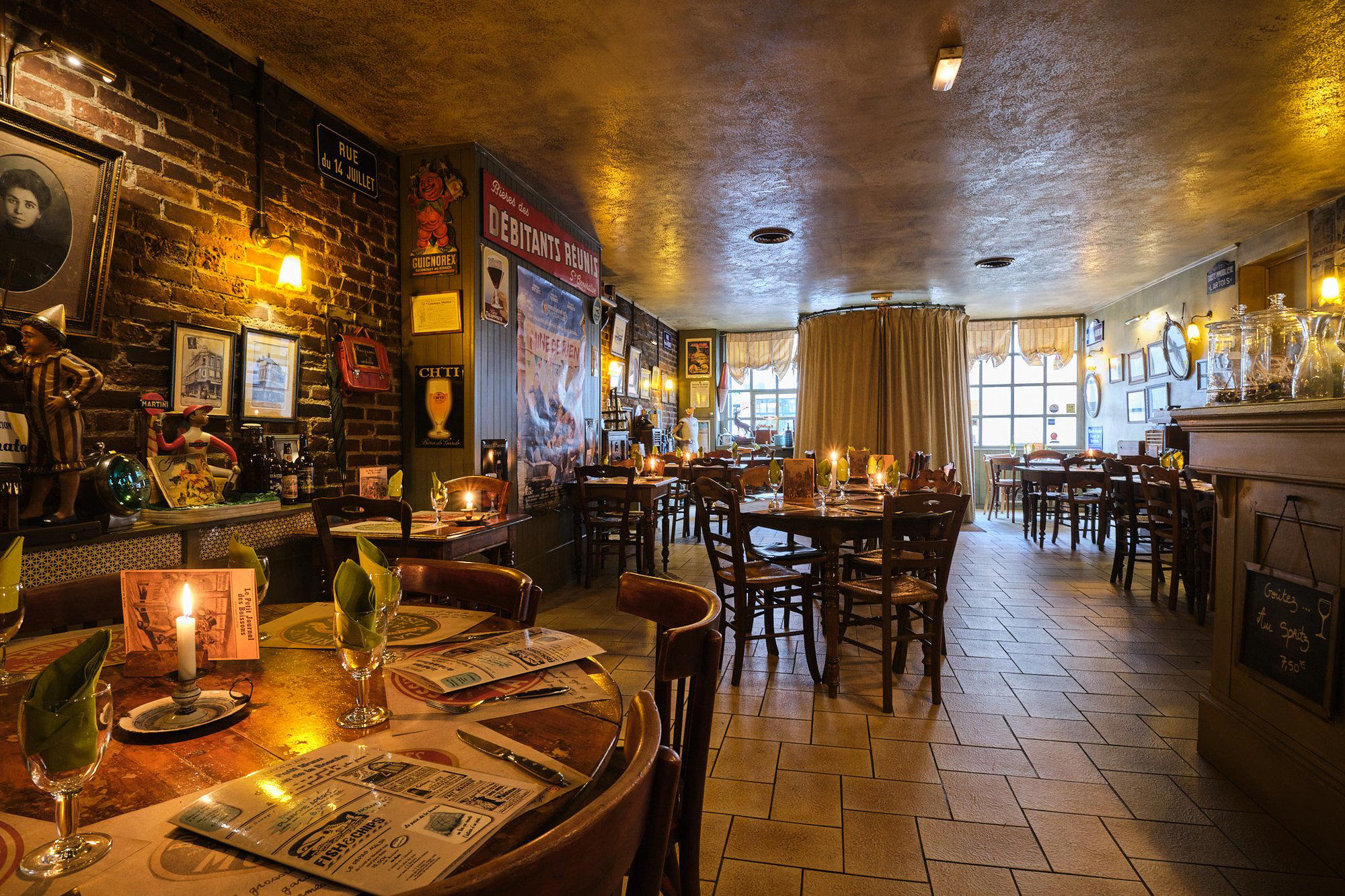
Le Pain de la Bouche serves Traditional Northern French Estaminet cooking at 41 bis Rue de la Gare in Lens, with beer service and a lively, casual room.

Pearl is the En Primeur Club membership app — saves, bookings, and concierge access live there. Same editors, same standards.
- Address
- 41 bis Rue de la Gare, 62300 Lens, France
- Phone
- +33321676868
- Hours
- Mon 12–2 PM, 7–10 PMTue–Sat 12–2:30 PM, 7–10:30 PMSun 12–2:30 PM
- Directions
- Get directions
The menu
What to order
- Welsh
- Carbonade flamande
- Faluche
Bread, Address, and the Question of What Lens Does With Its Appetite
Rue de la Gare in Lens is the kind of street that tells you something honest about a city: a train station artery, practical by design, where the buildings tend toward function over flourish. Against that backdrop, the name Le Pain de la Bouche carries a particular weight. Pain, bread, the mouth, the act of eating. In a post-industrial city that has spent the past two decades rebuilding its cultural identity around the Louvre-Lens museum and a renewed sense of civic pride, a bakery or artisan bread-focused address on that street participates in something larger than its storefront. It is part of the argument that Lens can sustain an ingredient-serious food culture, not just a transient tourist circuit servicing museum-day lunches.
France's northern Hauts-de-France region has historically sat outside the circuit that draws gastronomes south or east. The heavy pull runs toward Reims, where Assiette Champenoise anchors three-star ambition, or into Alsace, where Au Crocodile in Strasbourg and Auberge de l'Ill in Illhaeusern represent deep-rooted culinary traditions with decades of recognition behind them. Lens does not compete on that axis. What the city offers instead is a different register: local, grain-forward, rooted in the rhythms of a northern French market economy that has long prized honest bread as a statement of quality before any other course arrives at the table.
Where the Ingredient Is the Argument
In northern France, the wheat tradition runs differently from the baguette culture of Paris or the brioche-rich economy of Normandy. Hauts-de-France sits on some of France's most productive cereal-growing land, and the relationship between local mill, local oven, and local table has a directness that more celebrated food regions sometimes lose in the translation to fine dining. A bread address in Lens, at 41 bis Rue de la Gare, does not need to reference Burgundian sourcing or Provençal sun to make its case. The sourcing argument here is geological and geographic: northern French grain, a climate that produces wheats with particular character, and a craft tradition that was already old when France's gastronomy was being codified in the south.
This is the framing that matters when thinking about Le Pain de la Bouche within its local context. The broader French artisan bread revival of the past decade, which has drawn significant coverage from food media and produced a new generation of bakers trained in both heritage technique and modern fermentation science, has found expression in cities large and small. Paris has seen the most visible iteration, but the logic of that revival, sourcing grain closer to the mill, working with longer fermentation, treating bread as a finished product rather than a backdrop, applies with equal force in a city like Lens, where the raw material is on the doorstep rather than imported.
The Lens Food Scene and Where This Address Sits Within It
Lens is a city with serious dining options that extend beyond what its size might suggest. For those exploring the fuller range, our full Lens restaurants guide maps the options across formats and price points. Within that local field, a bread-focused address occupies a distinct niche. It is not competing with hotel dining or set-menu restaurants; it operates in the daily provision economy, where the measure of quality is what the bread tastes like on a Tuesday morning, not whether a visiting critic has arrived.
For comparison, other Lens restaurant options like Le Monument and Hostellerie du Pas de L'Ours operate in more formal dining registers. Le Pain de la Bouche, by contrast, anchors the daily food culture of a neighbourhood rather than a special-occasion calendar. In French provincial food culture, those two registers are not in competition; they are interdependent. The quality of a city's bread addresses tells you as much about its food seriousness as its Michelin count.
That seriousness is something France's most cited addresses understand at the foundation. At Bras in Laguiole, the commitment to regional terroir extends through every element of the meal. At Mirazur in Menton, the kitchen garden defines the sourcing logic. At Troisgros - Le Bois sans Feuilles in Ouches, the relationship between supplier and kitchen is the spine of the menu. The same principle, applied at a different scale and price register, is what separates a credible neighbourhood bread address from a generic one. The ingredient is not decoration; it is the sentence.
Getting There and Planning Your Visit
Lens is accessible by TGV and regional rail connections from Lille, which itself sits within easy reach of Paris and Brussels. The Eurostar to Lille connects London and Paris travelers to the region without requiring a car. Rue de la Gare's location, directly adjacent to the station, makes Le Pain de la Bouche a natural first or last stop when arriving or departing by train. For visitors structuring a day around Louvre-Lens, the address is within walking distance of both the station and the museum, which positions it logically in any morning or midday itinerary.
The Wider Ambition Behind the Neighbourhood Bread Address
France's most decorated restaurants, from Alléno Paris au Pavillon Ledoyen to AM par Alexandre Mazzia in Marseille, invest heavily in the bread served before the first course because they understand that fermentation, crust, and crumb communicate the kitchen's sourcing philosophy before a word is spoken. Paul Bocuse - L'Auberge du Pont de Collonges made bread part of its statement of classical French identity. Christopher Coutanceau in La Rochelle treats its local Atlantic sourcing as the whole argument of the menu. What addresses like Le Pain de la Bouche represent is the upstream version of that same logic: the place where the bread is made, before it reaches any other table. In that sense, a serious bread address is not a lesser version of fine dining; it is an earlier link in the same chain of intention.
For travelers whose itinerary also takes them through Alsace, the Alps, or into the south, Flocons de Sel in Megève, Auberge du Vieux Puits in Fontjoncouse, and Georges Blanc in Vonnas all represent the same principle at full formal scale. Closer to the transatlantic reader, Le Bernardin in New York and Atomix in New York City both treat sourcing as the primary editorial statement of their menus. The through-line, from a bakery on Rue de la Gare to a three-star counter in Manhattan, is the same: where the ingredient comes from is the first decision, and every other decision follows from it.
Frequently asked questions
Is Le Pain de la Bouche good for families?
A bread-focused address on Rue de la Gare, Lens suits families looking for a straightforward stop: no elaborate service format, no booking required for bread. The format works for children who need something practical rather than structured. It sits on a transit artery, which makes it easy to include in a broader day out in Lens.
How would you describe the vibe at Le Pain de la Bouche?
The setting is a working neighbourhood bakery on a station street in Lens, which means the atmosphere is functional and local rather than curated. Rue de la Gare draws commuters and residents, not tourists hunting a scene. The energy is transactional in the best French bakery sense: people know what they want, collect it, and leave satisfied.
Is Le Pain de la Bouche worth visiting if you're arriving in Lens by train?
The address at 41 bis Rue de la Gare places it directly on the station artery, making it a logical first or last stop for rail travellers passing through Lens. Lens connects to Lille by regional rail, and Lille itself sits within reach of Paris and Brussels via TGV and Eurostar. For those with time between connections, a station-street boulangerie in northern France reflects the wheat-focused bread culture of Hauts-de-France more honestly than most platform-side options.
What's the must-try dish at Le Pain de la Bouche?
Specific product lines are not documented in available detail for this address, so singling out one item would be speculation. What is clear from the address and regional context is that Hauts-de-France bakers work with wheat traditions distinct from Parisian baguette culture, which gives northern bread its own character. Arriving with curiosity about the loaf range is more useful than arriving with a fixed order.
What's Le Pain de la Bouche's location?
Le Pain de la Bouche is located at 41 bis Rue de la Gare, 62300 Lens, France, Lens.
What's the best way to book Le Pain de la Bouche?
No phone number or website is currently listed for Le Pain de la Bouche at 41 bis Rue de la Gare, Lens. Bakeries at this address type typically operate on a walk-in basis during morning and midday hours. Visiting in person, especially before midday, is the practical approach.
What is Le Pain de la Bouche known for?
Le Pain de la Bouche operates from Rue de la Gare in Lens, a city whose dining options extend well beyond what its post-industrial reputation might suggest. The address positions it as a neighbourhood bread destination in a city increasingly referenced in food coverage tied to the Louvre-Lens effect on local hospitality. In Hauts-de-France, serious boulangeries carry regional grain identity that separates them from the standardised output common to transit-adjacent streets elsewhere in France.
Comparable Venues
Comparable venues nearby, for context on price, style, and recognition.
| Venue | Cuisine | Price | Notes |
|---|---|---|---|
| Le Pain de la BoucheThis venue — the venue you are viewing | Traditional Northern French Estaminet | $20–30 | Not listed |
| Le Quai | French Gourmet Brasserie | $30–50 | Lambersart |
| 14 paradis | Modern French Bistro | Not listed | 10th Arr. - Entrepôt |
| Comptoirs des Deux Frères | Traditional French Bistro | $30–50 | Maisons-Laffitte |
| La Taverne du Westhoek | Traditional Flemish French | $20–30 | Quaëdypre |
| La Belle Équipe | Parisian Bistro | $20–30 | Bastille |
Continue exploring
More in Lens
Restaurants in Lens
Browse all →
Bars in Lens
Browse all →
Hotels in Lens
Browse all →
Wineries in Lens
Browse all →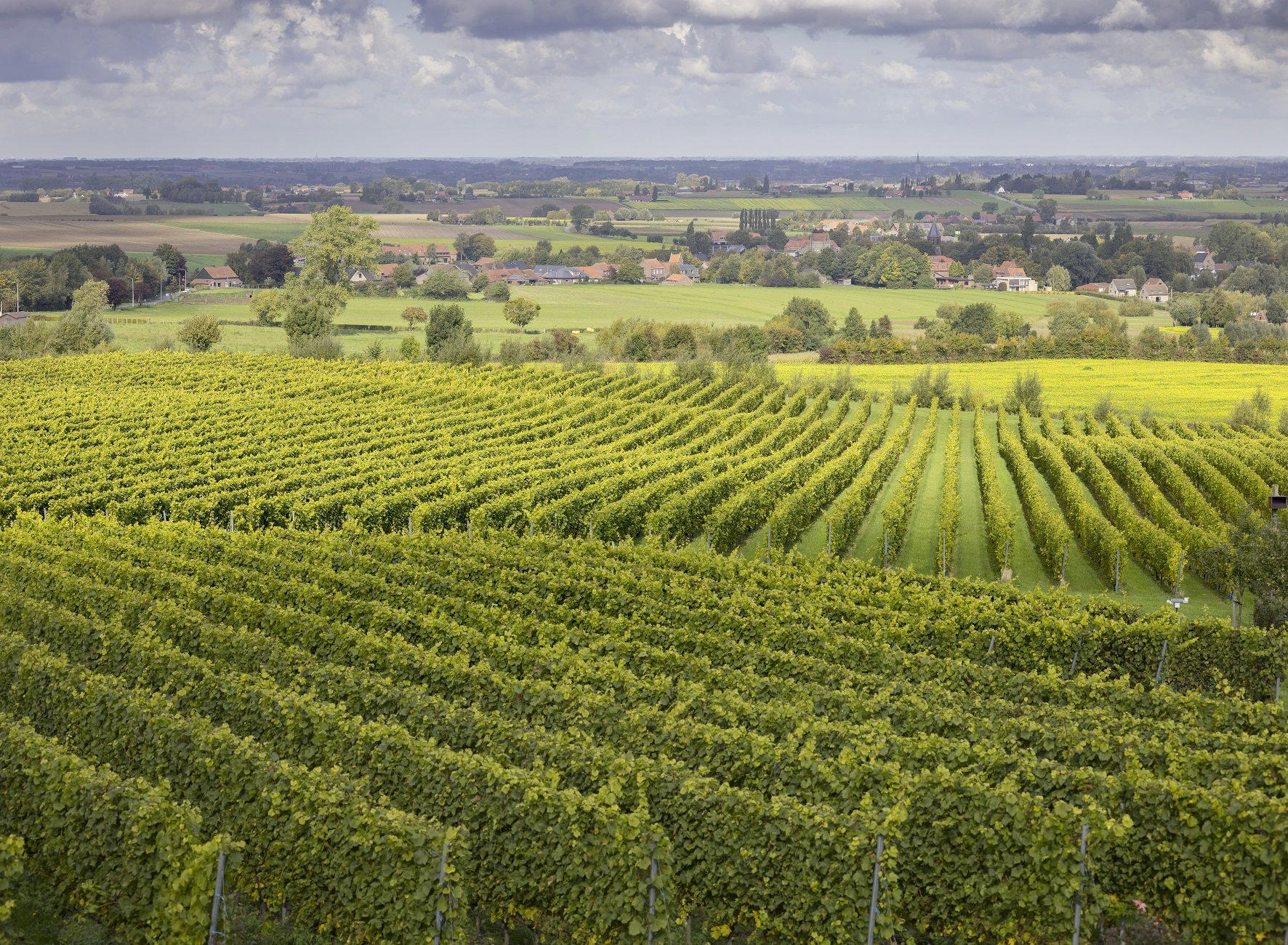
Details
- Cozy
- Rustic
- Classic
- Family
- Casual Hangout
- Group Dining
- Historic Building
- Beer Program
- Local Sourcing
- A La Carte
- Beer Program
- Vegetarian Friendly
Current opening hours
- Monday
- 12–2 PM, 7–10 PM
- Tuesday
- 12–2:30 PM, 7–10:30 PM
- Wednesday
- 12–2:30 PM, 7–10:30 PM
- Thursday
- 12–2:30 PM, 7–10:30 PM
- Friday
- 12–2:30 PM, 7–10:30 PM
- Saturday
- 12–2:30 PM, 7–10:30 PM
- Sunday
- 12–2:30 PM
Hours can change for holidays and private events. Last verified .
Cozy and warm atmosphere with candlelight in the evening, evoking a nostalgic rural home from the 60s/70s, filled with cheerful laughter and friendly service.