Lou Sicret occupies a quiet address in Albi's medieval center, a few minutes from the Cathédrale Sainte-Cécile, where the city's most locally-rooted restaurants tend to cluster. The southwest French larder, Tarn valley duck, Aveyron lamb, seasonal cèpes, defines the culinary context here. For a fuller picture of where Lou Sicret sits in Albi's dining scene, the EP Club city guide covers the range.
Pearl is the En Primeur Club membership app — saves, bookings, and concierge access live there. Same editors, same standards.
- Address
- 1 Rue Timbal, 81000 Albi, France
- Phone
- +33563382640
- Directions
- Get directions
 Saves & bookings on Pearl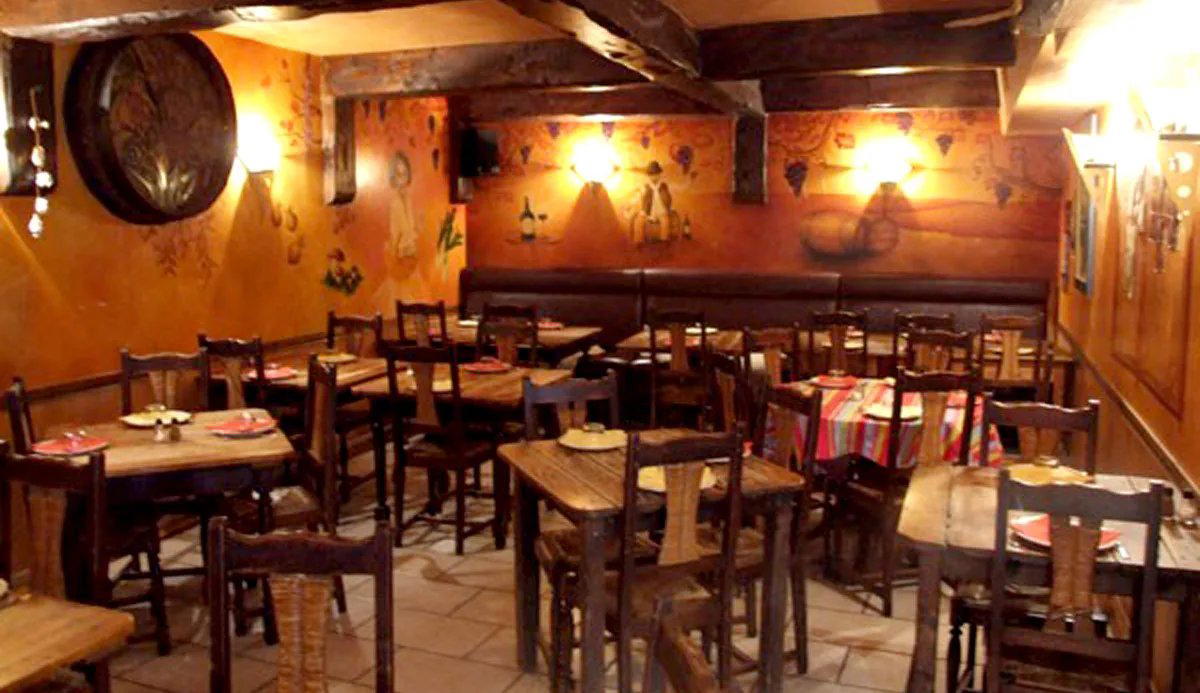
A Street Address in the Old City, a Conversation About Where Food Comes From
Rue Timbal sits within a few minutes of the Cathédrale Sainte-Cécile, in the dense medieval core that gives Albi its character. The streets here are narrow and warm-toned, the building facades that particular shade of southern French brick. Lou Sicret occupies that environment without announcing itself loudly, which in a city that has learned to take its dining scene seriously, is itself a signal worth reading.
Albi has spent the past decade building a dining identity that punches above what a mid-sized Occitan city might be expected to sustain. The range now spans contemporary tasting formats at Alchimy, creative neighborhood cooking at Amapola Kitchen, and more casual territory covered by places like Bruit en Cuisine and Cascarbar. Lou Sicret enters that conversation from the old city side, where foot traffic is tourist-adjacent but the audience for serious cooking is local and loyal.
The Sourcing Argument in Southwest French Cooking
Southwest France has a specific relationship with its larder. The Aveyron plateau to the north delivers lamb that carries the mineral character of its pasture. The Tarn valley produces duck and foie gras at a density that makes the Périgord look like it is borrowing the concept. Black truffles come up from the Lot. Roquefort is aged forty kilometers east of here. Cèpes and chanterelles arrive from forest floors that locals have been mapping for generations, and that knowledge does not get published.
This geography is not incidental to what restaurants in Albi do. It is the operating condition. A kitchen in this part of France that claims to work with local producers is not making a marketing statement; it is describing a logistics network that predates the farm-to-table vocabulary by several centuries. The question worth asking of any restaurant in the region is not whether it sources locally, but how specifically, and whether the menu reflects the calendar those sources actually follow. Kitchens at L'Épicurien, one of Albi's longer-established modern cuisine addresses, have built their reputation in part on that specificity.
France's most ingredient-driven kitchens, from Mirazur in Menton to Bras in Laguiole, treat the land as co-author of the menu. Bras in particular matters here: it sits roughly ninety kilometers northeast of Albi on the Aubrac plateau, and its decades-long articulation of terroir-as-cuisine has shaped how the entire region thinks about what local cooking can mean at the highest level. A kitchen in Albi does not need to aspire to that register, but the proximity raises the standard of the conversation.
Reading a Sparse Listing, and What It Tells You
Lou Sicret does not carry a wide public footprint. No awards data sits on the record, no price tier has been confirmed, no capacity figure is available. In Albi, that pattern fits a specific type of operation: the kind that sustains itself on repeat local custom and word-of-mouth, where the dining room fills because regulars book it rather than because a guidebook sent them. This is not unusual in French cities of Albi's scale. The restaurants that persist in medieval-core locations without heavy promotional presence often do so because the neighborhood itself provides the clientele, and the clientele provides the accountability.
That accountability, in a food culture as specific as southwest France's, tends to be expressed through the product. If the duck comes from a known farm in the Tarn valley, or the lamb has a provenance someone in the room can name, the meal carries a different weight than the same protein sourced through a regional wholesaler. Diners in this part of France have opinions about these distinctions, and they return to places that honor them.
Albi in the Wider French Dining Context
Restaurants in cities of Albi's tier occupy a different competitive position than their counterparts in Lyon, Paris, or the major gastronomic destinations. The three-star tier in France, represented by addresses like Alléno Paris au Pavillon Ledoyen, Paul Bocuse in Collonges-au-Mont-d'Or, Assiette Champenoise in Reims, or Flocons de Sel in Megève, operates on a different axis entirely. So do internationally recognized kitchens such as Au Crocodile in Strasbourg, Auberge de l'Ill in Illhaeusern, or Troisgros in Ouches.
What Albi offers instead is a mid-scale city with genuine culinary conviction, where the restaurants in the center city are competing for a local audience that eats out regularly and knows the difference. In that context, a quietly positioned address on Rue Timbal competes less against Paris fine dining than against the other Albi tables that week. The comparison set includes Amapola Kitchen and Alchimy more than it includes AM par Alexandre Mazzia in Marseille or Atomix in New York. That local competitive frame is where Lou Sicret should be evaluated. Our full Albi restaurants guide places it within that scene more completely.
Planning a Visit
Lou Sicret is at 1 Rue Timbal, 81000 Albi, in the old city center within easy walking distance of the cathedral district. Because confirmed booking methods, hours, and pricing are not publicly verified at the time of writing, the most reliable approach is to visit in person during lunch service, which in French city-center restaurants of this type typically runs from around noon. Evening service timing and reservation availability are best confirmed directly on arrival or through the local tourism office, which maintains current operating information for central Albi restaurants. Given the address's profile as a local-facing operation, walk-in availability at midweek lunch is plausible, though weekend evenings in the cathedral quarter fill quickly across all formats.
How Lou sicret Albi compares with similar nearby venues.
| Venue | Cuisine | Price |
|---|---|---|
| Alchimy | Modern Cuisine | €€ |
Continue exploring
More in Albi
Restaurants in Albi
Browse all →
Hotels in Albi
Browse all →
Wineries in Albi
Browse all →
At a Glance
- Rustic
- Cozy
- Intimate
- Classic
- Date Night
- Group Dining
- Family
- Casual Hangout
- Special Occasion
- Courtyard
- Private Dining
- Standalone
- Beer Program
- Local Sourcing
Current opening hours
- Monday
- Closed
- Tuesday
- 12–2 PM, 7:30–10 PM
- Wednesday
- 12–2 PM, 7:30–10 PM
- Thursday
- 12–2 PM, 7:30–10 PM
- Friday
- 12–2 PM, 7:30–10 PM
- Saturday
- 12–2 PM, 7:30–10 PM
- Sunday
- Closed
Hours can change for holidays and private events. Last verified .
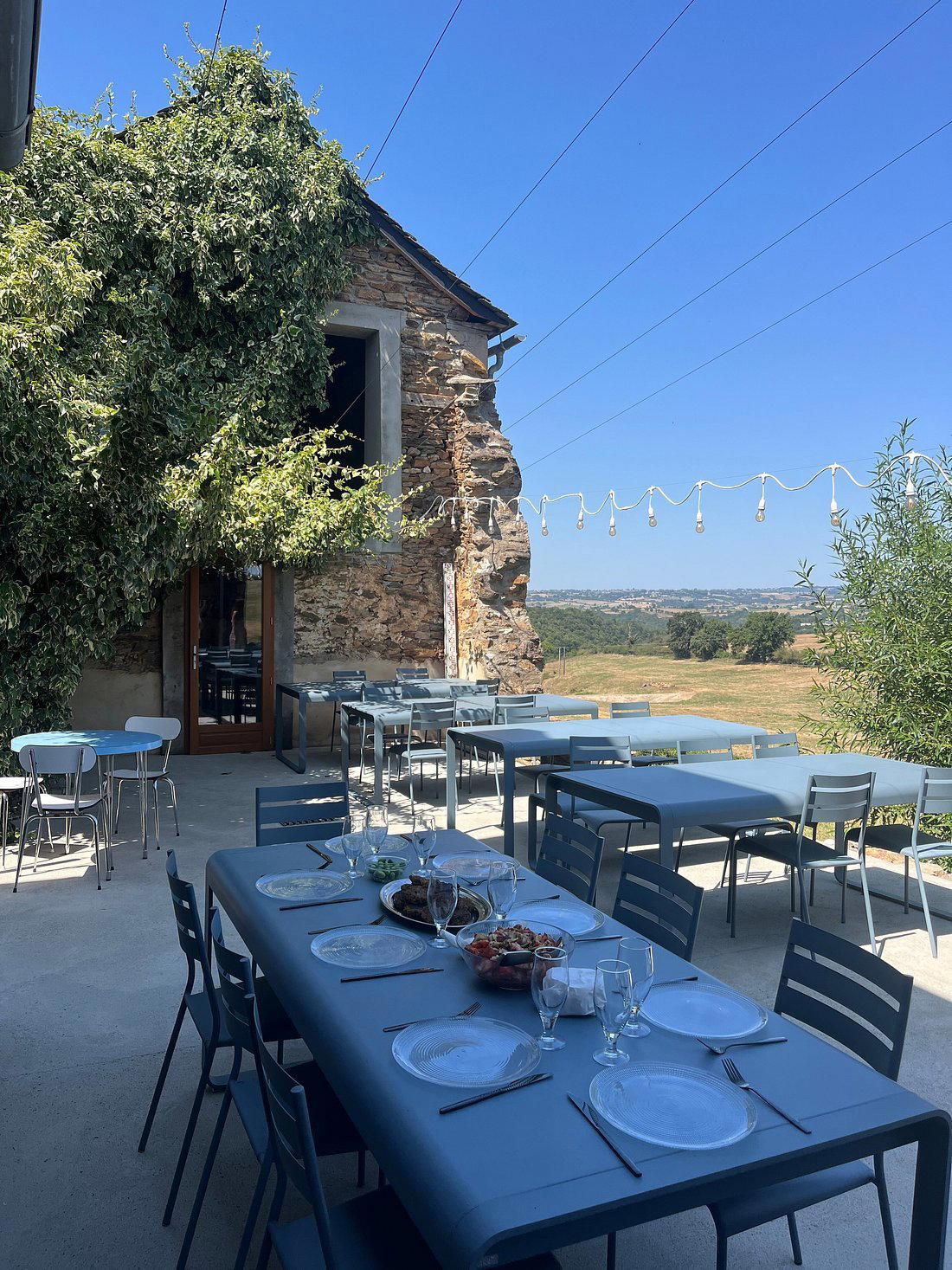
Warm and intimate tavern-like setting with medieval spirit, ivy-covered exterior, discreet courtyard with about fifteen tables, relaxed and friendly atmosphere that feels like visiting a loyal friend's home.
Know Before You Go
- Getting there
- 1 Rue Timbal, 81000 Albi, France