Our verdict
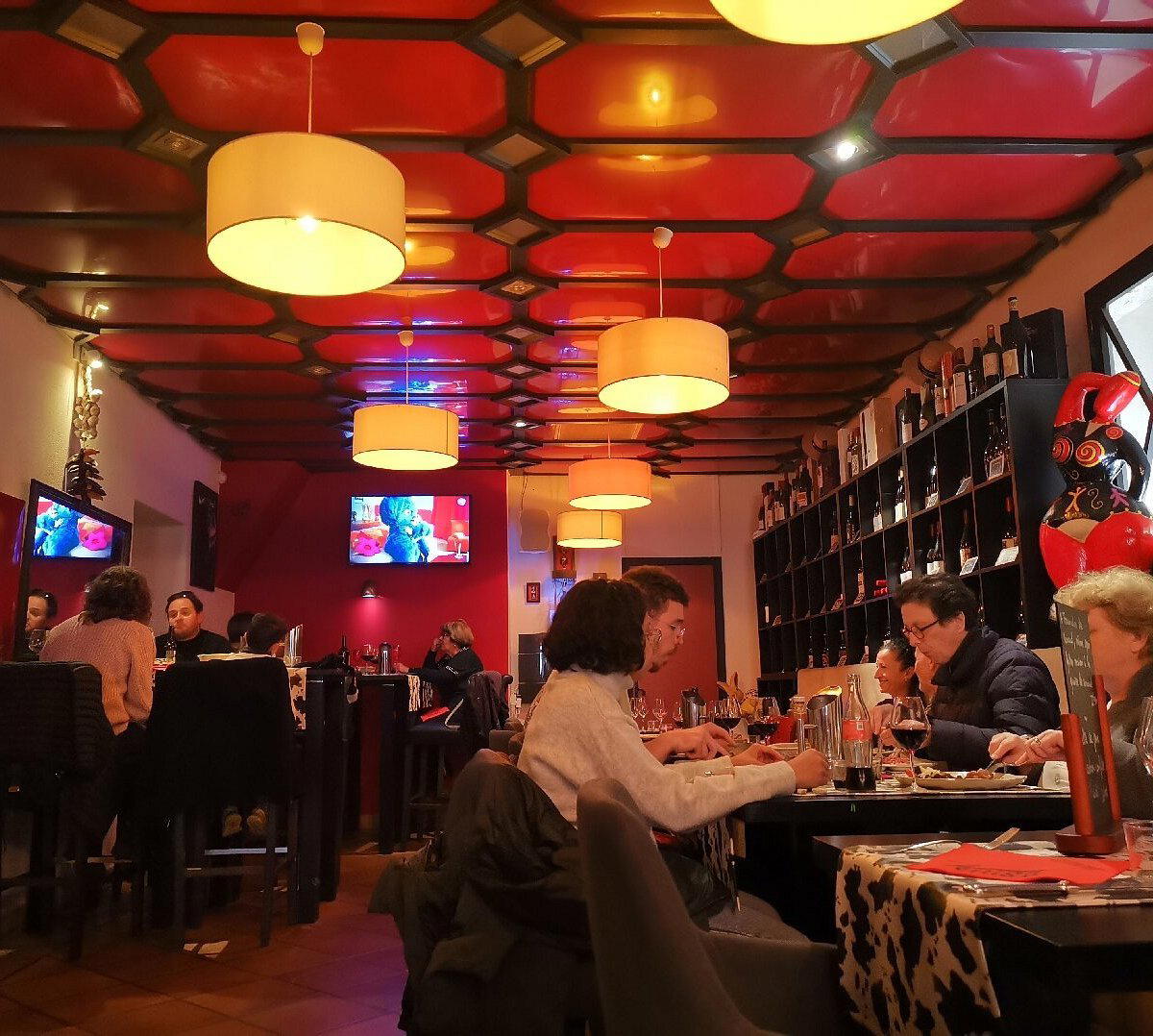
Vertigo sits on Rue Noël Peyrevidal in Foix, a small Ariège town where the Pyrenean foothills define both the landscape and the larder. Dining here places you inside a regional food culture shaped by mountain pastures, river valleys, and producers who rarely appear on Toulouse menus, let alone Parisian ones. For travellers moving through the Ariège corridor, it represents the kind of address that rewards curiosity over convenience.

Pearl is the En Primeur Club membership app — saves, bookings, and concierge access live there. Same editors, same standards.
- Address
- 21 Rue Noël Peyrevidal, 09000 Foix, France
- Phone
- +33561649536
- Hours
- Mon ClosedTue–Fri 12–1:30 PM, 7:30–9 PMSat 7:30–9 PMSun Closed
- Website
- facebook.com
- Directions
- Get directions
Foix and the Ariège Table
The Ariège department occupies the northern slope of the Pyrenees in a way that has kept it productively isolated. Roads through the region were improved late, rail connections remain sparse, and the result is a food culture that preserved its mountain logic long after neighbouring Languedoc and Gascony adjusted to broader market demands. Foix, the departmental capital, sits at the confluence of the Ariège and Arget rivers beneath a medieval château that has watched the town's provisioning patterns change very slowly over centuries. That slowness is, by most measures, the point.
In Ariège, the relevant supply chain runs vertically rather than horizontally. Sheep graze at altitude through the summer months, descending to lower pastures as the snow line drops. Black Gascon pigs forage across the wooded middle elevations. River trout and crayfish have historically filled the valley waters, though pressure on wild stocks has shifted serious kitchens toward sourced farmed alternatives. Cèpes, chanterelles, and trompettes de la mort move through the markets in genuine seasonal pulses, not the year-round grocery store availability common to urban supply systems. Cooking in this context is less a stylistic choice than a geographical condition.
Vertigo, at 21 Rue Noël Peyrevidal, occupies a position inside that regional logic. The address places it within Foix's compact central core, where the density of daily life in a small préfecture creates an audience that combines local regulars with travellers arriving from the A66 corridor between Toulouse and Andorra. That dual audience shapes what works here: cooking grounded enough in regional identity to satisfy people who know the terrain, considered enough in execution to hold the attention of visitors arriving from cities with more competitive dining scenes.
The Sourcing Logic of Mountain Cooking
France's most discussed restaurants, from Mirazur in Menton to Bras in Laguiole, have built significant reputations partly on the argument that ingredient provenance is itself a form of culinary statement. Laguiole in particular, sitting in the Aubrac highlands roughly 200 kilometres northeast of Foix, demonstrates how a remote address can become an asset when the surrounding terroir is treated as the kitchen's primary resource rather than its constraint.
The same logic applies with particular force in the Pyrenean foothills. Ariège produces ingredients that rarely travel far: Bethmale cheese, a semi-hard cow's milk wheel from the Couserans valleys to the west, has a geographic specificity that makes it essentially unavailable outside the region in any meaningful form. Haricots de Pamiers, the white bean grown in the Ariège plain, anchors the department's version of cassoulet in a way that distinguishes it from the Carcassonne or Castelnaudary interpretations that dominate the wider conversation about that dish. Foie gras production remains significant throughout the Ariège basin, operating at a scale and quality level that sits comfortably alongside the larger Gers industry to the northwest.
Kitchens that work with this supply structure are not making a trend-driven sourcing argument. They are responding to what is available, what their suppliers can consistently deliver, and what their local customers already understand. That kind of embedded sourcing has a different character than the farm-to-table positioning adopted by urban restaurants seeking credibility, and it produces cooking that reads as specific in ways that are difficult to replicate elsewhere.
Foix in the Broader French Dining Map
The addresses that define French restaurant culture at its most formally recognised, including Alléno Paris au Pavillon Ledoyen, Flocons de Sel in Megève, Troisgros in Ouches, and Auberge de l'Ill in Illhaeusern, operate within institutional frameworks of recognition, critic attention, and destination-dining economics that small Ariège kitchens simply do not enter. The comparison is not the point. What matters is that French regional cooking at its serious end has always operated in parallel with the starred system, often producing the clearest expression of a territory's food culture precisely because it is not performing for a Michelin inspector or a Paris food media cycle.
Auberge du Vieux Puits in Fontjoncouse, in the Corbières hills of Aude roughly 100 kilometres east of Foix, demonstrates what committed regional sourcing can achieve even within the starred framework: a three-Michelin-star kitchen in a village of fewer than 200 inhabitants, sustained by the argument that the surrounding landscape justifies the journey. Ariège has not yet produced an equivalent destination, but the underlying ingredient logic is at least as compelling.
For travellers already moving through the Pyrenean arc, Foix functions as a practical and gastronomically coherent stopping point. The town is roughly 80 kilometres south of Toulouse by the A66, a distance that makes day visits plausible from the regional capital but also positions Foix as an overnight base for exploring the Ariège valley, the Niaux cave complex, and the Cathar château circuit. Le Phoebus represents another option within the town's dining geography, and understanding both addresses in relation to each other gives a clearer picture of what Foix can offer across different meal formats and price expectations. Our full Foix restaurants guide maps the wider scene.
Planning a Meal at Vertigo
For a small address in a town of this scale, the most reliable approach is to contact the restaurant directly through the address at 21 Rue Noël Peyrevidal, either in person during service hours or via local directory listings. Ariège kitchens at this tier typically operate lunch and dinner service across a compressed weekly schedule, often closing two or three days per week, so confirming availability before building an itinerary around a visit is a practical necessity rather than an optional step.
Foix is accessible by TER rail from Toulouse with a journey time of approximately one hour, which makes the town a realistic lunch destination for travellers based in the regional capital. For those arriving by car, parking near the central core is relatively direct by the standards of a French préfecture, and the compact town centre keeps walking distances manageable.
Frequently asked questions
Where do I go for Vertigo?
Vertigo is located at 21 Rue Noël Peyrevidal, 09000 Foix, France, Foix.
Is Vertigo a good option for travellers driving through Foix on the Toulouse–Andorra route?
Foix sits directly on the A66, the main road axis linking Toulouse to the Ariège valley, Andorra, and the Spanish border, making Vertigo at 21 Rue Noël Peyrevidal a geographically logical stop on that route. The town itself is the prefecture of Ariège and offers more infrastructure than the smaller villages further south. Whether the restaurant's hours align with a transit meal is worth confirming in advance.
How far ahead should I plan for Vertigo?
Foix is a small Ariège town, and well-regarded local restaurants along this corridor frequently fill faster than their size suggests, particularly during summer Pyrenean touring season. Contacting the restaurant at 21 Rue Noël Peyrevidal ahead of your visit is advisable.
At-a-Glance Comparison
Comparable venues nearby, for context on price, style, and recognition.
| Venue | Cuisine | Price | Notes |
|---|---|---|---|
| VertigoThis venue — the venue you are viewing | Traditional French and Ariège Cuisine | $30–50 | Not listed |
| Le Phoebus | Refined French Terroir Gastronomy | $30–50 | Foix |
| Barbaque | French Steakhouse & Grill | $30–50 | Capitole / Arnaud Bernard / Carmes |
| Blanquette | Modern French Bistro | $20–30 | Les Chalets / Bayard / Belfort / Saint-Aubin / Dupuy |
| Vents d'Est | Authentic Alsatian | $20–30 | Les Chalets / Bayard / Belfort / Saint-Aubin / Dupuy |
| Rôtisserie Rio | Portuguese Rotisserie Chicken | $10–20 | Casselardit / Fontaine-Bayonne / Cartoucherie |
Continue exploring
More in Foix
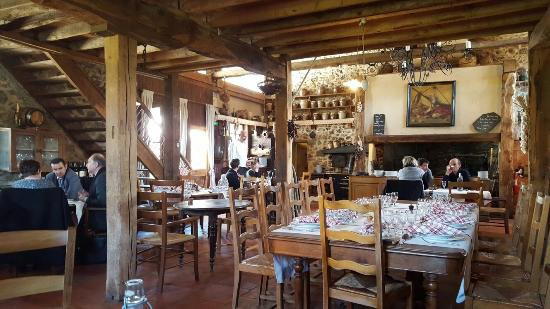
Restaurants in Foix
Browse all →
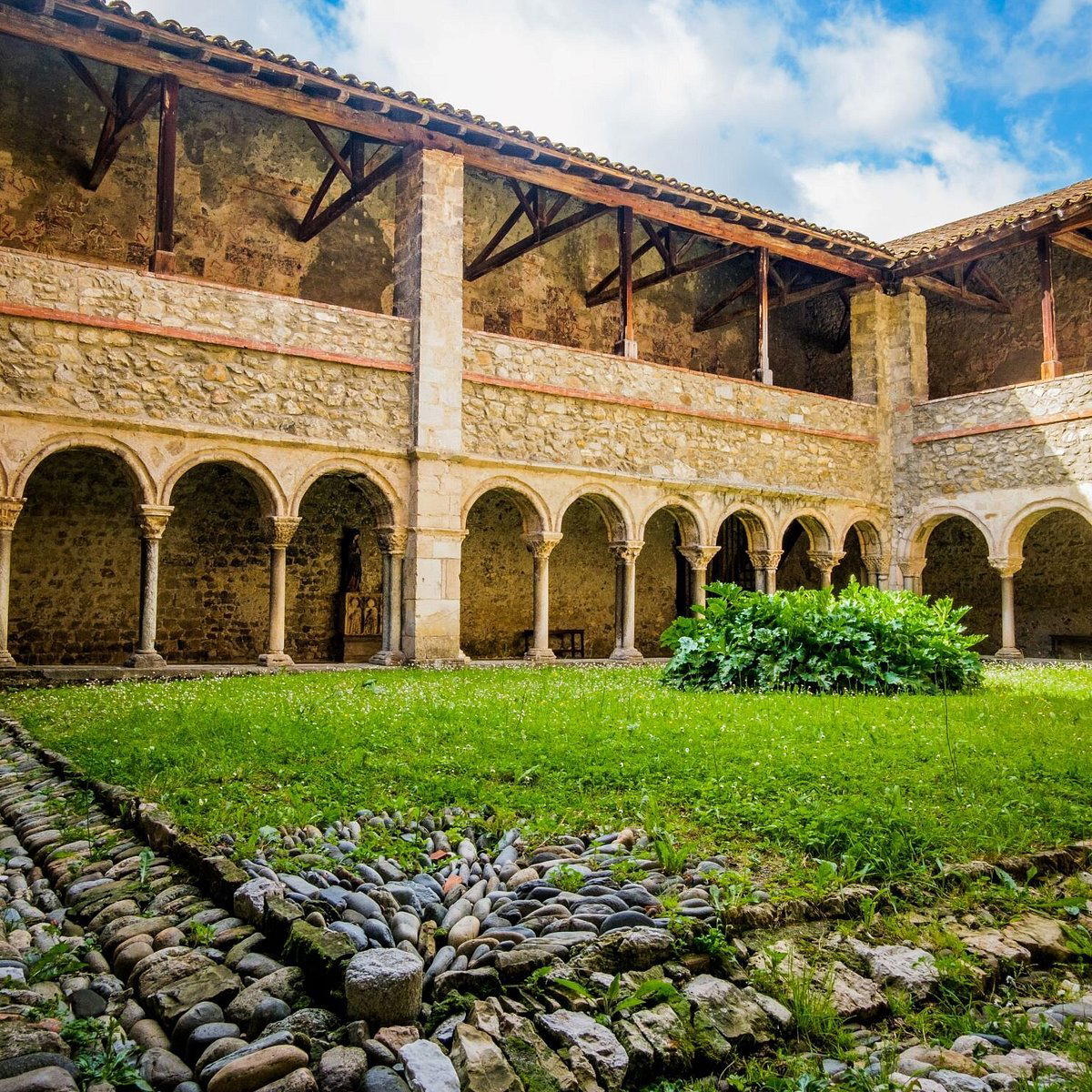
Bars in Foix
Browse all →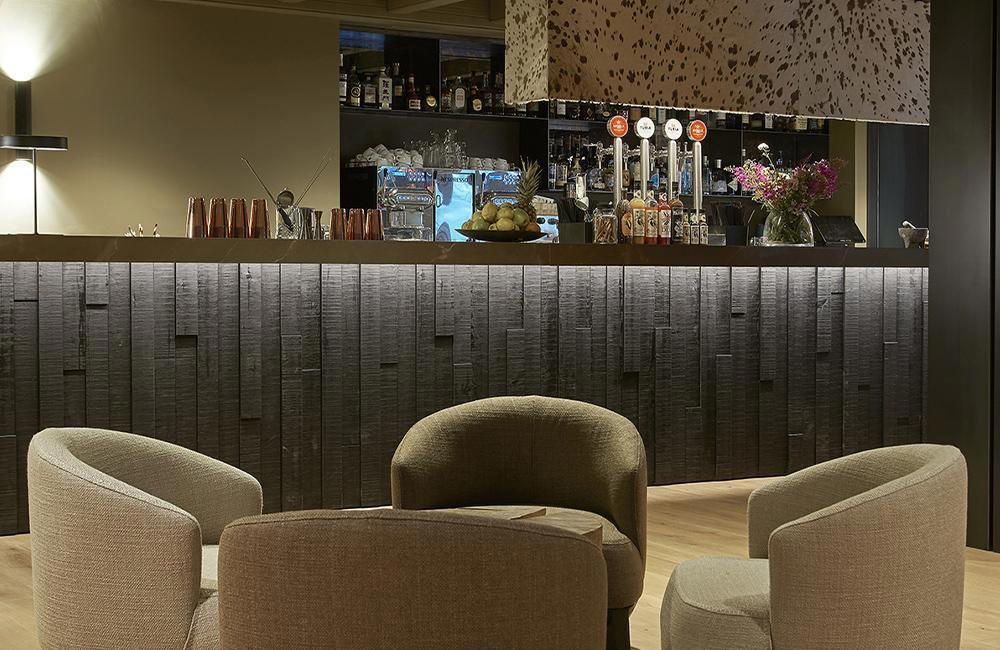
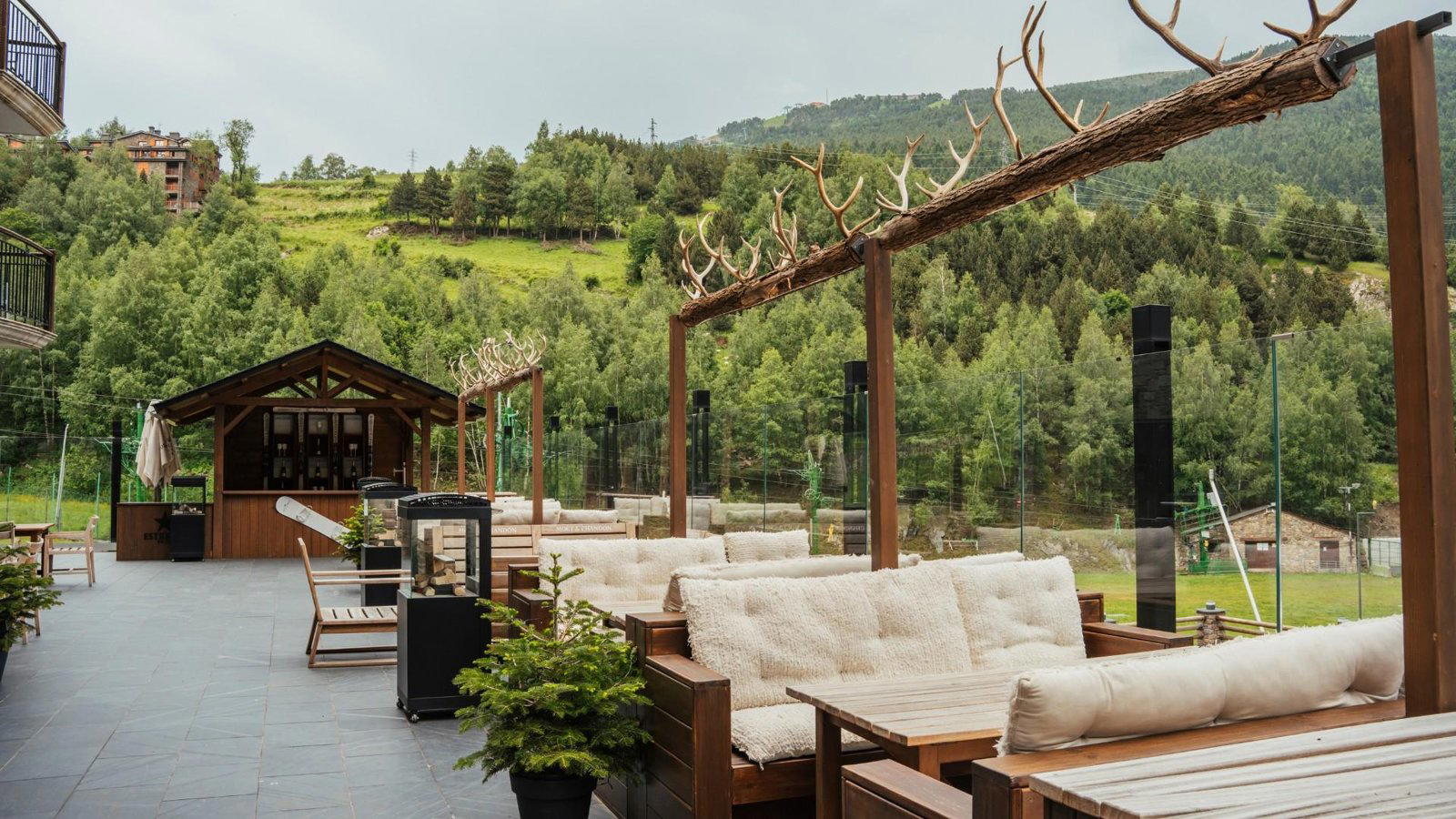
Hotels in Foix
Browse all →
Wineries in Foix
Browse all →
Details
- Modern
- Cozy
- Date Night
- Group Dining
- Open Kitchen
- Extensive Wine List
- Local Sourcing
- Street Scene
- A La Carte
- Wine
- Vegetarian Friendly
Current opening hours
- Monday
- Closed
- Tuesday
- 12–1:30 PM, 7:30–9 PM
- Wednesday
- 12–1:30 PM, 7:30–9 PM
- Thursday
- 12–1:30 PM, 7:30–9 PM
- Friday
- 12–1:30 PM, 7:30–9 PM
- Saturday
- 7:30–9 PM
- Sunday
- Closed
Hours can change for holidays and private events. Last verified .
Contemporary with warm colors and pleasant atmosphere.