
Michelin Plate
Our verdict
AUBERGE de SENVIE occupies a hillside position above Sakurai in Nara, merging French technique with Yamato produce in a residential auberge format. The remote location defines the rhythm, guests stay overnight, kitchen and lodging operate as a single system, and sourcing leans heavily on hyperlocal growers and foragers within the prefecture.

Pearl is the En Primeur Club membership app, where members save venues, book tables and use the concierge.
The auberge model in Japan has historically centred on coastal hot-spring towns or ski valleys, but Nara's ancient agricultural basin, the Yamato Plain, has quietly supported a handful of rural French-trained kitchens over the past fifteen years. AUBERGE de SENVIE sits high above Sakurai city at 2217 Taie, a hamlet address reachable only by car and defined by terraced rice paddies and temple forest. The approach winds through cedar groves and past stone markers for the Yamanobe-no-Michi pilgrimage trail; cellular signal drops intermittently, and the final kilometre of road narrows to a single lane.
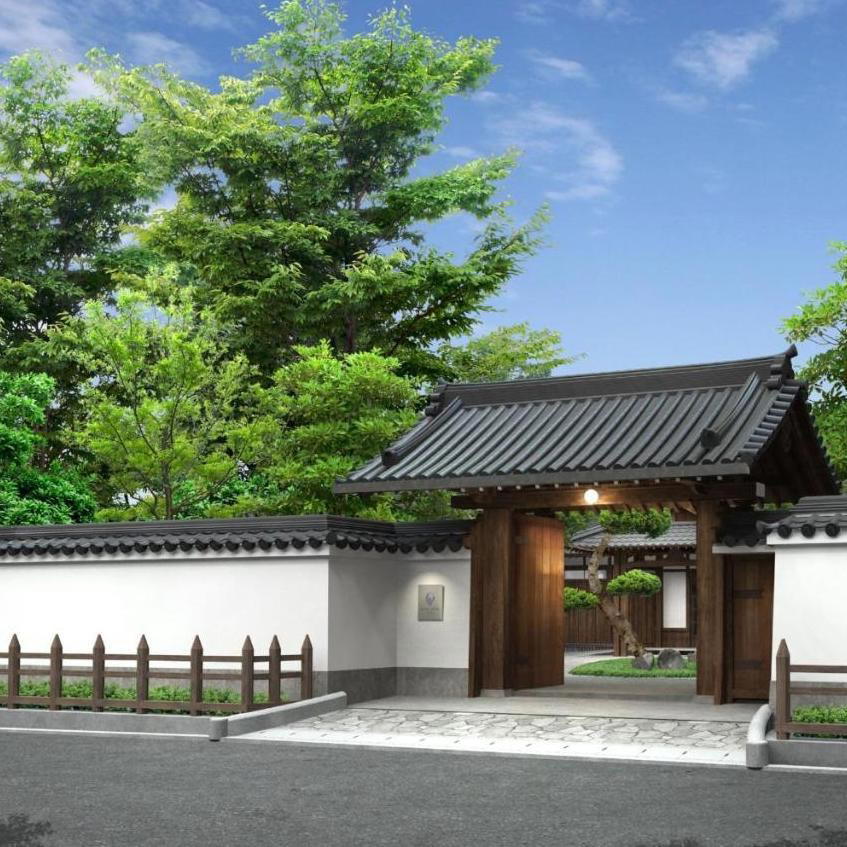
The building itself reads as a converted farmhouse, low-slung timber frame, engawa veranda, gravel forecourt, though the interior kitchen has been re-engineered to French brigade standards. Guests book the full overnight experience: dinner, accommodation, and breakfast are sold as a package rather than à la carte. This operational choice mirrors the auberge tradition in rural France, where lodging underwrites the economics of remote fine dining and allows chefs to absorb produce at its peak rather than coordinate with urban delivery schedules.
Yamato Produce as the Menu's Foundation
Nara's culinary identity rests on two pillars: ancient vegetable cultivars preserved in temple gardens (yamato-yasai), and small-scale protein producers who supply Kyoto kaiseki kitchens. AUBERGE de SENVIE draws from both networks. Yamato-mana mustard greens, tsukune-imo mountain yam, and beni-daruma turnips, heirloom varieties documented in eighth-century agricultural records, appear seasonally. The kitchen also sources from foragers who work the surrounding Kasagi and Muro mountain slopes, bringing wild sansai (mountain vegetables), shiitake grown on oak logs, and matsutake in autumn when rainfall patterns align.
Protein sourcing skews to Nara Prefecture farmers who raise Yamato beef (a regional designation for Wagyu bloodlines local to the Yamato basin) and Yamato pork. Wild boar and venison come through a licensed hunter collective in nearby Soni village, part of a prefecture-wide programme to manage deer overpopulation while feeding restaurant supply chains. Fish arrives from Wakayama's Katsuura port, roughly ninety minutes south, and from Osaka's Kuromon wholesale market when the menu requires shellfish or bottom-dwellers.
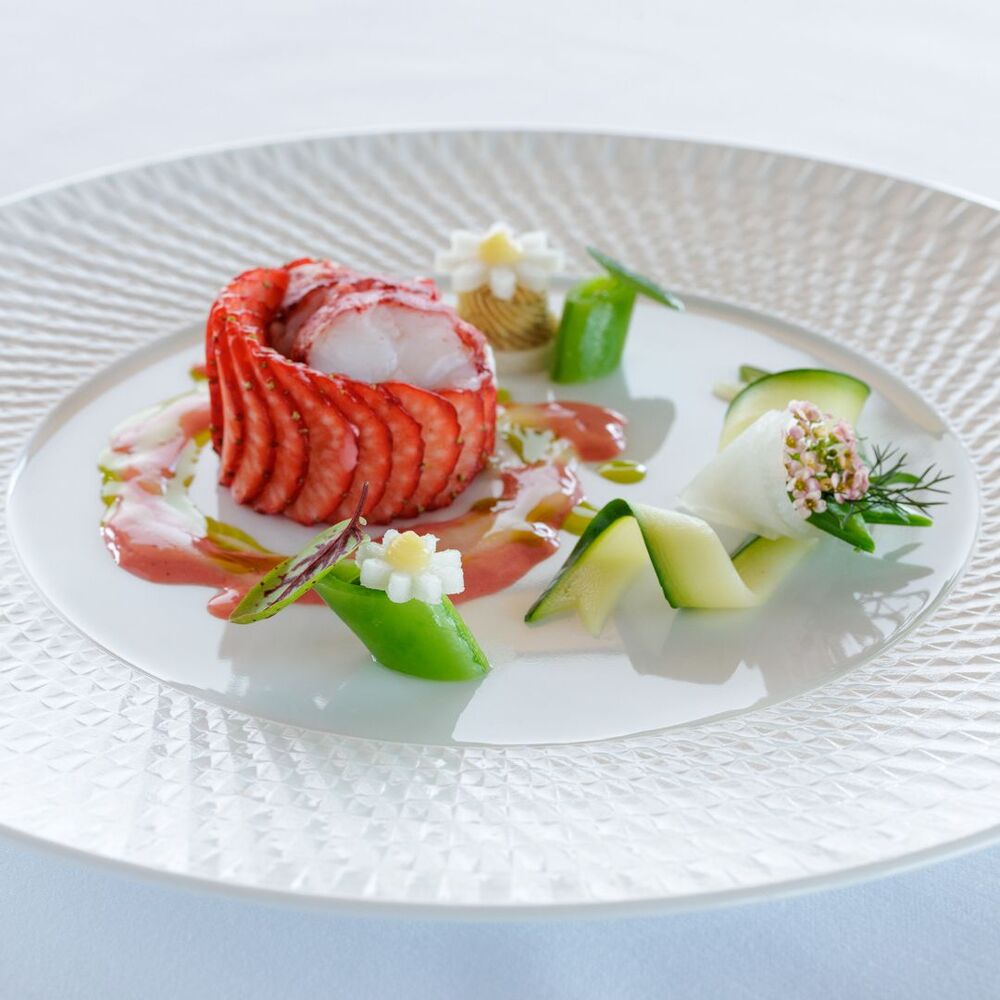
The French technique applied to this ingredient base is classical in structure, stocks, reductions, emulsions, but restrained in fat and acid to accommodate the lighter palate typical of Nara diners. The kitchen does not operate a printed menu; courses shift daily based on what arrives in the morning. This format is common among rural French auberges but less so in Japan, where even high-end kaiseki often circulates a written menu card. Here, guests receive a verbal preamble at the table, and each course is announced as it lands.
Lodging and the Overnight Rhythm
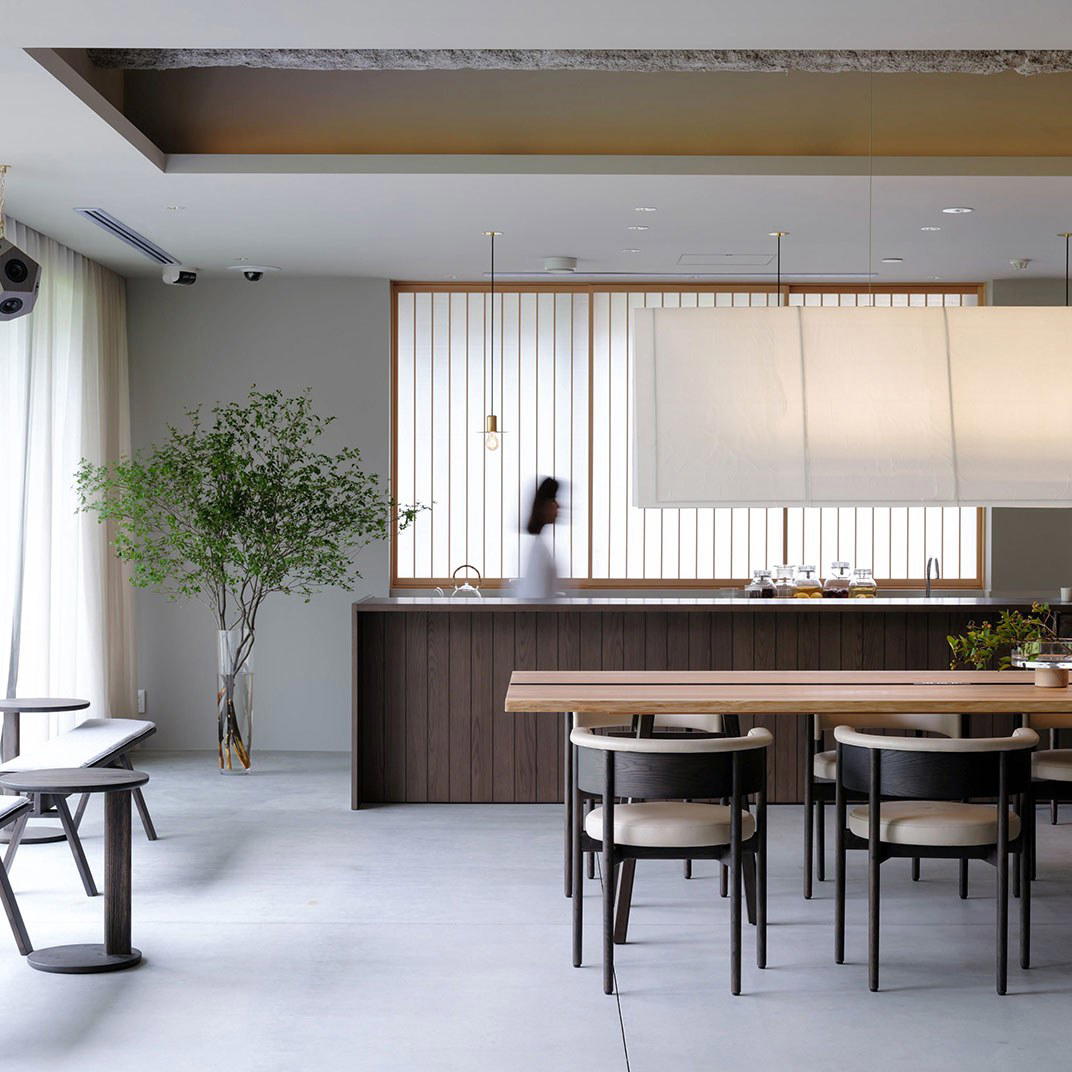
Accommodation at AUBERGE de SENVIE comprises a small number of guest rooms, each configured in Japanese ryokan style with tatami flooring and futon bedding. Shared bathing facilities include a hinoki cypress tub fed by mountain spring water; private en-suite baths are not standard. The lodging aesthetic leans heavily on salvaged timber, iron hardware, and paper shoji screens, materials that align with Nara's carpentry tradition but avoid overt luxury branding. Rooms overlook either the valley floor or the northern ridgeline; morning light arrives early, and the absence of blackout curtains is deliberate.
Breakfast mirrors the dinner model: French technique applied to Japanese ingredients. Expect house-baked bread, farm butter, housemade jam from foraged fruit, and a protein course that might involve egg, fish, or cured pork depending on overnight supply. Coffee is brewed to order; tea comes from a Yamato tea cooperative in Tsukigase, a district known for high-altitude sencha and bancha.
The overnight structure means AUBERGE de SENVIE competes less with Nara city dining, where A VOTRE SANTE and akordu operate, and more with the handful of rural auberges scattered across Kansai. Nishimura, another Nara-adjacent French kitchen, occupies a similar geographic and format niche. Both require advance booking, both assume guests will stay overnight, and both anchor their menus to the same Yamato vegetable and protein networks.
Logistics and Access
AUBERGE de SENVIE is not accessible by public transport. The nearest JR station is Sakurai, roughly eight kilometres downhill; taxi service from the station exists but requires advance arrangement through the auberge, as most Sakurai cabs do not cruise the mountain roads after dark. Guests driving from Osaka or Kyoto should budget ninety minutes via Route 165 and the Nabari-Meihan toll road; parking is available on-site. The auberge's latitude places it within thirty minutes of Asuka village and the Yamato Sanzan (three sacred mountains), making it a logical base for temple-circuit travellers who want to avoid Nara city hotels.
Booking operates on a reservation-only basis, typically requiring contact several weeks ahead for weekend stays. The auberge does not publish rates online, and pricing is quoted per person for the full package (dinner, lodging, breakfast). Payment terms and cancellation policies are communicated at the time of booking confirmation. The lack of a public website or online reservation system reflects the venue's intentionally low profile; word-of-mouth and repeat guests drive occupancy.
For context within Nara's broader dining landscape, AUBERGE de SENVIE occupies a distinct tier. Urban Nara restaurants such as 37+1 - Sanjuhachi, Ajinokaze Nishimura, and Ajinotokaze Roman cater to walk-in and same-day bookings; the auberge format, by contrast, requires advance planning and overnight commitment. Travellers seeking a similar rural-French + Yamato-produce experience without the lodging component may consider A VOTRE SANTE in central Nara, though that venue operates on a more conventional restaurant schedule.
The verdict: AUBERGE de SENVIE functions as a rural retreat for diners who prioritize ingredient provenance and are prepared to commit to the overnight auberge format. The kitchen's reliance on Yamato heirloom vegetables and prefecture-sourced protein gives the menu a strong regional signature, and the lodging component allows the chef to work outside the constraints of urban service windows. Remote access and the lack of à la carte options narrow the audience, but for travellers already exploring Nara's temple valleys or planning extended stays in Kansai, the auberge offers a legible alternative to city dining and chain resort hotels.
Frequently asked questions
Is AUBERGE de SENVIE suitable for children?
The ryokan format at AUBERGE de SENVIE, tatami rooms, futon bedding, and a fixed multi-course menu built around temple-garden vegetables, tilts toward adult overnight guests. Young children accustomed to Japanese-style sleeping arrangements and extended seated meals will fare better than those expecting Western hotel amenities or à la carte options.
What's the vibe at AUBERGE de SENVIE?
Set at 2217 Taie in the hills above Sakurai, the auberge occupies a working landscape of temple vegetable plots rather than a resort precinct. Expect quiet, a limited number of guest rooms, and a menu rhythm tied to yamato-yasai harvest cycles rather than urban dining conventions.
What awards or recognition does AUBERGE de SENVIE have?
AUBERGE de SENVIE has received recognition including: An auberge perched high on a tranquil....
What's AUBERGE de SENVIE's location?
AUBERGE de SENVIE is located at 2217 Taie, Sakurai, Nara, Nara, 633-0044, JPN, Nara.
Should I book AUBERGE de SENVIE in advance?
The small room count and overnight format make advance reservation essential. Because the property sits eight kilometres from the nearest JR station and relies on taxi access, coordinating arrival logistics at the time of booking is necessary.
Quick Comparison
Comparable venues by cuisine and price in the same metro.
| Venue | Cuisine | Price | Awards |
|---|---|---|---|
| AUBERGE de SENVIEThis venue (the venue you are viewing) | Modern French fine dining in rural Nara | $150–200 | Michelin Plate |
| Inakajaya Chie | Traditional Japanese Kaiseki | Not listed | Michelin Plate |
| Da terra | Farm-to-Table Italian Omakase | $50–100 | 1 Michelin Star · We're Smart World 4 Radishes |
| Sushi Kawashima | Nara-Style Omakase Sushi | $100–150 | 1 Michelin Star |
| Yakiniku Mikazuki | JPY 6,000 - JPY 7,999 | Not listed | Not listed |
Recognition history
Dated appearances from independent guides and award organizations, with the underlying list record or original source where available.
Michelin Plate
Michelin
Continue exploring
More in Nara
Restaurants in Nara
All restaurants in Nara →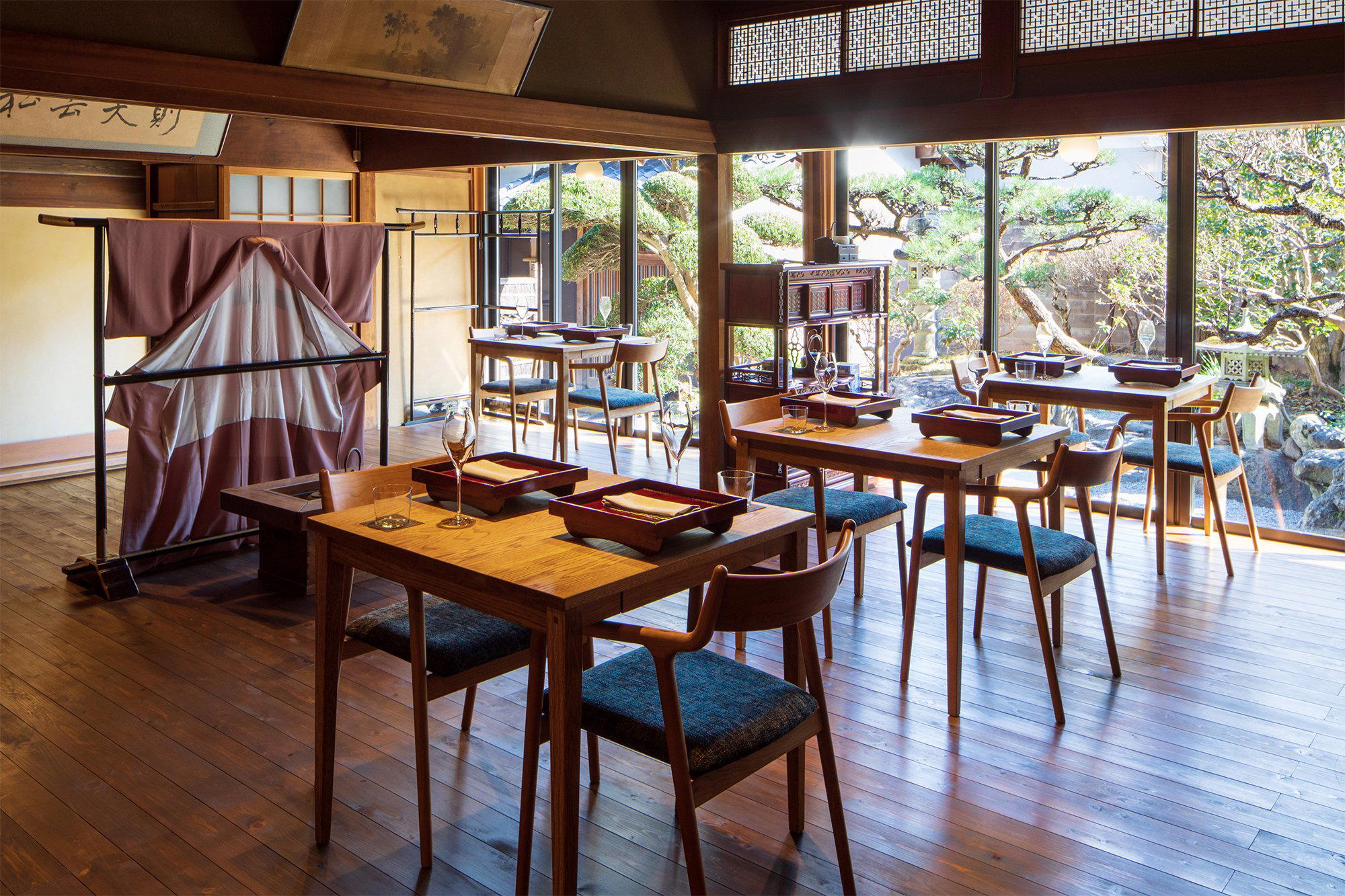
Bars in Nara
All bars in Nara →
Hotels in Nara
All hotels in Nara →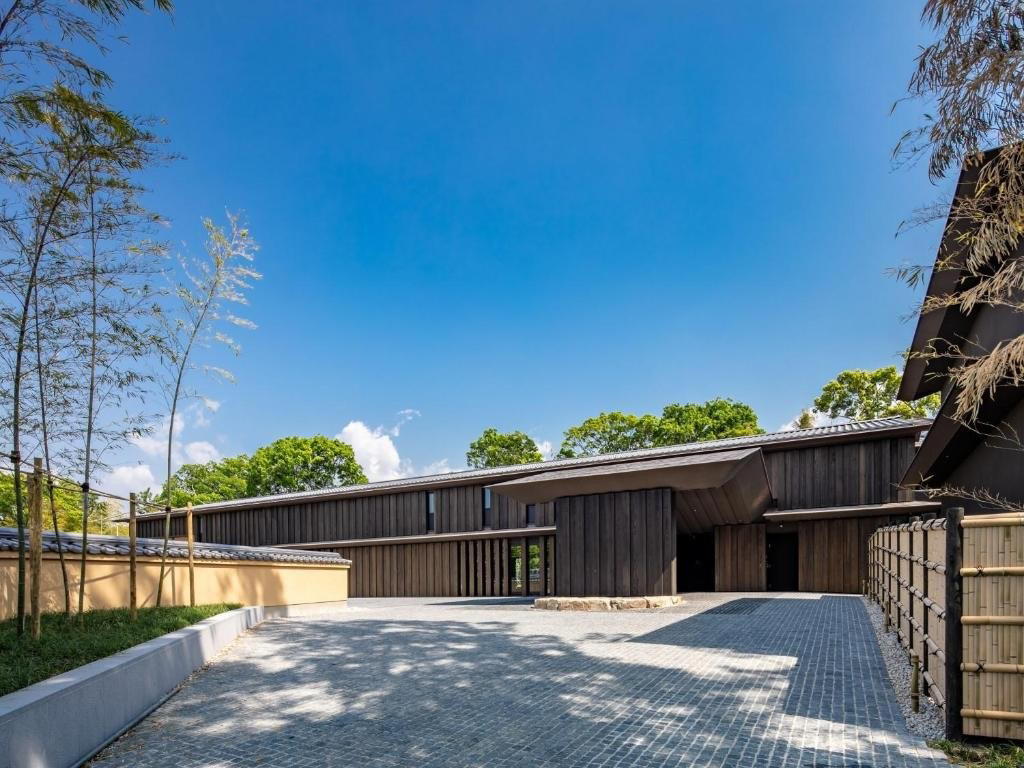
Wineries in Nara
Browse all →
Details
- Romantic
- Elegant
- Scenic
- Quiet
- Intimate
- Sophisticated
- Date Night
- Special Occasion
- Business Dinner
- Celebration
- Private Event
- Hotel Restaurant
- Design Destination
- Garden
- Standalone
- Extensive Wine List
- Local Sourcing
- Farm To Table
- Garden
- Mountain
- Tasting Menu
- Set Menu
- Wine
- Allergy Accommodating
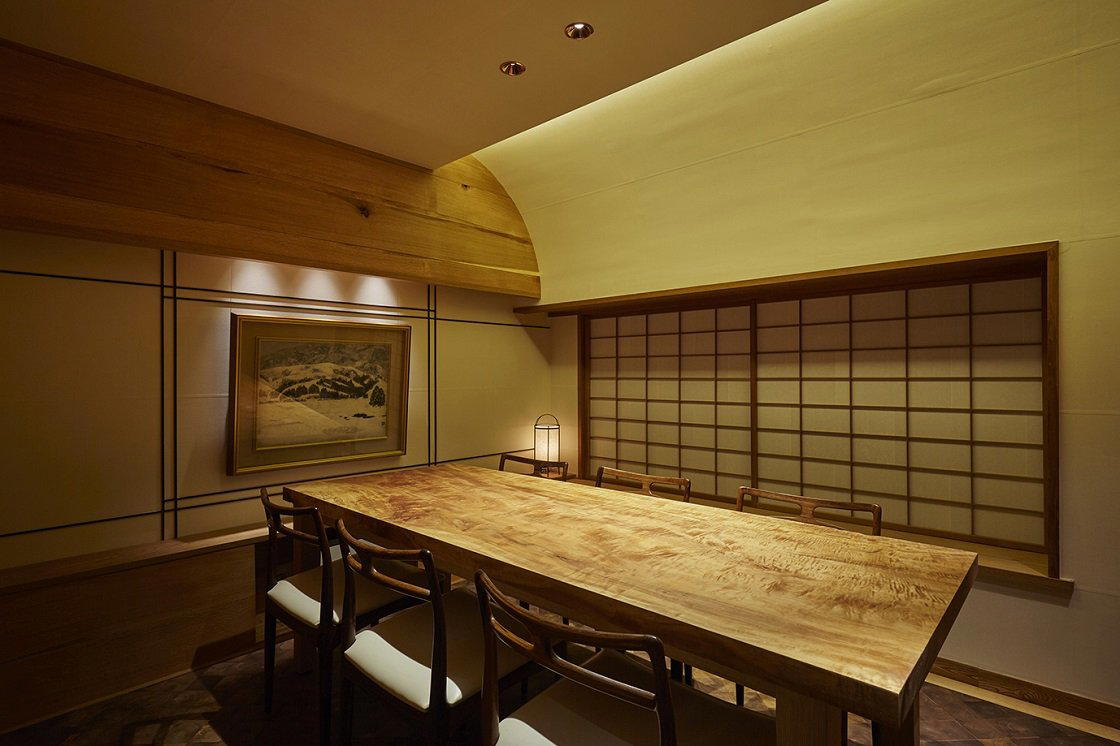
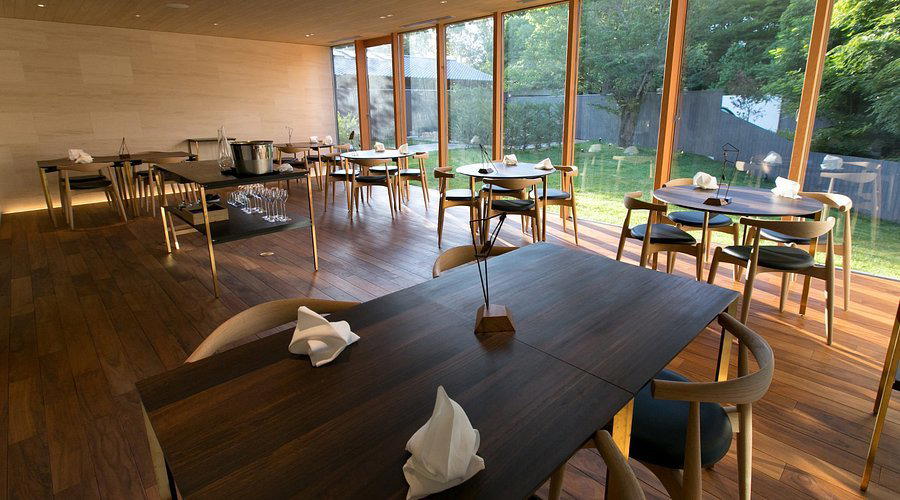
The restaurant offers a quiet, romantic atmosphere with carefully lit, elegant dining rooms that look onto the surrounding garden and countryside, creating a refined yet soothing retreat-like feel.