A neighbourhood restaurant in Barentin, Seine-Maritime, L'Espérance sits within the quieter dining tradition of Normandy's smaller towns, where proximity to some of France's most productive agricultural land shapes what ends up on the plate. For travellers moving between Rouen and the Norman coast, it represents the kind of address that local knowledge tends to surface before guidebooks do. See our full Barentin restaurants guide for broader context.
Pearl is the En Primeur Club membership app — saves, bookings, and concierge access live there. Same editors, same standards.
- Address
- 6 Rue Madeleine Vernet, 76360 Barentin, France
- Phone
- +33235646928
- Website
- restaurantlesperance.fr
- Directions
- Get directions
 Saves & bookings on Pearl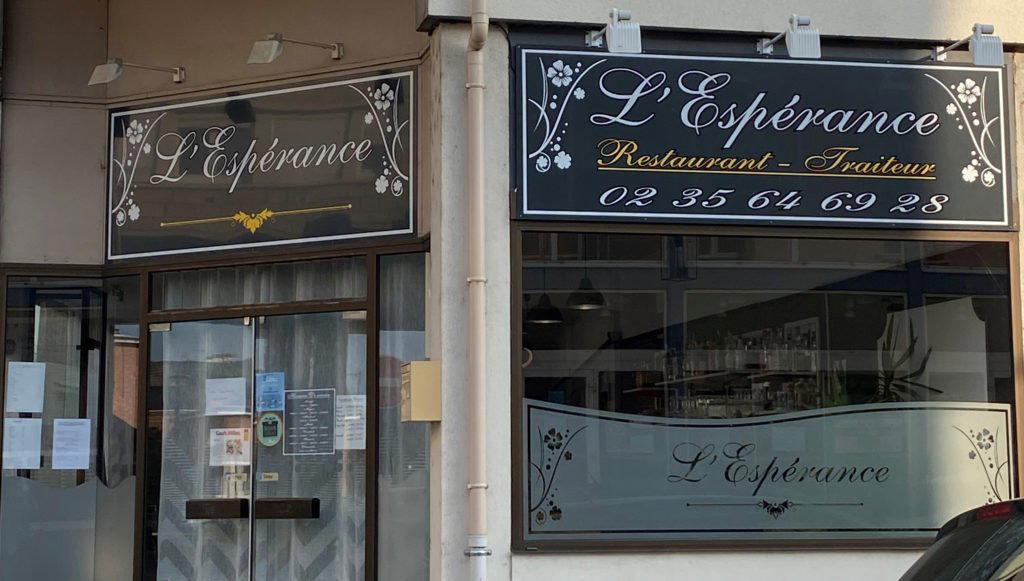
Barentin and the Norman Dining Tradition
The Seine-Maritime department sits within one of France's most productive food-producing regions. Normandy's identity on the plate is built on concrete agricultural reality: dense dairy farming, apple orchards that feed both cider and calvados production, coastal fishing from Fécamp to Dieppe, and market gardens that supply Rouen's restaurant trade. In this context, a restaurant address in Barentin, a small industrial town roughly twenty kilometres northwest of Rouen, is less of an anomaly than it might first appear. France's most ingredient-led cooking has historically emerged not from capital cities but from towns with direct supply lines to the source, and Normandy has those supply lines in abundance.
The broader pattern of French provincial dining matters here. While Paris commands the critical conversation, with addresses like Alléno Paris au Pavillon Ledoyen setting a benchmark for creative €€€€ cooking, the regions have always maintained a parallel track. Houses like Auberge de l'Ill in Illhaeusern and Georges Blanc in Vonnas demonstrate that deeply regional sourcing and long institutional memory can anchor a restaurant in ways that urban addresses, dependent on national supply chains, often cannot replicate. L'Espérance in Barentin operates within that provincial tradition, even if its scale and profile sit well below those reference points.
What Ingredient Sourcing Looks Like in Seine-Maritime
Normandy's ingredient map is unusually legible. The Pays de Caux plateau, which surrounds Barentin, produces cream, butter, and cheese of a quality that has shaped the French table for centuries. Camembert, Livarot, and Pont-l'Évêque all originate within the region's borders. Apple varieties cultivated here are pressed into the ciders and calvados that appear on Norman tables as naturally as wine appears in Burgundy or Bordeaux. The coast, reachable within an hour in either direction from Barentin, supplies sole, turbot, scallops, and mussels that are among the more consistent shellfish harvests in northern Europe.
For a restaurant working within this geography, the sourcing argument almost makes itself. The question is whether a kitchen is actually drawing from that network or relying on the broader national wholesale trade that has homogenised mid-market French cooking across much of the country. France's most compelling provincial addresses, from Bras in Laguiole to Auberge du Vieux Puits in Fontjoncouse, have built their reputations precisely on that discipline: committing to what the land and coast immediately around them produce, and building menus outward from that constraint rather than inward from a predetermined style.
Closer to the sea, addresses like Christopher Coutanceau in La Rochelle and La Marine in Noirmoutier-en-l'île have made coastal proximity the organising principle of everything they do. Barentin's position, inland but within reach of both the Seine estuary and the Channel coast, places a kitchen there in a slightly more complex sourcing position, one where the choice between dairy-led plateau cooking and marine-led coastal cooking is genuinely open.
The Address on Rue Madeleine Vernet
L'Espérance is located at 6 Rue Madeleine Vernet in central Barentin, a street-level address in a town where restaurant infrastructure is modest rather than dense. Barentin is not a dining destination in the way that Rouen is, and that distinction matters for how you read a restaurant here. That dynamic tends to produce a different kind of cooking: more conservative in some respects, more genuinely calibrated to local taste in others.
The Seine valley towns northwest of Rouen have never attracted the critical scrutiny that the city itself receives, nor the tourism infrastructure that pushes restaurants in Honfleur or Étretat toward a more performative register. What they tend to support instead is steady, competent neighbourhood cooking where the sourcing is local by habit as much as by philosophy. That is a different proposition from the deliberate localism of, say, Mirazur in Menton or the multi-generational terroir commitment of Troisgros in Ouches, but it is no less authentic for being less theorised.
Placing L'Espérance in the French Provincial Context
France's provincial restaurant scene has two broadly distinct modes. The first is the destination house, which draws visitors from outside the region and builds an identity around a named chef, a particular cuisine philosophy, or an award record. The second is the local institution, which serves its immediate community across years or decades, accumulating loyalty rather than press coverage. The latter category includes some of France's most interesting cooking, even if it rarely appears in the publications that shape international reputation.
Addresses like Assiette Champenoise in Reims and Au Crocodile in Strasbourg have managed to straddle both modes, maintaining local relevance while also drawing regional and national attention. Most provincial restaurants operate closer to the community end of that spectrum, and a restaurant in Barentin is almost certainly in that category. The practical implication for a visitor is that expectations should be calibrated accordingly: this is not the format you would compare against AM par Alexandre Mazzia in Marseille or L'Oustau de Baumanière in Les Baux. It occupies a different tier and a different function in its community.
For context on where French provincial fine dining can reach at its most sustained and institutionally serious level, Paul Bocuse - L'Auberge du Pont de Collonges and Flocons de Sel in Megève represent what long-term commitment to a region and a cuisine philosophy can produce over time. International comparisons, such as Le Bernardin in New York City or Atomix in New York City, show how French culinary tradition has shaped restaurant culture far beyond its borders, but they also underscore how different the local neighbourhood restaurant remains as a category, defined by regularity and community rather than by event dining.
Planning a Visit
L'Espérance is located at 6 Rue Madeleine Vernet, 76360 Barentin, accessible by road from Rouen in under thirty minutes via the A150 motorway. Barentin also has rail connections to Rouen on the Le Havre line, making it reachable without a car for visitors based in the city. As with most neighbourhood restaurants in smaller French towns, visiting midweek at lunch tends to reflect local rhythms more accurately than a weekend evening sitting, and is often the format where a kitchen's sourcing decisions are most legible.
A Quick Peer Check
Comparable venues nearby, for context on price, style, and recognition.
| Venue | Cuisine | Price | Notes |
|---|---|---|---|
| L'EspéranceThis venue — the venue you are viewing | Traditional French Bistro | $$$ | Not listed |
| Les Caudalies | Contemporary French Bistro | $$$ | Bois-Guillaume |
| Gill | Classic French Fine Dining | $$$ | Quai de la Bourse |
| Auberge de la Touques | Traditional Norman French Bistro | $$$ | Pont-L'Evêque |
| La Galerie | Contemporary French Seasonal | $$$ | old town |
| Les Quatre Chats | Traditional French Bistro | $$$ | Trouville-sur-Mer |
Continue exploring
More in Barentin
Restaurants in Barentin
Browse all →
At a Glance
- Cozy
- Intimate
- Classic
- Date Night
- Family
- Standalone
- Extensive Wine List
Current opening hours
- Monday
- 11:45 AM–1:30 PM
- Tuesday
- 11:45 AM–1:30 PM
- Wednesday
- Closed
- Thursday
- 11:45 AM–1:30 PM
- Friday
- 11:45 AM–1:30 PM, 7:15–9 PM
- Saturday
- 11:45 AM–1:15 PM, 7:15–9 PM
- Sunday
- Closed
Hours can change for holidays and private events. Last verified .
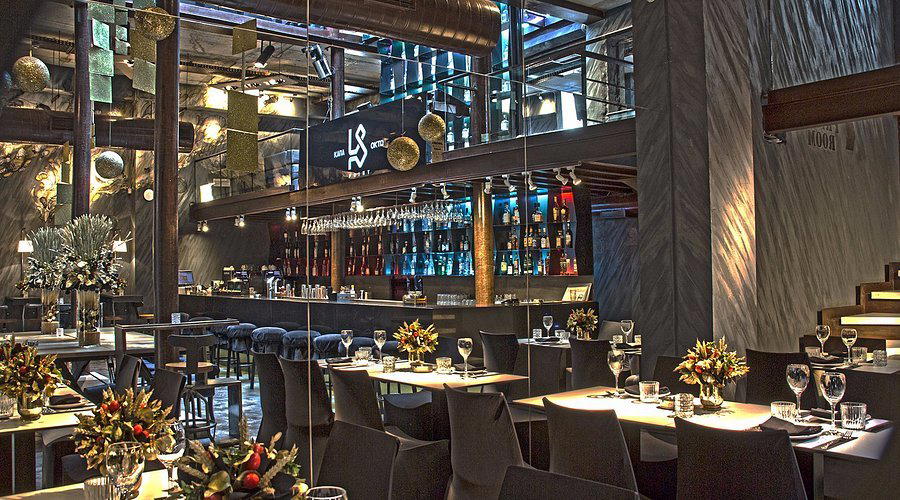
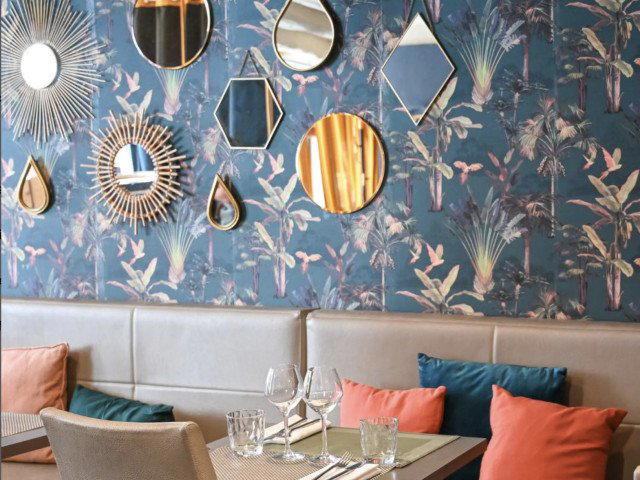
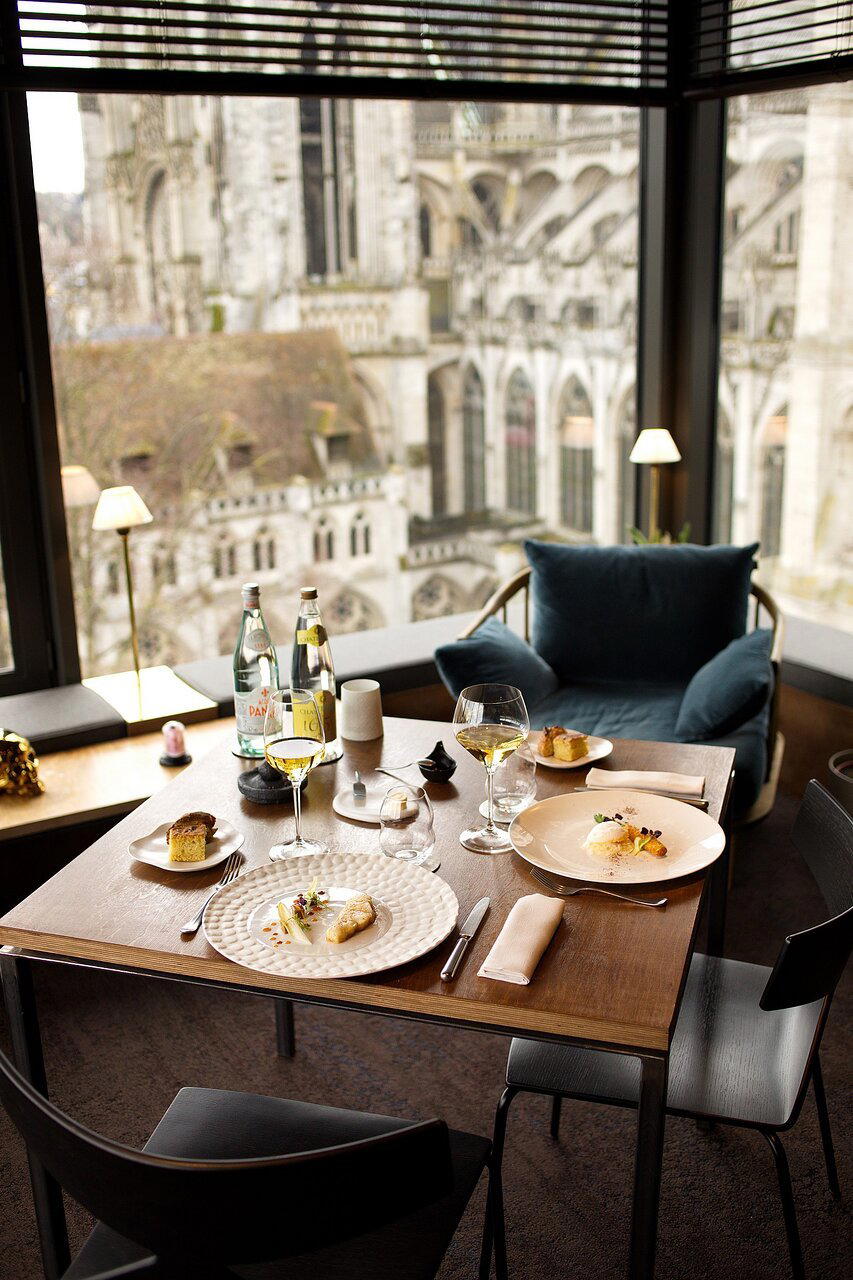
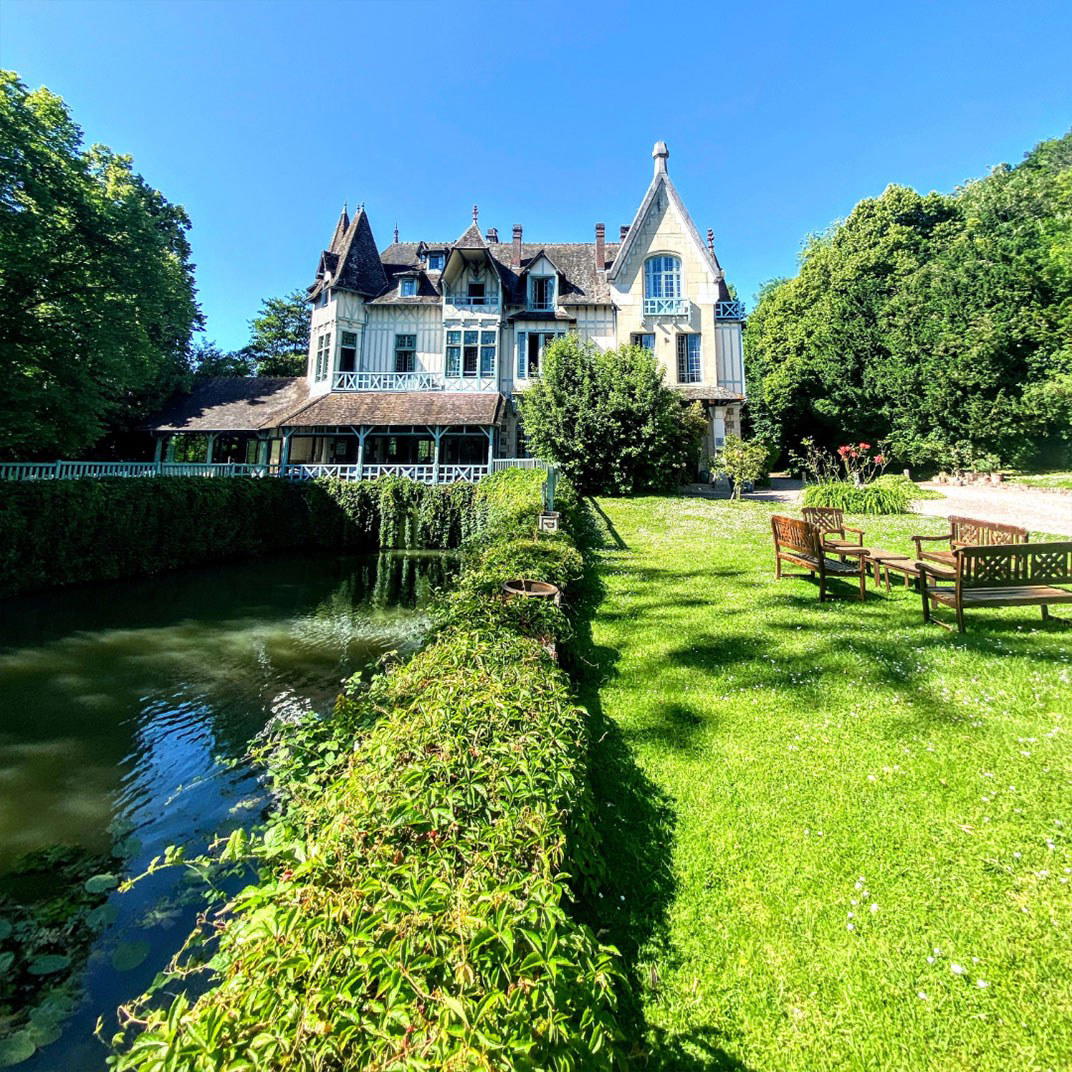
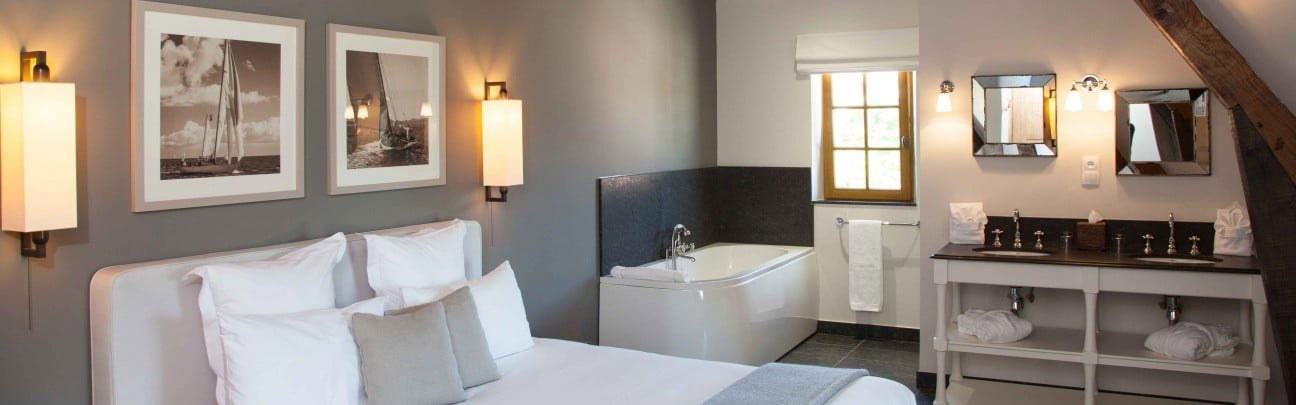
Cozy family atmosphere in a small setting with kind service and luxurious decor.