Auberge Bienvenue
.png)
A Michelin Plate-recognised table in the heart of the Loire Valley, Auberge Bienvenue brings traditional French cuisine to Doué-en-Anjou with a 4.7-star rating across 618 Google reviews. Priced at the accessible €€ tier, it occupies a clear niche in provincial French dining: serious kitchen craft without the formality or cost of the region's starred restaurants.
 Discover on Pearl
Pearl is the En Primeur Club membership app — saves, bookings, and concierge access live there. Same editors, same standards.
- Address
- 104 Rue de Cholet, 49700 Doué-en-Anjou, France
- Phone
- +33 2 41 59 22 44
- Website
- logishotels.com
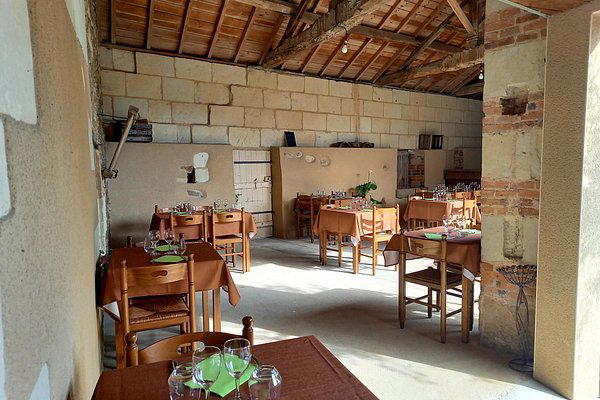
Provincial Kitchens, Honest Produce: Where Anjou's Table Tradition Holds Ground
Auberge Bienvenue is a restaurant in Doué-en-Anjou serving Classic French Bistro Cuisine, with a Michelin Plate recognition in 2024 and mid-range pricing. Too serious for the brasserie category, too rooted in local produce to fit the contemporary gastronomy bracket, these tables operate in the middle register of French provincial dining, where the cooking earns its reputation through consistency and ingredient fidelity rather than theatrical presentation. Doué-en-Anjou, a town better known for its rose cultivation and troglodyte heritage than its restaurant scene, is precisely the kind of place where this register survives in good health. Auberge Bienvenue, at 104 Rue de Cholet, sits squarely within that tradition.
The Anjou region is positioned at a crossroads of French agricultural abundance. The Loire Valley corridor brings soft-fleshed river fish, market garden produce from alluvial soils, and a proximity to the cattle and charcuterie traditions of the Maine and Vendée. Restaurants that take this geography seriously are not making a marketing decision, they are acknowledging that the raw material available to a kitchen in this part of France is, in practical terms, unusually strong. The distinction between a kitchen that sources with intent and one that does not becomes visible on the plate in this kind of country cooking far more quickly than it does in a contemporary tasting menu format, where technique can mask origins.
The Michelin Plate in Context
A Michelin Plate, awarded in 2024, signals that the Michelin inspectors found cooking of consistent quality here, the recognition sits below the star tier but above the absence of any Michelin mention. For a €€-priced table in a small Loire Valley town, this is a meaningful credential. The Michelin Plate recognises a kitchen that delivers consistent quality without the formality of the star tier. The Plate recognises that the everyday end of the French table, done properly, deserves its own acknowledgment.
Across 634 Google reviews, Auberge Bienvenue holds a 4.7 rating, a figure that indicates sustained performance. Restaurants at this price point that sustain high-volume positive feedback over time are typically doing something right at the level of hospitality consistency and value perception, two variables that are harder to maintain than a single brilliant meal.
Ingredient Logic in the Loire Valley Kitchen
The Loire Valley is one of France's most coherent regional food systems. The river itself has historically supplied shad, pike, and sandre (zander) to local kitchens. The surrounding bocage and alluvial plains produce leeks, asparagus during the spring window, and the button mushrooms, champignons de Paris, that were originally cultivated in the region's troglodyte caves, a direct material connection between the landscape visible from the road outside and what arrives on the plate inside. A traditional cuisine classification, which is how Auberge Bienvenue is categorised, typically signals engagement with this regional inheritance rather than departure from it.
This ingredient logic matters particularly in Anjou because the region occupies a kind of productive middle ground in French culinary geography, less nationally promoted than Périgord or Burgundy, but not without genuine substance. Provincial auberge cooking at its most coherent is precisely about translating this local abundance into dishes that read as plain without being simple: a pike quenelle where the texture is the argument, a slow-braised preparation where the sourcing of the meat determines whether the dish works or merely fills a plate. The French auberge format at its most functional is a transmission mechanism for place.
Finding Your Footing: Arrival and Atmosphere
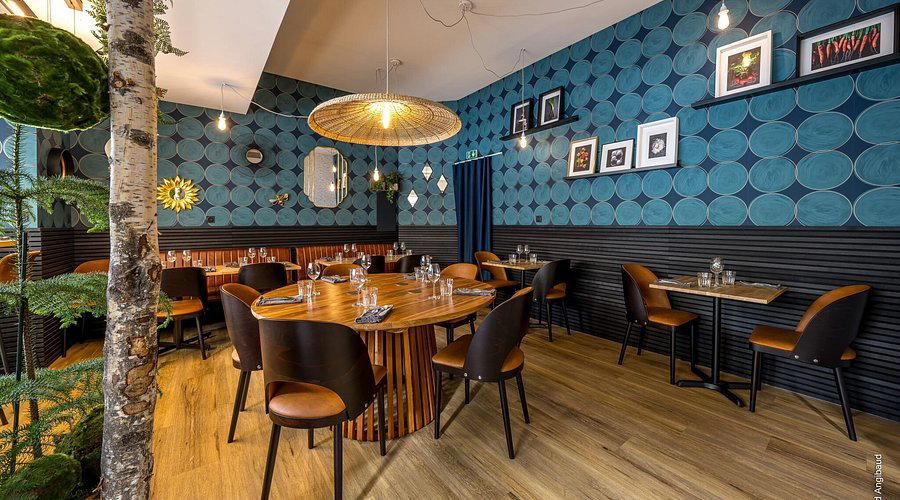
Doué-en-Anjou sits roughly 20 kilometres south-east of Saumur, reachable by car from the A85 motorway. The town's main character is agricultural and unhurried, the rose fields that give the area its festival identity in summer are visible on the approaches. On Rue de Cholet, the auberge format means you are arriving at a table embedded in a working town rather than a destination dining precinct. There is no grand approach, no valet, no architectural statement. The physical register is exactly what the price point and traditional cuisine classification suggest: a room where the point is the food and the company, not the space itself.
At €€ pricing, Auberge Bienvenue positions itself accessibly within the French provincial restaurant hierarchy, a practical consideration for visitors exploring the wider Loire Valley, who may be allocating budget across several meals and days. For those building a trip around the region's dining, the auberge model offers a different ratio of investment to experience than the starred houses: the kind of meal where you spend comfortably and leave satisfied rather than calculating whether the occasion justified the outlay.
How Auberge Bienvenue Fits the Wider French Auberge Tradition
The word auberge carries weight in French culinary culture. At its most storied, it conjures multi-generational houses: Auberge de l'Ill in Illhaeusern has held three Michelin stars for decades; Auberge du Vieux Puits in Fontjoncouse represents the same format applied to southern French produce. At the other end of the spectrum, the auberge designation simply means a welcoming table, often with rooms, in a rural or semi-rural context. Auberge Bienvenue operates in the accessible middle of this tradition, not a destination for a pilgrimage from Paris, but a sound reason to extend a Loire Valley itinerary by a meal. The comparison with Auberge Grand'Maison in Mûr-de-Bretagne is instructive: both are Michelin-noted provincial tables working within the traditional cuisine category, suggesting a broader pattern of smaller French towns sustaining serious kitchens outside the major restaurant cities.
Broader French dining context, from the garden-driven ambition of Bras in Laguiole to the classical rigour of Paul Bocuse in Collonges-au-Mont-d'Or, establishes a lineage within which a Plate-recognised auberge in the Loire takes on clearer meaning. This is the foundational layer of French restaurant culture, the tables that sustain the habit of eating well as a daily, local activity rather than an event.
Fast Comparison
Comparable venues nearby, for context on price, style, and recognition.
| Venue | Cuisine | Price | Awards | Notes |
|---|---|---|---|---|
| Auberge BienvenueThis venue — the venue you are viewing | Classic French Bistro Cuisine | $$$ | Michelin Plate | |
| Le Sourire | Franco-Japanese Fine Dining | $$$ | Michelin Plate | La Doutre |
| L'insouciant | Modern French Bistronomy | $$$ | Michelin Plate | Le Mans City |
| Le Chenin | Seasonal French Bistro | $$$ | Michelin Plate | Savennières |
| Auberge des Vieilles Pierres | French Bistro Gastronomique | $$$ | Michelin Plate | Flers |
| DAMES | Modern French | $$$ | Michelin Plate | Dol-de-Bretagne |
Continue exploring
More in Doué-la-Fontaine
Restaurants in Doué-la-Fontaine
Browse all →
Bars in Doué-la-Fontaine
Browse all →
Hotels in Doué-la-Fontaine
Browse all →
Wineries in Doué-la-Fontaine
Browse all →
At a Glance
- Romantic
- Classic
- Elegant
- Intimate
- Date Night
- Special Occasion
- Celebration
- Business Dinner
- Hotel Restaurant
- Terrace
- Garden
- Extensive Wine List
- Sommelier Led
- Local Sourcing
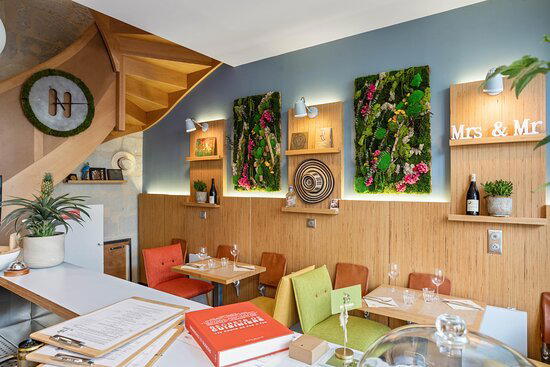
Spacious dining room with tasteful, colorful decor, white tablecloths, and refined presentation; warm, welcoming atmosphere with attentive service from a family-run establishment.