Le Chenin
.png)

A Michelin Plate bistro in the heart of Savennières wine country, Le Chenin earns its place on the Loire's dining map through honest traditional cooking and a wine list drawn from one of France's most distinctive appellations. At the €€ price tier, it represents the kind of grounded, ingredient-led lunch that serious wine tourists return to between cellar visits.
 Discover on Pearl
Pearl is the En Primeur Club membership app — saves, bookings, and concierge access live there. Same editors, same standards.
- Address
- 1 Pl. Simone Veil, 49170 Savennières, France
- Phone
- +33 2 44 01 84 51
- Website
- lechenin-savennieres.fr
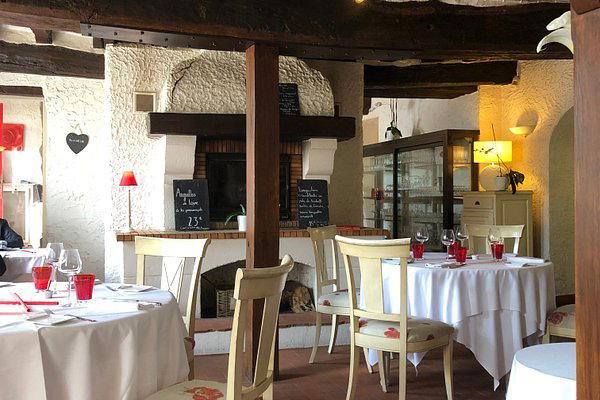
Where Wine Country Meets the Kitchen Table
Savennières sits on the south-facing schist slopes above the Loire, just west of Angers, and the village carries the particular quiet of a place whose reputation rests entirely on what it grows rather than what it sells. The appellation produces Chenin Blanc of a kind rarely matched elsewhere in France: mineral, long-lived, prone to a honeyed oxidative note in older vintages, and genuinely difficult to understand without tasting it in context. That context, for most serious visitors, includes a meal. Le Chenin, at Place Simone Veil in the village centre, is the bistro that has positioned itself as exactly that companion stop, a place to eat well between producer visits, or to close out a day of tasting with something grounded and purposeful on the plate.
The address sits in the kind of modest village square that defines the Loire's working wine towns: no grand boulevard, no Haussman facade, just the functional architecture of a place that has been feeding locals and passing travellers for generations. Approaching Le Chenin, the mood is resolutely bistro rather than destination restaurant. The scale is human, the signage understated, and the motif, eat well, drink well, functions as an honest statement of intent rather than a marketing line. In a wine region where the ceiling on food ambition is set by the land rather than the kitchen, that positioning is a sensible one.
What Lands on the Plate and Where It Comes From
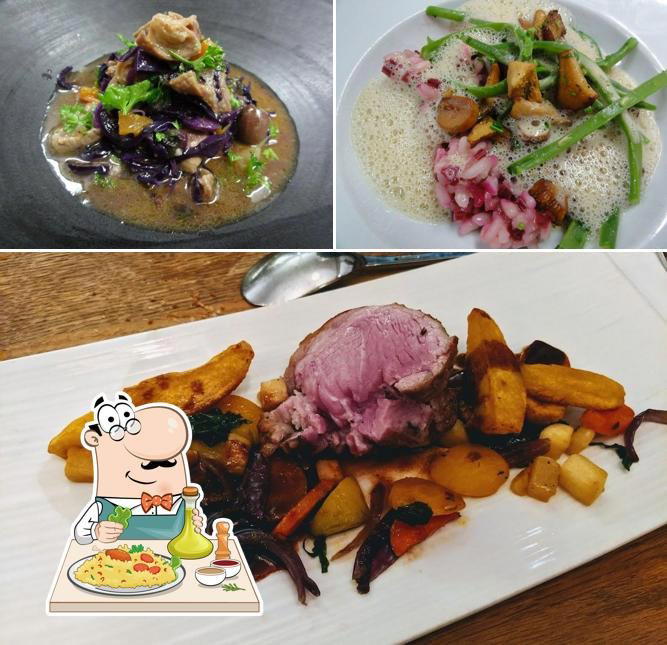
The Loire Valley's culinary identity is built on its rivers and its bocage. Pike, perch, and shad have defined the regional table since at least the Renaissance courts of the Touraine, and the valley's vegetable gardens, particularly around the Anjou, have long supplied a cooking tradition that treats produce as the main event. The leading Loire kitchens work with short supply chains, local goat's cheese from nearby farms, river fish from the Maine and its tributaries, and the early-season asparagus and mushrooms that come out of the valley's sandy and tuffeau soils.
Le Chenin operates under a Traditional Cuisine classification, which in the French context means adherence to regional technique and ingredient logic rather than contemporary reworking. That is a meaningful distinction in Anjou. The cuisine of this part of the Loire is less showy than Burgundy's, less theatrical than Alsace, and more directly tied to what the immediate land and water produce. A bistro working within that tradition is not making a conservative choice by default; it is choosing a form of cooking that requires honest sourcing because there is nowhere to hide behind elaborate preparation. The Michelin Plate recognition the restaurant holds for 2025 signals that the kitchen meets a consistent standard of quality and care.
For visitors planning a day around Savennières producers, the bistro format at a €€ price point is a practical anchor. Serious wine tastings, particularly at estates that open by appointment only, tend to run at cellar tempo rather than clock tempo. A direct, well-sourced lunch at Le Chenin allows the day to breathe without the commitment of a multi-course restaurant experience.
The Wine Dimension
The Loire Valley's wine identity extends well beyond Savennières into a corridor that runs from Muscadet in the west to Sancerre and Pouilly-Fumé in the east, with Vouvray, Bourgueil, Chinon, and Saumur filling the middle. A bistro in this particular village carries a specific obligation: it must take the local appellation seriously. Savennières Chenin aged five, ten, or twenty years can be as complex as any white wine in France, and a wine list that fails to reflect that is a missed opportunity of the first order.
The name Le Chenin is a direct acknowledgment of that obligation. It is a choice that signals an editorial point of view about what the restaurant is for and what kind of guest it is addressing. Wine tourists who have spent the morning at a domaine and want to continue the conversation through food and glass rather than suspend it for a generic bistro meal are the natural audience here. That framing also connects Le Chenin to a broader Loire Valley pattern: the region's most persuasive lunch stops are the ones that treat the wine list and the food list as a single argument about place.
Planning Your Visit
Savennières is accessible from Angers in under 20 minutes by car, and the village itself is compact enough to cover on foot once you arrive. Le Chenin sits on Place Simone Veil at the address 1 Pl. Simone Veil, 49170 Savennières. The price range at €€ places it in the mid-tier for French bistro dining, expect the kind of bill that feels proportionate to a working lunch in wine country rather than an occasion dinner. Booking in advance is advisable.
Where Le Chenin Sits in the French Dining Picture
France's dining spectrum runs from multi-starred destinations like Alléno Paris au Pavillon Ledoyen in Paris, Mirazur in Menton, and Flocons de Sel in Megève at the haute end, through regional institutions like Troisgros in Ouches, Paul Bocuse in Collonges-au-Mont-d'Or, Bras in Laguiole, and Auberge de l'Ill in Illhaeusern, to the kind of honest, place-rooted bistro cooking that Le Chenin represents. Further afield, restaurants like AM par Alexandre Mazzia in Marseille, Assiette Champenoise in Reims, Au Crocodile in Strasbourg, and Auberge du Vieux Puits in Fontjoncouse show how regional France sustains serious cooking well outside the capital. In that full spectrum, Le Chenin occupies a specific and necessary position: it is the kind of restaurant that makes a wine region more than a tasting itinerary. For comparable traditional cuisine in French village settings, Auberge Grand'Maison in Mûr-de-Bretagne offers a useful point of comparison, as does Auga in Gijón for the broader Atlantic European tradition of ingredient-led bistro cooking. The Google rating of 4.6 across 1,087 reviews is a practical signal that the kitchen delivers consistently across a wide range of visitors, which at this price point and format is the relevant measure of reliability.
A Quick Peer Check
Comparable venues nearby, for context on price, style, and recognition.
| Venue | Cuisine | Price | Awards | Notes |
|---|---|---|---|---|
| Le CheninThis venue — the venue you are viewing | Seasonal French Bistro | $$$ | Michelin Plate | |
| Le Serghi | French Bistronomic with Local Seafood | $$$ | Michelin Plate | Port of Saint-Martin-de-Ré |
| L'Estran | Modern French Bistronomic | $$$ | Michelin Plate | Port |
| Nemrod | Modern French Bistro-Gastronomique | $$$ | Michelin Plate | Place du Général de Gaulle |
| La Maison Tourangelle | Modern French Regional | $$$ | Michelin Plate | Savonnières |
| Le Boeuf Noisette | Classic French Bistro | $$$ | Michelin Plate | Centre-ville (Downtown Saumur) |
Continue exploring
More in Savennières
Restaurants in Savennières
Browse all →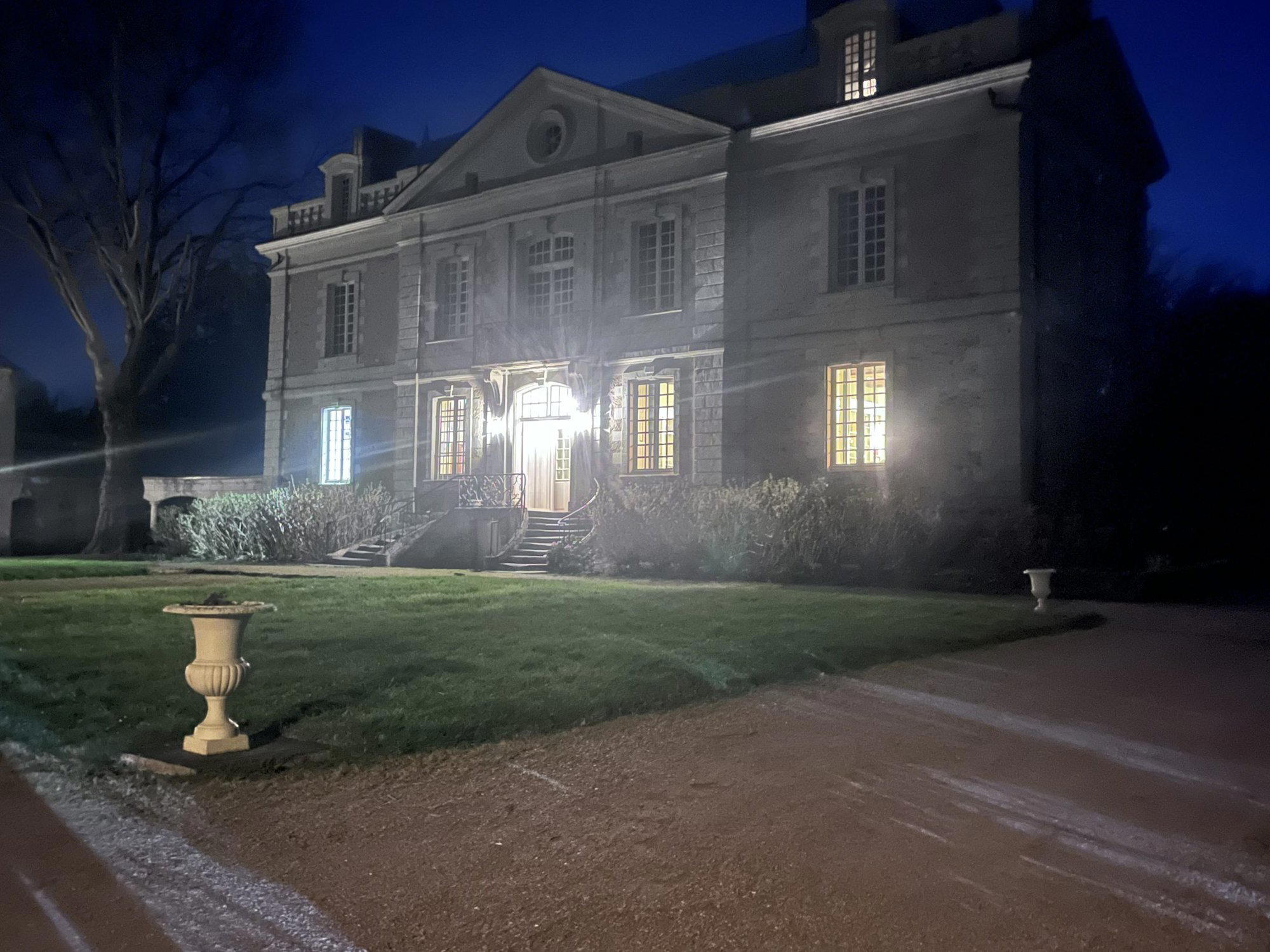
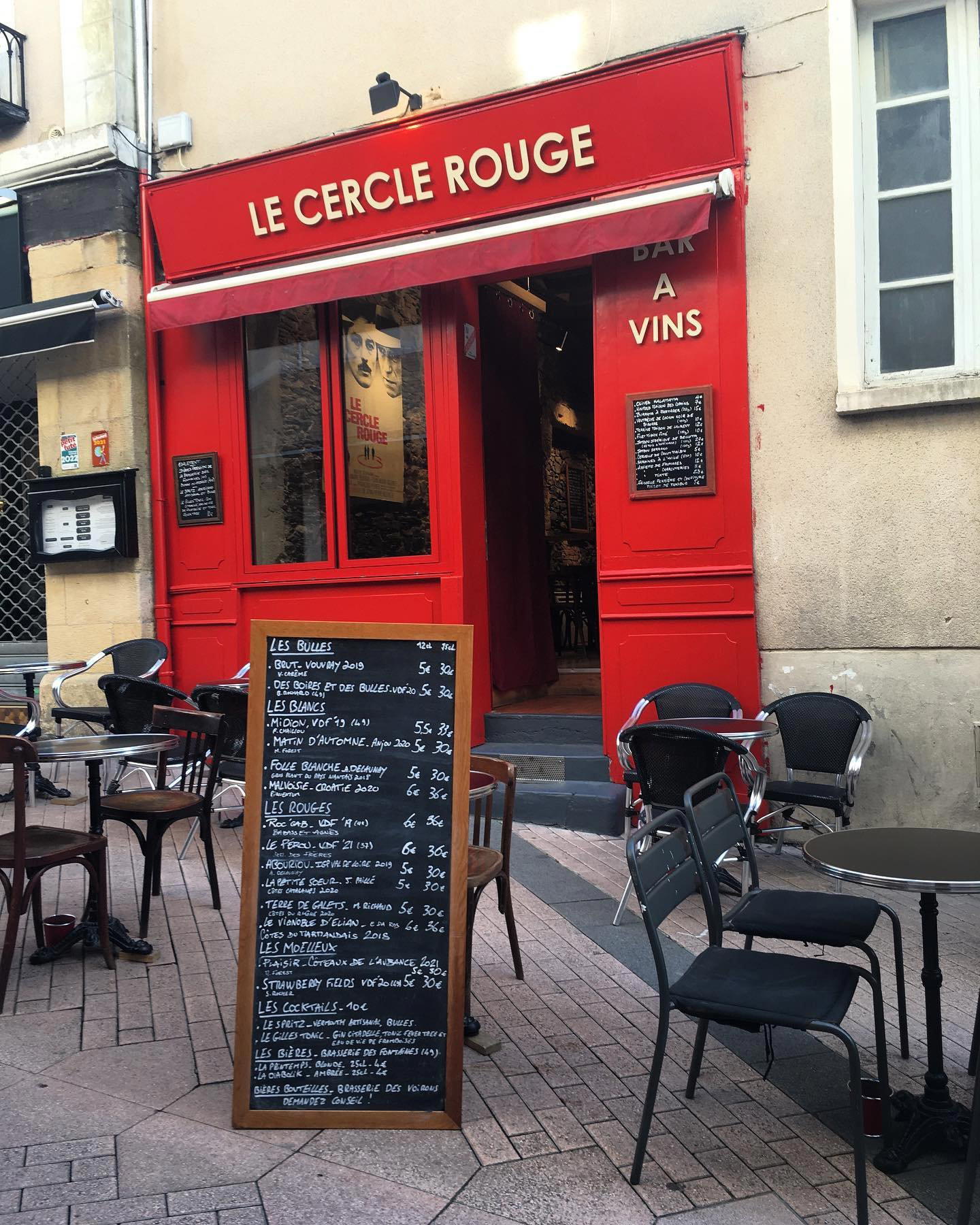
Bars in Savennières
Browse all →
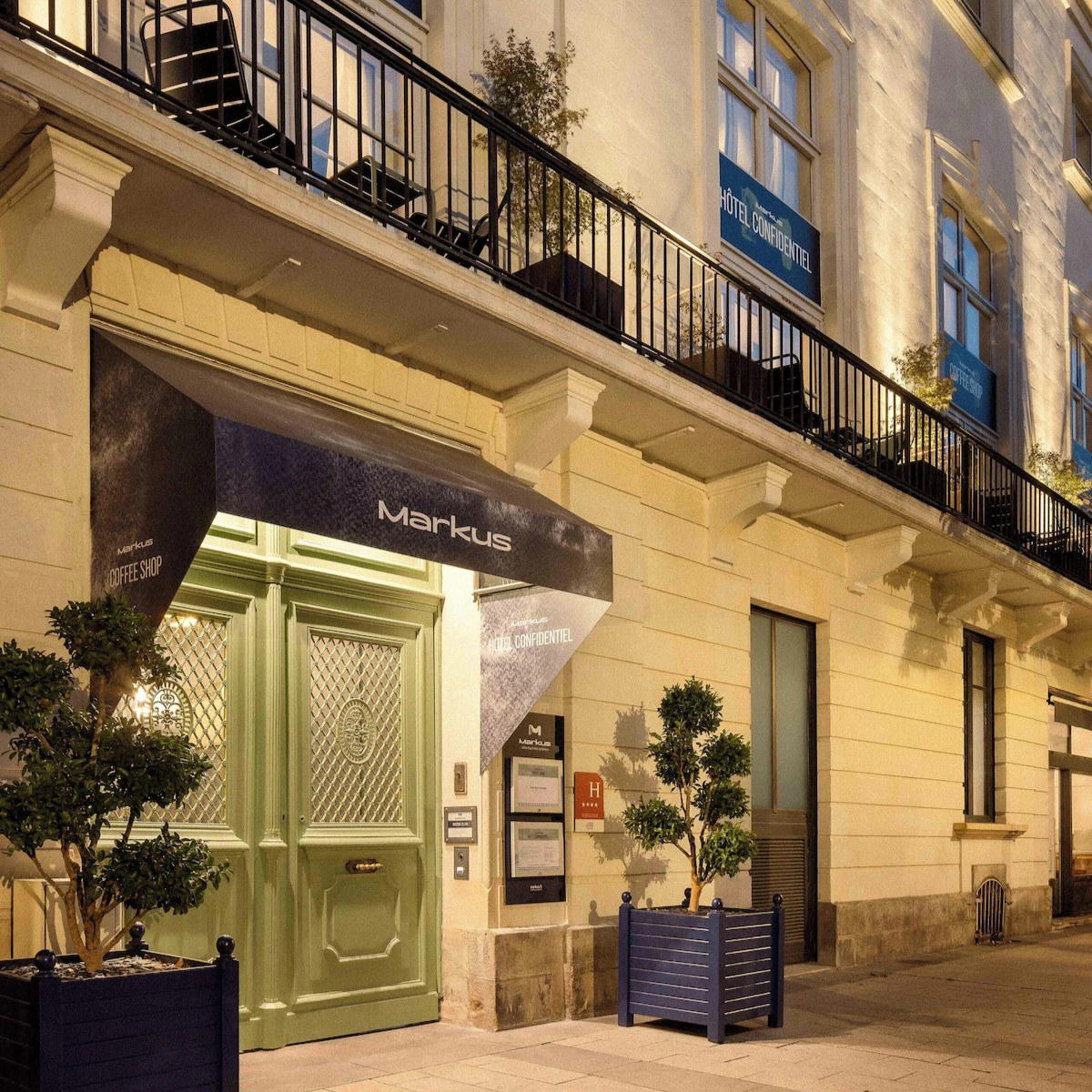
Hotels in Savennières
Browse all →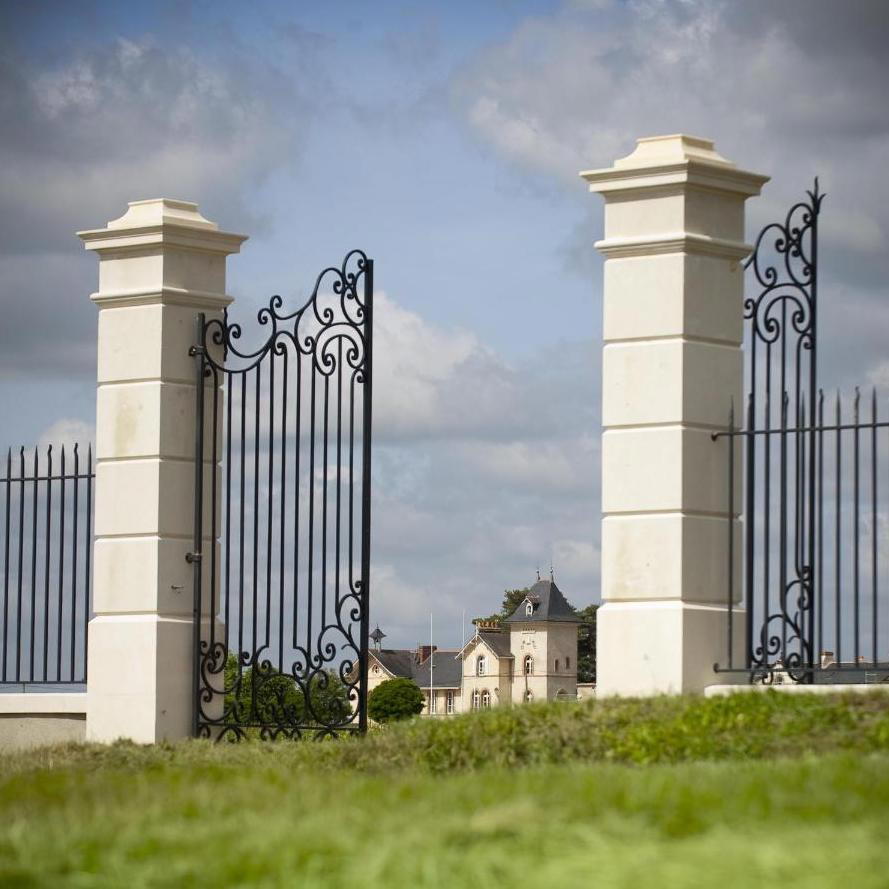
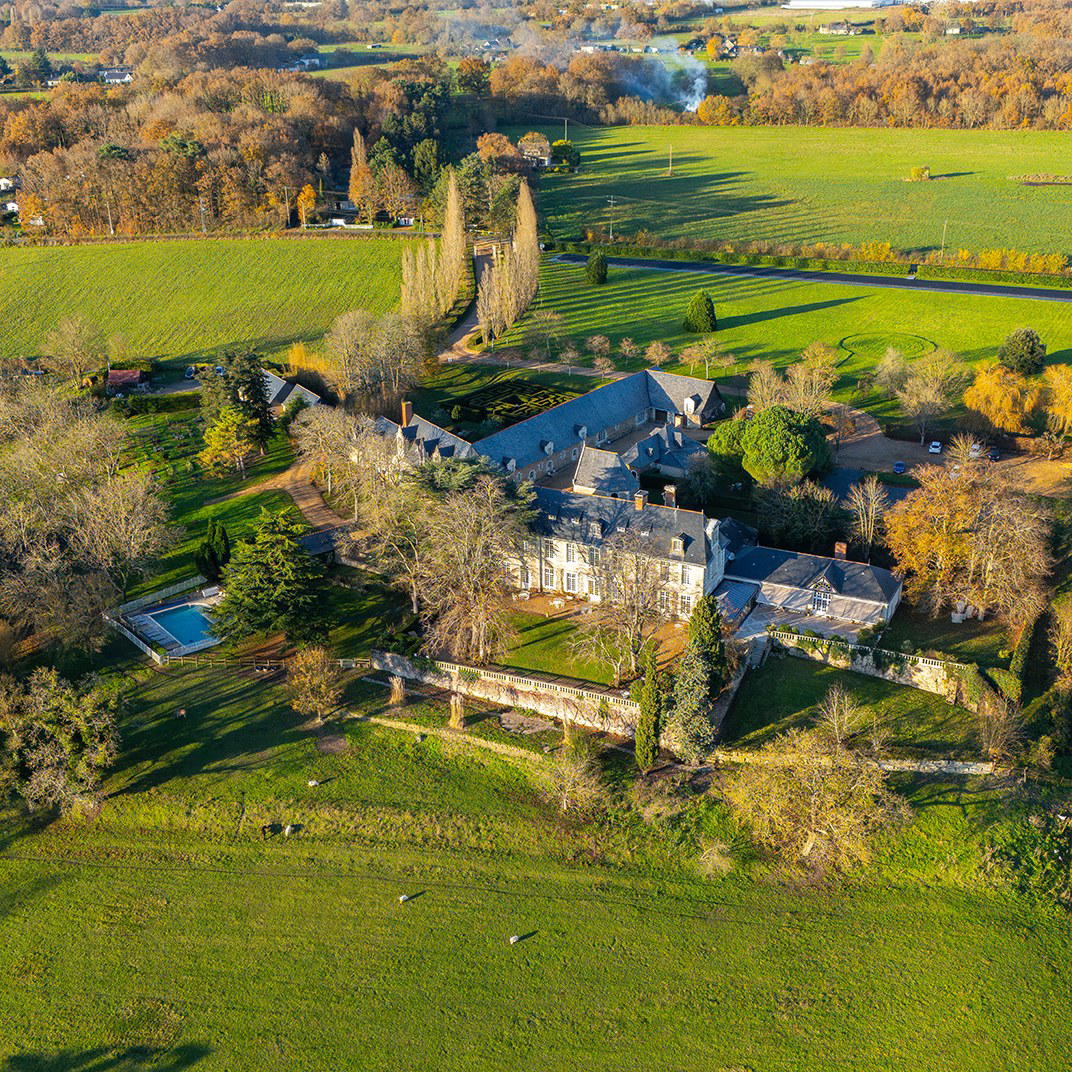
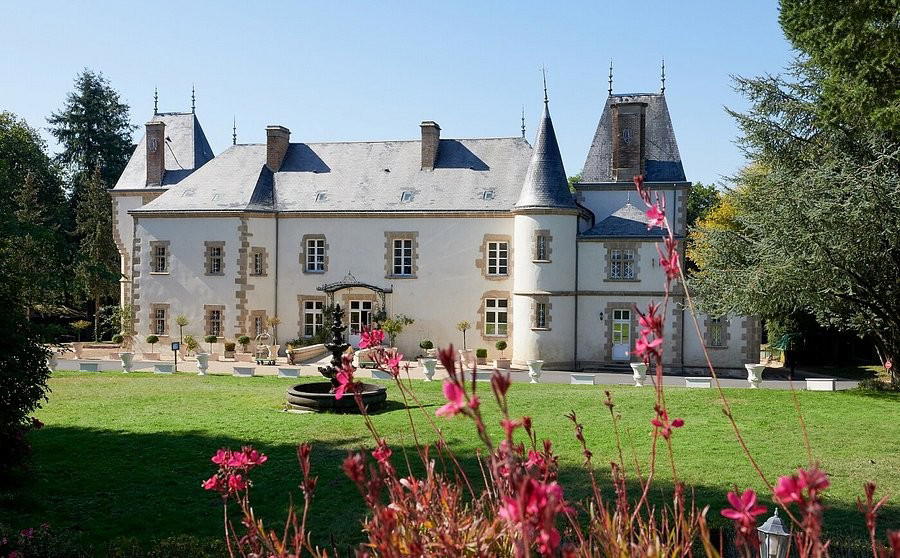
Wineries in Savennières
Browse all →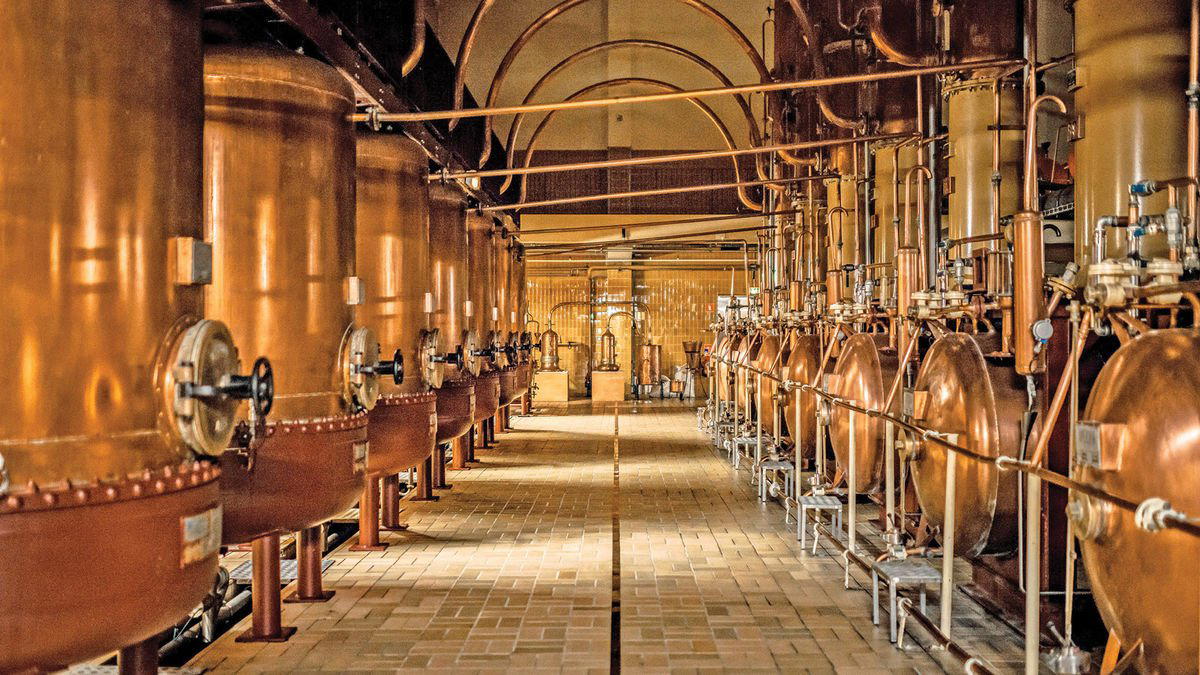
At a Glance
- Cozy
- Rustic
- Elegant
- Special Occasion
- Date Night
- Terrace
- Natural Wine
- Sommelier Led
- Extensive Wine List
- Local Sourcing
- Organic
- Street Scene
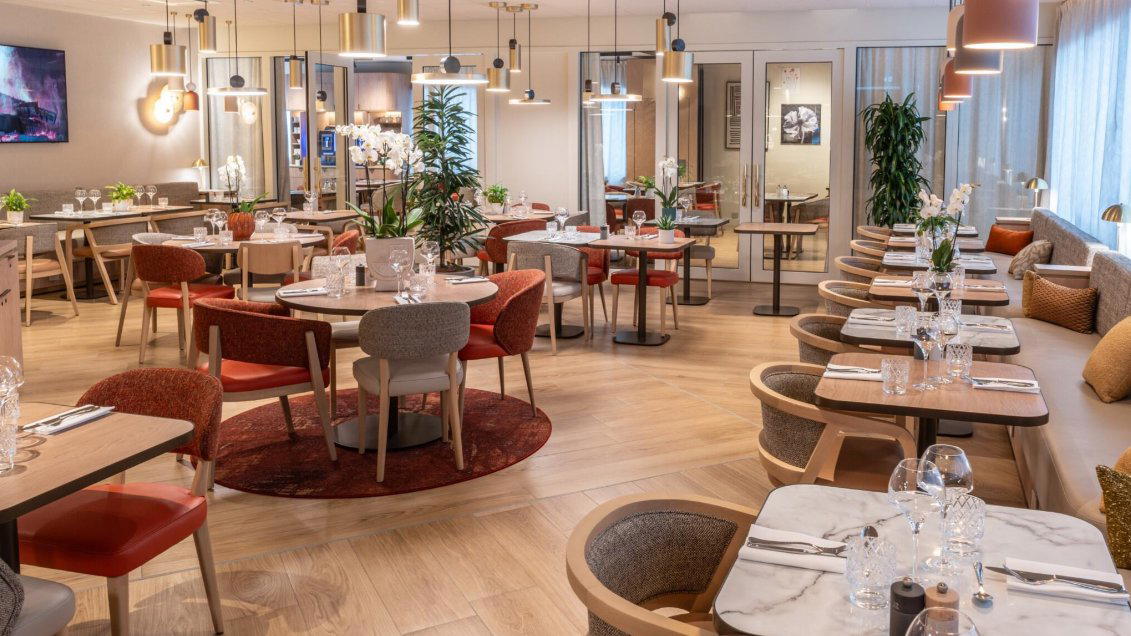
Chaleureuse salle with typical village decoration blending bistro ancien and modernité, on a pretty cobbled square facing the historic church, convivial atmosphere.