
Au Bourguignon du Marais, on the Rue François Miron in the 4th arrondissement, occupies a slice of old Paris where bistro tradition and Burgundian produce meet on the same plate. The address places it deep in the Marais's historic core, where centuries-old façades frame a dining room that operates closer to a neighbourhood table than a destination restaurant. For visitors seeking regional French cooking without the ceremony of a grand établissement, this is the right postcode.
Pearl is the En Primeur Club membership app — saves, bookings, and concierge access live there. Same editors, same standards.
- Address
- 52 Rue François Miron, 75004 Paris, France
- Phone
- +33148871540
- Website
- aubourguignondumarais.fr
- Directions
- Get directions
 Saves & bookings on Pearl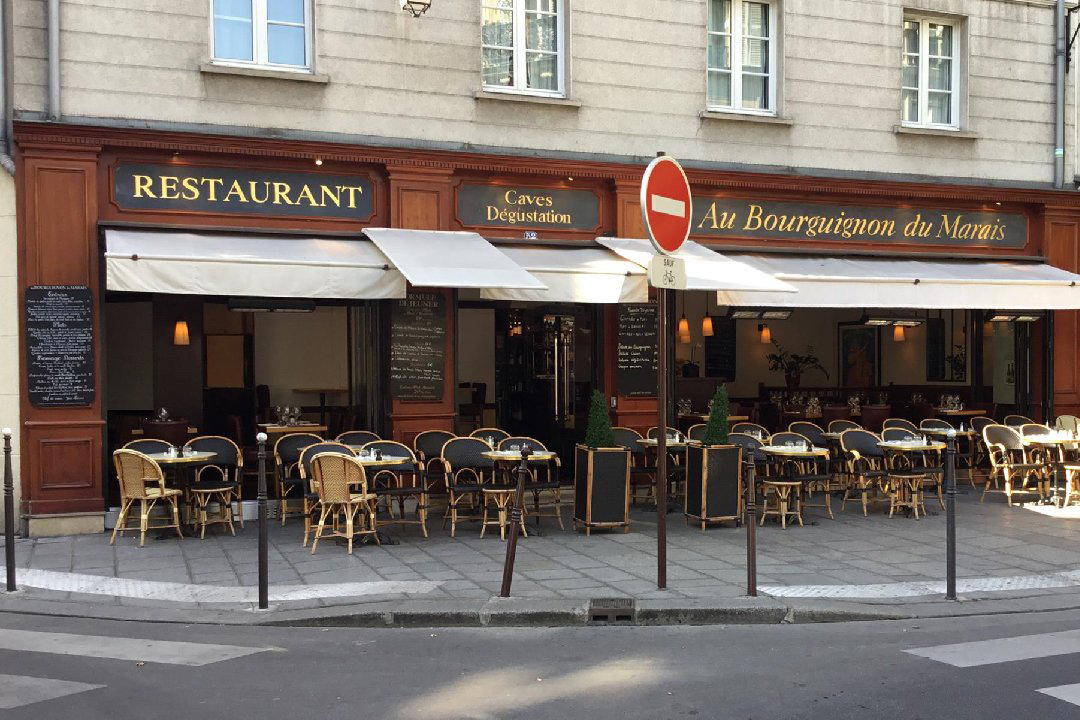
The Marais Table That Burgundy Built
Rue François Miron runs through among the stronger-preserved medieval streetscapes left in Paris. The half-timbered houses predate the Revolution; the stone kerbs have been worn smooth by centuries of foot traffic. In this context, a wine-focused bistro built around Burgundian cooking traditions reads less like a concept and more like a geographical inevitability. The Marais has long attracted restaurants that trade in specificity over spectacle, and Au Bourguignon du Marais is a precise expression of that tendency: a room defined by what it sources rather than how it performs.
Burgundy-focused restaurants occupy a particular niche in the Paris bistro spectrum. They tend to resist the broader trend toward conceptual menus and lean instead on the logic of a wine region: cook what pairs with what you're pouring. That framing puts ingredient provenance at the centre of every decision on the plate, from the cut of beef to the mustard on the side. It is an approach with deep roots in French regional cooking, one that connects Parisian neighbourhood tables to the same tradition as Georges Blanc in Vonnas or the kitchen logic behind Auberge de l'Ill in Illhaeusern, even if the scale and ambition are entirely different.
What Burgundian Sourcing Means on a Paris Menu
The ingredients most closely associated with Burgundy are not obscure: boeuf bourguignon, coq au vin, escargots de Bourgogne, jambon persillé, époisses, and Dijon mustard between them account for a significant portion of French culinary shorthand. What makes a Burgundy-focused bistro credible is whether those ingredients arrive in forms that reflect genuine regional sourcing rather than generic French produce dressed in Burgundian vocabulary.
Snails, for instance, carry appellation status in France: escargots de Bourgogne are the Helix pomatia species, larger and meatier than the common grey snail, and their provenance is something a kitchen either cares about or does not. Similarly, the distinction between charolais beef, raised in the Saône-et-Loire, west of Burgundy's wine country, and commodity French beef is legible on the plate in texture and fat structure. A restaurant that leans into these distinctions is doing something different from one that uses Burgundy as an aesthetic rather than a sourcing brief.
This sourcing logic connects Au Bourguignon du Marais to a broader French tradition of the restaurant as regional ambassador, a role that some of the country's most serious addresses have built careers around. Bras in Laguiole made Aubrac produce central to its identity. Les Prés d'Eugénie in Eugénie-les-Bains built its menu around the Landes. In each case, the sourcing brief preceded the cooking style, not the other way around. At the bistro level, that same principle applies, with fewer staff and smaller budgets, but identical logic.
The Bistro Tier in Context
Paris's restaurant field has fragmented significantly over the past fifteen years. At the leading, addresses like L'Ambroisie, three Michelin stars, Place des Vosges, and among the more formally demanding tables in the 4th, and Alléno Paris au Pavillon Ledoyen represent French haute cuisine at its most technically ambitious. Below that tier sits a growing middle band of bistronomique addresses, neo-bistros, and natural wine-forward rooms. The traditional Burgundy bistro, one that does not reinterpret its source material but rather presents it with care, occupies a different lane again, one that appeals to diners who find the neo-bistro format as conceptual in its own way as the haute cuisine it claims to reject.
By contrast, Kei and Le Cinq represent Paris's contemporary fine dining tier, where tasting menus and formal service codes define the experience. Au Bourguignon du Marais operates at a different register entirely, where the format is à la carte, the service is more likely to be direct than theatrical, and the wine list is the point of the exercise as much as the food. For diners who want regional French cooking without the architecture of a tasting menu, this end of the market is often where particularly satisfying evenings happen.
The Marais's dining scene has evolved rapidly since the early 2000s, when the neighbourhood's gentrification began pulling in a wider range of restaurants. The 4th now holds everything from Jewish quarter falafel stands on Rue des Rosiers to L'Ambroisie's three-star formality on Place des Vosges, a range that makes it one of Paris's most internally varied arrondissements for eating. A Burgundy bistro on Rue François Miron fits coherently into this picture, anchored to the neighbourhood's older residential character rather than its more recent tourist overlay.
Wine as the Organisational Principle
The name itself announces a priority: Bourgogne first, bistro second. In French wine terms, Burgundy's complexity is built on small appellations, producer-level variation, and vintage sensitivity in a way that Bordeaux or the Rhône Valley rarely demands of a casual diner. A wine list built around this region requires either a knowledgeable floor team or a well-annotated menu, because the difference between a village Gevrey-Chambertin and a premier cru bottling from the same commune is not self-evident from label alone.
Burgundy-focused wine programs also tend to orient the food menu around what the wines want: richness, fat, acidity, and earthiness. Dishes built on braised meats, root vegetables, cream sauces, and aged cheeses are not accidental companions to red Burgundy. They represent centuries of culinary co-evolution, a relationship that the leading regional French addresses, whether at the level of Troisgros in Ouches or a neighbourhood bistro in the 4th, understand as the foundation of the menu, not its decoration.
Planning Your Visit
Au Bourguignon du Marais is located at 52 Rue François Miron in the 4th arrondissement, within walking distance of the Saint-Paul Métro station on Line 1. The Marais is densely visited on weekends, particularly from mid-morning through early afternoon, when the neighbourhood's market and museum crowds peak.
| Venue | Tier | Format | Price Range | Location |
|---|---|---|---|---|
| The restaurant | Neighbourhood bistro | À la carte | €€ | 4th arrondissement |
| L'Ambroisie | Haute cuisine | À la carte | €€€€ | 4th arrondissement |
| Kei | Contemporary French | Tasting menu | €€€€ | 1st arrondissement |
| Le Cinq | Fine dining | Tasting menu | €€€€ | 8th arrondissement |
| Alléno Paris | Creative haute cuisine | Tasting menu | €€€€ | 8th arrondissement |
Those planning a wider French regional itinerary may also find value in comparing the Burgundy bistro tradition against destination addresses like Flocons de Sel in Megève, Mirazur in Menton, or Auberge du Vieux Puits in Fontjoncouse, each of which demonstrates how deeply a regional sourcing brief can shape a restaurant's identity when applied at higher technical intensity.
Reputation Context
Comparable venues nearby, for context on price, style, and recognition.
| Venue | Cuisine | Price | Notes |
|---|---|---|---|
| Au Bourguignon du MaraisThis venue — the venue you are viewing | Traditional Burgundian French Bistro | $$ | Not listed |
| Café Delmas | Classic French Brasserie | $$ | Quartier Latin |
| Le Compas | Traditional French Brasserie | $$ | Bonne-Nouvelle |
| Le Petit Baiona | Basque Bistro | $$ | Bastille |
| Arty | French Bistro | $$ | 2nd arrondissement (between Madeleine and Opéra) |
| Le comptoir de la traboule | Creative French Bistro | $$ | Gros-Caillou |
Recognition history
Dated appearances from independent guides and award organizations, with the underlying list record or original source where available.
Opinionated About Dining Newly Added European Restaurants
Opinionated About Dining
Opinionated About Dining Casual in Europe Recommended
Opinionated About Dining
Continue exploring
More in Paris
Restaurants in Paris
Browse all →
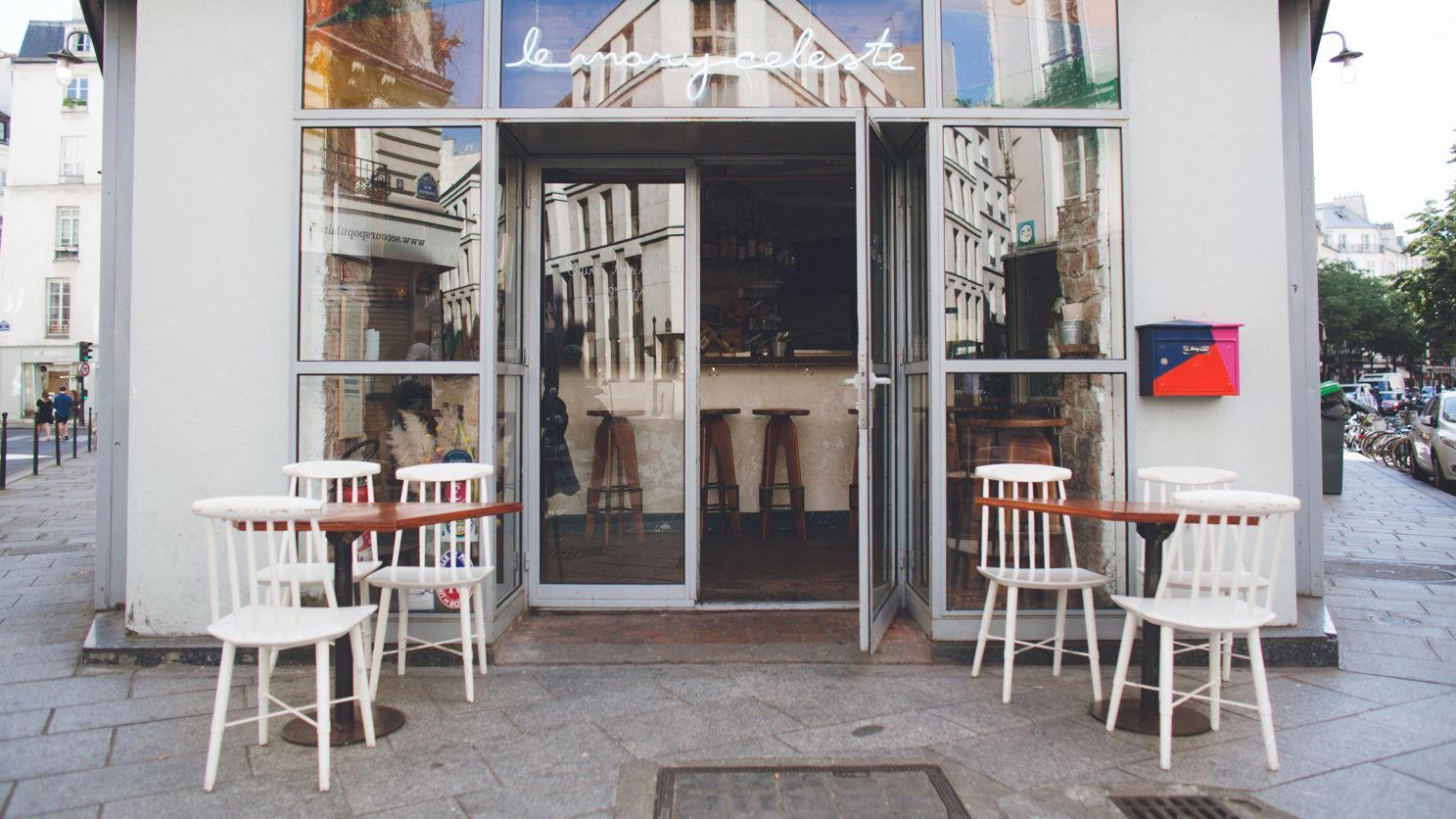
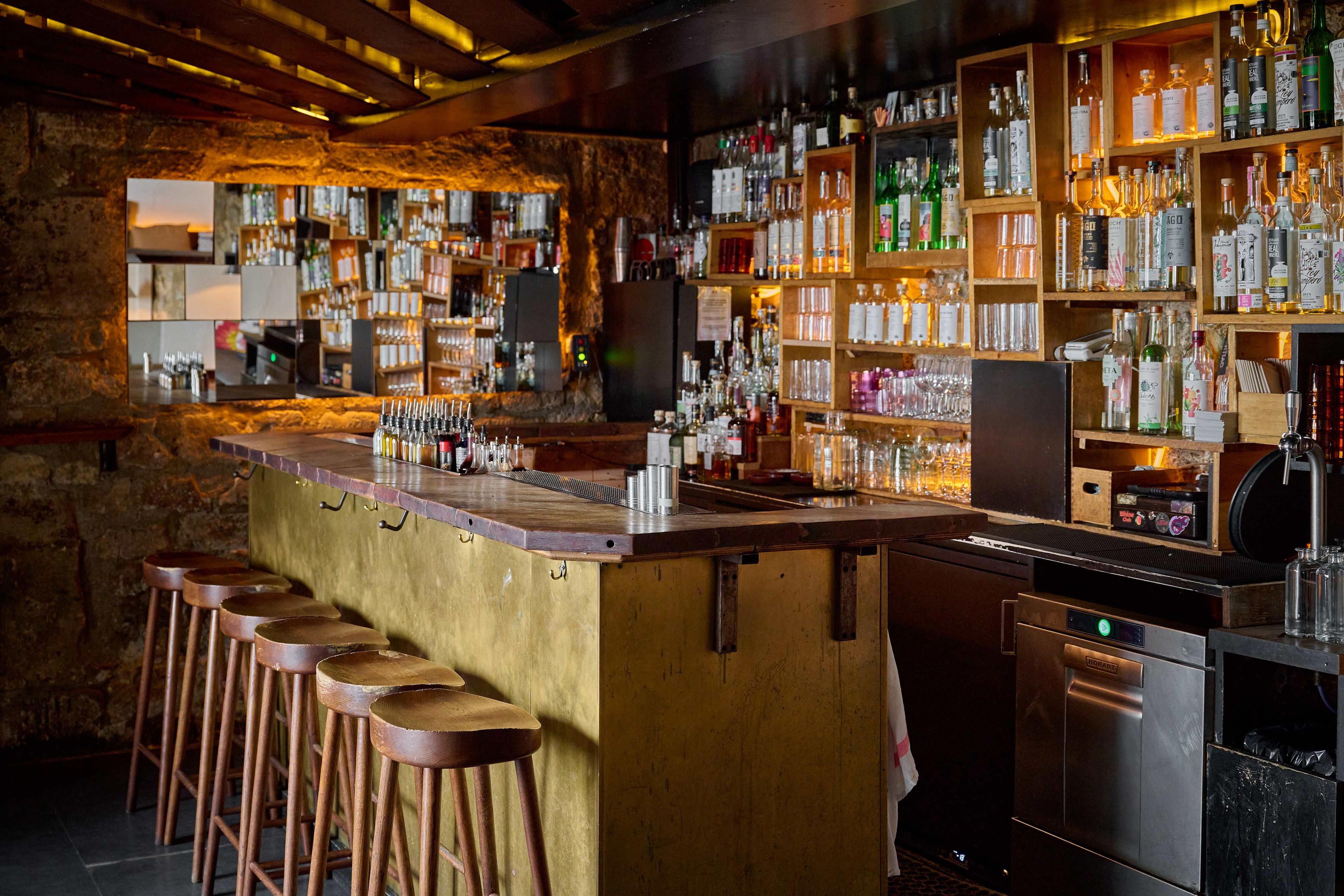
Bars in Paris
Browse all →
Hotels in Paris
Browse all →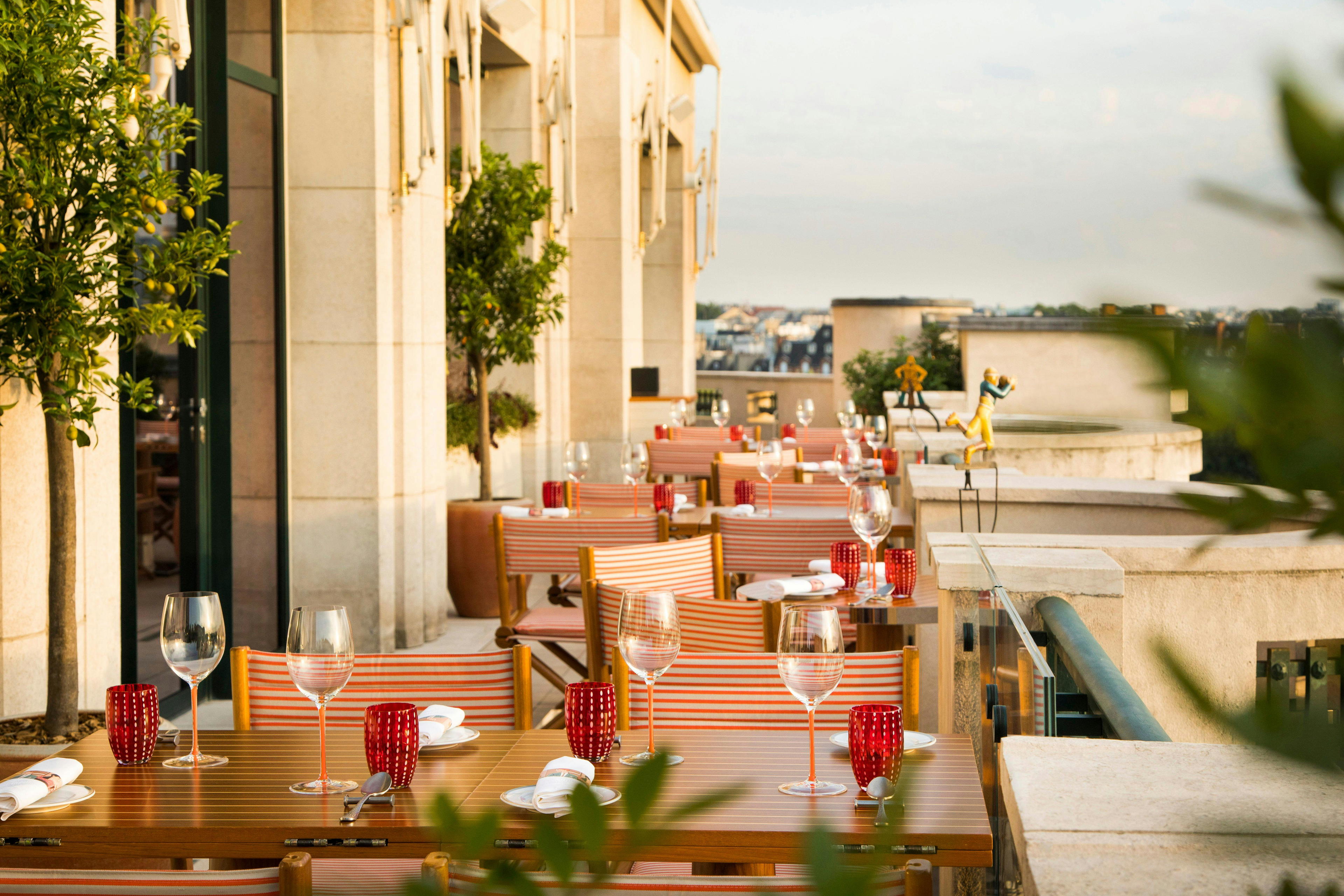
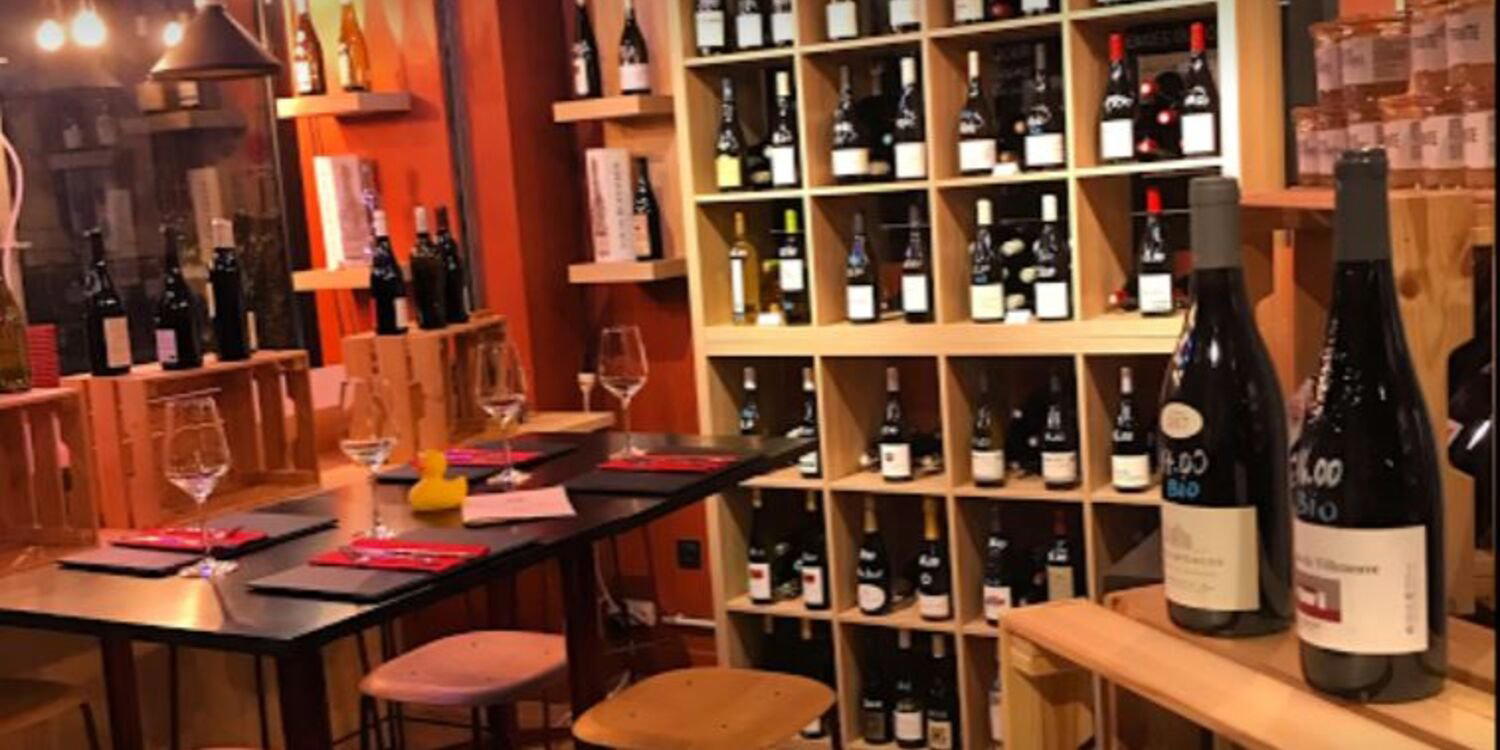
Wineries in Paris
Browse all →
At a Glance
- Cozy
- Classic
- Elegant
- Date Night
- Casual Hangout
- Terrace
- Extensive Wine List
- Street Scene
Current opening hours
- Monday
- 12–11 PM
- Tuesday
- 12–11 PM
- Wednesday
- 12–11 PM
- Thursday
- 12–11 PM
- Friday
- 12–11 PM
- Saturday
- 12–11 PM
- Sunday
- 12–11 PM
Hours can change for holidays and private events. Last verified .
Chaleureuse et lumineuse salle with chic and relaxed Parisian atmosphere, cozy classics, and terrace for people-watching.