Au Boeuf Couronne occupies a specific and durable position in the 19th arrondissement's dining history, where the tradition of serious beef cookery in Paris's former abattoir quarter still has weight. Positioned well outside the Michelin circuit of the 6th and 8th, it represents the older model of Parisian restaurant culture: craft-focused, neighbourhood-anchored, and resistant to reinvention for its own sake.
Pearl is the En Primeur Club membership app — saves, bookings, and concierge access live there. Same editors, same standards.
- Address
- 188 Av. Jean Jaurès, 75019 Paris, France
- Phone
- +33142394444
- Website
- boeuf-couronne.com
- Directions
- Get directions
 Saves & bookings on Pearl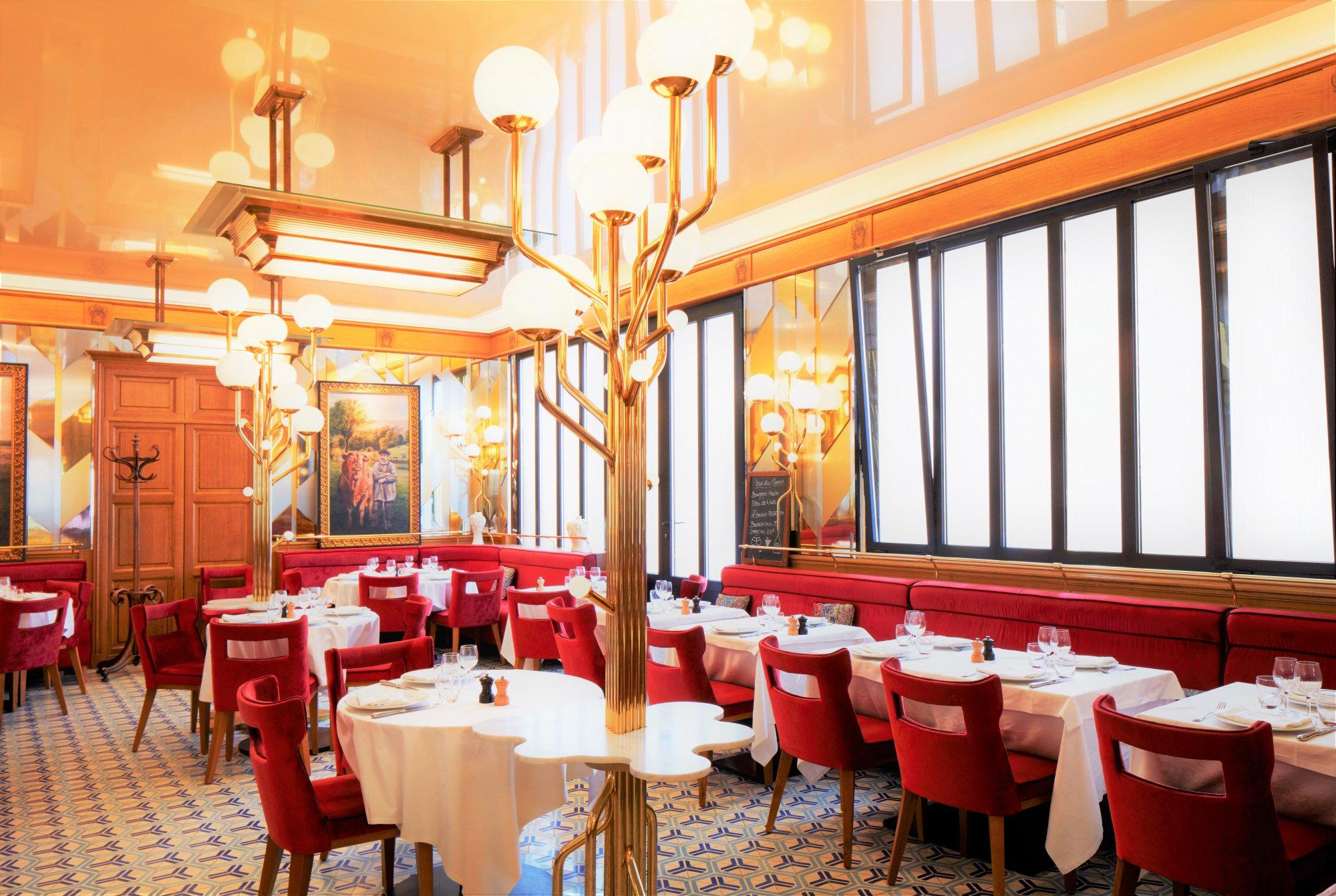
Where the Abattoir Quarter Still Has a Dining Identity
Au Boeuf Couronne is a traditional French steakhouse in Paris's 19th arrondissement, at 188 Av. Jean Jaurès. The critics orbit the Palais-Royal, the Left Bank institutions, and the tasting-menu corridors of the 8th, where Alléno Paris au Pavillon Ledoyen and Le Cinq at the Four Seasons George V set the reference points for contemporary French luxury. But the 19th carries its own culinary logic, rooted in geography rather than prestige. Avenue Jean Jaurès runs through a neighbourhood shaped by the former abattoirs of La Villette, and the beef restaurants that grew up around that trade represent a distinct lineage in Parisian dining, one that predates the Michelin guide and has never depended on it.
Au Boeuf Couronne, at 188 Avenue Jean Jaurès, belongs to that lineage. It is not a newcomer repositioning itself against the natural wine bars of Oberkampf or the neo-bistros of the 11th. It is a restaurant whose identity was formed by the proximity of working slaughterhouses and a clientele that knew exactly what quality beef looked like before it reached the plate. That origin shapes everything about what the address has meant across its history, and it is that history, not any recent pivot, that gives it a legitimate claim on a reader's attention.
The Evolution of a Butcher-District Institution
Paris's relationship with its abattoir infrastructure changed decisively in 1979, when the La Villette slaughterhouses closed and the site was redeveloped into what is now the Parc de la Villette. For the restaurants that had built their reputations serving the bouchers and négociants of that industry, the closure changed the context for each address. Some adapted their clientele without changing their format. Others drifted toward generic brasserie territory. The better ones held their culinary position by treating their provenance as a quality signal rather than a period detail.
The trajectory of beef-focused restaurants in this quarter reflects patterns visible elsewhere in French dining. Institutions like Paul Bocuse's Auberge du Pont de Collonges and Auberge de l'Ill in Alsace have navigated the transition from regional trade institution to destination address, holding onto format and craft while the external context around them changed entirely. The challenge for a neighbourhood beef restaurant in Paris is the same, compressed into a more urban and competitive frame. The La Villette quarter's dining identity has shifted from trade-driven to culturally mixed, with the Cité des Sciences and the music venues of the Philharmonie now drawing a different kind of visitor to the 19th than the abattoir workers of the mid-20th century.
Against that background, what matters at an address like Au Boeuf Couronne is not whether it has reinvented itself, but whether it has maintained the craft specificity that made it coherent in the first place. The French provinces offer instructive parallels: Georges Blanc in Vonnas and Les Prés d'Eugénie in Eugénie-les-Bains have retained their authority by staying anchored in what the land and tradition around them produce, rather than chasing formats imported from urban fine dining. The same principle applies, at a different scale, to a restaurant whose identity is tied to a specific product and a specific quarter of the city.
Positioning in Paris's Beef and Brasserie Tier
Paris's beef restaurant category is narrower than the city's broader brasserie scene but distinct from it. The grandes brasseries, Lipp, La Coupole, Bofinger, operate on volume and theatre. The serious beef houses operate on product knowledge: cut selection, ageing, sourcing relationships, and cooking precision. In this respect they are closer in spirit to the craft-focused provincial addresses that have earned sustained recognition, such as Bras in Laguiole or Auberge du Vieux Puits in Fontjoncouse, than to the high-volume brasserie format. The comparison is not about price or prestige tiers, but about what determines quality at each address.
Within Paris itself, the relevant comparable set for a serious beef restaurant sits well below the tasting-menu addresses. L'Ambroisie on the Place des Vosges or Arpège on the Left Bank are reference points for classical French cooking at the highest price tier, but they are not direct comparators for a neighbourhood address built around a single product category. The more useful comparison is with other Paris restaurants that have retained a clear culinary identity without accumulating awards infrastructure around it. Kei, which crosses classical French technique with Japanese precision, represents one direction Paris cooking has moved in the premium tier. A La Villette beef house represents a different direction entirely: not fusion or innovation, but consolidation around a craft tradition that predates the city's current dining conversation.
Planning a Visit: Avenue Jean Jaurès and the 19th
Avenue Jean Jaurès is accessible by Metro line 5 (Ourcq or Laumière stations) and line 7bis (Ourcq). The neighbourhood sits northeast of central Paris, roughly 25 to 30 minutes from the Marais by Metro. The area around the Parc de la Villette has changed significantly since the park's opening in 1987, and the dining and café scene along Jean Jaurès reflects the 19th's demographic range rather than any single character. This is not a tourist dining strip, which affects both the atmosphere and the pricing expectations of the venues along it.
For context on how this address fits within the broader Paris restaurant picture, see our full Paris restaurants guide. Readers planning a wider French itinerary around serious cooking addresses might also consider Flocons de Sel in Megève, Mirazur in Menton, or Troisgros in Ouches for the range of what sustained culinary ambition looks like across French regions. For international reference points on product-focused cooking, Le Bernardin in New York and Lazy Bear in San Francisco demonstrate how a clear product identity can anchor a restaurant's reputation across decades in different formats entirely. La Table du Castellet in Provence offers another instance of a regional address holding its culinary line over time.
Logistics at a Glance
| Detail | Au Boeuf Couronne | Peer Reference (Paris beef/brasserie tier) |
|---|---|---|
| Address | 188 Av. Jean Jaurès, 75019 | Typically 1st, 4th, 6th, or 8th arr. |
| Metro access | Line 5 (Ourcq/Laumière), Line 7bis (Ourcq) | Varies by arrondissement |
| Price tier | not confirmed | €€ to €€€€ depending on format |
| Booking | Most Paris addresses recommend advance booking | |
| Awards | not confirmed | Peer tier typically outside Michelin bracket |
The Short List
Comparable venues nearby, for context on price, style, and recognition.
| Venue | Price | Notes |
|---|---|---|
| Au Boeuf CouronneThis venue — the venue you are viewing | $$$ | Not listed |
| CACTUS by La Finca | $$$ | 11th Arrondissement, Seasonal French Bistro |
| Sacrée Fleur Montmartre | $$$ | Montmartre, Traditional French Steakhouse |
| Hugo & Co | $$$ | Latin Quarter, Modern French Fusion Bistro |
| Le Buci | $$$ | Saint-Germain-des-Prés, Traditional French Brasserie |
| Café Pierre Hermé | $$$ | 7th arrondissement, French Patisserie Café |
Continue exploring
More in Paris
Restaurants in Paris
Browse all →
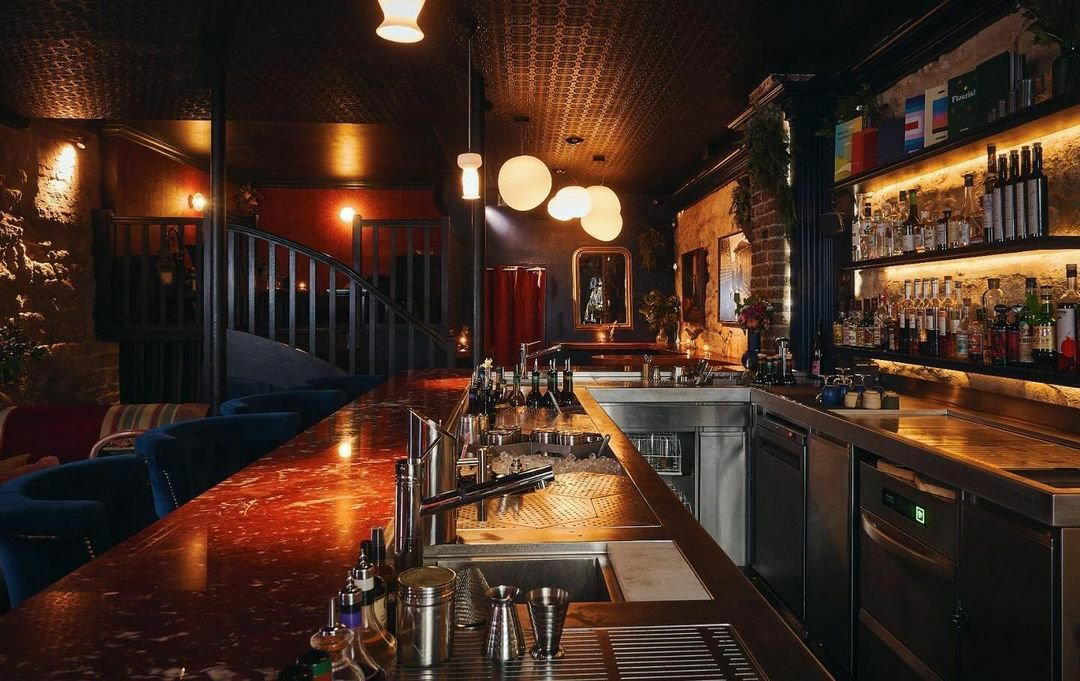
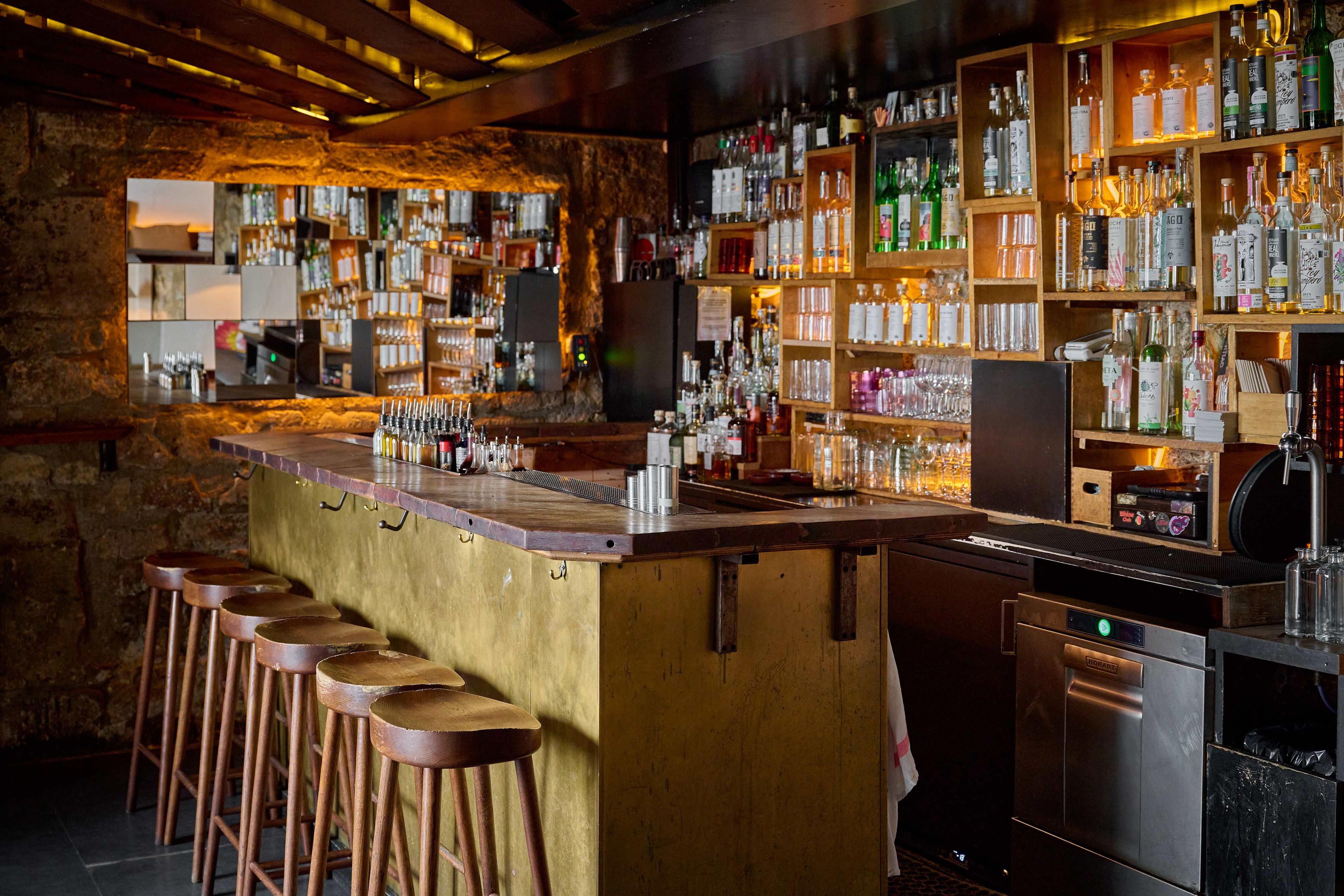
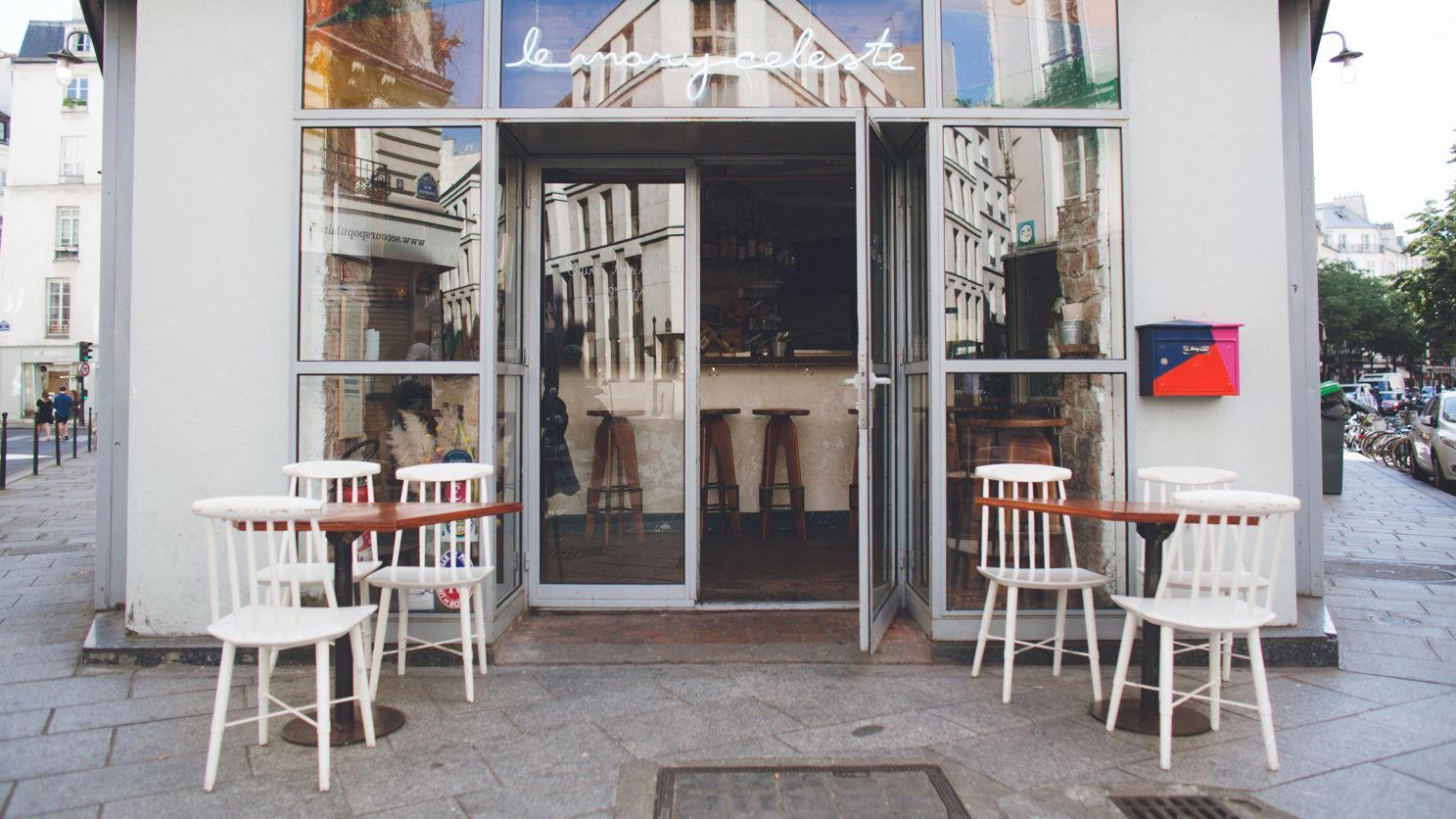
Bars in Paris
Browse all →
Hotels in Paris
Browse all →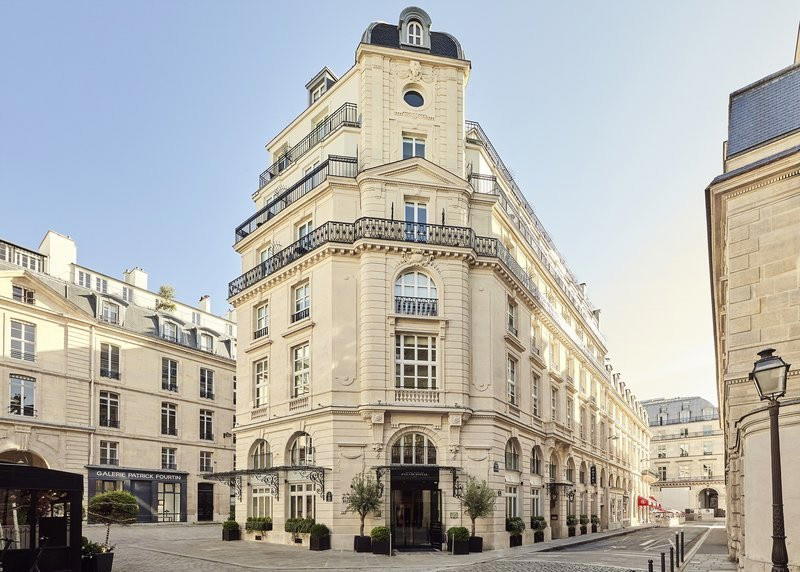




At a Glance
- Classic
- Historic
- Well Known
- Business Dinner
- Celebration
- Group Dining
- Historic Building
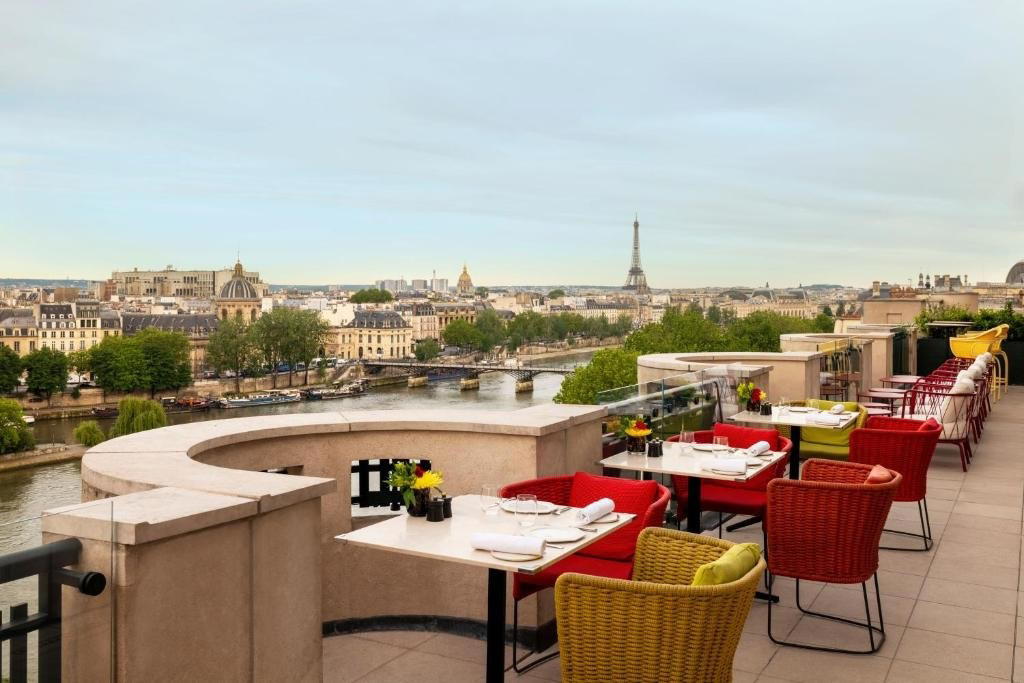
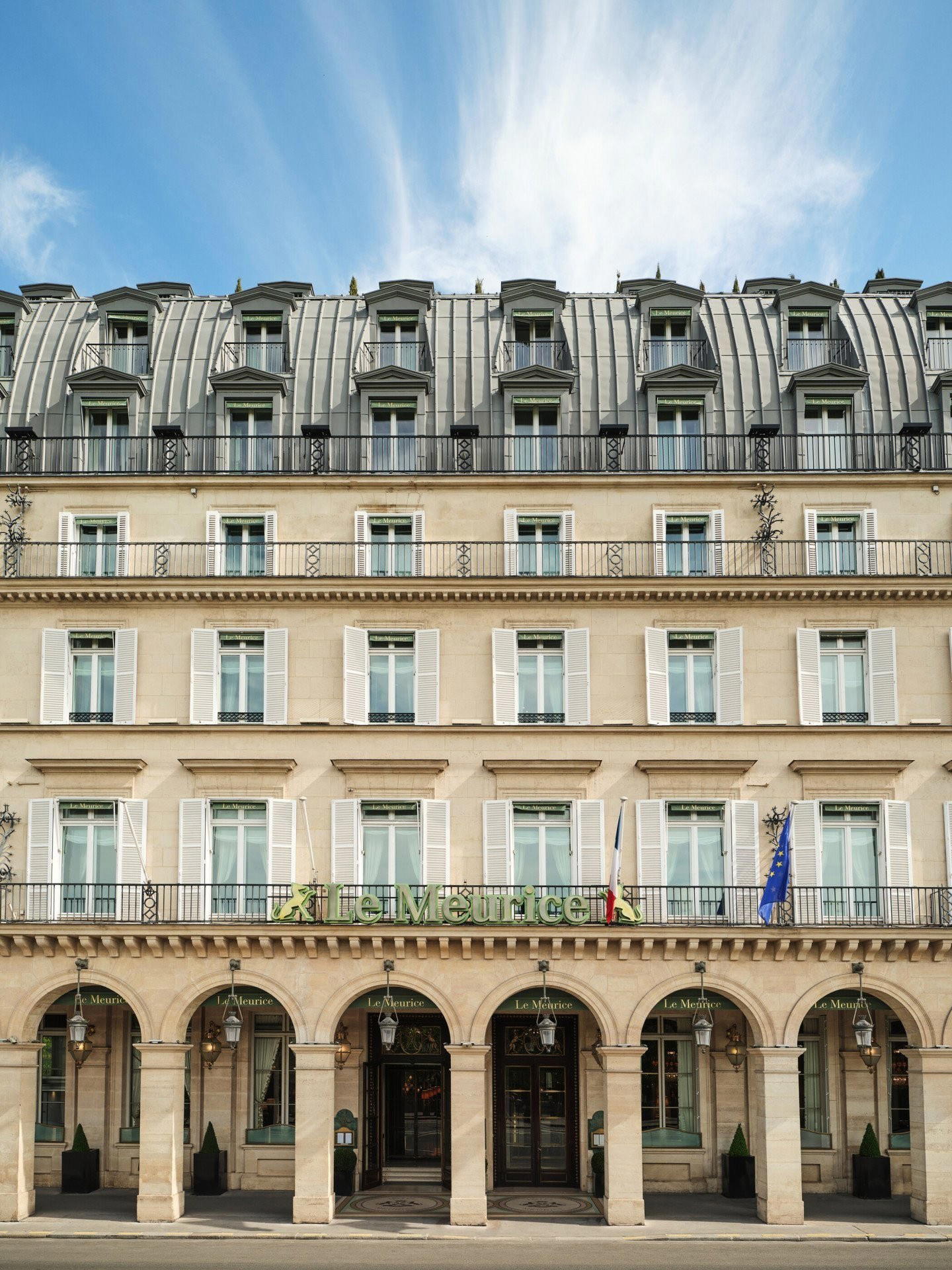
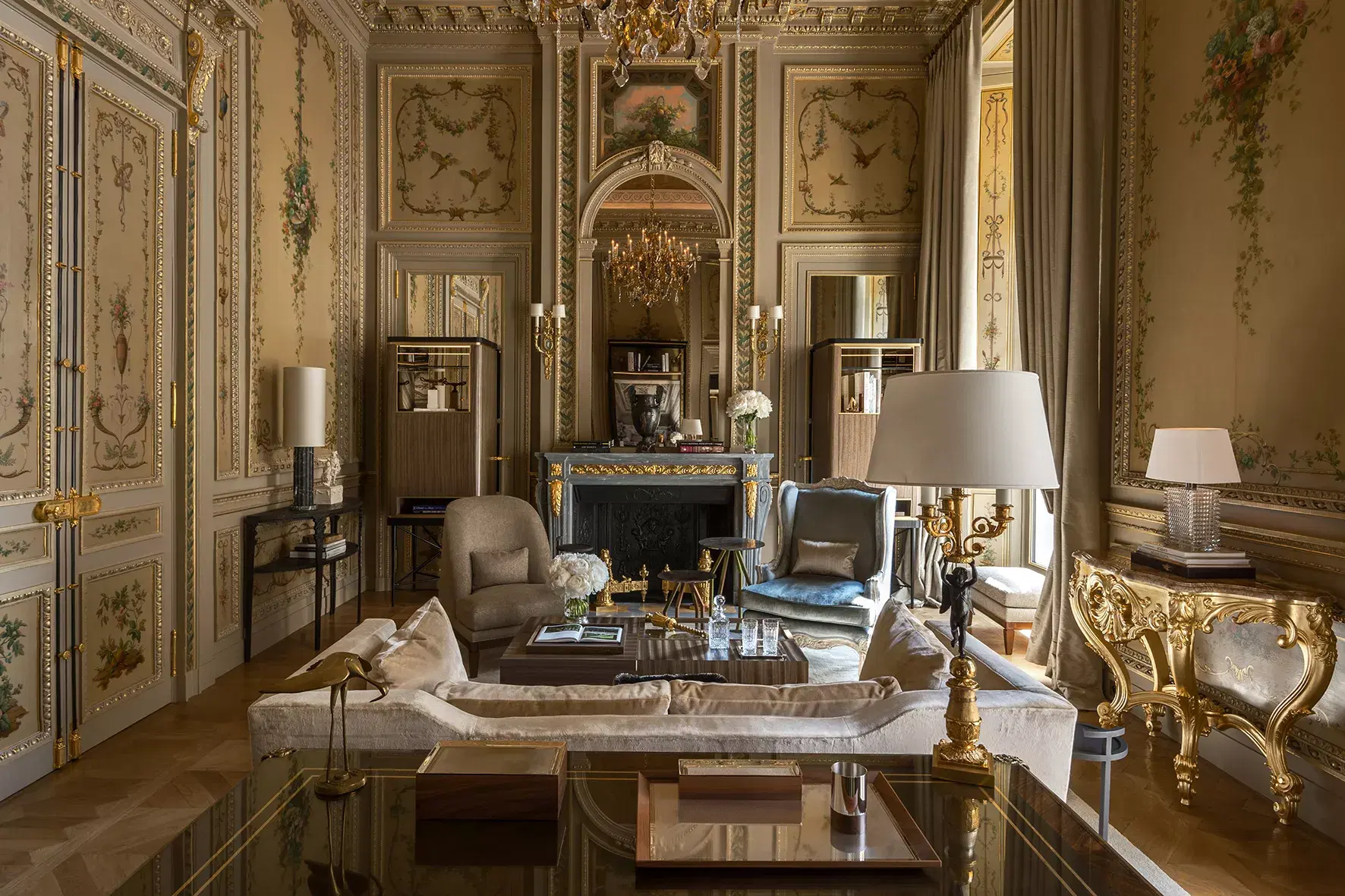
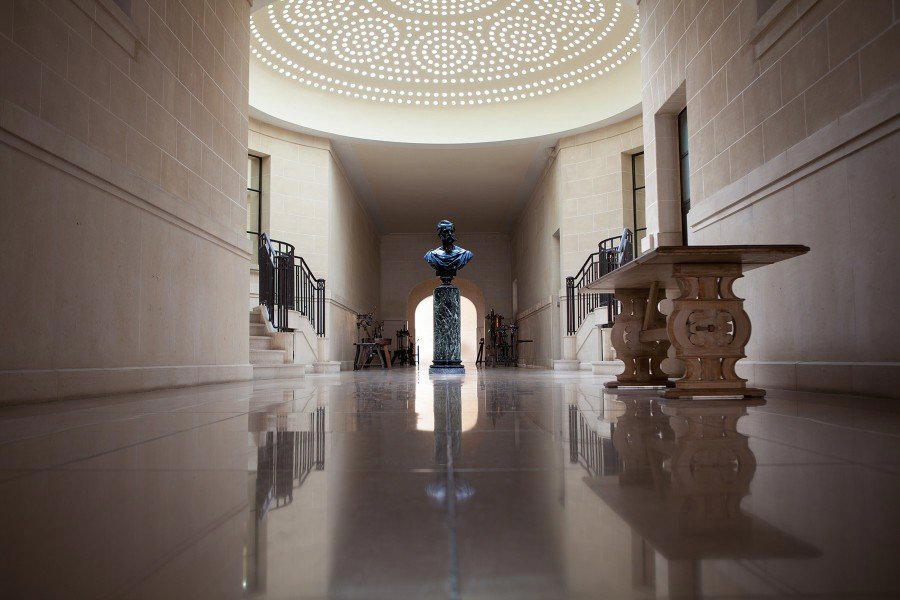
Belle Époque red and gold decor with Art Déco fixtures, busy historic atmosphere evoking old-world Parisian refinement.