Atlantic No. 5
Our verdict
Atlantic No. 5 occupies a West Main Street address in Louisville's downtown corridor, placing it within reach of the city's growing concentration of serious dining. Louisville's dining scene has shifted considerably in recent years, and Atlantic No. 5 sits inside that broader movement toward destination-worthy restaurants in a city that has long been underestimated by national food media.

West Main Street and the Remaking of Louisville's Dining Identity
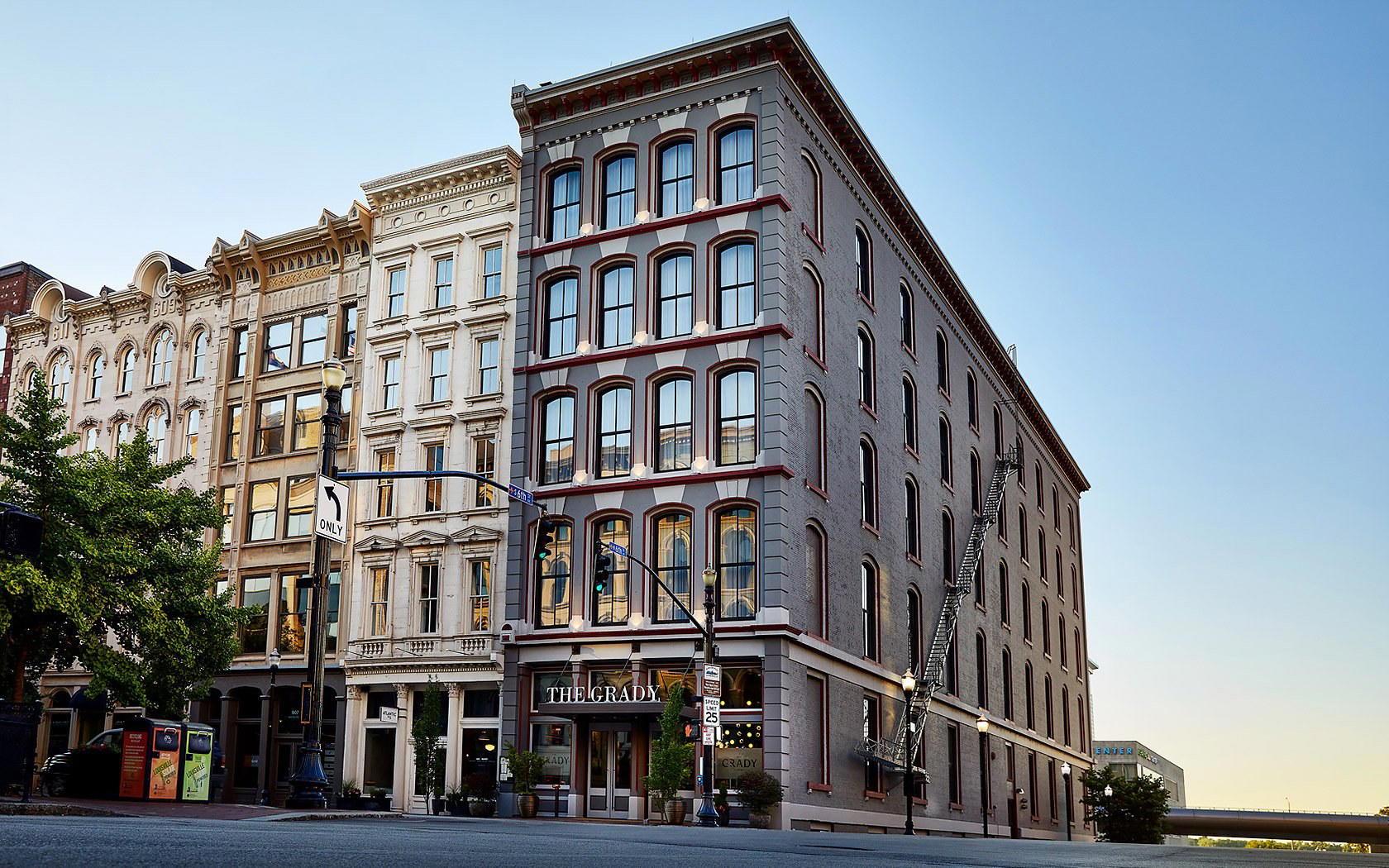
Louisville's West Main Street corridor has undergone a sustained transformation over the past decade, shifting from a warehouse district defined by cast-iron facades and neglected storefronts into one of the more interesting addresses for dining and drinking in the mid-South. The buildings along this stretch predate the Civil War in many cases, and the tension between that industrial history and the contemporary restaurant projects that now occupy the ground floors gives the neighborhood a texture that newer dining districts in other cities tend to lack. Atlantic No. 5, at 605 W Main St, sits within this context, on a block where the seriousness of the built environment tends to set a certain expectation before you've even stepped through a door.
That physical setting matters more than it might seem. Louisville has spent years building a legitimate case for itself as a dining city worth attention from outside Kentucky, and much of that argument has been made from precisely this kind of neighborhood, where old infrastructure meets new culinary ambition. The city now hosts a range of restaurants that sit comfortably alongside comparable programs in Nashville, Cincinnati, and St. Louis, and a handful of addresses that punch above that regional comparison entirely. For context on where that bar sits nationally, consider that American fine dining has been reshaped by restaurants like The French Laundry in Napa, Le Bernardin in New York City, and Smyth in Chicago, each of which established that serious hospitality can be deeply rooted in place without being provincial. Louisville's better restaurants have absorbed that lesson.
A City That Has Earned More Attention Than It Gets
Louisville's dining narrative is easier to trace than its reputation suggests. The city built its identity around bourbon, horse racing, and a civic pride that sometimes made it resistant to outside comparison. What changed is that a generation of cooks trained elsewhere and returned, or arrived from coastal cities, bringing with them an appetite for the kind of precision-driven, ingredient-focused cooking that once required a flight to San Francisco or New York. Restaurants like 610 Magnolia have held the standard for New American cooking in Louisville for years, and their persistence has created space for other serious projects to follow.
The comparison set for ambitious Louisville dining now extends well beyond the state line. Programs like Lazy Bear in San Francisco, Blue Hill at Stone Barns in Tarrytown, and Single Thread Farm in Healdsburg have demonstrated that restaurants grounded in regional specificity, whether that means Northern California terroir or Hudson Valley agriculture, can achieve national standing without abandoning their roots. Louisville's version of that argument draws on the Ohio River valley, on Southern culinary tradition, and on the bourbon culture that has shaped the region's palate for generations. Atlantic No. 5 occupies a spot in this evolving map of the city's dining ambition.
Louisville's Dining Scene in Competitive Relief
Understanding where any individual Louisville restaurant sits requires some sense of the broader field. At the more casual end, places like Against the Grain have built loyal followings around craft beer and approachable food. Moving up the register, 80/20 at Kaelin's and 8UP refined Drinkery and Kitchen represent a middle tier that combines atmosphere with more considered menus. At the upper end, 740 Front and 610 Magnolia set a benchmark for what the city's fine dining looks like when it's working at full stretch.
This distribution matters because it shapes what a restaurant on West Main Street is implicitly competing against, and what kind of signal its address sends. The neighborhood has attracted projects across that spectrum, and the more serious dining addresses on this corridor benefit from proximity to the cultural institutions, hotels, and event venues that drive the kind of out-of-town visitor traffic that sustains ambitious restaurants in mid-sized American cities. American fine dining outside the coastal metros has historically depended on exactly this combination of local loyalty and destination traffic, a dynamic that also underpins the staying power of restaurants like The Inn at Little Washington and Emeril's in New Orleans.
Cultural Roots and the Southern Dining Tradition
Southern American cuisine carries a weight of cultural meaning that few regional traditions in the country can match. It is a cuisine assembled from forced labor, Indigenous knowledge, European technique, and agricultural conditions that produced ingredients, from sorghum to country ham to freshwater fish, that don't have direct equivalents elsewhere. Louisville sits at the northern edge of that tradition, close enough to Appalachian foodways and the Mississippi River corridor to absorb their influence, but distinct enough in its urban character to translate those ingredients through a more metropolitan lens.
That translation is what the better Louisville restaurants have been doing for years, and it's the cultural argument that gives serious dining here its specificity. Restaurants like Providence in Los Angeles or Atomix in New York City draw their cultural authority from a deep engagement with a specific culinary tradition, whether that's California seafood culture or Korean cuisine's fermentation heritage. The most compelling Louisville restaurants draw theirs from a similar depth of engagement with what the Ohio River valley and the broader Southern pantry actually produce. Addison in San Diego and Atelier Moessmer Norbert Niederkofler in Brunico both demonstrate, in very different contexts, that cuisine rooted in place and season can achieve a seriousness of purpose that transcends geography. The same logic applies in Louisville.
Planning Your Visit
Atlantic No. 5 is located at 605 W Main St in downtown Louisville, within walking distance of the Louisville Slugger Museum and the cluster of bourbon distillery experiences that have made the corridor a draw for visitors arriving specifically for the city's whiskey tourism infrastructure. West Main Street is accessible from the downtown hotel district on foot, and street parking and garage options are available in the surrounding blocks. As with any restaurant in Louisville's upper-mid to fine dining tier, contacting the venue directly before arriving is advisable, particularly on weekends and during Derby season in late April and early May, when restaurant reservations across the city tighten considerably. For a fuller picture of where Atlantic No. 5 fits within Louisville's dining options, the EP Club Louisville restaurants guide maps the city's current scene in detail.
Frequently asked questions
What's Atlantic No. 5's location?
Atlantic No. 5 is located at 605 W Main St, Louisville, KY 40202.
What makes Atlantic No. 5 worth visiting in Louisville's competitive dining scene?
Atlantic No. 5 occupies a specific position on West Main Street, a corridor that has become one of the more closely watched addresses in Louisville's restaurant conversation over the past decade. Louisville as a city has built genuine dining credibility around its bourbon heritage and Southern culinary roots, and West Main sits at the intersection of that history and its newer wave of independent operators. For visitors already planning time at the nearby bourbon attractions, it offers a dining option that is part of the neighbourhood's identity rather than incidental to it.
Do I need a reservation for Atlantic No. 5?
Atlantic No. 5 is located at 605 W Main St in a part of downtown Louisville that draws consistent foot traffic from visitors to the Louisville Slugger Museum and the bourbon distillery cluster nearby. That proximity means walk-in availability can vary, particularly on weekends. Contacting the venue directly before your visit is the safest approach.
Pricing, Compared
| Venue | Cuisine | Price | Awards |
|---|---|---|---|
| Atlantic No. 5This venue (the venue you are viewing) | American Bistro with Fusion Twists | Not listed | Not listed |
| 610 Magnolia | Modern Southern Fine Dining | $100–150 | Not listed |
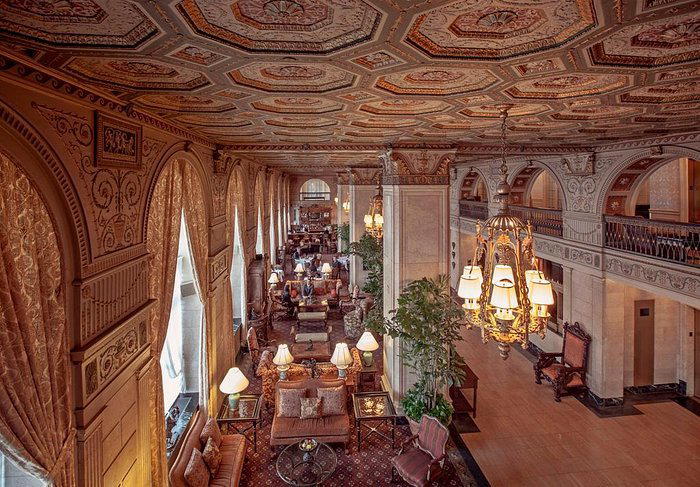
| The Brown Hotel | Classic American Fine Dining | $50–100 | Not listed |
| Coals Artisan Pizza | Coal-Fired Artisan Pizza | $20–30 | 50 Top Pizza USA #28 |
| Jeff Ruby's Steakhouse Louisville | Classic Steakhouse with Raw Bar and Sushi | $100–150 | Star Wine List · Wine Spectator Best of Award of Excellence |
| Against the Grain | American Brew Pub | Not listed | Not listed |
Continue exploring
More in Louisville
Restaurants in Louisville
All restaurants in Louisville →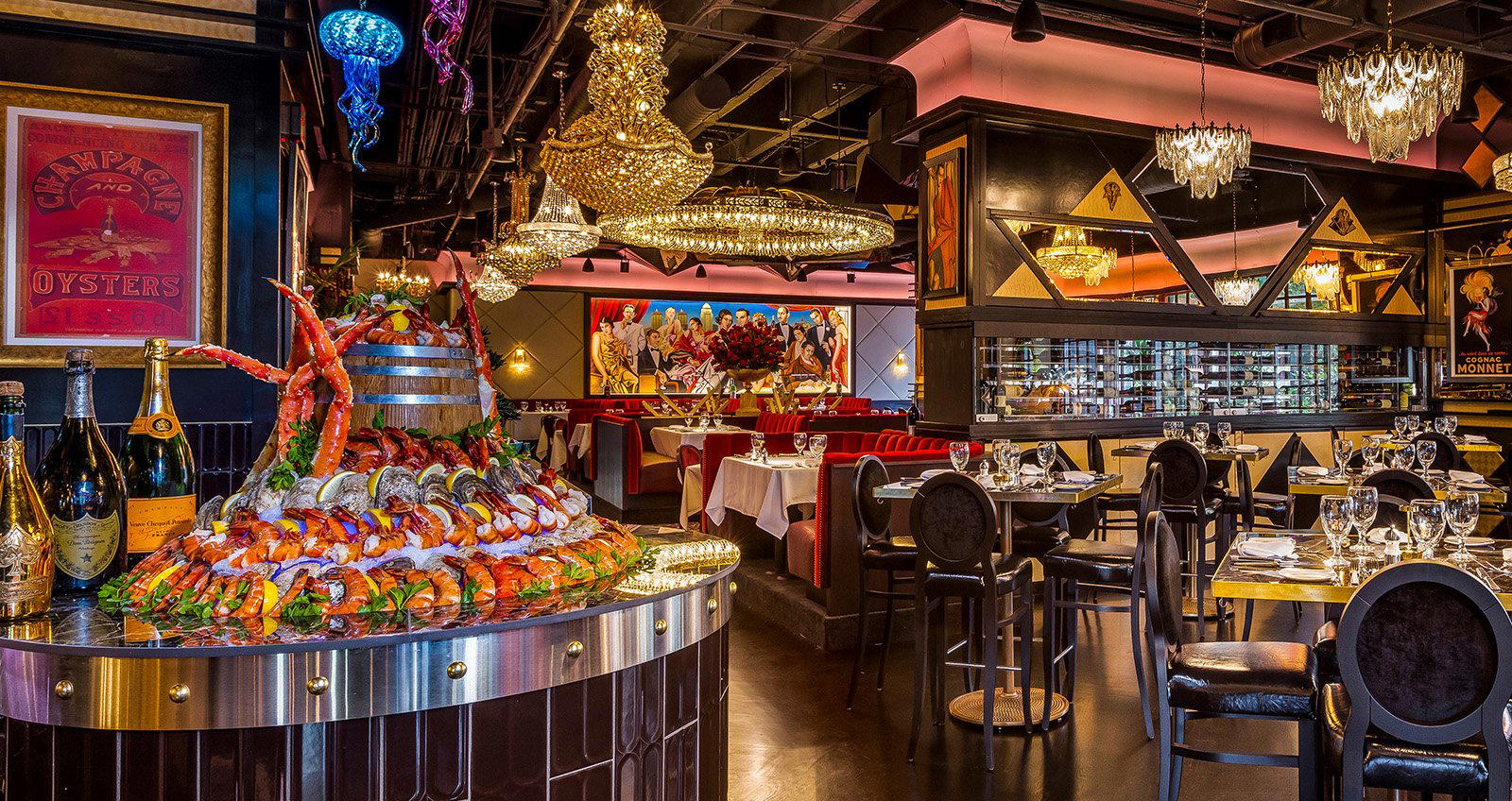
Bars in Louisville
All bars in Louisville →
Details
- Cozy
- Modern
- Casual Hangout
- Standalone
- A La Carte
- Vegetarian Friendly
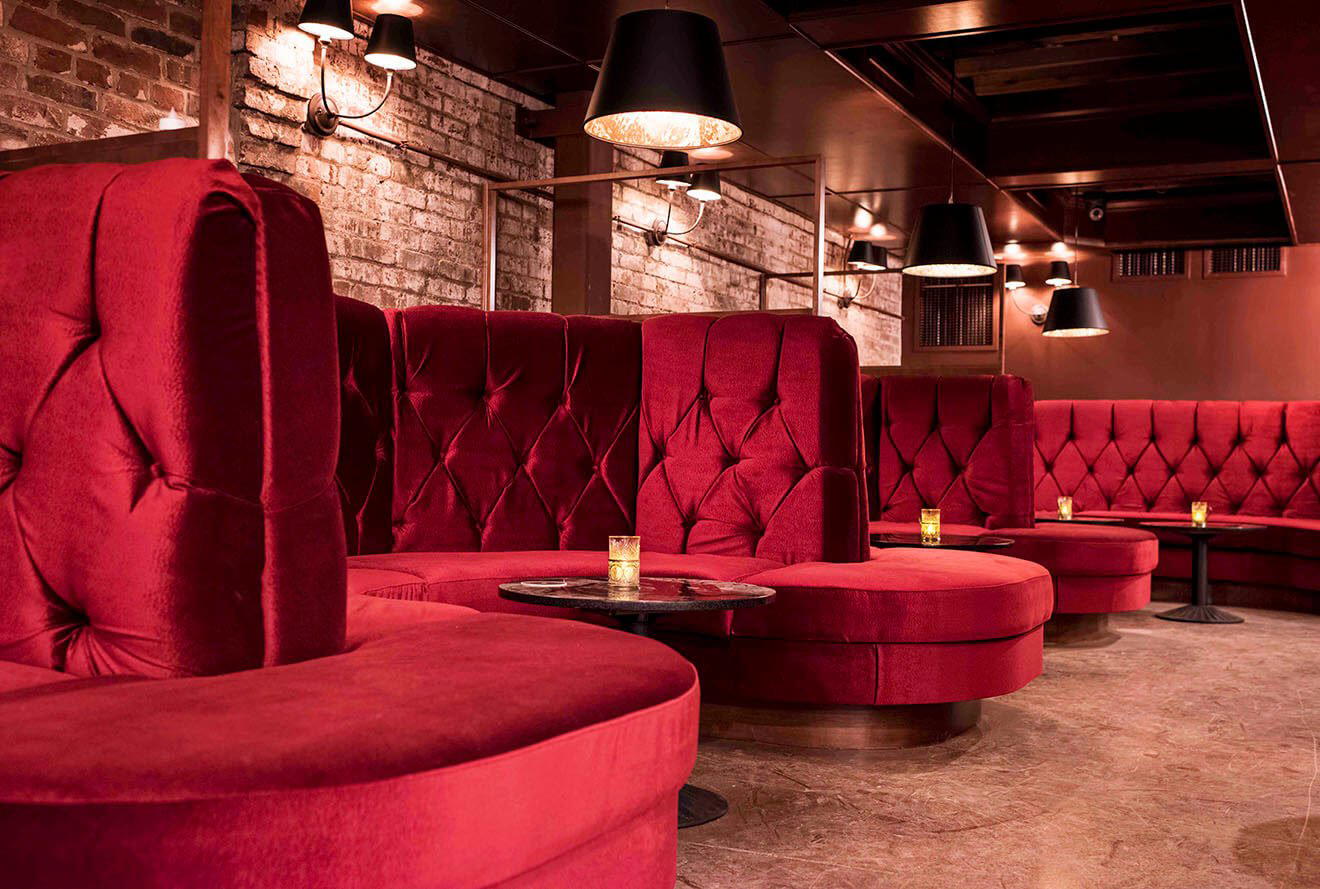
Cheery and relaxed bistro-like atmosphere.