740 Front
Our verdict
740 Front occupies a specific address in Louisville's dining conversation, a Front Street address that places it within reach of the city's growing interest in sourcing-led, ingredient-forward cooking. Louisville has quietly built one of the more compelling mid-size food cities in the American South, and 740 Front represents the kind of neighbourhood-rooted dining that anchors that reputation. Details on format and booking are best confirmed directly with the venue.

Pearl is the En Primeur Club membership app, where members save venues, book tables and use the concierge.
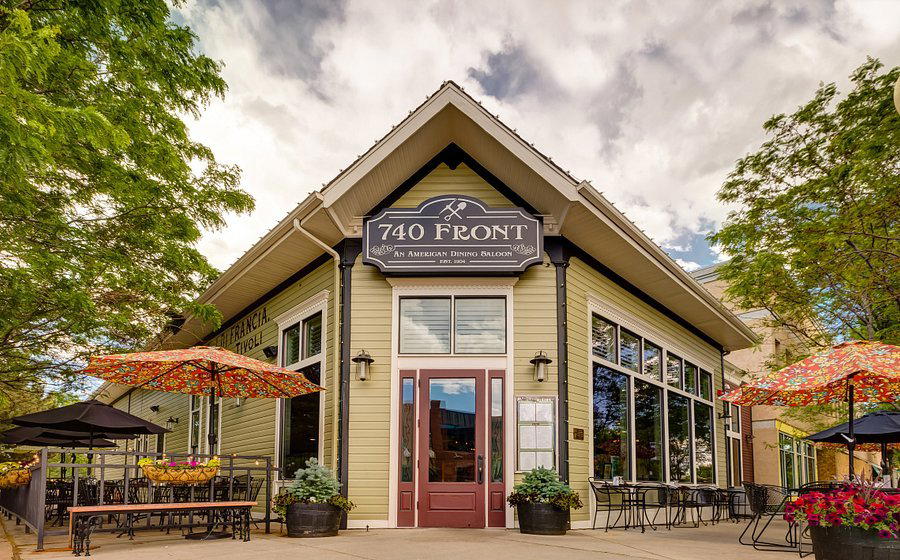
Front Street and the Logic of Where Louisville Eats
Louisville's restaurant scene has never been easy to categorise neatly. It sits at the edge of the American South, draws culinary influence from Appalachian tradition, Midwestern grain culture, and a bourbon industry that has reshaped how the city thinks about provenance and craft. Front Street, in particular, occupies a stretch of Louisville's urban fabric where dining decisions tend to be made with some intention, this is not a neighbourhood you wander into by accident. The address at 740 Front places this venue inside a part of the city that rewards the traveller willing to plan ahead rather than follow the most obvious path from the hotel lobby.
That geographic specificity matters more than it might seem. In cities like Louisville, where the dining conversation is still consolidating around a handful of serious addresses, physical location tends to track closely with culinary ambition. The establishments that have chosen to anchor themselves on streets like Front are, by and large, not operating on foot traffic alone. They are building for a return-visit audience, the kind of diner who books rather than walks in, who reads the menu before arriving, and who connects a meal here to the broader story of what this city is trying to say about its food.
For reference, Louisville's most discussed culinary addresses, places like 610 Magnolia in its New American register, or Asiatique with its fusion-forward positioning, have built reputations through consistency and a clear sense of what they are. The dining culture here has matured enough that venues are increasingly being judged not just against each other but against what serious American dining looks like nationally.
The Sourcing Argument in American Regional Cooking
Across the United States, the most consequential shift in restaurant cooking over the past fifteen years has not been a technique or a format, it has been a geographic one. The question of where ingredients come from has moved from a marketing footnote to a structuring principle. Restaurants at the serious end of the American spectrum, from Blue Hill at Stone Barns in Tarrytown to Single Thread Farm in Healdsburg, have made sourcing the editorial spine of their menus. The dish, in these kitchens, is often the last step in a supply chain decision made weeks or months earlier.
Louisville is positioned unusually well for this kind of cooking. The surrounding region, central Kentucky, the Ohio River valley, southern Indiana, produces a range of agricultural products that most coastal cities have to import: heritage pork, small-batch grains, pasture-raised beef, foraged ingredients from Appalachian hill country. The bourbon industry has, as a side effect, kept small-scale grain farming economically viable in ways that directly benefit chefs willing to source locally. When a Louisville kitchen commits to working with what the region actually grows and raises, the ingredient palette is considerably richer than the city's national profile might suggest.
This regional sourcing logic connects Louisville's better kitchens to a national conversation that includes venues like Lazy Bear in San Francisco and Addison in San Diego, both of which have built their reputations in part on treating the supply chain as a creative decision rather than a logistical one. The ambition looks different at different price points and in different cities, but the underlying argument is the same: cuisine that cannot account for where its components originate is cuisine that has opted out of one of the defining conversations in contemporary American cooking.
Louisville's mid-tier and upper-mid dining addresses have been sorting themselves into clearer categories over the past several years. There is the heritage American South camp, which leans on tradition, comfort, and recognisable flavour profiles. There is the New American camp, represented by addresses like 610 Magnolia, which uses classical technique as a foundation for seasonal, locally inflected cooking. And there is a smaller group of venues that resist easy categorisation, choosing instead to let the sourcing relationships define the menu direction rather than the other way around.
740 Front sits within the broader Front Street dining corridor, where the expectation from a regular Louisville diner is somewhat higher than at a casual neighbourhood spot. The address signals intent. Venues at this end of the market in Louisville are increasingly being compared not just to 80/20 at Kaelin's or Al's Table down the street, but to what serious regional American cooking looks like at a national level. The bar, in other words, is being set by reference points outside the city.
For a sense of what that national conversation looks like at its most demanding, the comparison set includes venues like The French Laundry in Napa, Alinea in Chicago, and Providence in Los Angeles, all of which operate with a clear sourcing philosophy embedded in the menu structure. Louisville's most ambitious venues are not yet operating at that tier of investment or recognition, but the directional ambition is increasingly aligned.
Planning a Visit
Given the relatively limited public information currently available about 740 Front's format, hours, and booking process, prospective visitors are leading served by confirming details directly before planning around it. Louisville's Front Street corridor is accessible from the city centre and from the broader NuLu and downtown dining districts, making it a practical stop on a longer evening of exploration. Venues in this part of the city tend to operate on a reservation-preferred basis, particularly on weekend evenings when the competition for tables at serious addresses tightens considerably. For visitors building a Louisville itinerary across multiple meals, our full Louisville restaurants guide maps the broader dining picture, including how venues like 8UP refined Drinkery and Kitchen fit into an evening that moves between dining formats.
The broader American dining context, for those who track restaurants across cities, includes venues from Le Bernardin in New York to Emeril's in New Orleans to The Inn at Little Washington, all operating at different price points and with different ambitions, but all making the case that American regional cooking, when it takes its sourcing seriously, can hold its own against any comparable tradition globally. Louisville's most focused venues are increasingly part of that argument.
Frequently asked questions
What kind of setting is 740 Front?
740 Front occupies 740 Front Street in Louisville, placing it within a dining corridor that reflects the city's position at the edge of the American South. The address suggests a neighbourhood-scale operation rather than a hotel dining room or large-format venue. Beyond the street address, the specific format, counter, tables, or open kitchen, has not been publicly documented in enough detail to characterise precisely.
What part of town is 740 Front in?
740 Front is located at 740 Front St, Louisville, CO 80027, Louisville.
How does 740 Front fit into Louisville's broader regional food culture?
Louisville sits at a culinary crossroads where Appalachian, Southern, and broader American Midwest influences converge, and restaurants on Front Street occupy a neighbourhood-scale part of that conversation. 740 Front's address at 740 Front St places it within that local fabric rather than in the more commercialised segments of the city's dining map. No cuisine classification or named chef is currently on public record, but the location itself signals a venue embedded in the city's residential and working dining culture.
What do people recommend at 740 Front?
Louisville's regional dining scene broadly draws on Southern and Appalachian sourcing traditions, and 740 Front sits within that culinary geography at its Front Street location.
Do they take walk-ins at 740 Front?
No booking policy for 740 Front has been publicly confirmed. For a Louisville address without a listed reservations platform or phone number in major directories, walk-in availability is plausible but not guaranteed. Arriving early or contacting the venue through any listed social or web presence is the practical approach until a formal booking channel is documented.
What makes 740 Front worth seeking out?
740 Front operates in Louisville, a city whose restaurant scene has been developing a clearer critical identity over the past decade, one that takes regional sourcing and Southern influence seriously without defaulting to generic comfort-food positioning. The Front Street location puts it in the city's active dining geography rather than its tourist corridor. Named awards and chef credentials are not yet on record, so the case rests on Louisville's broader trajectory as a dining city and the venue's place within it.
Quick Comparison
A short peer table to compare basics side-by-side.
| Venue | Cuisine | Price | Awards | Notes |
|---|---|---|---|---|
| 740 FrontThis venue (the venue you are viewing) | New American Steakhouse & Seafood | $30–50 | Not listed | Not listed |
| 610 Magnolia | Modern Southern Fine Dining | $100–150 | Not listed | New American |
| The Brown Hotel | Classic American Fine Dining | $50–100 | Not listed | American Southern |
| Coals Artisan Pizza | Coal-Fired Artisan Pizza | $20–30 | 50 Top Pizza USA #28 | Not listed |
| Jeff Ruby's Steakhouse Louisville | Classic Steakhouse with Raw Bar and Sushi | $100–150 | Star Wine List · Wine Spectator Best of Award of Excellence | Not listed |
| Le Moo | Luxury Steakhouse | $100–150 | Not listed | Not listed |
Continue exploring
More in Louisville
Restaurants in Louisville
All restaurants in Louisville →
Bars in Louisville
Browse all →

Details
- Historic
- Classic
- Cozy
- Elegant
- Date Night
- Group Dining
- Special Occasion
- Historic Building
- Open Kitchen
- Craft Cocktails
- A La Carte
- Gluten Free Options
Current opening hours
- Monday
- Closed
- Tuesday
- 4–8:30 PM
- Wednesday
- 4–8:30 PM
- Thursday
- 4–8:30 PM
- Friday
- 4–9 PM
- Saturday
- 4–9 PM
- Sunday
- Closed
Hours can change for holidays and private events. Last verified .
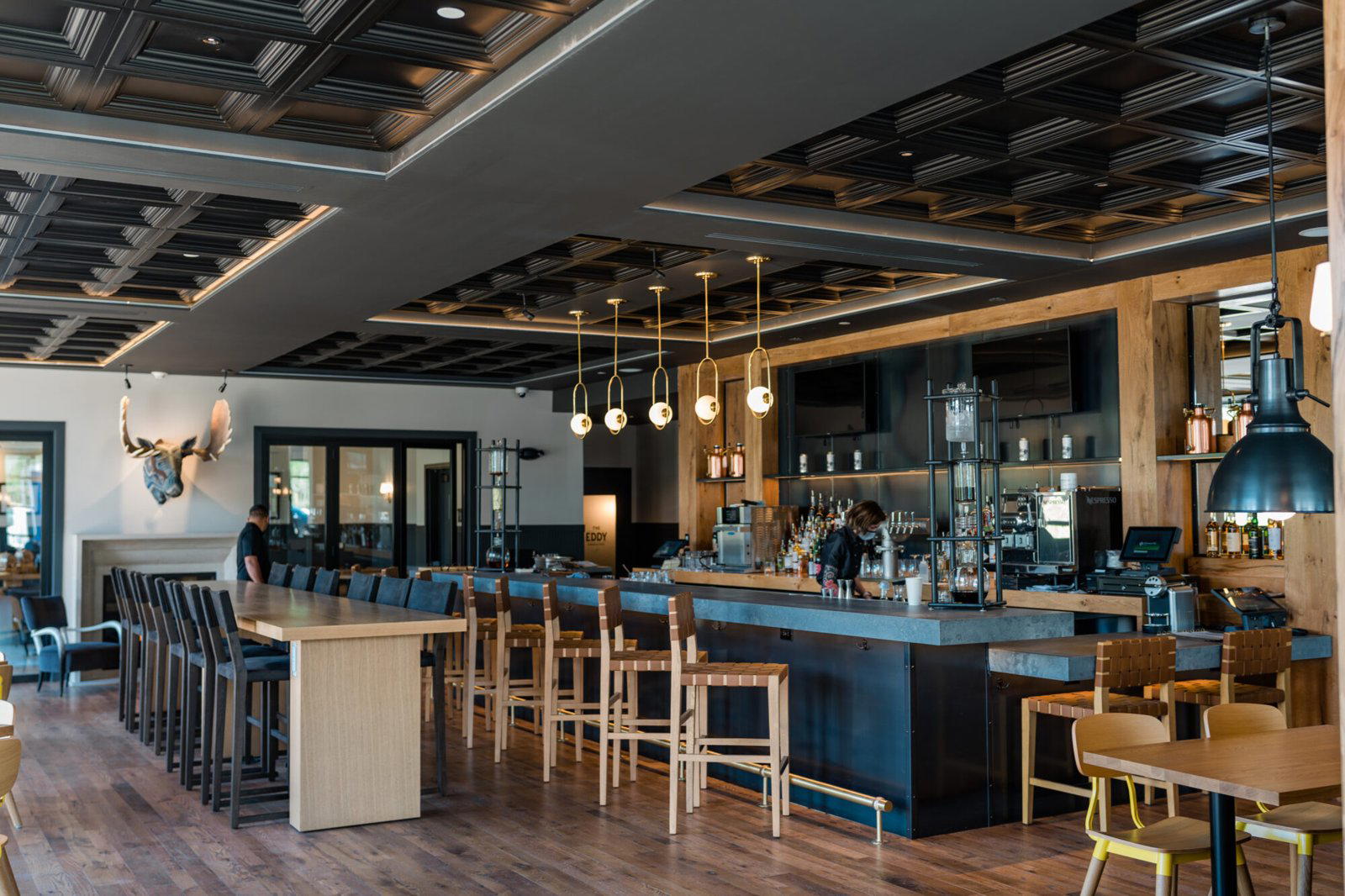
Turn-of-the-century ambiance with a room-dominating historic bar made of cherry, birch, and mahogany, offering a classy yet casual dining experience.