21c Museum Hotel, Louisville

Michelin Selected
On Louisville's West Main Street, 21c Museum Hotel occupies a cluster of restored 19th-century warehouses that function simultaneously as a contemporary art museum and a Michelin Selected hotel. The integration is structural, not decorative: art moves through every corridor, guest floor, and public space. For visitors who treat where they sleep as part of the cultural itinerary, this is a calculated address.

Pearl is the En Primeur Club membership app — saves, bookings, and concierge access live there. Same editors, same standards.
- Address
- 700 W Main St, Louisville, KY 40202
- Phone
- (502) 217-6300
- Website
- 21cmuseumhotels.com
- Directions
- Get directions
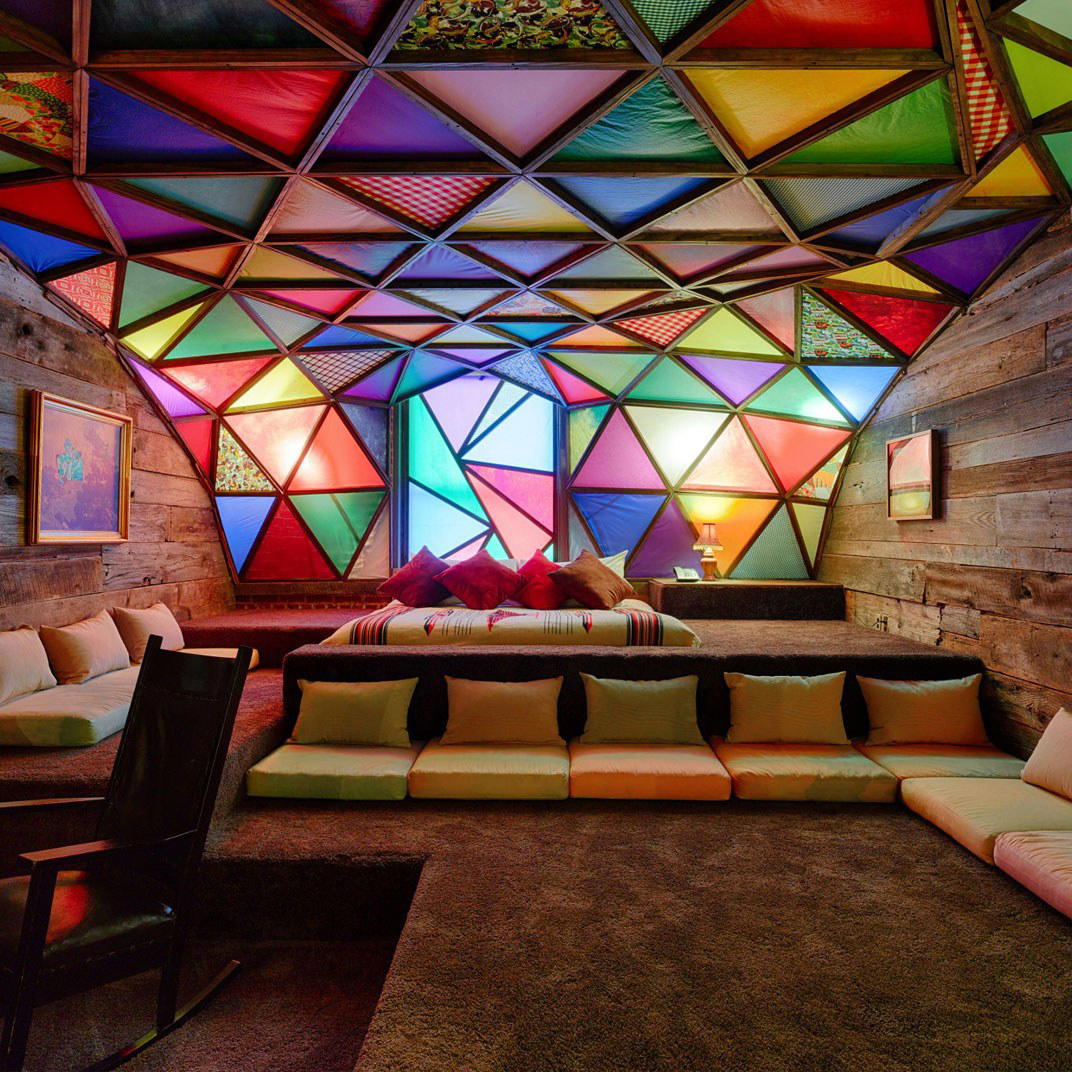
Where the Building Does the Talking
West Main Street in Louisville holds one of the longest concentrations of 19th-century cast-iron facade architecture outside of New York's SoHo district. The warehouses that line this stretch were built for commerce, not contemplation, which makes what has happened to them over the past two decades all the more pointed. As the area shifted toward galleries, restaurants, and creative tenants, 21c Museum Hotel at 700 W. Main Street became the most deliberate expression of that transformation: a hotel that physically merged with a contemporary art institution rather than simply hanging prints in the corridors.
The model belongs to a specific tier of American hospitality that has emerged in mid-sized cities over the past fifteen years, where boutique hotels and cultural infrastructure have grown intertwined. Properties like the Chicago Athletic Association in Chicago and Raffles Boston in Boston have each used adaptive reuse of significant architecture as a core identity signal. 21c operates in that same register, but its commitment to rotating contemporary art programming makes it a closer relative of an institution than a decorator's brief.
The Physical Logic of the Space
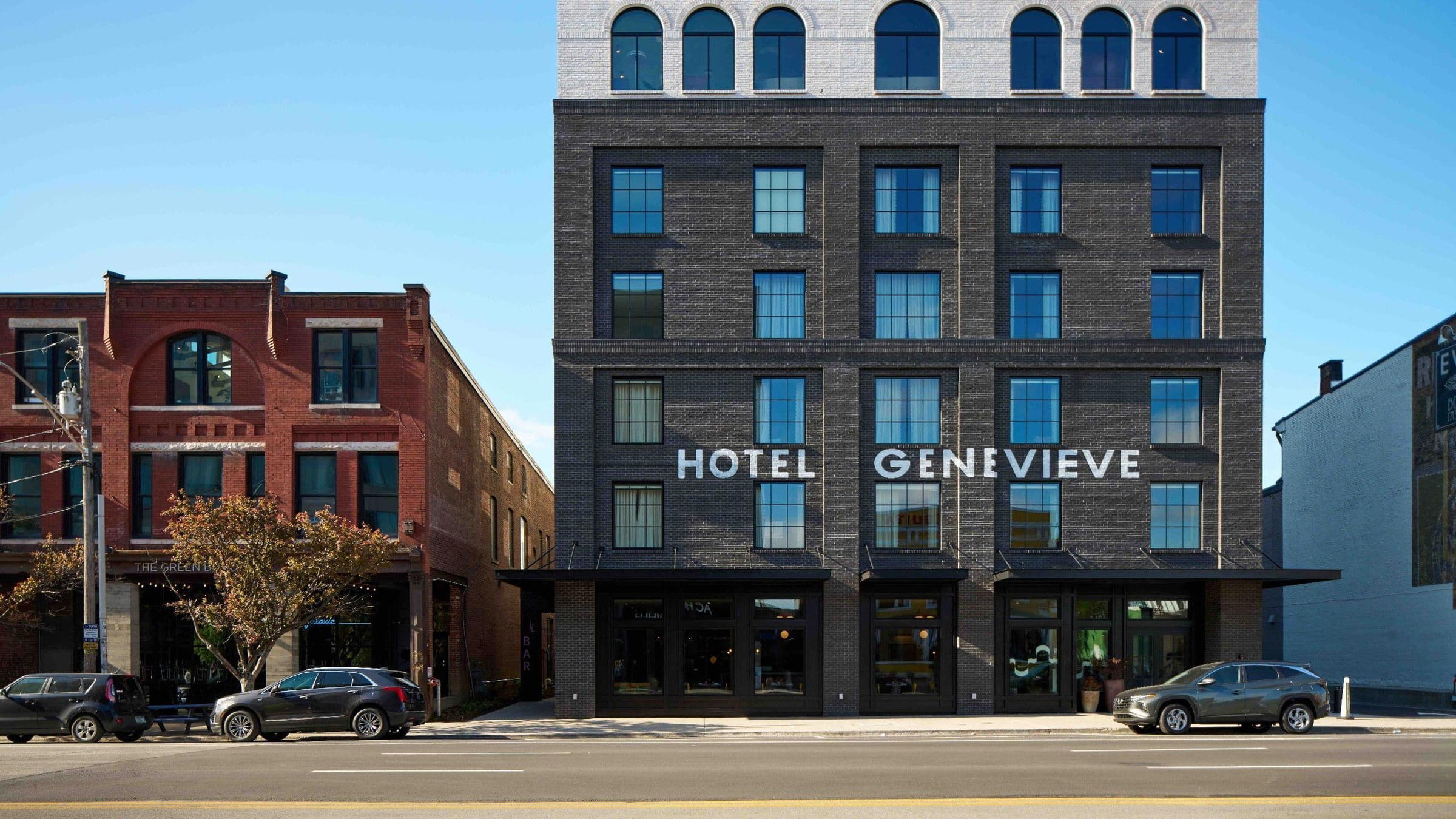
The Michelin Selected recognition the hotel carries in 2025 is awarded to properties where quality of space and experience meet a documented threshold, not simply where prices are high. In Louisville's hotel market, that places 21c in a small peer group alongside properties like Hotel Genevieve and The Brown Hotel, each of which has staked a distinct architectural and experiential identity.
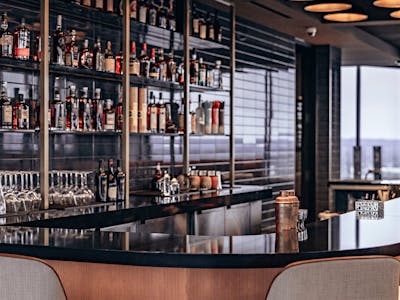
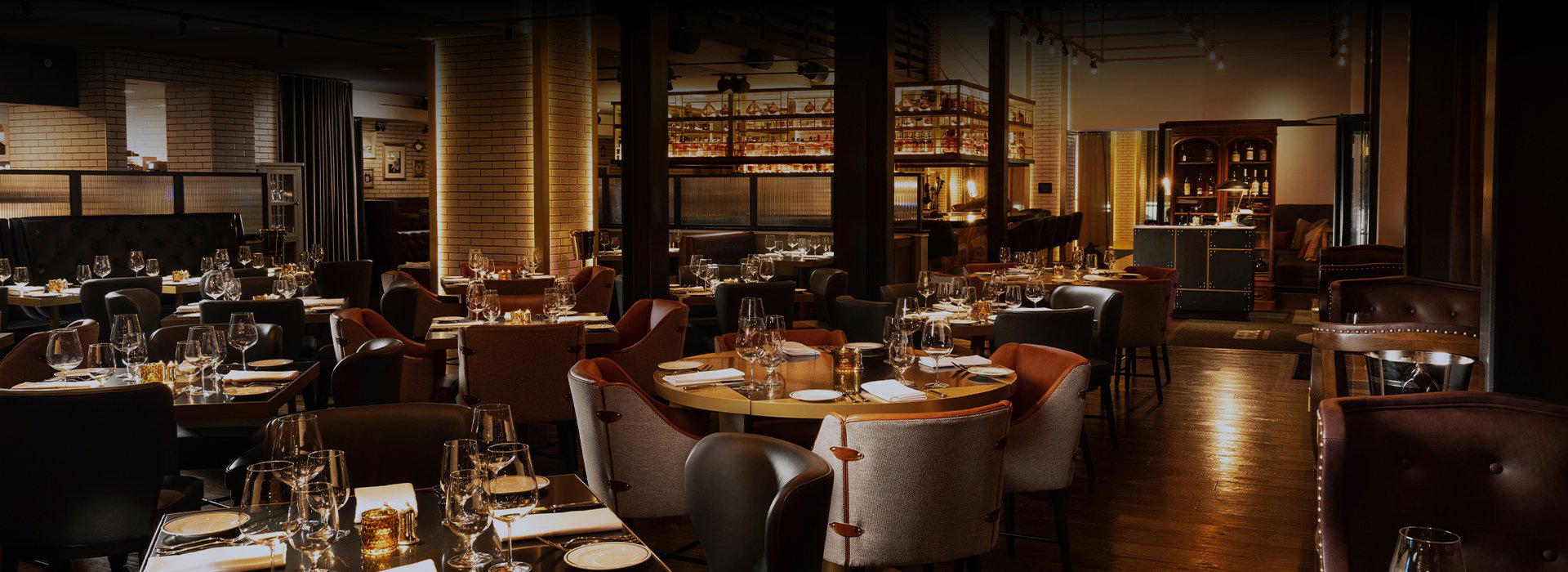
What distinguishes 21c architecturally is the decision to treat the museum function as load-bearing rather than ornamental. The renovation of the 19th-century warehouse structures preserved the heavy masonry and timber bones while opening floor plates to accommodate large-format contemporary works. The result is a building that reads as industrial in its bones and curatorial in its intention. Corridors that in a conventional hotel would be transitional become exhibition spaces with proper lighting specifications. Public areas on the ground floor are open to non-guests during museum hours, which means the hotel operates as a civic space as much as a private amenity.
This design philosophy has a direct effect on how the property feels to arrive at. The scale is horizontal rather than vertical, which is unusual for an urban hotel of this ambition. The warehouse typology means ceiling heights fluctuate depending on which section you are moving through, and the art changes with each programming cycle, so repeat visits produce materially different spatial experiences.
Louisville's Broader Hospitality Context
Louisville's hotel market has grown considerably more competitive at the premium end over the past decade, a development that tracks the city's broader rise in culinary and cultural standing. The bourbon industry, which commands serious national attention, brings visitors with higher spending thresholds and more developed preferences, and the hotel market has responded accordingly. Within that context, West Main Street functions as Louisville's densest concentration of premium independent hospitality.
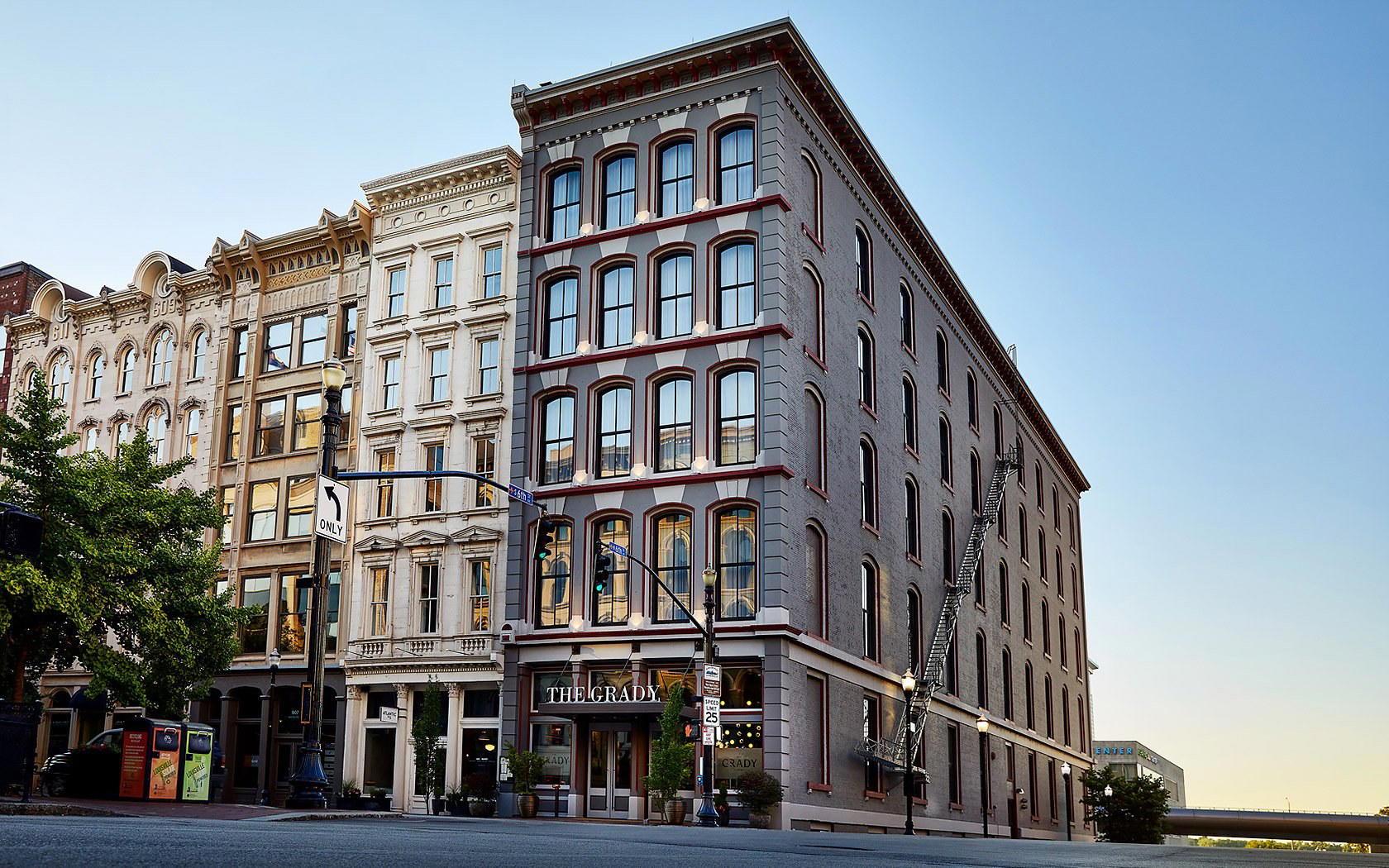
Guests weighing their options in this part of the city will find a range of positioning. Proof On Main operates a related art-hotel model with its own gallery program and restaurant. Gralehaus takes a more intimate, neighbourhood-bed-and-breakfast approach. The Grady and The Mason Boutique Hotel address guests who want design-led accommodation with a smaller footprint. What sets 21c apart within this peer group is institutional scale: the museum component is not a single gallery wall but a programme substantial enough to function independently as a cultural destination.
For comparison outside the city, the art-integrated hotel model has been executed at very different scales elsewhere in the United States. 1 Hotel San Francisco in San Francisco foregrounds environmental philosophy through its material choices, while The Fifth Avenue Hotel in New York City works within a heritage building to deliver a different kind of cultural weight. The approach at 21c is closer in spirit to properties where the non-hotel program is the anchor, similar to how Troutbeck in Amenia uses its literary and arts programming as a defining characteristic rather than a secondary offering.
Planning a Stay
The hotel sits on West Main Street in Louisville's museum district, within walking distance of the Louisville Slugger Museum and the Muhammad Ali Center. That concentration of cultural infrastructure makes the immediate neighbourhood genuinely walkable for visitors whose primary interest is the city's public institutions. Louisville Muhammad Ali International Airport connects the city to most major US hubs, and the hotel's downtown location means a direct taxi or rideshare from the terminal is the practical approach; public transit options from the airport are limited.
Reservations are advisable well in advance, particularly during Kentucky Derby season in early May, when Louisville's hotel inventory tightens across every price tier. The museum programming runs throughout the year and does not require hotel registration to access during public hours, which makes the property a reasonable stop even on a day visit to the neighbourhood. For guests comparing Louisville's premium options against broader US alternatives, properties like Amangiri in Canyon Point, Post Ranch Inn in Big Sur, or Meadowood Napa Valley in Napa each offer their own form of design-led destination experience, but none operates within an active urban museum at this scale. For the full picture of where 21c fits within Louisville's dining and hospitality scene, see our full Louisville restaurants guide.
Other Michelin-recognised properties worth benchmarking against, depending on travel plans, include Four Seasons at The Surf Club in Surfside, Kona Village, A Rosewood Resort in Kailua Kona, Canyon Ranch Tucson in Tucson, Sage Lodge in Pray, and Little Palm Island Resort and Spa in Little Torch Key. Internationally, the art-and-architecture conversation continues at properties like Aman Venice in Venice, Badrutt's Palace Hotel in St. Moritz, and Hôtel de Paris Monte-Carlo in Monte Carlo, each of which uses its building as a primary credential in a way that parallels the 21c model, even if the architectural language is entirely different. SingleThread Farm Inn in Healdsburg and The Beverly Hills Hotel in Los Angeles round out the comparative set for guests tracking hotel identity across American regions.
In Context: Similar Options
Comparable venues nearby, for context on price, style, and recognition.
| Venue | Cuisine | Price | Awards | Notes |
|---|---|---|---|---|
| 21c Museum Hotel, LouisvilleThis venue — the venue you are viewing | Contemporary art-infused boutique hotel in historic warehouses | $300–500 | Michelin Selected | Not listed |
| Proof On Main | contemporary art museum integrated with boutique lodging in historic warehouses | Not listed | Not listed | West Main |
| Gralehaus | Victorian-style bed & beverage in early 1900s home | $100–200 | Not listed | The Highlands |
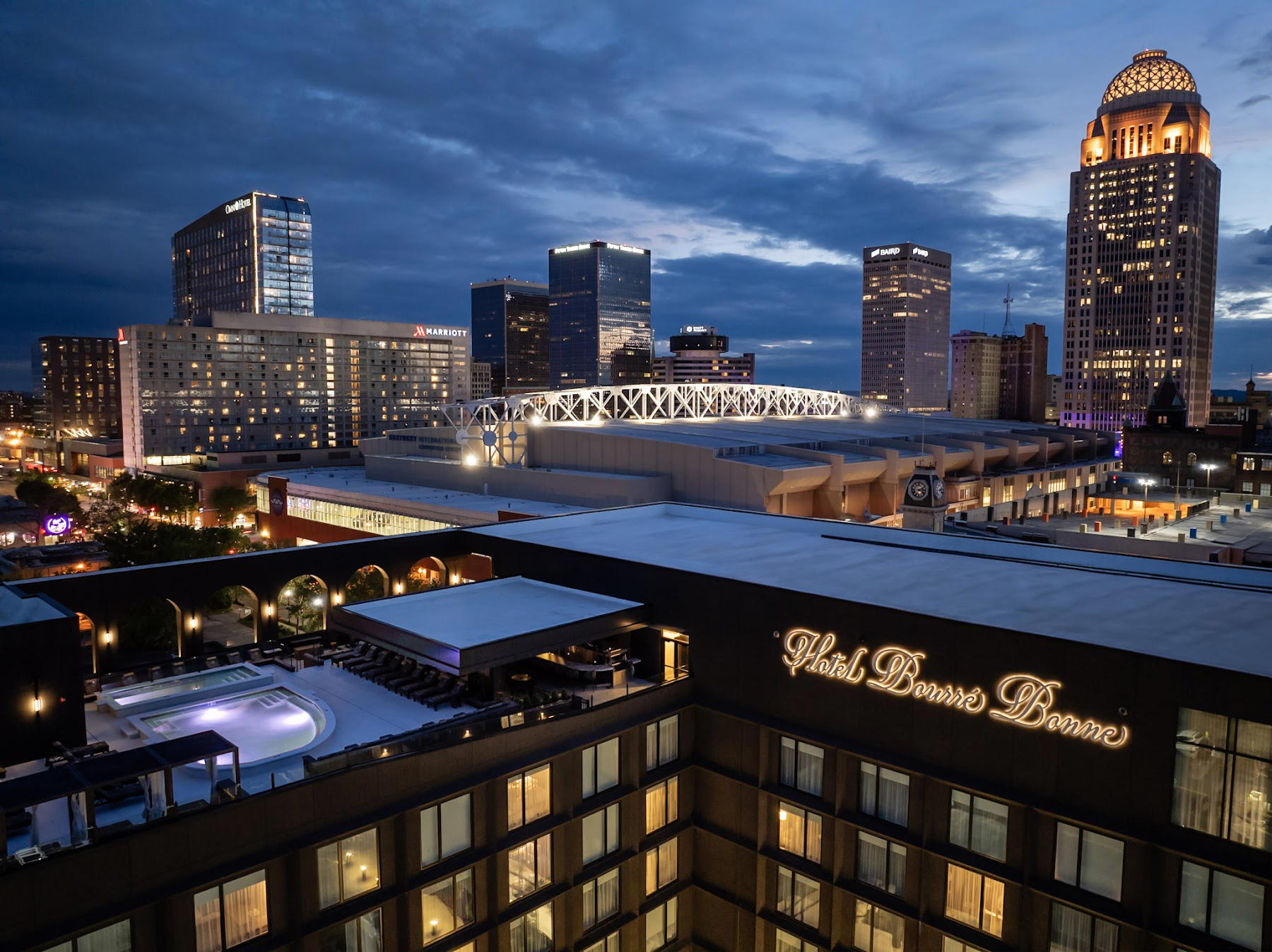
| Hotel Bourré Bonne | lifestyle hotel | $300–500 | Not listed | Downtown Louisville |
| The Grady | Historic boutique hotel blending traditional architectural elements with contemporary luxury amenities in a downtown cultural setting. | $100–200 | Michelin Guide New Hotels New Hotel · Michelin Selected | West Main |
Recognition history
Dated appearances from independent guides and award organizations, with the underlying list record or original source where available.
Michelin Selected
Michelin
Continue exploring
More in Louisville
Hotels in Louisville
Browse all →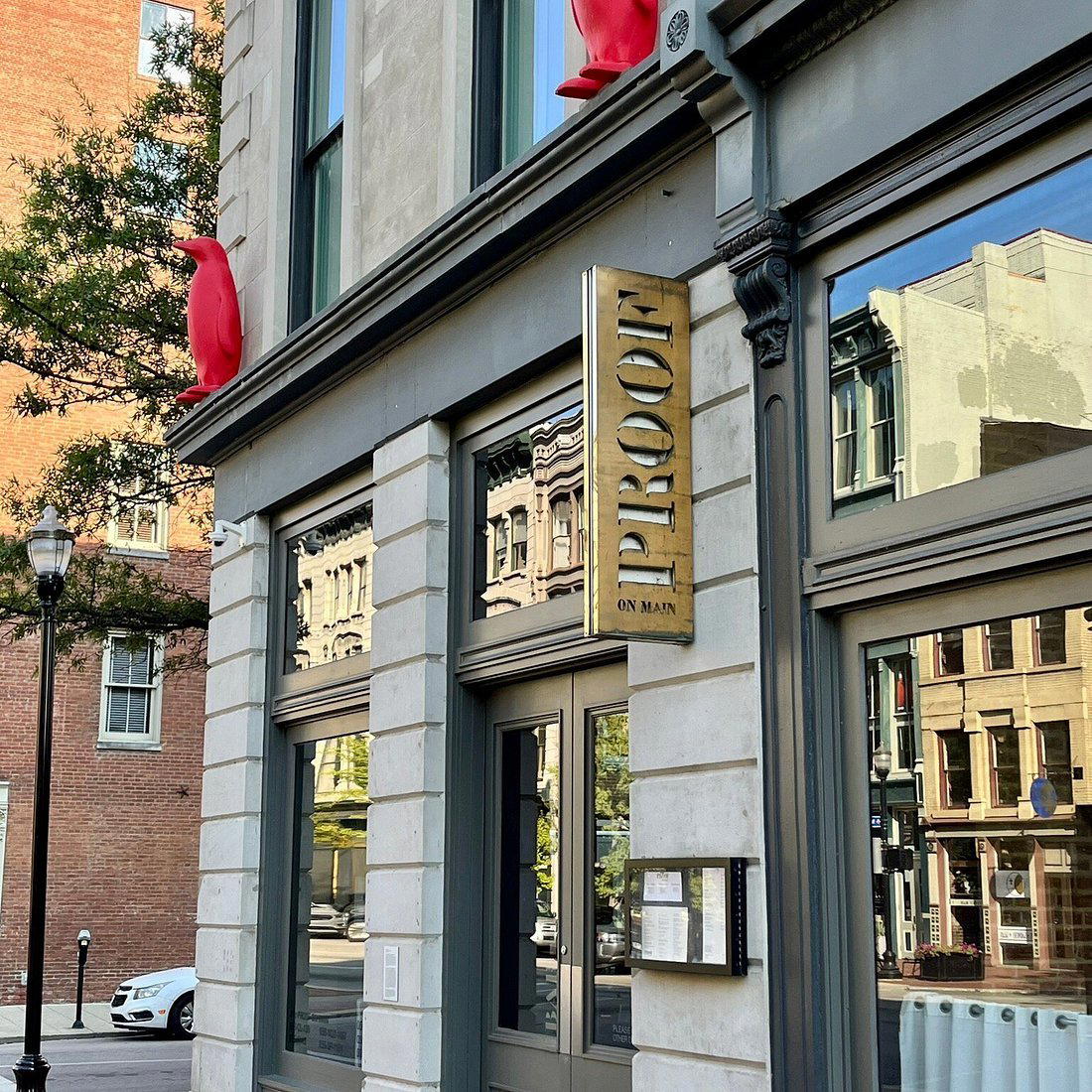
Bars in Louisville
Browse all →
Restaurants in Louisville
Browse all →
Details
- Modern
- Sophisticated
- Elegant
- Trendy
- Industrial
- Romantic Getaway
- Business Trip
- Weekend Escape
- Historic Building
- Design Destination
- Wi Fi
- Spa
- Fitness Center
- Room Service
- Concierge
- Valet Parking
- Sauna
Spare and serene rooms with custom-designed furniture and original artwork, complemented by immersive art-filled public spaces and thoughtful lighting that emphasizes the contemporary art collection.