Against the Grain
Our verdict
Against the Grain occupies a converted space on Northwestern Parkway in Louisville's Portland neighborhood, operating at the intersection of craft brewing and ingredient-driven cooking that has come to define the city's more serious casual dining tier. Louisville's farm belt geography makes sourcing a structural advantage here, and the brewery-restaurant format positions it alongside a small national cohort of production-focused hospitality operations.
The menu
What to order
- Pulled Pork Nachos
- Brisket
- Crispy Brussels Sprouts
Portland, Pints, and the Production Ethos
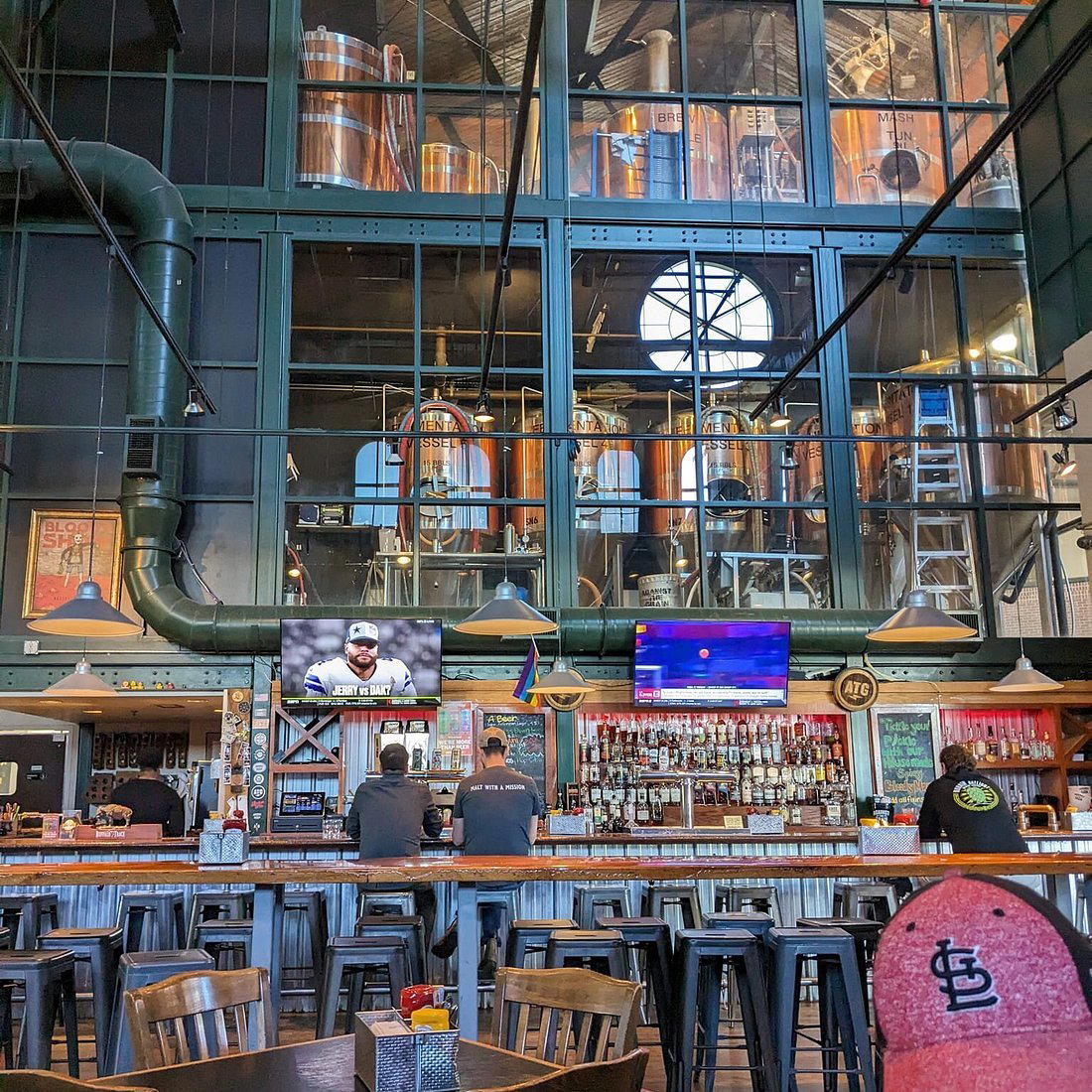
Louisville's dining scene has spent the better part of a decade bifurcating: on one side, the white-tablecloth New American tradition represented by places like 610 Magnolia; on the other, a wave of production-first operations where the kitchen and the brewery share the same philosophical DNA. Against the Grain sits firmly in the second camp, occupying a venue inside Louisville Slugger Field on Northwestern Parkway. The industrial bones of the space are not incidental to the experience, exposed steel, concrete, and the visible presence of fermentation vessels signal immediately that this is a place where what gets made on-site is the point, not a decorative afterthought.
The Portland neighborhood, where the ballpark complex anchors the western edge of downtown Louisville, carries a different character from the Bardstown Road corridor or NuLu's more polished restaurant row. It is closer to the city's working-history grain belt, and that geography matters when you consider how the brewery-restaurant model functions at its most coherent. Proximity to Kentucky's agricultural supply chain is not incidental to what production-focused venues in this city can pull off. The Ohio River corridor has long connected Louisville to regional grain, hop-adjacent farming, and livestock operations that make farm-sourcing a structural convenience rather than a marketing posture.
The Brewery-Kitchen Synthesis
Across the United States, the brewery-restaurant category has split cleanly into two tiers. The majority operate as beer-first venues where the kitchen is an afterthought, pub food that exists to slow down drinking. A smaller cohort, which includes operations like Smyth in Chicago adjacent to fermentation-focused hospitality culture and, further afield, Lazy Bear in San Francisco in its relationship to production-led dining, treats the kitchen as a co-equal creative department. Against the Grain has built its identity in that second tier, where the beer program and the food program are expected to inform each other rather than coexist independently.
That synthesis matters for how you read the menu. Ingredient sourcing in this model is not just about provenance for its own sake. When a kitchen and a brewery are operating under the same roof and the same ownership logic, the sourcing conversation extends across both departments, grains that influence the beer inform the approach to bread and fermented preparations in the kitchen; seasonal produce that shapes the kitchen's direction can filter back into the brewery's experimental releases. This is the production ethos at its most integrated, and it is what separates serious brewery-restaurant operations from those using craft beer as a branding vehicle.
For context on how ingredient sourcing operates at the highest tiers of American dining, the comparison set shifts dramatically. Places like Single Thread Farm in Healdsburg and Blue Hill at Stone Barns in Tarrytown have made the farm-to-table relationship their entire operating architecture. Against the Grain operates in a different price register and with a different format, but the underlying logic, that the origin of ingredients shapes the character of the final product, runs through both ends of the spectrum.
Louisville's Casual Dining Tier in Context
Louisville's dining infrastructure is broader than its bourbon reputation suggests. The city has produced serious restaurant operators across multiple formats: the New American tasting menu tradition, an active bar and cocktail culture, and a mid-casual tier where ingredient sourcing and production technique are taken seriously without the formality of a ticketed dinner. Against the Grain occupies the upper end of that mid-casual band.
8UP refined Drinkery and Kitchen and Al's Table occupy adjacent territory in the city's casual-to-mid dining spectrum. What distinguishes Against the Grain within this set is the physical integration of production: the brewery is not a separate facility or a branding license, it is in the building, visible and operational, which creates a transparency around what you are drinking that most restaurant-adjacent beer programs cannot match.
That transparency is increasingly a marker of credibility in the craft beer world. In the same way that open kitchens became a trust signal in fine dining, demonstrating that technique could withstand observation, on-site brewing visible to guests communicates that the beer program is not curated from an external supplier but made and adjusted here. For venues operating at the intersection of food and drink production, this kind of visible accountability carries weight with a specific and growing segment of the dining public.
Planning Your Visit
Against the Grain is located at 1800 Northwestern Parkway, inside Louisville Slugger Field, which means the surrounding area operates on a different rhythm from the city's main dining corridors. On game days, the neighborhood around the ballpark sees significant foot traffic; on non-game evenings, it is quieter and parking is more direct. For anyone building a broader Louisville itinerary, the venue pairs naturally with an exploration of the city's waterfront and the Portland neighborhood's industrial architecture. The full picture of Louisville's dining range, from the production-casual end represented here to the tasting menu tier, is covered in our full Louisville restaurants guide.
Current hours, booking requirements, and seasonal menu updates are best confirmed directly through the venue before visiting. The ballpark location means operating hours may flex around the Louisville Bats schedule, so checking in advance is practical rather than optional.
Ingredient Sourcing as a Competitive Signal
In American dining broadly, the sourcing conversation has moved from differentiator to baseline expectation at serious casual venues. What still separates the operations doing it rigorously from those doing it rhetorically is the specificity of the supply relationship and whether it visibly shapes what arrives at the table. At the highest end of the national spectrum, venues like The French Laundry in Napa, Providence in Los Angeles, or Addison in San Diego, sourcing shapes the entire menu architecture and drives the tasting menu format. At the brewery-restaurant level, the same logic applies at a different scale: the grain comes from somewhere specific, the produce responds to what is available regionally, and the beer and food evolve in response to the same seasonal inputs.
Internationally, this production-first model has parallels in venues like Atelier Moessmer Norbert Niederkofler in Brunico, where Alpine sourcing constraints produce an almost militant regionalism in the menu. The scale and ambition differ entirely, but the underlying conviction that where ingredients come from determines what cooking can be is the same philosophical current. Against the Grain operates in Louisville, not the Dolomites, and at a price point accessible to a regular Tuesday dinner rather than a special-occasion tasting menu, but the production logic that connects them is worth naming, because it explains why this category of venue has earned sustained attention from the dining public beyond the craft beer enthusiast base.
Frequently asked questions
What's the address for Against the Grain?
Against the Grain is located at 1800 Northwestern Pkwy, Louisville, KY 40203, Louisville.
Is Against the Grain a good option for visiting Louisville on a non-baseball day?
Yes, while the Louisville Slugger Field address gives the impression of a game-day-only venue, Against the Grain operates as a functioning brewery and kitchen independent of the baseball schedule. The Northwestern Parkway location is accessible from central Louisville, and the production-focused format means the beer program runs year-round regardless of what's happening on the field.
What's the must-try dish at Against the Grain?
The safest approach is to ask the bar staff what the current house beer pairs against, at a brewery-kitchen operation at 1800 Northwestern Pkwy, that conversation usually surfaces the strongest plate on the board.
Is Against the Grain reservation-only?
Against the Grain operates inside Louisville Slugger Field, which means capacity and walk-in access shift significantly on game days. On non-event evenings the venue generally absorbs walk-in traffic without difficulty, but arriving during a scheduled game without a plan risks a long wait. Checking current booking options directly with the venue before a game-day visit is the practical move.
What makes Against the Grain worth seeking out?
The premise is direct: a brewery and kitchen that function as a single production unit rather than two separate operations sharing a building. That integration puts Against the Grain in a distinct tier above most American brewery-restaurants, where the kitchen is often an afterthought. Its location inside Louisville Slugger Field also gives it a footprint and audience that few Louisville casual venues can access.
Can Against the Grain adjust for dietary needs?
No dietary accommodation data is documented in current editorial records for Against the Grain. At a brewery-kitchen with a rotating menu tied to production cycles, the best approach is to check the venue's official channels at 1800 Northwestern Pkwy, Louisville, KY 40203, before visiting if specific dietary requirements are a factor.
Fast Comparison
| Venue | Cuisine | Price | Awards | Notes |
|---|---|---|---|---|
| Against the GrainThis venue (the venue you are viewing) | American Brew Pub | Not listed | Not listed | Not listed |
| 610 Magnolia | Modern Southern Fine Dining | $100–150 | Not listed | New American |
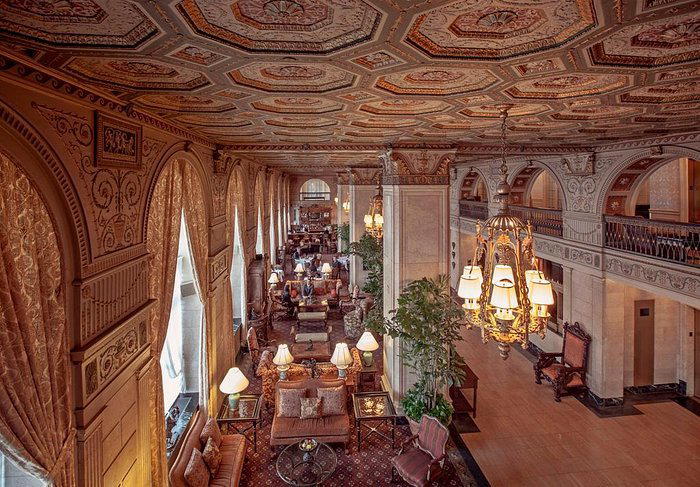
| The Brown Hotel | Classic American Fine Dining | $50–100 | Not listed | American Southern |
| Coals Artisan Pizza | Coal-Fired Artisan Pizza | $20–30 | 50 Top Pizza USA #28 | Not listed |
| Jeff Ruby's Steakhouse Louisville | Classic Steakhouse with Raw Bar and Sushi | $100–150 | Star Wine List · Wine Spectator Best of Award of Excellence | Not listed |
| Atlantic No. 5 | American Bistro with Fusion Twists | Not listed | Not listed | Not listed |
Continue exploring
More in Louisville
Restaurants in Louisville
All restaurants in Louisville →
Bars in Louisville
All bars in Louisville →
Details
- Lively
- Industrial
- Rustic
- Casual Hangout
- Group Dining
- Late Night
- Open Kitchen
- Live Music
- Beer Program
- A La Carte
- Beer Program
- Vegetarian Friendly
- Vegan Options
- Gluten Free Options
Lively industrial atmosphere in a beautifully ornate historic space with eclectic local art and a focus on craft beer.