The Grady


Michelin Guide New Hotels New Hotel · Michelin Selected · Small Luxury Hotels of the World Member
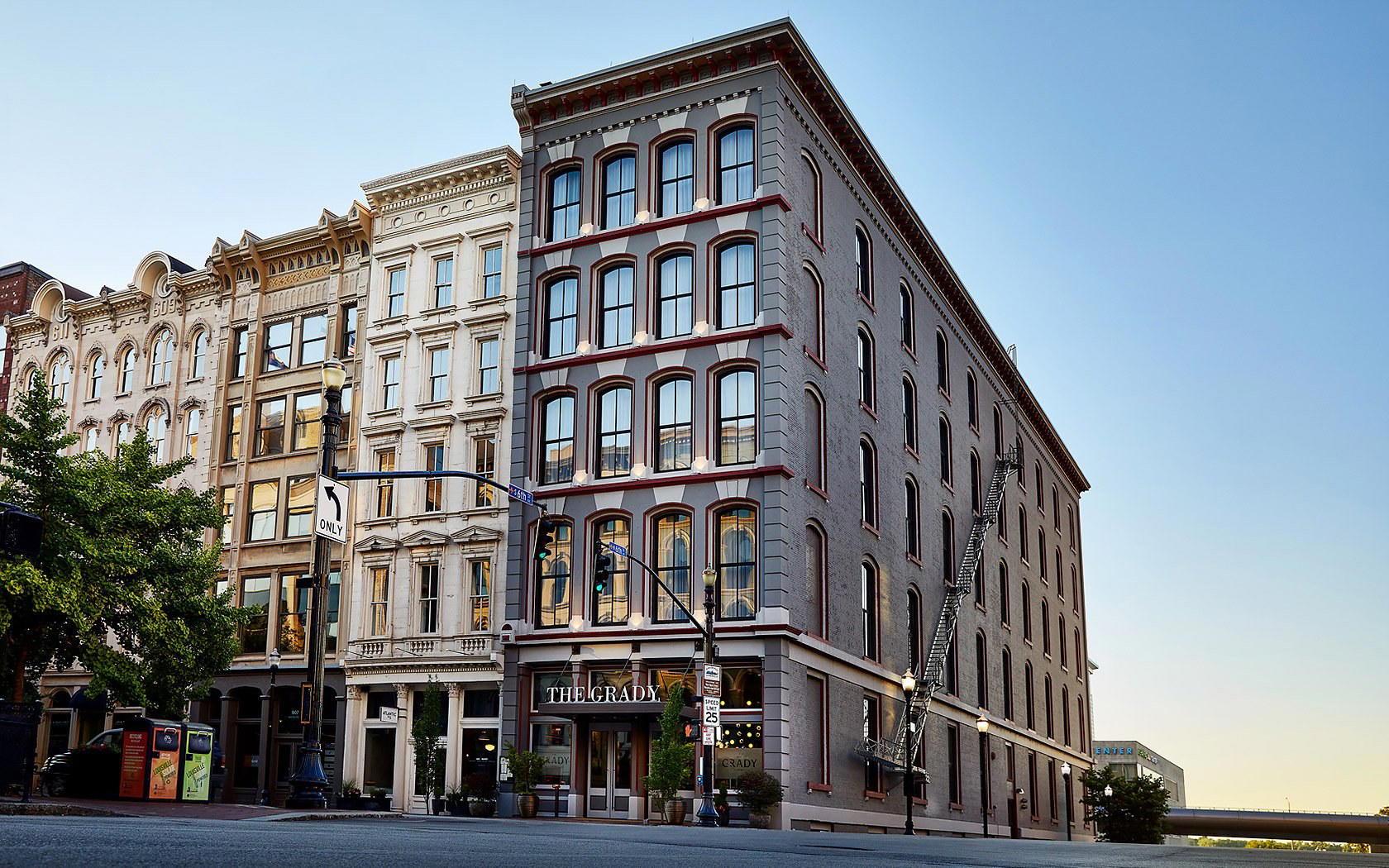
Occupying a 19th-century building on West Main Street, The Grady is a boutique hotel that traces its footprint from apothecary to millinery before arriving at its present form as a design-led retreat in Louisville's NuLu-adjacent core. The property sits within walking distance of the bourbon corridor and the city's most concentrated stretch of independent hospitality, making it a practical base with genuine character.

Pearl is the En Primeur Club membership app, where members save venues, book tables and use the concierge.
West Main Street and the Architecture of Arrival
Louisville's West Main Street corridor carries one of the longest unbroken stretches of cast-iron building facades in the United States, a fact that sets the physical tone before any guest crosses a threshold. The buildings here were built for commerce, apothecaries, milliners, dry goods merchants, and the leading boutique hotels in this strip work with that inherited density rather than against it. The Grady, at 601 W Main St, sits within that tradition. Its address places it on a block where history is structural, not decorative, and where the gap between a restored façade and a hollow renovation is immediately legible to anyone paying attention.
The building's documented past as an apothecary, and later as the workshop of a millinery, gives The Grady a more specific biography than most adaptive-reuse hotels manage. Those occupancies weren't incidental, apothecaries were Louisville's first sophisticated retail environments, and milliners represented a class of craft that required precision and local reputation. A hotel that inherits those walls inherits a certain obligation to specificity, and the boutique format, with its limited keys and design attention per room, is the right container for it.
The Retreat Argument for Louisville
Louisville doesn't position itself in the same conversation as Amangiri in Canyon Point or Post Ranch Inn in Big Sur when it comes to wellness destination travel, and it shouldn't, those are landscape-defined escapes built around physical remoteness. What Louisville offers instead is a different kind of decompression: an urban retreat in a mid-size city that moves at a genuinely slower pace than its coastal counterparts, where the hospitality culture is grounded in bourbon, food, and a civic pride that hasn't tipped into self-consciousness.
For guests accustomed to the programming density of places like Canyon Ranch Tucson in Tucson or the immersive quiet of Little Palm Island Resort & Spa in Little Torch Key, The Grady offers something more porous: a base from which the city itself functions as the wellness resource. The Ohio River is walkable. The bourbon trail is structured enough to pace deliberately. The restaurant scene along Main and Market streets rewards slow, repeated engagement rather than a single marquee meal.
This is the retreat argument for a property like The Grady, not isolation, but deceleration inside a city that makes deceleration easy.
Where The Grady Sits in Louisville's Boutique Hotel Tier
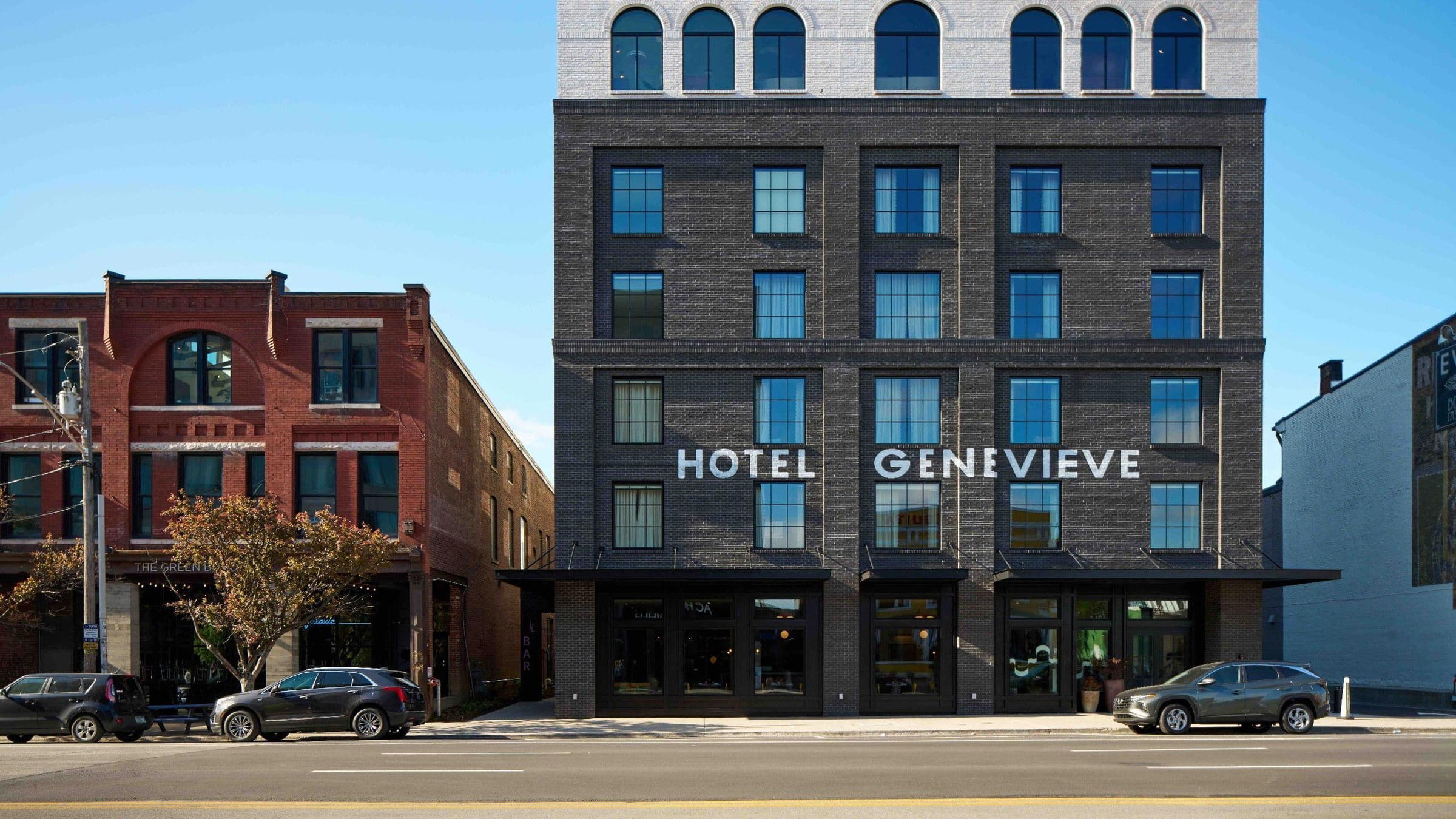
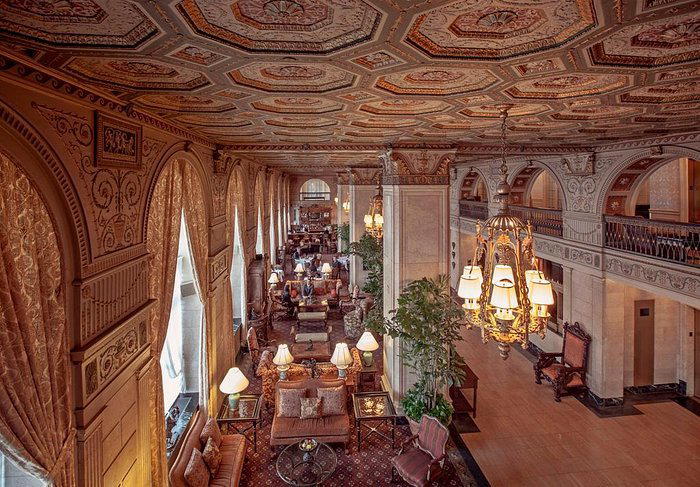
Louisville's independent hotel market has grown measurably in the past decade, tracking the city's broader emergence as a destination for food-and-drink travel. Hotel Genevieve anchors the design-forward end of the Main Street corridor with a stronger food-and-beverage program. The Brown Hotel holds the historic-grand category, with its long-standing reputation and the Hot Brown's documented place in American hotel dining. Proof On Main integrates a serious contemporary art collection into its guest experience. Gralehaus and The Mason Boutique Hotel operate at a more intimate scale, with the neighbourhood-guesthouse quality that appeals to guests who prefer residential texture over hotel programming.
The Grady occupies the boutique-upscale tier, where the building's historical identity does significant work. In the broader American boutique hotel conversation, which runs from Chicago Athletic Association in Chicago to Troutbeck in Amenia to The Fifth Avenue Hotel in New York City, properties that carry a legible pre-hotel history tend to generate stronger guest loyalty than those whose design concept was applied from scratch. The apothecary-to-hotel arc is not merely a branding note; it's a structural argument for why this specific building on this specific block has a reason to exist as a hotel.
The Neighbourhood as Wellness Infrastructure
The strip of West Main Street between 5th and 9th runs through what Louisville designates its Museum Row, with the Louisville Slugger Museum, the Muhammad Ali Center, and the Frazier History Museum all within a short walk of The Grady's address. For guests who treat cultural engagement as part of a restorative travel practice, and an increasing number do, this density of walkable programming is a meaningful amenity, one that doesn't require a booking or a schedule.
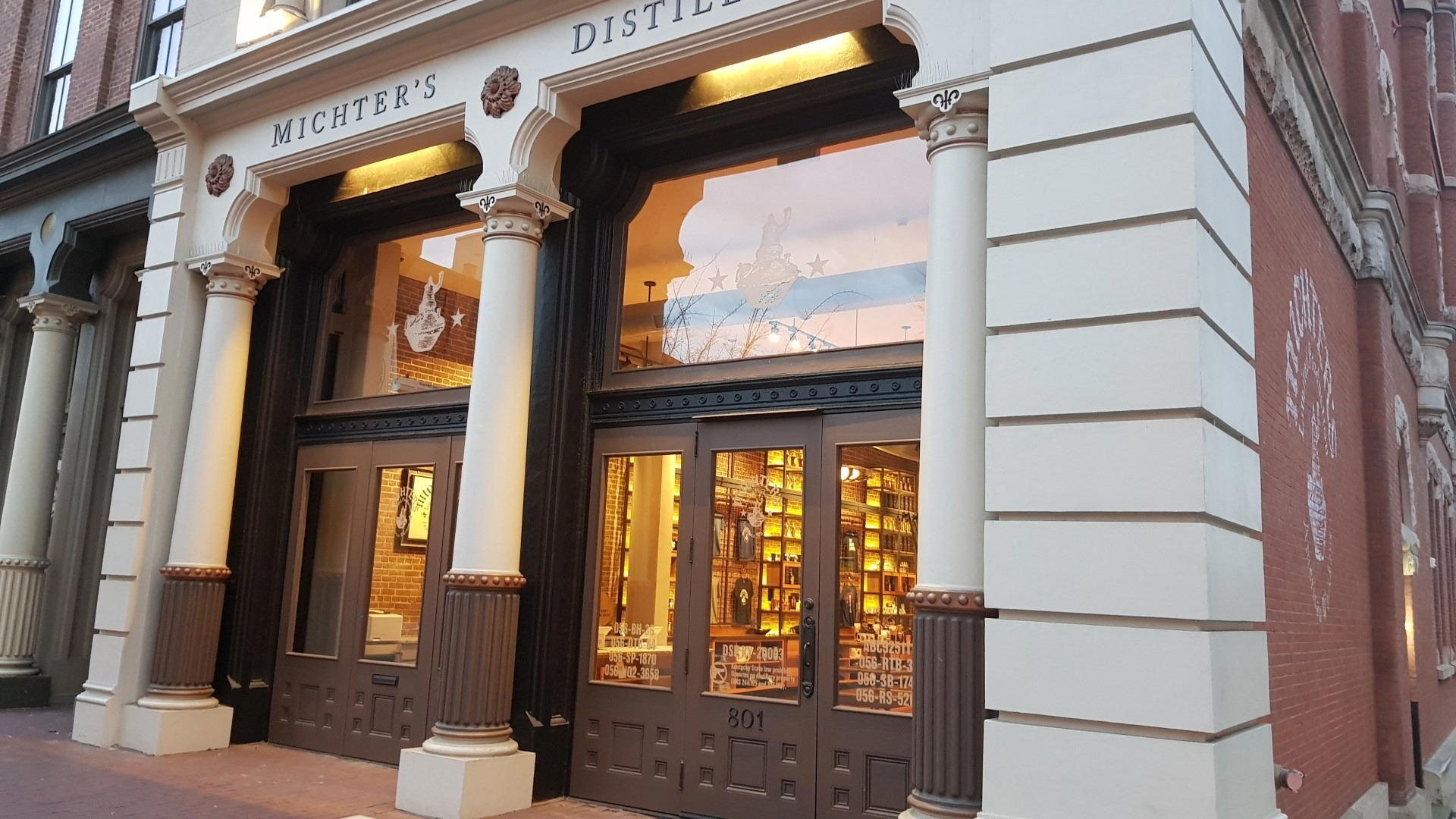
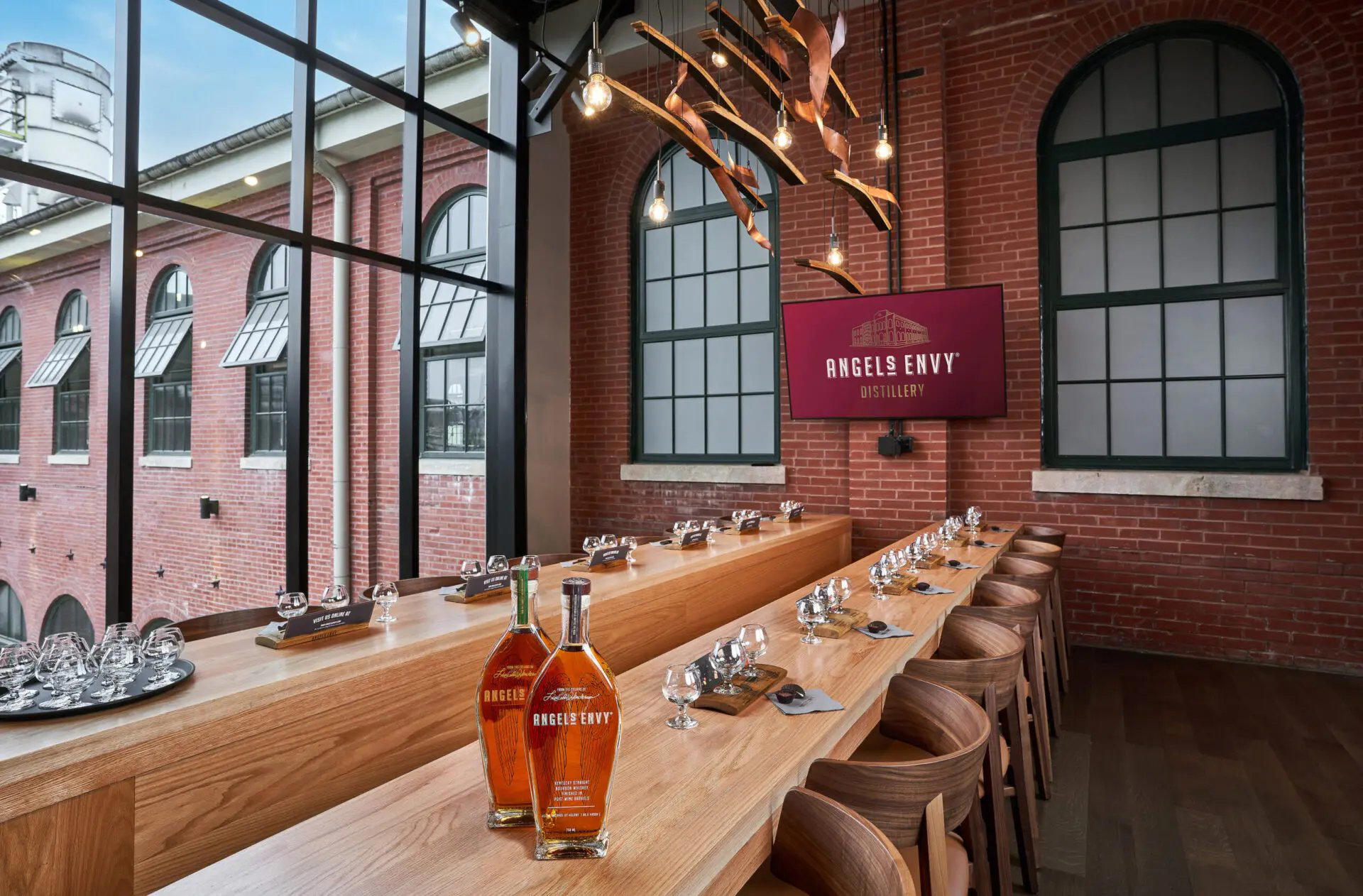
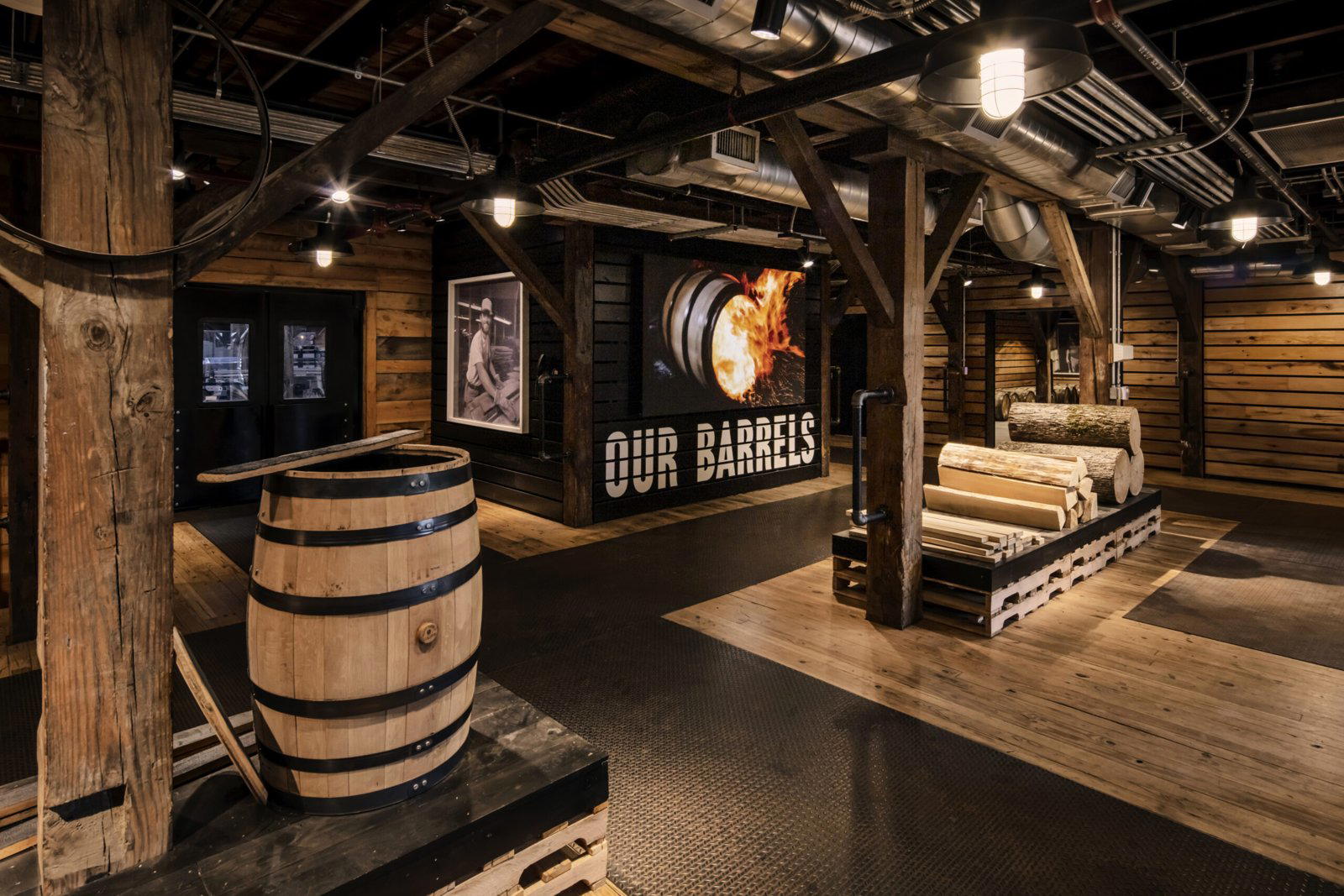
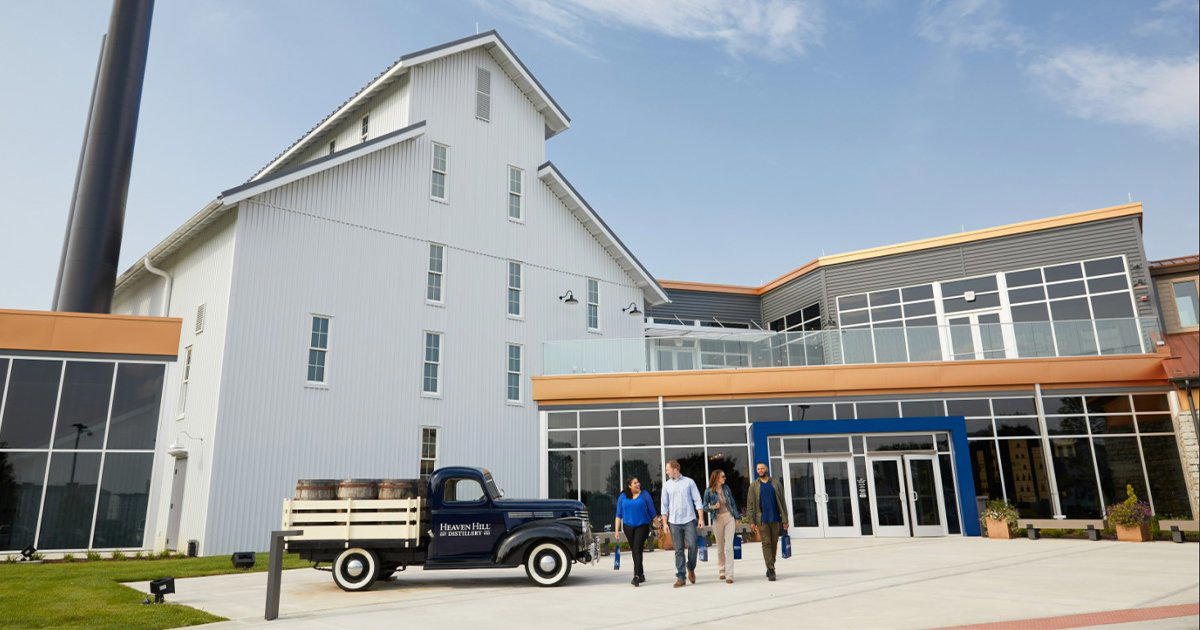
Bourbon corridor functions similarly. Louisville's distillery scene is now a structured tourist infrastructure, with the Urban Bourbon Trail covering more than forty participating locations across the city. Pacing that trail deliberately, over multiple days, from a centrally located base, is a different experience than treating it as a checklist. The Grady's address on West Main puts several anchor distilleries and tasting rooms within reasonable walking distance, which rewards the guest who wants to move through the city at a human pace rather than by ride-share itinerary.
For dining, the our full Louisville restaurants guide covers the range from the farm-sourcing focused rooms on East Market to the more traditional bourbon-country dining along Main. The concentration of independent restaurants in this part of the city is high enough that guests staying at The Grady can eat well for multiple nights without duplicating an experience or venturing far.
Comparing the Wellness Retreat Spectrum
The question of what counts as a wellness retreat has expanded considerably. Properties like 1 Hotel San Francisco in San Francisco and Kona Village, A Rosewood Resort in Kailua Kona build wellness into their brand architecture at scale. Sage Lodge in Pray and Alpine Falls Ranch in Superior use landscape access as the primary wellness proposition. At the formal luxury end, Aman New York in New York City, Aman Venice in Venice, and Badrutt's Palace Hotel in St. Moritz deliver spa programming at a depth that requires significant investment in both space and staffing.
The Grady does not compete in those categories. It competes in the category of the well-considered boutique urban hotel where the retreat quality comes from the accumulated effect of good design, a quieter city, and a neighbourhood that doesn't demand constant stimulation. That is a legitimate and, for many travellers, preferable form of restoration. Properties like Raffles Boston in Boston and Hotel Bel-Air in Los Angeles demonstrate that urban settings can carry genuine restorative weight when the execution is careful. SingleThread Farm Inn in Healdsburg and Auberge du Soleil in Napa show how food-and-drink regions can anchor a retreat mindset without a spa in the conventional sense. Four Seasons at The Surf Club in Surfside proves the formula works when the surrounding neighbourhood carries sufficient character. Louisville, and West Main Street specifically, has enough of that character to make the comparison hold.
Planning a Stay
Grady sits at 601 W Main St in Louisville's downtown core, accessible directly from Louisville Muhammad Ali International Airport, which sits roughly 8 miles south of the property. Louisville's airport is among the more efficiently scaled regional airports in the mid-South, which makes arrival and departure measurably less stressful than comparable trips routed through larger hubs. The property's Main Street address puts it within a short walk of the bourbon corridor, Museum Row, and the restaurant concentration that defines Louisville's most active dining district. For travel timing, the Kentucky Derby in early May draws the city's highest hotel rates and lowest room availability; the weeks bracketing the Derby, particularly late April and mid-May, offer the city at a slightly slower register without sacrificing the spring season's considerable pleasures. Fall, from September through November, is broadly considered the most comfortable period for walking the neighbourhood and moving between the distillery stops along the Urban Bourbon Trail.
Reputation Context
Comparable venues nearby, for context on price, style, and recognition.
| Venue | Cuisine | Price | Awards | Notes |
|---|---|---|---|---|
| The GradyThis venue (the venue you are viewing) | Historic boutique hotel blending traditional architectural elements with contemporary luxury amenities in a downtown cultural setting. | $100–200 | Michelin Guide New Hotels New Hotel · Michelin Selected | Not listed |
| The Mason Boutique Hotel | Historic boutique in restored downtown building | $100–200 | World Travel Awards | downtown |
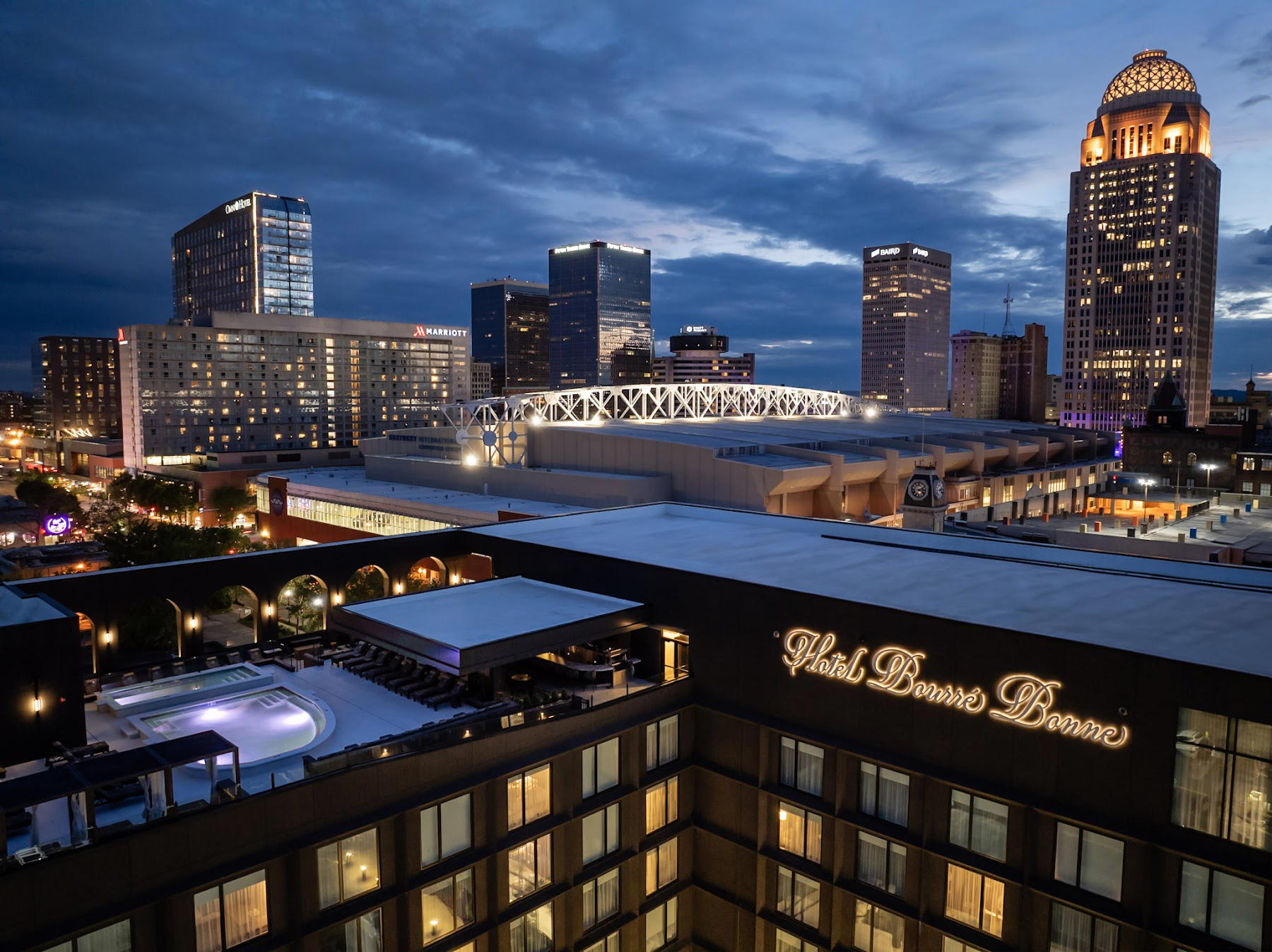
| Hotel Bourré Bonne | lifestyle hotel | $300–500 | Not listed | Downtown Louisville |
| Proof On Main | contemporary art museum integrated with boutique lodging in historic warehouses | Not listed | Not listed | West Main |
| Gralehaus | Victorian-style bed & beverage in early 1900s home | $100–200 | Not listed | The Highlands |
Recognition history
Dated appearances from independent guides and award organizations, with the underlying list record or original source where available.
Michelin Guide New Hotels New Hotel
Michelin Guide New Hotels
Michelin Selected
Michelin
Small Luxury Hotels of the World Member
Small Luxury Hotels of the World
Continue exploring
More in Louisville
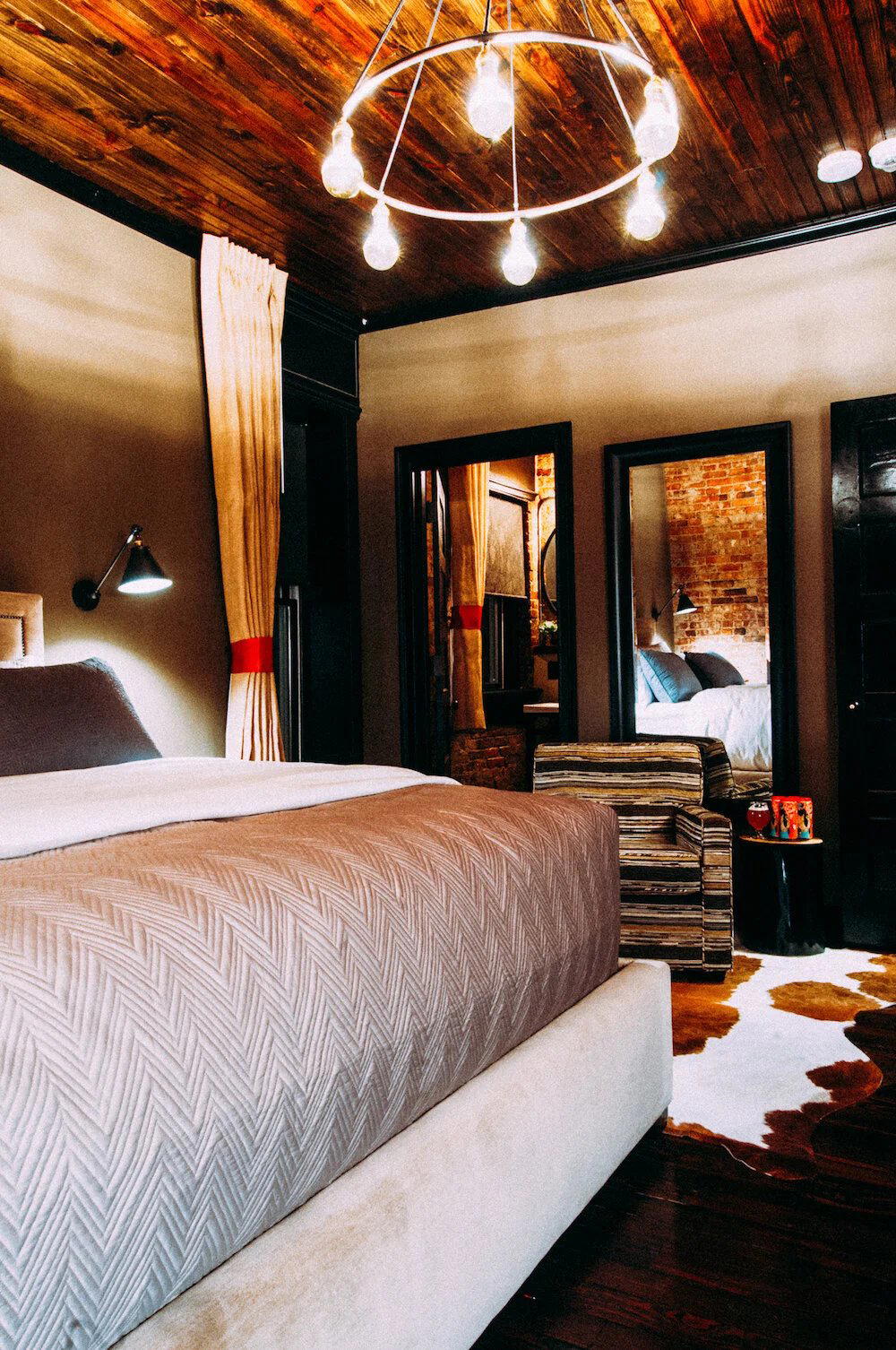
Hotels in Louisville
All hotels in Louisville →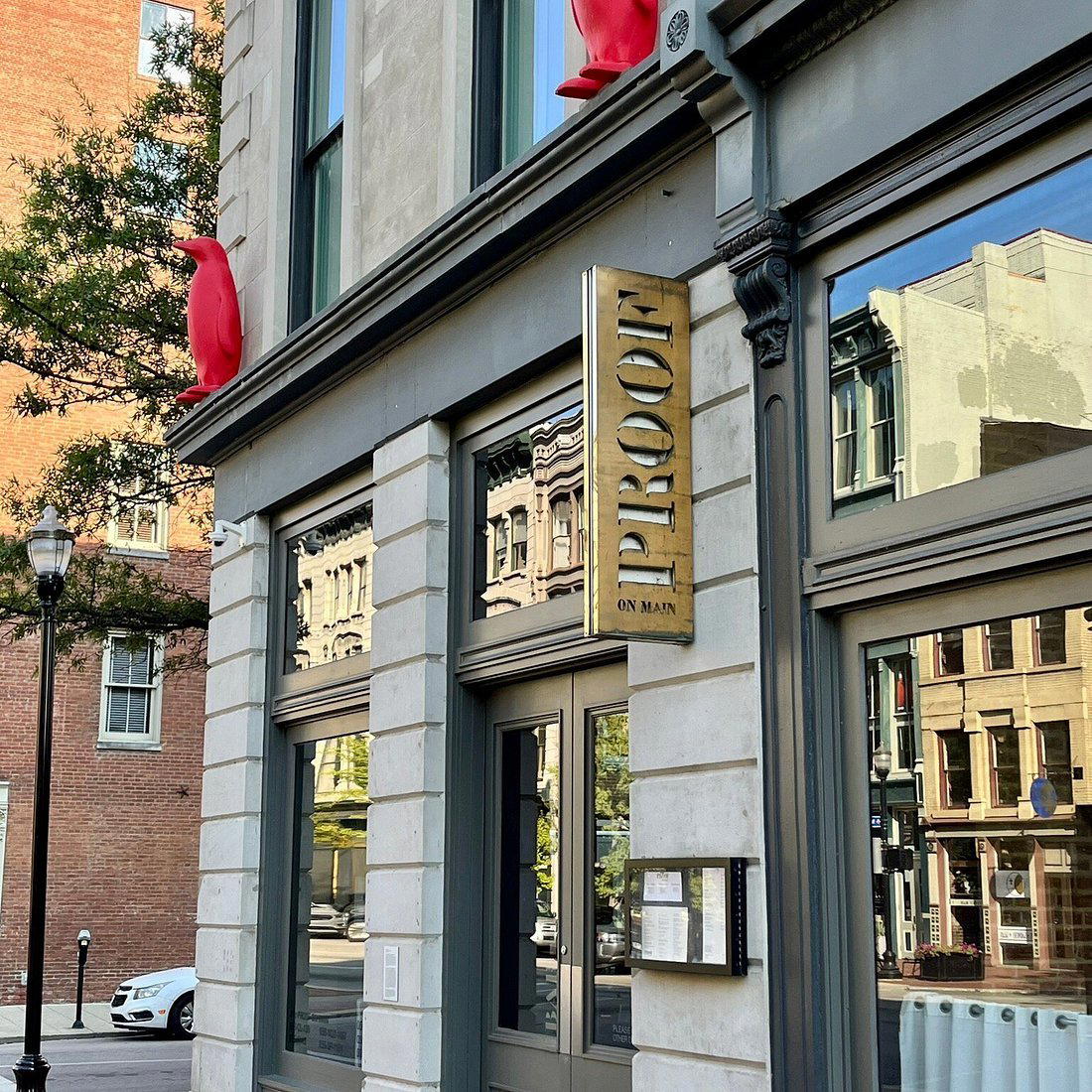
Bars in Louisville
All bars in Louisville →
Details
- Elegant
- Classic
- Cozy
- Romantic
- Romantic Getaway
- Business Trip
- Weekend Escape
- Historic Building
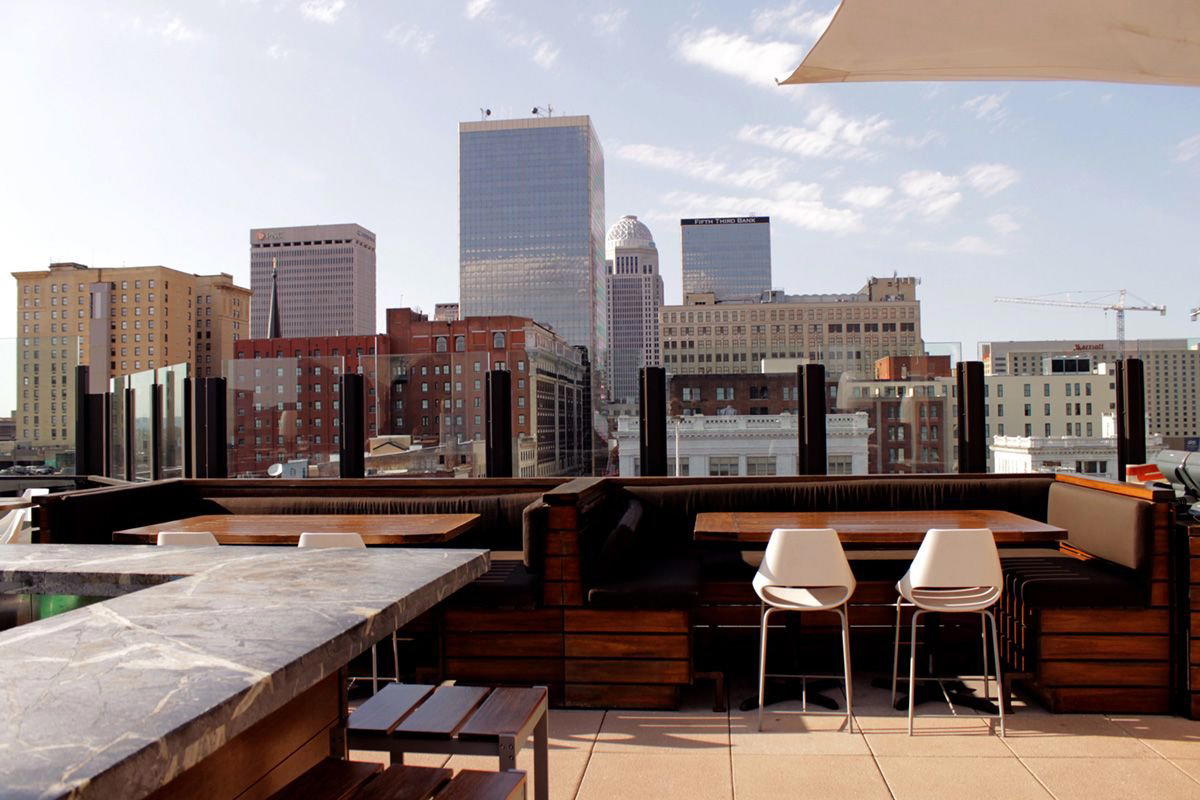
- Panoramic View
- Design Destination
- Wi Fi
- Restaurant
- Bar
- Concierge
- Valet Parking
- Room Service
- Skyline
- Street Scene
- Wheelchair Accessible
- Elevator
- Accessible Restroom
- Step Free Entrance
- Accessible Parking
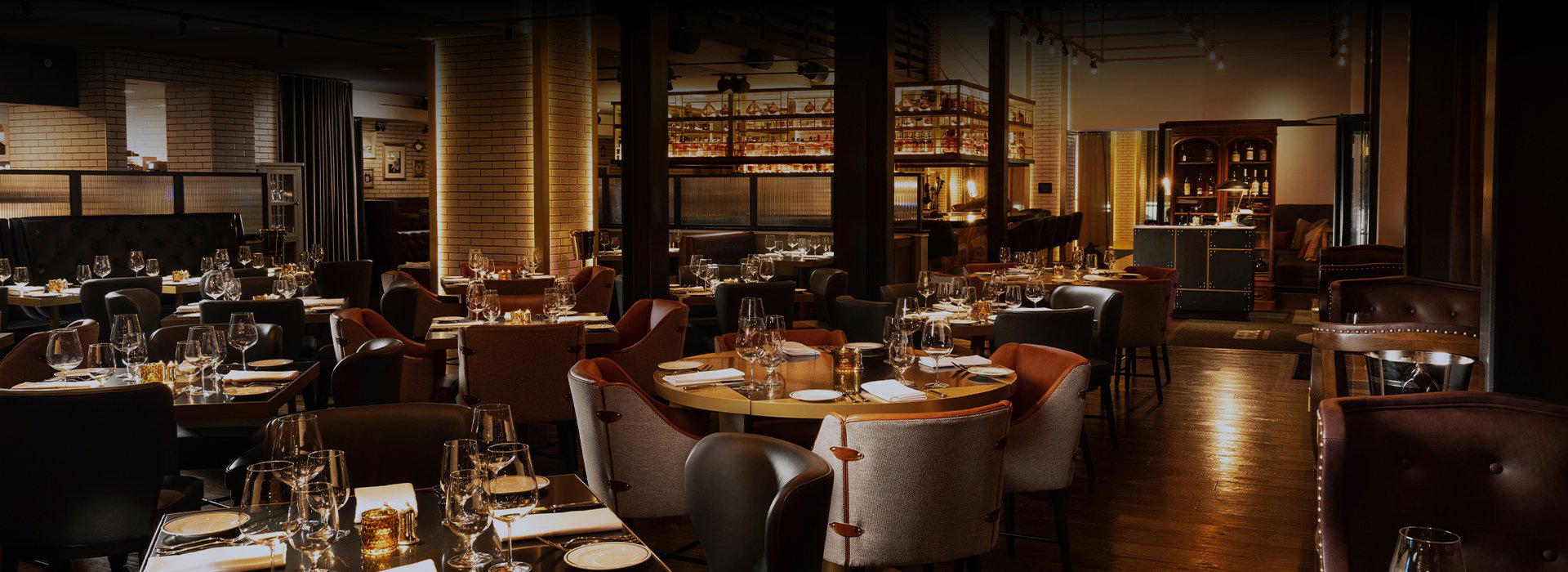
Warm and welcoming with a grand fireplace in the lobby, tastefully decorated rooms with character, and attentive service creating a comfortable, upscale atmosphere.