

Michelin Plate · We're Smart World 1 Radish
Our verdict
Atelier Noun sits in the Flemish Brabant countryside at Dorpstraat 252 in Bertem, drawing on farm-to-table sourcing with a cross-cultural range that moves between Mediterranean, Asian, and Belgian reference points. Chef Bert Castermans has earned consecutive Michelin Plate recognition (2024 and 2025). Vegetables anchor almost every course, and fully plant-based menus are available on request at booking.

Pearl is the En Primeur Club membership app, where members save venues, book tables and use the concierge.
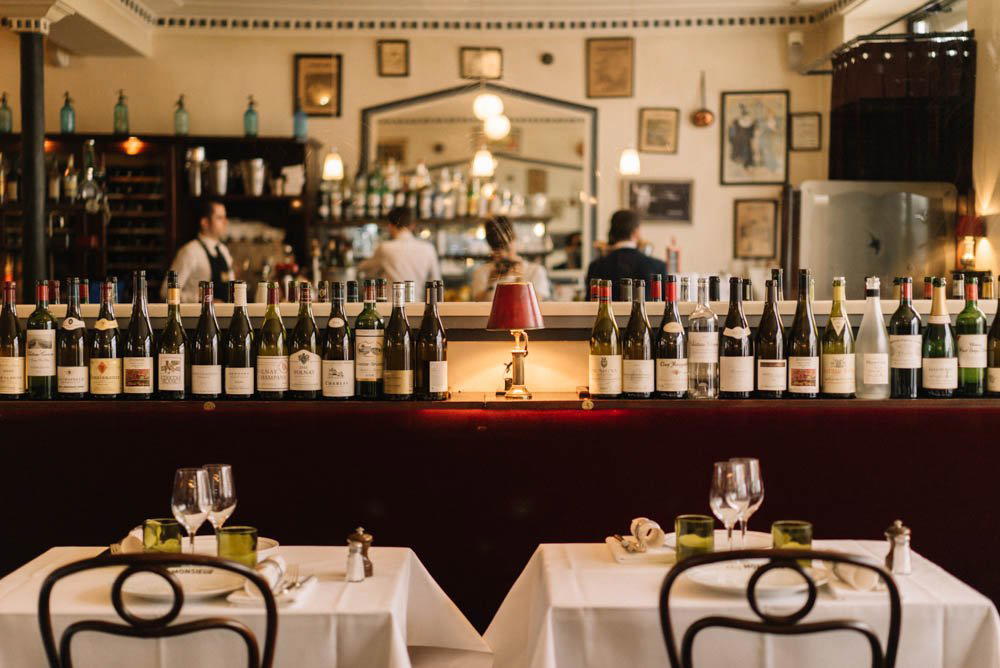
Flemish Brabant's Quieter Table
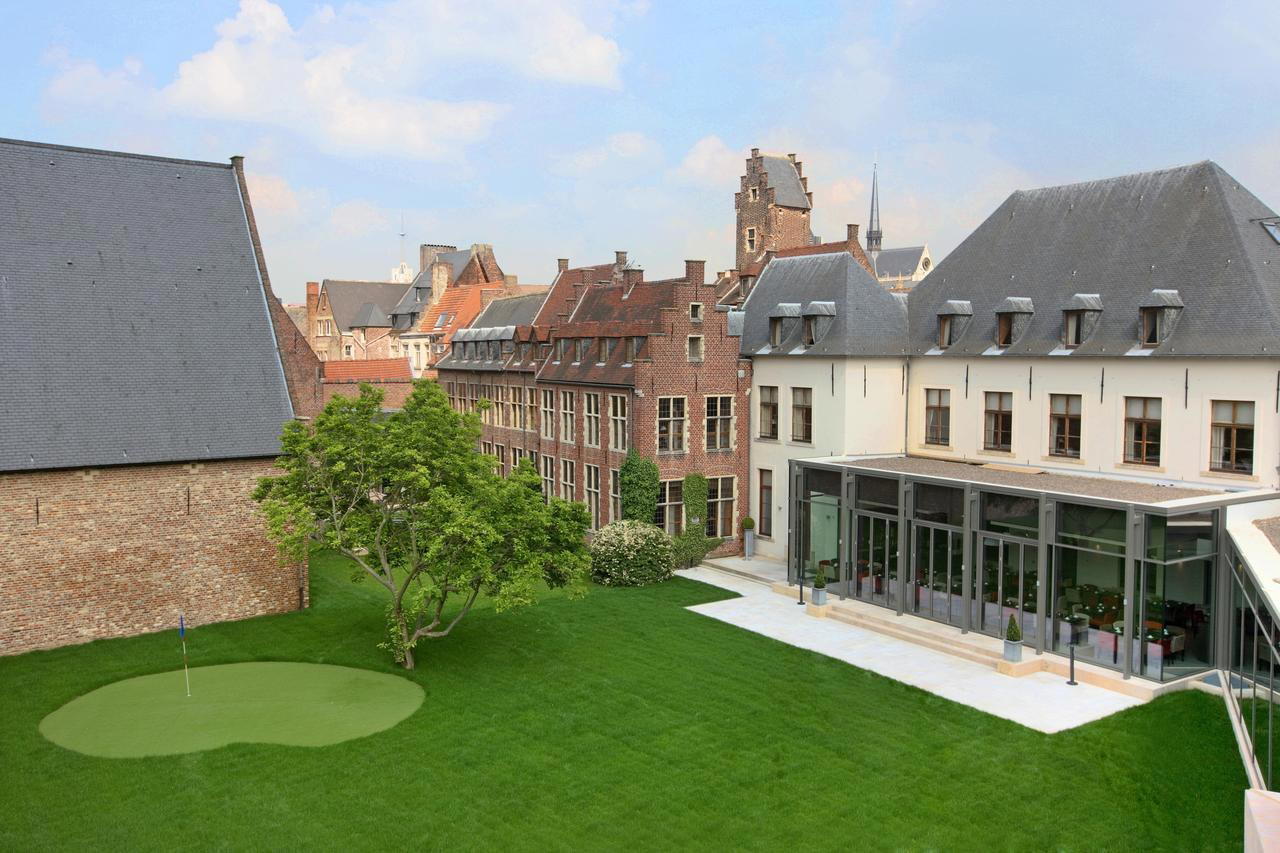
The villages between Leuven and Brussels carry a particular character in Belgium's dining scene: not urban enough to attract the critical mass that fills a Zilte or a Boury, not remote enough to become a destination pilgrimage in the manner of Hof van Cleve. That middle register, provincial, quiet, rooted in agricultural land, is exactly where farm-to-table cooking tends to land most honestly. Atelier Noun, on Dorpstraat in the small community of Bertem near Leefdaal, operates in that register. The address is a village main street, the surroundings are agricultural Flemish Brabant, and the cooking reflects those surroundings in ways that most urban restaurants only approximate.
The Michelin Guide has issued Plate recognition for both 2024 and 2025, a signal that the kitchen meets a consistent technical threshold without yet entering the starred bracket. That positioning places Atelier Noun in a well-populated Belgian tier: restaurants that deliver serious, considered food at the €€€ price point rather than the €€€€ bracket occupied by peers such as La Durée or L'Eau Vive.
Where the Ingredients Begin
Farm-to-table as a category has been diluted by overuse, but Flemish Brabant provides genuine raw material for the claim. The region sits within one of Belgium's most productive horticultural belts, with market gardens, small-scale producers, and the kind of soil diversity that supports everything from Belgian endive to strong root vegetables. Kitchens that actually use that supply chain cook differently from those that apply the label retrospectively: the menu shifts with harvest, seasonal gaps are covered by preservation rather than substitution, and vegetables occupy a structural role in dishes rather than acting as garnish.
At Atelier Noun, the Michelin documentation specifically notes that vegetables are present across the menu, with plant-based sequences available on request at the time of booking. That's a meaningful operational detail. Offering a fully plant-based menu isn't a marketing gesture at this price point; it requires a kitchen that understands vegetables as a primary ingredient category, not a concession. Chef Bert Castermans has built his regional reputation on exactly that foundation, with Michelin's own language confirming that the restaurant "convinces and surprises" within its category.
The sourcing framework here also explains the menu's range of influences. Mediterranean and Asian reference points appear alongside Belgian tradition not as fusion for its own sake, but because the vegetables and aromatics that drive those culinary traditions, alliums, brassicas, herbs, fermented elements, grow or can be sourced locally. A kitchen anchored in produce rather than protein has more freedom to move across culinary traditions without losing coherence. For comparable thinking applied to a more coastal context, Willem Hiele in Oudenburg and Bartholomeus in Heist each demonstrate how ingredient-first framing in Belgium can absorb multiple culinary influences without sacrificing a sense of place.
The Cross-Cultural Menu Logic
Belgian fine dining has historically tracked French classical tradition closely, with the top end of the market, including Bozar Restaurant in Brussels and the starred houses in Ghent and Bruges, maintaining French-inflected tasting formats. The generation of restaurants that emerged over the past decade has been more pluralist: Flemish identity as a starting point, then borrowing technique and flavour logic from wherever the ingredient suggests. Atelier Noun's Mediterranean-Asian-Belgian range sits squarely in that shift.
What that means in practice is a menu where fermentation, acidity, and vegetable-forward plating coexist with classical Belgian richness. The kitchen doesn't resolve that tension by choosing one register; it works across them. Michelin's framing of a chef who "convinces and surprises" points to exactly that kind of range: the cooking doesn't stay predictable within a single tradition, but it doesn't read as arbitrary either. For diners accustomed to the stricter French grammar of a Ralf Berendsen or the creative Flemish modernism of Sir Kwinten, Atelier Noun offers something positioned differently: broader in reference, quieter in setting, and grounded in what grows nearby.
The farm-to-table model also has direct implications for the value proposition. At €€€, the kitchen is pricing ingredients and labour honestly without the theatre budgets of a full fine-dining production. Comparable format restaurants elsewhere in the region, such as BOK Restaurant in Münster and Clostermanns Le Gourmet in Niederkassel, operate within the same farm-sourcing logic, and that category tends to price at a point that reflects the actual cost of serious seasonal sourcing rather than a premium for spectacle.
Planning a Visit
Atelier Noun sits at Dorpstraat 252, 3061 Bertem, a short drive from both Leuven and Brussels. The location is car-dependent for most visitors, and the rural setting means the restaurant functions as the evening's destination rather than one stop among several. Diners interested in a plant-based menu should specify this at the time of booking, as the kitchen prepares this as a distinct sequence rather than adapting on the night. The €€€ price point positions it below the full fine-dining tier but above casual village dining; it functions as a considered meal rather than a spontaneous one. For anyone building a broader Flemish Brabant itinerary, the full Leefdaal restaurants guide covers the surrounding area in detail, while the Leefdaal hotels guide, bars guide, wineries guide, and experiences guide provide context for extending a stay in the region.
d'Eugénie à Emilie in Baudour works within a related register further west, offering another reference point for how Belgian cooking at this level reads when it steps outside the classical French frame.
Frequently asked questions
What should I order at Atelier Noun?
Prioritise the vegetable-forward courses, which are where the kitchen's sourcing approach is most visible and where Bert Castermans's Michelin-recognised cooking is most distinct. If plant-based eating is your preference, request a fully plant-based menu sequence at the time of booking rather than asking for substitutions on the night. The cross-cultural range, spanning Mediterranean, Asian, and Belgian reference points, means the menu changes with season and supply; expect dishes built around what is currently available rather than a fixed signature list.
What is the overall feel of Atelier Noun?
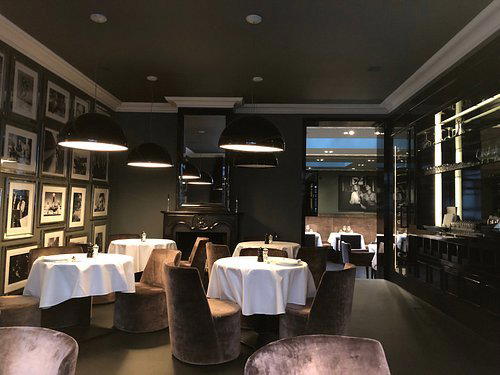
The restaurant sits in a village on the Flemish Brabant plain, which sets the register immediately: rural, quiet, and removed from urban restaurant theatre. At the €€€ price point with back-to-back Michelin Plate recognition, it occupies a middle band in the Belgian dining hierarchy, more considered than a neighbourhood bistro, less formal than the starred houses in Brussels or Ghent. For the Leefdaal and Bertem area, this is the kind of table that locals return to rather than reserve once as a special occasion.
Can I bring kids to Atelier Noun?
The €€€ pricing and Michelin Plate recognition indicate a restaurant that operates at a considered, multi-course pace rather than as a casual family dining venue. Whether children are comfortable will depend on age and their experience with formal table settings. If you are visiting with children, it is worth contacting the restaurant in advance to discuss format and any dietary requirements, particularly given the kitchen's documented flexibility around plant-based menus, which suggests a willingness to adapt for specific needs when given notice.
Fast Comparison
| Venue | Cuisine | Price | Awards | Notes |
|---|---|---|---|---|
| Atelier NounThis venue (the venue you are viewing) | Modern Farm-to-Table Fine Dining | Not listed | Michelin Plate · We're Smart World 1 Radish | Not listed |
| Boury | Creative French Fine Dining | $300–500 | 3 Michelin Stars · La Liste Top Restaurants | Modern Frlemish, Creative French |
| Comme chez Soi | French - Belgian, Classic Cuisine | Not listed | Michelin 1 Star | Not listed |
| Hertog Jan at Botanic | Modern Japanese Omakase Fine Dining | Not listed | 2 Michelin Stars · La Liste Top Restaurants | Modern Flemish, Creative |
| L'Eau Vive | Modern French Fine Dining | $150–200 | 2 Michelin Stars · La Liste Top Restaurants | French, Modern French |
| La Durée | Modern French Fine Dining | $150–200 | 2 Michelin Stars · La Liste Top Restaurants | French-Belgian, Creative |
Recognition history
Dated appearances from independent guides and award organizations, with the underlying list record or original source where available.
Michelin Plate
Michelin
We're Smart World 1 Radish
We're Smart World
Full recognition history (3 entries)
Michelin Plate
Michelin
Continue exploring
More in Leefdaal
Restaurants in Leefdaal
All restaurants in Leefdaal →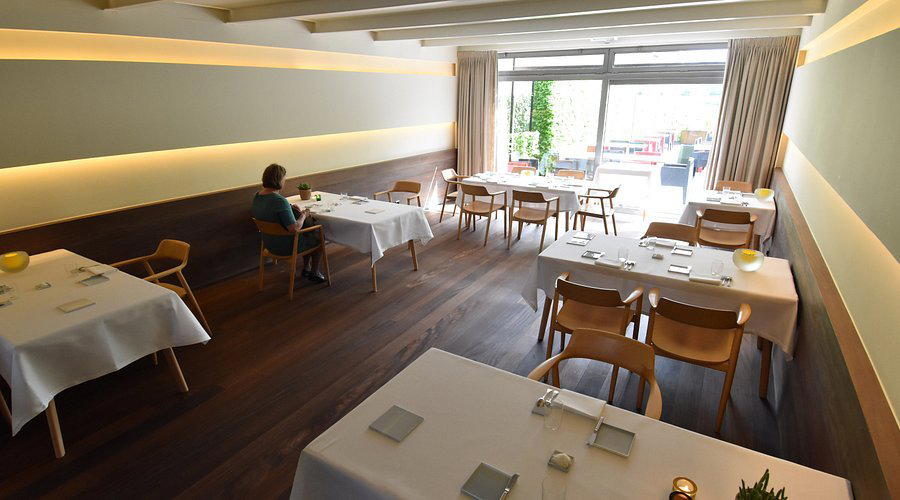
Details
- Cozy
- Intimate
- Elegant
- Modern
- Sophisticated
- Date Night
- Special Occasion
- Business Dinner
- Garden
- Terrace
- Farm To Table
- Garden
- Tasting Menu
- Set Menu
- Vegetarian Friendly
Current opening hours
- Monday
- Closed
- Tuesday
- 12–1:30 PM, 7–8:30 PM
- Wednesday
- 7–8:30 PM
- Thursday
- 12–1:30 PM, 7–8:30 PM
- Friday
- 12–1:30 PM, 7–8:30 PM
- Saturday
- 7–8:30 PM
- Sunday
- Closed
Hours can change for holidays and private events. Hours as of .
Cozy lounge vibe with Scandinavian accents, warm lighting, and stylish modern home interior.