Kobe Desramaults built In De Wulf around a single, disciplined premise: that the fields, forests, and farms of Heuvelland near the Belgian-French border contained everything a kitchen needed. Operating out of a converted farmhouse in the rural village of Dranouter, the restaurant drew destination diners from across Europe to what is, by any conventional measure, the middle of nowhere — and held a Michelin star while doing so. Desramaults, who grew up in this countryside and transformed his family's existing operation into the restaurant and hotel, was named Gault Millau Chef of the Year in 2012, and the restaurant appeared on The World's 50 Best Restaurants list during its run. The cooking was rooted in fermentation, foraging, and close relationships with local producers rather than classical French technique or heavy sauce work. Pigeon appeared consistently as a signature preparation; other dishes drew on ingredients as direct as sorrel, goat's cheese, and pork in its less refined cuts. House-baked sourdough and flatbreads were part of the rhythm of a meal here, signalling a kitchen that treated bread as a serious discipline rather than an afterthought. The approach was sometimes described as modern rustic, though that framing undersells how technically considered the food was. The setting reinforced the cooking's logic. Guests arrived in a landscape of farmland and open country, and the farmhouse interior matched that register: raw materials, a strong sense of place, nothing decorative that the surroundings hadn't already provided. For a restaurant at this level of recognition, the pricing was considered fair value, which made In De Wulf unusual among its European peers. It has since permanently closed, making it a reference point rather than a reservation — a restaurant that demonstrated how thoroughly a kitchen could commit to a specific geography and still reach an international audience.
- Address
- Dranouter, Belgium
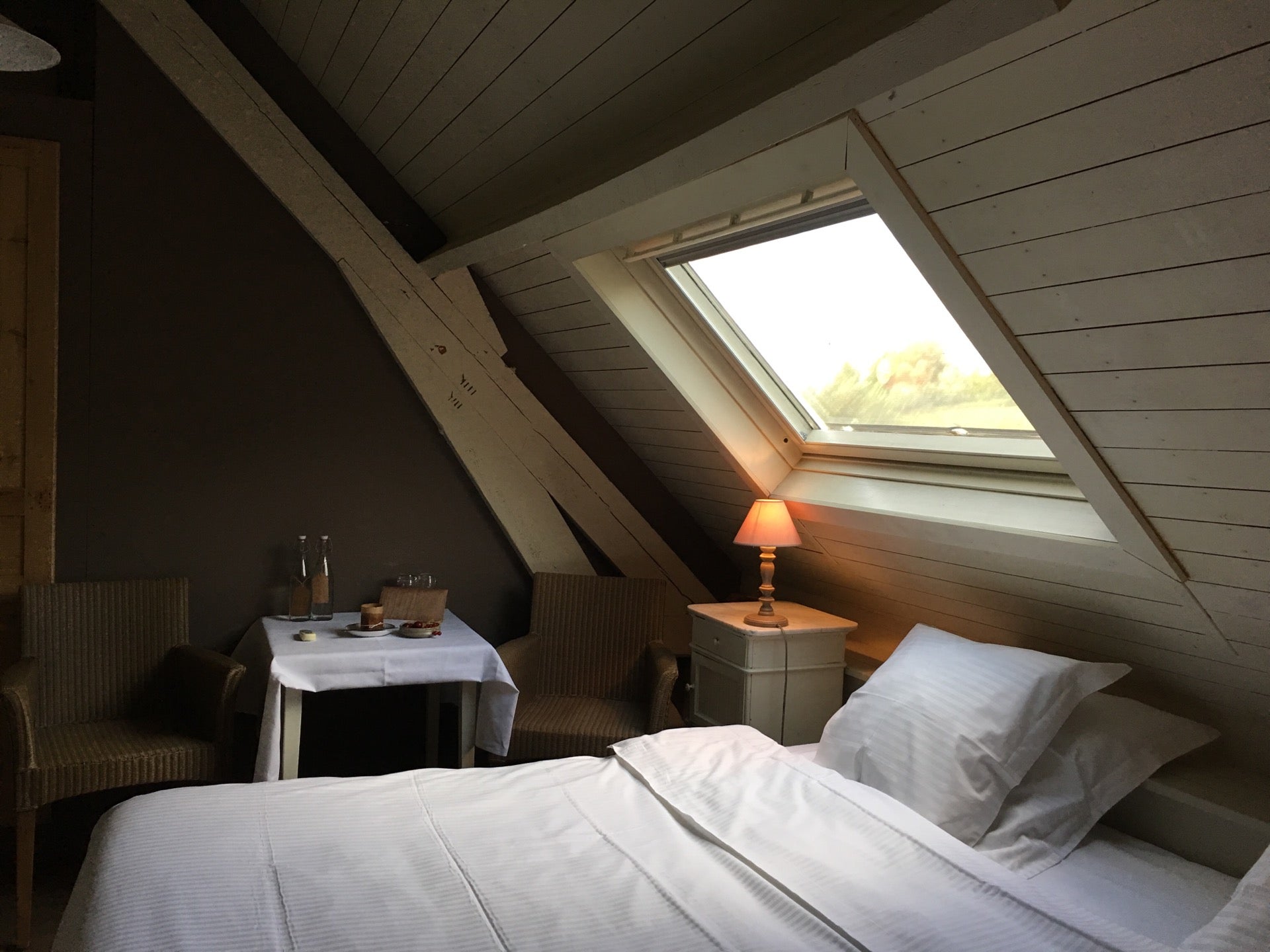
Kobe Desramaults built In De Wulf around a single, disciplined premise: that the fields, forests, and farms of Heuvelland near the Belgian-French border contained everything a kitchen needed. Operating out of a converted farmhouse in the rural village of Dranouter, the restaurant drew destination diners from across Europe to what is, by any conventional measure, the middle of nowhere — and held a Michelin star while doing so. Desramaults, who grew up in this countryside and transformed his family's existing operation into the restaurant and hotel, was named Gault Millau Chef of the Year in 2012, and the restaurant appeared on The World's 50 Best Restaurants list during its run.
The cooking was rooted in fermentation, foraging, and close relationships with local producers rather than classical French technique or heavy sauce work. Pigeon appeared consistently as a signature preparation; other dishes drew on ingredients as direct as sorrel, goat's cheese, and pork in its less refined cuts. House-baked sourdough and flatbreads were part of the rhythm of a meal here, signalling a kitchen that treated bread as a serious discipline rather than an afterthought. The approach was sometimes described as modern rustic, though that framing undersells how technically considered the food was.
The setting reinforced the cooking's logic. Guests arrived in a landscape of farmland and open country, and the farmhouse interior matched that register: raw materials, a strong sense of place, nothing decorative that the surroundings hadn't already provided. For a restaurant at this level of recognition, the pricing was considered fair value, which made In De Wulf unusual among its European peers. It has since permanently closed, making it a reference point rather than a reservation — a restaurant that demonstrated how thoroughly a kitchen could commit to a specific geography and still reach an international audience.
Reputation & Price
Comparable venues nearby, for context on price, style, and recognition.
| Venue | Cuisine | Price | Notes |
|---|---|---|---|
| In De WulfThis venue — the venue you are viewing | Not listed | $$$$ | Not listed |
| Dogma | city centre, Cocktail Bar | $$$ | Not listed |
| Passion Chocolat | Zaventem, Belgian Artisanal Chocolatier | $$$ | Not listed |
| Millésime | Antwerp, Wine Bar | $$$ | Not listed |
| Van Nueten Chocolates | Knokke, Artistic Belgian Chocolatier | $$$ | Not listed |
| Bernard Schobbens | Not listed | $$$ | Chaumont Gistoux, Artisanal Belgian Chocolatier |
At a Glance
- Rustic
- Intimate
- Elegant
- Special Occasion
- Standalone
- Local Sourcing
Rustic farmhouse atmosphere with a sophisticated, memorable dining experience focused on pure, natural flavors.