

Set on a working family farm outside Namur, Atelier de Bossimé translates the Walloon countryside directly onto the plate through produce grown and raised on the surrounding land. For the price tier, it represents one of the more compelling cases for farm-to-table cooking in the Belgian interior.
Pearl is the En Primeur Club membership app — saves, bookings, and concierge access live there. Same editors, same standards.
- Address
- Rue Bossimé 2B, 5101 Namur, Belgium
- Phone
- +32 478 13 71 25
- Website
- atelierdebossime.be
- Directions
- Get directions
 Saves & bookings on Pearl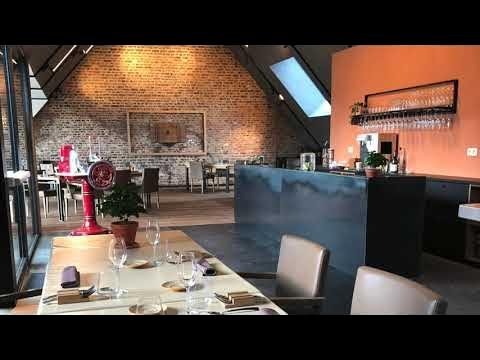
Where the Farm Sets the Menu
Drive south from Namur through the rolling farmland of the Hesbaye and you reach a different register of Belgian dining, one where the sourcing decision precedes every other creative choice. The Walloon interior has never carried the same international profile as Flanders when it comes to fine dining, but a smaller cluster of farm-anchored restaurants has been quietly building a case for the region on its own terms. Atelier de Bossimé, operating from a working family farm at Rue Bossimé 2B in Namur, sits at the more considered end of that movement: sustainable French regional fine dining, tight seasonality, and a kitchen that takes its cues from what the land is currently offering rather than from a fixed menu written months in advance.
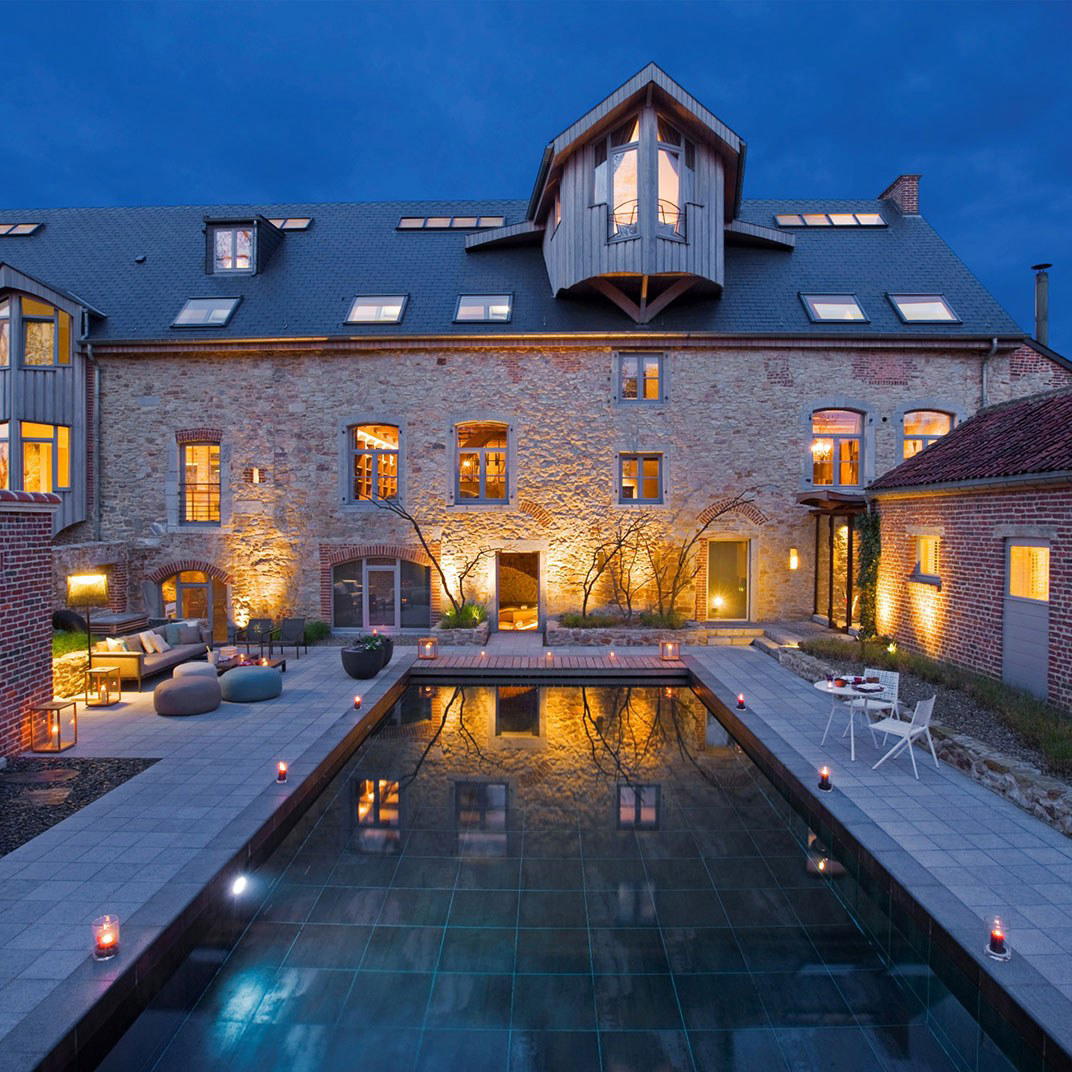
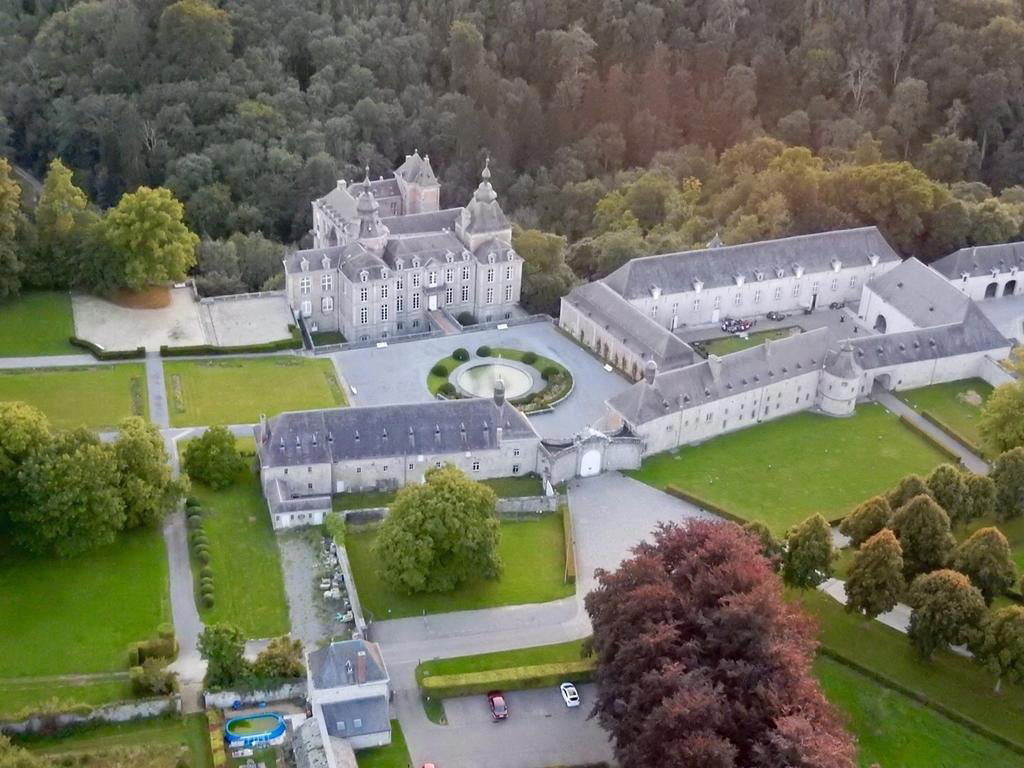
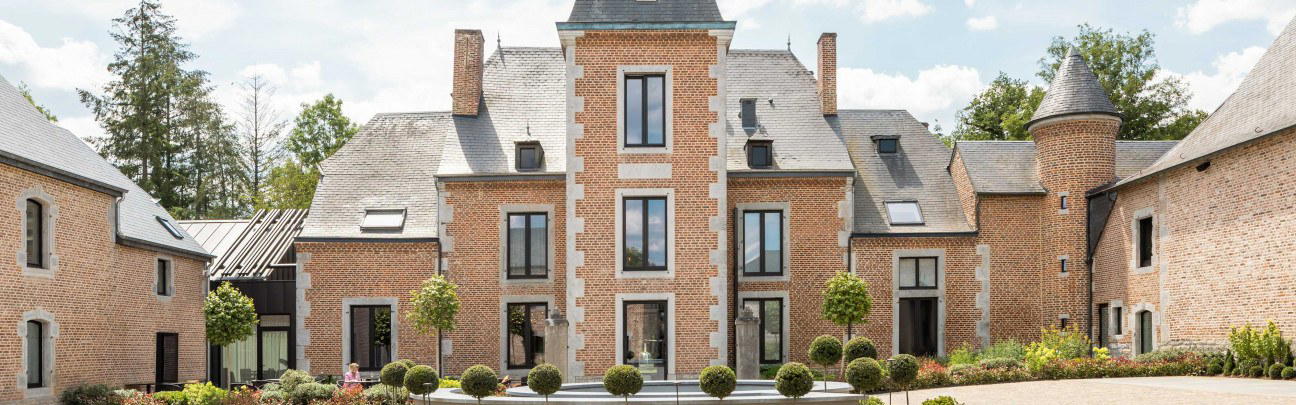
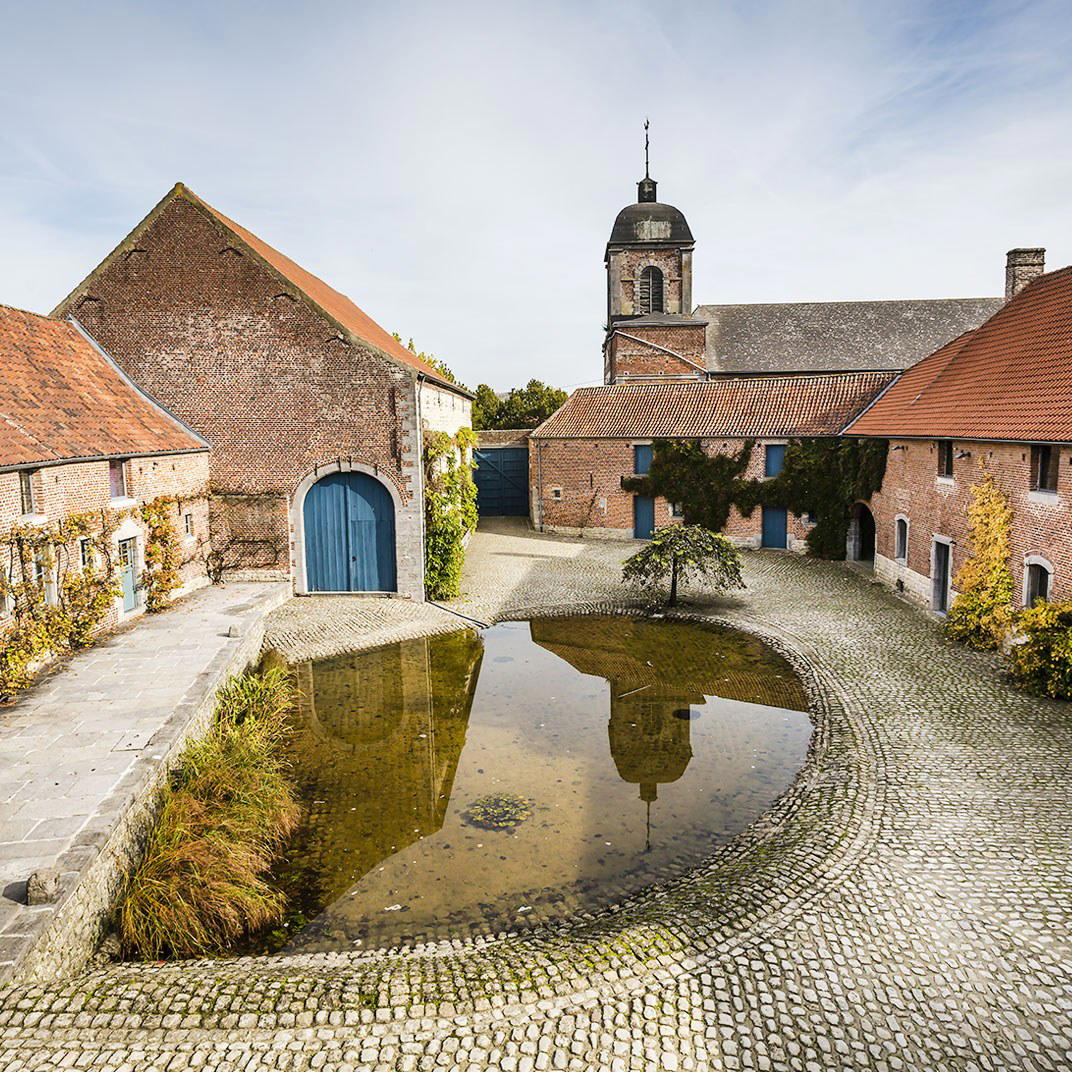
The physical setting reinforces that logic before you reach the dining room. A farmyard approach, outbuildings, and working agricultural infrastructure frame the experience in a way that no urban restaurant can replicate through décor alone. The signal is legible: what you eat here was, in many cases, grown here. That kind of proximity between production and plate is increasingly cited as an aspiration across Belgian fine dining, but fewer operations can claim it as a literal fact.
Organic Credentials in the Belgian Context
Belgian fine dining at the leading bracket, represented by operations like Boury in Roeselare or Hof van Cleve in Kruishoutem, tends to price into the €€€€ tier and position through haute technique and international reference points. The organic farmhouse model occupies a different position: it anchors value in provenance and place rather than in elaboration or ceremony. Atelier de Bossimé at the €€€ price tier sits deliberately below that bracket, which makes the quality-per-cover ratio a recurring point of note among repeat visitors who make up a meaningful share of the dining room.
Across Belgium, certified organic restaurant kitchens remain a small subset. Operations like Barge in Brussels and Archibald De Prince in Luxembourg occupy similar territory in their respective cities, framing menus around verified provenance rather than luxury signal. What distinguishes the farm-based version of this model is that the supply chain is not curated from external producers but structured around what the property itself can sustain. That compression of the sourcing relationship has implications for both consistency and creative direction: the kitchen cannot simply order around a seasonal gap, it has to cook through it.
What the Kitchen Does With It
Michelin recognition at the Plate level indicates a kitchen operating with technical reliability. The Plate designation in the current Michelin framework signals food prepared to a good standard without the theatrics of star-level tasting menus, which aligns precisely with the format a farm restaurant of this scale can credibly sustain. The Michelin commentary itself references porcini mushroom soup with foie gras and pike-perch with trout mousse as representative dishes: both combinations read as regional, ingredient-forward, and structurally modest without being simple. These are dishes where the produce has to carry the plate rather than being framed by elaborate technique or international influences.
The regional grounding matters here. Walloon cuisine historically drew from river fish, game, forest foraging, and dairy farming in proportions that differ from the seafood-dominant Flemish coastal tradition represented by venues like Bartholomeus in Heist or Willem Hiele in Oudenburg. A kitchen working from a Walloon farm and drawing on those culinary references has a coherent regional vocabulary to work with. The question is always whether technical ambition and that vocabulary sit in productive tension, and the sustained Michelin recognition across two consecutive years suggests they do.
For broader context on similarly-minded approaches across the country, L'Eau Vive in Arbre and d'Eugénie à Emilie in Baudour both operate within the French-Belgian creative tradition in comparable rural Walloon settings, as does Ralf Berendsen in Neerharen. Each represents a different resolution of the tension between regional cooking and contemporary technique, and together they make a reasonable circuit for serious visitors to the Belgian interior.
The Dining Room and Who Uses It
The restaurant is described as small, which in this context means a room that operates at the kind of capacity where regulars become the defining social texture of any given service.6 across 505 reviews, for a rural restaurant operating at this price point and scale, indicates a stable base of returning visitors rather than a tourism-led rating profile skewed by novelty. The Michelin commentary explicitly notes that many guests are loyal returnees drawn by what it calls the modern farmhouse cooking, and that repeat dynamic is itself an editorial signal: this is the kind of place that earns its reputation through consistency rather than through a single high-profile opening moment.
The atmosphere that emerges from that pattern is convivial in the specific way that small dining rooms with known clientele tend to be: not formal, not performative, but purposeful. Compared with the considered ceremony of a Brussels institution like Bozar Restaurant or the creative-Flemish seriousness of Sir Kwinten in Sint-Kwintens-Lennik, Atelier de Bossimé operates in a register that is warmer and more grounded, though not any less technically serious about the food on the plate.
Planning Your Visit
Loyers sits just outside Namur in the province of the same name. Given the small dining room and the loyal regular clientele, advance booking is the sensible approach, particularly for weekend services.
Comparable Venues
Comparable venues nearby, for context on price, style, and recognition.
| Venue | Cuisine | Price | Awards | Notes |
|---|---|---|---|---|
| Atelier de BossiméThis venue — the venue you are viewing | Sustainable French Regional Fine Dining | $$$$ | Michelin Plate | Not listed |
| Le D'Arville | Modern Belgian Regional Fine Dining | $$$$ | Michelin Plate | Wierde |
| La Truffe Noire | Classic French Truffle Fine Dining | $$$$ | Michelin Plate | Ixelles |
| Eyckerhof | Modern French | $$$$ | Michelin Plate | Hingene |
| Lys d'Or | Modern Belgian-French Fine Dining | $$$$ | Michelin Plate | Arts Quarter |
| Potiron | Modern French Farm-to-Table | $$$ | Michelin Plate | Kasterlee |
Recognition history
Dated appearances from independent guides and award organizations, with the underlying list record or original source where available.
Michelin Plate
Michelin
Michelin Plate
Michelin
We're Smart World 3 Radishes
We're Smart World
Michelin Plate
Michelin
Continue exploring
More in Loyers
Restaurants in Loyers
Browse all →
At a Glance
- Elegant
- Cozy
- Modern
- Rustic
- Sophisticated
- Date Night
- Special Occasion
- Open Kitchen
- Garden
- Extensive Wine List
- Local Sourcing
- Farm To Table
- Garden
Current opening hours
- Monday
- Closed
- Tuesday
- 7–11:30 PM
- Wednesday
- 7–11:30 PM
- Thursday
- 7–11:30 PM
- Friday
- 12–3 PM, 7–11:30 PM
- Saturday
- 7–11:30 PM
- Sunday
- Closed
Hours can change for holidays and private events. Last verified .
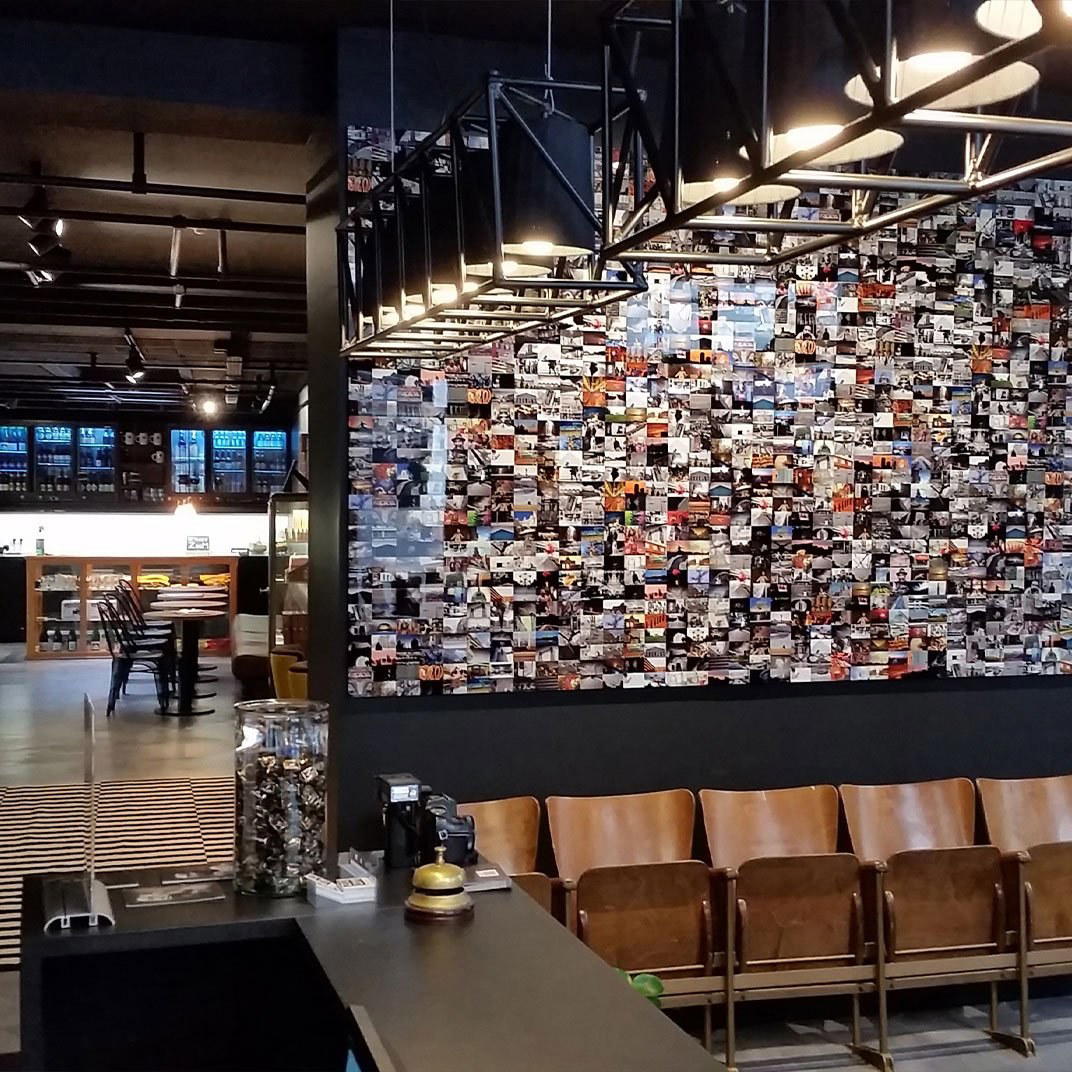
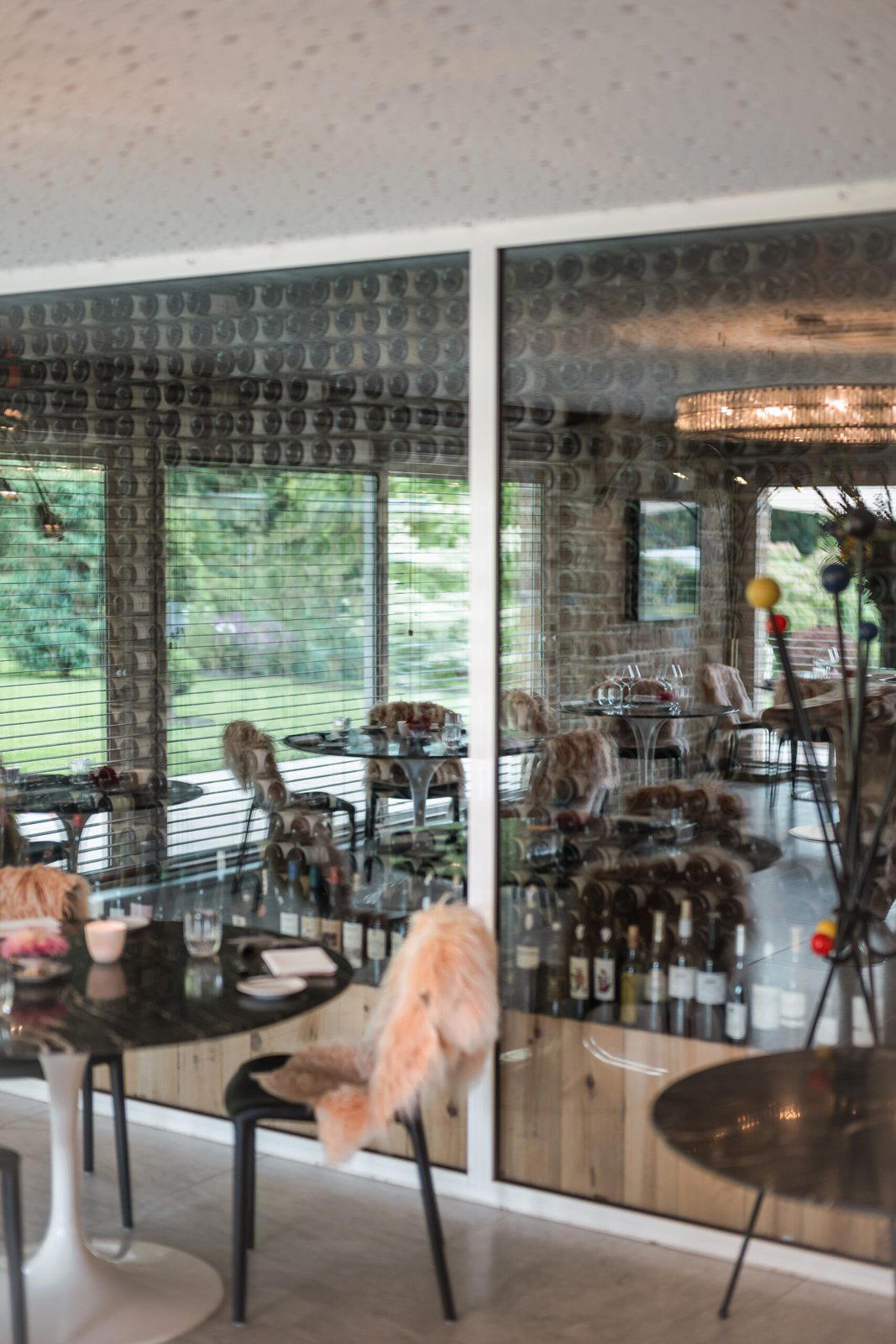
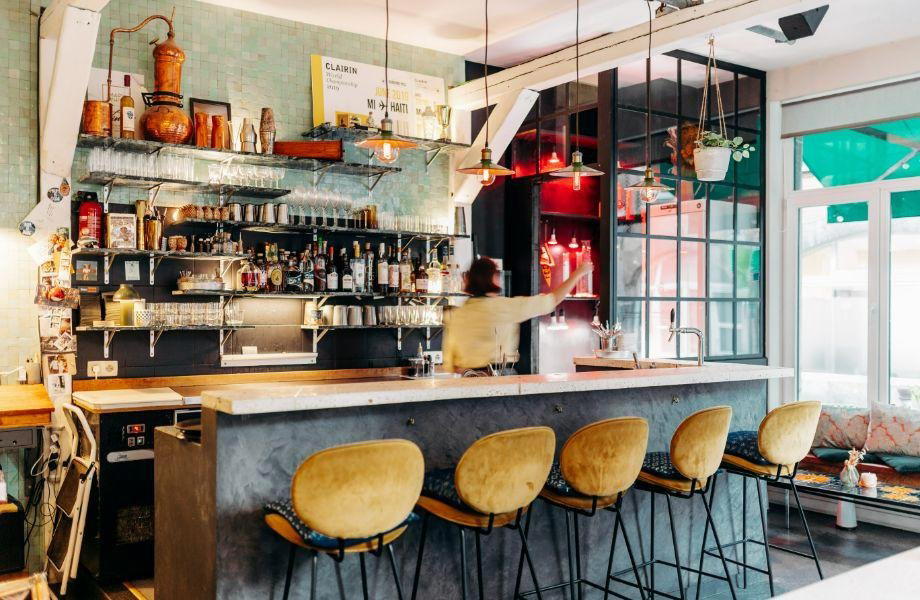
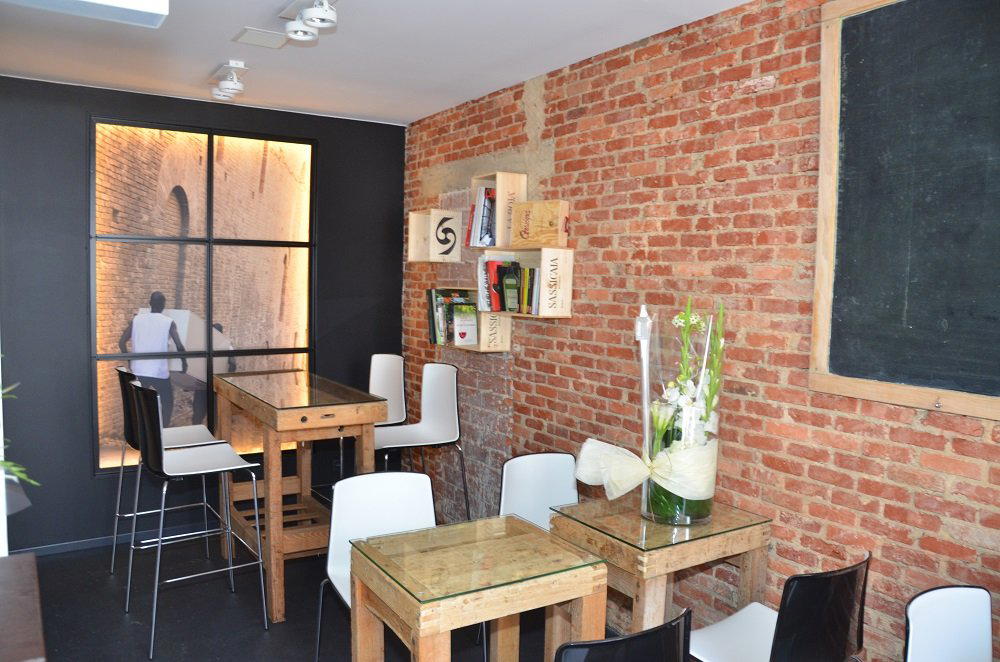
Charming blend of old stone farm architecture and contemporary design, spacious dining room with well-spaced tables, warm and relaxed atmosphere.