Astor Club: Chef's Table


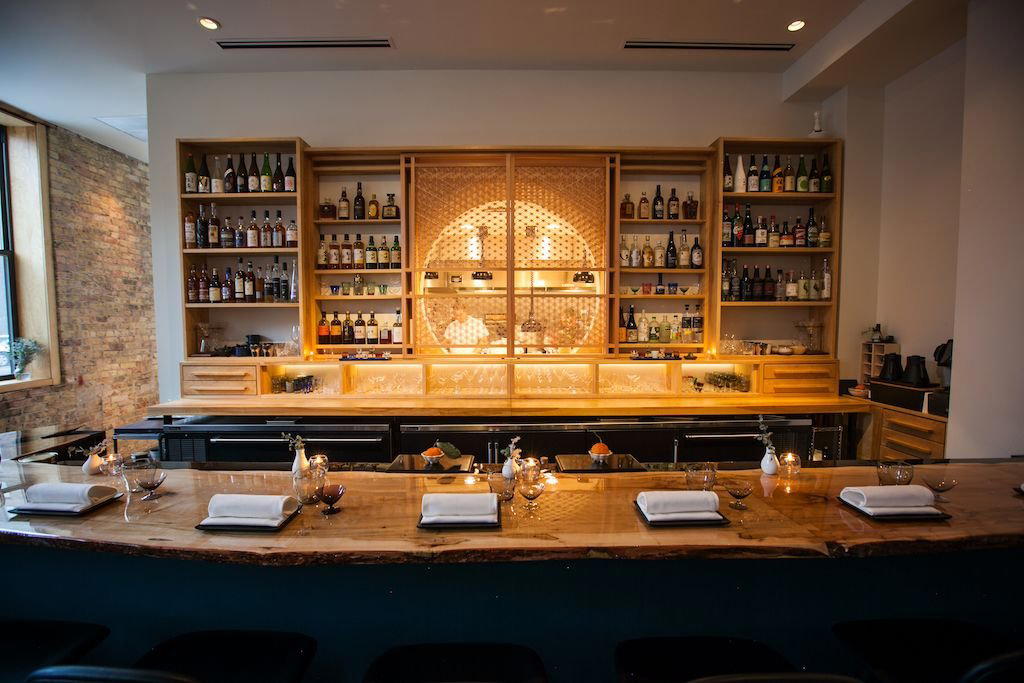
Ten seats, one seating, and a tasting menu format that positions Astor Club: Chef's Table among Chicago's most intimate fine dining experiences. Set inside the Gold Coast's private Astor Club, the program runs communal-style with all guests seated and served together, a format that rewards advance reservations and suits guests who favour precision and theatre over à la carte flexibility.
Pearl is the En Primeur Club membership app — saves, bookings, and concierge access live there. Same editors, same standards.
- Address
- 24 E Goethe St, Chicago, IL 60610
- Phone
- 312-900-0024
- Website
- astorclub.com
- Directions
- Get directions
 Saves & bookings on Pearl
Ten Seats on the Gold Coast
Chicago's Gold Coast has long occupied a particular register in the city's hospitality geography: architecturally serious, discreet, and oriented toward a clientele that measures a room by who isn't in it rather than who is. The neighborhood sits a short walk north of the Magnificent Mile but operates in deliberate contrast to it, with quieter streets, greystone facades, and private clubs that predate the current wave of experiential dining by several decades. Astor Club: Chef's Table fits that context with precision. The address on East Goethe Street signals nothing from the outside, which is by design. The experience inside is built around ten seats, one seating per night, and a format in which every guest arrives and departs together, a structure that has more in common with the intimate tasting counter model seen at venues like Lazy Bear in San Francisco than with the conventional restaurant grid of tables and staggered seatings.
The Format That Creates Regulars
Private club dining in America tends toward one of two failure modes: either the food is incidental to the social function, or the exclusivity becomes a substitute for culinary ambition. The chef's table format at Astor Club sidesteps both traps by treating the ten-seat room as an extension of fine dining rather than a members' amenity. The communal seating structure, all guests seated and served simultaneously, is the mechanic that generates loyalty. Regulars describe it not as a restaurant visit but as an event, one with a defined beginning, a shared rhythm through each course, and a conclusion that feels deliberate rather than trailed off into the bill-and-coat routine of conventional service.
That format discipline is the main reason the room books ahead. With only ten covers per night, the mathematics are unforgiving: any given weekend has fewer available seats than a single four-leading at a standard restaurant. Reservations are not optional. The practical implication for first-time guests is to plan ahead, confirm early, and approach it as you would Oriole or Smyth, not as a walk-in proposition.
The Menu as Evidence of Ambition
Chicago's tasting menu scene has stratified considerably. At one end sits the conceptual vanguard represented by Alinea and Next Restaurant, where the dining format itself is subject to reinvention. At the other end, a quieter cohort of smaller-format programs operates with classical technique and luxury ingredients as primary signals. The Astor Club kitchen, under executive chef Trevor Teich, positions firmly in the latter tier: fine dining credentials, premium ingredients, and a menu that uses classical French vocabulary as its structural grammar while drawing on American product sourcing.
The menu details are specific enough to read as a coherent culinary argument. An oyster with champagne espuma and cucumber sorbet establishes acidity and temperature contrast in the opener, a move common to tasting programs that want to clear the palate and signal technical literacy immediately. A porcini mushroom tart with duxelles and caviar layers umami registers in a way that makes the earthiness of the mushroom and the salinity of the roe work as amplifiers rather than contrasts. Poached Nova Scotia lobster tail with a tableside pour of vin jaune beurre blanc is the kind of course that places Astor Club in productive conversation with the luxury seafood programs at venues like Le Bernardin in New York City and Providence in Los Angeles, not in direct competition, but occupying adjacent culinary coordinates. The dessert course, a mandarin sorbet over vermouth gelee with Campari and champagne foam, uses aperitif registers in a sweet context, a technique that requires calibration to land correctly and reads as a deliberate choice rather than a conventional finish.
The tableside service element, specifically the beurre blanc pour, is a format signal. Tableside finishing has returned to premium tasting programs as a way of reintroducing human performance into a course structure that can otherwise become passive for the diner. You see this across the tier, from Single Thread Farm in Healdsburg to Atomix in New York City, and it functions as both a flavour mechanism and a pacing tool. At a ten-seat table where all guests move through the menu simultaneously, that kind of moment creates shared attention, which is, structurally, what differentiates a dinner party from a restaurant meal.
What Keeps People Coming Back
Regulars' case for Astor Club: Chef's Table rests on a combination of format and setting that is genuinely thin on direct local substitutes. Chicago has multiple tasting menu programs with higher name recognition, Kasama operates at a comparable level of advance-booking seriousness with a Filipino-American lens, and the broader competitive set across the city includes programs with longer critical histories. What Astor Club offers that most of those do not is the private club context: a room that is not accessible by public foot traffic, a ten-seat capacity that means the ratio of staff attention to guests is high, and a communal format that generates actual conversation across a table rather than the parallel-dining isolation of adjacent two-tops.
For returning guests, that combination becomes the point. The food is the reason to come the first time, while the setting and the format are the reason to return. Across the broader club dining category in American cities, from Emeril's in New Orleans to 8½ Otto e Mezzo Bombana in Hong Kong, the venues that sustain loyalty are the ones that offer a consistent, defined experience rather than an evolving one. Regulars are not looking for surprise; they are looking for a room that performs reliably at a level that justifies the return.
Planning a Visit
Astor Club: Chef's Table is located at 24 East Goethe Street in the Gold Coast, accessible from Michigan Avenue and within range of the city's northern hotel corridor. Reservations are essential. Given the ten-seat capacity and single nightly seating, demand consistently exceeds availability, particularly on weekend nights and during Chicago's convention and event calendar peaks in spring and fall. Early reservation planning, treat it as you would any city-tier tasting menu counter, is the practical advice. The chef's table format here suits guests who approach dinner as an event with a beginning, a middle, and a clear end, rather than those looking for the flexibility of à la carte grazing or a room that rewards late arrivals.
A Minimal comparable set
Comparable venues nearby, for context on price, style, and recognition.
| Venue | Cuisine | Price | Notes |
|---|---|---|---|
| Astor Club: Chef's TableThis venue — the venue you are viewing | Not listed | $$$$ | Not listed |
| The Perch | Not listed | $$$ | Wicker Park, American Gastropub with Wood-Fired Grill |
| John's Food and Wine | Lincoln Park, Seasonal American Bistro | $$$ | Not listed |
| Chicago Cut | River North, Classic Chicago Steakhouse | $$$$ | Not listed |
| Travelle at The Langham, Chicago | Not listed | $$$$ | Near North Side, Seasonal American with Creative Twist |
| The Publican | West Loop, Modern American Gastropub | $$$ | Not listed |
Recognition history
Dated appearances from independent guides and award organizations, with the underlying list record or original source where available.
Forbes 4-Star
Forbes
Michelin Plate
Michelin
At a Glance
- Elegant
- Sophisticated
- Intimate
- Classic
- Special Occasion
- Date Night
- Private Event
- Chefs Counter
- Private Dining
- Historic Building
- Extensive Wine List
- Craft Cocktails
- Local Sourcing
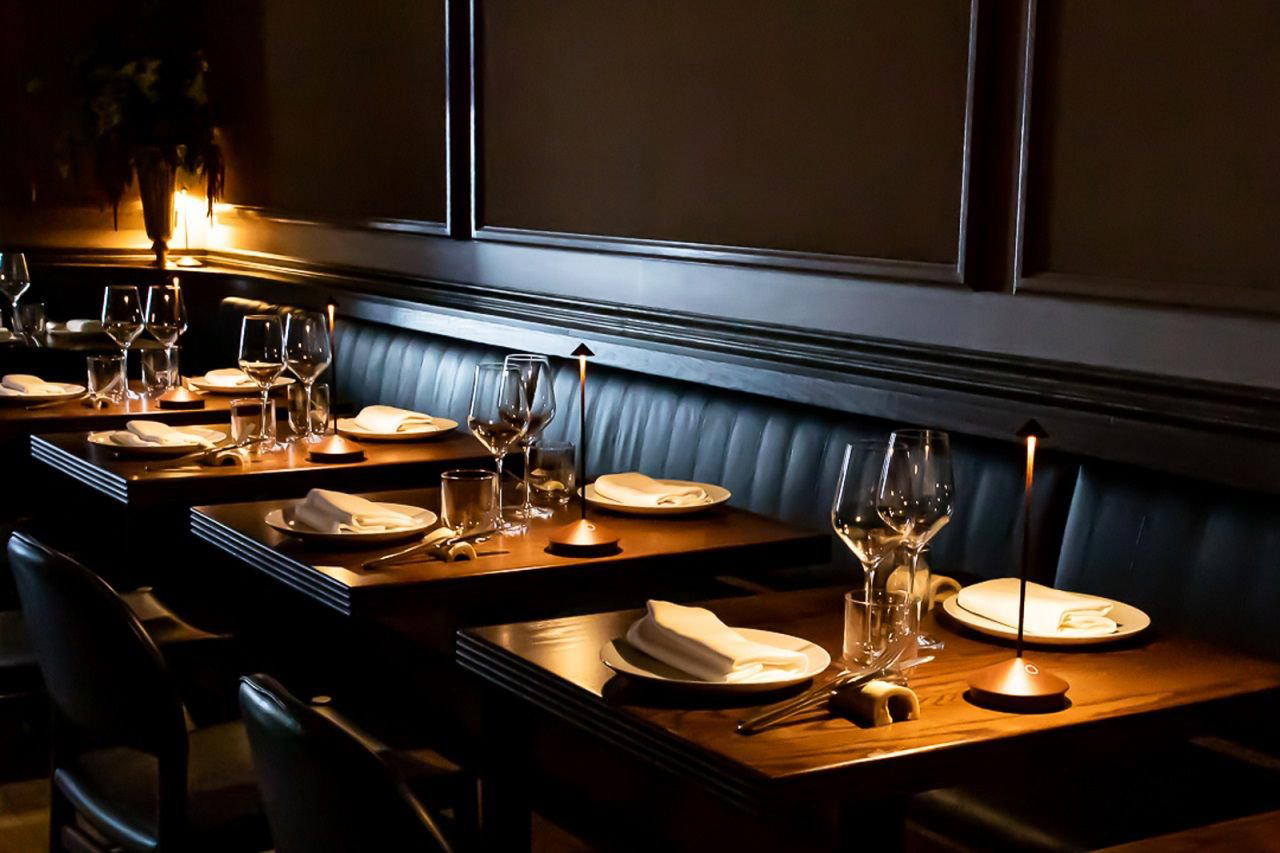
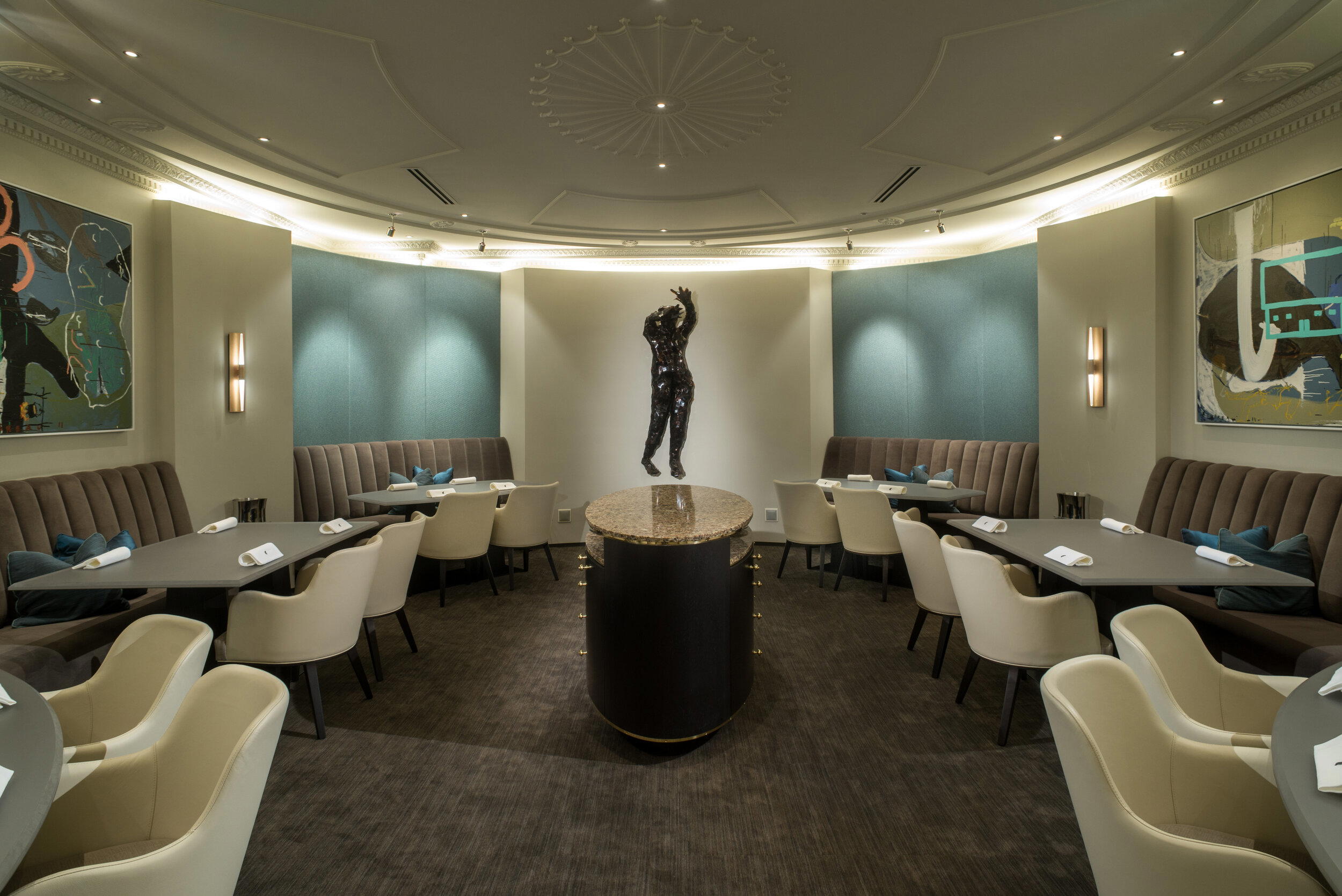
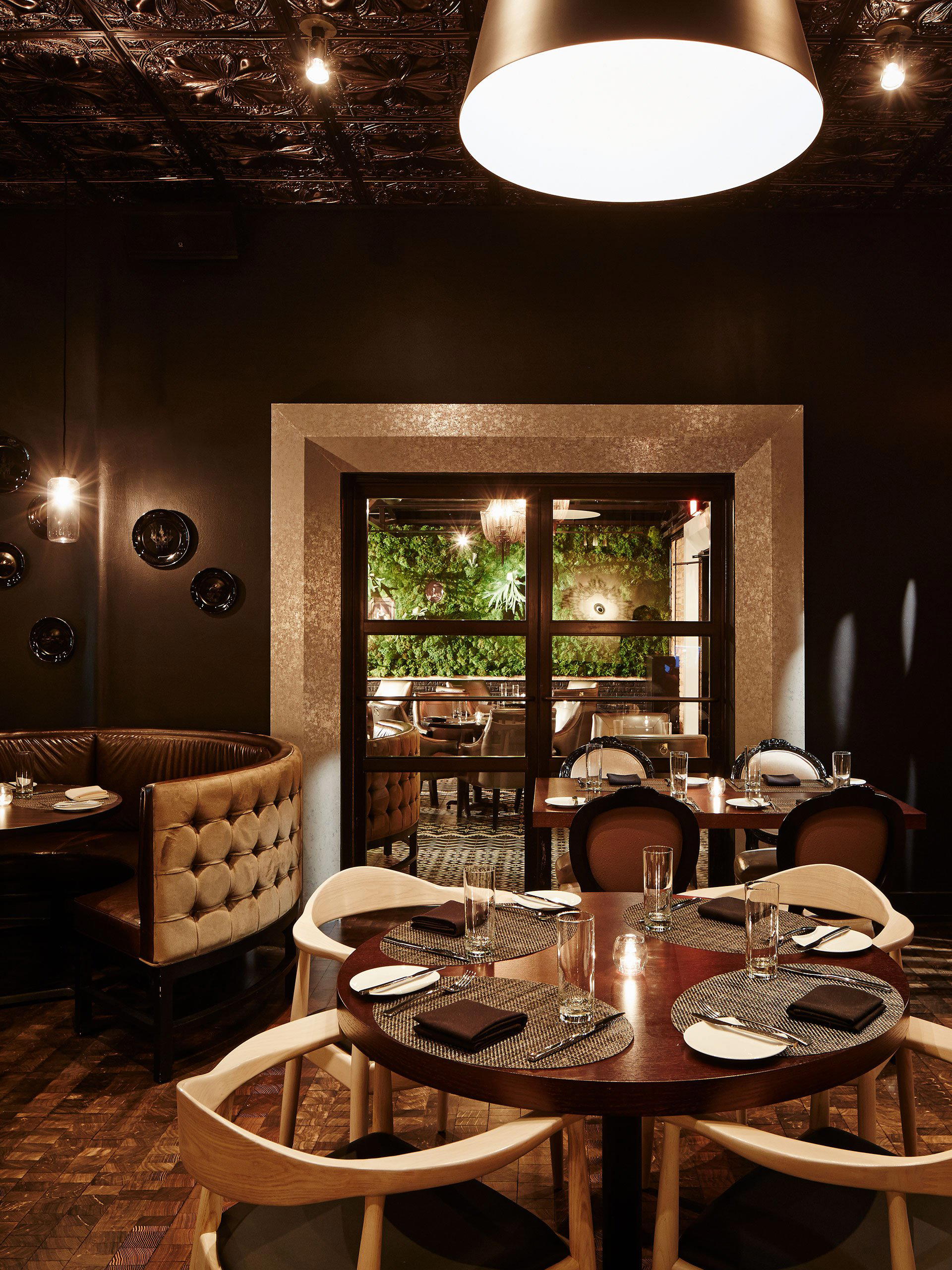
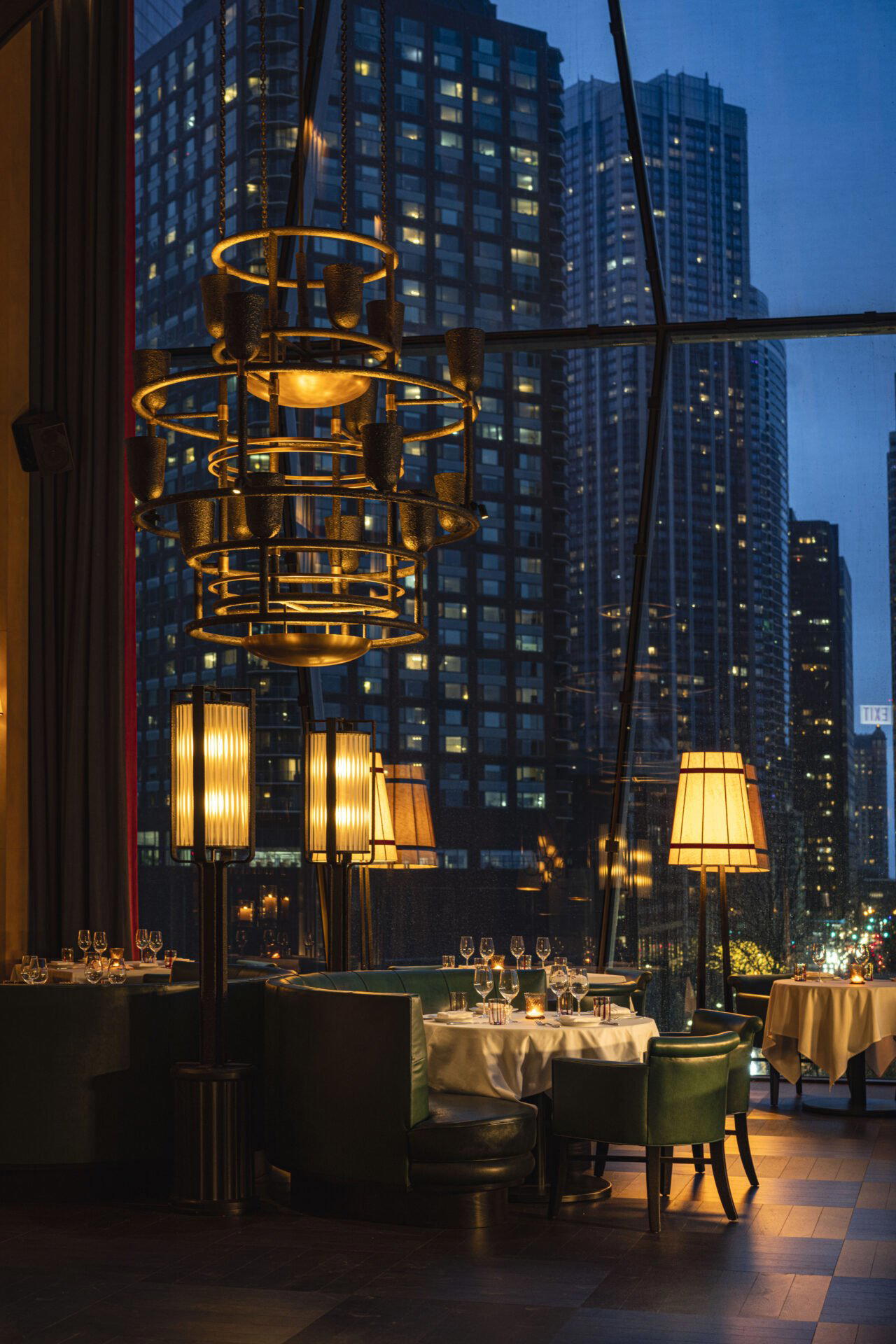
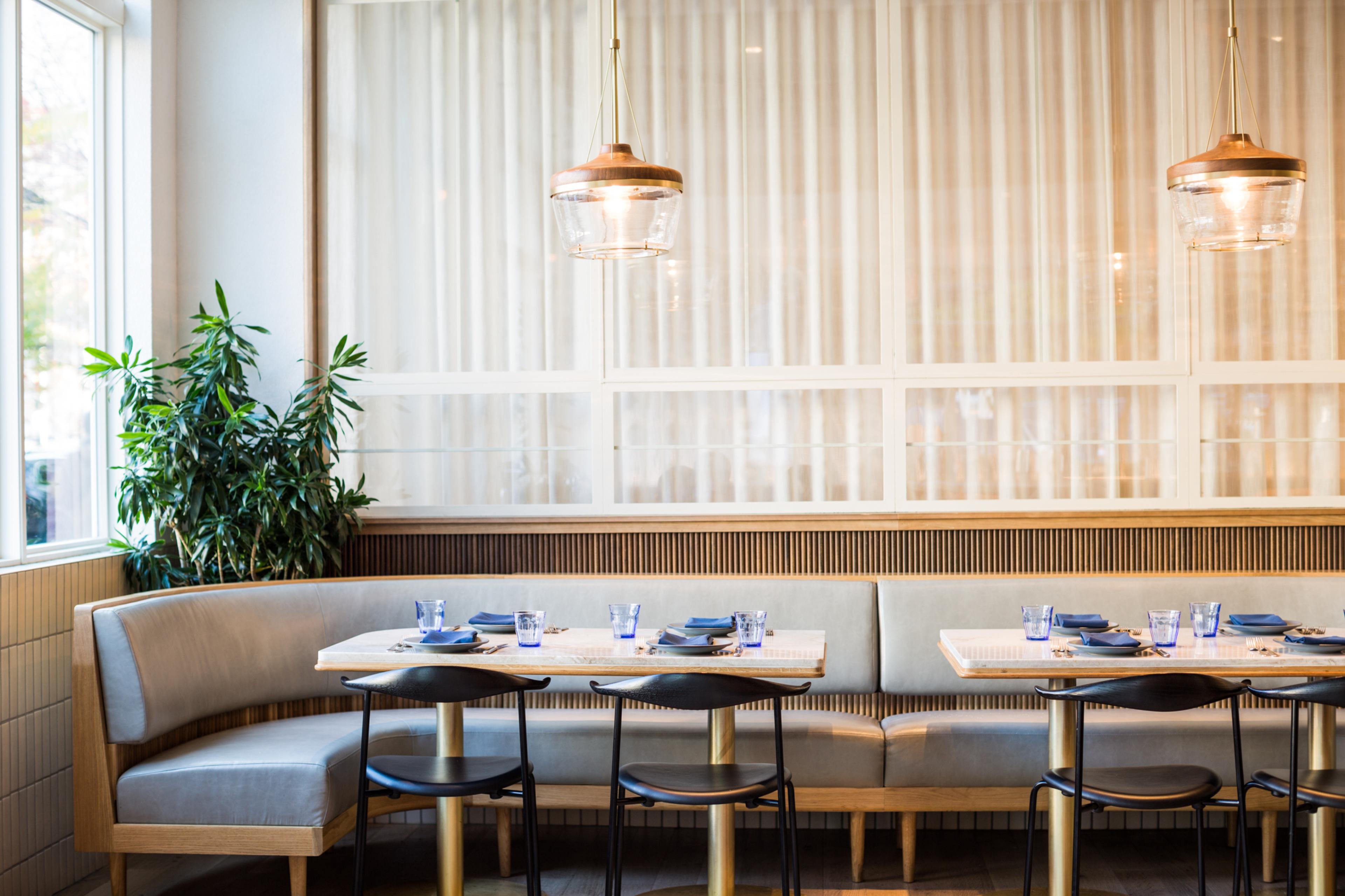
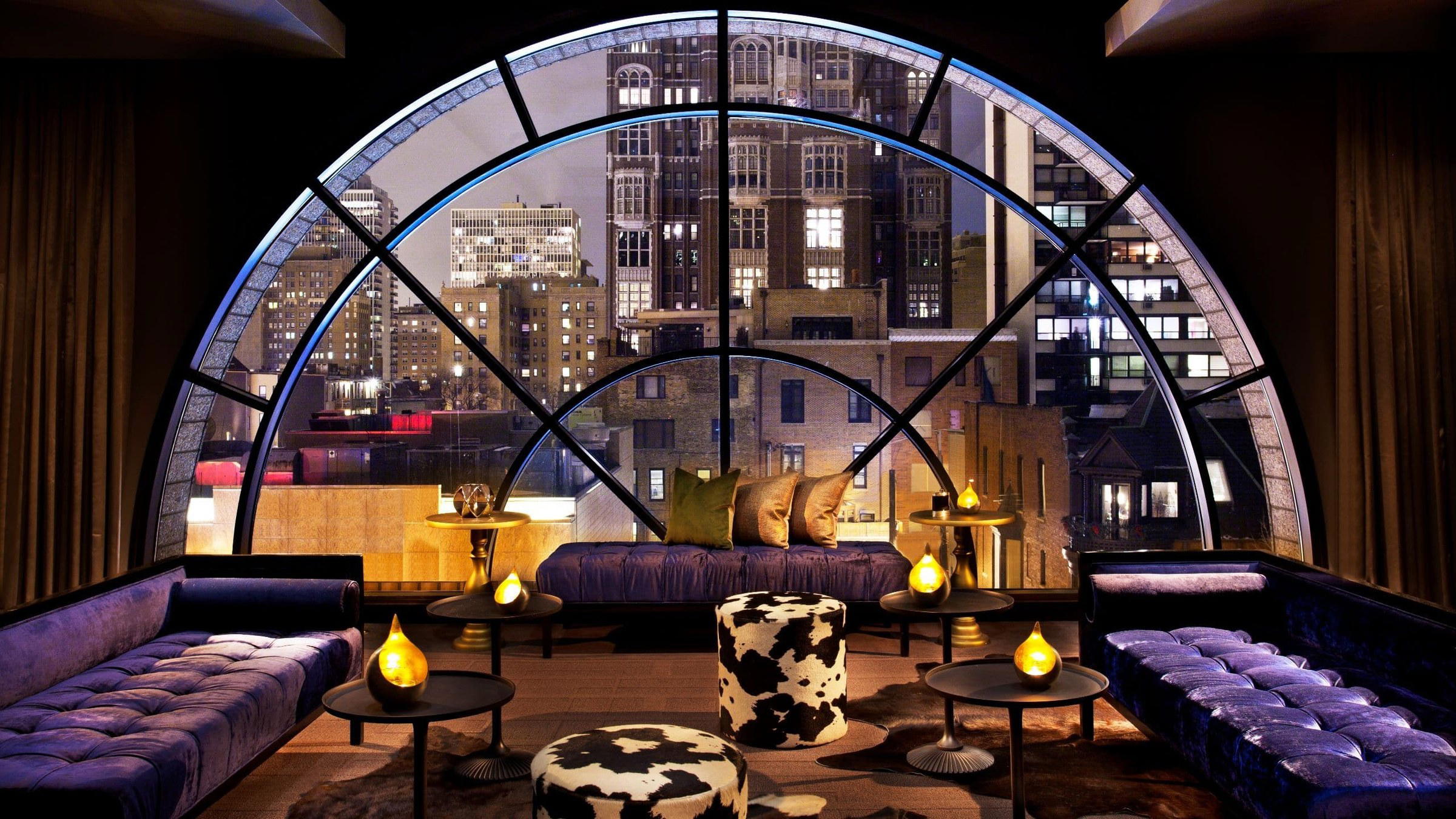
Hushed, marble-accented surroundings with polished wood, gold details, plush red seats, and 1960s glamorous restoration evoking timeless elegance