
Tabelog 100 #50
Our verdict
Fukutarou Honpo gives Mishima’s shrine-side sweets culture a precise, low-cost anchor rather than a full restaurant occasion. Its Tabelog 100 selection for Japanese traditional sweets and sweets cafés in East Japan in 2023 places it in a category where regional ingredients, take-out rhythm, and everyday pricing matter more than ceremony.

Pearl is the En Primeur Club membership app, where members save venues, book tables and use the concierge.
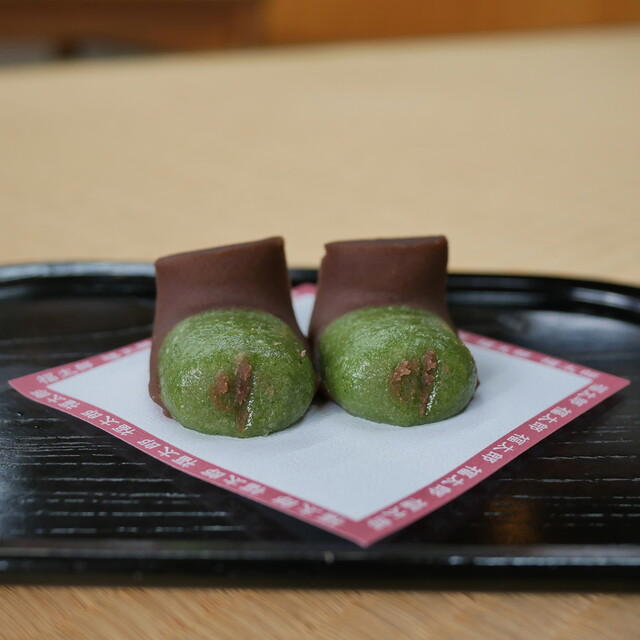
The menu
What to order
- Fukutarou yomogi mochi with koshian (sweet red bean paste)
- Tea set with Fukutaro mochi
In Mishima, the city’s food register can change before the meal does. Set-piece meals, casual drinking, and station-area counters give way to the quieter grammar of wagashi: short stops, small purchases, and sweets tied to tea, gifting, and local habit. Fukutarou Honpo belongs to that older Japanese pattern of eating something specific to a place, not as a long lunch but as a pause with local meaning.
That distinction matters in Mishima. The city sits on a travel corridor between Tokyo, the Izu Peninsula, and Mount Fuji routes, so many visitors treat it as a transfer point. Its dining identity is stronger when read by category: substantial meals for a set-piece stop, casual counters for appetite, bars for the late hour, and wagashi for the daylight window. A sweets counter here is not competing with dinner rooms. It is competing with memory, portability, and the question of what food can mark a place in under 15 minutes.
Mishima wagashi works on a different clock
Japanese traditional sweets reward a slower kind of attention than restaurant dining, even when the format is quick. The craft is built around texture, sweetness, and seasonality rather than the progression of courses. In Japanese food towns, that grammar becomes more pointed: sweets are bought as small gifts, or eaten as a modest break between trains and errands. The pleasure is disciplined rather than lavish.
Fukutarou Honpo’s recognition by Tabelog Hyakumeiten in 2023 gives it a useful signal inside a category that can be difficult for visitors to judge from the outside. Tabelog’s 3.64 score places it above the casual anonymity of an ordinary sweet stand, while its - JPY 999 - JPY 999 price band keeps the experience in the everyday register. That combination is the point: the shop sits in a category where reputation does not require fine-dining apparatus.
The ingredient question is central to why wagashi travels poorly as a genre but works so well in place. Traditional Japanese sweets are common across Japan, yet the serious shops are judged by balance, handling, and the fit between sweet and setting. In Mishima, sugar cannot feel like excess. It has to be concise enough for a short visit and rooted enough to justify choosing it over a packaged souvenir from a station kiosk.
The format also explains why the experience reads differently from Mishima’s restaurant meals. Unagi Sakuraya occupies one part of the city’s meal imagination. Karaage Waka Tori and Tenhou sit closer to the appetite-driven middle ground, while BAR YUMOTO and ROBATA GRILL L'EAU speak to later, more adult hours. Wagashi is the counterweight: cheaper, earlier, and more closely bound to walking routes than dinner plans.
The value is cultural precision, not luxury theatre
There is a tendency to overread Japanese sweets shops through the lens of rarity. That misses the more interesting point. The higher achievement here is restraint at an accessible price: a place can be nationally noticed within its category without turning into a reservation trophy or a tasting-menu stage. In the current destination-dining climate, when many lists skew toward scarcity, this kind of shop reminds travelers that Japanese food culture is also built from inexpensive, repeatable rituals.
The service format reinforces that reading. A Japanese traditional sweets shop at this price level is useful to families, solo travelers, and day visitors moving through Mishima. It belongs in the practical civic category rather than the hushed connoisseur niche. Nothing about the category asks for formal dress or a long sitting; the seriousness is in the sweet itself and the place it occupies in the day.
For travelers building a Mishima itinerary, this is the daylight counterpart to heavier local meals. A route might place wagashi as a short stop, a central lunch elsewhere in the city, and drinks or grilled food later if staying overnight. For broader planning, Our full Mishima restaurants guide gives the useful spread, while Our full Mishima hotels guide, Our full Mishima bars guide, Our full Mishima wineries guide, and Our full Mishima experiences guide help separate a quick stop from a full city stay.
Placed against the wider Japanese dining map, the appeal is also about scale. High-spend meals can define a trip, but smaller formats often explain a place faster. Compare the category spread across other dining rooms, casual counters, cafés, and specialist shops in Japan: each belongs to a different urban rhythm. Even outside Japan, compact specialist formats show how narrowly focused food can carry cultural weight without a grand room.
How to read it in the Mishima day
The right expectation is a Japanese sweets stop with category credibility, not a restaurant meal stretched into an event. The award signal, low price band, and Mishima setting all point in the same direction. Fukutarou Honpo is most persuasive when treated as part of Mishima’s local food sequence: a short, specific expression of wagashi culture before the day turns toward a larger meal, grilled food, or the bar counter.
That makes it especially useful for travelers who care where food comes from in a cultural sense. The sourcing story here is not a farm-name narrative or chef-led tasting menu; it is the relationship between traditional sweet-making and regional habit. In a city often passed through en route to somewhere else, that modest scale is the advantage. Mishima becomes clearer when its smallest food rituals are given the same attention as its larger meals.
Frequently asked questions
Can I bring kids to Fukutarou Honpo?
Fukutarou Honpo is a low-key stop in Mishima rather than a formal dining room. Its category is Japanese traditional sweets, with an average price of - JPY 999 - JPY 999. Check the venue's official channels for the latest details.
Is Fukutarou Honpo formal or casual?
Casual. The format is closer to a Japanese traditional sweets stop than a sit-down restaurant, with pricing listed in the - JPY 999 - JPY 999 range. Check the venue's official channels for the latest details.
What should I budget for a meal at Fukutarou Honpo?
Pricing at Fukutarou Honpo is listed as - JPY 999 - JPY 999.
What are the operating hours at Fukutarou Honpo?
Current operating hours for Fukutarou Honpo are not provided here. Check the venue's official channels for the latest details.
Where exactly is Fukutarou Honpo?
Mishima.
What's Fukutarou Honpo best at?
Its strength is Japanese traditional sweets, and the Tabelog Hyakumeiten 2023 selection is the clearest credential attached to that category. Its Mishima setting reinforces the local context that suits wagashi.
Side-by-Side Snapshot
Comparable venues by cuisine and price in the same metro.
| Venue | Cuisine | Price | Awards | Notes |
|---|---|---|---|---|
| Fukutarou HonpoThis venue (the venue you are viewing) | Traditional Japanese sweets & tea house | $1–10 | Tabelog 100 #50 | Not listed |
| Unagi Sakuraya | Traditional Unagi (Grilled Eel) Specialist | $30–50 | Tabelog 100 #15 | Not listed |
| Karaage Waka Tori | Karaage-focused Japanese izakaya | $20–30 | Tabelog 100 #98 | Mishima |
| Tenhou | Sichuan Chinese | Not listed | Tabelog 100 #88 | Aoki, Mishima |
| BAR YUMOTO | Classic Japanese cocktail bar | $30–50 | Tabelog 100 #84 | Mishima Hirokoji |
| Gyoza Hohei (ぎょうざ 歩兵) | Gyoza specialty shop | $10–20 | Tabelog 100 #38 | Gion |
Recognition history
Dated appearances from independent guides and award organizations, with the underlying list record or original source where available.
Tabelog 100 #50 · No. 50
Tabelog · Tabelog 100 - Japanese traditional sweets / Japanese sweets cafe - EAST - 2023
Continue exploring
More in Mishima
Restaurants in Mishima
All restaurants in Mishima →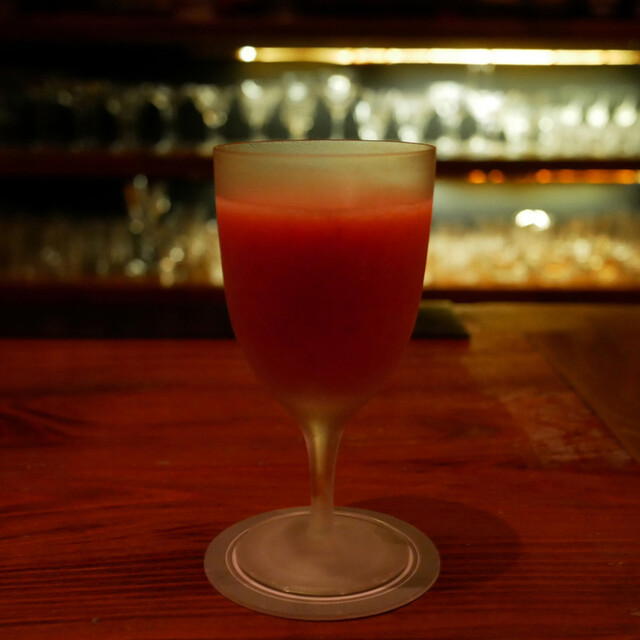
Bars in Mishima
Browse all →
Details
- Classic
- Quiet
- Well Known
- Cozy
- Solo
- Family
- Casual Hangout
- After Work
- Garden
- Historic Building
- Standalone
- Local Sourcing
- Garden
- A La Carte
- Tea
Current opening hours
- Monday
- 8 AM–4:30 PM
- Tuesday
- 8 AM–4:30 PM
- Wednesday
- 8 AM–4:30 PM
- Thursday
- 8 AM–4:30 PM
- Friday
- 8 AM–4:30 PM
- Saturday
- 8 AM–4:45 PM
- Sunday
- 8 AM–4:45 PM
Hours can change for holidays and private events. Hours as of .
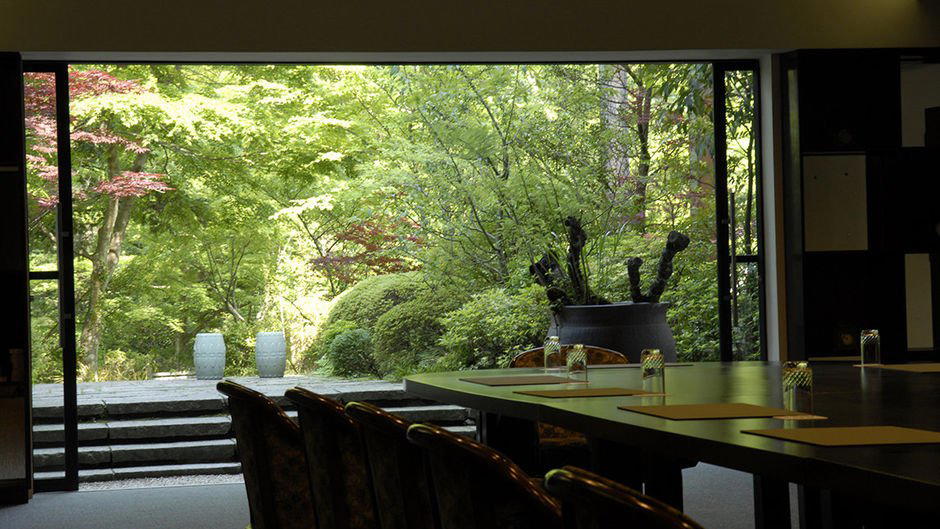
A simple, traditional Japanese sweet shop and tea house on the grounds of Mishima Taisha Shrine, with a calm, understated atmosphere where guests relax over mildly sweet mochi and tea amid shrine greenery and nearby parking.