An asador in the traditional Spanish mold, Asador La Estancia sits on Calle de la Virgen del Socorro in central Alicante, where the wood-fired and grilled formats that define Castilian and Levantine roasting culture converge. It occupies a category that Alicante's dining scene handles differently from the seafood-forward restaurants that dominate the coast, meat-centric, fire-led, and rooted in sourcing over technique spectacle.
Pearl is the En Primeur Club membership app — saves, bookings, and concierge access live there. Same editors, same standards.
- Address
- C. de la Virgen del Socorro, 79, 03002 Alicante, Spain
- Phone
- +34603319693
- Website
- asadorlaestancia.com
- Directions
- Get directions
 Saves & bookings on Pearl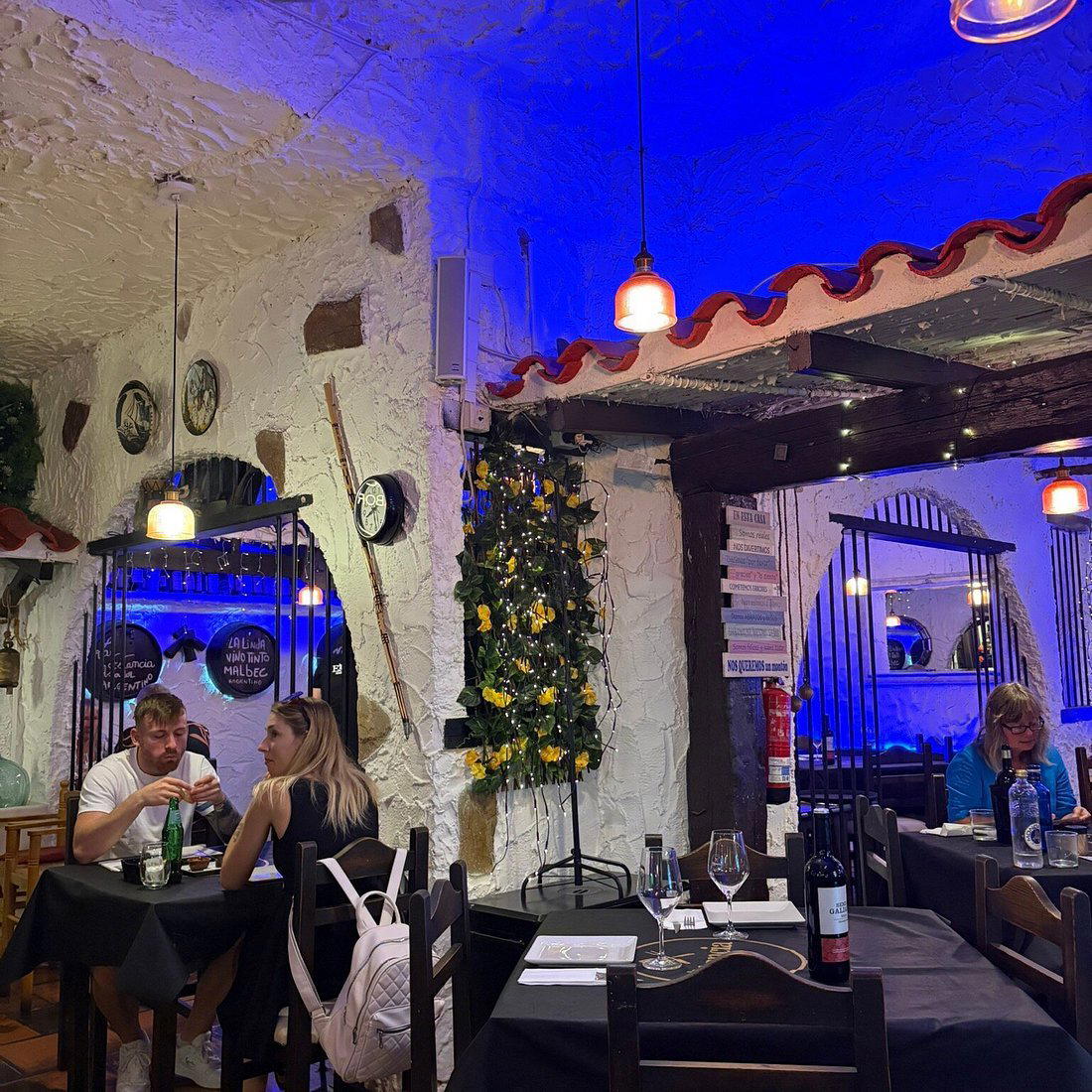
Fire and Provenance in Alicante's Grill Tradition
Asador La Estancia is an Argentinian Steakhouse in Alicante, Spain,304 reviews. The city's restaurant scene skews predictably toward the Mediterranean, rice dishes, pescaíto, shellfish from the nearby Mar Menor, but the asador format has held its own in the interior grid of the old town, where stone walls and lower foot traffic create the conditions that suit longer, slower cooking. Asador La Estancia occupies a space on Calle de la Virgen del Socorro that fits this pattern: away from the harbour promenade, in a part of the city where locals rather than tourists set the pace.
The asador category in Spain is defined less by geography than by a commitment to sourcing and fire. Unlike the avant-garde tasting menus that have made Spanish cooking a reference point internationally, places like Quique Dacosta in Dénia or El Celler de Can Roca in Girona, the asador tradition does not chase complexity for its own sake. Its logic is the opposite: source carefully, apply heat correctly, do not interfere. A well-run asador can make a stronger argument for ingredient quality than a kitchen stacked with modernist tools, because there is nowhere to hide when the cooking method strips everything back to the product itself.
What the Grill Format Demands
Spanish asadores inherited their grammar from Castile, whole roasted suckling pig (cochinillo), milk-fed lamb (lechazo), and the wood-fired ovens that have defined meseta cooking for centuries. As the format moved south and east toward the Levant, it absorbed regional adjustments: the charcoal grills more common in Valencia and Alicante's hinterland, the emphasis on locally raised beef alongside the classic Castilian centrepieces, and the broader vegetable culture that the Mediterranean climate makes possible year-round. An asador in Alicante is not simply a replica of a Segovian roasting house; it sits at that intersection and draws from both traditions.
The sourcing implications are significant. The quality of an asador's output depends almost entirely on the provenance of its animals. Suckling pigs need to be genuinely milk-fed and young, typically under three weeks old, to achieve the crackling skin and soft, yielding interior that define the dish when it is done correctly. Lamb from the Castilian plateau carries different fat distribution and flavour than Alicante-raised animals, and serious asadores typically declare their sourcing rather than obscure it. Vegetables roasted or charred over embers, peppers, artichokes, spring onions, follow a similar logic: seasonal, local, and treated without excess manipulation.
This is the standard against which Asador La Estancia should be read. In a city where El Faralló leans into Alicante's seafood tradition and options like da Giovanni Food & Coffee occupy the casual European end of the dining spectrum, a dedicated asador addresses a different appetite entirely. It is a format for people who want to understand the relationship between a specific animal, a specific fire, and a specific plate, rather than a dish that has passed through multiple transformations.
Alicante's Position in the Spanish Dining Picture
Spain's highest-profile restaurants have created a global reputation that tends to cluster around a handful of cities: San Sebastián (home to Arzak and Mugaritz in Errenteria), the Basque Country more broadly (where Azurmendi in Larrabetzu and Martin Berasategui in Lasarte-Oria operate), Barcelona (Cocina Hermanos Torres), Madrid (DiverXO), and the Andalusian coast (Aponiente in El Puerto de Santa María). The Costa Blanca corridor, by contrast, operates in a different register. Alicante produces serious cooking, Ricard Camarena in València is a useful regional benchmark, but the city's restaurant culture is weighted toward accessibility and volume rather than the haute cuisine circuit.
That context matters for how an asador like La Estancia functions. It does not compete with destination restaurants of the order of Atrio in Cáceres or Cenador de Amós in Villaverde de Pontones. It competes within the daily dining economy of a Mediterranean city, against the rice restaurants, the tapas bars, the trattorias, and makes the case that fire-led meat cookery deserves a place in that rotation. In that context, the sourcing question is the editorial question: an asador that can demonstrate genuine provenance for its animals and produce holds a defensible position in a market that often trades on coastal cliché.
Visiting and Planning
The restaurant is located at Calle de la Virgen del Socorro 79, in central Alicante's older residential grid, within walking distance of the main city centre but clear of the tourist-heavy waterfront zone. For visitors coming from outside Alicante, the city is served by Alicante-Elche Miguel Hernández Airport, roughly 12 kilometres from the centre, with direct connections across Europe. The address places it in a neighbourhood where parking and transit access are direct.
The asador format generally suits longer lunches rather than quick dinners, and the Spanish midday meal remains the format well suited to this kind of eating.
Fast Comparison
Comparable venues nearby, for context on price, style, and recognition.
| Venue | Cuisine | Price | Notes |
|---|---|---|---|
| Asador La EstanciaThis venue — the venue you are viewing | Argentinian Steakhouse | $$$ | Not listed |
| All or Nothing Burger | Premium Spanish Smash Burgers | $$$ | Centro |
| da Giovanni Food & Coffee | Authentic Italian | $$ | Costa Blanca |
| El Faralló | Traditional Dénia Seafood | $$ | Las Rotas |
| Restaurante La Quintería | Traditional Galician Seafood & Grilled Meats | $$$ | Sant Joan d'Alacant |
| Morales | Traditional Murcian & Spanish fine dining | $$$ | Centro / Av. de la Constitución |

At a Glance
- Rustic
- Cozy
- Group Dining
- Family
- Special Occasion
- Open Kitchen
- Extensive Wine List
Current opening hours
- Monday
- 7–11:30 PM
- Tuesday
- Closed
- Wednesday
- 7–11:30 PM
- Thursday
- 1:30–4 PM, 7–11:30 PM
- Friday
- 1:30–4 PM, 7–11:30 PM
- Saturday
- 1:30–4 PM, 7–11:30 PM
- Sunday
- 1:30–4 PM, 7–11:30 PM
Hours can change for holidays and private events. Last verified .
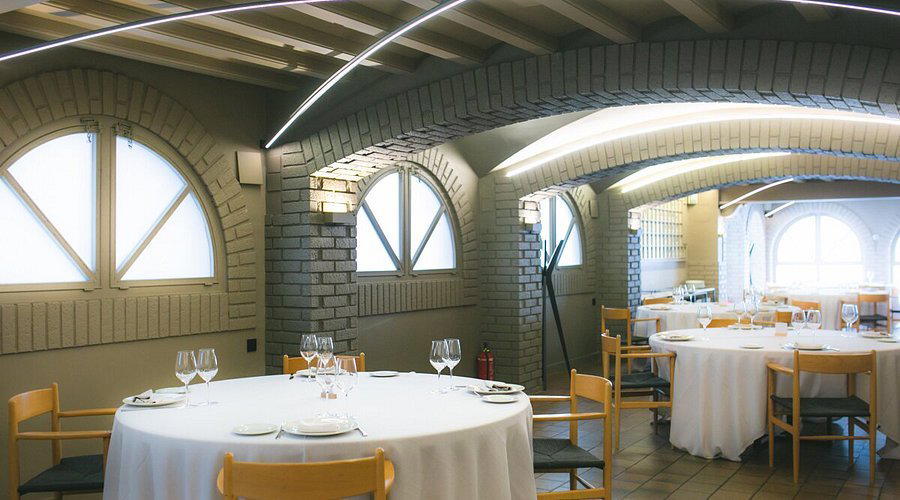
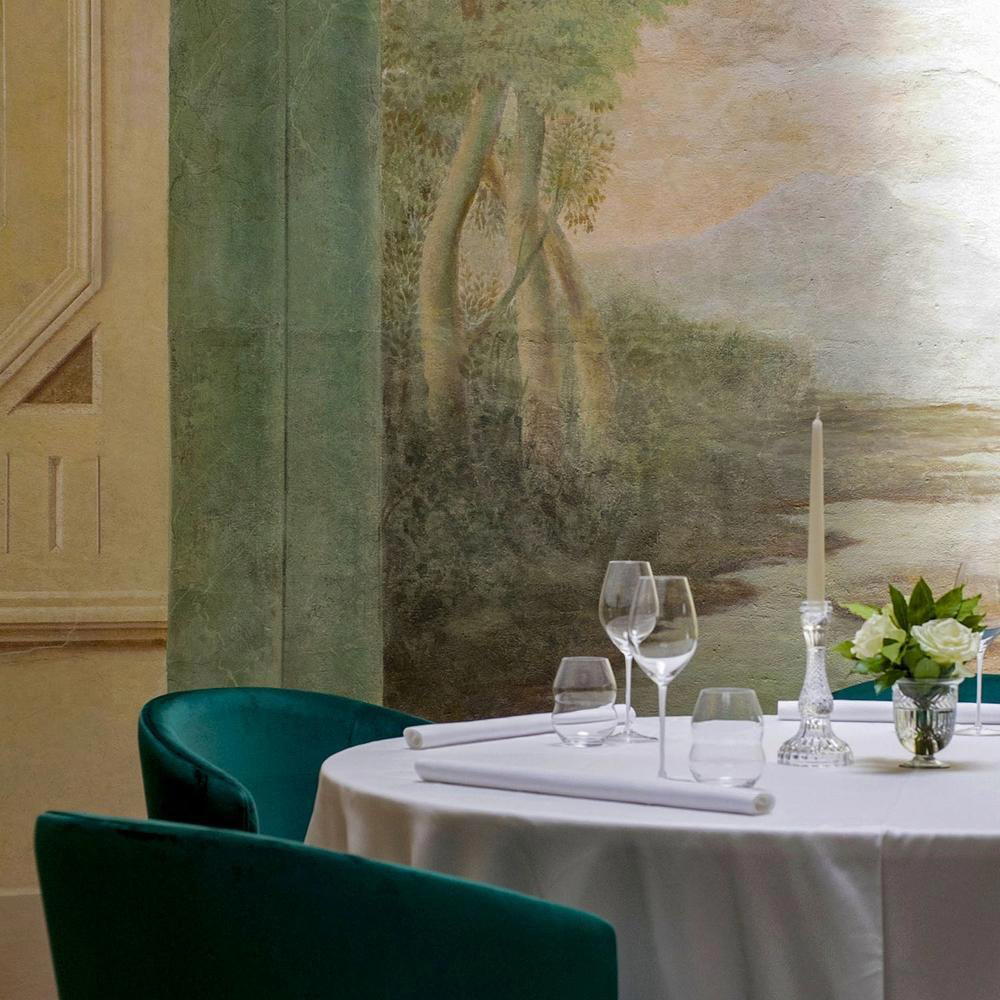
Rustic and inviting atmosphere with warm, family-friendly setting praised for its quality meat dishes and friendly service.