Our verdict
On Calle de Echegaray in Madrid's Barrio de las Letras, Artemisa Moulin occupies a street that has long served as a connector between late-night theatre culture and the city's more considered dining circuit. The address places it within walking distance of both the Prado and the concentrated bar scene of Huertas, a position that shapes how the room reads differently depending on the hour you arrive.

Pearl is the En Primeur Club membership app, where members save venues, book tables and use the concierge.
The menu
What to order
- Beef Tenderloin with Potato Gratin
- Hake Loin in Green Sauce
- Pan Seared Sea Bass
- Roasted Lamb Rump
- Pan Seared Scallops
Calle de Echegaray and the Dining Grammar of Barrio de las Letras
Madrid's Barrio de las Letras has always operated on a split register. By day it draws a slower, more deliberate crowd: museum visitors cutting through from the Prado, locals using the neighbourhood cafés as working rooms, and the kind of tourist who prefers a sit-down lunch to a queue. By night, Calle de Echegaray in particular tilts toward a younger, louder energy, the street running between Huertas and the Carrera de San Jerónimo becoming a corridor of wine bars, cocktail rooms, and late-format restaurants that keep service running well past midnight. Artemisa Moulin sits on that street, and the address alone sets up a tension that any serious restaurant here has to resolve: how to serve both moods without becoming generic to either.
That tension is not unique to this block. Across Madrid's central neighbourhoods, the lunch-versus-dinner divide carries more weight than it does in most European capitals. Spanish dining culture has never fully surrendered the long midday meal to the pressures of productivity. The menú del día remains a meaningful institution even in areas that lean cosmopolitan, and restaurants that do both services well tend to differentiate the two rather than running a single menu across both sittings. The question worth asking about any Centro address is whether it uses that division deliberately or simply defaults to it.
The Lunch-Dinner Divide: How Timing Shapes the Experience
In the broader Madrid dining scene, the distinction between lunch and dinner service is structural, not just atmospheric. Lunch in this part of the city typically runs from around 2pm to 4pm, a window that reflects the rhythm of Spanish professional life rather than tourist schedules. Dinner rarely begins before 9pm, and tables turning before 10:30pm are the exception in a neighbourhood where the surrounding streets stay active until 2am or later. For a visitor calibrating their visit to Artemisa Moulin, the time of arrival will define the experience as much as the menu itself.
Daytime service on Calle de Echegaray tends to attract a mix of neighbourhood regulars and cultural visitors working their way between the nearby Thyssen-Bornemisza and the Reina Sofía. The pace is unhurried, the light through the windows relevant, and the expectation is of a meal that fills two hours comfortably without demanding that kind of commitment. Evening service in this corridor operates against a backdrop of street noise, competing music from adjacent bars, and the general acceleration that comes with Madrid after dark. A restaurant that handles both registers thoughtfully earns something that matters in this neighbourhood: repeat custom from people who live nearby, not just from those passing through.
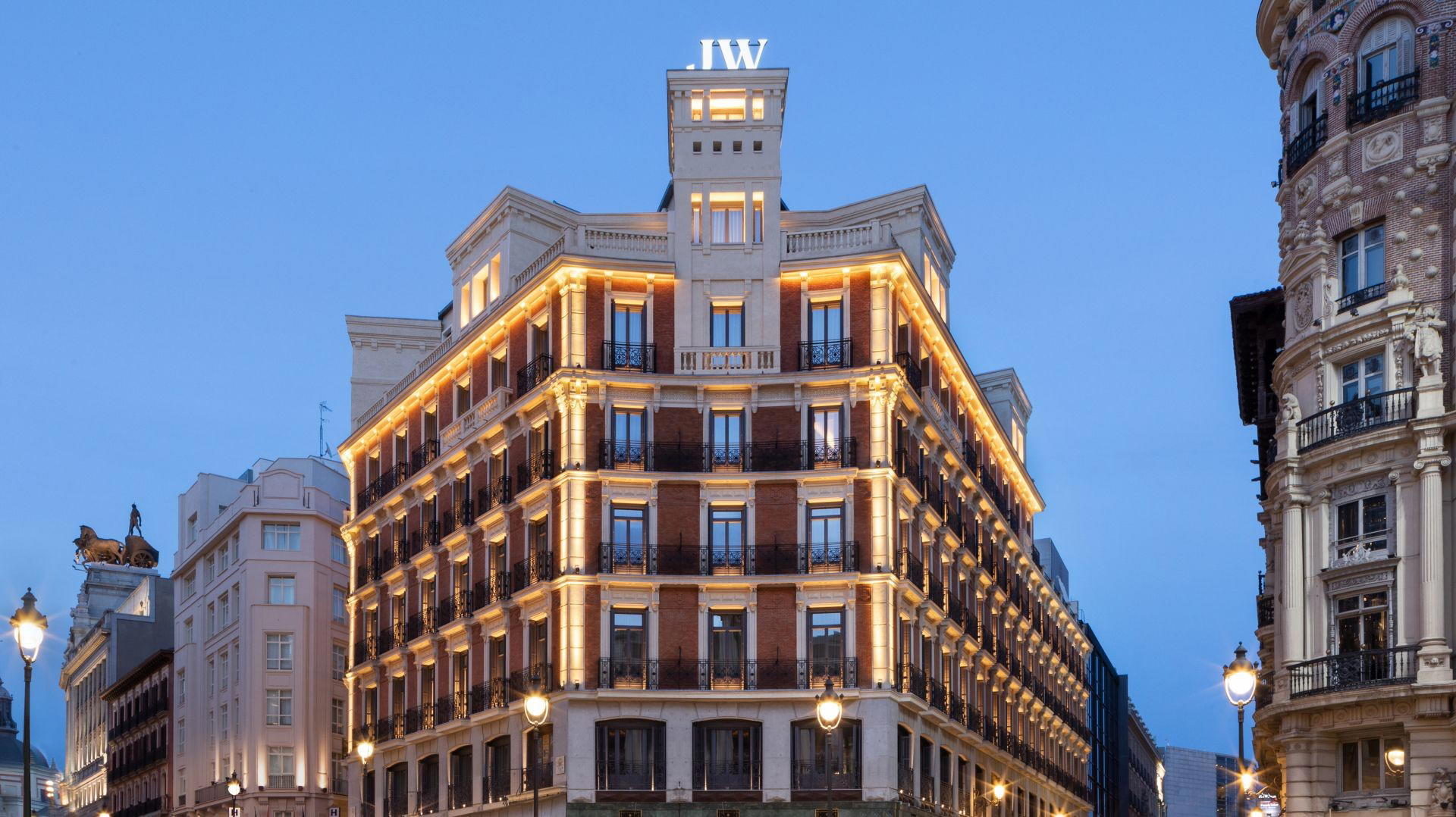
Calle de Echegaray, number 16, places Artemisa Moulin in the denser stretch of the street, surrounded by wine bars and tabernas that have occupied the same footprints for decades. The building stock here is late 19th-century, which typically means high ceilings, narrow frontages, and rooms that run deeper than they appear from the street. That kind of interior geography rewards evening atmosphere more than morning light, a factor that shapes how kitchens on this street tend to position their menus.
Where Artemisa Moulin Sits in Madrid's Broader Dining Map
Madrid's restaurant scene in 2024 is broadly legible at the leading end: DiverXO holds three Michelin stars and occupies a category of its own, while Coque, Deessa, DSTAgE, and Paco Roncero each represent variations on the high-concept creative Spanish format at the €€€€ tier. Below that, the city operates a dense mid-market where neighbourhood addresses compete on value, product sourcing, and the kind of room-feel that makes regulars of one-time visitors. Artemisa Moulin's address on Echegaray places it in conversation with that mid-market, where the competitive logic runs more on consistency and atmosphere than on tasting-menu ambition.
Spain's broader fine-dining circuit extends well beyond the capital. Quique Dacosta in Dénia, Arzak in San Sebastián, Azurmendi in Larrabetzu, Martin Berasategui in Lasarte-Oria, Aponiente in El Puerto de Santa María, Cocina Hermanos Torres in Barcelona, El Celler de Can Roca in Girona, Ricard Camarena in València, Mugaritz in Errenteria, and Atrio in Cáceres each pull serious diners out of Madrid for destination meals. That geography matters for anyone planning a broader Spain itinerary: Madrid functions as a base and a dining city simultaneously, and a neighbourhood address like Artemisa Moulin slots into the itinerary differently than a destination-driven reservation would. Internationally, the model of a technically grounded room in a dense urban neighbourhood finds parallels in formats like Le Bernardin in New York City or Lazy Bear in San Francisco, both of which maintain strong neighbourhood identities despite operating at very different price tiers. See our full Madrid restaurants guide for a deeper map of how the city's dining geography breaks down by area and format.
Planning Your Visit: Practical Notes
The address, Calle de Echegaray 16, Centro, 28014 Madrid, is walkable from the major Centro metro stops including Sol (lines 1, 2, 3) and Sevilla (line 2), and sits approximately ten minutes on foot from the Prado. Given the neighbourhood's dual character, arriving during the lunch window (roughly 2pm to 4pm on weekdays) will give a materially different experience from an evening sitting that starts at 9pm or later. For visitors with limited Madrid time, the proximity to the Thyssen-Bornemisza makes Artemisa Moulin a practical lunch anchor on a museum day. The surrounding streets on Echegaray are bar-dense and pedestrian-busy by evening, so the walk in and out is part of the experience regardless of direction.
Walk-in availability on this street is generally higher at lunch than dinner, when the neighbourhood draws more foot traffic from the Huertas bar circuit. If a reservation matters to your planning, checking directly via current listings on Spanish reservation platforms is the practical approach until confirmed booking channels are available.
Frequently asked questions
What's the signature dish at Artemisa Moulin?
Do they take walk-ins at Artemisa Moulin?
What's Artemisa Moulin leading at?
Is Artemisa Moulin a good option for dining before or after visiting nearby museums?
A Quick Peer Check
| Venue | Cuisine | Price | Awards | Notes |
|---|---|---|---|---|
| Artemisa MoulinThis venue (the venue you are viewing) | French-Spanish Haute Cuisine | $50–100 | Not listed | Not listed |
| DiverXO | Avant-Garde Spanish Tasting Menu | $300–500 | 3 Michelin Stars · World's 50 Best #9 | Progressive - Asian, Creative |
| Coque | Modern Spanish Fine Dining | $300–500 | 2 Michelin Stars · La Liste Top Restaurants | Spanish, Creative |
| Deessa | Modern Valencian Fine Dining | $150–200 | 2 Michelin Stars · La Liste Top Restaurants | Modern Spanish, Creative |
| Paco Roncero | Avant-Garde Spanish Fine Dining | $150–200 | 2 Michelin Stars · La Liste Top Restaurants | Creative |
| Smoked Room | Modern Japanese Fire Omakase | $200–300 | 2 Michelin Stars · La Liste Top Restaurants | Progressive Asador, Contemporary |
Continue exploring
More in Madrid
Restaurants in Madrid
All restaurants in Madrid →
Bars in Madrid
All bars in Madrid →

Details
- Elegant
- Romantic
- Sophisticated
- Ornate
- Date Night
- Special Occasion
- Celebration
- Open Kitchen
- Private Dining
- Design Destination
- Extensive Wine List
- Sommelier Led
- Tasting Menu
- A La Carte
- Wine
Current opening hours
- Monday
- Closed
- Tuesday
- 1 PM–2 AM
- Wednesday
- 1 PM–2 AM
- Thursday
- 1 PM–2 AM
- Friday
- 1 PM–2 AM
- Saturday
- 1 PM–2 AM
- Sunday
- 1 PM–2 AM
Hours can change for holidays and private events. Hours as of .
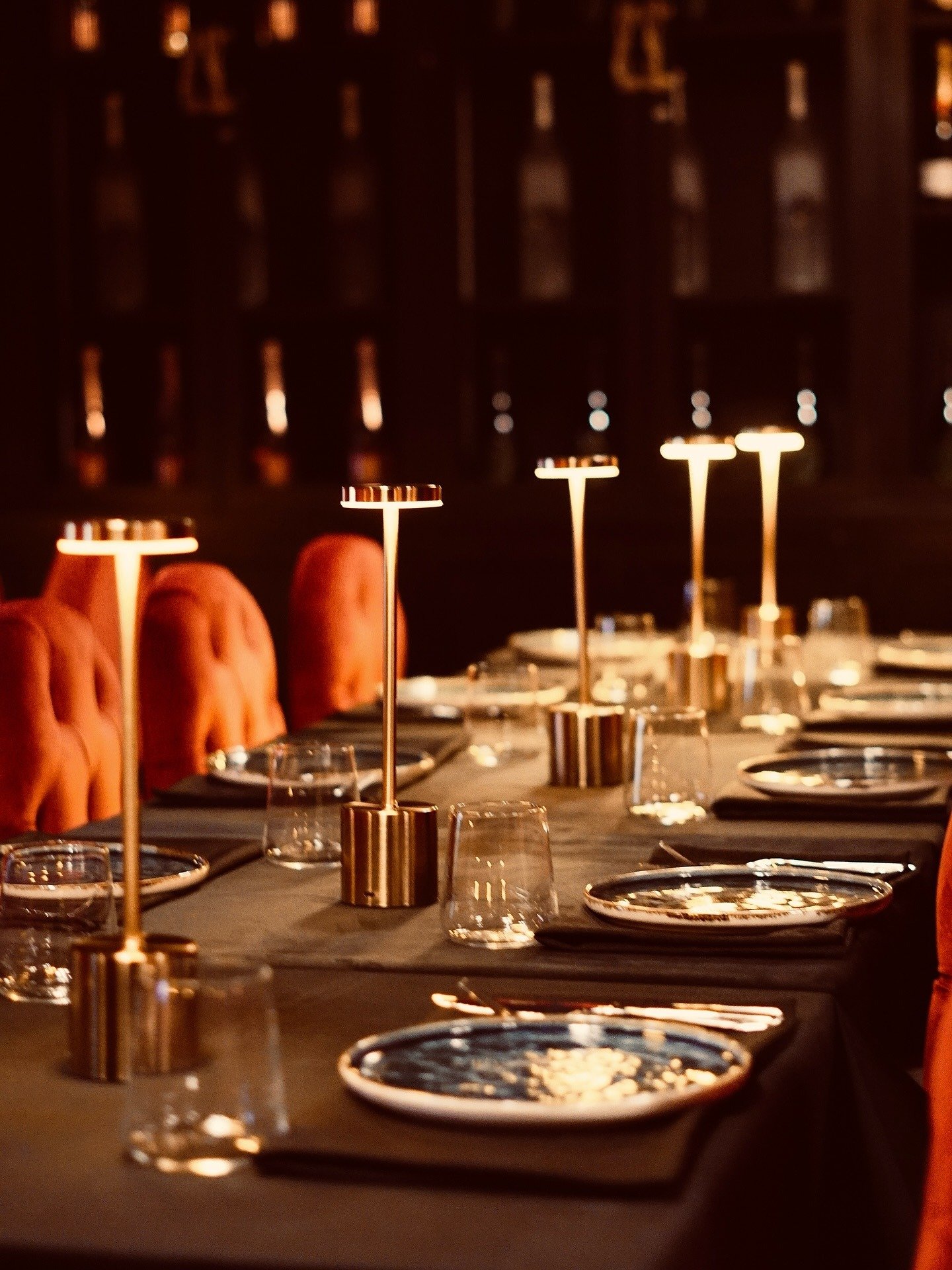
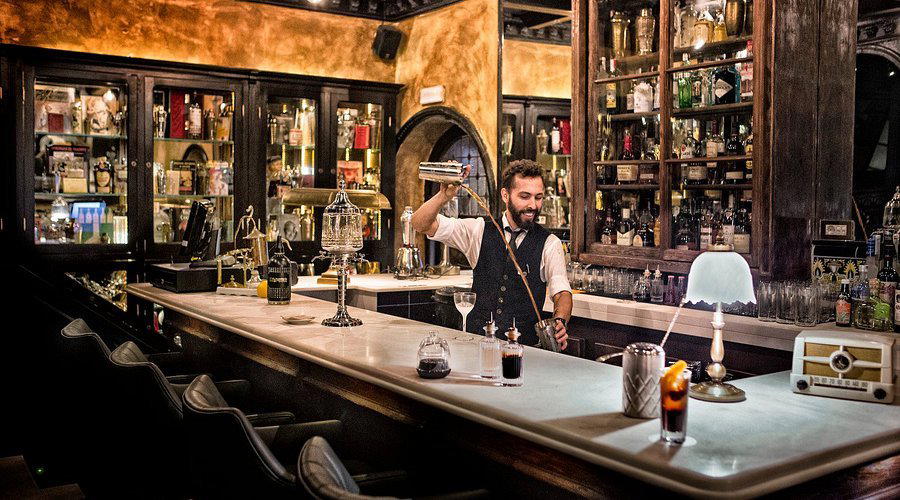
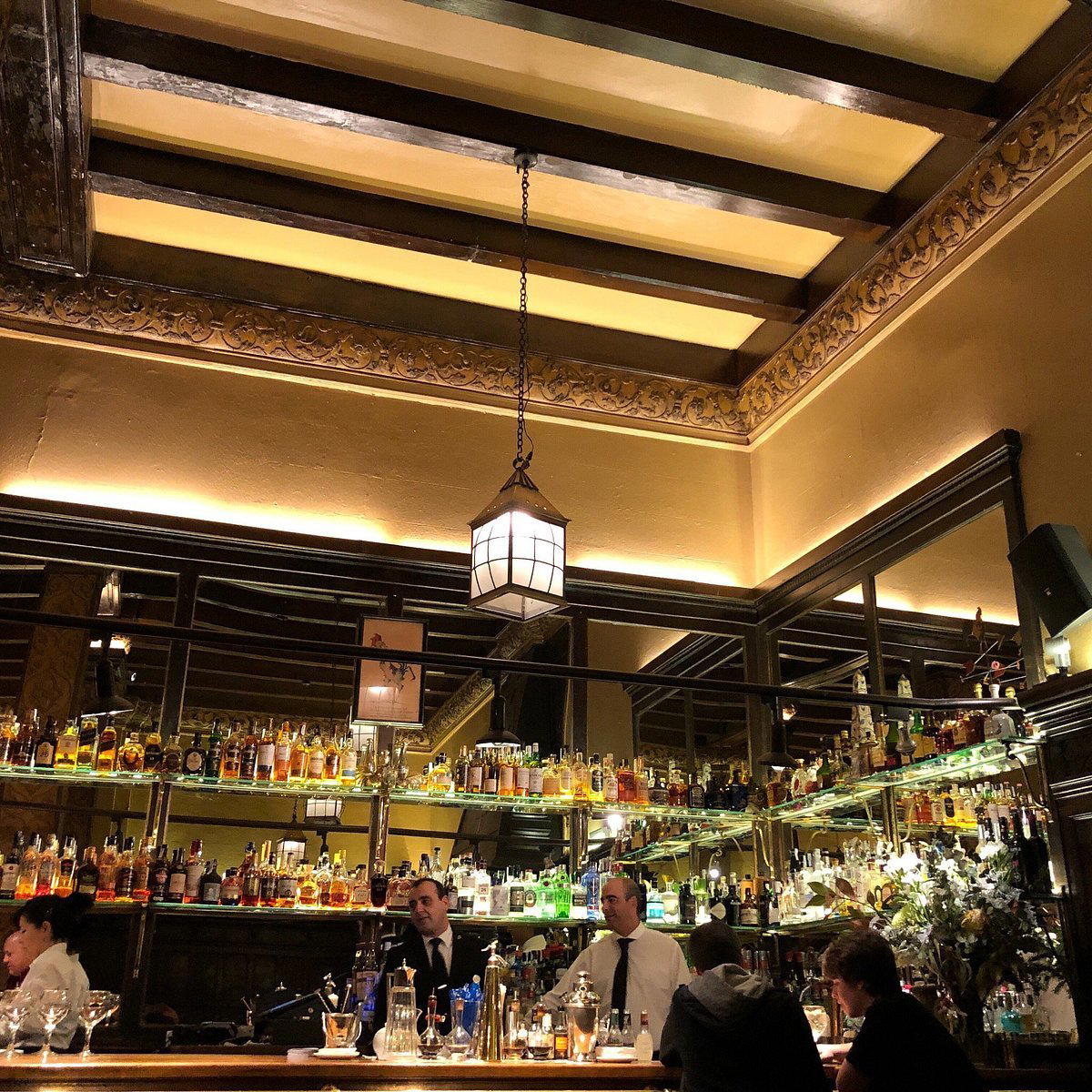
Elegant and intimate cabaret atmosphere with Belle Époque design elements, creating a sensory experience that fuses art with fine dining in a sophisticated, exclusive setting.