Áarstova


Áarstova on Gongin occupies a firm position in Tórshavn's small but increasingly credible fine-dining tier, with Opinionated About Dining recognition placing it among Europe's ranked restaurants two years running. Chef John Mikkelsen works within the New Nordic framework, seasonality, local sourcing, the Faroese landscape as pantry, in a capital that has quietly become one of the North Atlantic's more interesting dining destinations.
Pearl is the En Primeur Club membership app — saves, bookings, and concierge access live there. Same editors, same standards.
- Address
- 1 Gongin, Tórshavn 100, Faroe Islands
- Phone
- +298 333000
- Website
- aarstova.fo
- Directions
- Get directions
 Saves & bookings on Pearl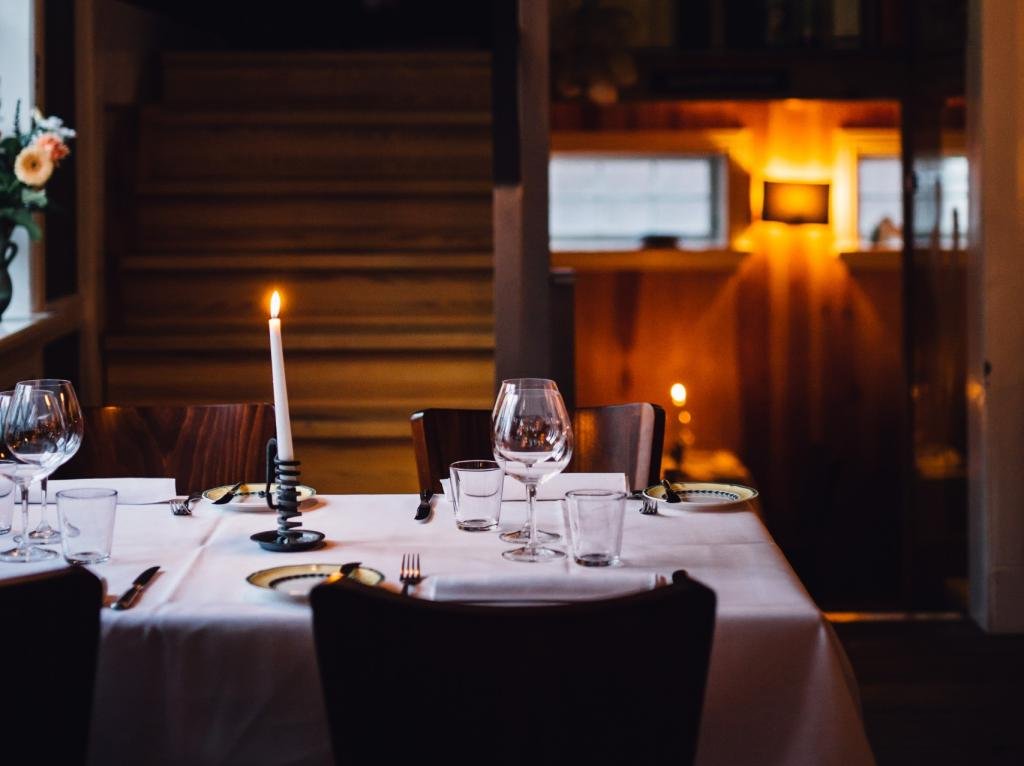
Where the North Atlantic Meets the Plate
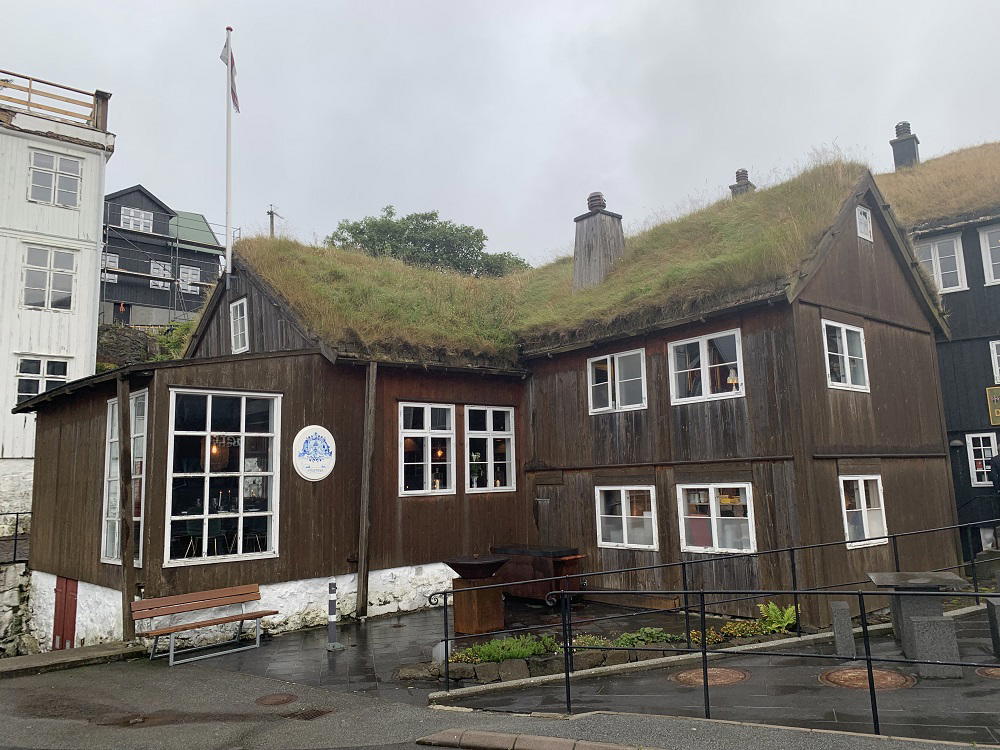
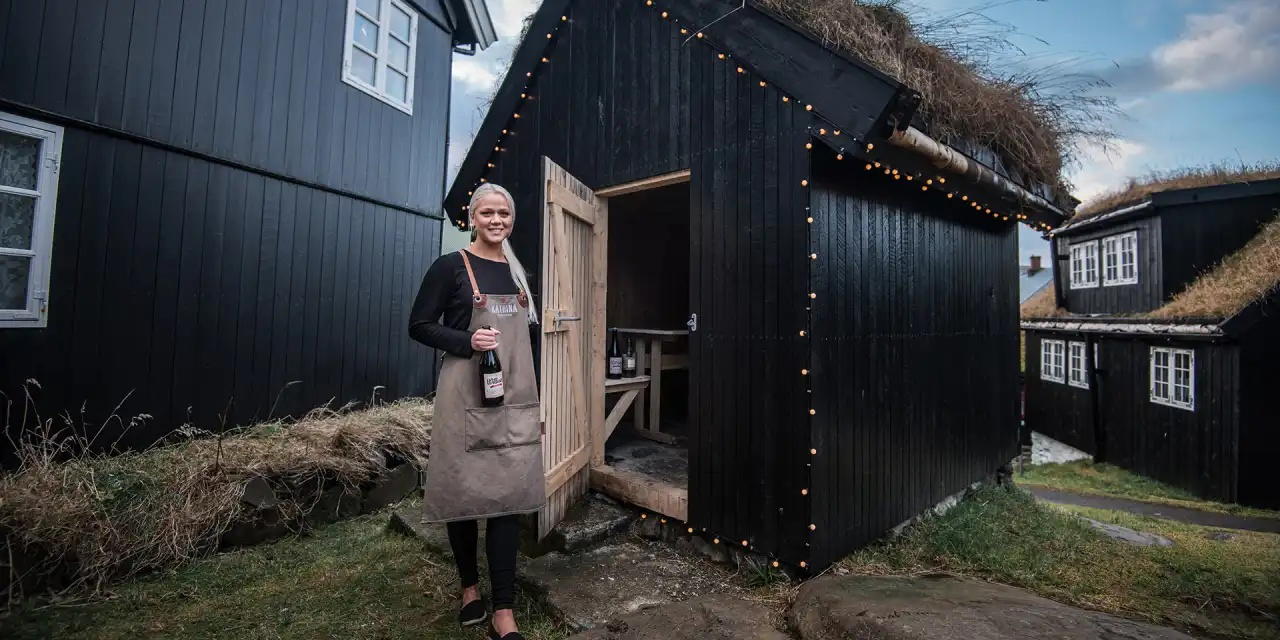
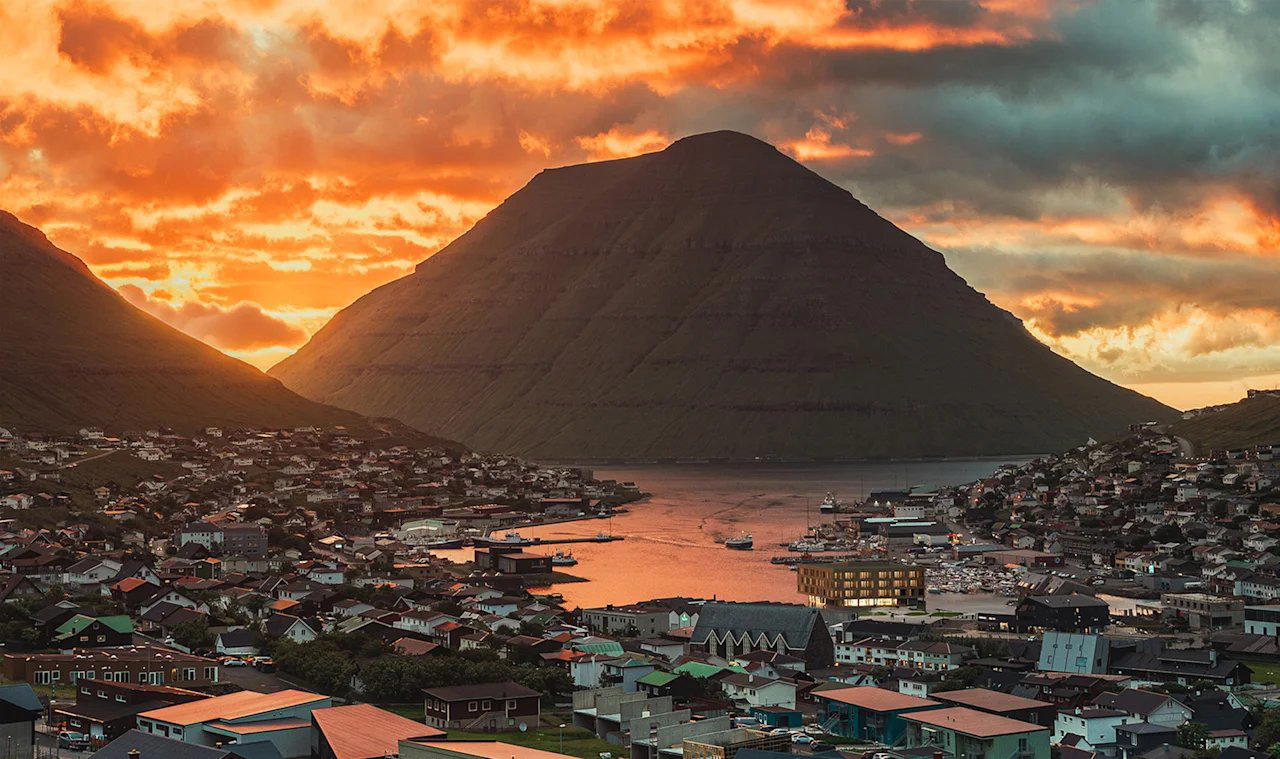
Gongin is one of Tórshavn's oldest streets, a narrow corridor of timber-clad buildings running through the heart of the old town. Arriving at Áarstova in the early evening, the light at this latitude does something particular, in summer it lingers at a low, amber angle well past nine; in winter it is gone entirely before the first cover sits down. That seasonal extremity is not incidental to what happens inside. It is, in the New Nordic framework that shapes the kitchen here, the premise: the plate is a record of the season, and in the Faroe Islands the seasons are more insistent than almost anywhere else in Europe.
Tórshavn's fine-dining scene is compact by design, not by default. A capital of roughly 22,000 people cannot sustain the density of a Copenhagen or Stockholm, but it has developed a small, coherent tier of serious restaurants that draw both local diners and the growing number of travellers who treat the islands as a destination in their own right. Áarstova sits in that tier, alongside PAZ (two Michelin stars, the city's current critical benchmark) and Ræst, which takes New Nordic and creative Faroese cooking into more experimental territory. ROKS occupies the more accessible seafood end of the market. Each of these addresses serves a distinct function in the city's dining ecosystem; Áarstova's function is a grounded, seasonally driven interpretation of the Nordic approach without the price ceiling or theatrical format of its neighbour PAZ.
New Nordic at This Latitude
The New Nordic manifesto, articulated in Copenhagen in the mid-2000s and since dispersed across the entire northern region, is not a single style so much as a set of operating principles: use what grows or lives here, work with the season rather than against it, let the ingredient speak before the technique does. In the Faroe Islands, that framework finds one of its more demanding test environments. The islands sit roughly halfway between Norway and Iceland, with an oceanic climate that discourages most conventional agriculture. What they offer instead is lamb raised on mountain pasture, seafood from some of the least-polluted waters in the North Atlantic, and a tradition of preservation, drying, fermenting, salting, that predates the New Nordic movement by centuries.
Kitchens working in this context are not constructing a Nordic aesthetic from imported ingredients. They are working with a genuinely constrained local pantry where the principles of the movement align, often exactly, with what has always been practical. Chef John Mikkelsen's kitchen at Áarstova operates within that inheritance. The restaurant opens Tuesday through Saturday from 6 to 10 pm, a tight, dinner-only window that keeps the operation focused and the kitchen disciplined.
For context on how the New Nordic philosophy has translated into formal restaurant settings elsewhere in the region, Kadeau in Copenhagen and Adam/Albin in Stockholm represent how the approach plays in larger Scandinavian capitals with wider ingredient access. Nummer 2 in Copenhagen and Sentralen in Oslo show what the more casual register of Nordic cooking looks like in urban settings. What Áarstova does is apply the same underlying logic at the furthest inhabited edge of that geographic tradition, where the constraints are genuinely tighter and the source ingredients are more singular.
Recognition and Where It Places the Restaurant
Opinionated About Dining (OAD) is a significant trust signal in European fine dining: its rankings aggregate the opinions of frequent, experienced restaurant-goers rather than anonymous inspectors, which gives them a different character from Michelin. Áarstova has moved from an OAD Casual Europe recommendation in 2023 to a ranked position of #542 in OAD's Leading Restaurants in Europe in 2024, then to #646 in 2025. The slight ranking decline between 2024 and 2025 does not indicate a deterioration in quality so much as the organic movement within a large peer field, the OAD list has expanded significantly in recent years, and position shifts of this magnitude are common across the board. What matters more is the continued ranked presence, which places Áarstova in a small group of Faroese restaurants that have earned recognition beyond the islands' own hospitality circuit.
5 across 401 reviews provides a secondary signal: at that volume, a 4.5 is not noise. It reflects consistent execution across a wide range of diners with varying expectations and reference points. For a restaurant in a city as small as Tórshavn, 379 reviews suggests meaningful visitor traffic from outside the local population.
For comparison, Tórshavn now sits on itineraries that once stopped only at Reykjavik or Bergen. The Faroe Islands recorded substantial growth in international visitor numbers in the years before 2020, and post-pandemic recovery has continued that trajectory. The city's restaurant scene has developed partly in response to that demand, but the better addresses here are not operating as tourist restaurants. They are cooking for a local audience that has become more sophisticated, and for international travellers who arrive specifically because of the food.
Planning Your Visit
Áarstova is at 1 Gongin, in the old town at the centre of Tórshavn, walkable from most of the city's hotels and a short distance from the harbour front. The restaurant runs a dinner-only schedule, open Monday through Sunday from 6 to 10 pm. Given the compact scale of both the restaurant and the city, advance booking is advisable, particularly from June through August when visitor numbers peak and the better tables in Tórshavn fill quickly.
Tórshavn's dining tier is narrower than most European capitals, which means each address carries more weight in an itinerary. If Áarstova is your grounding point for New Nordic cooking at the Faroese scale, consider using PAZ as the high-end counterpoint and ROKS for a more casual seafood session on a separate evening. For those building a broader Nordic dining itinerary, restaurants such as Le Bernardin, Atomix, Lazy Bear, Emeril's, 8½ Otto e Mezzo Bombana, and Alain Ducasse at Louis XV offer reference points for how serious kitchen ambition operates across different culinary traditions globally, useful context when calibrating what Áarstova is doing within its own, more constrained geography.
Comparable Venues
Comparable venues nearby, for context on price, style, and recognition.
| Venue | Cuisine | Price | Awards | Notes |
|---|---|---|---|---|
| Áarstova | Contemporary Scandinavian with Faroese Lamb & Seafood | $$$ | Not listed | Tórshavn Old Town |
| Barbara | Faroese Seafood Tapas | $$$ | Not listed | Tórshavn |
| Barbara Fish House | Faroese Seafood Tapas | $$$$ | Not listed | Tórshavn city centre |
| ROKS | Modern Faroese Seafood Tasting | $$$$ | Michelin Plate | Tórshavn old town |
| Ræst | Modern Faroese Fermentation | $$$$ | Michelin Plate | Tórshavn |
| Etika | Japanese-Faroese Fusion Sushi | $$$ | Not listed | Tórshavn |
Recognition history
Dated appearances from independent guides and award organizations, with the underlying list record or original source where available.
Opinionated About Dining Top Restaurants in Europe Recommended
Opinionated About Dining
White Guide Denmark Restaurants - Very Fine Level
White Guide
Opinionated About Dining Top Restaurants in Europe Ranked #646
Opinionated About Dining
Opinionated About Dining Top Restaurants in Europe Ranked #542
Opinionated About Dining
Opinionated About Dining Casual in Europe Recommended
Opinionated About Dining
Continue exploring
More in Tórshavn
Restaurants in Tórshavn
Browse all →
At a Glance
- Cozy
- Romantic
- Classic
- Intimate
- Elegant
- Date Night
- Special Occasion
- Celebration
- Historic Building
- Standalone
- Beer Program
- Local Sourcing
- Farm To Table
Current opening hours
- Monday
- 6–10 PM
- Tuesday
- 6–10 PM
- Wednesday
- 6–10 PM
- Thursday
- 6–10 PM
- Friday
- 6–10 PM
- Saturday
- 6–10 PM
- Sunday
- 6–10 PM
Hours can change for holidays and private events. Last verified .
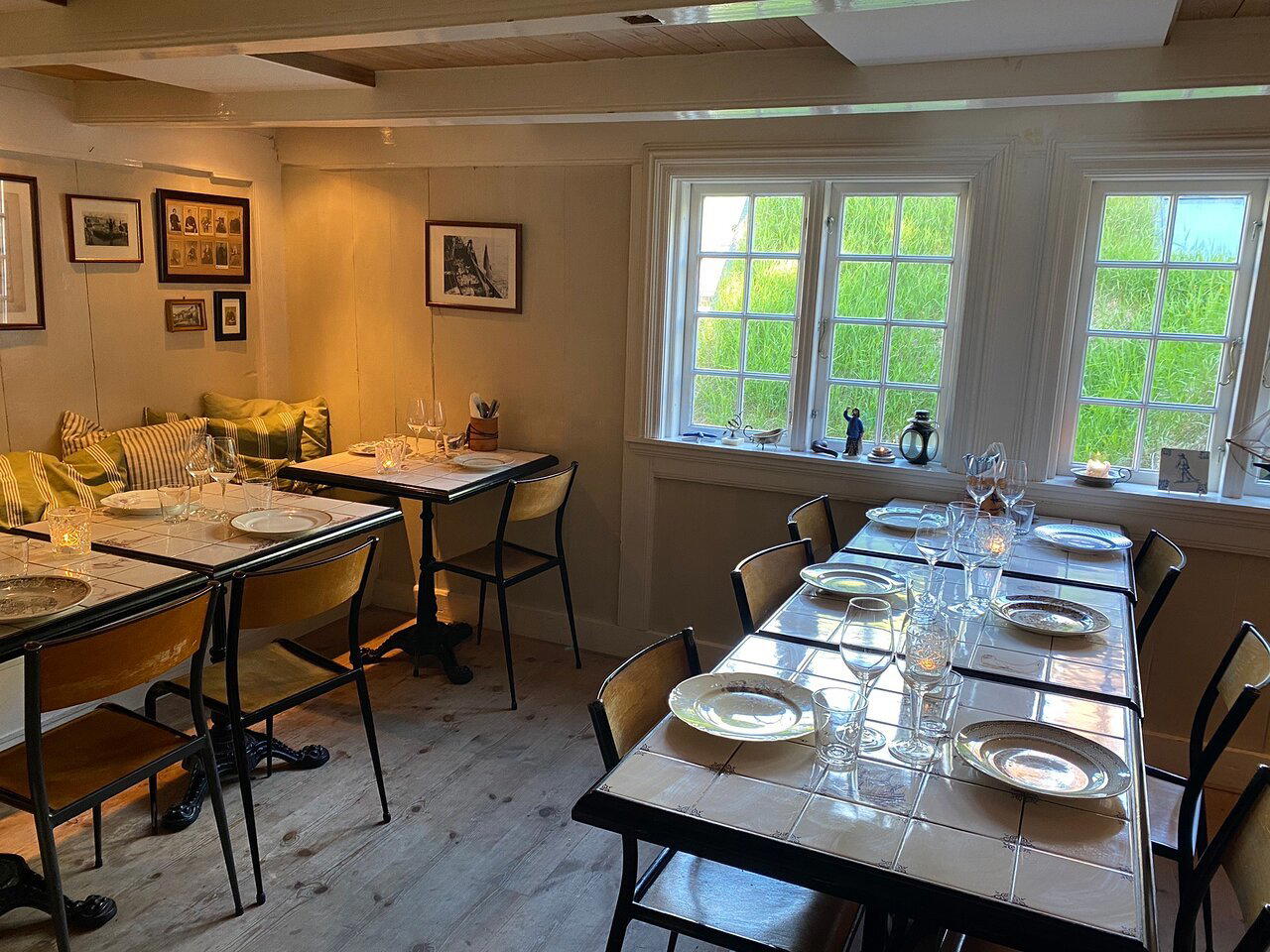
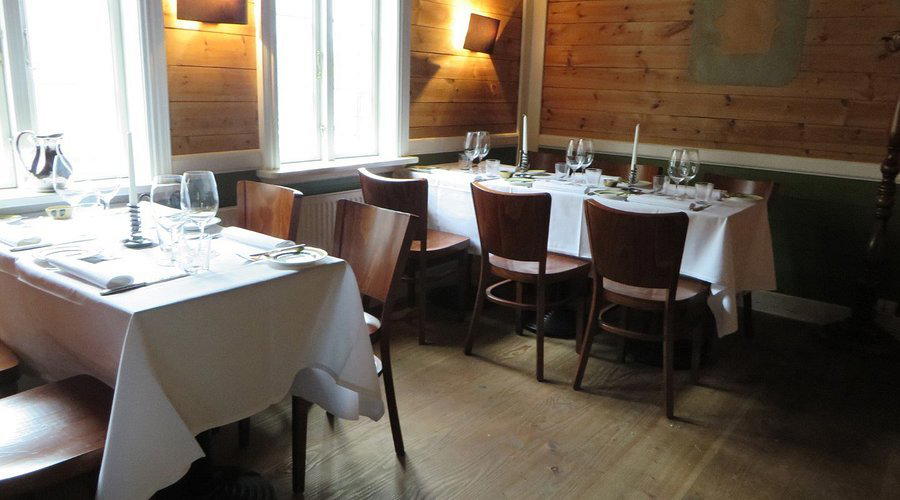
Warm, intimate setting with low ceilings, exposed wooden beams, and vintage furnishings resembling a cozy old living room; soft lighting and historic charm create a nostalgic yet refined atmosphere.