





PAZ holds two Michelin stars (2025) and sits at the summit of Tórshavn's small but serious fine dining tier. Chef Poul Andrias Ziska builds his creative menus around ingredients sourced from the Faroe Islands' own waters, farms, and fermentation traditions, placing the archipelago's larder at the centre of every course. At the €€€€ price point, it is the reference address for serious dining in the North Atlantic.
Pearl is the En Primeur Club membership app — saves, bookings, and concierge access live there. Same editors, same standards.
- Address
- Doktara Jakobsens gøta, 14 16, Tórshavn 100, Faroe Islands
- Phone
- +298 500610
- Website
- paz.fo
- Directions
- Get directions
 Saves & bookings on Pearl
Where the North Atlantic Larder Meets Two Michelin Stars
Tórshavn is a capital city of roughly 13,000 people, set on a headland where the North Atlantic drives weather in from every direction. Its dining scene is compact by European standards but has developed a coherence that larger cities might envy: a cluster of addresses, each working with the same extraordinary raw material base, and each arriving at different conclusions about what Faroese cooking can mean. PAZ, at Doktara Jakobsens gøta 14 to 16 in Tórshavn, is a two-Michelin-star restaurant under chef Poul Andrias Ziska. Within a city this size, that credential is not a footnote. It signals that the archipelago has produced a kitchen operating at the same technical register as Jordnær in Gentofte or JAN in Munich.
The Ingredient Logic Behind the Menu
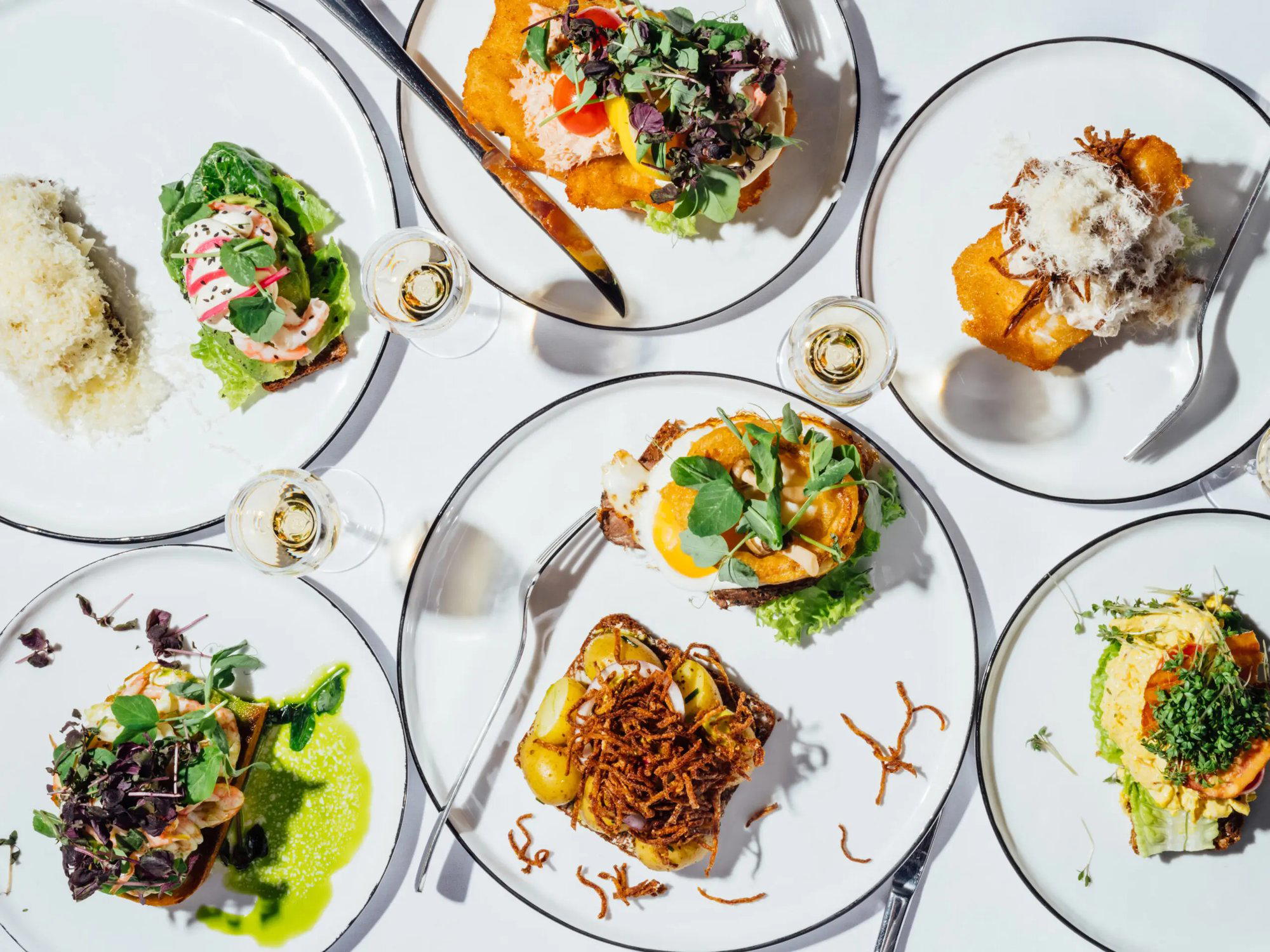
The Faroe Islands sit between Norway and Iceland in waters that are cold, clean, and commercially significant. Faroese lamb grazes on open hillside pasture with minimal intervention. The fishing grounds yield species that rarely appear on mainland European menus at this quality level. Fermentation, air-drying, and salting are not affectations imported from the broader New Nordic movement, they are preservation methods that Faroese households have used for centuries, long before those techniques became fashionable in Copenhagen tasting menus. At PAZ, the editorial angle that matters is this: the ingredients are not sourced to evoke a place. They are the place.
This distinction separates PAZ from the cohort of creative European restaurants that construct a terroir narrative around ingredients that travel significant distances before they arrive at the kitchen. Compare the sourcing logic here with something like Arpège in Paris, where the garden-to-plate framework is genuinely about vegetables grown metres away, or Steirereck im Stadtpark in Vienna, where Austrian regional produce underpins the entire creative program. PAZ operates inside that same philosophical bracket: the sourcing is not a marketing layer, it is a structural constraint that shapes what the kitchen can and cannot do. The Faroe Islands produce what they produce, and the menu is built around that reality.
Faroese skerpikjøt, the wind-dried mutton that can age for months or years in traditional wooden drying sheds called hjallur, represents the kind of ingredient that challenges and rewards a kitchen in equal measure. Its intensity is not easily managed at a fine dining register. Similarly, Faroese cod, haddock, and various shellfish require a kitchen confident enough to let quality speak without over-elaboration. The creative classification here is earned through restraint as much as invention, and restraint at this level of sourcing is itself a technical decision.
Tórshavn's Fine Dining Tier and Where PAZ Sits
To understand PAZ's position, it helps to map the city's serious dining addresses briefly. Ræst (New Nordic, Creative, €€€) takes its name from the fermentation process and operates one price tier below, making it a logical companion booking for a multi-night stay. Áarstova works in a New Nordic register with a different format emphasis. ROKS focuses on seafood at the €€ level, useful for lunch or a less formal evening.
PAZ occupies the leading of that structure by a meaningful margin. Two Michelin stars in 2025 position it above the one-star or unstarred addresses that make up the rest of the city's notable dining. For context across the creative category in Europe, the comparable set includes Alléno Paris au Pavillon Ledoyen, Enrico Bartolini in Milan, Quique Dacosta in Dénia, Cocina Hermanos Torres in Barcelona, and The Fat Duck in Bray. All of those operate at the €€€€ tier. All have built their identities around a specific ingredient philosophy. PAZ earns its place in that reference set through the same signal: Michelin recognition at a level that requires consistent, documented performance across multiple visits by independent inspectors.
Ziska's presence in the kitchen as named chef provides a credentials anchor. His association with the restaurant gives it the kind of single-authorship identity that two-star creative addresses typically carry. The comparison to Noma in Copenhagen is worth raising here, not because the restaurants are equivalent but because Noma demonstrated that a Nordic kitchen built entirely around hyper-local sourcing could earn global recognition. PAZ operates in a smaller city with a fraction of Noma's press infrastructure, and it has still achieved a credential that speaks the same language.
The Experience and the Setting
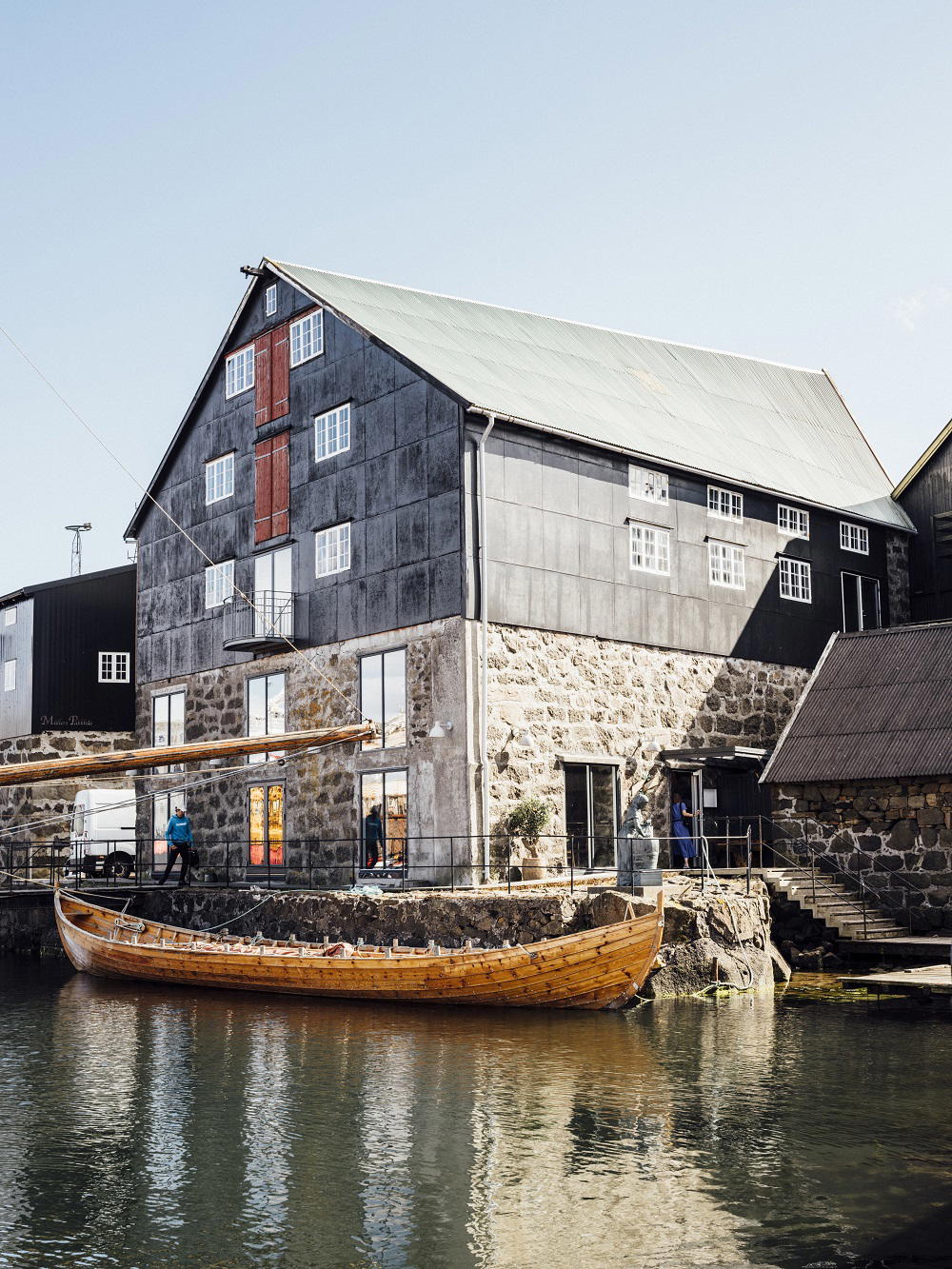
The address on Doktara Jakobsens gøta places PAZ within the central fabric of Tórshavn, a city where the harbour, the old town, and the commercial streets are all within close walking distance of each other. Approaching the restaurant, the scale is immediately apparent: Tórshavn does not deliver the grand boulevard approach of Paris or Vienna. What it delivers instead is an intimacy that filters into the room. A kitchen operating at two-star level in a city this size is, almost by definition, working in a contained space where the ratio of attention to covers skews toward the guest.
The €€€€ price point signals a tasting menu format, with matched drinks likely available. What that price tier reliably indicates, across the European creative category, is a multi-course progression, a composed wine or drinks program, and a front-of-house to kitchen ratio that justifies the spend. Guests planning a visit should book well in advance; reservations are essential.
Why This Matters Beyond the Stars
PAZ's two Michelin stars are significant for reasons that extend beyond the restaurant itself. The Michelin Guide's presence in the Faroe Islands reflects the broader shift in how European fine dining geography has evolved over the past decade. Recognition has moved steadily away from concentration in traditional capital cities toward smaller, ingredient-rich territories where a committed kitchen can build something that the guide's inspectors find worth repeated travel. Iceland, the Basque Country, and coastal Denmark all followed that pattern before the Faroes. PAZ is the current evidence point for the archipelago's place in that story.
For the traveller making the effort to reach the Faroe Islands, which requires a flight connection through Copenhagen, Reykjavik, or a handful of other European hubs, the existence of a two-star address changes the calculus of a visit. The islands are already compelling for landscape and cultural specificity. A kitchen at this level means the trip can be built partly around the table, with the surrounding terrain and food culture reinforcing each other rather than one being a concession to the other. That convergence is precisely what the creative sourcing-led model at PAZ is designed to produce.
Budget and Context
Comparable venues nearby, for context on price, style, and recognition.
| Venue | Cuisine | Price | Awards | Notes |
|---|---|---|---|---|
| PAZThis venue — the venue you are viewing | Tórshavn, Modern Faroese Fine Dining | $$$$ | Michelin 2 Star | Not listed |
| ROKS | Not listed | $$$$ | Michelin Plate | Tórshavn old town, Modern Faroese Seafood Tasting |
| Ræst | Tórshavn, Modern Faroese Fermentation | $$$$ | Michelin Plate | Not listed |
| Barbara Fish House | Not listed | $$$$ | Not listed | Tórshavn city centre, Faroese Seafood Tapas |
| Áarstova | Not listed | $$$ | Not listed | Tórshavn Old Town, Contemporary Scandinavian with Faroese Lamb & Seafood |
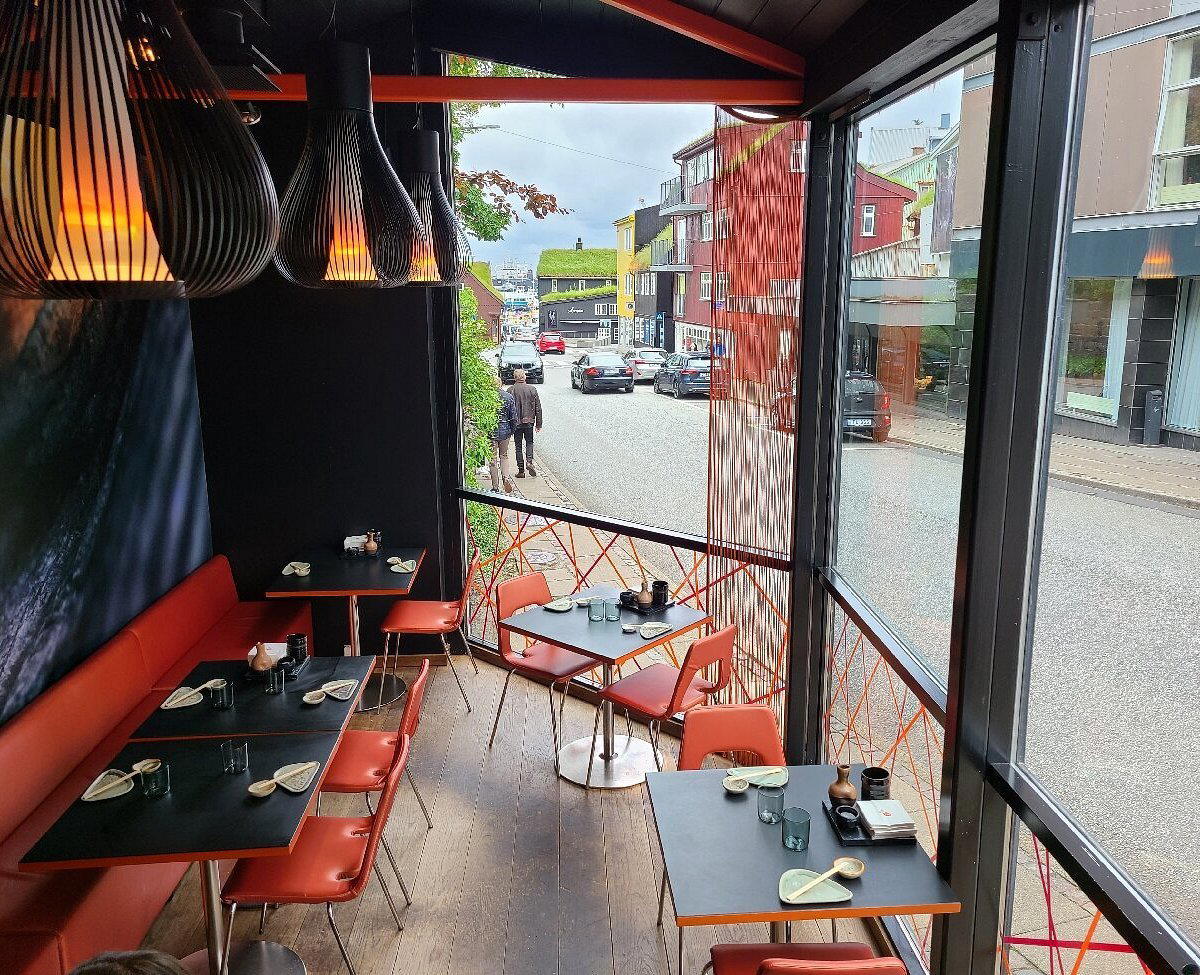
| Etika | Tórshavn, Japanese-Faroese Fusion Sushi | $$$ | Not listed | Not listed |
Recognition history
Dated appearances from independent guides and award organizations, with the underlying list record or original source where available.
Conde Nast Hot List Restaurants
Conde Nast
Opinionated About Dining Top Restaurants in Europe Recommended
Opinionated About Dining
Opinionated About Dining Newly Added European Restaurants
Opinionated About Dining
Opinionated About Dining Top New Restaurants in Europe Ranked #13
Opinionated About Dining
TIME 2026 TIME World's Greatest Places
TIME
White Guide Denmark Restaurants - Global Masters Level
White Guide
Michelin 2 Stars
Michelin
The Best Chef One Knife
The Best Chef
Continue exploring
More in Tórshavn
Restaurants in Tórshavn
Browse all →

At a Glance
- Elegant
- Modern
- Intimate
- Minimalist
- Sophisticated
- Special Occasion
- Date Night
- Open Kitchen
- Extensive Wine List
- Local Sourcing
- Sustainable Seafood
Current opening hours
- Monday
- Closed
- Tuesday
- Closed
- Wednesday
- 6 PM–12 AM
- Thursday
- 6 PM–12 AM
- Friday
- 6 PM–12 AM
- Saturday
- 6 PM–12 AM
- Sunday
- Closed
Hours can change for holidays and private events. Last verified .
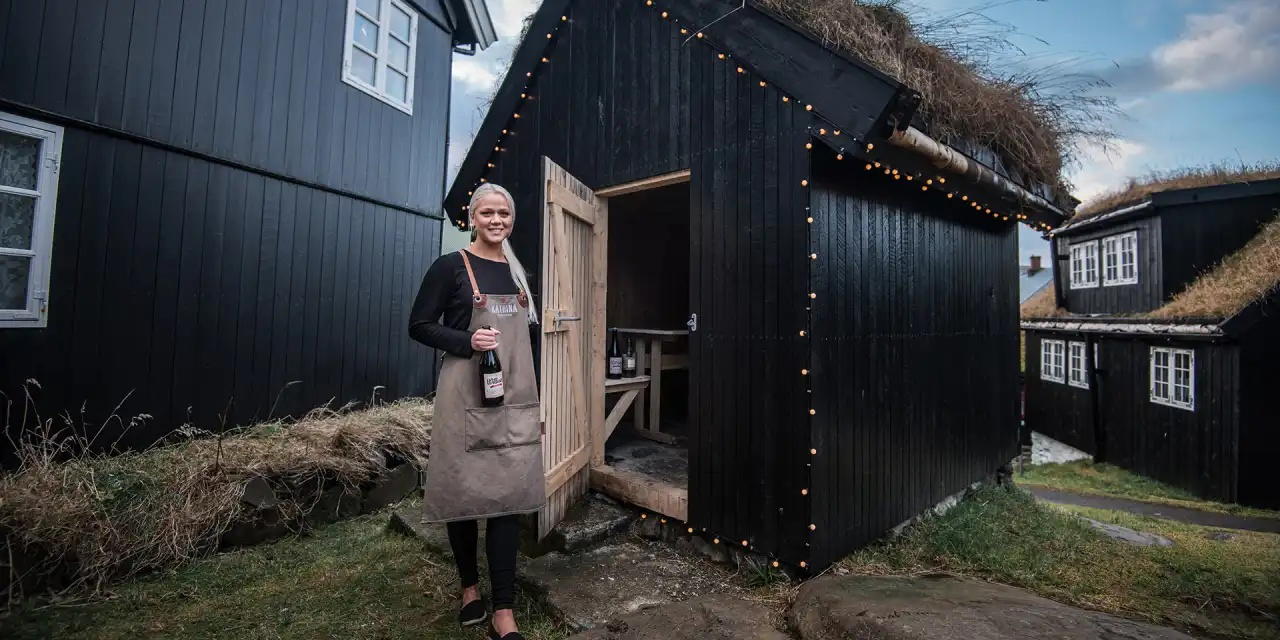
Minimalist Scandinavian dining room with light wood, clean lines, open kitchen, natural daylight from large windows, and calm, intimate atmosphere.