Barbara
Barbara occupies a historic address at 4-6 Gongin in Tórshavn, placing it at the centre of the Faroe Islands' most concentrated dining corridor. The restaurant draws on the archipelago's defining larder, North Atlantic fish, foraged coastal greens, and lamb from open hillsides, and positions itself within a small comparable set of kitchens serious about where ingredients begin. For travellers eating their way through Tórshavn, it is a considered stop alongside neighbours like Bitin and Áarstova.
Pearl is the En Primeur Club membership app — saves, bookings, and concierge access live there. Same editors, same standards.
- Address
- 4-6 Gongin, Tórshavn 100, Faroe Islands
- Phone
- +298331010
- Website
- barbara.fo
 Saves & bookings on Pearl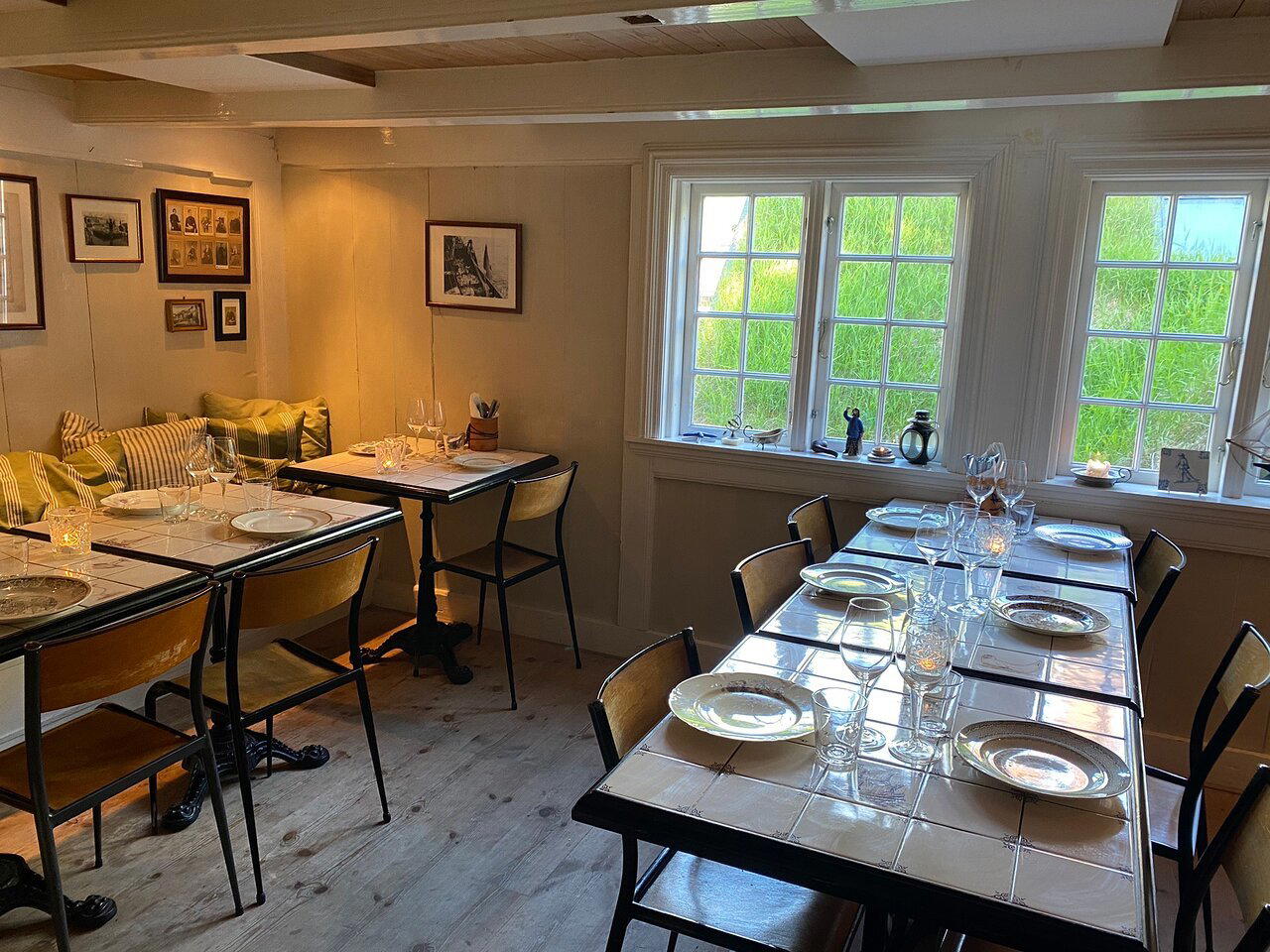
Where the North Atlantic Larder Begins
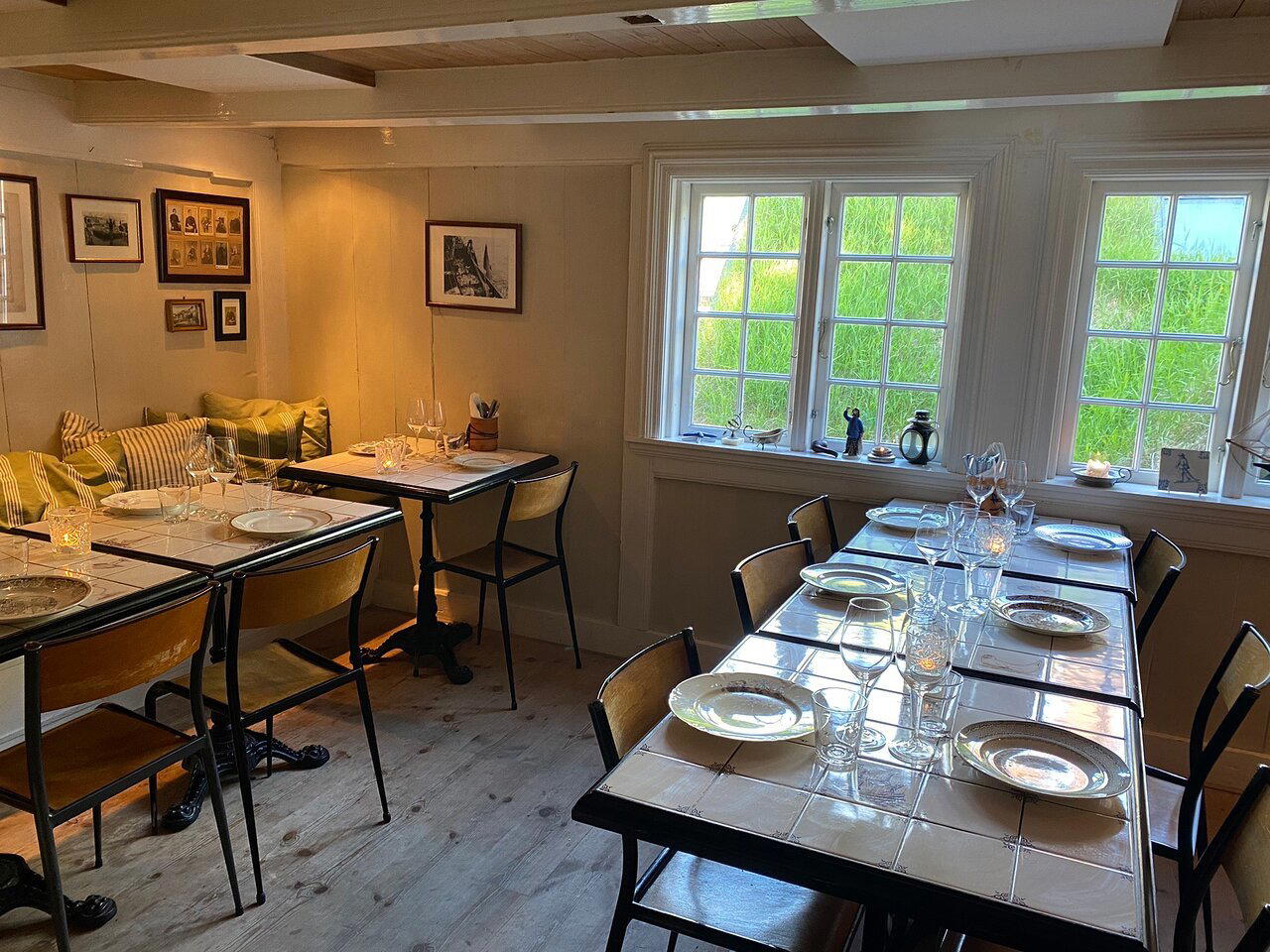
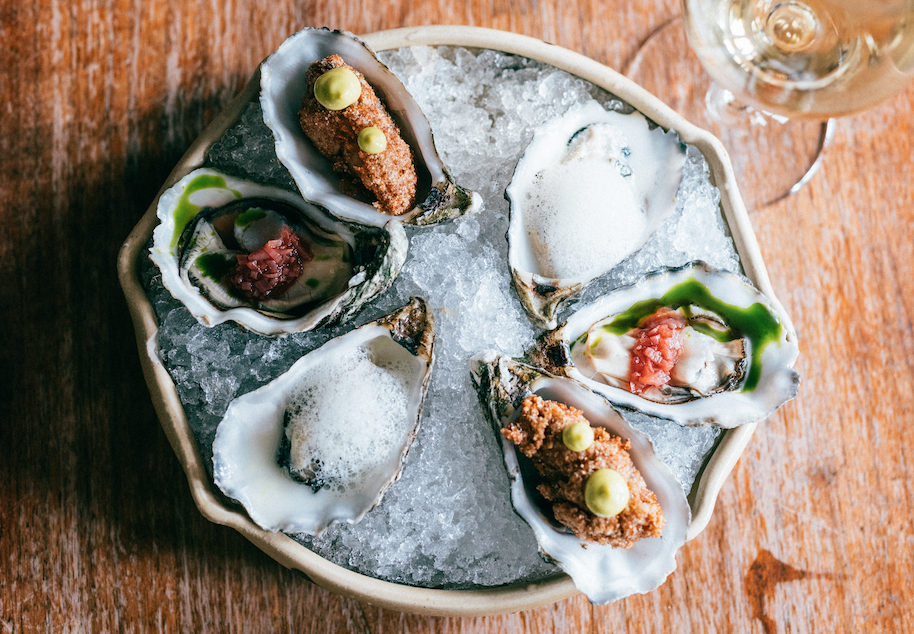
Barbara is a restaurant at 4-6 Gongin, Tórshavn, serving Faroese Seafood Tapas. The physical setting does the editorial work before a single dish arrives: this is a kitchen placed inside a building that predates most of the culinary traditions it now interprets.
The Faroe Islands occupy a specific and demanding position in the geography of ingredient sourcing. The archipelago sits in the North Atlantic between Norway, Iceland, and Scotland, with a landmass too small and a climate too unforgiving to support large-scale agriculture. What it does offer is some of the most traceable protein in the northern hemisphere: lamb that grazes on salt-exposed hillsides with no supplementary feed requirements, seabirds taken under strict quotas, line-caught fish hauled from some of the coldest and least industrially fished waters in Europe. Kitchens that take this seriously are not making a marketing decision; they are working with the only larder that makes geographic sense.
That context matters when reading what Barbara is doing on Gongin. The restaurant belongs to a cohort of Faroese addresses that have moved away from the imported-produce default that defined Tórshavn's hotel dining for much of the late twentieth century. The shift is visible across the city's better kitchens: Bitin and Áarstova operate within the same broad sourcing logic, and the conversation between these kitchens has raised the general standard of what Tórshavn expects from a serious dinner.
The Sourcing Argument in Practice
The Faroese kitchen's credibility rests on a short list of ingredients that are genuinely hard to replicate elsewhere. Faroese lamb is perhaps the most internationally cited: the animals graze freely across open hillsides, the absence of intensive farming practices produces a flavour profile closer to wild game than to the supermarket lamb eaten across mainland Europe, and the traceability is near-total. A kitchen on Gongin sourcing locally for lamb is working with material that restaurants in Copenhagen or London import specifically because they cannot produce it domestically.
Fish is the other axis. The North Atlantic waters around the Faroes support cod, haddock, pollock, and redfish at volumes that remain sustainable largely because the islands' geographic isolation limited industrial access for longer than in comparable fisheries. Chefs working in Tórshavn who commit to day-boat or local-fleet sourcing are not performing sustainability; they are describing a supply chain that has existed here by necessity for generations. The same logic applies to fermented lamb, dried fish (ræst fiskur), and the archipelago's broader tradition of preservation by wind and salt rather than refrigeration.
Foraged coastal plants extend the ingredient map further. Angelica, sea purslane, and various mosses and lichens appear in kitchens across the islands during the short growing season. The window for these ingredients is narrow, which means menus built around them shift significantly between visits made in May versus October. This seasonal compression is one of the defining features of Faroese fine dining when it works well: the calendar forces a specificity that more temperate climates can avoid.
Barbara in the Context of Tórshavn Dining
Tórshavn's dining scene is small enough that positioning matters in ways it would not in a city with fifty comparable kitchens. The addresses worth tracking occupy distinct niches: THE TARV Grillhouse works the fire-and-protein register; Húsagarður takes a different approach to the archipelago's produce. Barbara at Gongin sits in the older-building, more intimate tier of the city's options, and the address itself is part of the proposition.
For comparison outside the islands, the sourcing-first model that defines Barbara's approach has parallels at addresses like Atelier Moessmer Norbert Niederkofler in Brunico, where the Alpine larder functions as both constraint and identity, or Uliassi in Senigallia, which has built a long reputation around Adriatic sourcing specificity. The principle is the same even if the latitudes differ: kitchens that treat geography as the primary creative brief tend to produce food that is difficult to contextualise without that geography. Barbara's address on Gongin makes this argument in architectural terms before the kitchen does anything.
Travellers who have eaten at Barbara in Torshavn or at PAZ in Tórshavn will find the city's dining register familiar enough to orient quickly, though the older-quarter setting of Gongin provides a different physical context than some of the newer addresses.
Planning Your Visit
Barbara is at 4-6 Gongin, Tórshavn 100, Faroe Islands, within walking distance of the old town's principal cluster of restaurants and the harbour front. Tórshavn is served by Vágar Airport, roughly 45 minutes by road from the city centre, with Atlantic Airways and SAS operating routes from Copenhagen, which remains the primary hub for onward connections from most European cities. The city is compact enough that Gongin is reachable on foot from most central accommodation.
Barbara is recommended for reservations and opens Wednesday to Saturday from 6 to 10 PM, with the restaurant closed Sunday to Tuesday. Tables at the better Tórshavn addresses can be limited during the summer weeks. Visiting outside peak season trades some ingredient availability for a quieter city and shorter booking lead times.
Dress on Gongin skews smart casual in line with most Tórshavn dining. For travellers building a longer table across the city, Bitin and Áarstova represent natural companion meals; those looking beyond the islands for reference points in the sourcing-led register might consider Reale in Castel di Sangro or Dal Pescatore in Runate as useful comparisons for what a deeply place-rooted kitchen can produce when it operates with full confidence in its own geography.
Quick Comparison
Comparable venues nearby, for context on price, style, and recognition.
| Venue | Cuisine | Price | Awards | Notes |
|---|---|---|---|---|
| BarbaraThis venue — the venue you are viewing | Faroese Seafood Tapas | $$$ | , | |
| Áarstova | Faroese Lamb & Seafood | $$$ | , | Tórshavn historic center |
| Húsagarður | Modern Nordic Cuisine | $$$ | , | Tórshavn |
| THE TARV Grillhouse | Faroese Grillhouse | $$$ | , | Tórshavn |
| Bitin | New Nordic Sandwiches | $$ | , | Tórshavn |
| Áarstova | Contemporary Scandinavian with Faroese Lamb & Seafood | $$$ | Tórshavn Old Town |
Continue exploring
More in Tinghusgar Ur
Restaurants in Tinghusgar Ur
Browse all →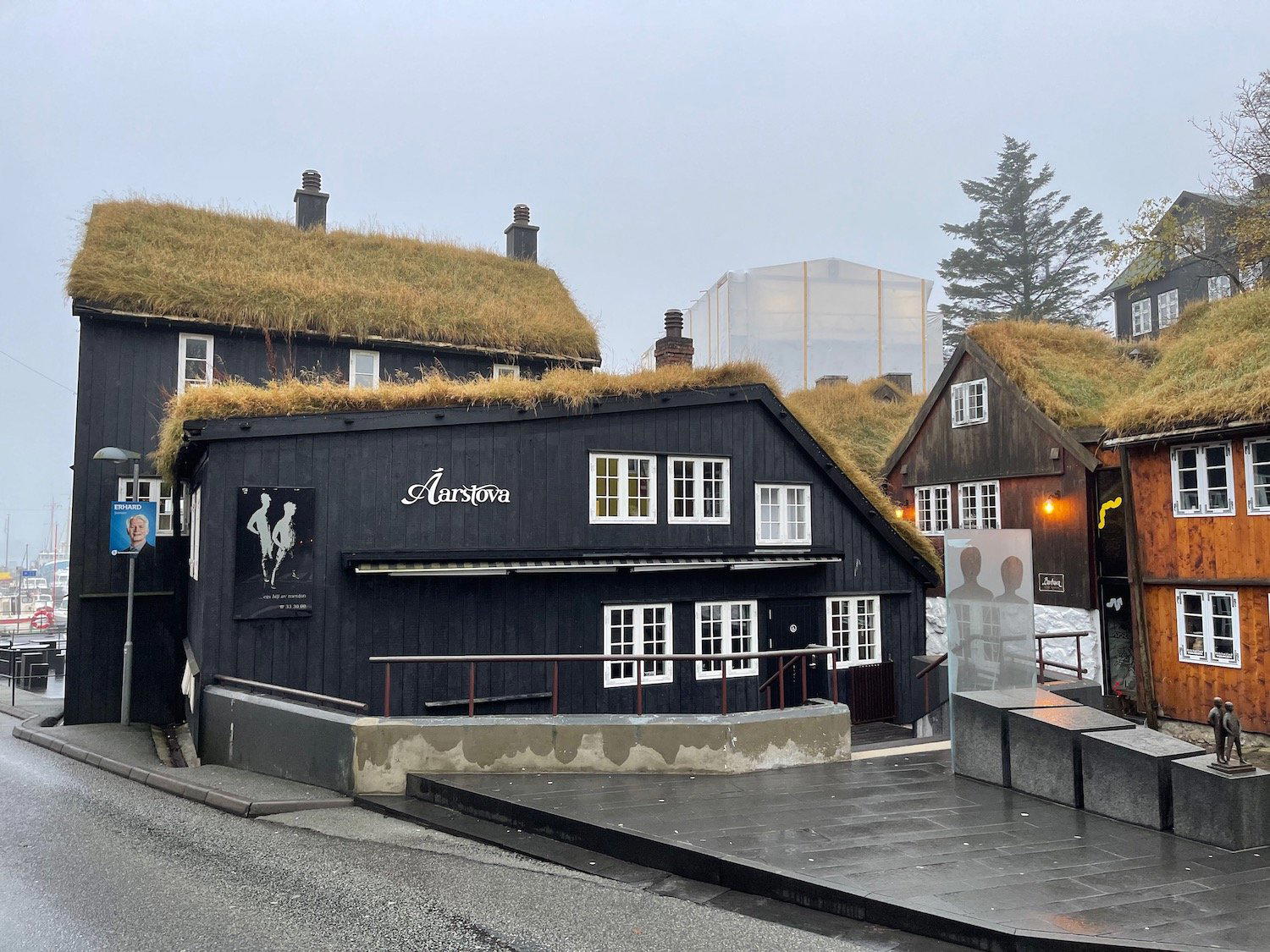
.jpg?1761070344)
At a Glance
- Cozy
- Rustic
- Intimate
- Date Night
- Special Occasion
- Historic Building
- Extensive Wine List
- Local Sourcing
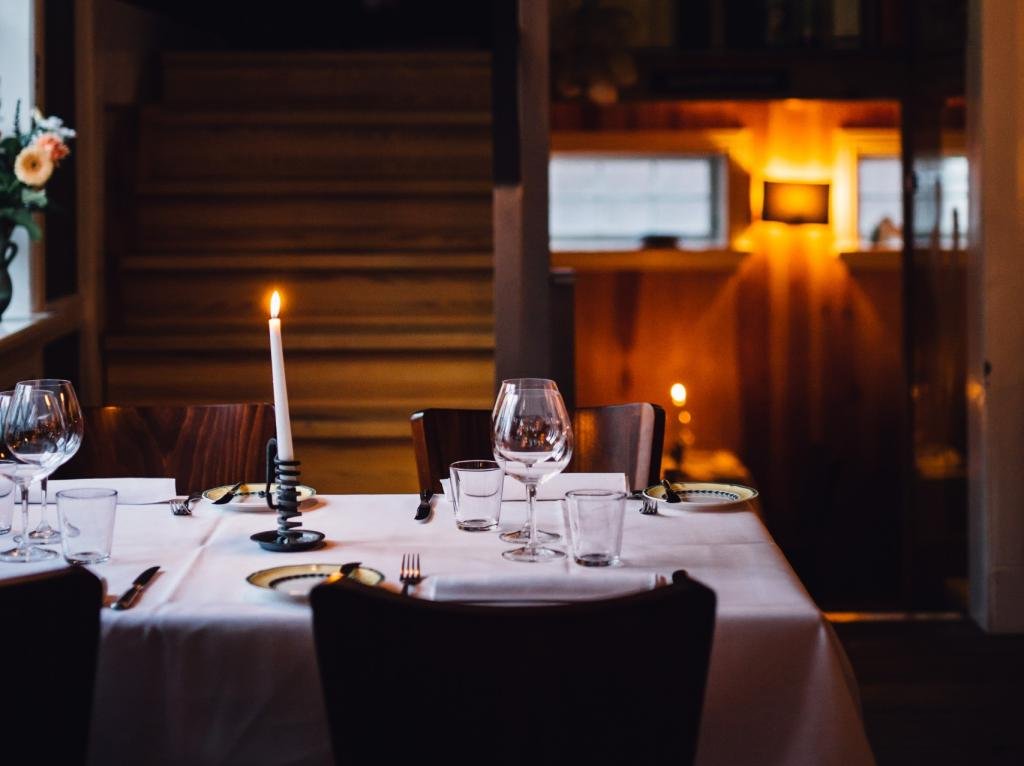
Charming old wooden cottage with turf roof, hardwood floors, wooden tables, antiques, framed photos, and candlelight creating Nordic coziness.