Bitin

Our verdict
Bitin sits at 12 Niels Finsens gøta in Tórshavn, placing it within one of the North Atlantic's most quietly concentrated dining scenes. The Faroe Islands have built a reputation for cuisine that draws directly from ocean and upland terrain, and Bitin operates within that tradition. For context on how it fits among its neighbours, the full Tinghusgar Ur restaurants guide maps the wider picture.

Pearl is the En Primeur Club membership app, where members save venues, book tables and use the concierge.
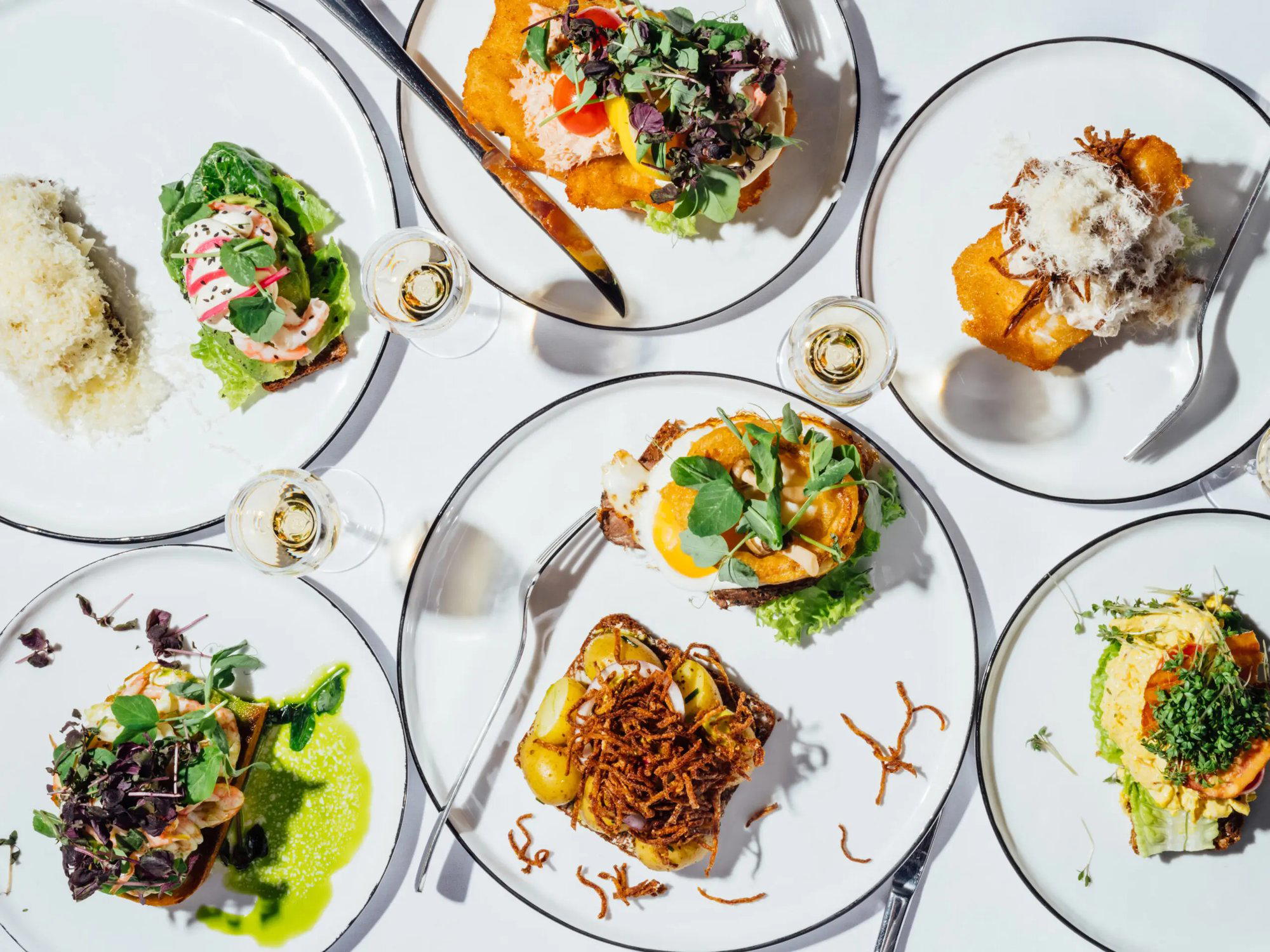
The menu
What to order
- Open-face sandwich with beef tenderloin
- Shrimp open-faced sandwich
Where the North Atlantic Comes to the Table
Approach Tórshavn on a grey morning and the harbour reads like a compressed argument for restraint: dark timber cladding, low rooflines, boats that work for a living. The architecture is not decorative, and neither, historically, has been the food. Faroese cuisine grew from necessity, shaped by a maritime climate that offers short growing seasons, cold-water fish in abundance, and a tradition of wind-drying and fermentation that long predates any contemporary interest in Nordic preservation techniques. Bitin, at 12 Niels Finsens gøta, sits inside this tradition rather than apart from it. The address places it within walking distance of the old town centre, in a city small enough that most of its serious restaurants are a short walk from the waterfront.
The Faroe Islands occupy a specific position in the wider conversation about North Atlantic cooking. They are neither Scandinavian in the continental sense nor Icelandic, though they share with both a dependence on what the sea and the weather permit. The local larder is defined by lamb grazed on salt-exposed hillsides, cod, haddock, and the fermented mutton known as skerpikjøt, which takes months of outdoor drying to reach the concentrated, almost mineral intensity that Faroese cooks treat as a baseline flavour rather than a speciality. For visitors arriving from the restaurant cultures of, say, Le Bernardin in New York City or Uliassi in Senigallia, where the sea's produce is handled with classical precision and abundant technique, the Faroese approach can initially read as austere. It is better understood as disciplined fidelity to ingredient.
The Scene in Tinghusgar Ur
Tórshavn's dining scene is compact by any measure. The capital of roughly 22,000 people supports a range of restaurants that punch considerably above what population figures would predict, in part because the islands' tourism has grown substantially over the past decade and in part because local food culture has always been serious about its own traditions. Barbara and Húsagarður operate within the same general neighbourhood, while THE TARV Grillhouse and Áarstova represent different points on the formality spectrum. Together they form a peer group in which proximity is part of the dynamic: a city this size means reputations travel fast and kitchens are acutely aware of each other. That concentration rewards the visitor willing to eat seriously across multiple nights rather than defaulting to a single reservation.
Compared with the tasting-menu formalism that defines restaurants such as Atomix in New York City or the deep Alpine terroir commitment at Atelier Moessmer Norbert Niederkofler in Brunico, Tórshavn's better restaurants tend toward a more direct relationship between raw material and plate. There is less mediation, fewer baroque technique layers. The question the kitchens are answering is closer to: what does this lamb, this fish, this preserved meat actually taste like? That editorial position suits the islands' identity and increasingly attracts visitors who have tired of high-concept tasting menus in favour of something more grounded.
Cultural Roots and What They Mean at the Table
Understanding Faroese food culture requires understanding that fermentation and preservation here are not revival projects. They are continuous practices. Skerpikjøt has been produced in the same way for centuries, hung in wooden sheds called hjallur, exposed to the island's particular combination of salt air, wind, and cold. The flavour profile is assertive by any measure, and it appears in various forms across the local menu: as a starter component, a flavouring agent, sometimes as the centrepiece of a dish designed to let the ingredient make its case unadorned. Restaurants in this tradition are not interpreting heritage for a tourist audience; they are cooking what people here have always eaten, with the craft adjustments that come from paying attention over time.
That cultural continuity places Faroese dining in an interesting comparative position. Unlike, say, the kind of deep regional Italian cooking found at Dal Pescatore in Runate or the coastal southern Italian focus at Quattro Passi in Marina del Cantone, where a documented culinary grammar built over generations now operates as high-end restaurant culture, Faroese cuisine is still in the process of being articulated as a fine dining proposition. The tension between everyday tradition and formal presentation is visible and unresolved, which makes it more interesting to eat through than a scene that has already settled its own terms.
Those planning multiple meals in Tórshavn will find useful regional comparison points at PAZ in Tórshavn and Barbara in Torshavn, both of which approach the local larder from slightly different angles. Further afield, restaurants working within a similar logic of place-driven restraint, including Reale in Castel di Sangro and HAJIME in Osaka, offer instructive comparisons for readers calibrating how much technique ought to sit between an ingredient and the diner.
Visiting Bitin: What to Know Before You Go
The address, 12 Niels Finsens gøta, is in central Tórshavn, navigable on foot from the harbour and the old town. Tórshavn itself is served by Vágar Airport, roughly 45 kilometres west of the city centre, with connections through Copenhagen and Reykjavik. The drive into town takes around 50 minutes via the undersea tunnel system that links the main islands. Because the city's dining scene is genuinely compact, booking ahead is advisable for any restaurant operating at the upper end of the local tier; the visitor-to-seat ratio tightens considerably during summer months, when daylight is long and the islands draw their highest footfall. The full Tinghusgar Ur restaurants guide covers timing and neighbourhood detail across the wider scene. Venues in this peer group have tended to operate across lunch and dinner formats, though specific hours for Bitin are best confirmed directly given the pace at which the local scene evolves. For readers who have eaten at comparable experience-forward destinations such as Lazy Bear in San Francisco, Emeril's in New Orleans, or the riverside formality of Waterside Inn in Bray, Bitin will register as a different proposition in almost every operational dimension, and that difference is the point.
Frequently asked questions
Is Bitin okay with children?
Tórshavn's dining culture is generally relaxed and family-oriented, reflecting the small-capital atmosphere of a city of roughly 22,000 people. Bitin sits in central Tórshavn at 12 Niels Finsens gøta, accessible on foot, which removes the logistics that can complicate family visits. check the venue's official channels to confirm any specific arrangements, as children's provisions vary considerably across the Faroese dining scene.
What kind of setting is Bitin?
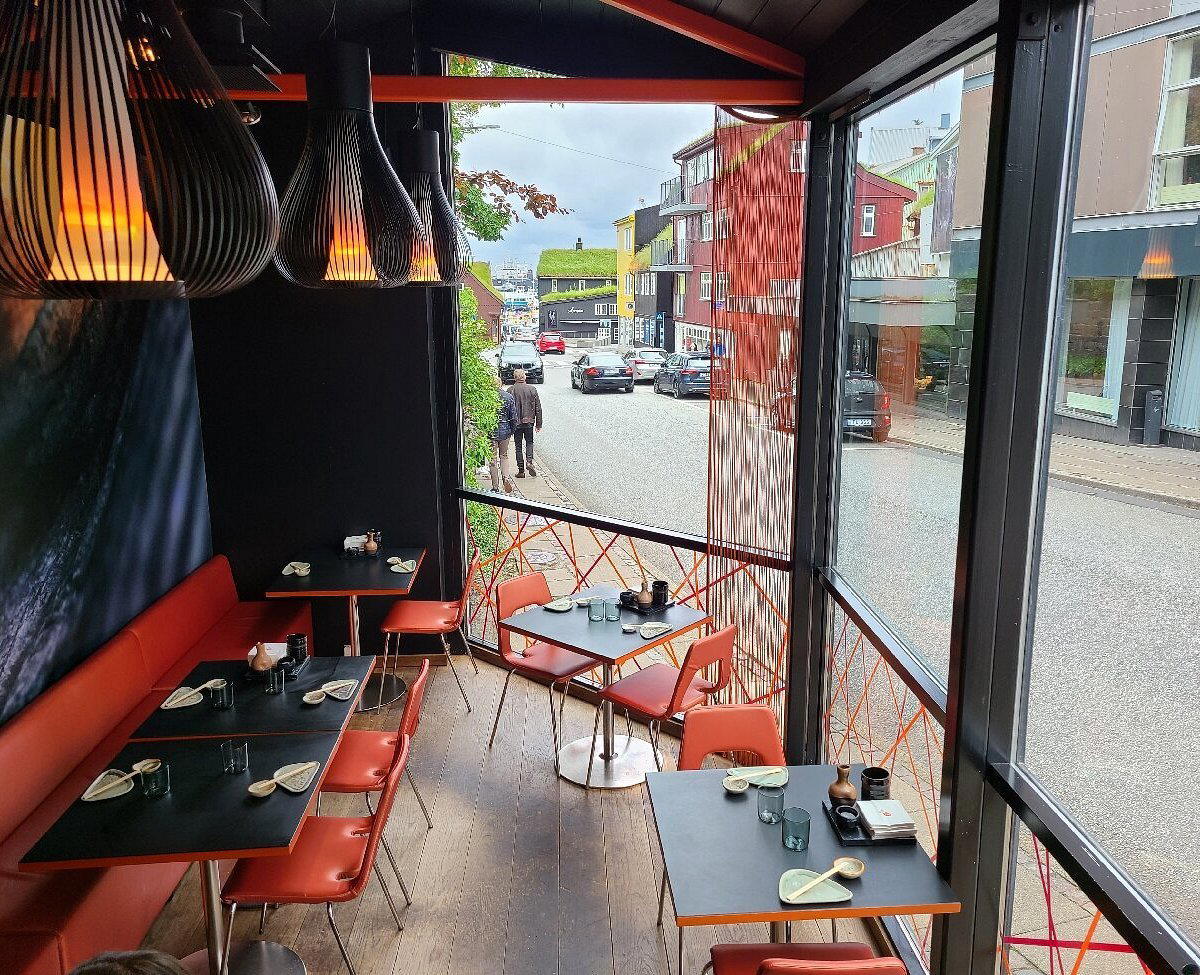
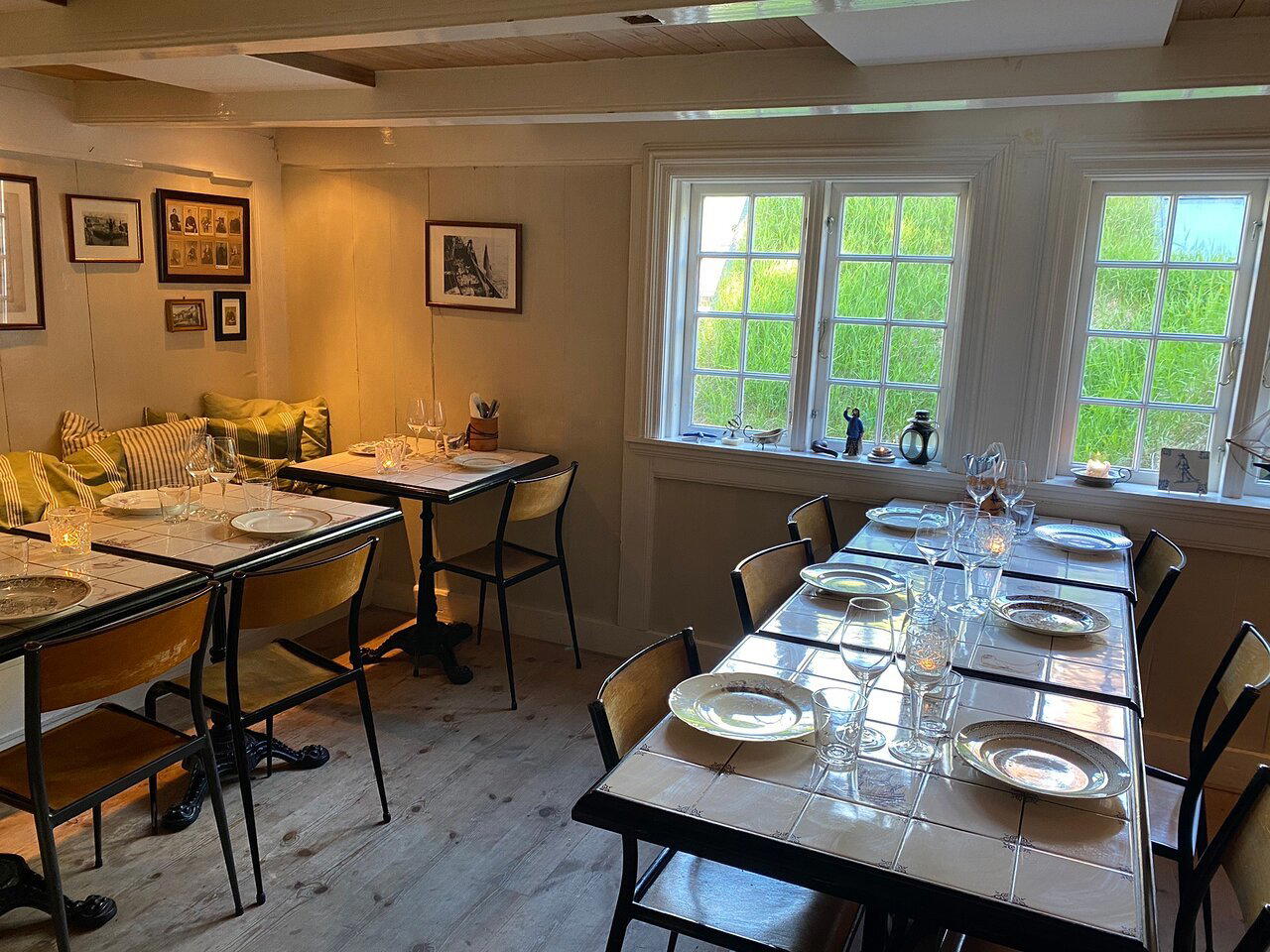
Bitin is located at 12 Niels Finsens gøta in central Tórshavn, within walking distance of the harbour and old town. The surrounding neighbourhood, Tinghusgar Ur, reflects the architectural restraint characteristic of the Faroese capital: low-profile buildings, dark timber, and a pace that favours considered rather than theatrical dining. The setting aligns with Tórshavn's broader dining register, where rooms tend toward the unfussy and the food carries the weight.
Does Bitin represent a good introduction to traditional Faroese food culture?
For visitors arriving in Tórshavn with limited prior exposure to Faroese cuisine, a restaurant in the Tinghusgar Ur neighbourhood of the capital offers a grounded entry point into a food culture built around North Atlantic ingredients and centuries-old preservation methods. Tórshavn's dining scene is compact, which means individual restaurants carry significant weight in shaping a visitor's overall read of Faroese cooking. Confirm the current format and any booking requirements directly with Bitin at 12 Niels Finsens gøta before visiting.
What should I eat at Bitin?
Faroese restaurants in Tórshavn draw heavily on the archipelago's preservation traditions, where fermentation, drying, and salting are continuous practices rather than recent revivals. At a venue in this context, expect preparations shaped by those methods: ingredients sourced from the North Atlantic and treated according to techniques that predate modern refrigeration. Specific current dishes are best confirmed with Bitin directly, as menus across Tórshavn's dining scene shift with season and supply.
Booking and Cost Snapshot
Comparable venues nearby, for context on price, style, and recognition.
| Venue | Cuisine | Price | Awards | Notes |
|---|---|---|---|---|
| BitinThis venue (the venue you are viewing) | New Nordic Sandwiches | $20–30 | Not listed | Not listed |
| Áarstova | Contemporary Scandinavian with Faroese Lamb & Seafood | $100–150 | Not listed | Tórshavn historic center, Faroese Lamb & Seafood |
| Barbara | Faroese Seafood Tapas | Not listed | Not listed | Tórshavn, Faroese Seafood Tapas |
| Húsagarður | Modern Nordic Cuisine | Not listed | Not listed | Tórshavn, Modern Nordic Cuisine |
| THE TARV Grillhouse | Faroese Grillhouse | Not listed | White Guide Denmark Restaurants - Masters Level | Tórshavn, Faroese Grillhouse |
| Áarstova | Not listed | Not listed | Not listed | Tórshavn Old Town, Contemporary Scandinavian with Faroese Lamb & Seafood |
Recognition history
Dated appearances from independent guides and award organizations, with the underlying list record or original source where available.
White Guide Denmark Restaurants - Very Fine Level
White Guide
Continue exploring
More in Tinghusgar Ur
Restaurants in Tinghusgar Ur
All restaurants in Tinghusgar Ur →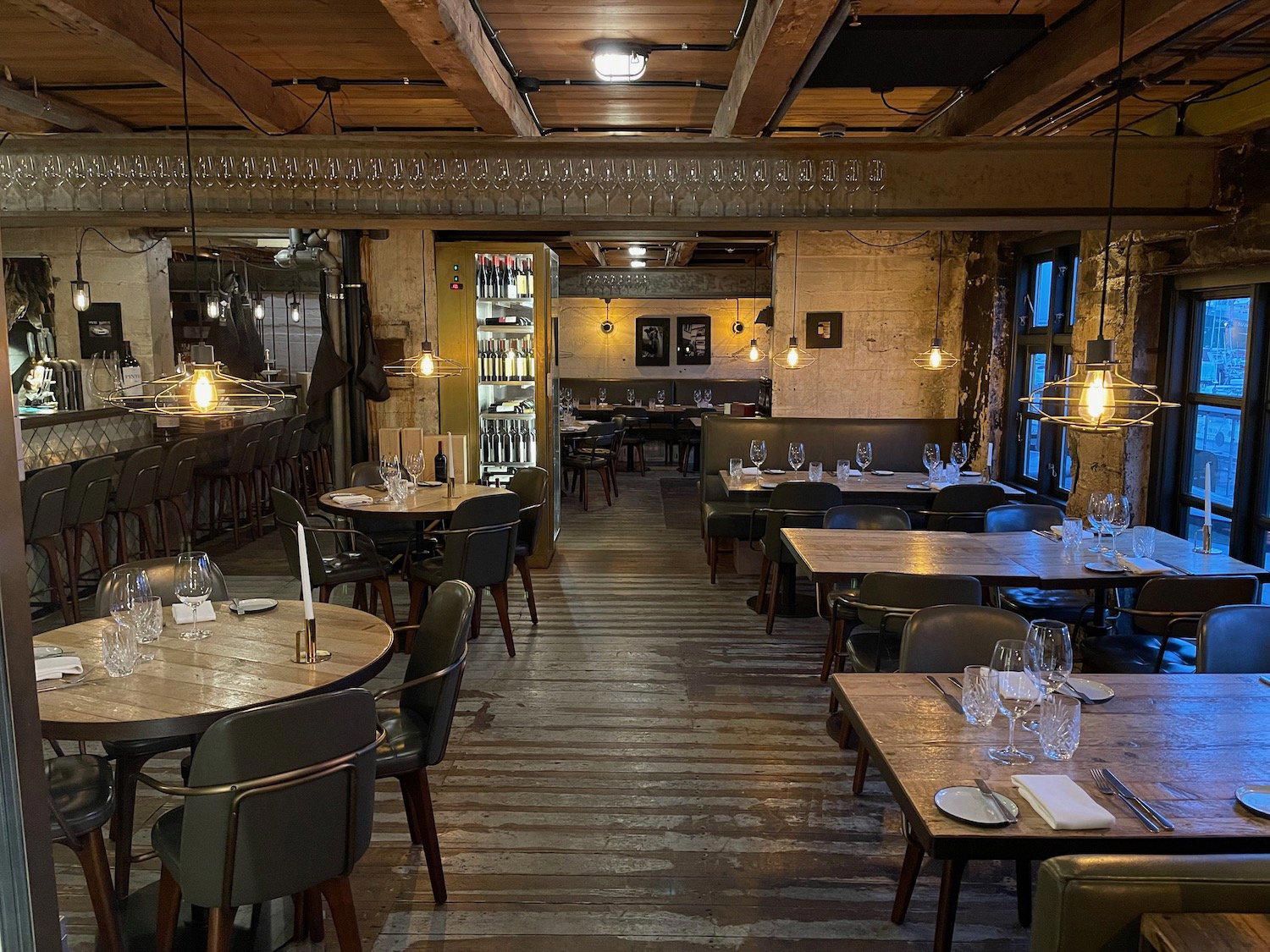
Hotels in Tinghusgar Ur
Browse all →
Details
- Cozy
- Modern
- Minimalist
- Casual Hangout
- Standalone
- Local Sourcing
- A La Carte
- Vegetarian Friendly
- Vegan Options
Current opening hours
- Monday
- 11 AM–3 PM
- Tuesday
- 11 AM–3 PM
- Wednesday
- 11 AM–3 PM
- Thursday
- 11 AM–3 PM
- Friday
- 11 AM–3 PM
- Saturday
- 11 AM–3 PM
- Sunday
- Closed
Hours can change for holidays and private events. Last verified .
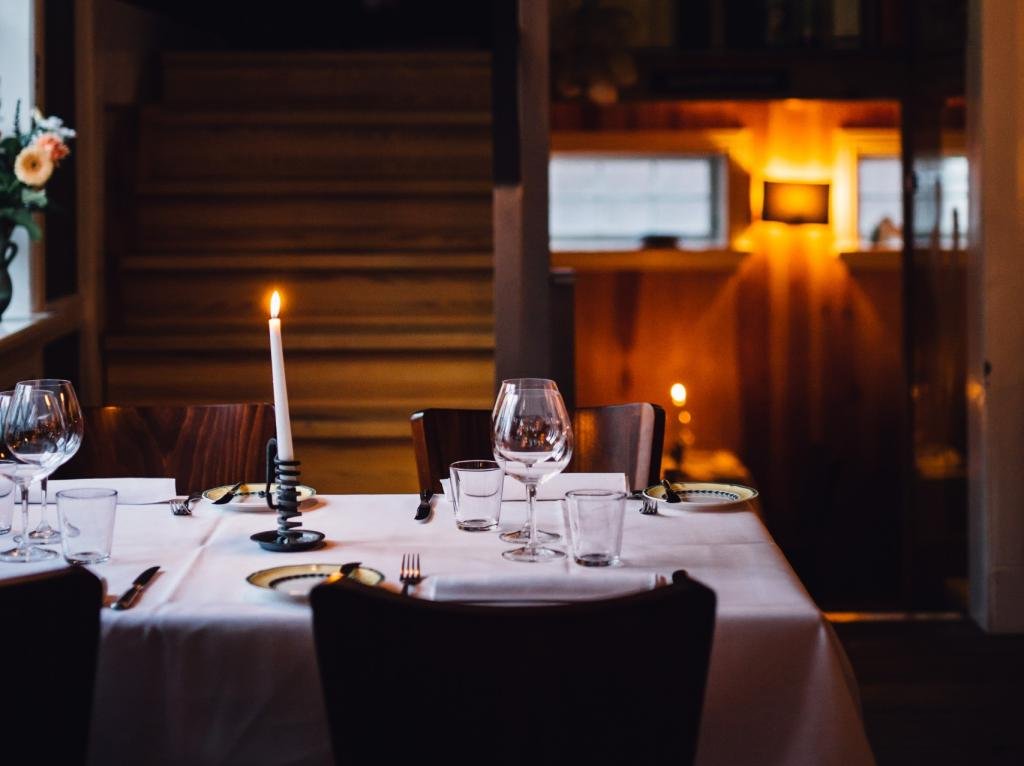
Warm coastal charm with soft lighting and minimalist décor echoing the islands' rugged yet inviting spirit.