Ardelle on Rue de Behogne 15 in Rochefort serves bistronomic French-Belgian cooking with a sommelier-led beverage program and local sourcing for dinner.
Pearl is the En Primeur Club membership app — saves, bookings, and concierge access live there. Same editors, same standards.
- Address
- Rue de Behogne 15, 5580 Rochefort, Belgium
- Phone
- +3284411142
- Website
- ardellerestaurant.com
- Directions
- Get directions
 Saves & bookings on Pearl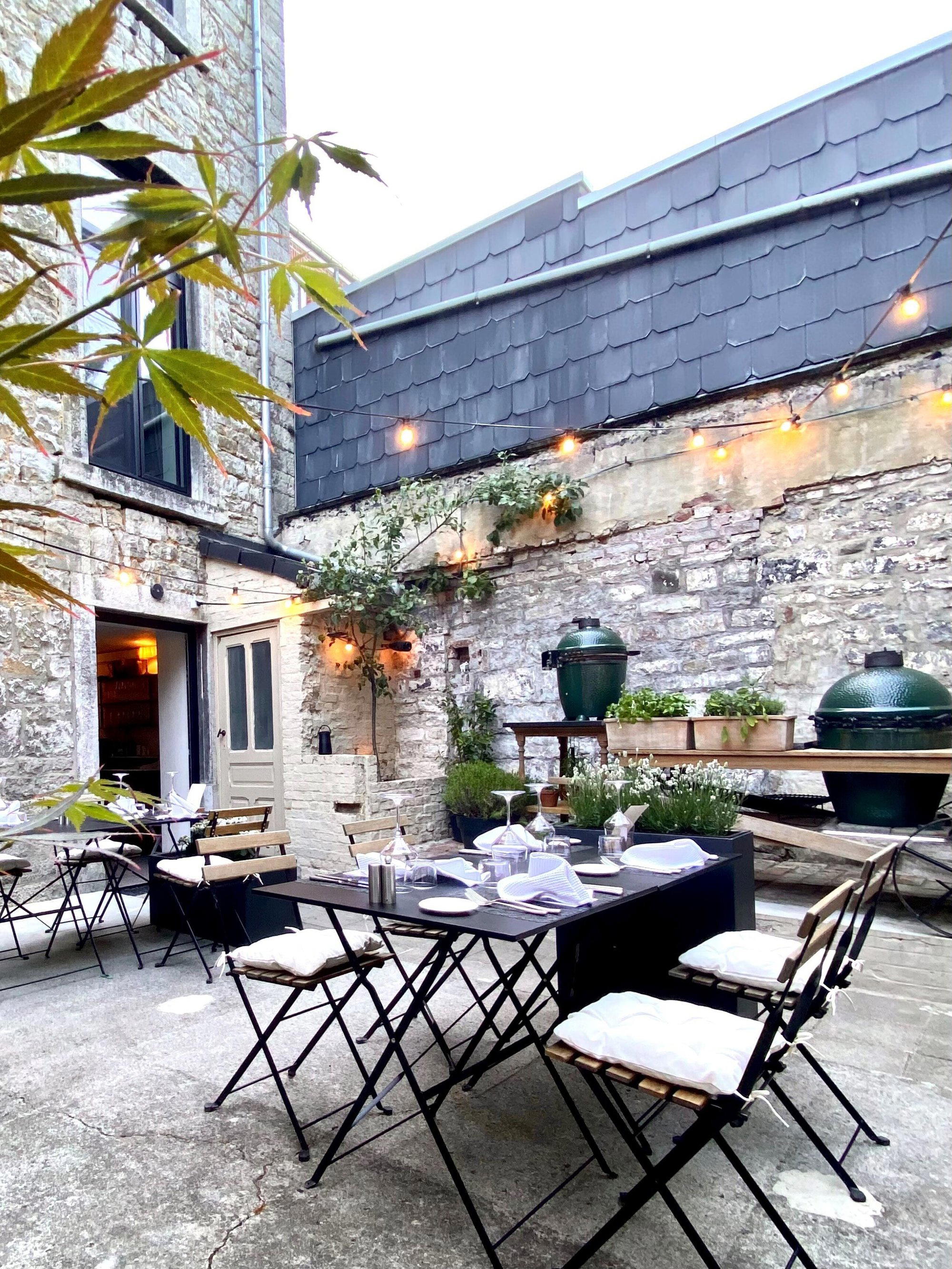
Rochefort's Quiet Table
The Ardennes borderlands around Rochefort have a particular quality that shapes how kitchens here tend to operate. The region sits at the convergence of deep forest, limestone karst, and agricultural smallholdings that have supplied local tables for generations. Restaurants in this part of the Belgian province of Namur rarely compete on urban spectacle; they compete on what arrives at the back door each morning. Ardelle, at Rue de Behogne 15 in Rochefort, sits inside that tradition. The address is residential in character, the approach unhurried, and the room, by all indications, oriented toward the kind of meal where sourcing is the argument rather than the decoration.
That ingredient-first posture is not incidental to dining in this corner of Belgium. The Ardennes supplies wild game, foraged mushrooms, river fish, and artisan dairy in quantities that the Flemish coast and central Brussels cannot easily replicate. For kitchens willing to work with that supply chain directly, it produces a different result than kitchens importing premium product from further afield. What arrives on the plate has less distance to travel, and in some categories, that provenance is audible in the flavour. Rochefort sits at the centre of that geography, which gives even a modest dining room considerable raw material to work with.
Ingredient Sourcing in the Ardennes Tradition
Belgian fine dining has spent the better part of two decades moving toward regional identity over French-inflected universalism. Properties like Hof van Cleve in Kruishoutem and Boury in Roeselare have embedded local sourcing into menus that still compete at the country's highest tier. In the Walloon interior, the same logic plays out at a more intimate scale. Rochefort's kitchens are not chasing the same recognition infrastructure as Zilte in Antwerp or Bozar in Brussels, but they operate with a raw-material advantage that those city addresses cannot replicate without considerable logistics.
The Ardennes larder is specific. Wild boar from managed forests, trout from the Lesse and Lomme rivers, local goat cheese from farms within cycling distance, and seasonal fungi that follow the woodland calendar rather than a distributor's catalogue. Kitchens that lock into that supply network tend to produce menus that shift month to month in a way that fixed printed menus cannot. The question, for any table in this region, is how deeply that sourcing commitment runs and whether the kitchen has the technical range to express the ingredient rather than obscure it.
Across Belgian fine dining, the tension between Walloon and Flemish identities has produced two distinct sourcing cultures. Flemish kitchens have historically looked to the North Sea and market gardens of the polders. Walloon kitchens draw from forest and upland farm. Ardelle's location in Rochefort places it firmly in the second tradition, where autumn means game and wild mushroom, winter means root and preserved, and spring brings the first river fish and foraged greens before the summer growing season fills the larder again. Readers interested in how other addresses approach this regional distinction can find context in Willem Hiele in Oudenburg and Vrijmoed in Gent, both of which have built reputations on precisely this kind of sourcing discipline.
Rochefort as a Dining Address
Rochefort is a small city of roughly 12,000 residents, known internationally for the Trappist abbey that has brewed beer within its walls since the seventeenth century. That monastic production culture, which prizes patience, craft, and locality over scale, is not entirely disconnected from how the better dining tables in the area position themselves. The city attracts a travelling visitor base that arrives primarily through its outdoor leisure offer, the caves at Han-sur-Lesse, and the Ardennes cycling and walking infrastructure. Those visitors, once at a table, tend to want a meal that reflects the landscape they have spent the day moving through. Kitchens that read that expectation correctly and source accordingly tend to hold their audience across seasons.
Within Rochefort, Ardelle sits alongside a cluster of dining options that serve different parts of the market. L'Incontournable operates in French Contemporary territory at a mid-range price point. L'Ôthentique, La Cantina - Vivre[s], LA CORDERIE ROYALE, and Le Cap Nell round out the local set. The city does not have the density of a major Flemish dining hub, which means each kitchen tends to occupy a distinct niche rather than competing head-to-head with a dozen near-identical peers. Our full Rochefort restaurants guide maps that set in detail.
Internationally, tables that have built reputations on sourcing-first philosophies in similarly unprepossessing locations offer a useful frame. Lazy Bear in San Francisco built its model around a communal, produce-led format in a neighbourhood that initially seemed unlikely for serious dining. Le Bernardin in New York remains the clearest example of letting a single ingredient category, in that case fish, define an entire kitchen's identity rather than diluting across a broad menu. Both cases argue that geography and sourcing conviction can substitute for urban prestige infrastructure when the execution is consistent. Within Belgium, d'Eugénie à Emilie in Baudour, La Durée in Izegem, Cuchara in Lommel, and Ralf Berendsen in Neerharen each illustrate how provincial addresses can accumulate serious reputations when the sourcing story is genuine and the technique is sound.
Planning a Visit
Rochefort sits approximately 115 kilometres southeast of Brussels by road, a drive of around 90 minutes depending on traffic through the Namur corridor. The town is accessible by train via Jemelle station, though a car remains the practical choice for exploring the wider Ardennes region around a meal. Ardelle's address at Rue de Behogne 15 places it within the residential fabric of the town rather than on a commercial dining strip, which is consistent with the low-key positioning common among sourcing-focused kitchens in the region. Specific booking details, hours, and pricing are not published in the current record; contacting the venue directly before planning travel from outside the region is advisable.
How Ardelle Rochefort compares with similar nearby venues.
| Venue | Cuisine | Price |
|---|---|---|
| L'Incontournable | French Contemporary | €€ |
| L'Ôthentique | Country cooking | €€ |
Continue exploring
More in Rochefort
Restaurants in Rochefort
Browse all →
Bars in Rochefort
Browse all →
Hotels in Rochefort
Browse all →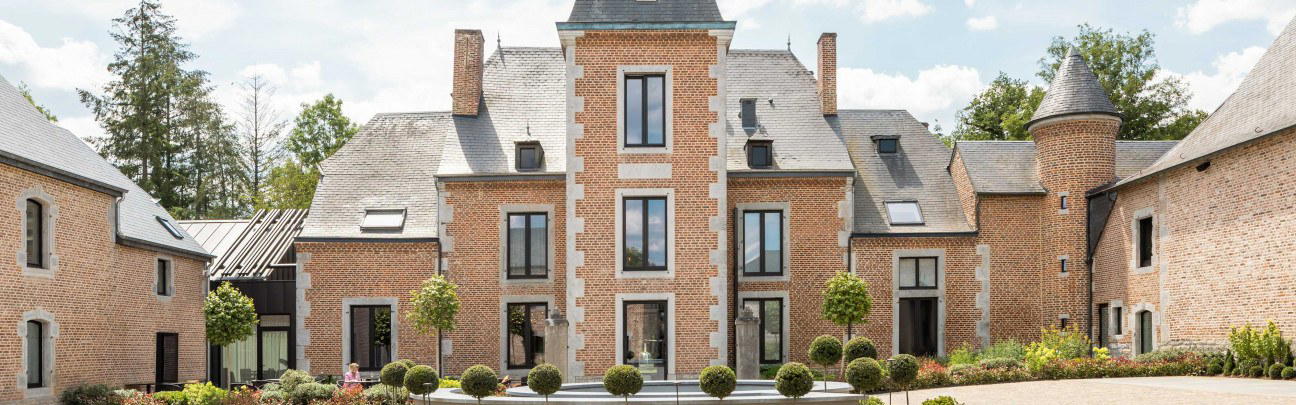
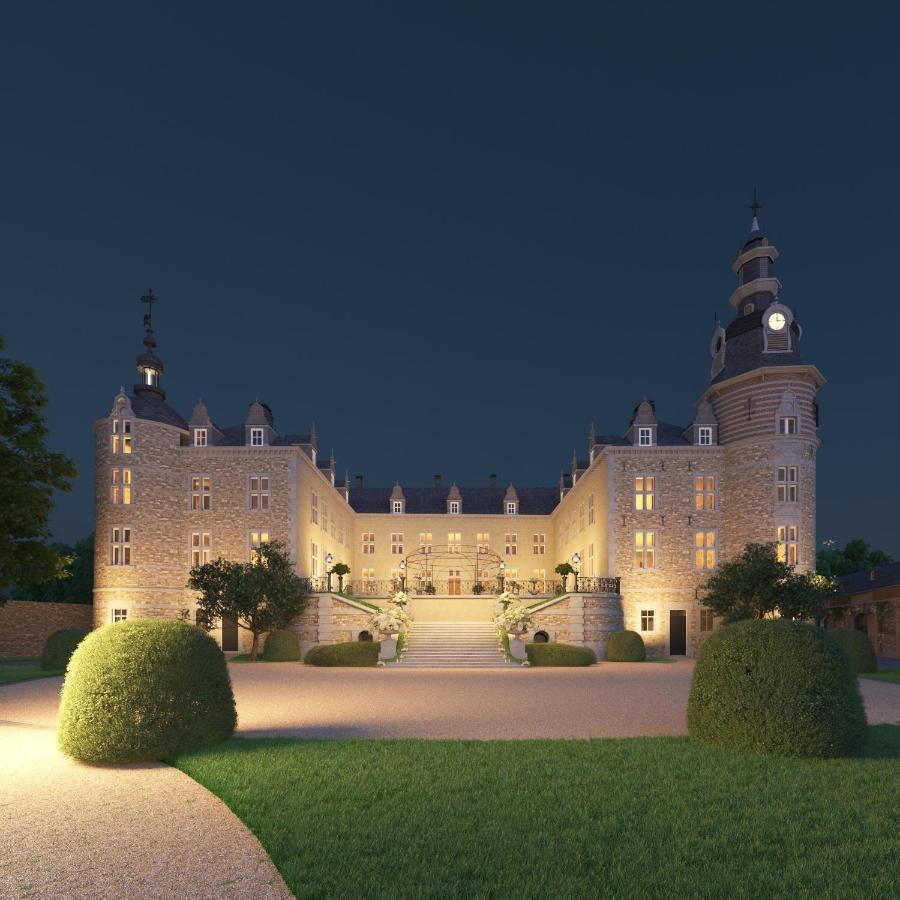
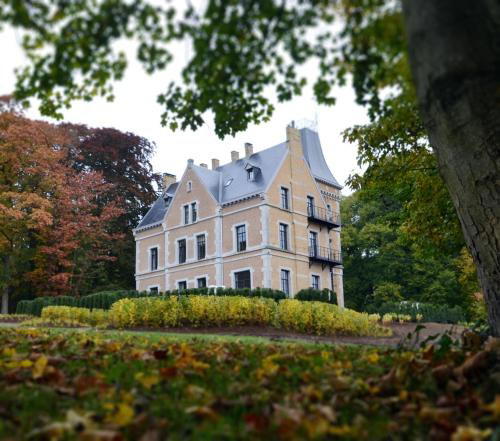
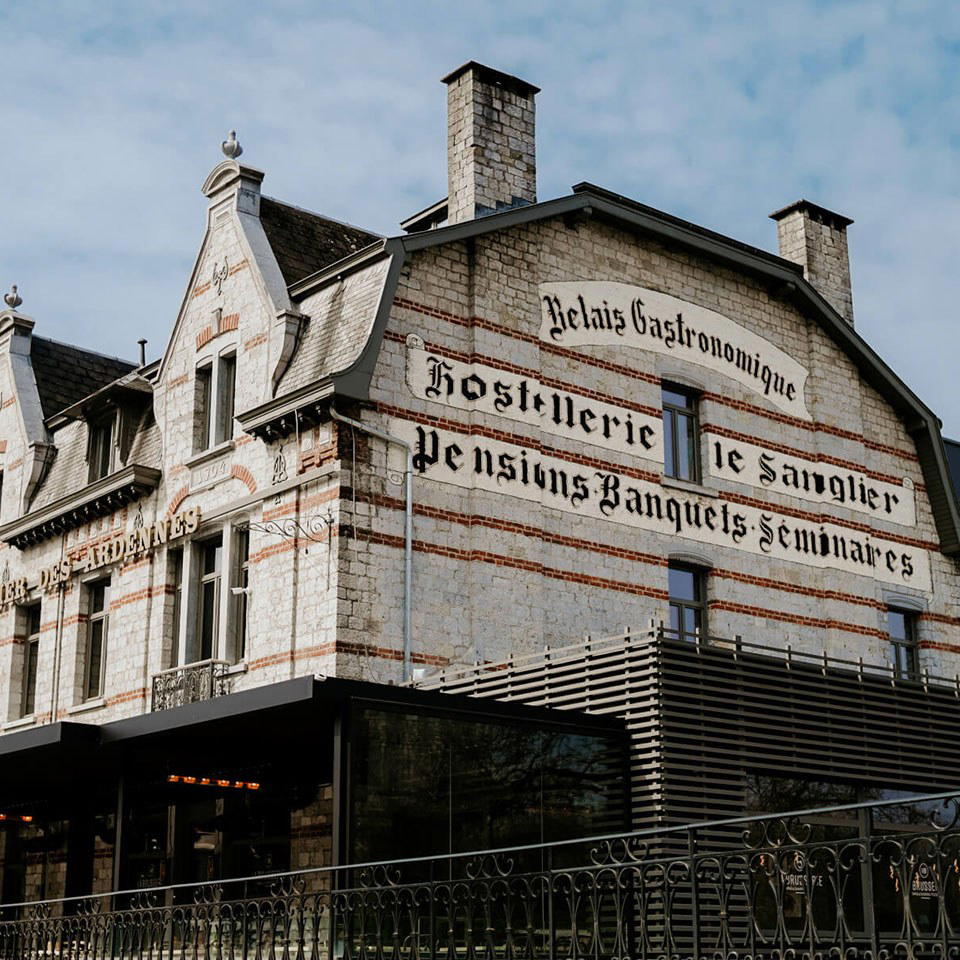
Wineries in Rochefort
Browse all →

At a Glance
- Cozy
- Intimate
- Elegant
- Date Night
- Special Occasion
- Open Kitchen
- Sommelier Led
- Local Sourcing
Current opening hours
- Monday
- 7:15–11 PM
- Tuesday
- Closed
- Wednesday
- Closed
- Thursday
- Closed
- Friday
- 7:15–11 PM
- Saturday
- 7:15–11 PM
- Sunday
- 12:15–4 PM
Hours can change for holidays and private events. Last verified .
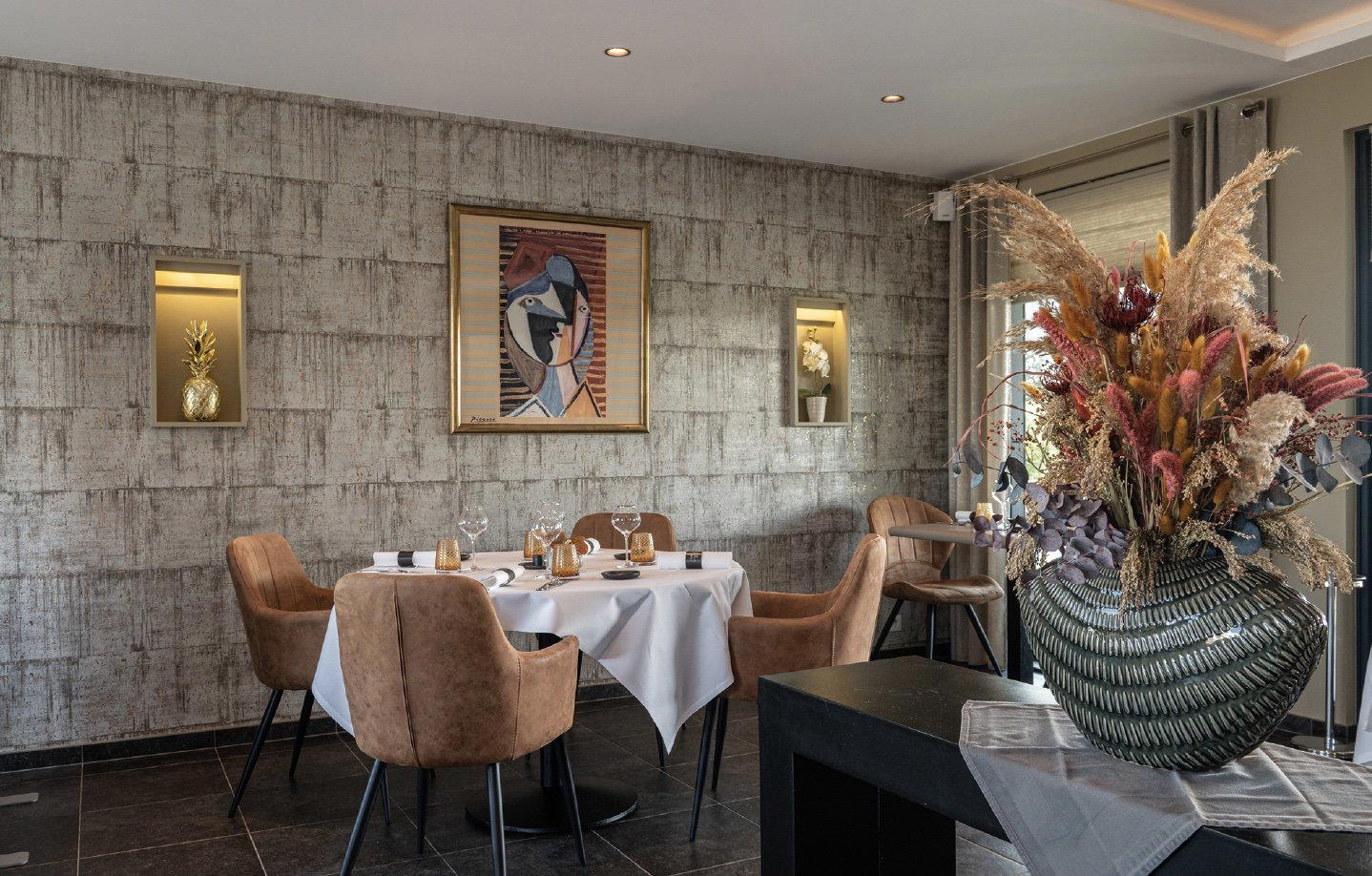
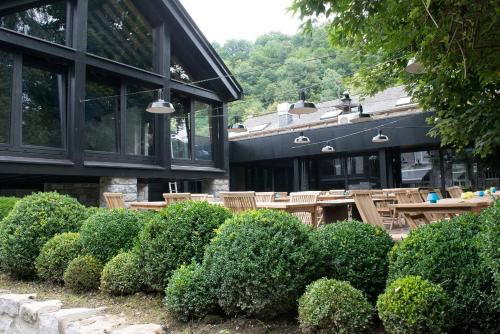
Stylish and cozy living room atmosphere with retro interior and Ardennes accents, creating a welcoming, almost private feel.
Know Before You Go
- Getting there
- Rue de Behogne 15, 5580 Rochefort, Belgium