Somewhere
Located on Level 1 of The Dubai Mall's New Extension, Somewhere sits inside one of the world's highest-traffic retail destinations, where the challenge for any restaurant is carving out a sense of place amid relentless footfall. The venue draws on the collaborative energy between kitchen, floor, and bar that defines Dubai's more considered mid-to-upper dining tier. Downtown Dubai's density of options makes context essential before you commit a table.
Pearl is the En Primeur Club membership app — saves, bookings, and concierge access live there. Same editors, same standards.
- Address
- Unit FF - 305 Level 1 New Extension, The Dubai Mall - Downtown Dubai - Dubai - United Arab Emirates
- Phone
- +971600555551
- Website
- letustakeyousomewhere.com
- Directions
- Get directions
 Saves & bookings on Pearl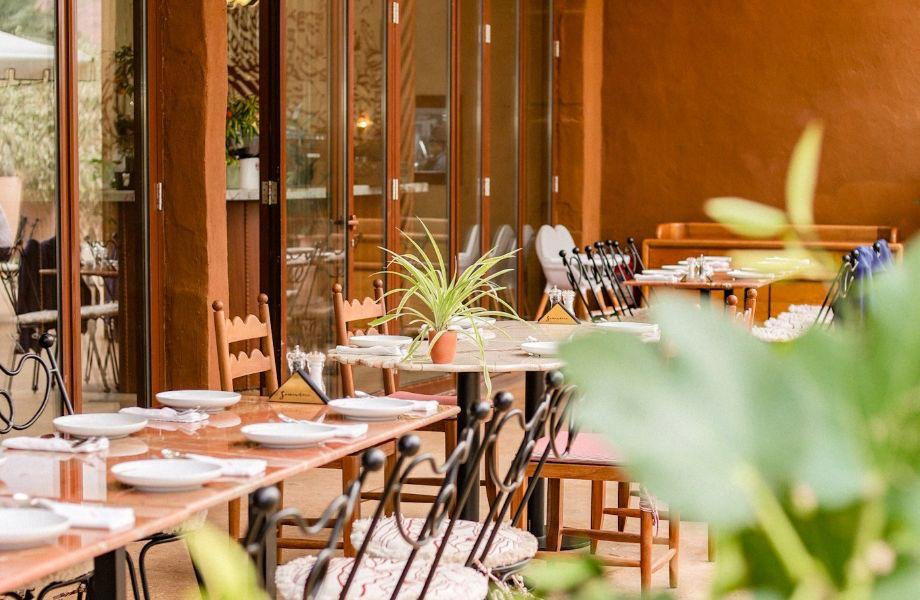
Dining Inside the Machine: What It Means to Eat at The Dubai Mall
The Dubai Mall's restaurant tier has evolved accordingly. What began as a support layer for shoppers has, over the past decade, split into two distinct categories: convenience-led formats aimed at foot traffic, and destination restaurants that operate independently of the mall's retail logic. Somewhere is a restaurant in Downtown Dubai serving Modern Middle Eastern Fusion, with. Positioned on Level 1 of the New Extension, it occupies a space where that distinction matters. The address is functional, Unit FF-305, accessible from the mall's sprawling interior, but the question any serious diner asks is whether the room works against the location or in spite of it.
Downtown Dubai, where The Dubai Mall sits, is one of the emirate's most densely programmed dining zones. The neighbourhood runs from the base of Burj Khalifa outward through a grid of hotels, residences, and retail that contains some of the city's most-reviewed tables. At.mosphere, occupying the 122nd floor of Burj Khalifa, operates at the $$$$ price point and draws diners for the altitude as much as the Modern European menu. Zuma, a few minutes away, holds a different position: a Japanese contemporary format that has built a consistent following across multiple international cities. These are the comparative anchors against which any serious Downtown restaurant is measured, not just on food, but on whether the overall offer justifies the choice over its neighbours.
The Collaboration Model: How the Room Runs
Dubai's most coherent dining experiences in the current era share a structural quality: the kitchen, the floor, and the bar function as a single unit rather than separate departments. This is not a universal standard in a city where many restaurants are built around a name chef or a visual concept, with service and beverage programs treated as secondary logistics. The venues that hold attention beyond their opening season tend to be those where the front-of-house reads the room with the same precision the kitchen applies to the plate, and where the bar program connects thematically rather than running as a parallel offering.
At venues like Trèsind Studio, the integration between the kitchen's conceptual Indian cooking and the floor's choreographed service is what places it in a different tier from restaurants with comparable price points. Row on 45 operates with a similar discipline, where the creative format depends on front-of-house rhythm to land correctly. FZN by Björn Frantzén imports a Scandinavian precision that extends from mise en place to the way dishes are contextualised at the table. These are the operational standards that define Dubai's upper dining tier, and they set the benchmark against which any newcomer in the Downtown zone is assessed.
The collaborative team model matters more in a high-footfall mall environment than almost anywhere else. When the exterior is a shopping corridor and the visual approach of the entry competes with retail signage, the internal experience carries the full burden of establishing register. A sommelier who reads a table's pace, a floor team that calibrates formality without rigidity, a kitchen that communicates clearly through the menu's sequencing, these are not differentiators in this context so much as entry requirements.
Where Somewhere Sits in Dubai's Dining Geography
Dubai's restaurant scene has continued to layer upward since the mid-2010s. The arrival of internationally trained chefs, the expansion of multi-concept hospitality groups, and a sustained flow of high-spending visitors have compressed the gap between what was once considered ambitious and what is now simply expected at the upper-mid tier. 11 Woodfire and moonrise represent the creative end of that tier, formats built around a specific cooking logic rather than a broad appeal mandate.
Across the wider Gulf region, the pattern holds. Erth in Abu Dhabi draws a comparable audience by grounding its offer in Emirati culinary tradition, while AL NAWAB in Sharjah holds a distinct position as a regional South Asian reference point. Internationally, the model of a tightly run collaborative dining room, where each department amplifies the others, is well established. Le Bernardin in New York remains the clearest example of a floor operation that matches the kitchen's technical level over decades. Atomix, also in New York, demonstrates how a Korean tasting format becomes inseparable from the way it is narrated by the team. Lazy Bear in San Francisco built its reputation on the same principle, communal tables, a defined service arc, kitchen and floor working as a single performance. Alinea in Chicago took team integration to its most theatrical expression, where the distinction between service and kitchen barely exists. Further afield, 8½ Otto e Mezzo Bombana in Hong Kong, Amber, and Alain Ducasse at Louis XV in Monte Carlo each demonstrate how the collaborative model scales across format and price point. Alléno Paris au Pavillon Ledoyen and Aponiente in El Puerto de Santa María add further reference points for how a unified team translates into a coherent dining identity. Emeril's in New Orleans is a case study in how a strong service culture sustains a restaurant's reputation across changing culinary trends. These references are not casual comparisons, they describe the standard that Dubai's upper tier increasingly benchmarks against.
Planning a Visit: What to Know Before You Go
The Dubai Mall address means arrival logistics are primarily pedestrian from within the mall, with valet and underground parking available at the mall's standard facilities. Downtown Dubai is served by the Dubai Metro's Red Line, with the Burj Khalifa/Dubai Mall station a short covered walk from the mall entrance. For visitors coming from other parts of the city, the location is central enough that timing around mall peak hours, particularly weekend evenings and public holidays, is worth factoring into any booking decision.
In Context: Similar Options
Comparable venues nearby, for context on price, style, and recognition.
| Venue | Cuisine | Price | Notes |
|---|---|---|---|
| SomewhereThis venue — the venue you are viewing | Modern Middle Eastern Fusion | $$ | Not listed |
| Arabian Tea House Restaurant & Cafe - Al Fahidi, Dubai | Authentic Emirati | $$ | Al Souq Al Kabeer |
| Zaatar w Zeit - Sheikh Zayed Road | Lebanese Street Food | $$ | Al Satwa |
| L'Antica Pizzeria da Michele | Authentic Neapolitan Pizza | $$ | Al Wasl |
| Sardina Seafood Restaurant | Mediterranean Seafood | $$ | Umm Suqeim |
| 3 Fils Counter | Contemporary Asian with Japanese influence | $$$ | Jumeirah Fishing Harbour |
At a Glance
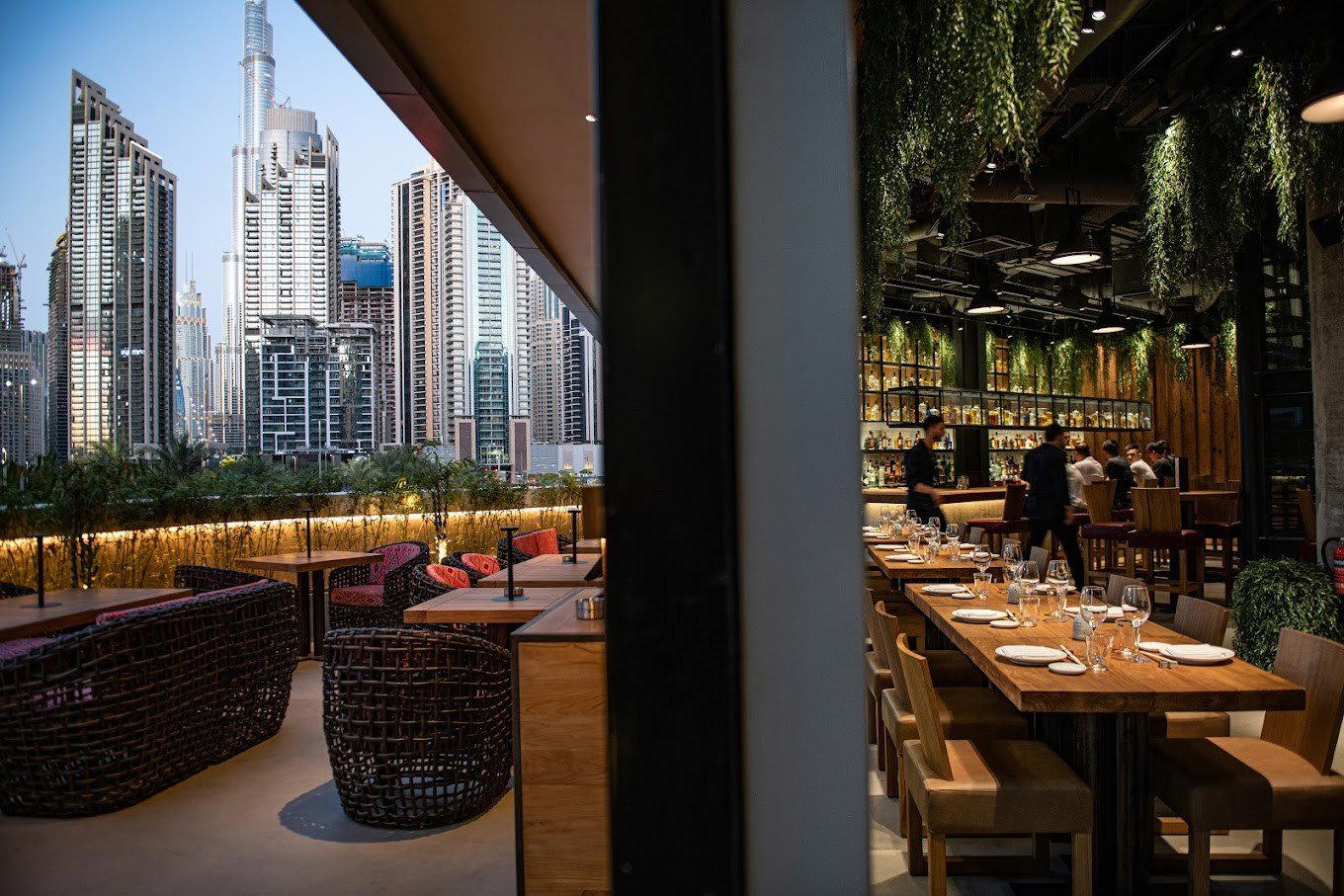
- Trendy
- Modern
- Cozy
- Elegant
- Date Night
- Family
- Group Dining
- Casual Hangout
- Terrace
- Panoramic View
- Rooftop
- Skyline
- Street Scene
Current opening hours
- Monday
- 9 AM–12 AM
- Tuesday
- 9 AM–12 AM
- Wednesday
- 9 AM–12 AM
- Thursday
- 9 AM–12 AM
- Friday
- 9 AM–1 AM
- Saturday
- 9 AM–1 AM
- Sunday
- 9 AM–1 AM
Hours can change for holidays and private events. Last verified .
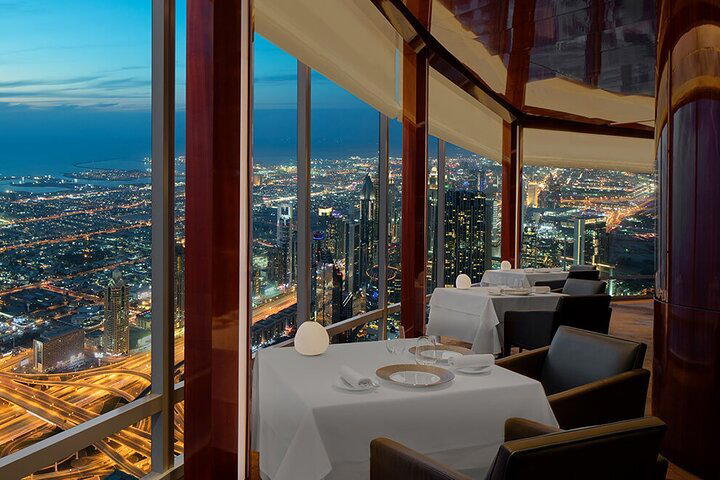
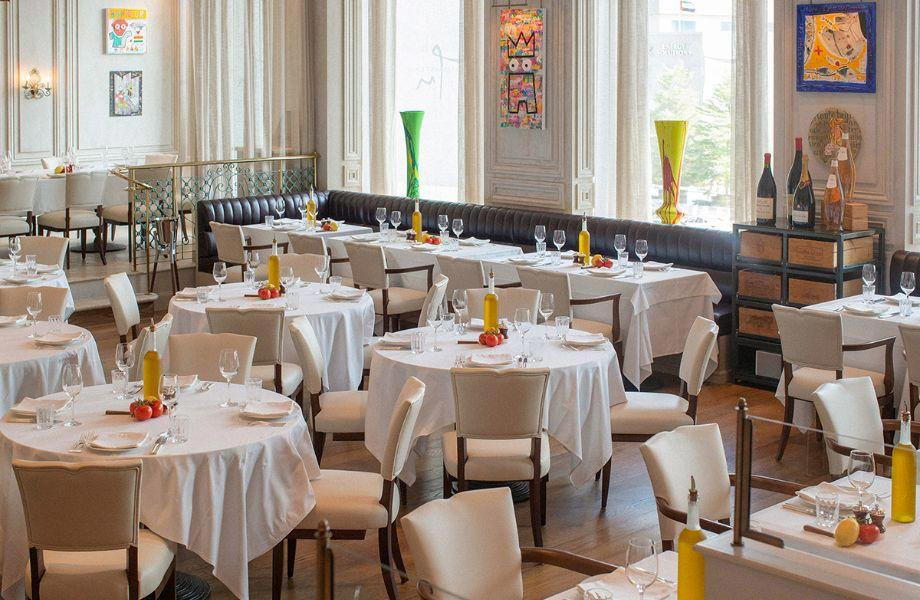
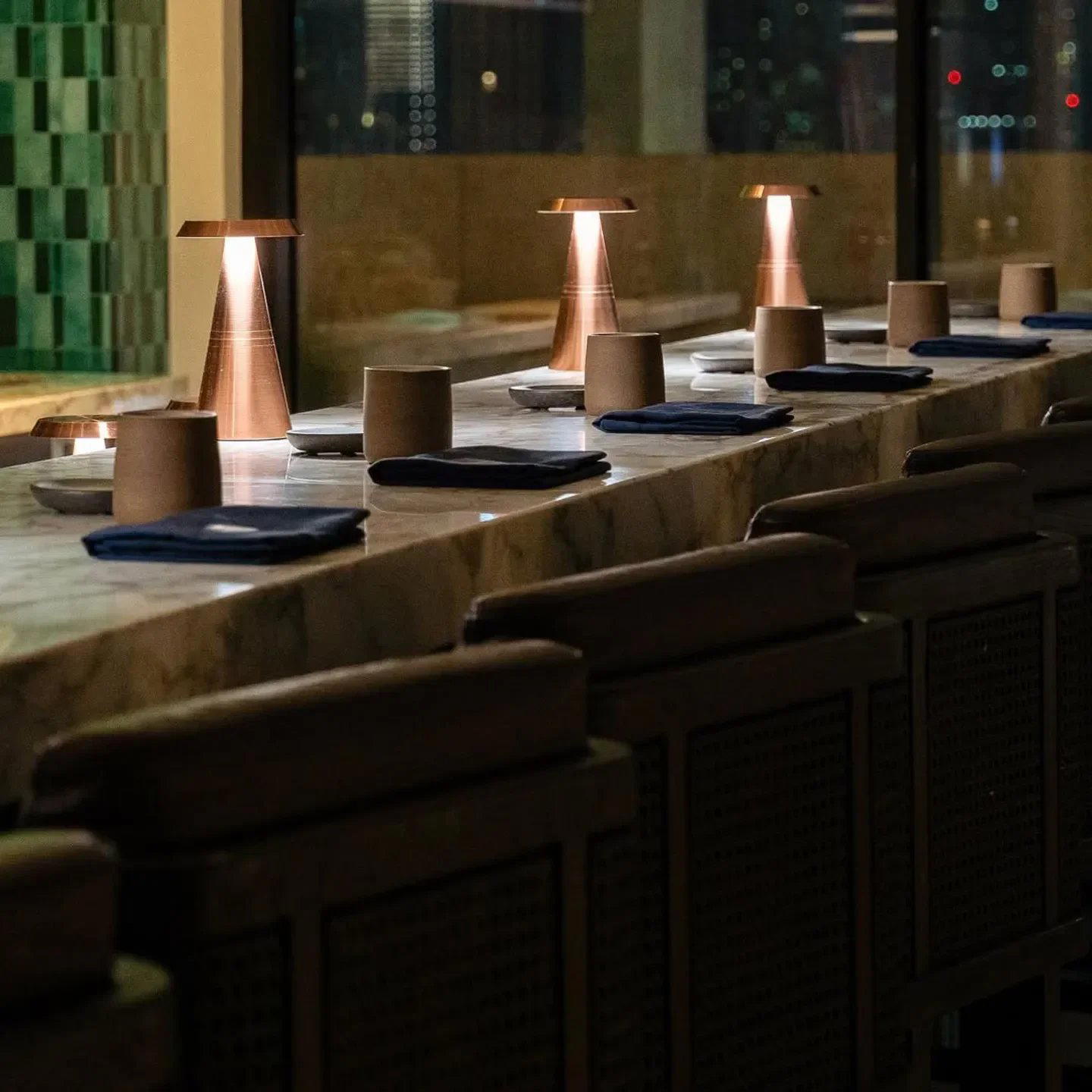
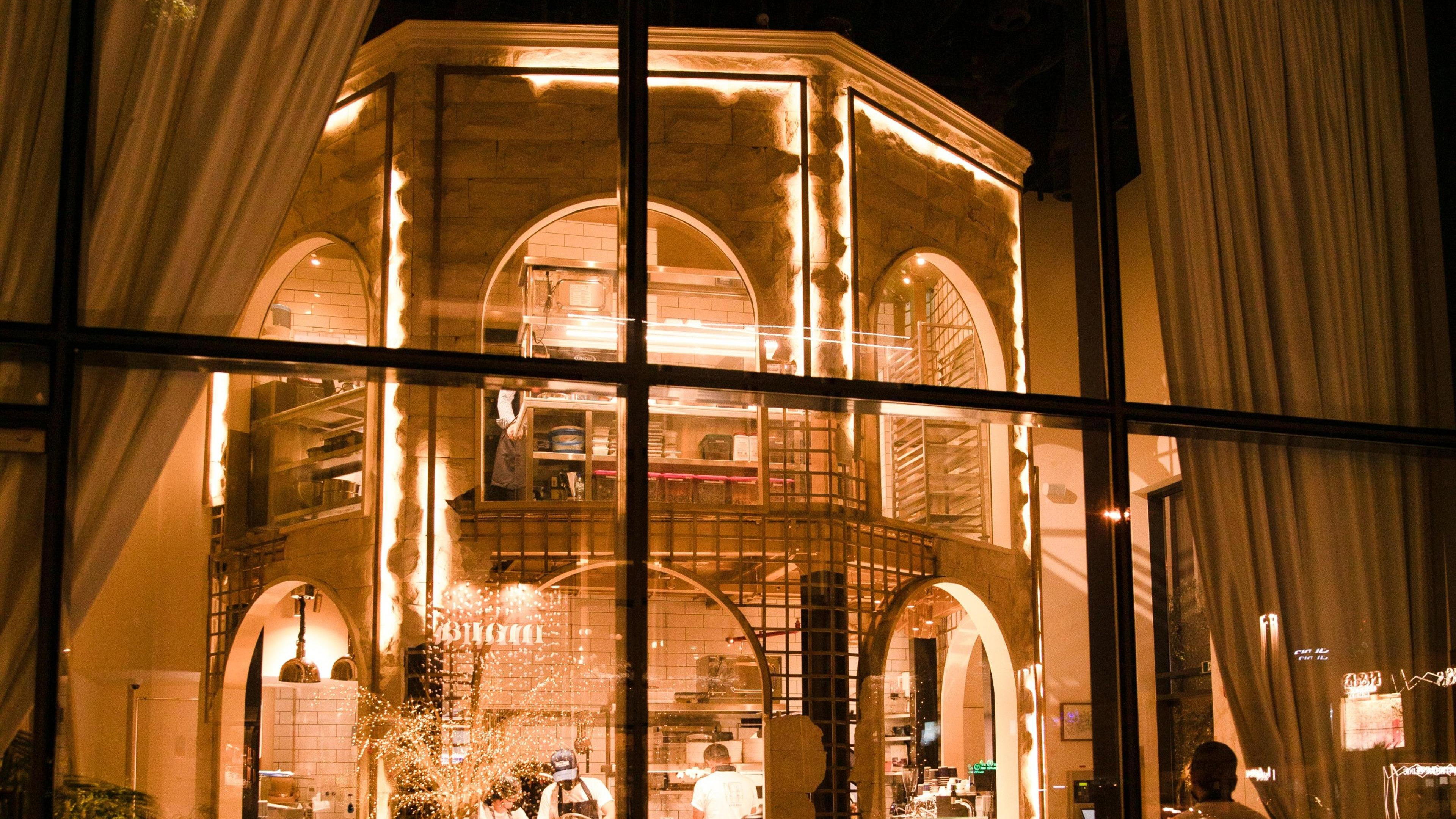
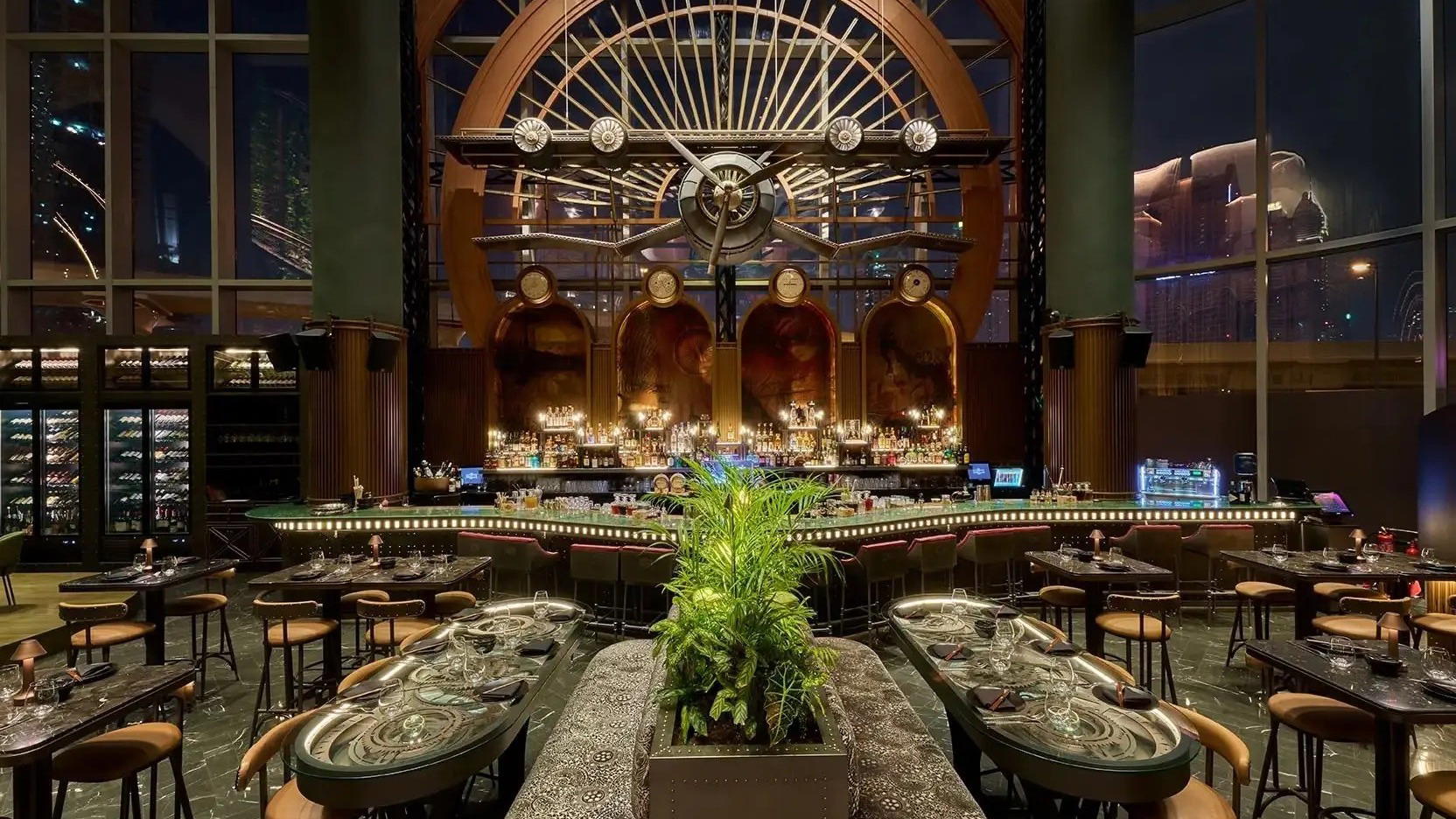
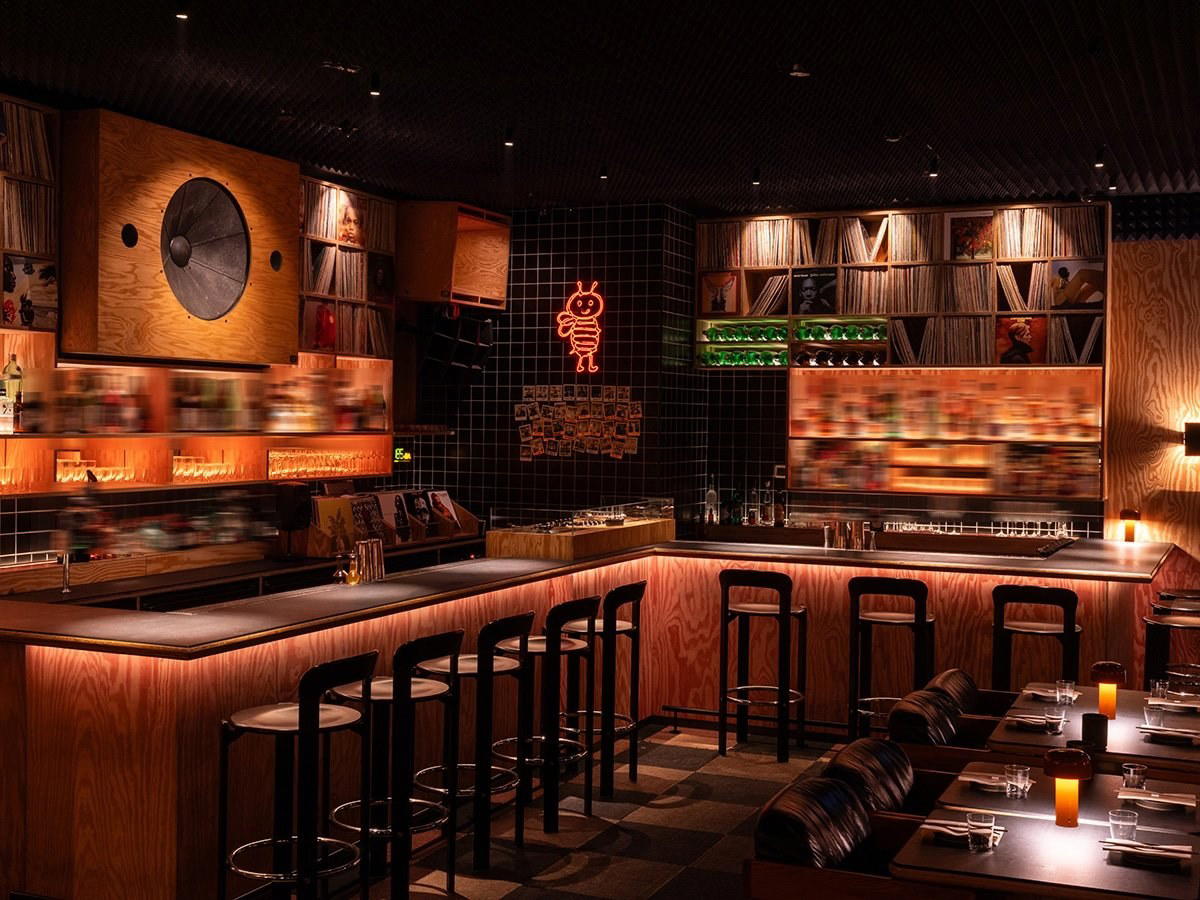
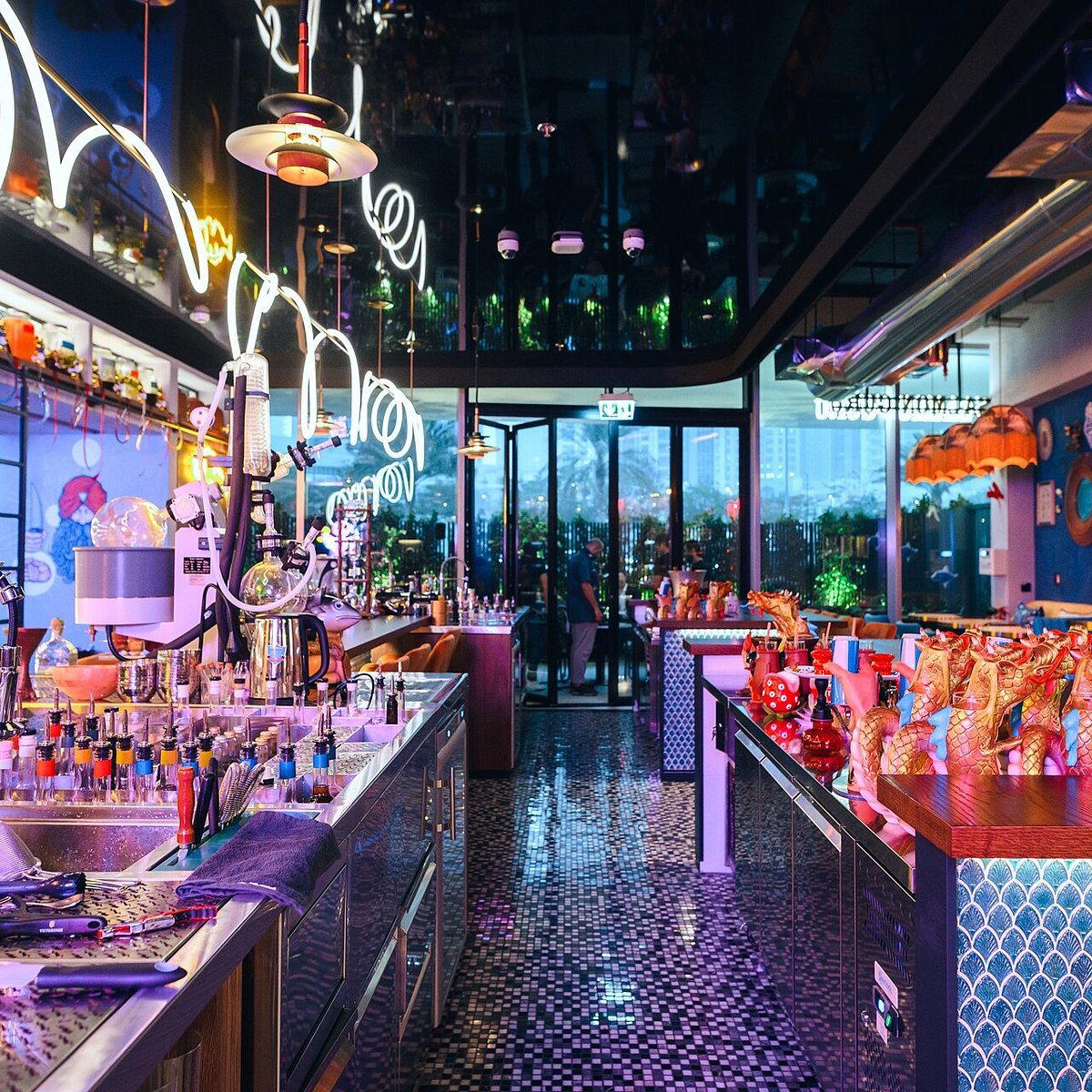
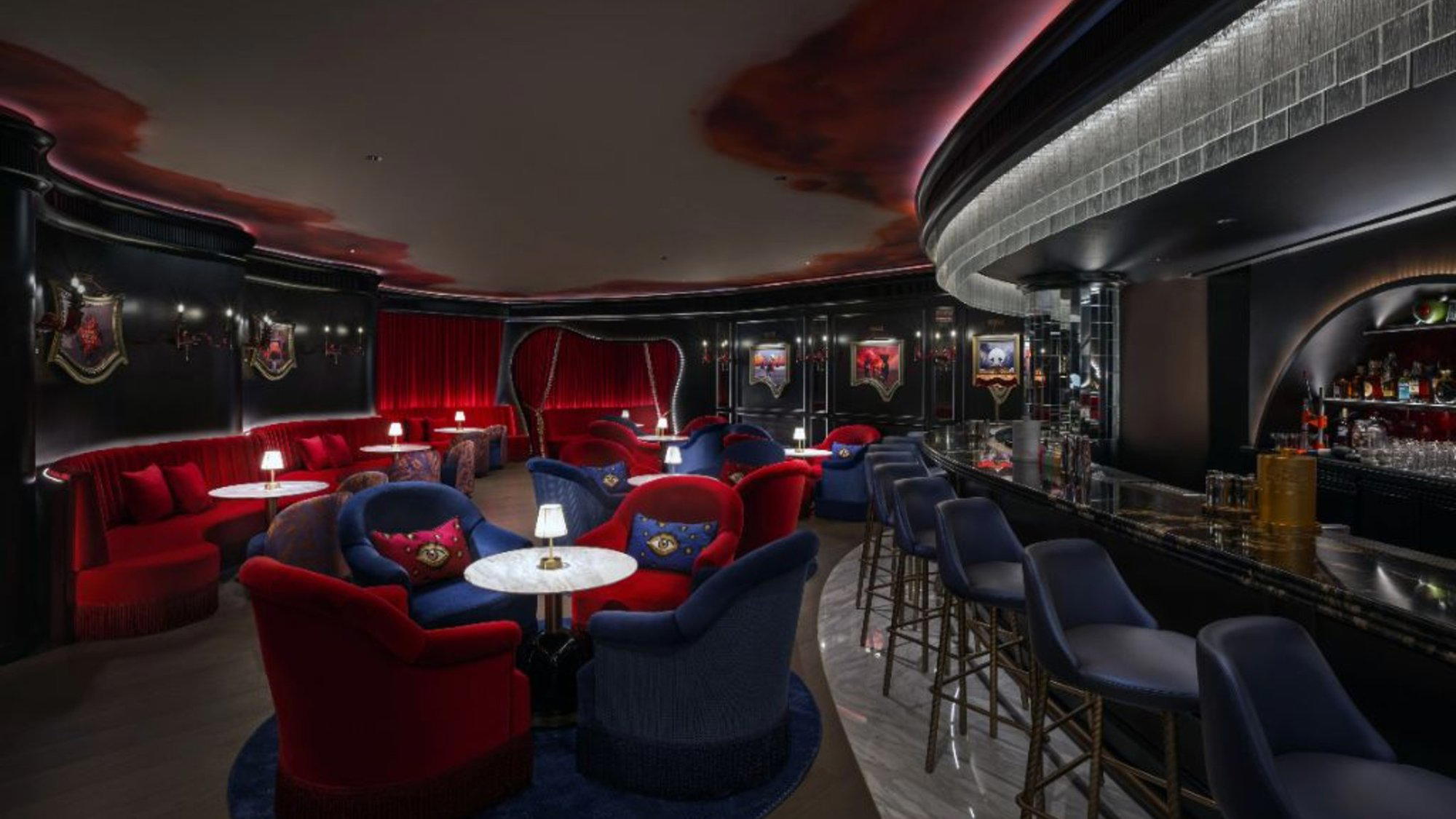
Warm and inviting with soft lighting, relaxed background music, comfy chairs, colorful artwork, and fairy lights creating a magical, enchanting atmosphere.