Al-Fanar

Al-Fanar brings Emirati home cooking to Dubai Festival City Mall's Canal Walk, holding consecutive Michelin Plate recognition in 2024 and 2025. The menu draws on Gulf coastal and Bedouin culinary traditions rarely presented at this price point, making it a practical entry point into a cuisine that most of Dubai's dining calendar ignores.
Pearl is the En Primeur Club membership app — saves, bookings, and concierge access live there. Same editors, same standards.
- Address
- Ground Floor, Dubai Festival City Mall, Near P.F. Chang's, Canal Walk - Dubai - United Arab Emirates
- Phone
- +971 4 232 9966
- Website
- alfanarrestaurant.com
- Directions
- Get directions
 Saves & bookings on Pearl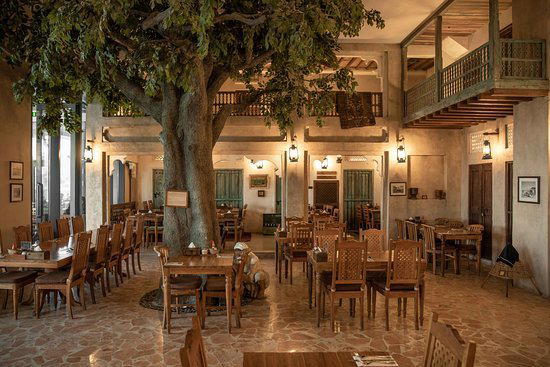
Where Emirati Food Gets a Fair Hearing
Mall dining in Dubai carries a certain stigma among serious eaters, and Festival City's Canal Walk does little to dispel it at first glance. The waterfront strip runs past the predictable roster of international chains, and Al-Fanar sits among them without architectural fanfare. What changes the calculus is what arrives at the table: food rooted in Gulf coastal and Bedouin culinary traditions that most of Dubai's restaurant calendar treats as background noise rather than a subject worth pursuing. Two consecutive Michelin Plate recognitions, in 2024 and 2025, confirm that the guide has noticed something here worth flagging.
Emirati cuisine occupies an odd position in Dubai's dining scene. The city generates more restaurant column inches per square kilometre than almost anywhere else, yet indigenous Gulf cooking is consistently underrepresented at the table level. The venues that do present it tend toward one of two formats: the high-ceremony heritage experience aimed at tourists, or the neighbourhood canteen aimed at locals who already know what they want. Al-Fanar has staked out a middle register, accessible in price and location, consistent enough in execution to earn repeated Michelin recognition, and broad enough in its menu to function as an education for visitors with no prior reference point for the cuisine.
The Cuisine and What to Order
Emirati cooking draws from several overlapping traditions: the seafood-heavy diet of the Gulf coast, the spiced rice and meat dishes of the interior and Bedouin heritage, and the date, dried lime, and saffron flavours that run as constants across both. Slow-cooked lamb, fish stewed with fenugreek and turmeric, and rice dishes built around whole-spice aromatics rather than the paste-based foundations of Indian or Persian cooking give the cuisine its own signature register. The bread traditions, thin, lacey, often made to order, are worth attention on their own terms.
Al-Fanar's menu works through these traditions at a price point that makes it one of the few places in the city where Emirati cooking is presented with culinary credibility without a cover charge calibrated to the tourism premium. For first-time visitors to the cuisine, the key reference points are the rice and meat combinations, the spiced fish preparations, and anything involving luqaimat, the fried dough balls with date syrup that have become especially recognised emblem of Emirati street food.
For a broader survey of where Emirati cooking appears across the city, Al Khayma Heritage Restaurant and Gerbou offer alternative formats worth comparing. The Abu Dhabi scene has developed its own set of serious Emirati addresses, including Erth, Al Mrzab, Meylas, and Yadoo's House, each representing a different point on the spectrum from casual to considered.
Planning Your Visit: Logistics and Expectations
The restaurant reflects its position in the market. That is not a drawback. It means that a visit can be planned with less lead time than the city's Michelin-starred or tasting-menu operations require, and that the kitchen is well-drilled from volume.
The contrast with Dubai's more demanding booking environments is instructive. The tasting-menu format restaurants, Trèsind Studio for its Indian progressive menu, Row on 45 for creative contemporary cooking, or FZN by Björn Frantzén at the higher end of Modern Cuisine, require planning weeks or months in advance and carry price tags that sit at the opposite end of the spectrum. The restaurant occupies a different role: it is the kind of place you can add to an itinerary on shorter notice, particularly useful when Dubai's premium restaurant slots have already closed.
Festival City's Canal Walk draws peak foot traffic during weekend evenings and during Dubai's cooler season, roughly October through April, when the outdoor waterfront sections become viable. Arriving earlier in service, lunch rather than peak weekend dinner, reduces wait times without sacrificing kitchen performance.
Where Al-Fanar Sits in Dubai's Dining Picture
Michelin's Plate designation, awarded in both 2024 and 2025, positions the restaurant at the level of technically sound, worth-visiting restaurants. In a Dubai context where the guide skews heavily toward international fine dining formats, European technique, imported Japanese traditions, high-ticket seafood, the Plate recognition for a $ Emirati restaurant at a mall address carries a specific editorial weight. It signals that the guide is registering the cuisine on its own terms rather than only rewarding the city's import model.
That matters for anyone building a Dubai itinerary that wants to read the city rather than just sample its international imports. The comparison set for understanding the restaurant's position is not the starred tables referenced above; it is the wider question of what local culinary identity looks like in a city that has spent decades constructing a hospitality offer almost entirely around external references. For that question, the restaurant is among the more accessible answers available.
For a fuller picture of where to eat and drink across the city, EP Club's Dubai restaurants guide maps the full range of options by cuisine and format. The Dubai hotels guide, bars guide, wineries guide, and experiences guide cover the broader itinerary. For international reference points on what Michelin recognition at this tier signals across different culinary traditions, the EP Club profiles of Le Bernardin in New York, Atomix, Emeril's in New Orleans, and Lazy Bear in San Francisco offer a sense of the range the guide covers across markets.
Where It Fits
Comparable venues nearby, for context on price, style, and recognition.
| Venue | Cuisine | Price | Awards | Notes |
|---|---|---|---|---|
| Al-FanarThis venue — the venue you are viewing | Authentic Emirati | $$ | Michelin Plate | Not listed |
| Siraj | Modern Emirati Levantine | $$ | Michelin Plate | Downtown Dubai |
| Gerbou | Modern Emirati | $$$ | Michelin Plate | Nadd Al Shiba |
| Ninive | Modern Arabic Mezze and Grill | $$$$ | Michelin Plate | Za'abeel 2 |
| Al Mandaloun | Authentic Lebanese | $$$ | Michelin Plate | Za'abeel 2 |
| Zaatar w Zeit - Sheikh Zayed Road | Lebanese Street Food | $$ | Not listed | Al Satwa |
Recognition history
Dated appearances from independent guides and award organizations, with the underlying list record or original source where available.
Michelin Plate
Michelin
Michelin Plate
Michelin
Continue exploring
More in Dubai
Restaurants in Dubai
Browse all →
At a Glance
- Classic
- Cozy
- Well Known
- Family
- Group Dining
- Casual Hangout
- Terrace
- Waterfront
- Waterfront
- Street Scene
Current opening hours
- Monday
- 12–11 PM
- Tuesday
- 12–11 PM
- Wednesday
- 12–11 PM
- Thursday
- 12–11 PM
- Friday
- 12–11 PM
- Saturday
- 12–11 PM
- Sunday
- 12–11 PM
Hours can change for holidays and private events. Last verified .
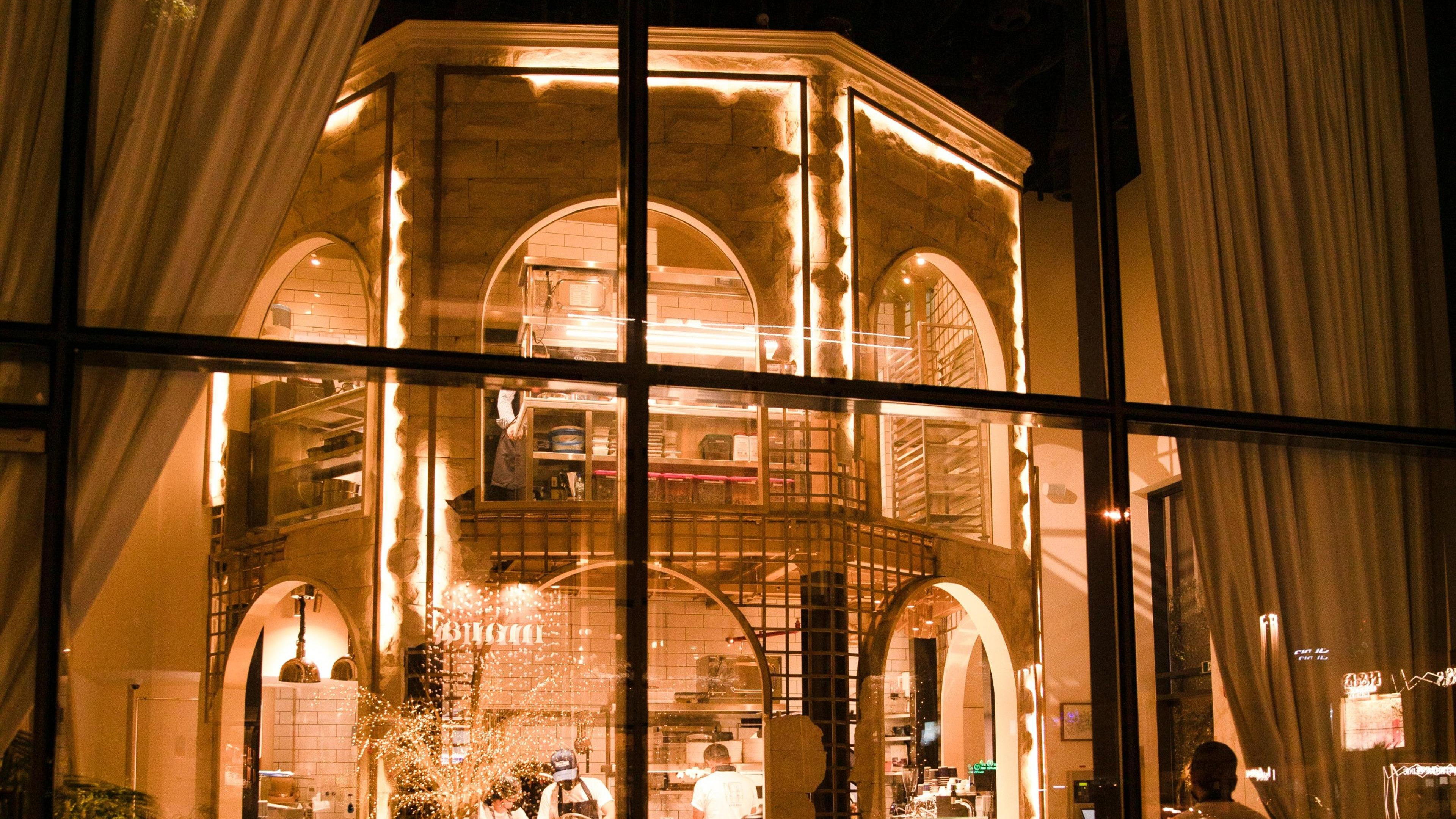
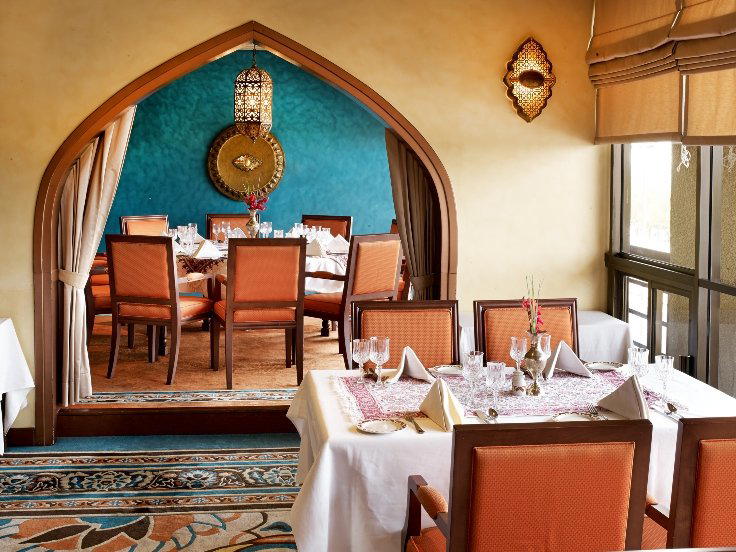
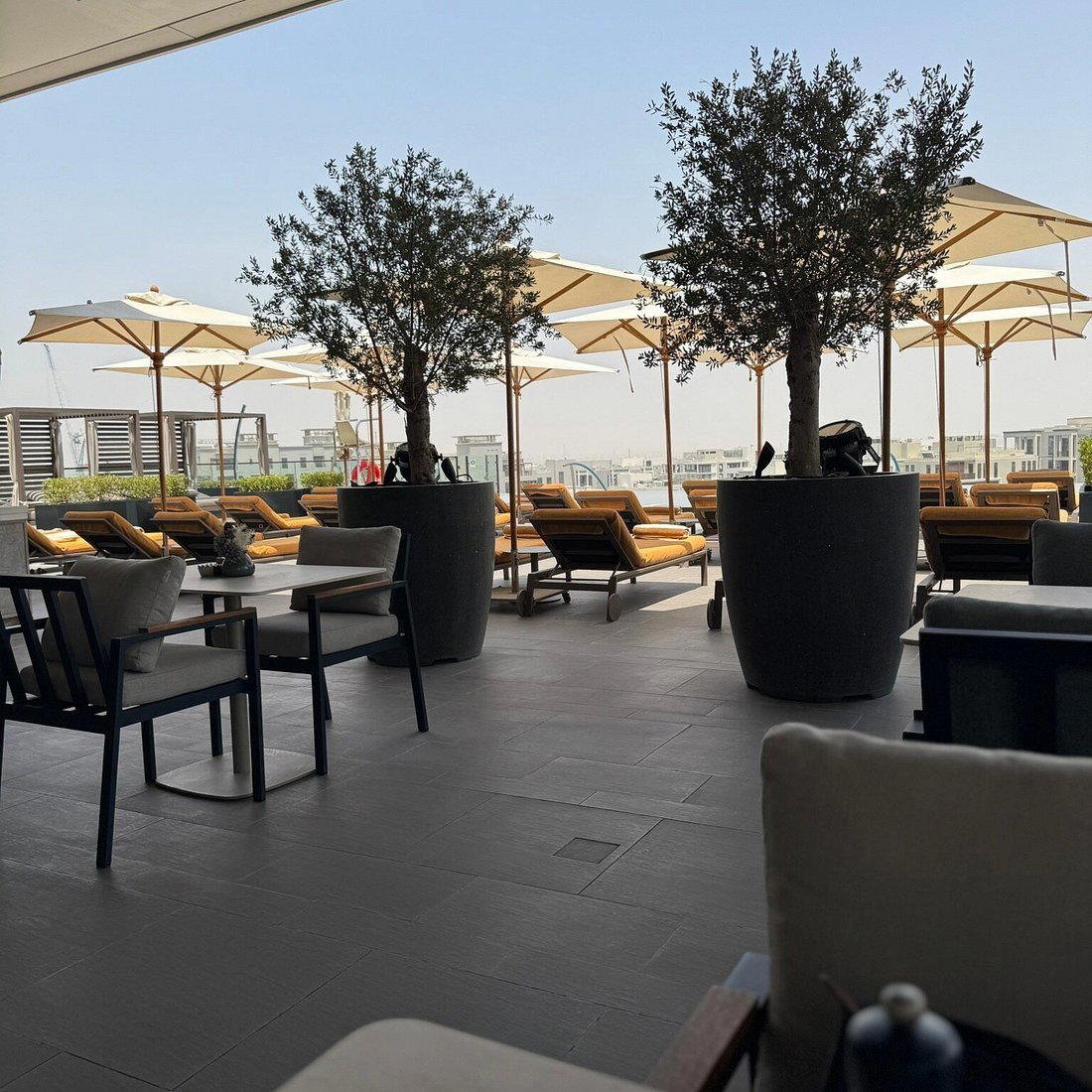
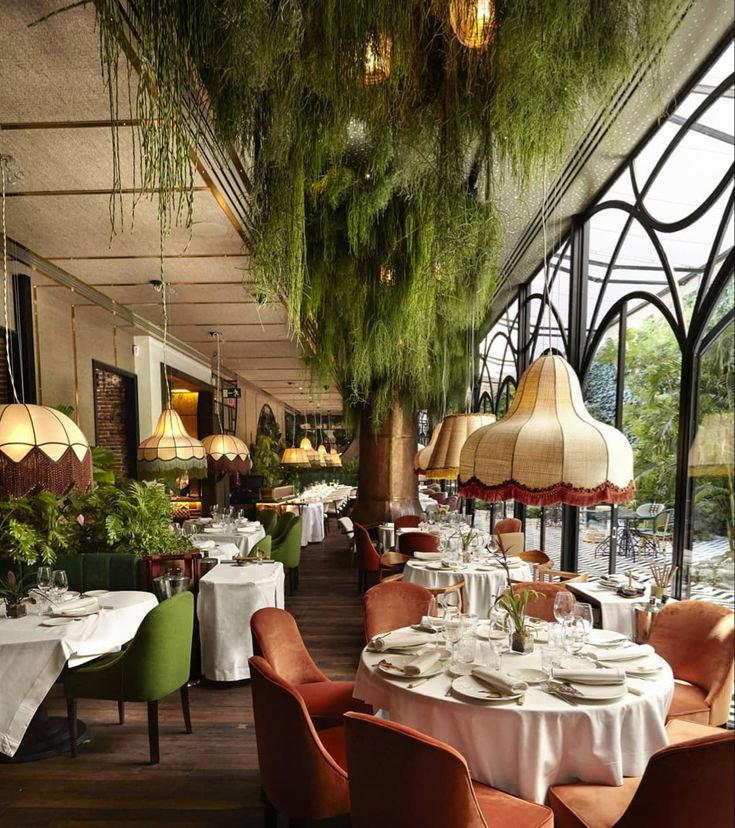
Rustic and authentic Emirati decor with warm lighting, courtyard-style seating, and terrace views creating a homely, nostalgic atmosphere.